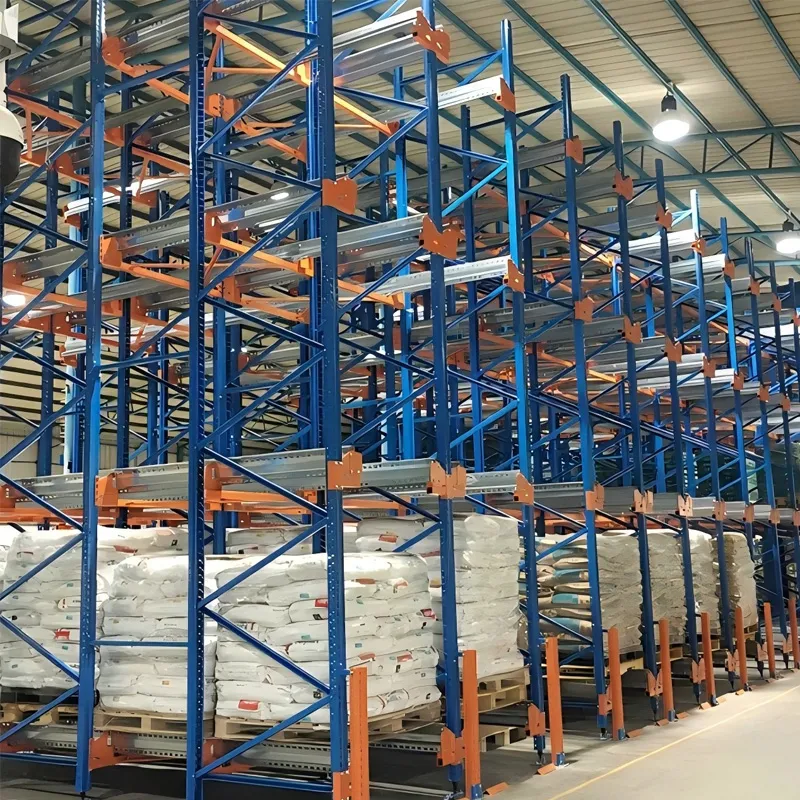
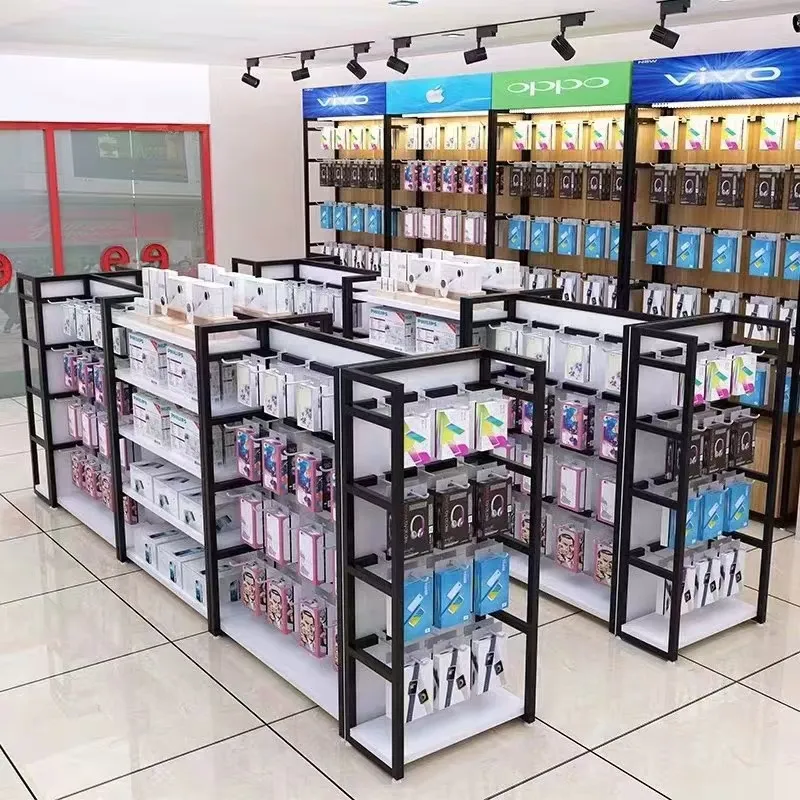
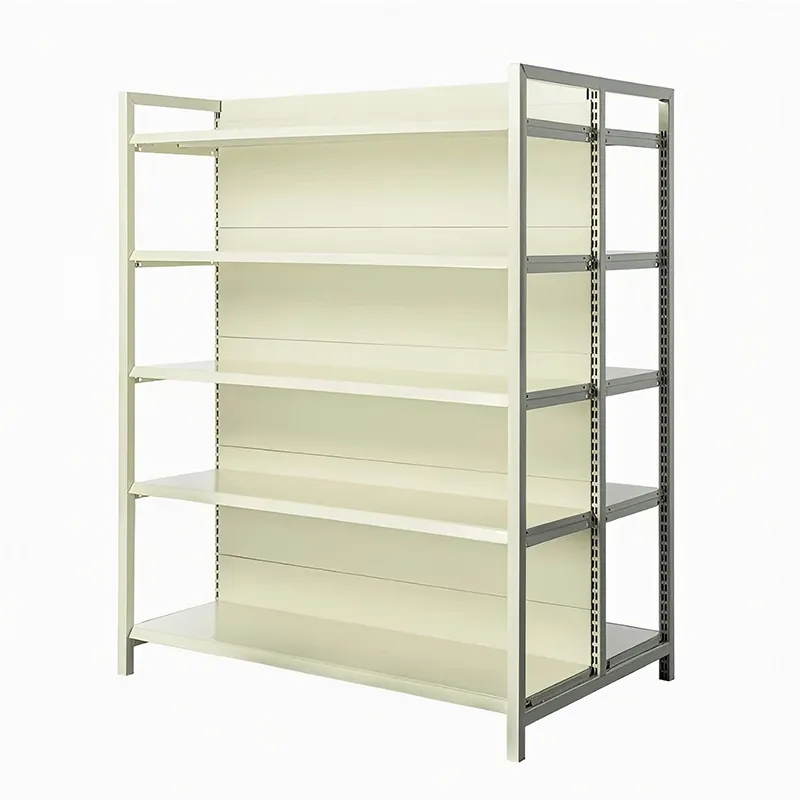
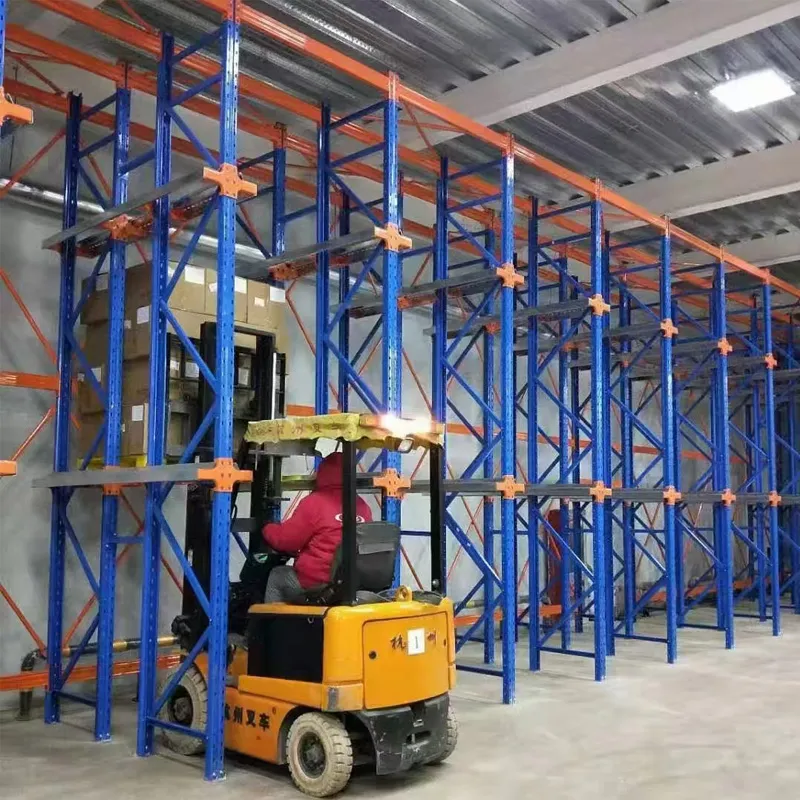
When they talk aboutuse of warehouse space, many people immediately think about the height of the ceilings and the number of tiers. But this is just the tip of the iceberg. In fact, efficiency starts with understanding what you store, how often it moves, and—what is often overlooked—how it is maintained and changes over time. A mistake that I constantly see: ordering racks for a specific product “for now?”, without taking into account future nomenclature or seasonal fluctuations. As a result, after six months the system is no longer optimal.
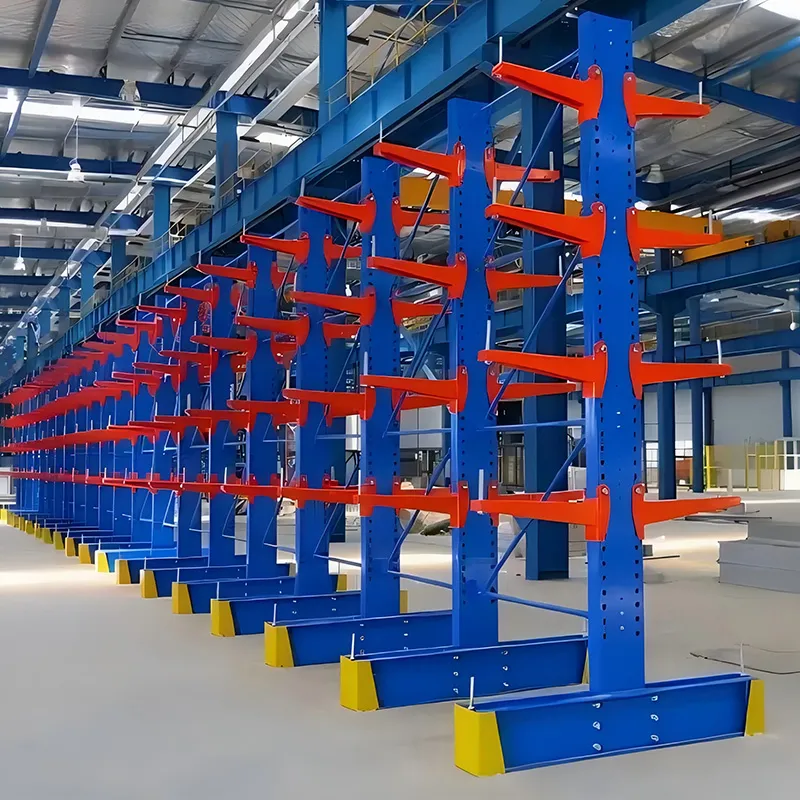
I once took on a project for a medium-sized distributor of spare parts. According to the papers, everything is perfect: we calculated the load capacity, selected cantilever racks for long items and shelf racks for small items. But at the stage of equipment acceptance, a small detail was discovered that was not taken into account in the 3D model: the dimensions of the stackers. The passages laid out according to the standards, in practice, turned out to be difficult to maneuver, especially when fully loaded. We had to quickly rearrange entire sections, wasting time. This is the case when virtual design must be tested “on the ground” with real equipment.
Another nuance is the so-called “dead zones”. Corners, space behind supports, areas near gates. They are often simply written off as inevitable losses. But if you get creative, some of them can be used. For example, for storing rarely demanded but mandatory assortment or packaging materials. The main thing is not to turn it into a landfill, access to which will then be impossible.
Here, by the way, solutions from manufacturers who themselves have extensive warehouse experience have performed well. Take, for example,Harbin Rack Factory ?Jusheng?. On their websitejshj.ruit is clear that they offer not just hardware, but a complex: from design to maintenance. For me this is an indicator. When a manufacturer understands the full cycle, its designs often already contain built-in solutions for those very “problem” ones. places - reinforced components for possible future rearrangement, standardized fastenings.
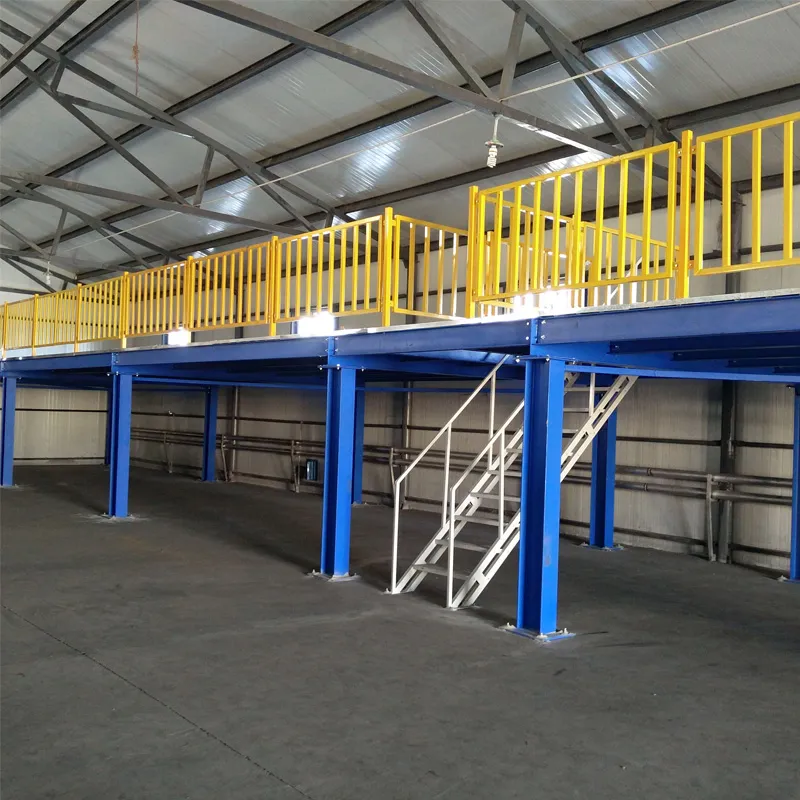
The pursuit of cubic meters at the expense of height is a classic. It seems that he installed high-rise racks - and that’s the problemuse of warehouse spacesolved. But here the question of technology arises. Not every reach truck or stacker can safely operate at a height of 12 meters, especially during intensive picking. Qualified operators and stricter control over the condition of shelves are required. And most importantly, the “acceptance-selection” cycle time increases. Sometimes it is more profitable to make a mezzanine, albeit with a loss of part of the volume, but with an increase in the speed of order processing due to ergonomics.
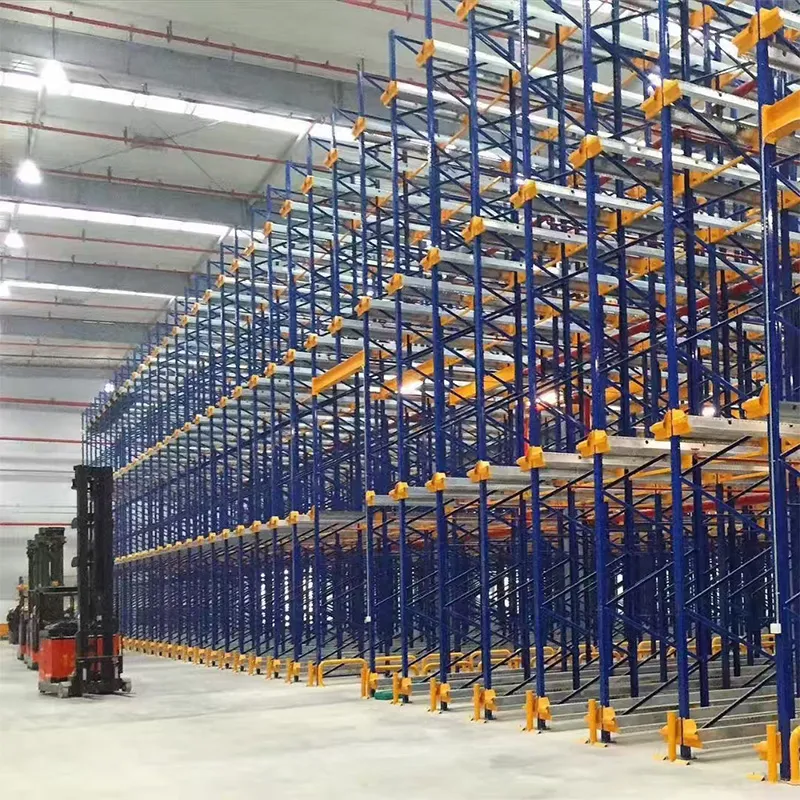
We had experience with installing a four-way shuttle system. The technology is certainly advanced, the storage density is phenomenal. But its implementation makes sense only with a very high turnover and a clear warehouse management system (WMS). We were a little hasty and did not fully automate the accounting. As a result, expensive equipment periodically stood idle, waiting for commands. Lesson: first debug the processes, then implement “smart” ones. systems foruse of warehouse space.
As for the structures themselves, reliability is not an item on which you can save. I saw the consequences of collapse due to overload or poor installation. Therefore, now I am always interested not only in the thickness of the metal, but also in the origin of raw materials and quality control in production. In the description?Harbin Jusheng Metal Structure Manufacturing Co.,Ltd.Several lines of automated equipment are indicated. For me, this is a signal about the stability of the parameters of the manufactured beams and connectors, which directly affects the safety and durability of the entire system.
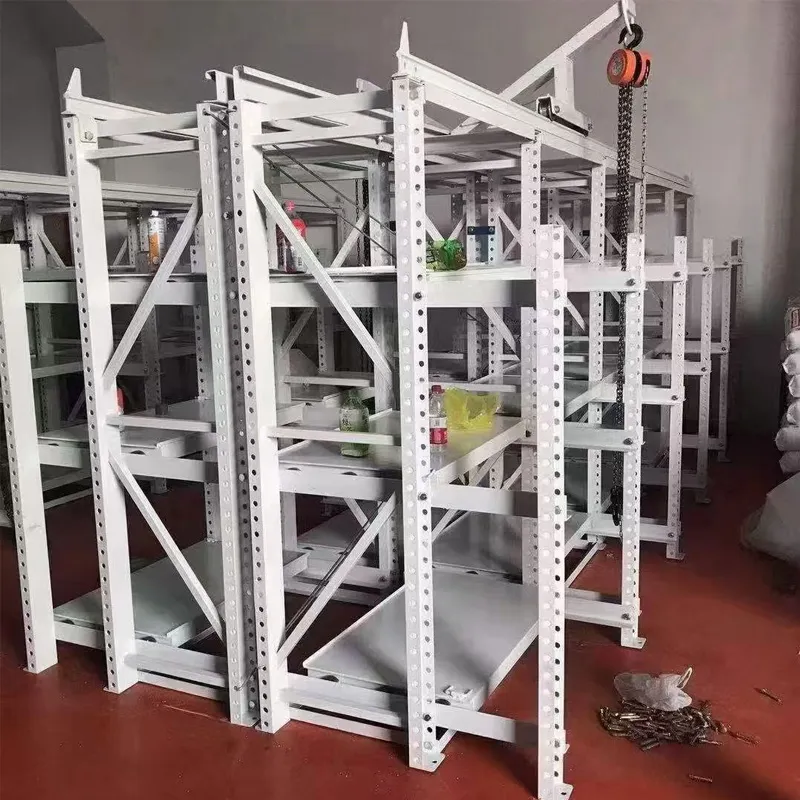
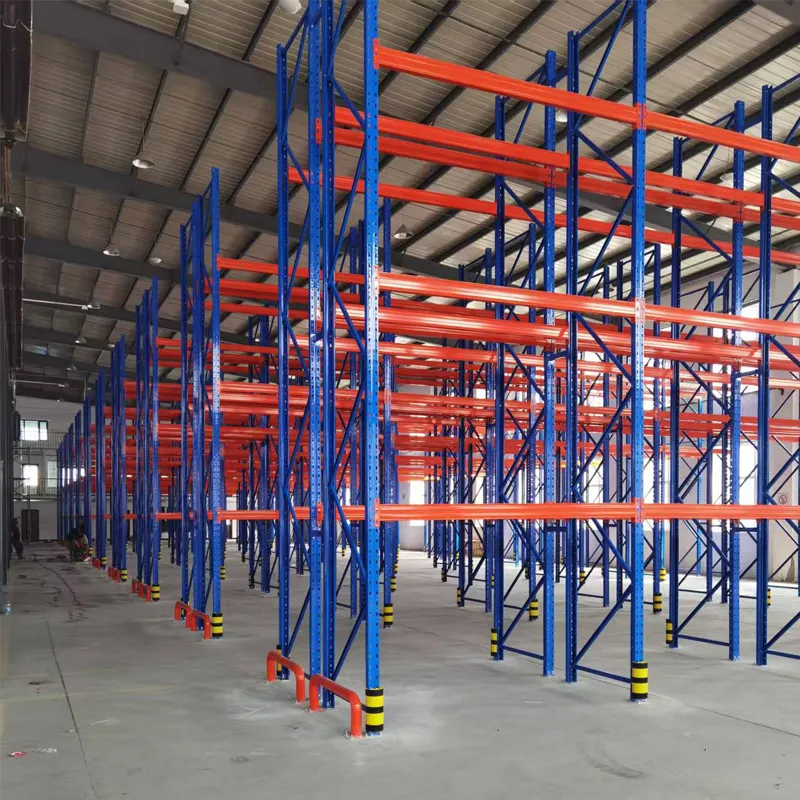
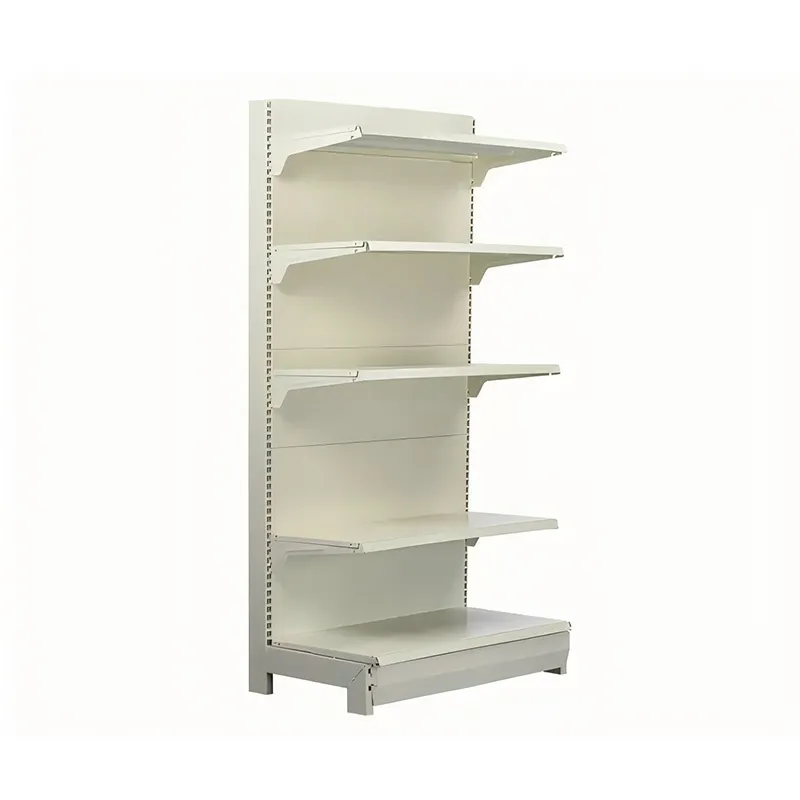
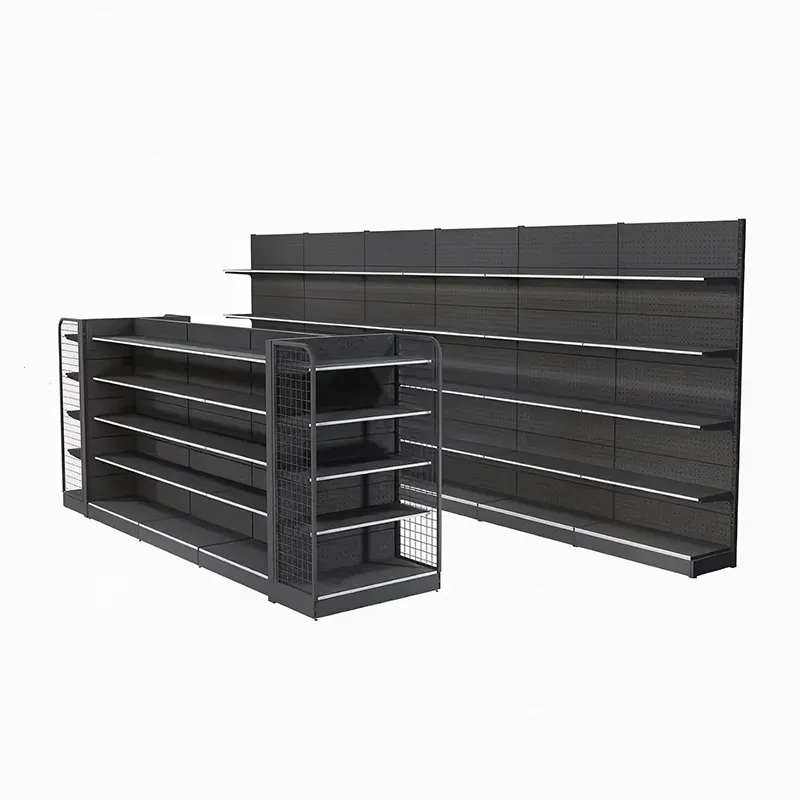
The warehouse lives and changes. Today you store pallets of tires, tomorrow you store boxes of electronics. A rigid, non-adaptable system becomes a burden. Therefore, now when designing, we include the possibility of relatively quick rearrangement. Beam shelving systems, where you can change the height of the tiers, or shelf systems with perforated racks work well.
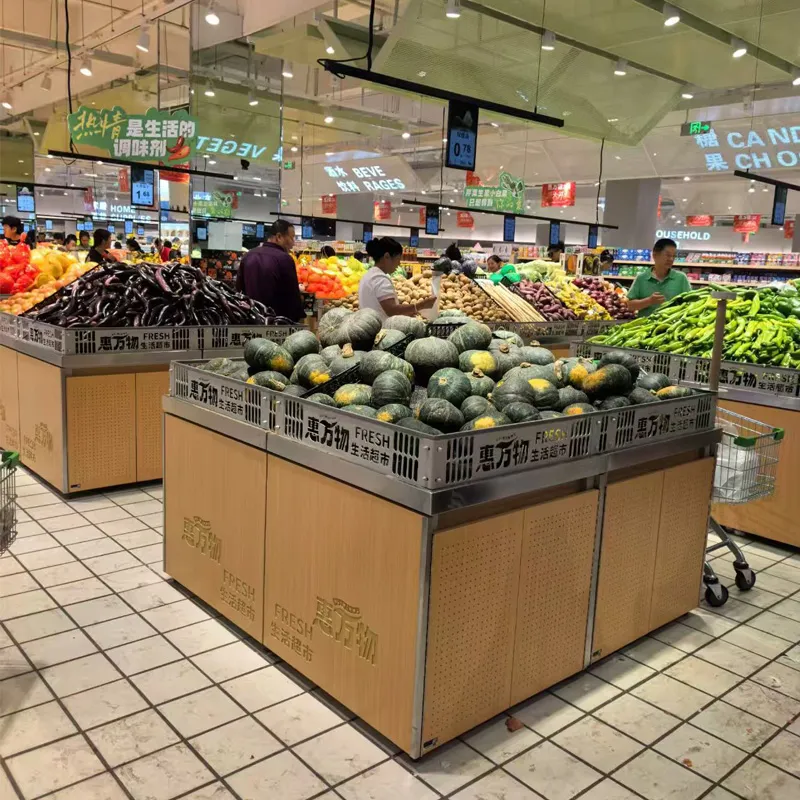
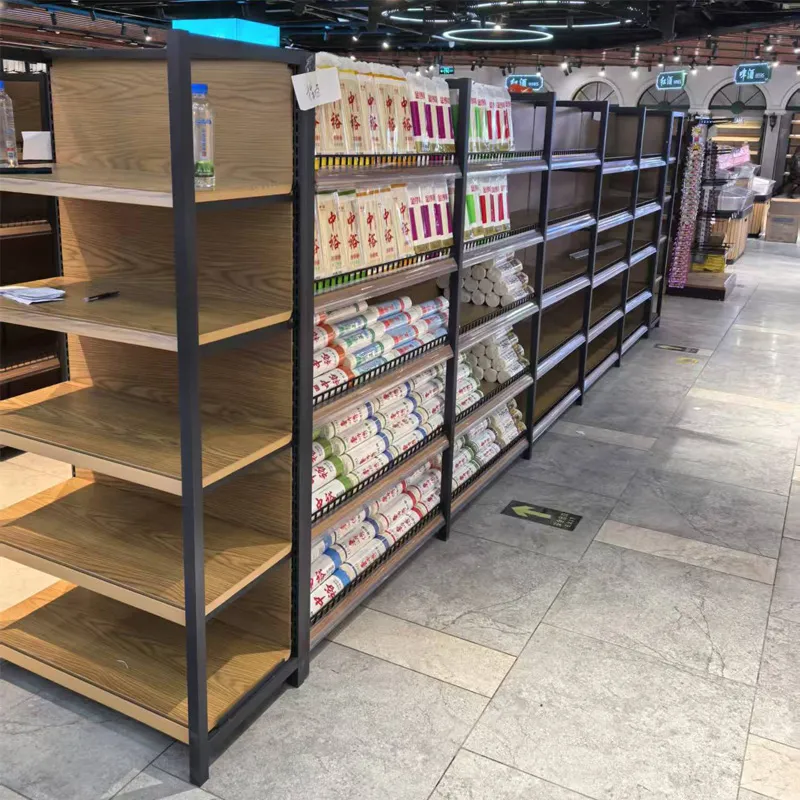
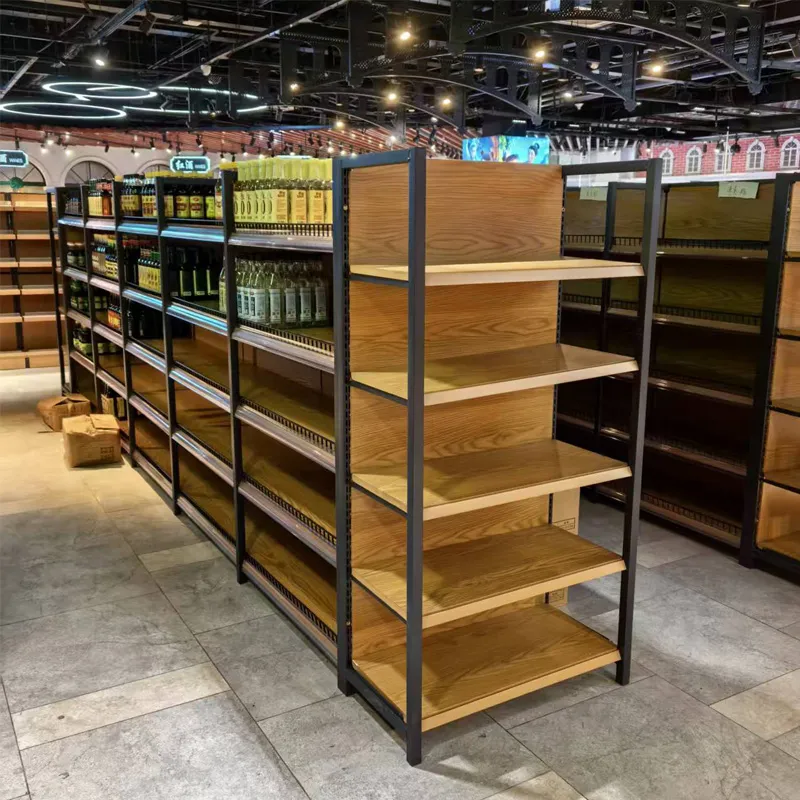
An interesting case was with a sales area combined with a warehouse. A single style solution was required, but a different load. We used shelving for sales areas from the same “Jusheng”, which withstood both the presentation look and the warehouse load in the rear area, invisible to the buyer. This is just an example of the integrated approach that is stated on their website: design, production, sales and service of a full range of systems. For the client, this turned out to be more profitable than ordering different solutions from different contractors.
The recycling or modernization stage is often forgotten. The structure must not only be assembled, but also disassembled, and its components must be suitable for reuse after minor restoration. This is a matter of life cycle economics, not just the initial investment.
You can create a system that is ideal in terms of density, but if the commissioner or storekeeper is uncomfortable working, productivity will drop and injuries will increase.Use of warehouse spaceshould be convenient for people. This includes the width of the aisles, the height of the shelves at the “golden zone” selection level, and proper lighting and labeling.
Once I had to redo the labeling system at a large pharmaceutical warehouse. Initially, everything was labeled according to technical drawings, but the location numbers were long and difficult to understand verbally. Selection errors were common. We introduced a simplified color and letter system, visually understandable at first glance. The number of errors has decreased significantly. This is also part of using space effectively - making it clear.
Training staff to work with the new storage system is a separate big topic. It is not enough to simply install shelving. It is necessary to establish regulations and conduct training, especially on safety precautions when working at heights or with special equipment.
So why am I doing all this? To the point thatuse of warehouse spaceThis is not a one-time task of installing equipment. It is a continuous process of auditing, adapting and optimizing. There is no universal solution. What is ideal for metal structures at a plant in Pingfang may not be suitable for storing textiles in Moscow.
The key is a partnership with a supplier who is able not just to sell a rack, but to delve into logistics, understand business processes and offer a flexible, reliable and, importantly, safe solution. How, for example, doesHarbin Rack Factory ?Jusheng?, positioning itself as a full-cycle enterprise. This gives hope that they are seeing the whole picture and not just their stage.
Therefore, my main advice is: do not chase abstract indicators of “storage density”. First, take an honest look at your current and future product flows, personnel and equipment capabilities. And only then choose a technology and a partner. An effective space is one that works for your business here and now, and not tomorrow.