When you hear “rack design,” many people immediately think of CAD models and load calculations. This is important, of course, but if it all came down to this, half the warehouses would be working at half capacity. The main mistake is to start with the cell dimensions or profile type. In fact, the first thing you need to think about is not the rack, but the flow: how the cargo arrives, how it is stored, how it is selected, and - what is often forgotten - how it will change in a year or two. I’ve seen projects where everything is perfect according to the standards, but the loader does not turn around in the aisle, or the cells are jammed to capacity and slow down the selection by 30%. This is the price of the “template” one. approach.
An ideal project begins with an audit, which many clients try to skip in order to be “faster and cheaper”. You require a list of items with dimensions, weight, turnover, seasonality. In response you often get: “We have about a thousand items, the boxes are different?”. You have to almost forcefully pull data from WMS or carry out manual measurements selectively. Without this anywarehouse shelving designturns into fortune telling. Once based on ?approximate? data, we designed the system for 1200x800 pallets, but 40% of the cargo arrived on 1200x1000 pallets. I had to redraw the layout on the fly, losing useful volume.
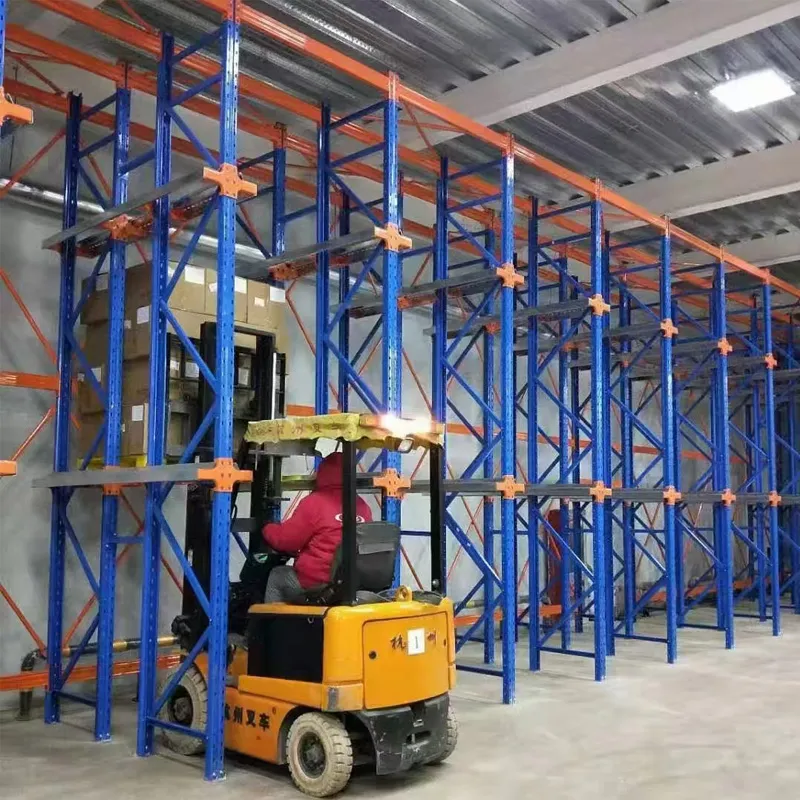
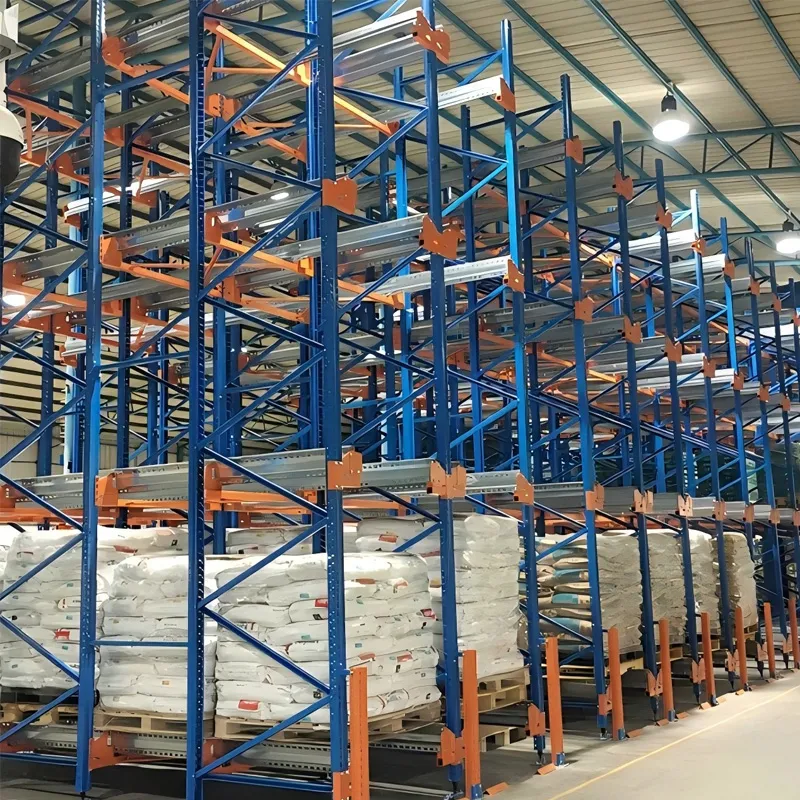
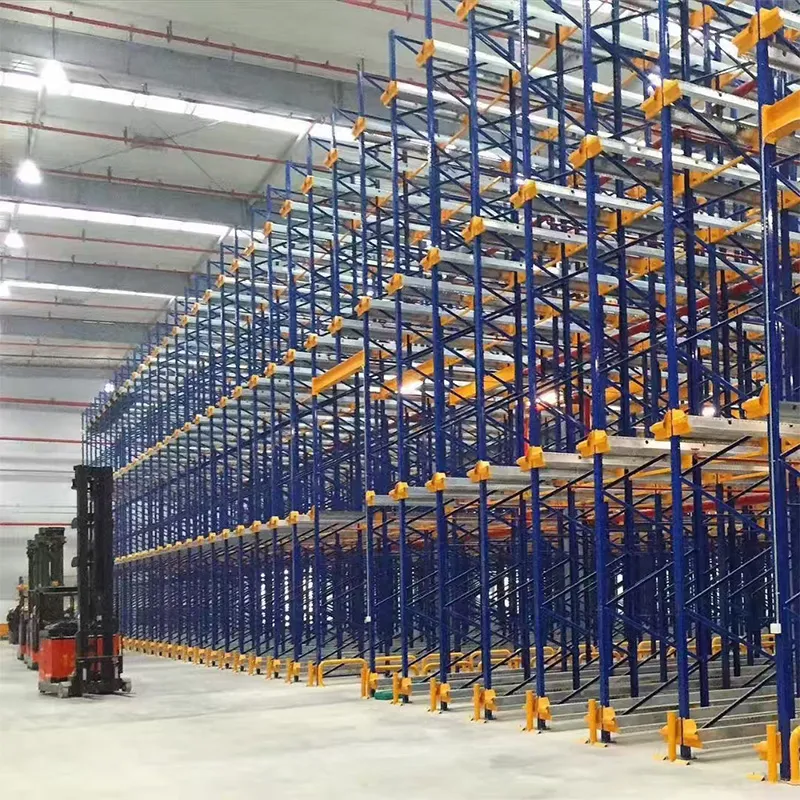
The next key is understanding the technology of work. Will it be manual picking, stackers, reach trucks? Is the warehouse height 6 meters or 12? This determines the type of system. For example, for high warehouses with dense storage, pallets are idealdrive-in racksor systems with shuttles, but they require precise load calculations and special attention to the floor. And if we are talking about small-piece goods, then you cannot do without mezzanine structures, but here the question of accessibility for personnel and lighting arises.
And here it’s worth mentioning that the quality of the project’s implementation greatly depends on the manufacturer, who is capable of not only producing metal structures, but also delving into logistics. For example,?Harbin Jusheng Metal Structure Manufacturing Co.,Ltd.(https://www.jshj.ru) is not just a plant. Their approach, as I understand from joint projects, begins with a needs analysis. They don't just sellracks for four-way shuttles, and first help to understand whether this technology is suitable for a specific flow of goods and whether it will pay off. Their production base of 20,000 m2 and automated lines are good, but it’s more valuable when an engineer asks questions about the specifics of your product, rather than just dumping a catalog.
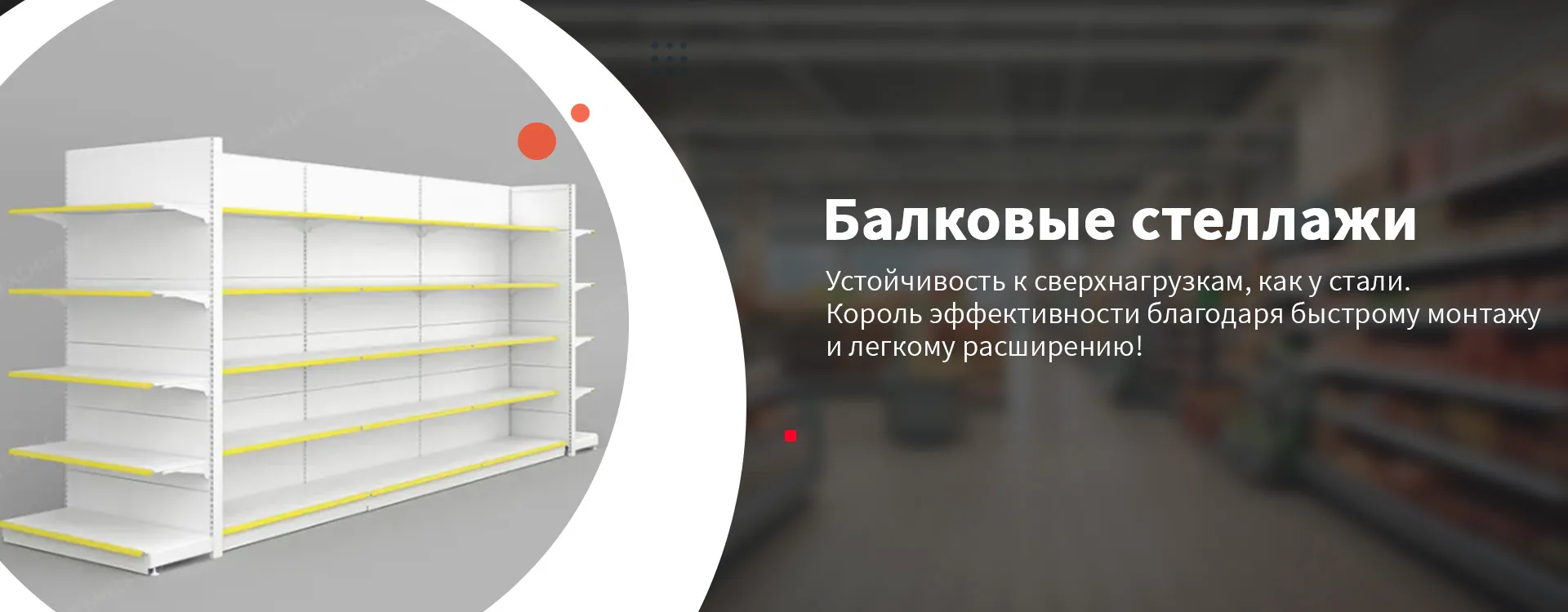
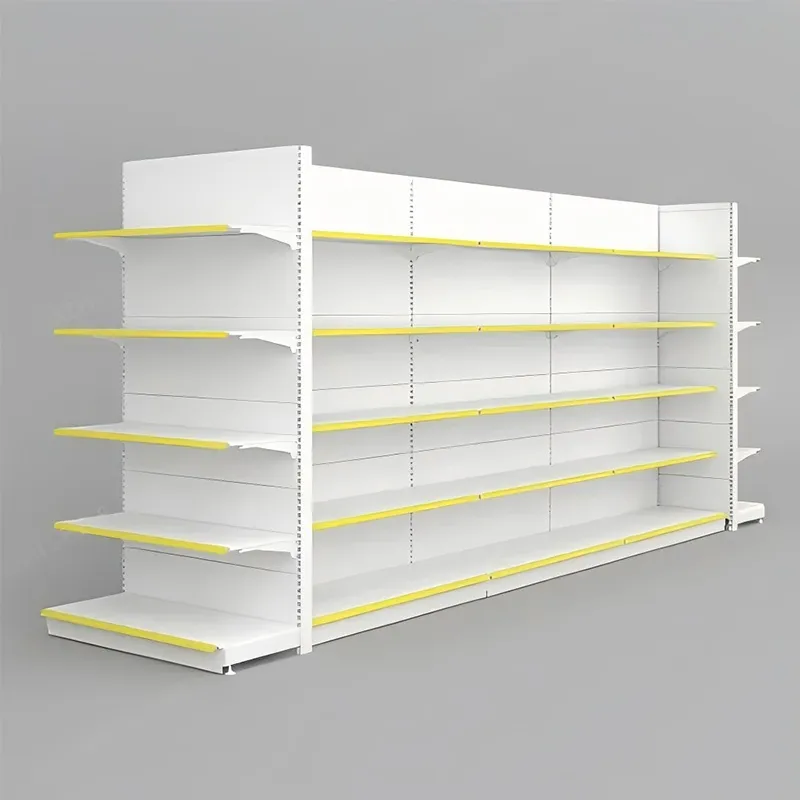
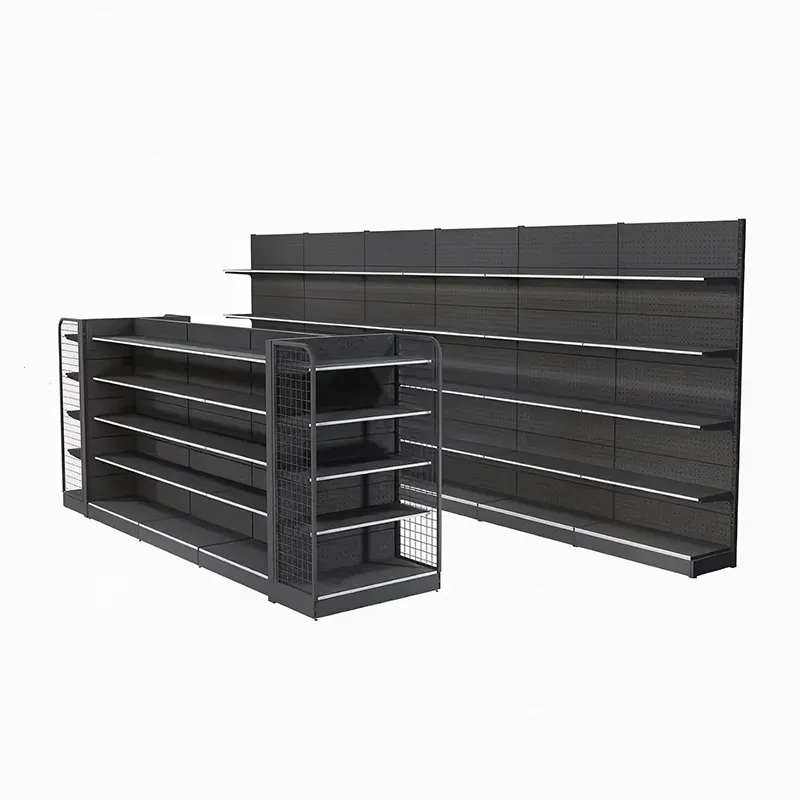
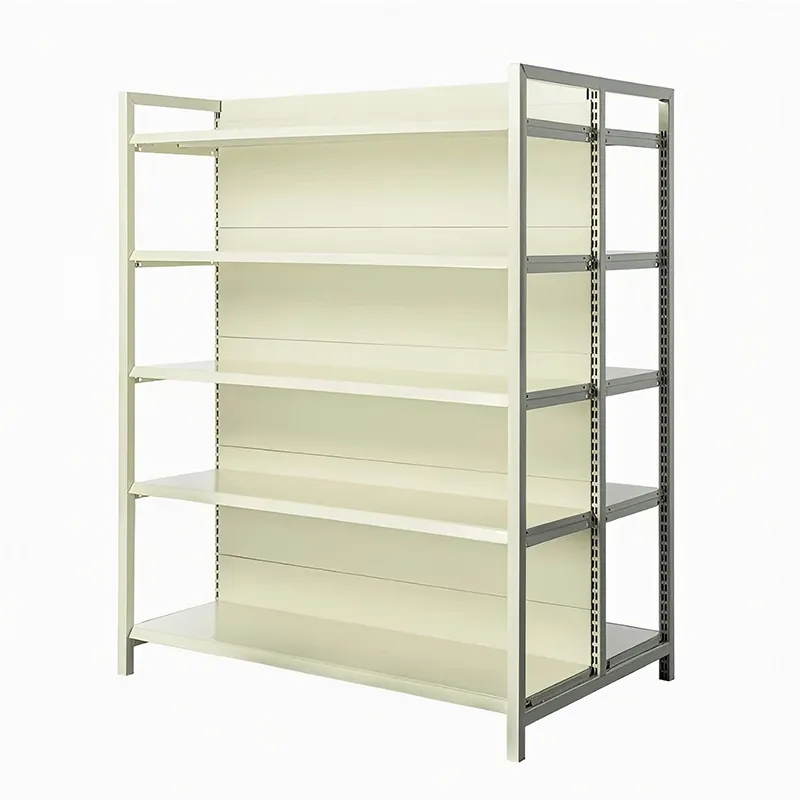
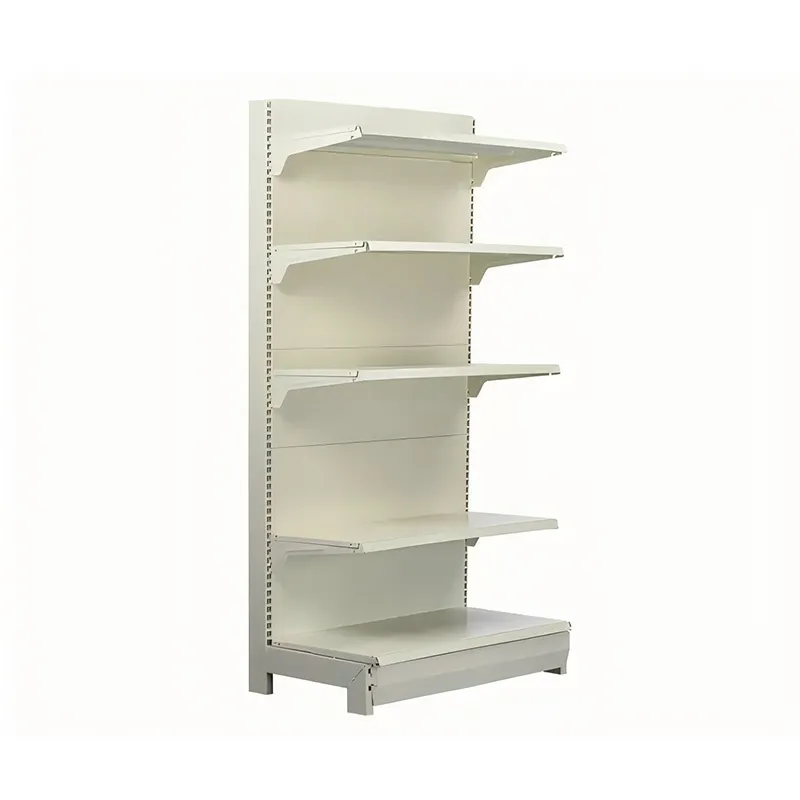
Let's move on to the hardware. It would seem that beams, racks, connections - everything is standard. But the devil is in the details. The thickness of the metal, the quality of perforation in the racks (for adjusting shelves), the type of lock on the beams - not only the load, but also the speed of installation and, most importantly, safety depend on this. I saw how they “saved money” on the project. on the thickness of the shelves forshelf racks. Six months later, the shelves began to sag noticeably under the weight of the boxes, and the staff began to be afraid to approach them. I had to strengthen it, stopping the operation of the section.
Designing for special equipment is special. Let's say we chose reach trucks. This means that you need to accurately calculate the width of the passages, take into account the dimensions of the loaded equipment, and the turning radius. The slightest mistake of a couple of centimeters - and the operator will spend extra seconds on one cycle, which on a yearly scale will result in huge losses. Here, 3D visualization and simulation are not a luxury, but a necessity. We once made a model for a narrow warehouse, where we managed to “win?” 15 cm in the aisle due to the choice of cantilever racks for long items, freeing up space for maneuvers.
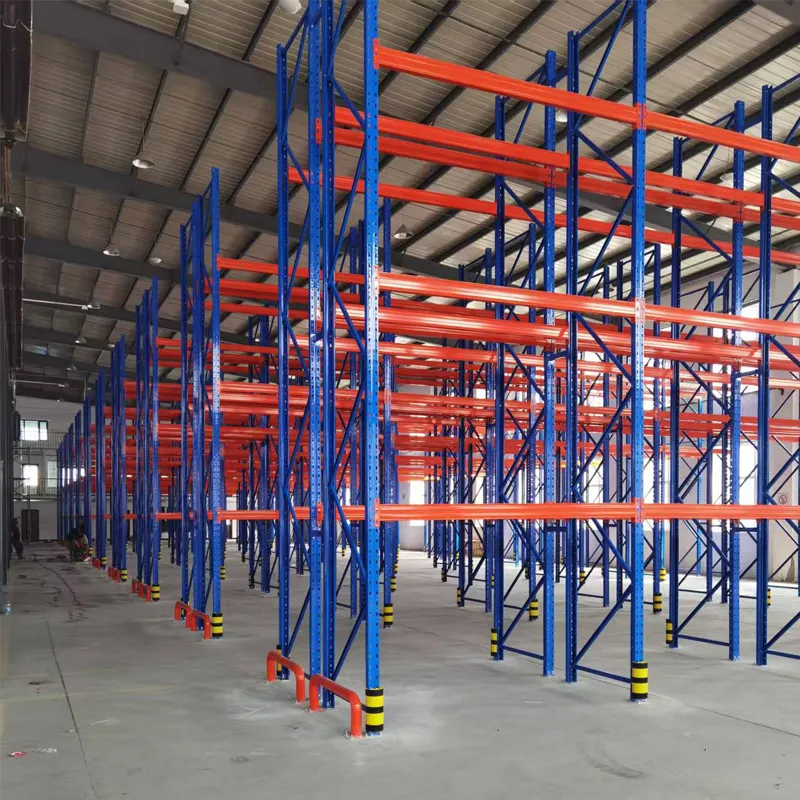
We must not forget about the base - the floor. Its evenness and load-bearing capacity. There was a story when, for a finished projectbeam racksdid not check the load per square meter of the existing slab. As a result, we had to do expensive reinforcement of the floor, which consumed half of the budget. Now we always require technical documentation for a building or take measurements.
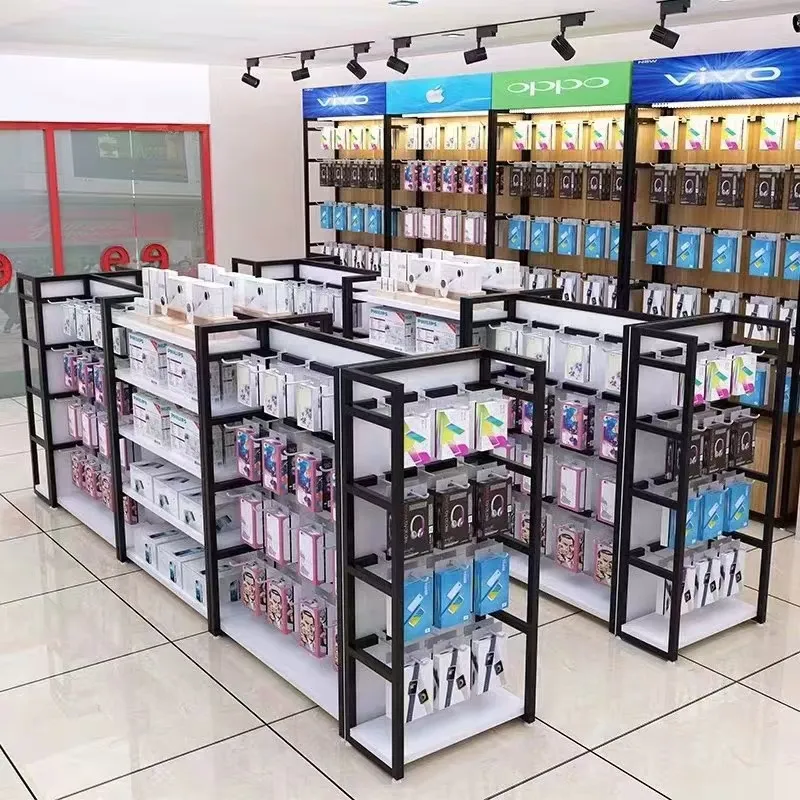
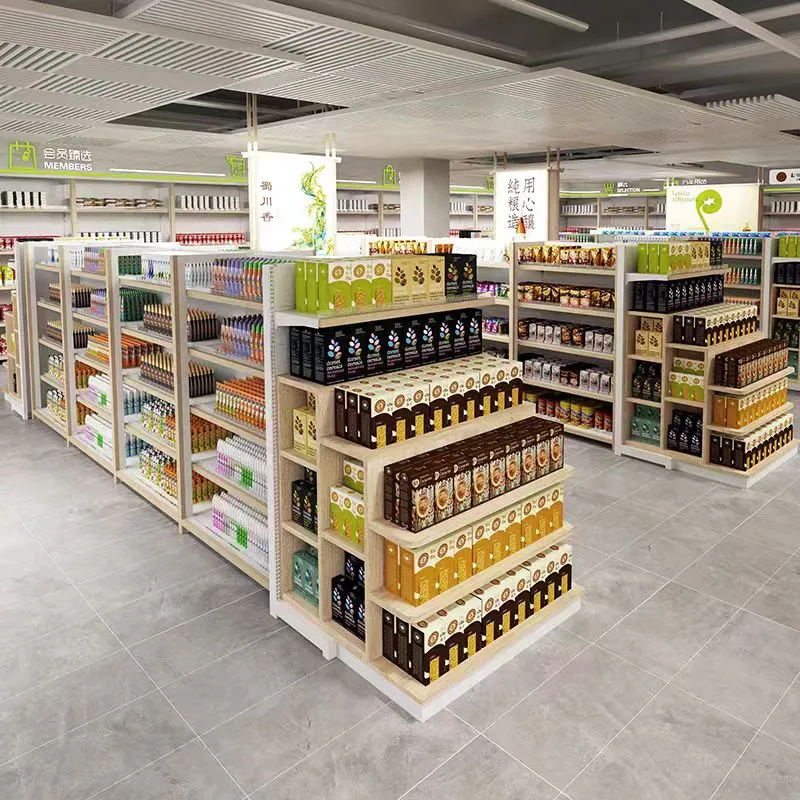
An approved project is only half the battle. Installation. The clarity of the instructions and, again, the quality of the components are important here. If beams and racks have deviations in geometry, installers will suffer while assembling the structure with a sledgehammer, which will violate the design loads. Good manufacturer, like the sameHarbin Rack Factory ?Jusheng?, supplies parts that fit together neatly. Their profile, by the way, is in systems fortrading floorsand for warehouses it is different, and rightly so - the loads and aesthetics are different.
At the installation stage, “surprises” often pop up: a column or gate turns out to be not where planned. You have to improvise on the spot, but with a high-quality design and a flexible manufacturer, this can be solved by adjusting several sections rather than redoing the entire system. Their comprehensive approach - from design to after-sales - allows such issues to be resolved quickly.
After delivery there is a run-in. It is important to observe how the system works in real conditions. Sometimes it turns out that the zone of the most active selection is in an inconvenient place, or the cell markings are difficult to read. This is already fine tuning, but it affects efficiency. Presentwarehouse shelving designends not with the signing of the act, but with the warehouse working like clockwork.
Nowadays there is a lot of talk about automation.Shelving for four-way shuttles- a vivid example. But this is not a panacea for everyone. Designing such systems is already the major league. It is necessary to integrate mechanics, electronics and software. A mistake in a project is many times more expensive here. These are no longer just metal structures, but a complex technical complex. And you need to choose a partner accordingly - someone who understands not only metal, but also logistics and IT.
Another trend is flexibility. Business is changing, the range is growing. The racking system should allow for relatively painless changes. The same adjustable shelves or systems where you can rearrange the beams without completely dismantling them are not just convenience, but savings in the future. When designing, it is worth including some “reserve”. by load and configuration variability.
In the end, back to the beginning.Shelving design- this is the creation of a ?skeleton? warehouse on which his “health” depends. and efficiency. This is a balance between accurate calculations, understanding of business processes and practical experience, which tells you where everything is smooth in theory, but in practice the loader will stumble. And the main conclusion, perhaps, is this: do not skimp on the design and analysis stage. It’s better to spend an extra week working out the details than to put up with inconveniences for months or spend huge sums on rework. A good project is an investment that pays off every day with smooth operation.