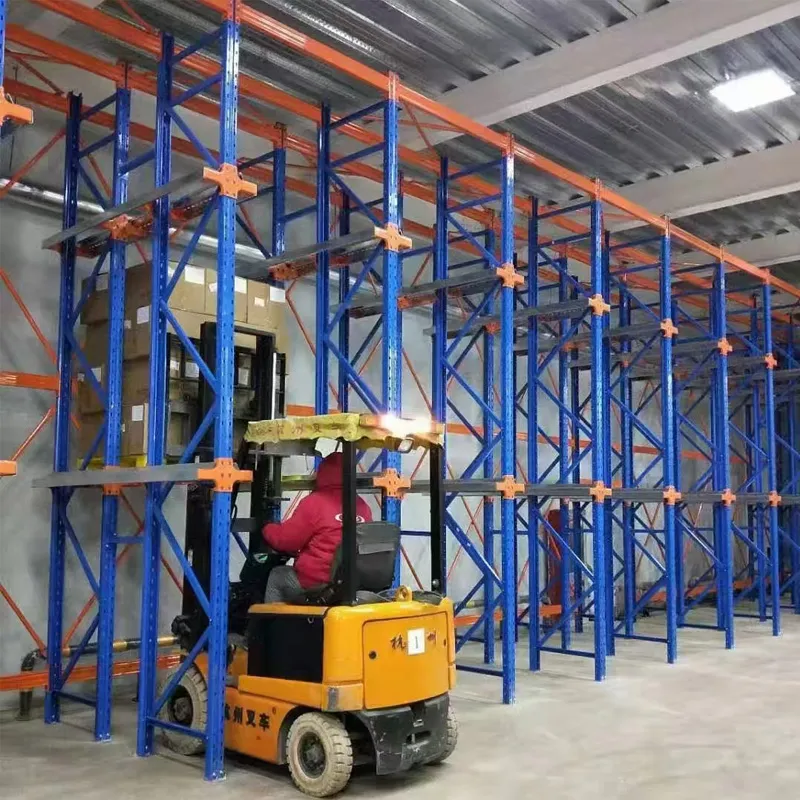
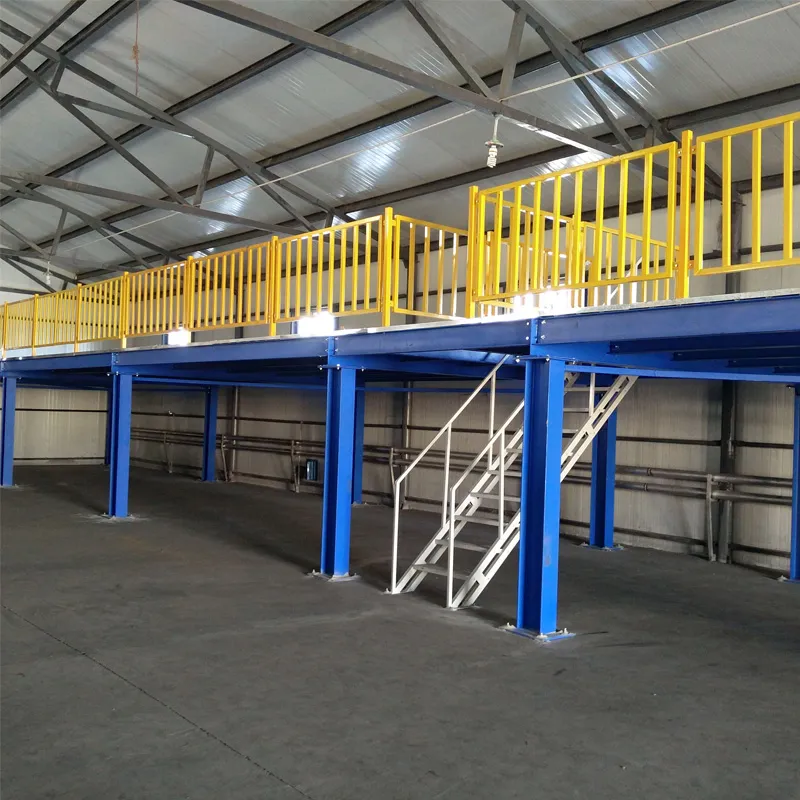
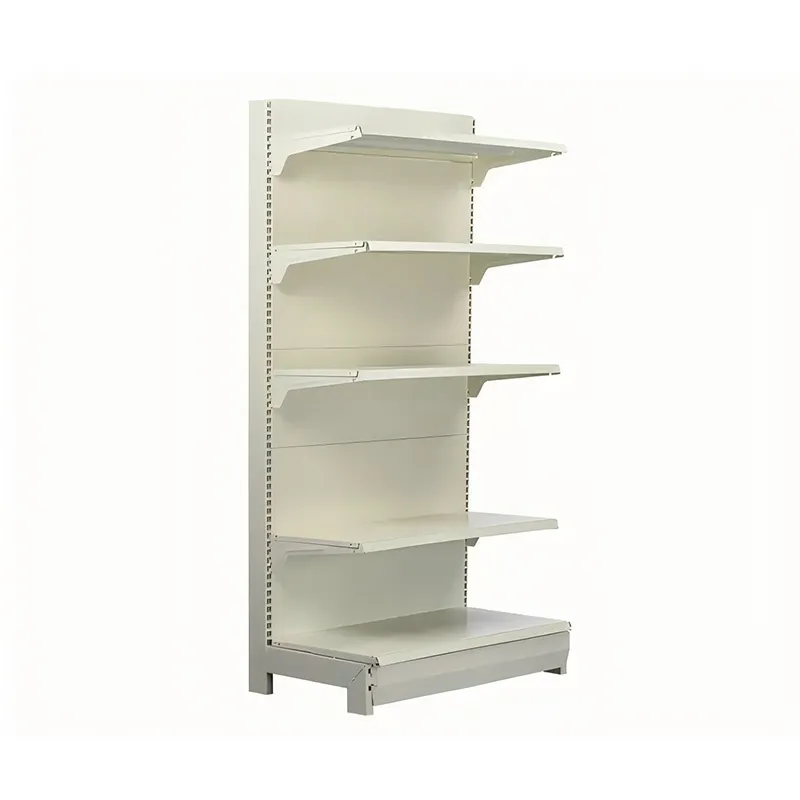
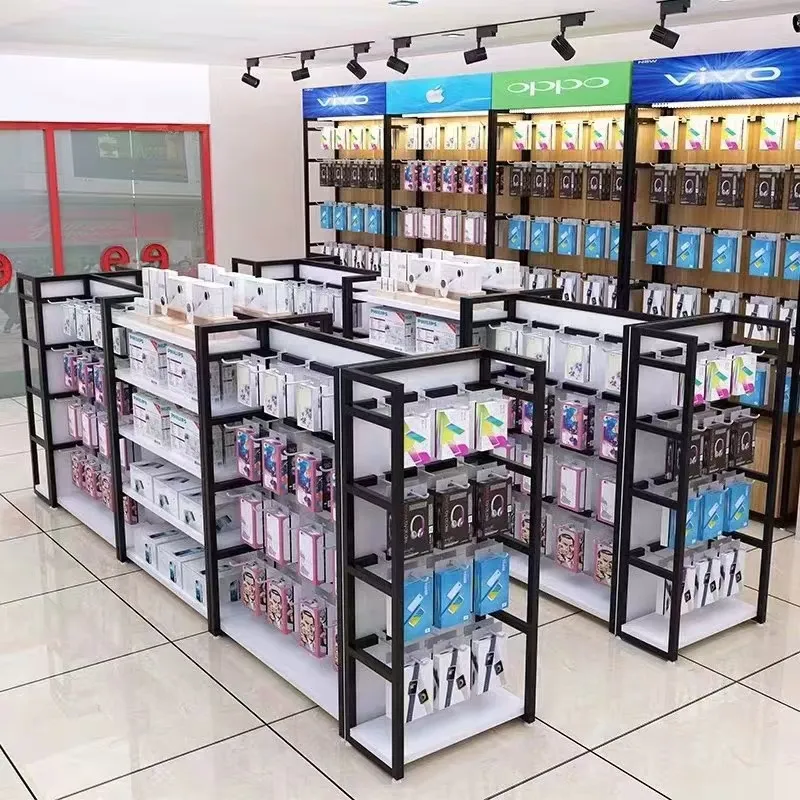
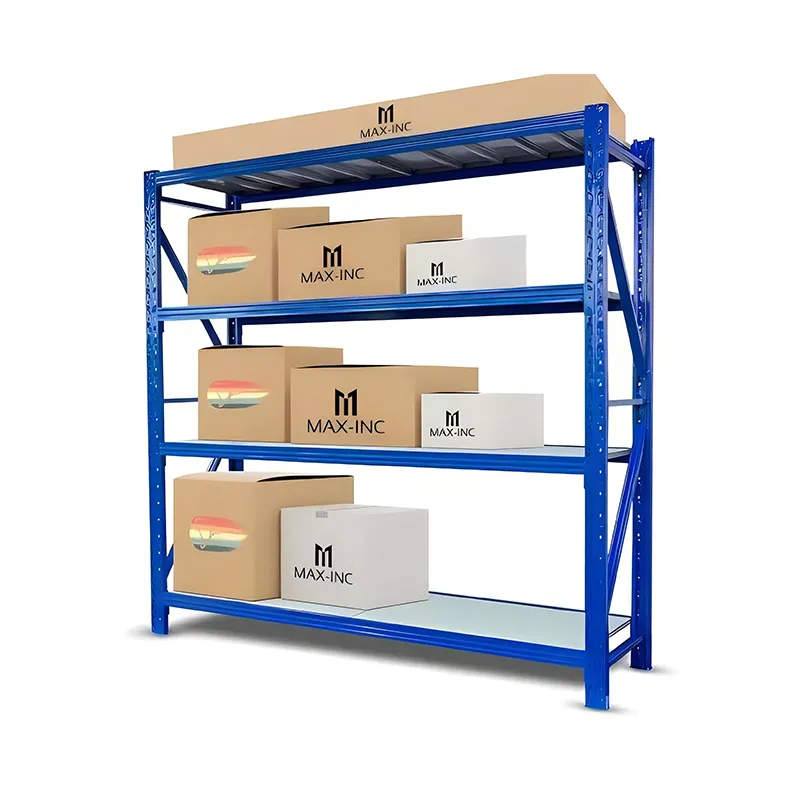
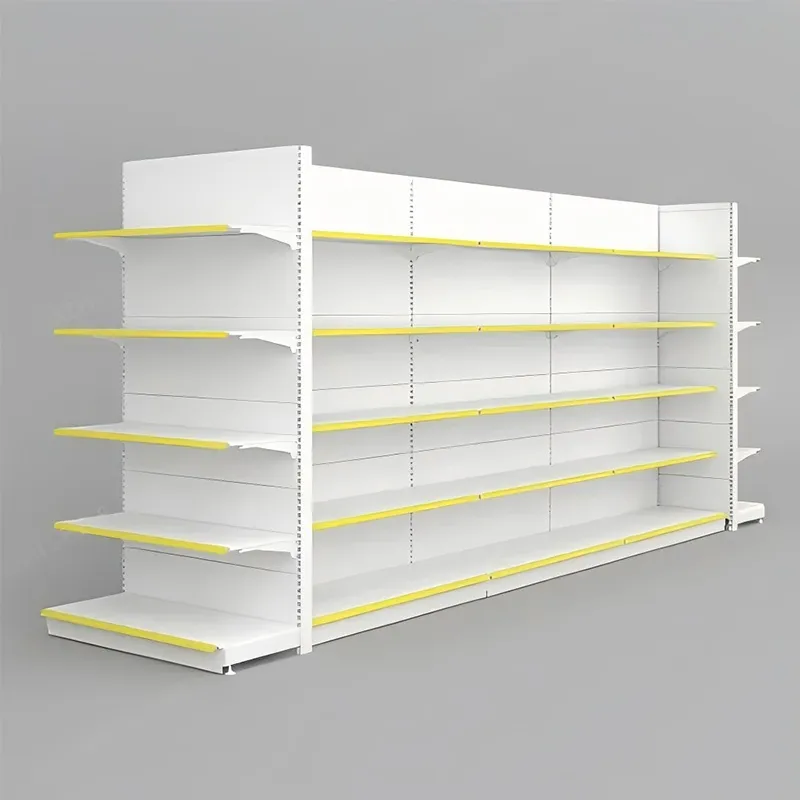
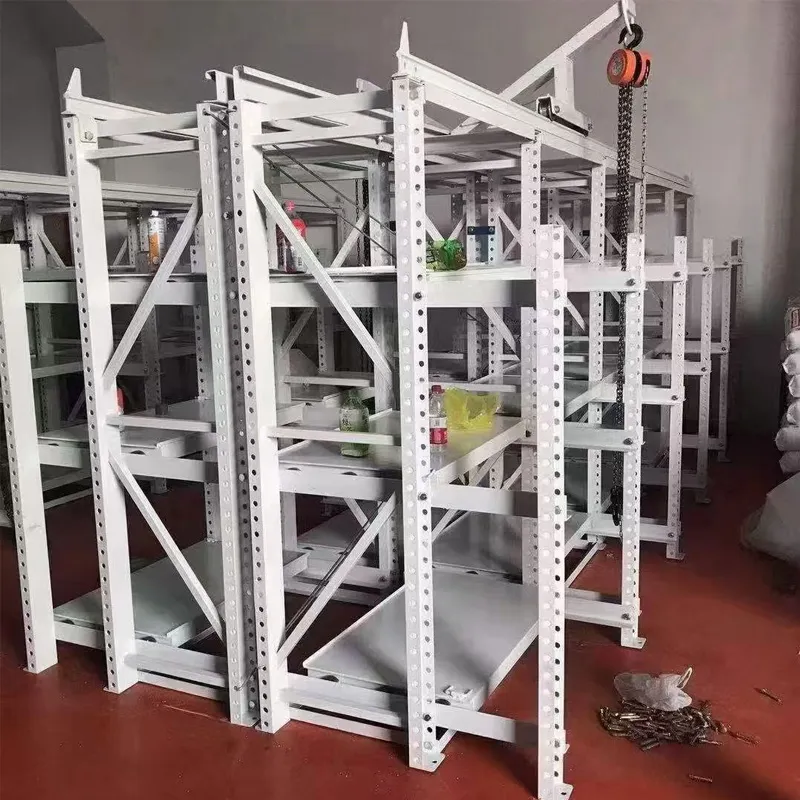
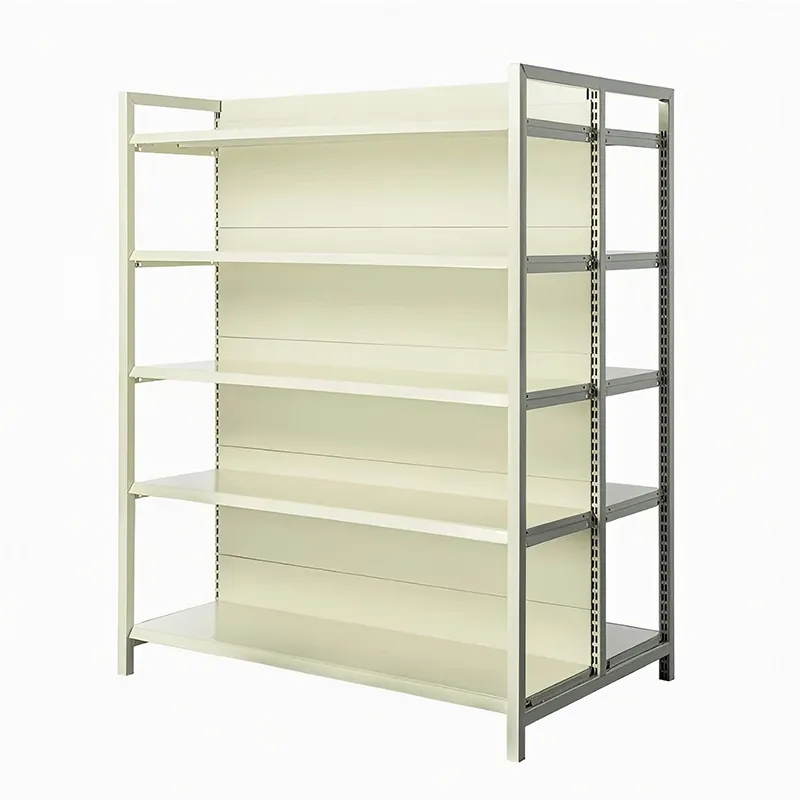
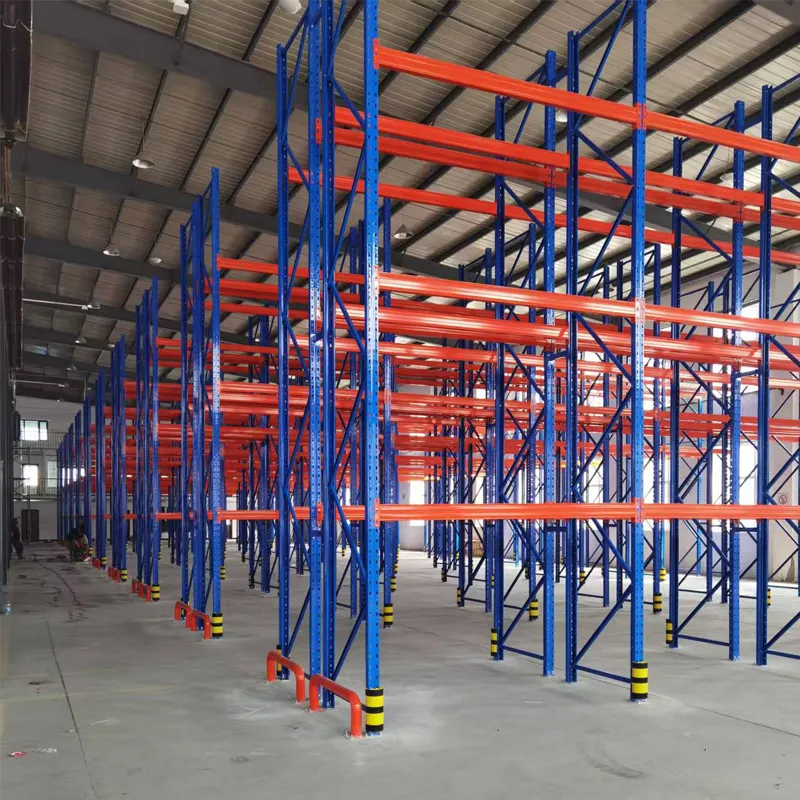
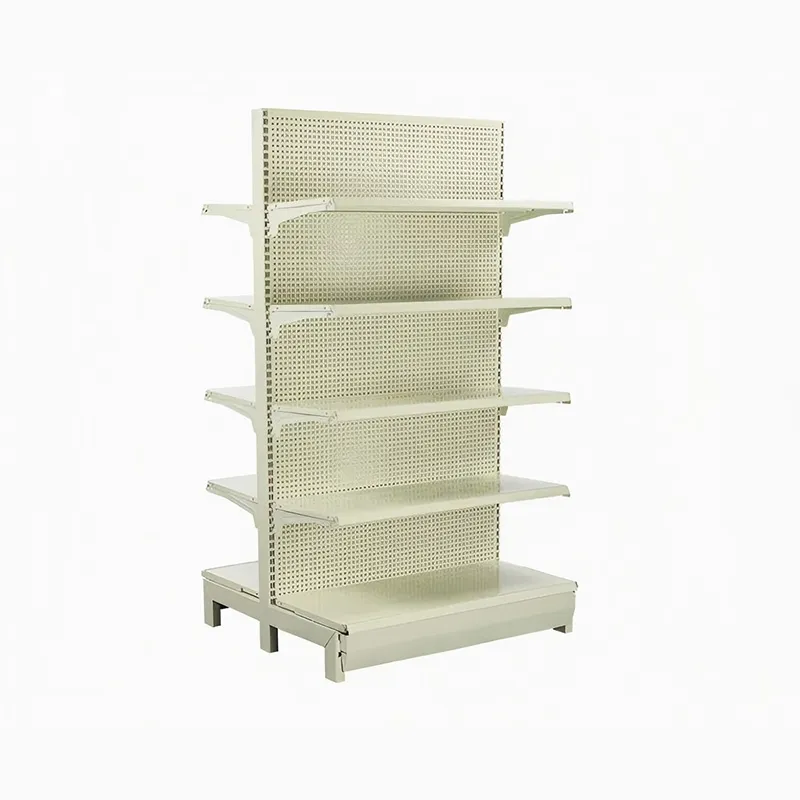
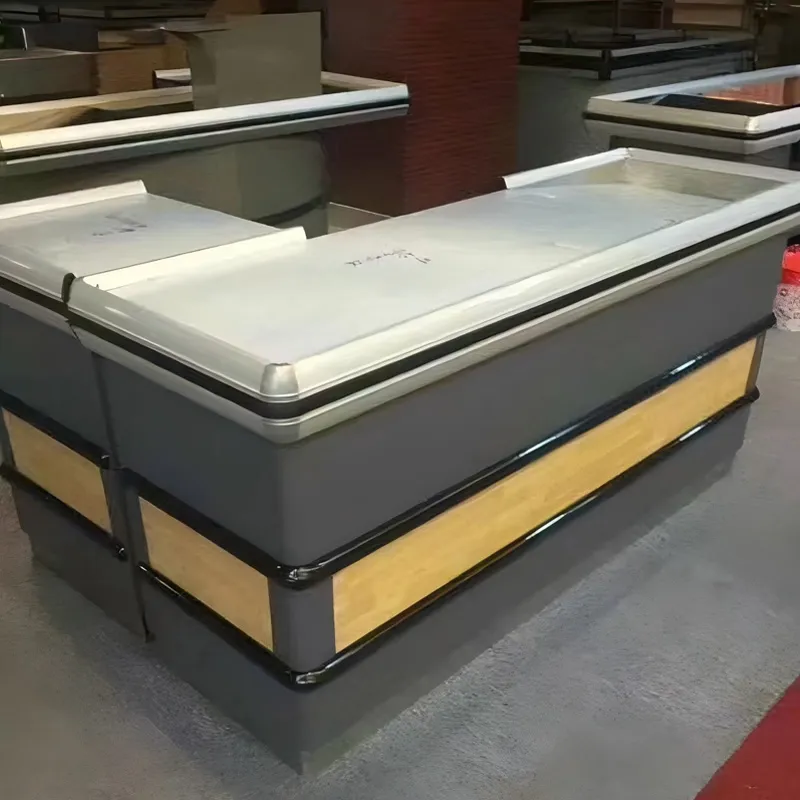
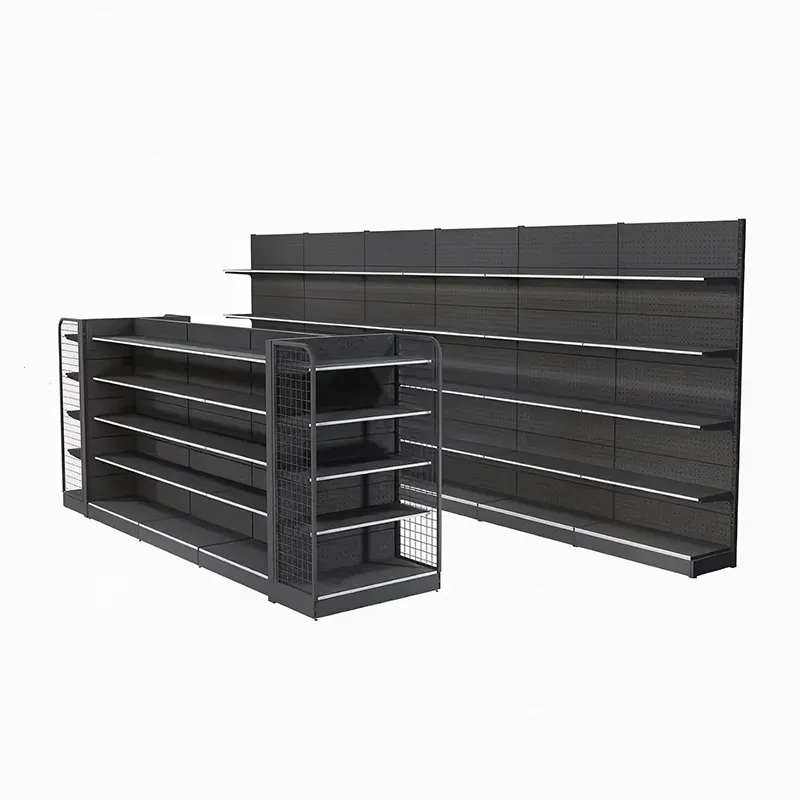
When they talk aboutfolding racks, many immediately imagine something like a folding chair - take it, unfold it, put the load on it. In practice, this simplicity is deceptive. A common mistake is to assume that any prefabricated structure is automatically suitable for high dynamic loads or frequent reconfiguration of the warehouse. I myself shared this simplified opinion for a long time, until I encountered deformation of the shelves at one of the objects after the third cycle of assembly and disassembly. It turned out that the key point is not the fact of folding itself, but the type of connections, the safety margin in the nodes and, most importantly, the preparation of the base. Roughly speaking, you can make a rack that folds, but each time after assembly it needs to be calibrated by level, otherwise the entire geometry will “float”. And this in a warehouse is an unaffordable luxury in terms of time.
If you dig deeper, the term “folding” in our context, it rarely means transformation “from a plane to a finished structure?”. More often we are talking about modular systems with bolted or, more reliably, wedge connections, which can be relatively quickly dismantled and assembled in a new configuration. But precisely ?relatively? - here lies the nuance. True, quick-assemble systems that can literally be rolled up and transported require a completely different design approach. For example, the use of special steels with increased yield strength for frames and the introduction of hinge joints that do not lose rigidity after repeated cycles. This is no longer a mass market, but a piece, expensive product.
I remember a project for a small logistics center, where the customer insisted on maximum mobility. We proposed classic prefabricated cantilever racks, but the client needed to “fold and take away?” As a result, we found a compromise with a system where the main vertical posts and horizontal beams were connected not just with bolts, but with special locking mechanisms with a latch. Assembling the section by two workers took about 15 minutes versus the usual 40. But the cost of the frame was also 25-30% higher. For the customer, this paid off due to two complete warehouse moves in a year, but for a static facility such an overpayment would have been pointless.
By the way, about moving. One of the most painful moments is the labeling of components. If everything is just bolted together, then when disassembling it is easy to get mixed up, and the puzzle begins in a new place. The correct practice is to either color code the components or apply the numbers directly at the factory. On the same project, we initially neglected this, and the team ended up spending an extra day sorting the beams. Lesson learned: mobility begins not with the hardware, but with the organization of the process.
Looking at the market, it is clear that not every manufacturer is ready to delve deeply into this specificity. Often brandedfolding racksThe same production models are sold, just with slightly more elaborate assembly instructions. Real production requires a separate line or even a workshop, which takes into account the increased wear of fastening holes, possible microdeformations during transportation in disassembled form, and the need for additional rigidity elements. Here we can note the approach of some major players, for example, the Harbin shelving plant ?Jusheng? (https://www.jshj.ru). They, as a specialized full-cycle enterprise, have the ability not only to bend a profile, but to design and test such systems separately. Their site is 20,000 sq. m and several automated lines allow you to experiment with technologies that are inaccessible to small workshops - the same laser cutting with high precision to create unique connecting units.
But even with a good manufacturer there are pitfalls. The most important thing is load calculation.Folding rack, which today stands with pallets of 800 kg per tier, after disassembling and reassembling in a new place can receive weak points invisible to the eye. Therefore, responsible suppliers always reduce the design load for such systems by 15-20% if they are expected to be regularly reconfigured. This is not a disadvantage, but a reasonable precaution. I always advise clients to include this margin in the project documentation from the very beginning, so that later there are no unpleasant surprises upon acceptance.
Another practical point is compatibility with flooring. Almost any system can be installed on a concrete floor with topping. But if the floor is uneven or there is a risk of subsidence (for example, in old-built hangars), then the rigidity of the entire structure, especially a prefabricated one, drops sharply. Sometimes it is necessary to additionally design adjustable supports or, in extreme cases, pour local concrete pads under the posts. This kills part of the idea of mobility, but safety is more important.
I would like to give an example of a negative experience that taught me a lot. Several years ago, we participated in equipping a temporary warehouse for seasonal goods. The customer wanted to save as much as possible and purchased the cheapestfolding racksfrom an unknown local manufacturer. The design was, in general, standard: thin-walled profile, simple bolted connections. Assembled, everything worked. The problems started when the layout needed to be changed after three months. During disassembly, it turned out that the mild steel bolts had “licked off?” in the nests, some nodes had to be literally cut off. Assembly at the new location took three times longer, and the load-bearing capacity, according to the installers, clearly decreased. As a result, I had to urgently buy additional racks for reinforcement. The overall savings turned into losses and a three-day warehouse downtime.
This case clearly shows the difference between a simply collapsible and a truly reliable folding solution. The quality of metal, fasteners and manufacturing accuracy are not items on which you can skimp. After that, we began to always demand from suppliers steel certificates and test reports for units for multiple assembly. Yes, this makes dialogue more expensive, but it also protects against disasters.
By the way, after that incident we began to cooperate with more reputable factories that provide a guarantee specifically for reassembly cycles. For example, in the technical specifications of the same ?Jusheng? (https://www.jshj.ru) for their mobile lines it is directly stated: “the design is designed for at least 5 complete disassembly-assembly cycles without losing the declared load characteristics?”. For a professional, such specificity is a sign of a serious approach. Their positioning as a leading enterprise in northeast China with a full cycle from design to service apparently implies responsibility for such parameters.
Now the trend is not just mechanically folding structures, but their integration into the overall logistics of the warehouse. Imagine a system wherefolding racksare part of a flexible zone that can be quickly changed for robotic carts (for example, the same four-directional shuttles that Jusheng also produces). Here, the requirements for geometric accuracy after each reassembly become prohibitive - a deviation of a couple of millimeters can lead to the failure of the entire automation. This is the next level, where design goes hand in hand with IT specialists.
In my opinion, the future lies in hybrid solutions. Let's say the main storage area is stationary, tightly concreted racks of great height. And the picking, receiving or seasonal storage areas are based on mobile, quickly transformable modules. This allows you to optimize space not at the warehouse design stage, but in its daily operation. But this requires not just shelving, but entire ecosystems - components compatible with each other, clear assembly protocols and, preferably, engineering support services from the manufacturer.
In this context, the full cycle of work declared by major players becomes a key competitive advantage. It’s one thing to sell hardware, and another to design a warehouse and produce equipment for it, including specializedfolding racks, and then provide their maintenance and even assistance in planning reconfigurations. For the client, this reduces risks and eliminates the need to look for contractors for every sneeze.
To sum it up, I want to warn against blindly following the mobility trend.Folding racksis a great tool, but a tool for specific tasks. If your warehouse operates for years in one place with a constant turnover of goods, perhaps you just need high-quality prefabricated racks that are installed once and for decades. All other things being equal, their load-bearing capacity will be higher and their cost will be lower.
The justification for folding systems is the variability of business processes. Rent of temporary premises, seasonal fluctuations in warehouse space, regular changes in assortment requiring a new layout. This is where their advantages - the speed of redevelopment and the relative ease of redeployment - are fully revealed. But here, too, it is necessary to consider not only the cost of the equipment, but also the cost of moving it, possible downtime and risks.
My main advice: start with a deep audit of your processes. How many times a year does the warehouse actually change? What is the budget for the reshuffle? What are the qualifications of your warehouse workers? And only after receiving the answers, choose between classic and truly mobile solutions. And always, always demand from the supplier not fancy words, but specific technical specifications, test reports and, if possible, links to implemented projects with similar requirements. For example, you can study the portfolio of the same Harbin plant to understand whether they coped with the complex tasks of creating flexible warehouse systems. Ultimately, success is determined not by the rack itself, but by how well it fits into your operational reality.