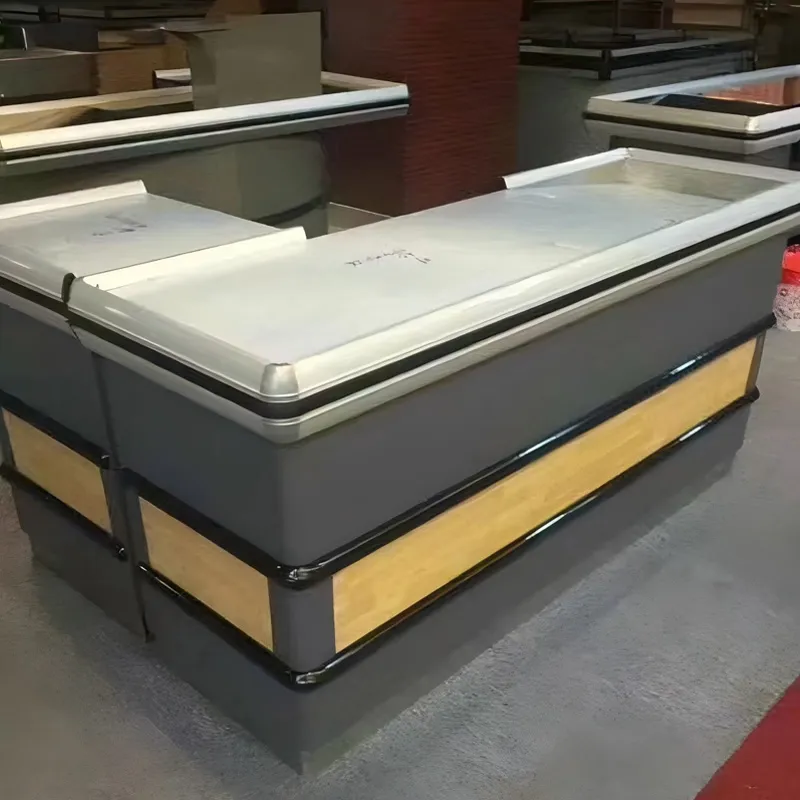
When they talk about arranging shelving in a small supermarket, for some reason many people immediately think about maximum density in order to cram in as much product as possible. This is perhaps the most common and harmful myth. In fact, if narrow aisles and crowded shelves prevent the buyer from moving and seeing the product, all these density tricks go down the drain. Revenue is falling, although logically it should be growing. I went through this myself, trying to squeeze an assortment into our first 150-square-meter store, like in a hypermarket. It turned out to be a labyrinth where even I myself got confused. I had to relearn on the fly.
The first thing to do is forget about the racks. Seriously. First, you take the floor plan and look at the flow. Where is the entrance, where are the cash registers, where is the warehouse door? The main consumer flow almost always goes counterclockwise. This means that to the right of the entrance is the hottest place, the “golden shelf”. There you put goods of impulse demand or high-margin new items. But in a small store, this flow can be broken due to columns or an unsuccessfully located refrigerator. For example, we had a load-bearing column right in the center. At first they simply surrounded it with shelving, creating a dead zone. Then they thought of making an island around it with promotional goods in baskets - the point immediately came to life.
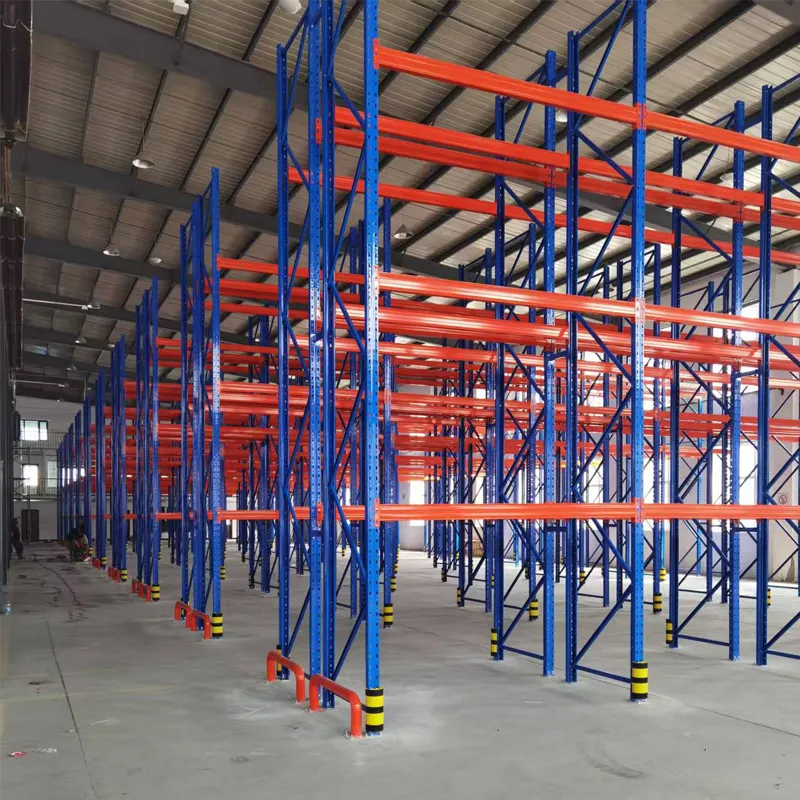
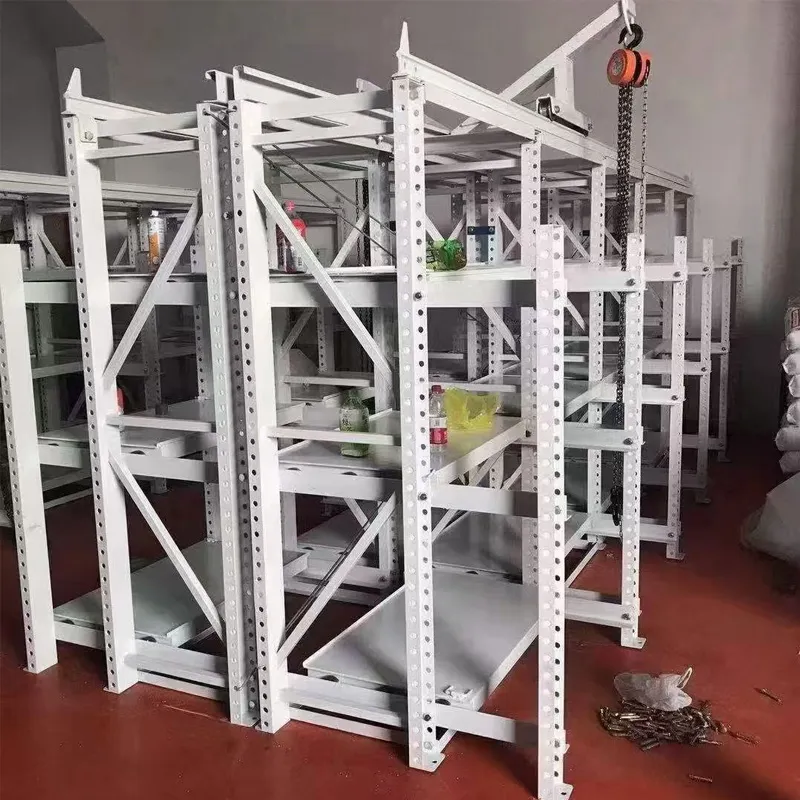
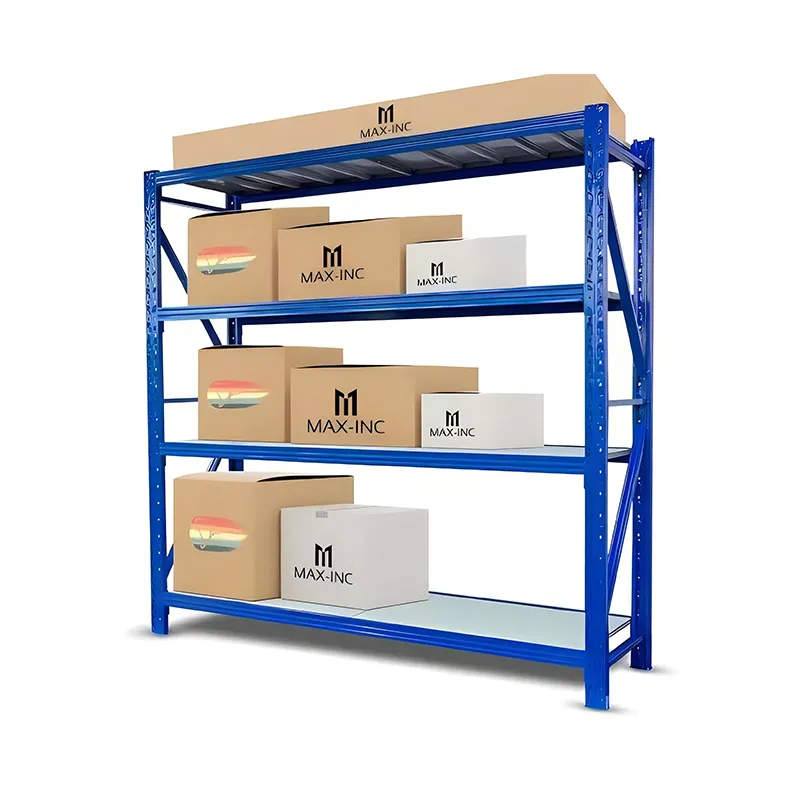
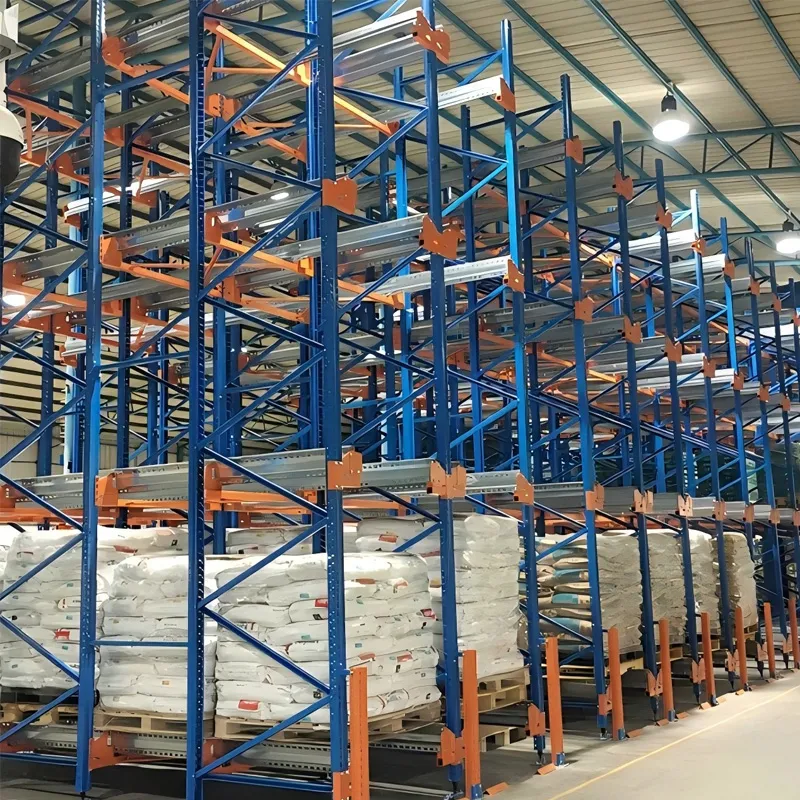
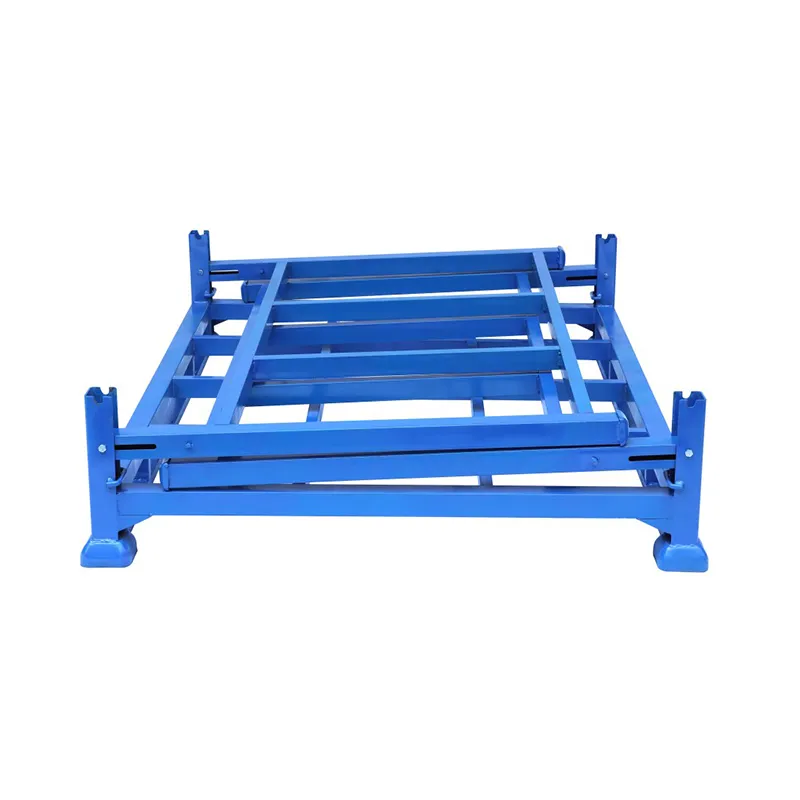
The most practical approach is to start with zoning. You distinguish zones: grocery, dairy, gastronomy, household chemicals. And you select the type of shelving for each zone. For canned goods and heavy packages, you need durable multi-tiered shelves, and for chocolates and chewing gum at the checkout, you need light wall or island racks. It is important not to skimp on the design itself. Flimsy shelving that bends under the weight is not only a risk of collapse, but also a constant headache with skewed shelves that cannot be leveled. Once we bought a batch of cheap racks and struggled with them for two years until we replaced them with normal ones. Now, by the way, we often turn to specialists, for example,Harbin Jusheng production of metal structures. They also have heavy ones in their assortment.warehouse racks, and lighter, but more sustainable solutions for the sales floor, which is convenient for a small store - you can purchase everything in one place.
And one more nuance that is often forgotten in the pursuit of space is height. The standard height of 2-2.2 meters for a small space can be overwhelming. If the ceilings are low, then so be it. But if the height of the room allows, then a rack of 2.5 meters with two or three upper tiers for inventory (the same “stock”) is an excellent solution for saving space. But here the display system is critically important: at the top there is a duplicate product or something that the buyer takes purposefully (a pack of water, paper), in the area of direct visibility and access - the main assortment.
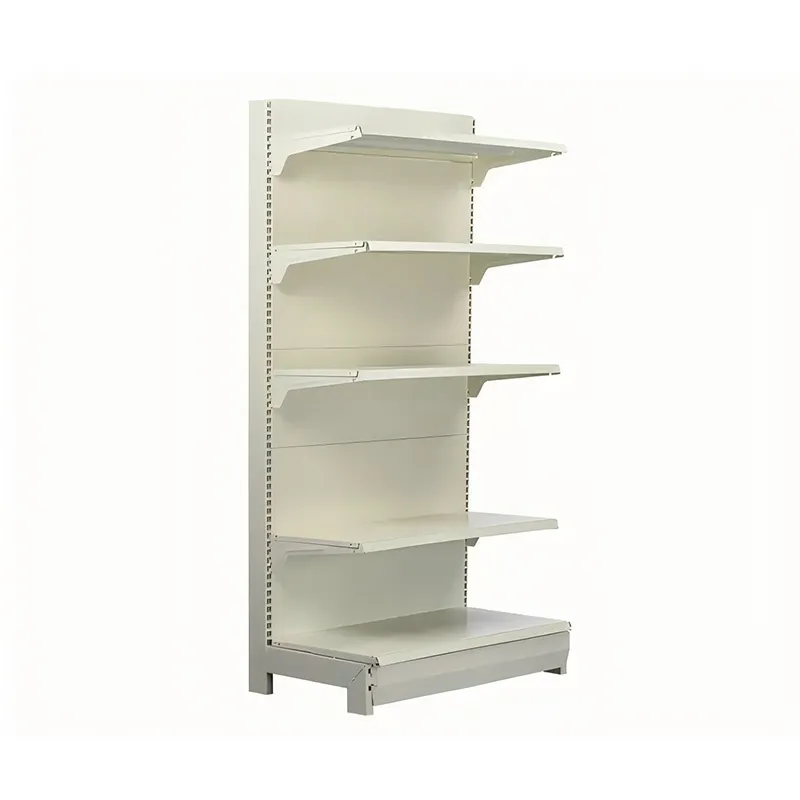
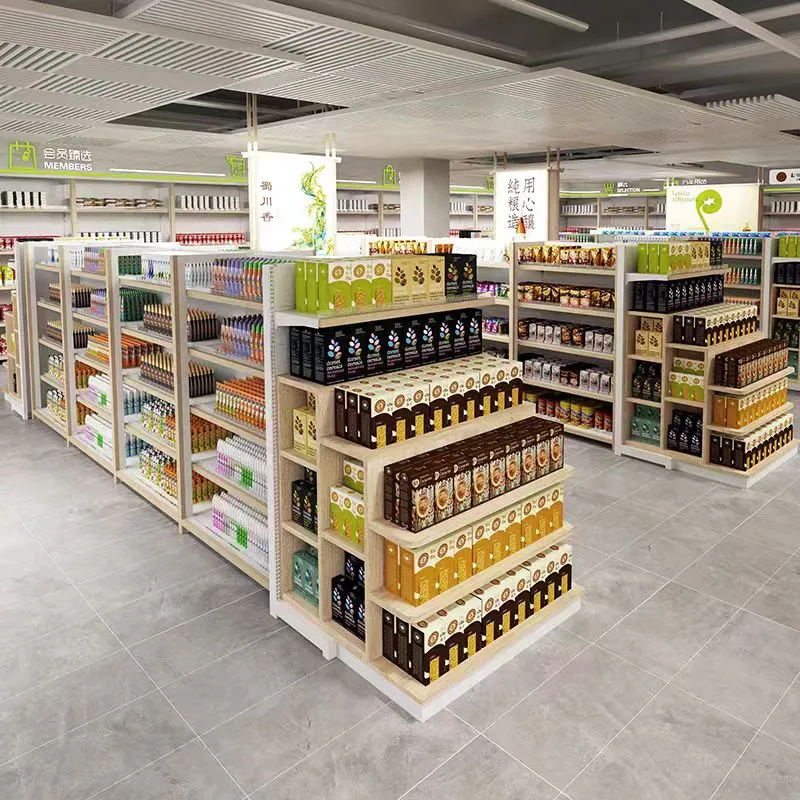
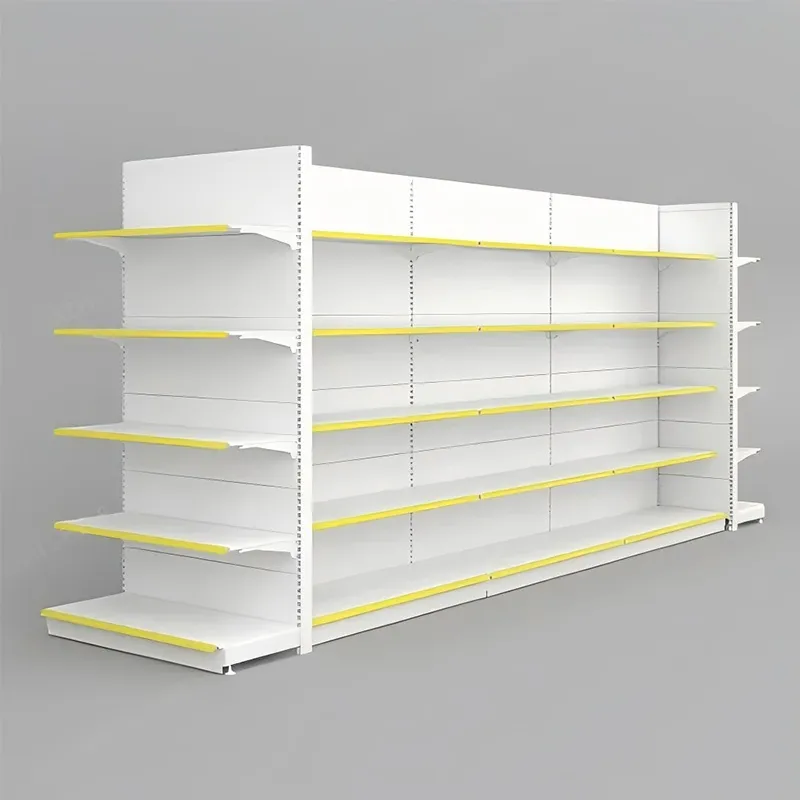
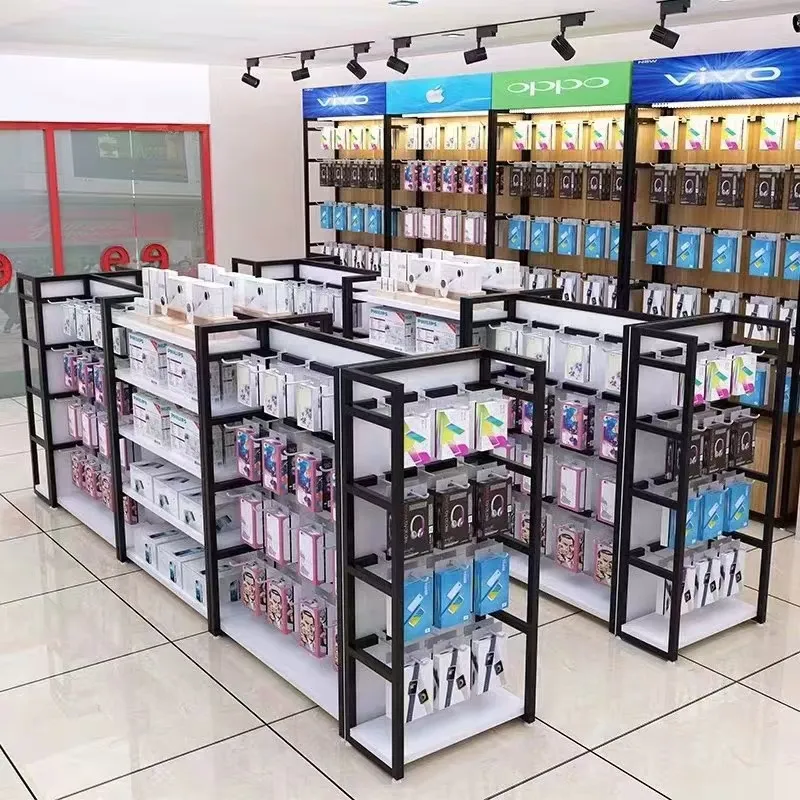
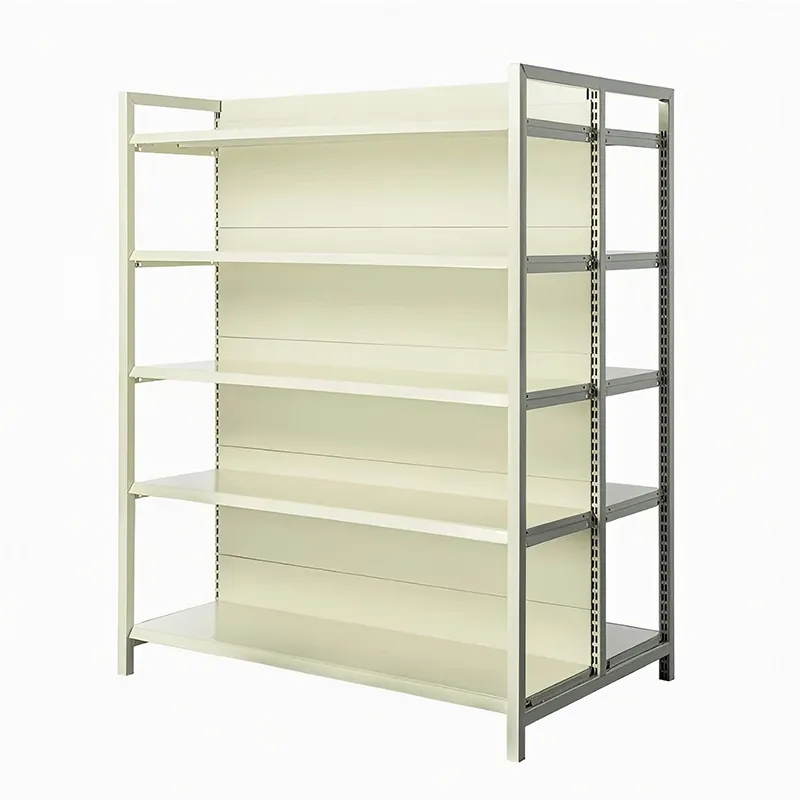
Many small store owners have a picture in their heads: long rows of identicalshelf racks. This is the base, but not everything. To effectively use each meter you need to combine. For example, the end parts of shelving (end-caps) are a golden spot. They can be equipped not just with shelves, but with baskets for discount goods or special displays for small piece goods. Efficiency increases significantly.
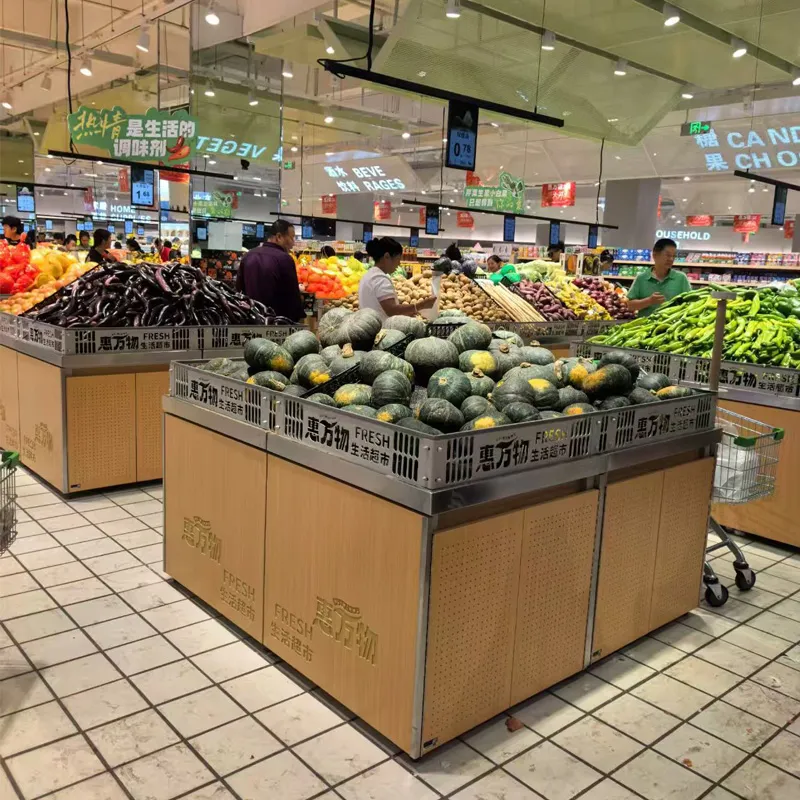
Very helpful when there is a shortage of spaceisland shelvingand racks. They can be placed in the center of the hall or at the end of the aisle, creating an additional point of sale. But the main thing here is not to overdo it with sizes. An island that is too large will block the flow. The ideal option is a mobile design on wheels that can be moved for seasonal goods or promotions. By the way, about mobility. We used to underestimate it until we were faced with the need to regularly change the layout for different promotions. Now we order some equipment with the ability to quickly rearrange it.
A separate story is the freshness zone. Refrigerated slides are often used for milk, sausages and prepared foods. Their arrangement is aerobatics. They cannot be placed close to regular shelving; space must be left for servicing and so that cold air does not blow on the customer in the aisle. We once installed a refrigerated display case directly opposite the entrance - in the summer it was a lifesaver, but in the winter people avoided it because it was drafty. I had to move it.
This is where many people stumble. It seems that if you narrow the aisle by 10 centimeters, you can install another rack. On paper - yes. In practice it is a disaster. The minimum comfortable width of the main aisle is 1.2 meters, so that two people can pass each other, one of whom may be carrying a trolley. Secondary passages can be made narrower, about a meter. But if you have a product that is bought by families or older people, it is better to make it wider. In one of our stores in a residential area, where there are many pensioners, we specially widened the aisles to 1.4 meters - and the number of receipts increased. People began to go deeper into the hall, rather than crowding at the entrance.
The logic of movement should lead the buyer throughout the store, past the maximum number of shelves. The classic scheme is “snake” or loop. But in a small space the loop can be made compact. An important technique is to create “breaks”. in long rows of shelves. A solid wall of shelves 10 meters long is tiring and makes you want to leave it quickly. By breaking it up, for example, with a built-in refrigerated display case or a rack with samples, the buyer's eye is rested and he continues to move.
Another point is visibility. From any place in the hall, the buyer should see section signs or at least part of the assortment of another zone. This stimulates further movement. There should be no dead ends, except perhaps a cozy corner with coffee and fresh pastries. A dead end is a dead zone where 10% of visitors will go.
I'll tell you about our rakes. The first and most painful mistake is ignoring the load. As I already mentioned, we bought racks that were positioned as “universal for the store?” We started loading them with cans and water - the shelves began to sag within a month. I had to urgently strengthen it and eventually change it. Now we always look at the passport load and take it with a reserve. When choosing a supplier, we look at its production capacity. For example, at the factoryHarbin Jusheng, which has been operating since 2019 and has a full cycle from design to service, the description clearly states what they do andtrade racks, and heavywarehouse. This means they understand loads and materials. Their website -https://www.jshj.ru— you can look at it to understand what types of structures there are.
The second mistake is statics. We once made what we thought was an ideal layout and froze it for a year. The turnover began to slowly fall. It turned out that buyers simply got used to it and stopped noticing some of the goods. Now we make sure to do small rotations: once a quarter we slightly change the location of the shelves or islands, and update the display at the ends. This creates a feeling of newness.
Third, forget about the staff. Racks should not only be convenient for the buyer, but also for merchandisers and sellers. If a stepladder is needed to replenish the top shelf, but it is not placed in the aisle, it means that the shelf will be empty or the goods will be stored on it. It is better to choose racks where the height of the working shelves does not exceed 1.7 meters, and everything higher is stock accessible from the service area.
Working with a shelving manufacturer isn't just about buying hardware. This is essentially co-design. A good supplier will always ask a bunch of questions: what is the layout, what products, what is the average bill, who is your target audience. In our experience, when they come with a ready-made catalog and say “choose?”, this is not the best option. We need dialogue. Sometimes a manufacturer can offer a non-standard solution that you haven’t considered yourself. For example, the samemezzanine systemfor a small store. It appears to be for a warehouse. But if your premises have high ceilings, then a mezzanine above the warehouse area or even above part of the sales floor (for storing seasonal goods) radically saves space.
I really appreciate it when a company is like the sameHarbin Jiusheng Metal Structure Manufacturing Co.,Ltd, offers a full cycle: from design to installation and maintenance. Because even the best drawing can run into crooked walls or unexpected communications at the site. And having your own installers who can quickly cut or redo something on the spot saves time and nerves. Their factory is in Harbin with an area of 20,000 sq.m. and automated lines speaks of a serious scale, and therefore of the possibility of making both standard and individual projects.
And last but not least, after-sales. Fasteners, brackets, shelves tend to get lost or break. Make sure that in six months or five years you will be able to purchase exactly the same components for this shelving system, and not redo everything to a new standard. This is a matter of long-term savings.
In conclusion, I want to say that there is no single correct arrangement scheme. There are basic principles that I tried to outline here: accounting for flows, a combination of shelving types, comfortable aisles, flexibility. But each store is a unique organism. What works in one may fail in another, even across the street.
The most important technique is observation. Put up some shelves, run the store and watch. Where do people stay most often? Where do traffic jams form? What product on the top shelves ?doesn't work?? Then take it and change it. Don't be afraid to experiment within reason. Sometimes moving the shelving a little by half a meter or replacing a solid back wall with a lattice one for better visibility can have an unexpected positive effect.
And remember that a rack is just a tool for selling goods and creating convenience for the buyer. All decisions should work towards these two goals. If a beautiful and fashionable design gets in the way, you should refuse it without regret. Practicality and functionality always win in our business.