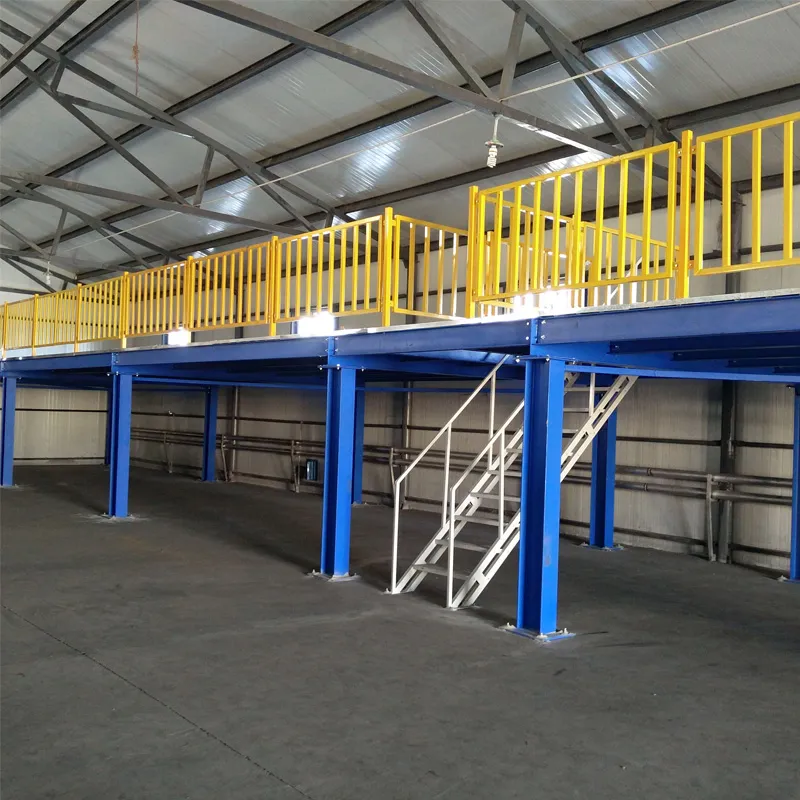
When they talk aboutmezzanine shelving, many immediately imagine just a second floor, piled on top of ordinary shelves. This is perhaps the most common and dangerous simplification. In fact, if you approach it this way, you will either end up with excess metal consumption or a flimsy structure that will collapse one day under load. I went through this myself when ten years ago I was first faced with the task of increasing the usable area of a warehouse without expanding it “in width”. Then, due to inexperience, we tried to build on ordinary shelf racks, reinforcing them somehow. Результат был предсказуем: просадка, опасные деформации. It was after this that I began to delve deeply into what literate really is.mezzanine rackis a complex engineering system where everything, from calculating the loads on the columns of the first tier to the type of flooring and fencing on the second, must be calculated as a whole.
The first thing you face when designing is the issue of fundamental sustainability. The load-bearing columns of the lower tier must be designed not only for their direct load, but also for the entire mass of the mezzanine structure, plus dynamic loads from work at the upper level. A common mistake is to use standard racks from ordinary shelving. They are simply not designed for such bending moments. You have to either take a more powerful profile, or drastically reduce the column spacing, which is also not always economical.
The second point is the connection between the tiers. Simply welding the secondary beams to the posts of the first tier is not enough. A rigid spatial connection is required, often using diagonal braces or special joints that dampen vibrations and provide stability against lateral forces. I've seen projects where this was neglected in favor of a "cleaner" design. type of design, and then it was necessary to urgently strengthen the already installed systems.
And the third nuance, not obvious to many, is the floor of the mezzanine level. Often customers want to save money and simply install corrugated steel sheets. But if active movement of equipment (for example, stackers) or storage of small-piece goods that can fall through is planned at the top, a completely different approach is needed. In a number of projects, we have used steel grating or even special perforated panels, which support the load and provide fire safety through ventilation and allow light to pass through. It's more expensive, but the security and functionality are worth it.
Not long ago I studied the experience of colleagues from northeast China, where production density is high and space is expensive. Stumbled upon the site?Harbin Jusheng Metal Structure Manufacturing Co.,Ltd.(https://www.jshj.ru). Their description clearly shows a systematic approach: they position themselves as a full-cycle enterprise - from design to installation and maintenance, and in their product line they separately highlightmezzanine shelving. This already speaks of specialization, and not of a handicraft approach.
What attracted attention about their methodology was the emphasis on automated manufacturing. For complex systems such as mezzanines, where the accuracy of cutting and drilling of each element is critical, the presence of modern lines is not a luxury, but a necessity. An error of a couple of millimeters during installation can result in huge problems with assembly and, most importantly, with safety. Their territory is 20,000 square meters. m. and the status of a leading enterprise in the region indirectly confirm that they work with large orders where such errors are unacceptable.
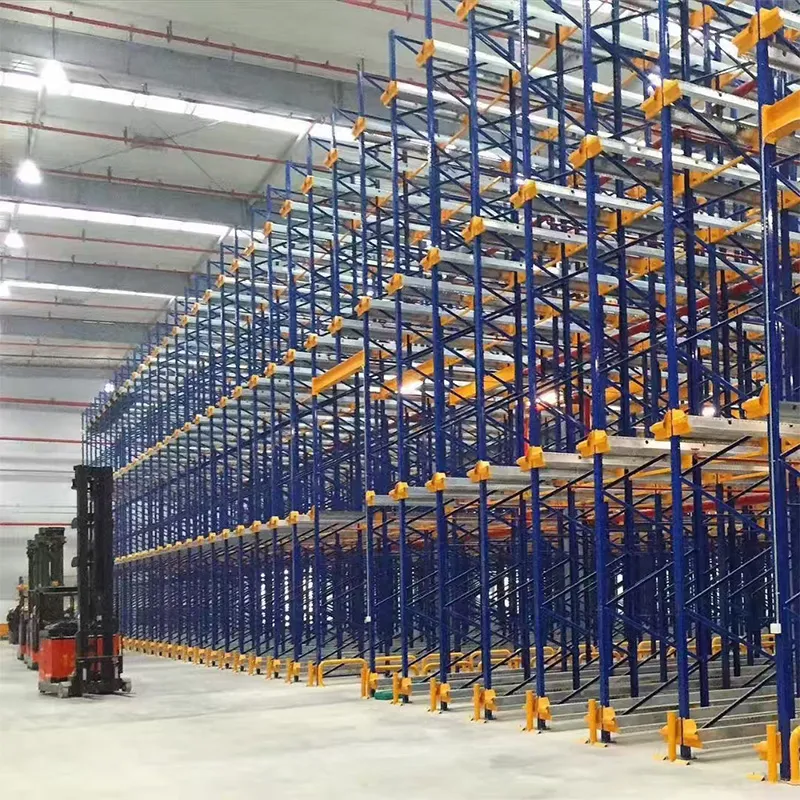
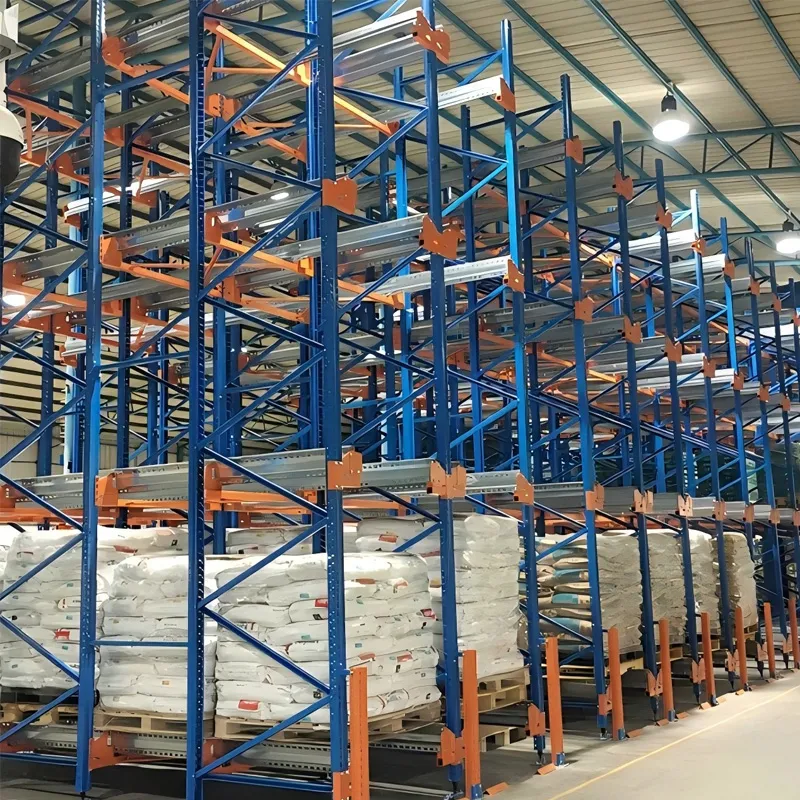
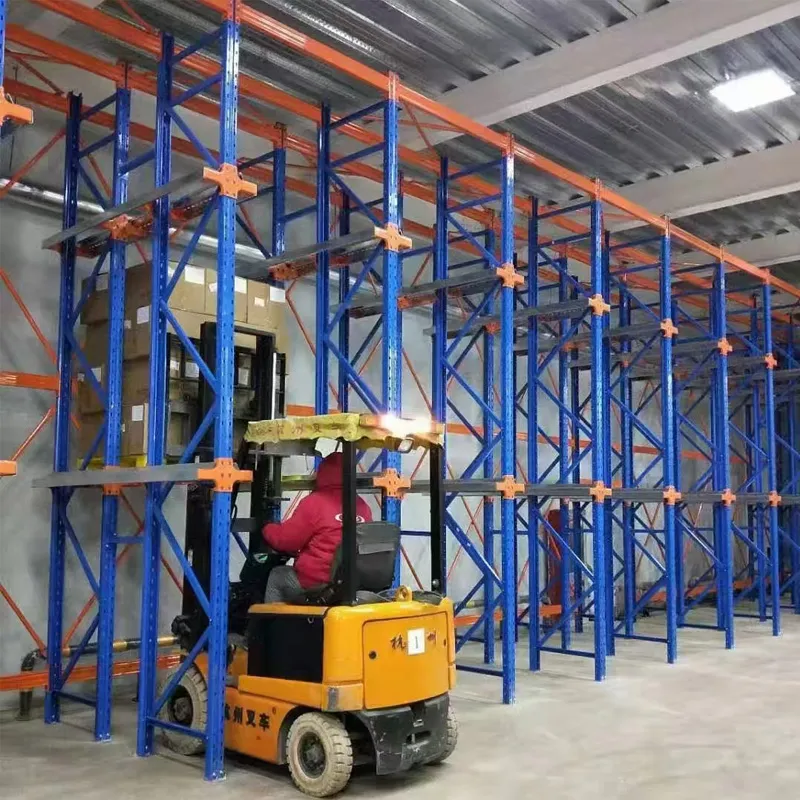
Among their assortment, it is interesting that, along with mezzanines, they also offer racks for four-way shuttles. This suggests that they understand the trend towards comprehensive warehouse automation.Mezzanine shelvingin such a system it is not an isolated structure, but part of the logistics route. This means that when designing, it is necessary to immediately include possibilities for integration with automation, reinforced guides for robotic stackers, and special requirements for the evenness and geometry of tiers. Apparently, their engineers are faced with this, which adds to their experience in “manual” situations. projects.
Even with a perfect design and quality components, installation is a different story. The most painful stage is leveling. The floor in a warehouse is rarely perfect, and for a mezzanine, distortions are fatal. It is necessary to use adjustable support plates and sometimes make local concrete pads. It happens that everything fits according to the design, but on site it turns out that the column rests on the power cable route in the floor. We have to improvise, move nodes, coordinate changes with the designers. This is the same ?hand-to-hand? work that is not in beautiful catalogs.
Another point is interaction with other systems. Often a mezzanine is placed in an existing warehouse. And then the question arises: how to lift the load there? Do you need a separate elevator or lift? How to organize a loading and unloading area on the upper tier? Once we made an excellent design, but forgot to really think through how the stacker would drive into it. Then we had to cut out part of the fence and install folding walkways, which was unsafe and inconvenient. Now we always draw logistics flows first, and then the frame.
And, of course, safety. Fences on the second tier are a must-have, and not symbolic. They must withstand the impact of a forklift. Stairs are not an afterthought, but a thoughtful element with the correct angle of inclination and anti-slip steps. At one of the sites, the customer saved on fencing by simply installing a chain. A month later, the stacker operator, while reversing, broke this chain and almost fell from a height. After that, we always insist on rigid welded perimeter fencing, no options.
Is the game worth the candle?Mezzanine shelving- an expensive pleasure at the investment stage. But their payback is not considered the cost of metal per ton, but the cost of storing one pallet space. If the price of renting land or premises is high (as in logistics parks around large cities), then an increase in usable area by 1.5-2 times due to height quickly reduces the investment. The key is to correctly calculate this very load and intensity of work. If you have low ceilings or low turnover, it may be better to consider other options, such as high-height racking with narrow aisle stackers.
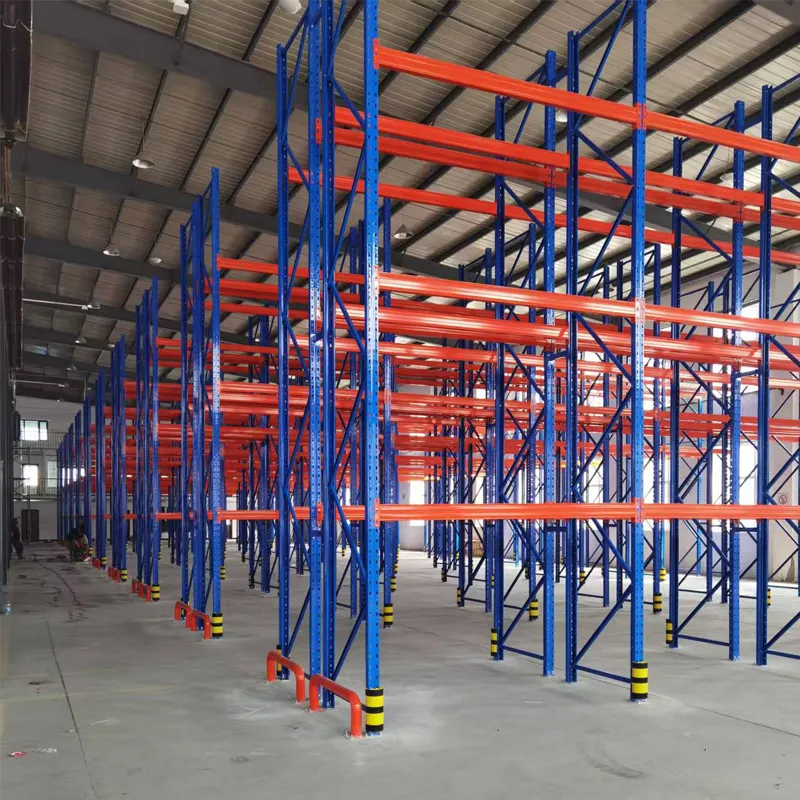
Now I see a trend towards hybrid solutions. Not just staticmezzanine rack, but a combination where on the first tier there is an active selection zone with shelf racks, and on the second there is archival or seasonal storage on pallet racks with frontal access. This requires even more precise calculations, since the loads and operating modes on the tiers are different. But it is precisely projects like this that, in my opinion, reveal the maximum potential of the technology.
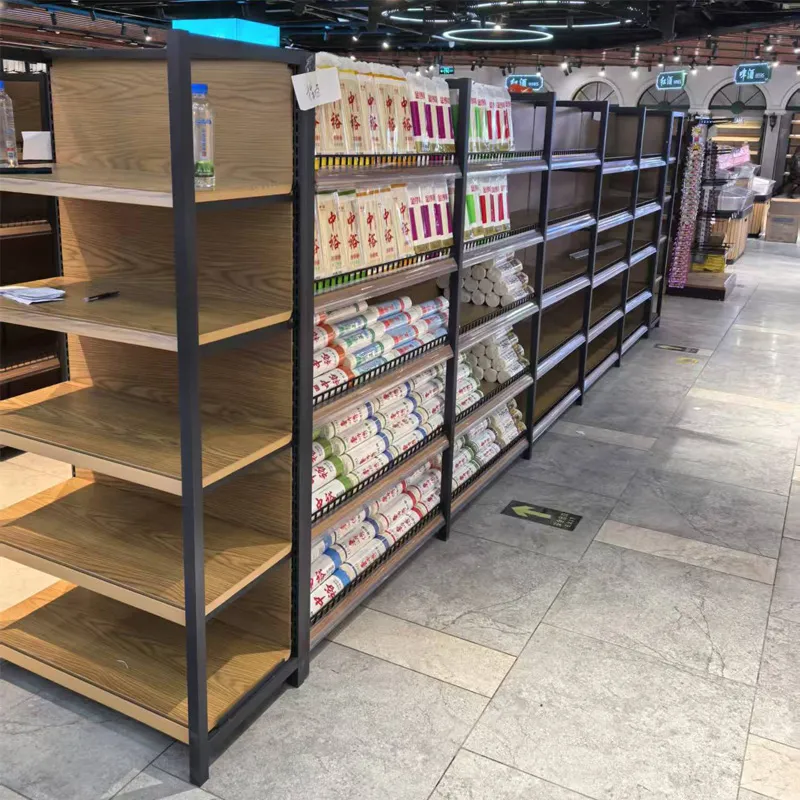
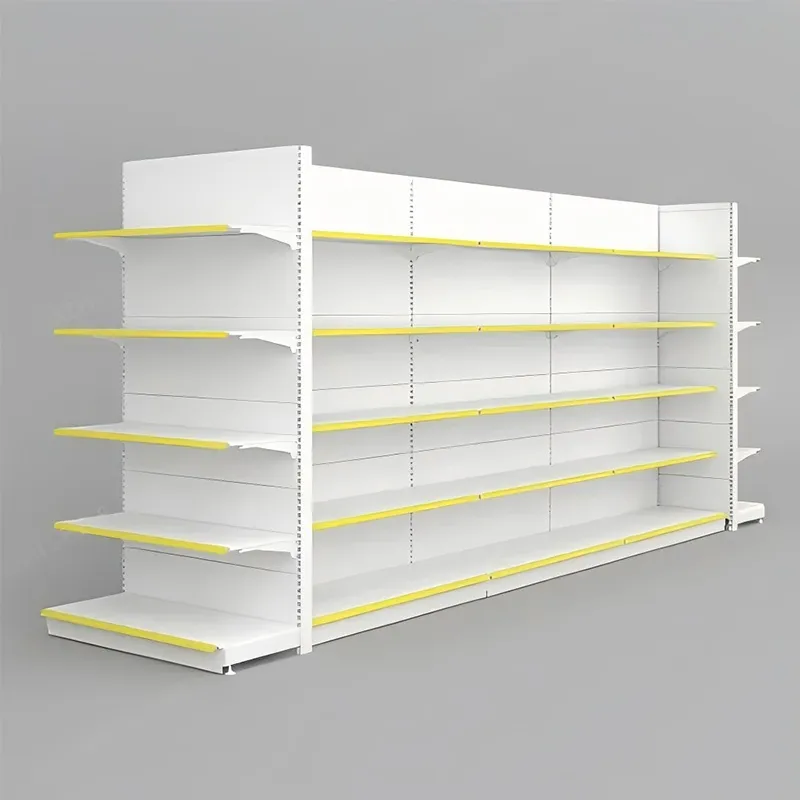
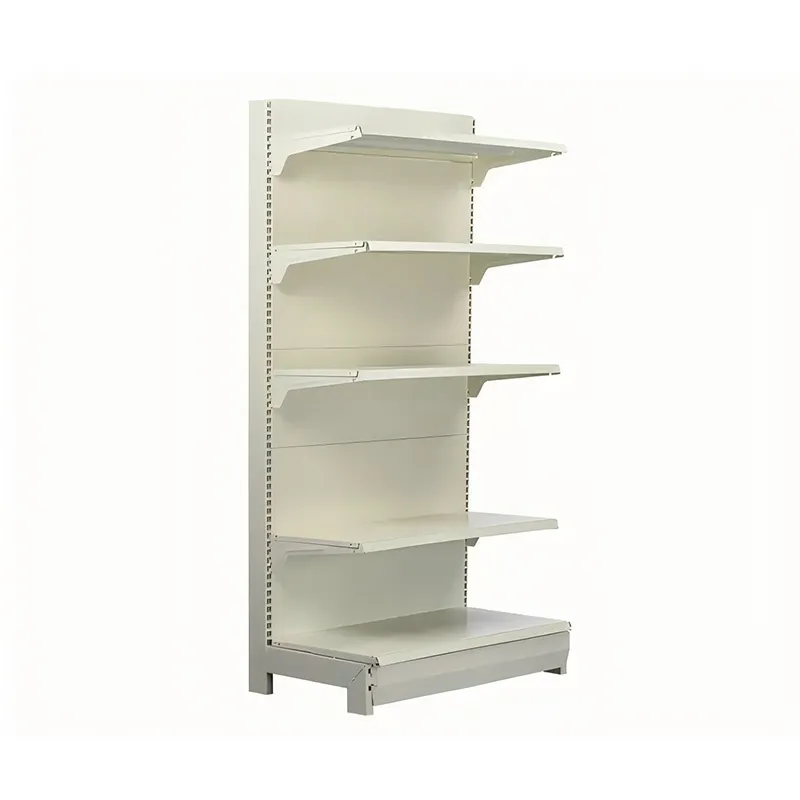
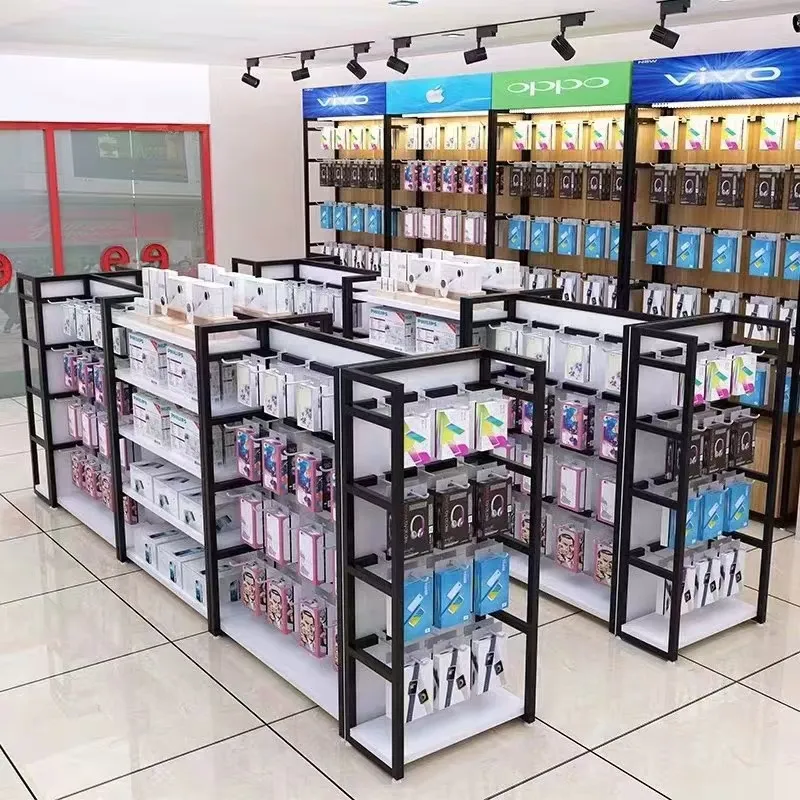
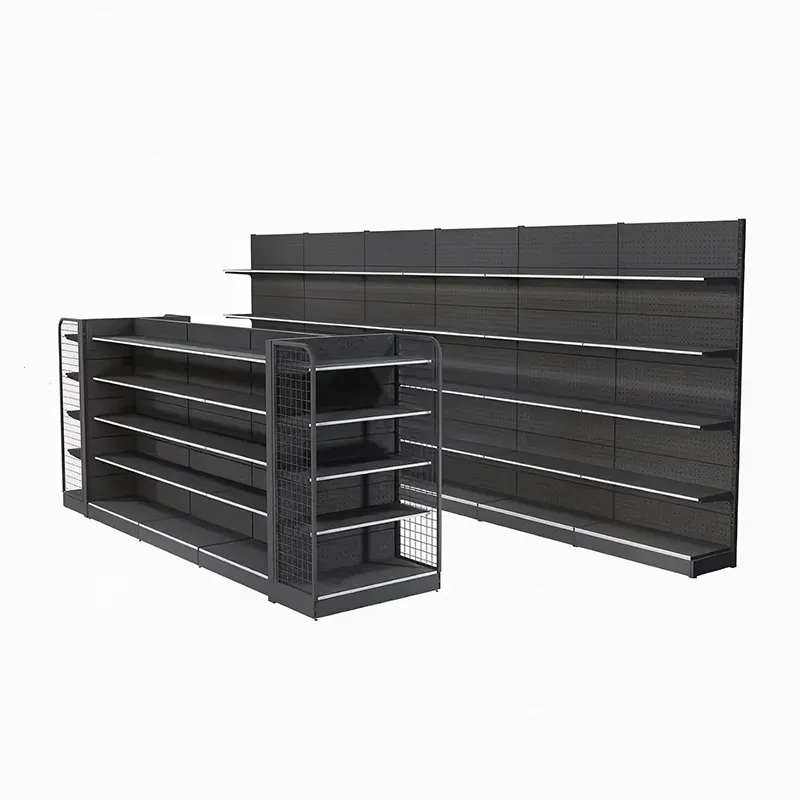
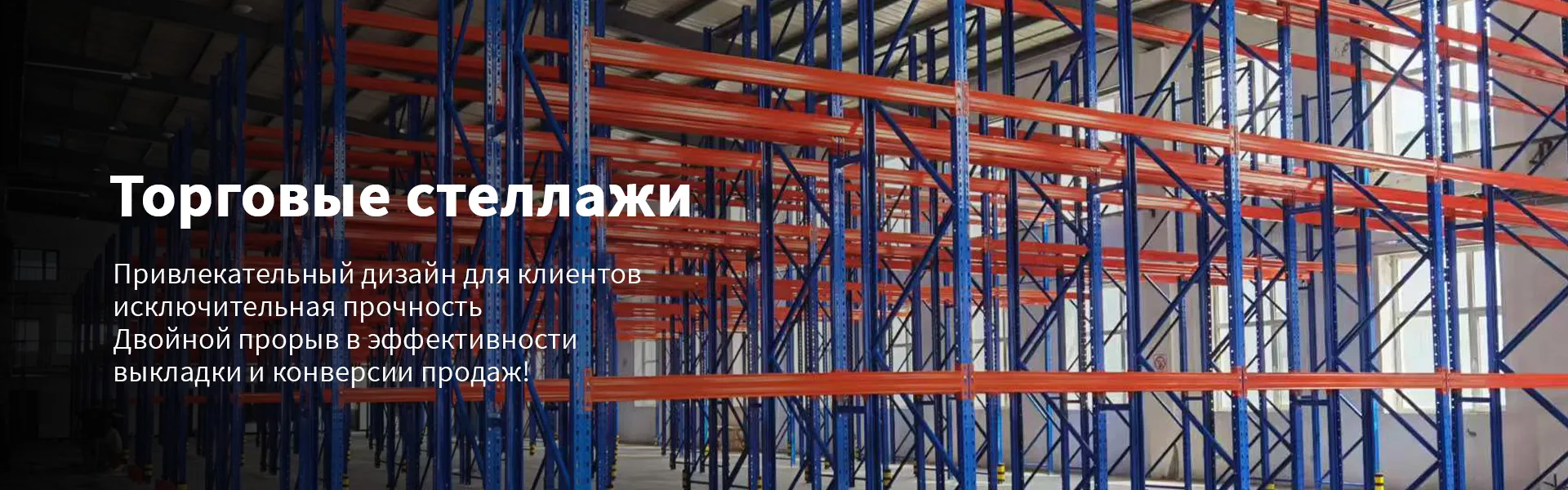
Let's go back to the exampleLLC ?Harbin Jusheng?. The fact that they hold retail, warehouse, mezzanine, and shuttle systems in their portfolio is a strength. They can offer not just a box, but a comprehensive solution, assessing the feasibility of a mezzanine in a particular case. Because the main conclusion from all this practice:mezzanine shelving- this is not a universal answer to the question “where to store?”. This is a powerful but complex tool that, when used correctly, can work wonders for warehouse efficiency, but when used amateurishly, it creates headaches and safety hazards. And the line between these outcomes is very thin; it passes through the competence of the designer and understanding of the real processes at the site.