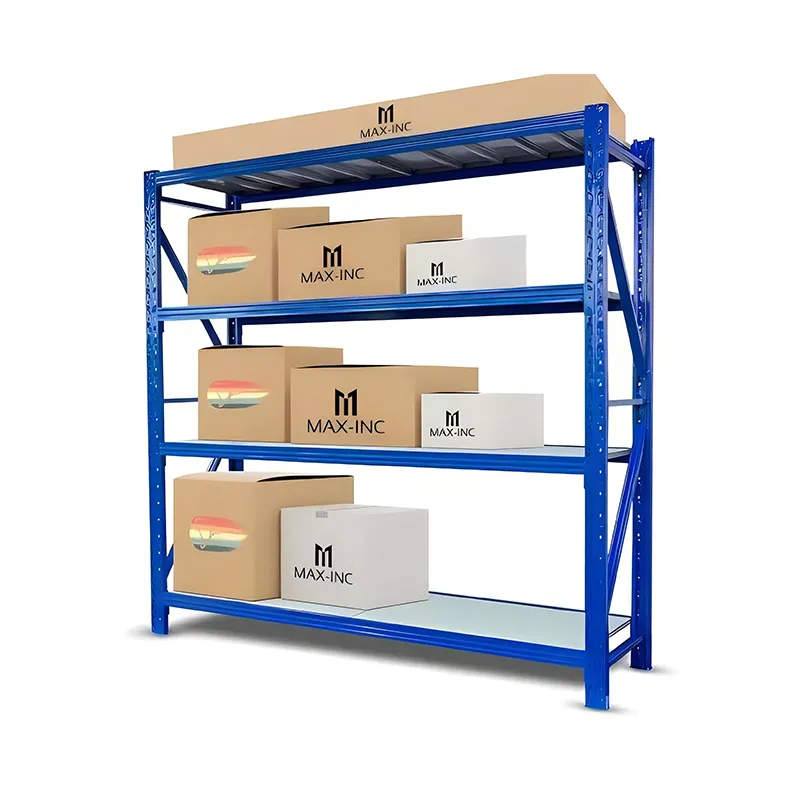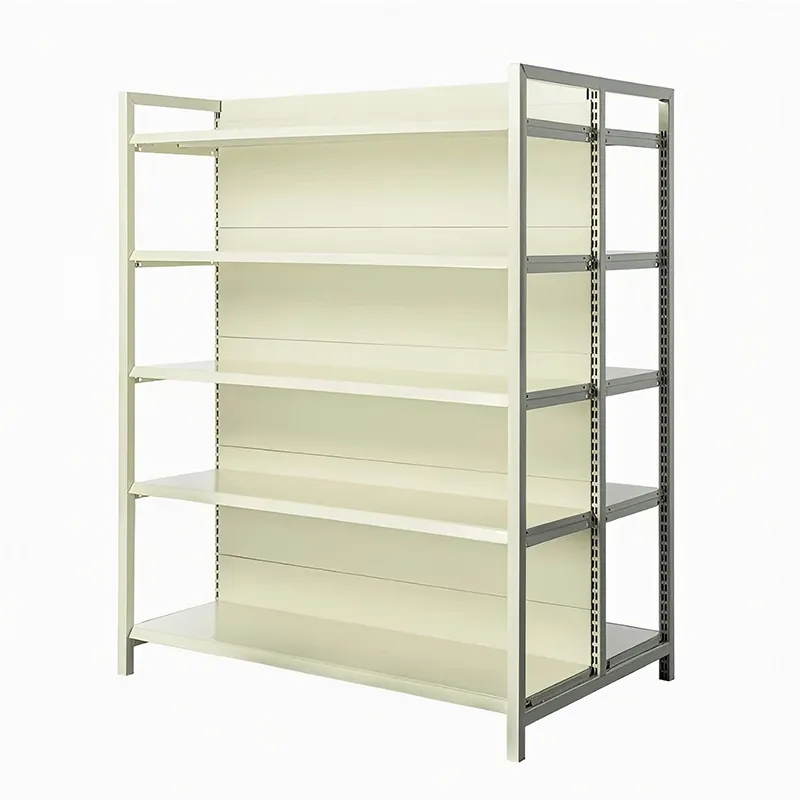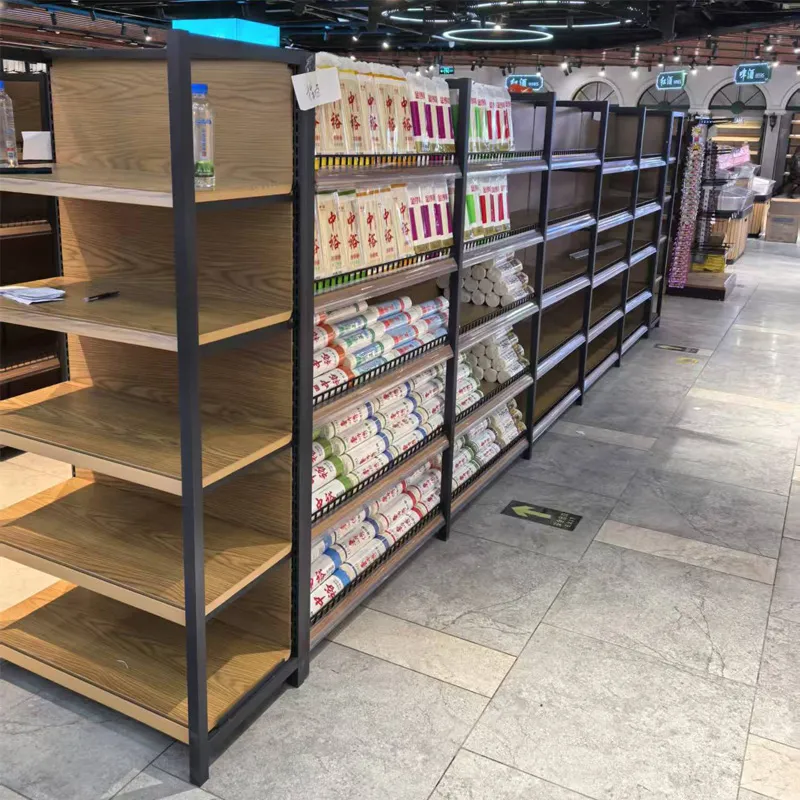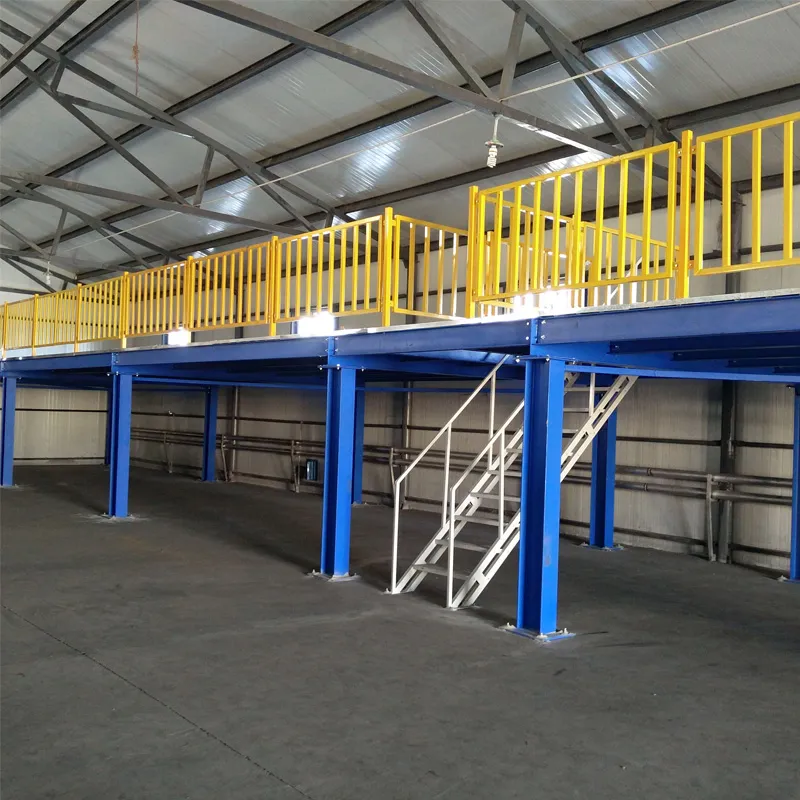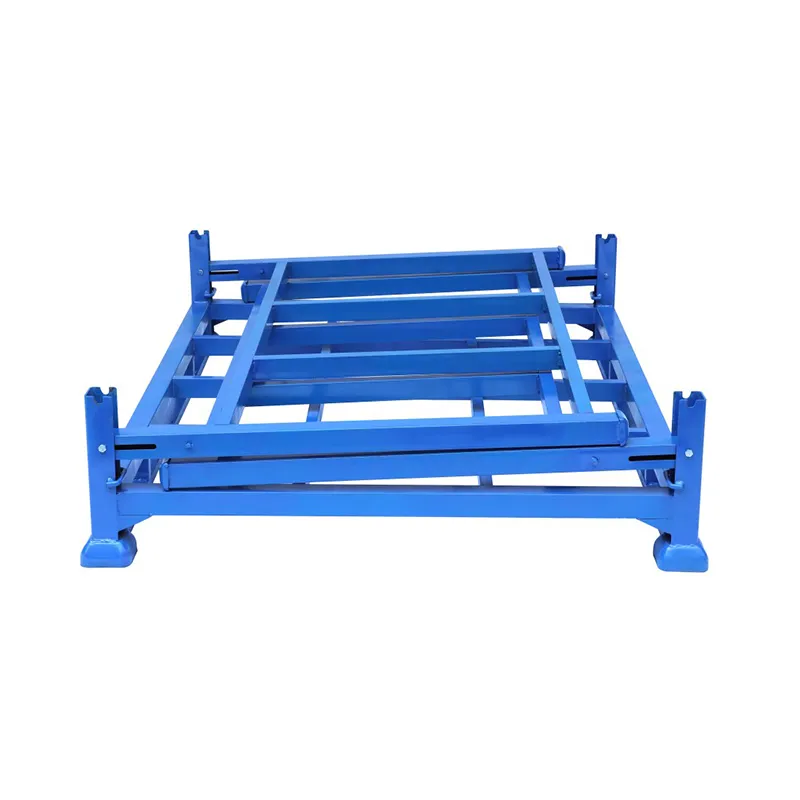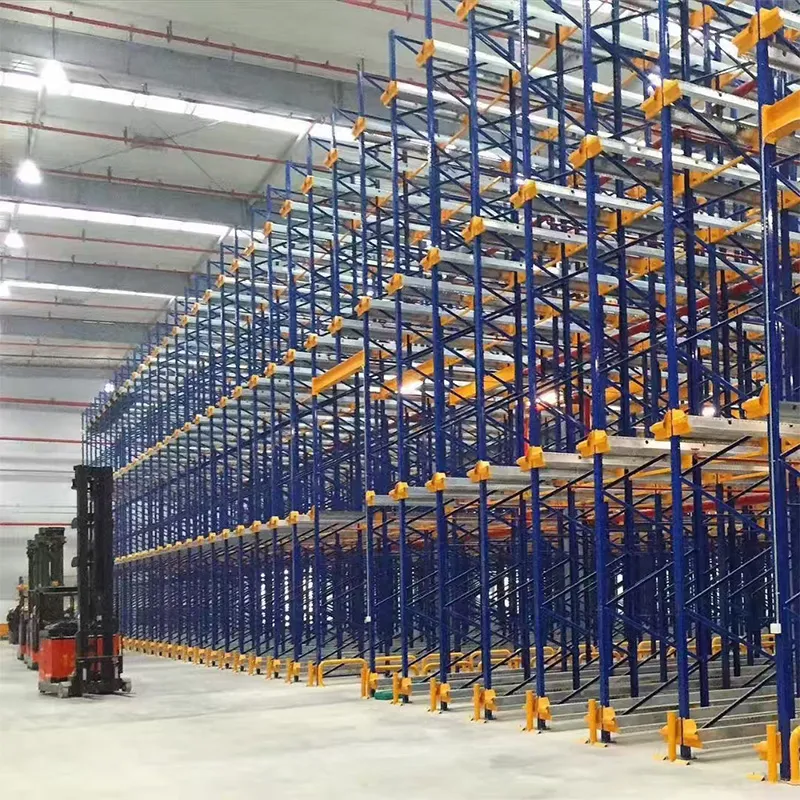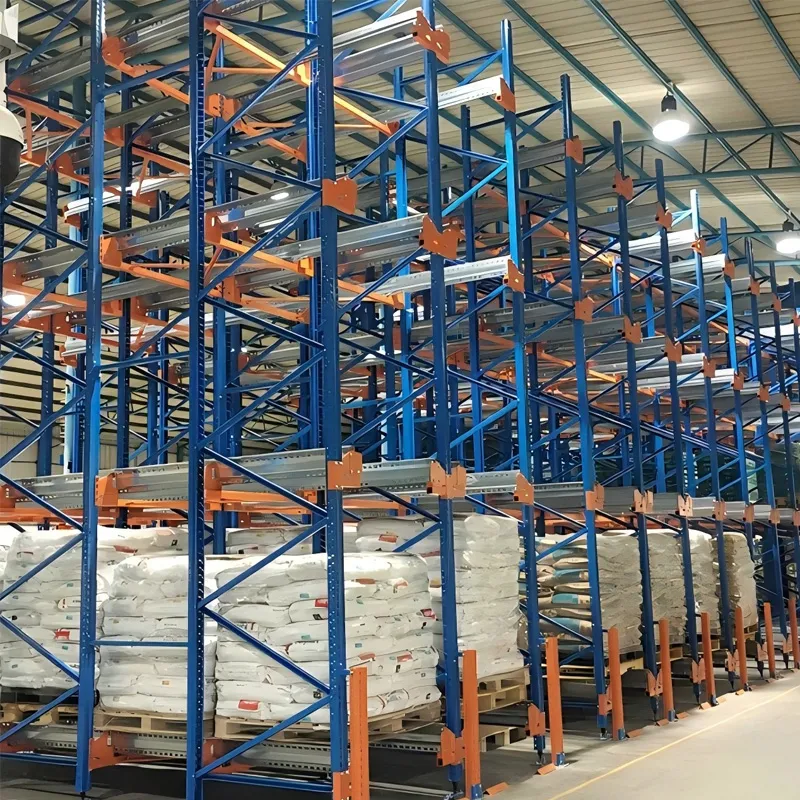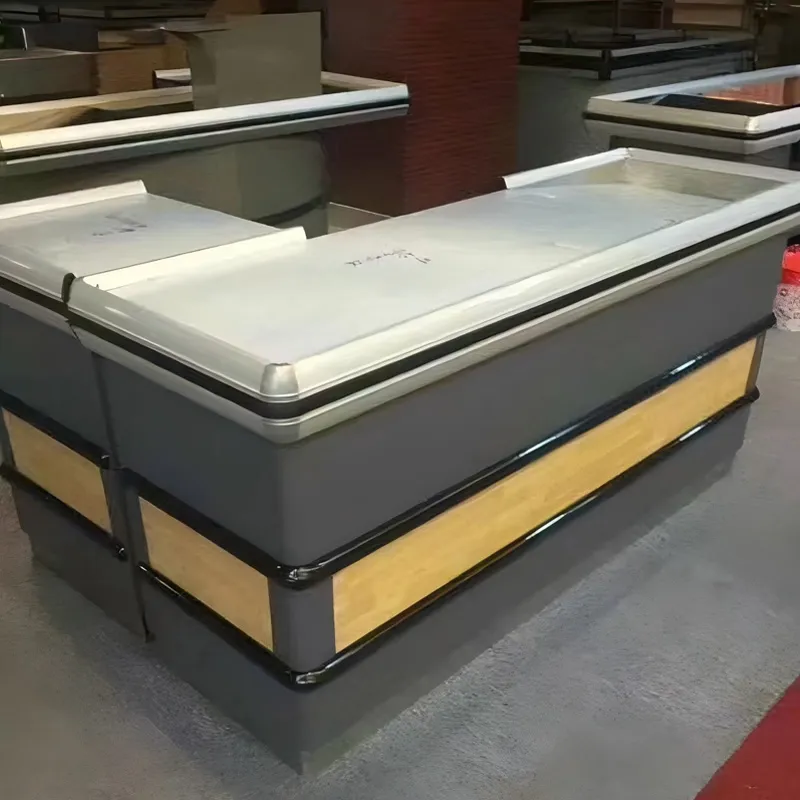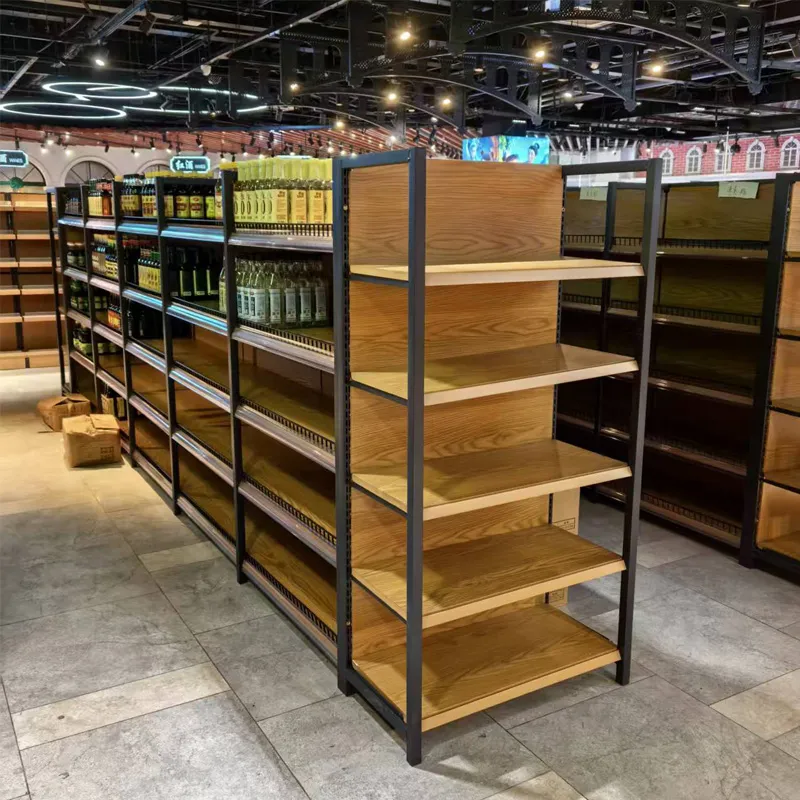
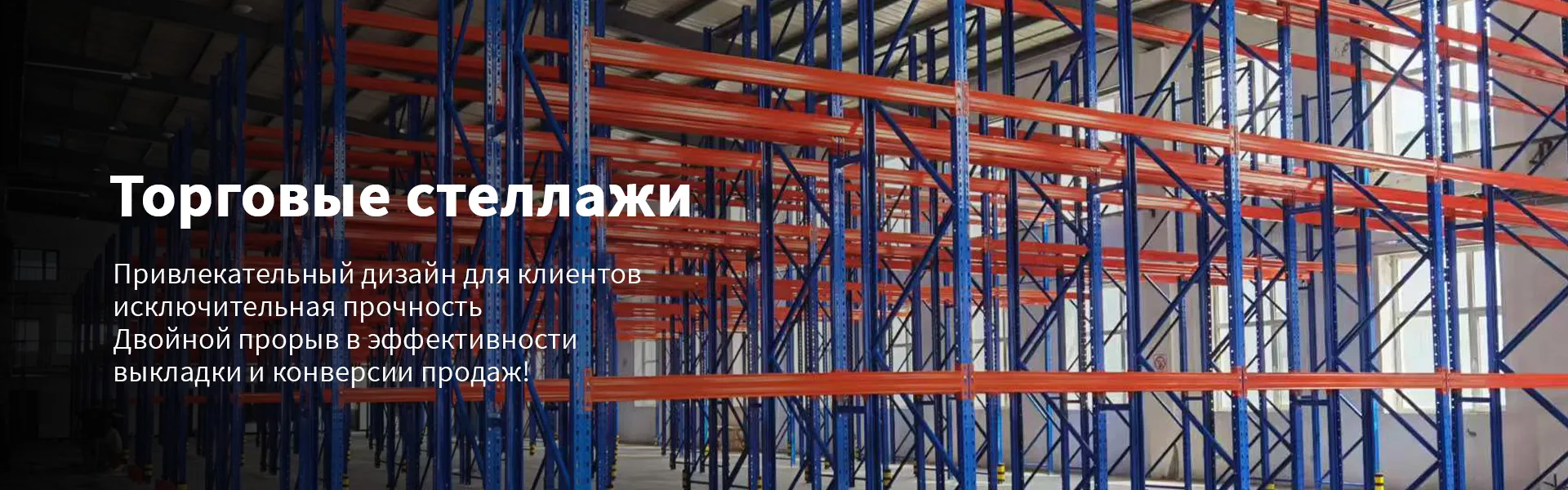
When you hear “inventory management racks,” many people think of just a set of shelves. This is the first and biggest misconception. In fact, this is the skeleton of the entire warehouse, on which not only storage, but also logistics, processing speed, safety and, ultimately, profitability depend. Many times I have encountered situations where a business was growing, but the old storage system was stifling it, creating chaos and constant downtime. And often the problem was not the number of racks, but their inconsistency with real processes.
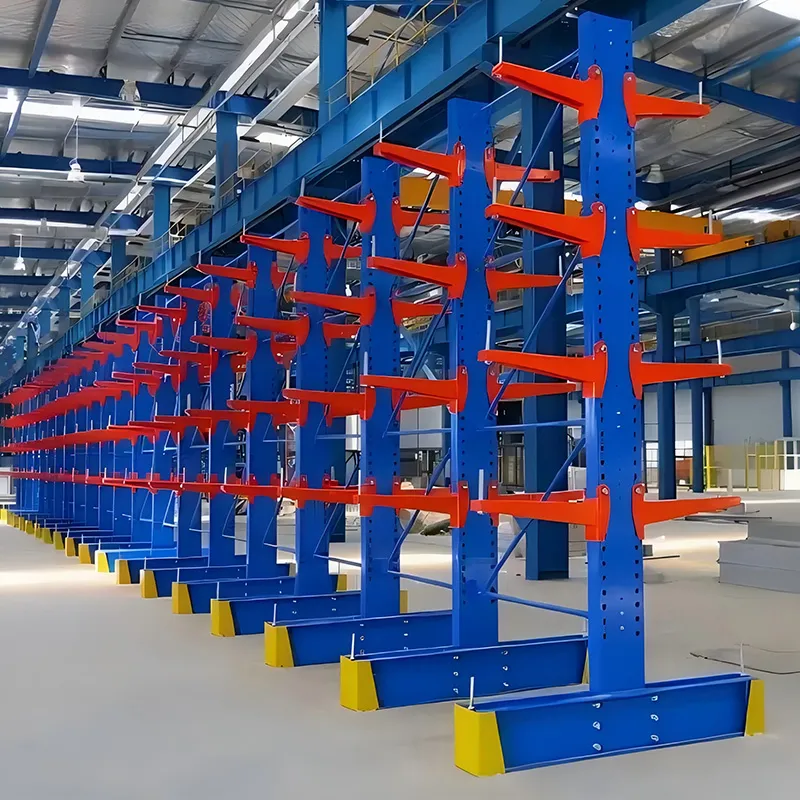
Previously, it seemed logical: buy more loading or balcony racks, arrange them - and the job is done. Bitter experience has shown the opposite. We once implemented a system for an auto parts distributor. We ordered standard shelf racks for pallets. It would seem that everything has been calculated. But they didn’t take into account the nuance: the range included long lengths - shock absorbers, cardan shafts. They either didn’t fit or took up the space of an entire pallet, killing the useful volume. We had to combine it with cantilever structures on the fly, which increased the cost and time. Conclusion: without a deep analysis of the product range and turnover, any planning is money down the drain.
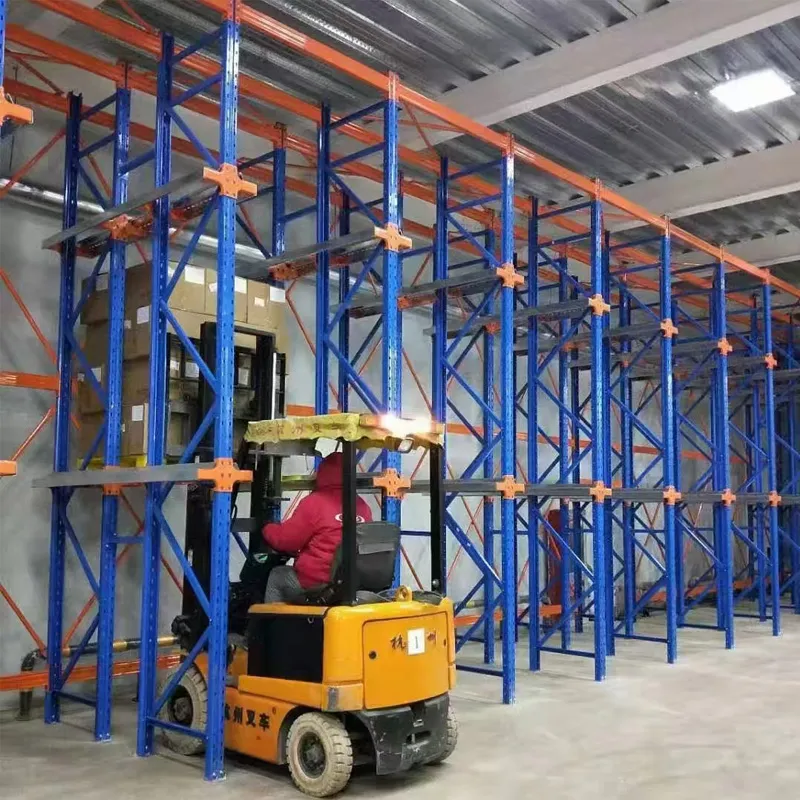
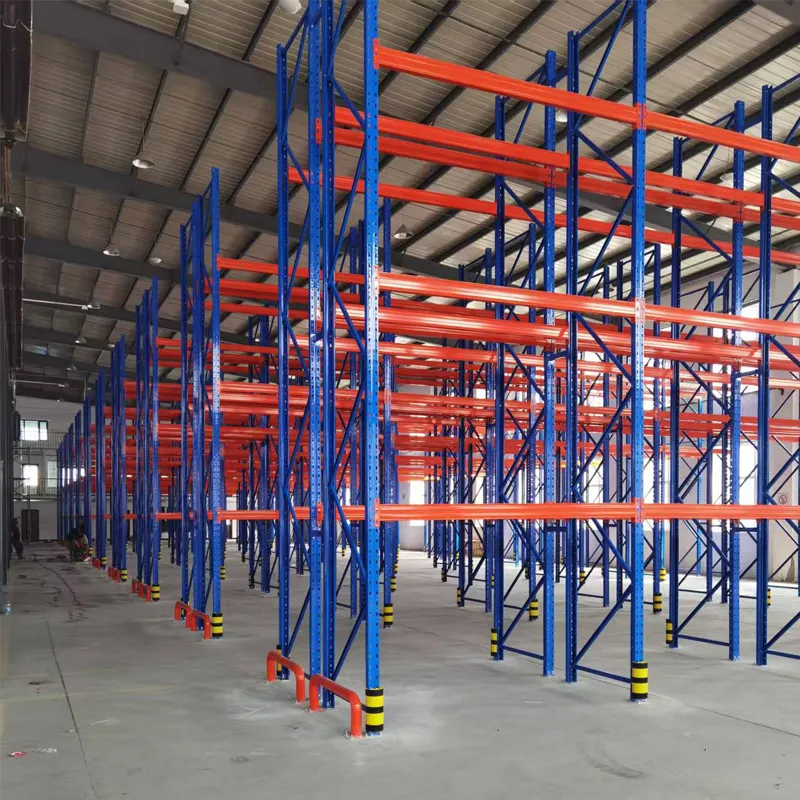
The important thing here is not just to measure the warehouse area. You need to understand the dynamics: which goods are fast, which are slow, whether there are seasonal peaks, how the packaging is carried out - in waves or individually. Sometimes it makes more sense to invest in four-way shuttle racking for small, high-turnover items than to fill an entire warehouse with heavy pallet systems. This is not a matter of preference, but of the mathematics of warehouse logistics.
By the way, about mathematics. A common mistake is skimping on design. Like, “engineering delights?” - these are unnecessary expenses. But when at the assembly stage it turns out that the beams cannot withstand the declared load due to incorrect calculation of weight distribution, or the passages for the stacker are 10 cm too large, it is much more expensive to correct. A project is not a pretty picture, it is a technical specification for all subsequent work, from production to installation.
When talking about production, many customers focus on the thickness of the metal. This is important, but technology is equally critical. Cold-rolled steel of a certain grade, the quality of the weld, the uniformity of the powder coating - these parts determine the service life. I saw racks that after a year began to “play?” and creaking under load precisely because of poor-quality welded points or rust from the inside, where the coating was applied unevenly.
Automation of production is not just for show. When a plant has modern CNC cutting lines and robotic welding, it guarantees the accuracy and repeatability of each element. The posts and beams must be identical, otherwise the assembly will turn into a sledgehammer fitting nightmare. For example, the sameHarbin Jusheng production of metal structures(their website isjshj.ru) area of 20,000 sq. m and several automated lines speak of serious scale and, importantly, the potential to ensure just such precision. For inventory management systems where millimeters matter, this is not a luxury.
Separately, it is worth mentioning the fittings and fasteners. It would seem like a small thing. But the stability of the entire structure depends on the quality of the locks, stoppers and bolts. Cheap fasteners can burst or strip threads under dynamic load from a forklift. Always ask to see samples or certificates for fittings.
The most perfectinventory management rackis useless if it is not integrated into workflows. Let me give you an example from practice. We implemented a system at a pharmaceutical warehouse with strict FIFO (first in, first out) requirements. They installed beautiful, seemingly matching shelving. But they didn’t think through the markings and navigation for pickers. As a result, employees spent a lot of time searching, violated the selection principle, and errors grew. We had to make some improvements: introduce color and digital marking of cells, revise the layout. Lesson: The shelving should ?communicate? with staff through clear cell logistics.
Another aspect is scalability. Business is changing. Store pallets today, tomorrow you will need an area for piece storage or a mezzanine for archival storage. A good system provides for this. Modularity of designs is key. The ability to increase height, add sections, and reconfigure shelves without complete disassembly saves huge amounts of money in the future.
Safety is often forgotten. It's not just about the load. This includes collision protection (corner posts should be reinforced), anti-dust coating for clean production, and even ergonomic issues for manual picking. If a worker is uncomfortable and unsafe at work, productivity drops and injuries increase.
The market is saturated with offers. How to choose? Price is an important, but not the main indicator. A low price often means saving on materials, simplifying the design, or lacking full-fledged engineering. You need to look at the company holistically. Here, for example,Harbin Rack Factory ?Jusheng?, which, as stated in their description, has been operating since 2019 and is positioned as a leading enterprise in northeast China. It is not only the year of foundation that is important, but the full cycle: design, production, sales, service. This means that they could theoretically be responsible for the entire project, and not just sell the hardware and forget it.
Be sure to request a reference list for projects similar in specificity to yours. It's better to see it once. If possible, visit an existing facility that has been operating for a couple of years. See how the racks look in real use: are there any deformations, how does the coating hold up, is it convenient to work with. Ask warehouse owners about their experience with the supplier.
The examination phase is critical. If a manager comes to you only with a catalog, this is an alarming sign. An engineer or technologist must arrive who will measure the room, understand the specifics of your product, and study the documents for floors and communications. Without this, any project is guesswork.
The installation has been completed and the certificate has been signed. The story doesn't end there. On the contrary, the most important stage begins - exploitation. A responsible supplier does not abandon the client. Your personnel must be trained in safe loading and operation rules. Equipment certificates and load diagrams must be provided.
And, of course, the availability of the service. Breakdowns or the need for modifications always occur. How quickly can I get the spare part I need? Are there service engineers? Ideally, the supplier should have a routine maintenance program, as for complex equipment. This extends service life and prevents accidents.
Returning to the topic of inventory management. Ultimately correctracksis a tool that makes inventory manageable, visible and accessible. They move the warehouse from a cost category to an asset category that works for the business. Selection and implementation is always an investment, not an expense. And you need to approach it accordingly: without fuss, with deep analysis and with a partner who understands not only metal structures, but also logistics. Like the same “Jiusheng”, which claims a full cycle of work. The main thing is that words do not diverge from deeds, and this can only be verified by experience and the details of the project.