When you hear the word “cash desk?”, the first thing that comes to mind for most is a counter with a computer, a scanner and, in fact, a cash drawer. But in practice, especially in the context of large retail or a high-traffic warehouse, this understanding is superficial, almost erroneous. The checkout is the point where product logistics, customer flow, financial reporting and, often overlooked, ergonomics and integration with other equipment, such as shelving, converge. Many customers, when ordering shelving systems, consider the checkout area as something separate, then face narrow aisles, inconvenient display of impulse goods, or problems with the placement of the checkout module itself. This is a system error at the planning stage.
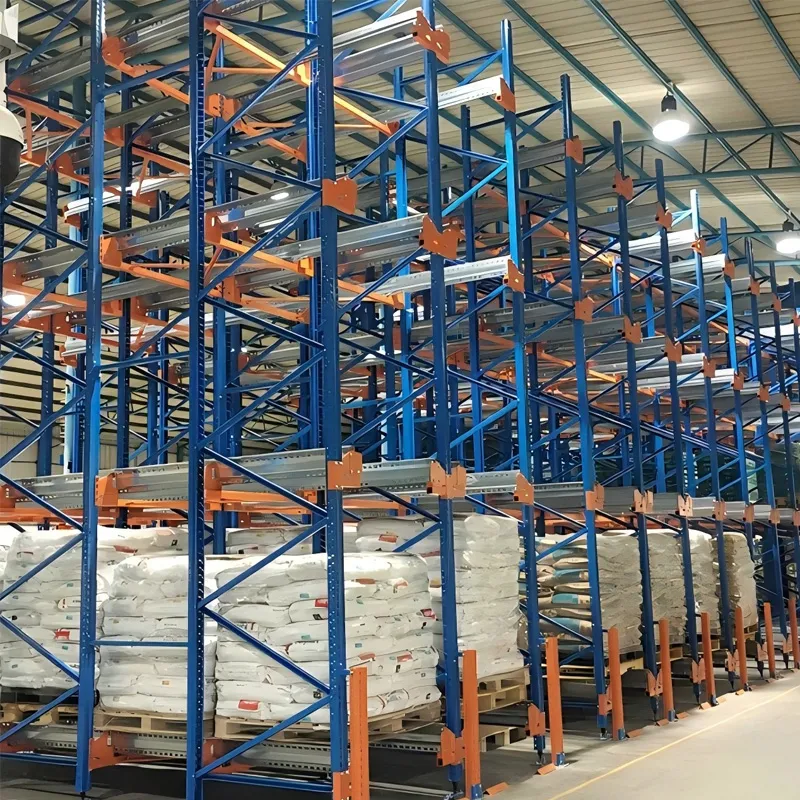
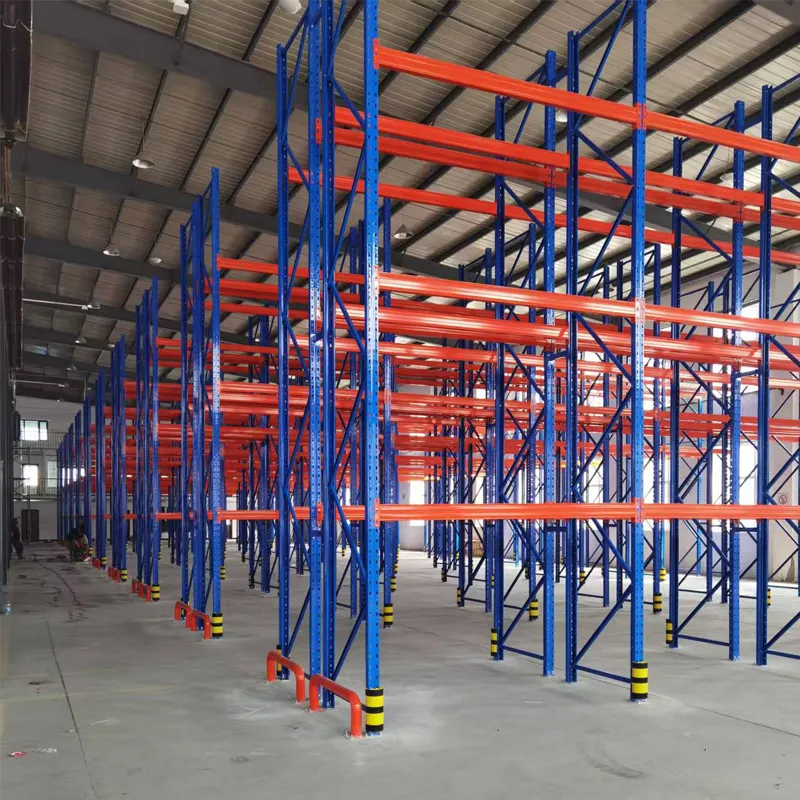
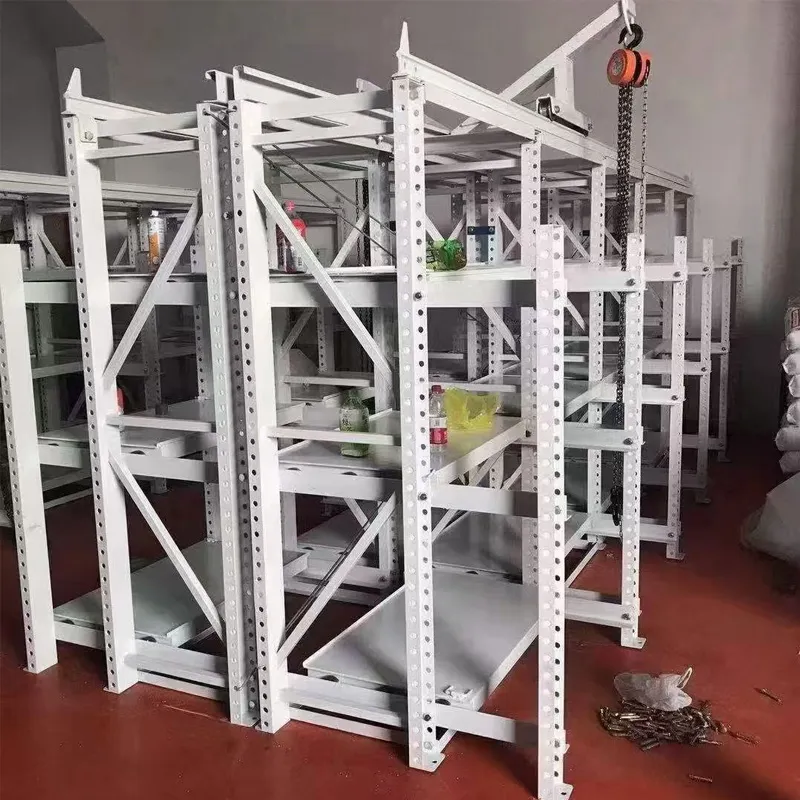
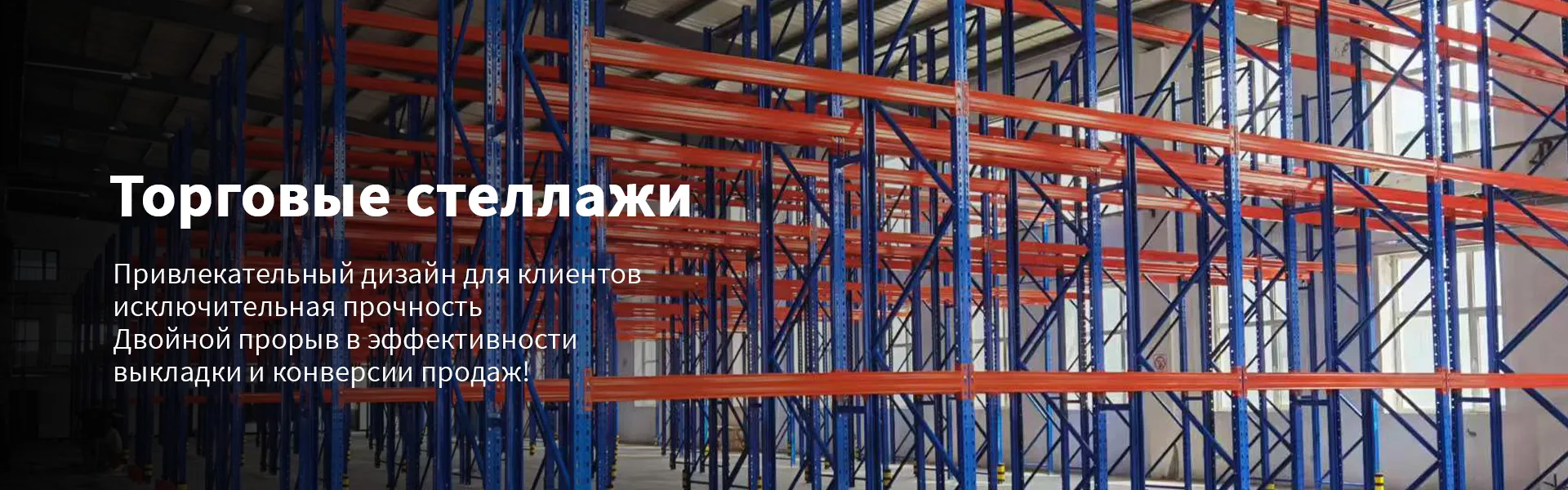
For example, we worked with one large warehouse store for building materials. The order was for beam racks, heavy, everything was calculated for the load, for the dimensions of the pallets. And the area for receiving and paying clients was left “for later”. When it came time to install the cash registers, it turned out that the approaches to them were blocked by protruding shelving consoles, and there was simply no safe and fast route for carts with goods. I had to literally redesign part of the project on the fly, shifting entire sections. We lost both time and money. This is a classic example when the design of racking systems and the planning of cash registers are carried out by different people who do not see the whole picture.
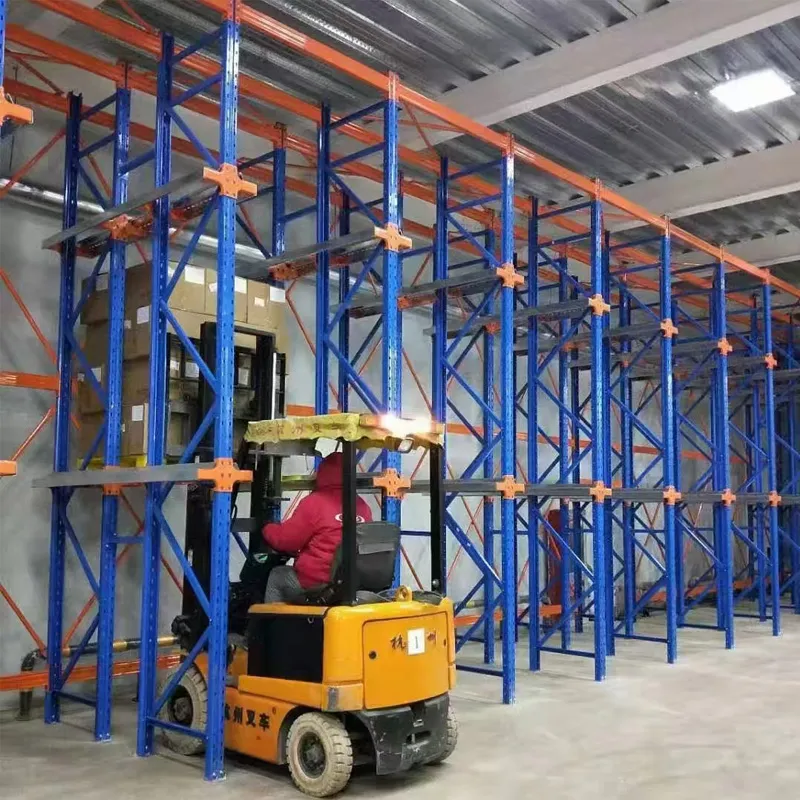
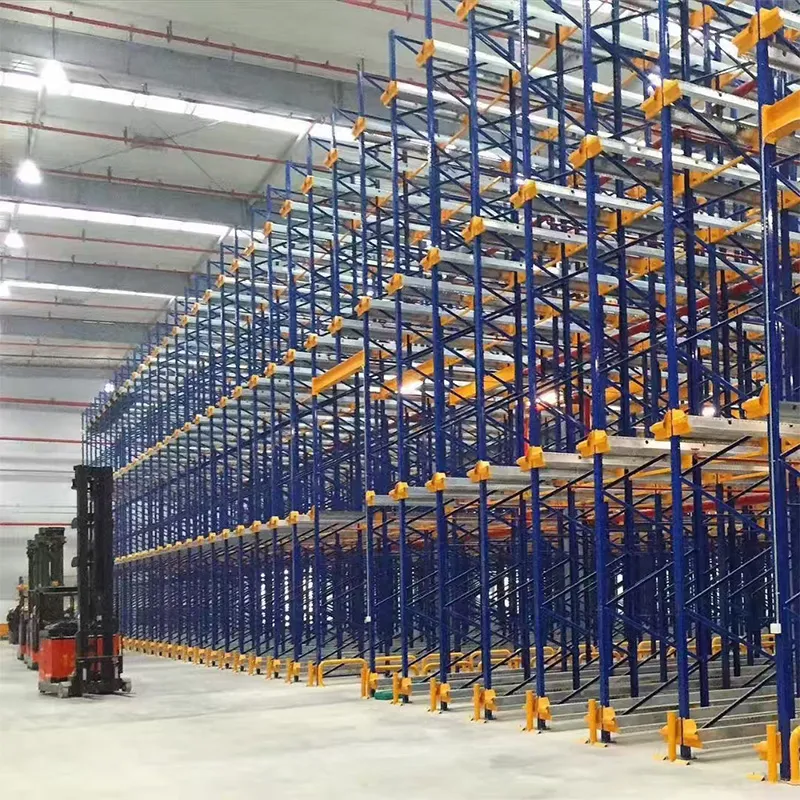
Now, at the start of a project, even such as designing warehouse racks for four-way shuttles, we always ask the question: “Where will be the point of final interaction with the client or warehouseman?” Where does the final transfer of goods take place??. This is the zone of the futurecash registers, even if it is not a classic store, but a warehouse shipping terminal. It needs light, room to maneuver, durable flooring and, importantly, a certain type of checkout racks or carts for the goods awaiting checkout.
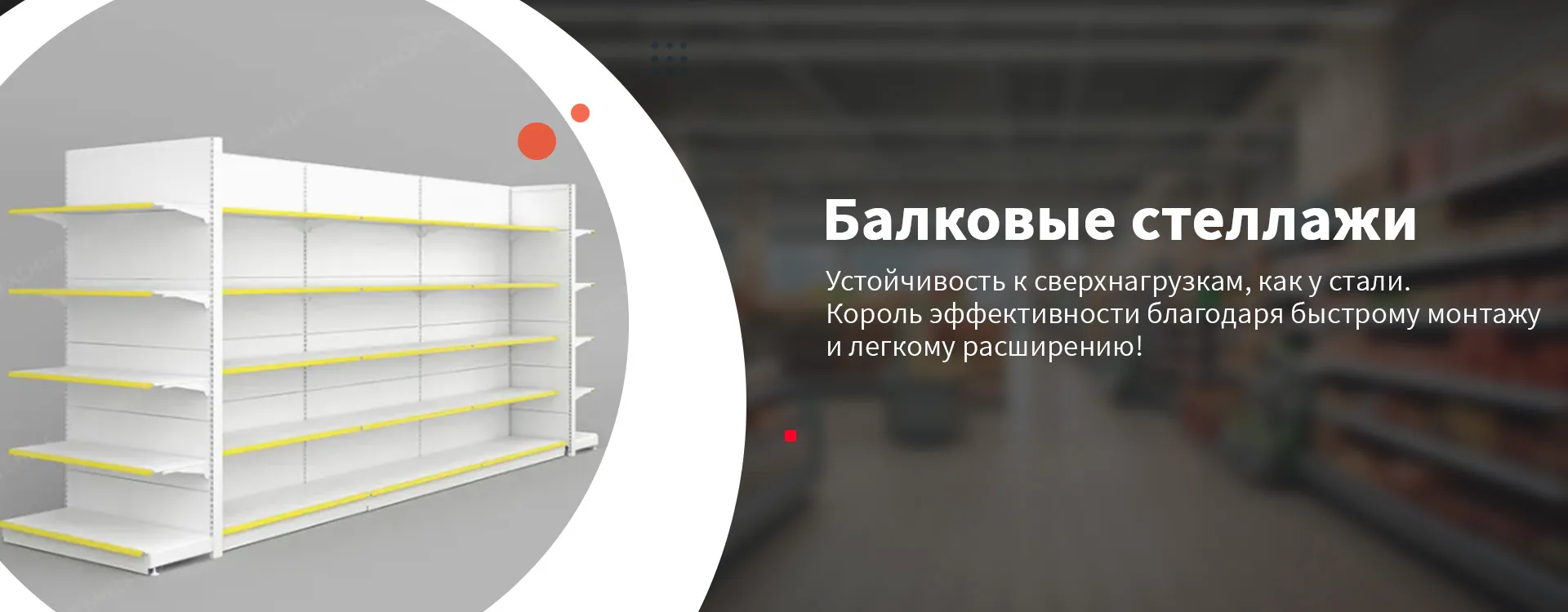
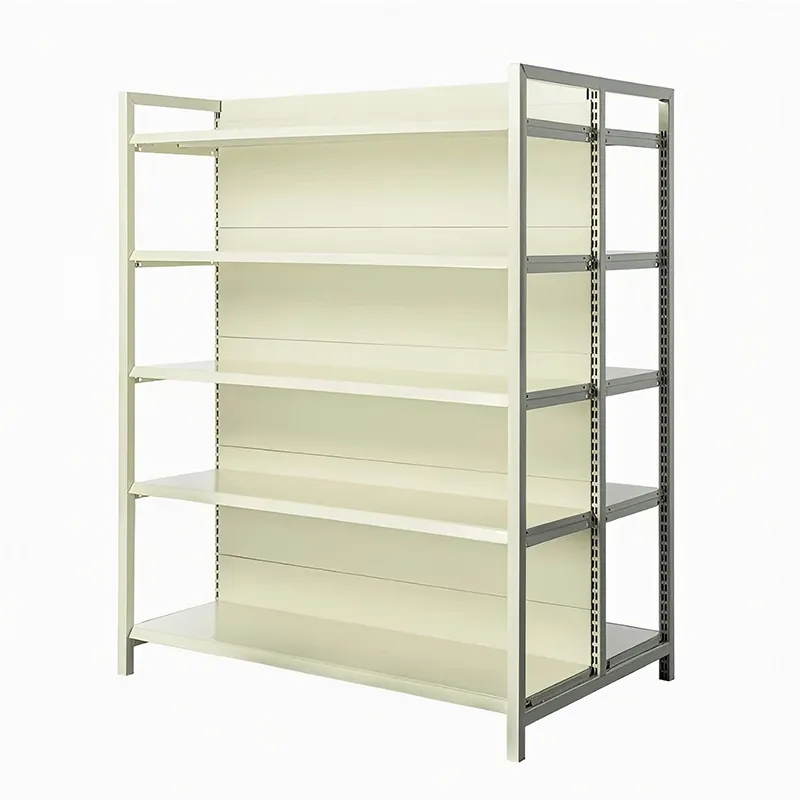
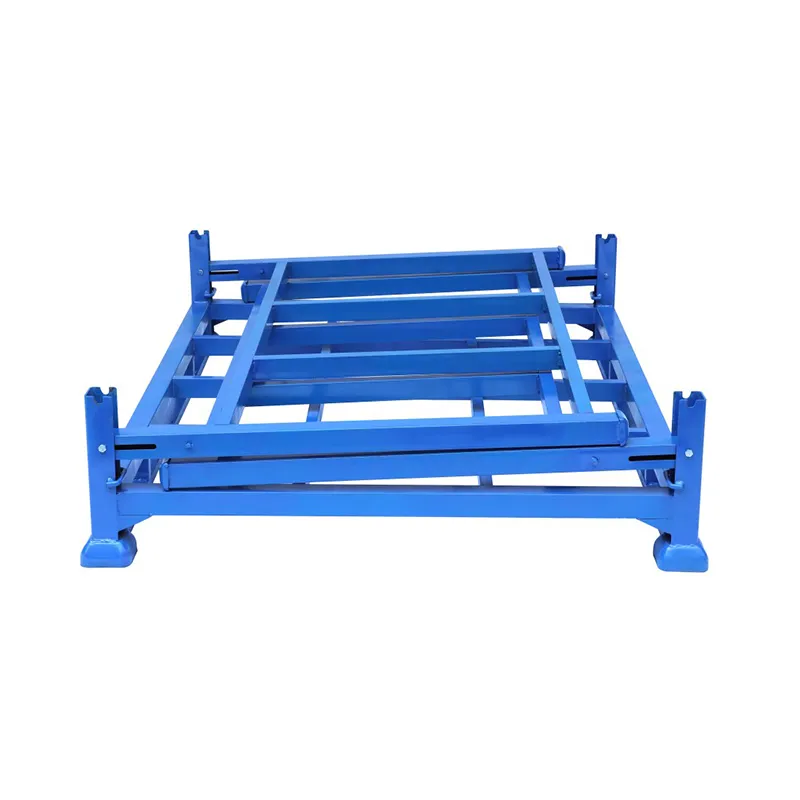
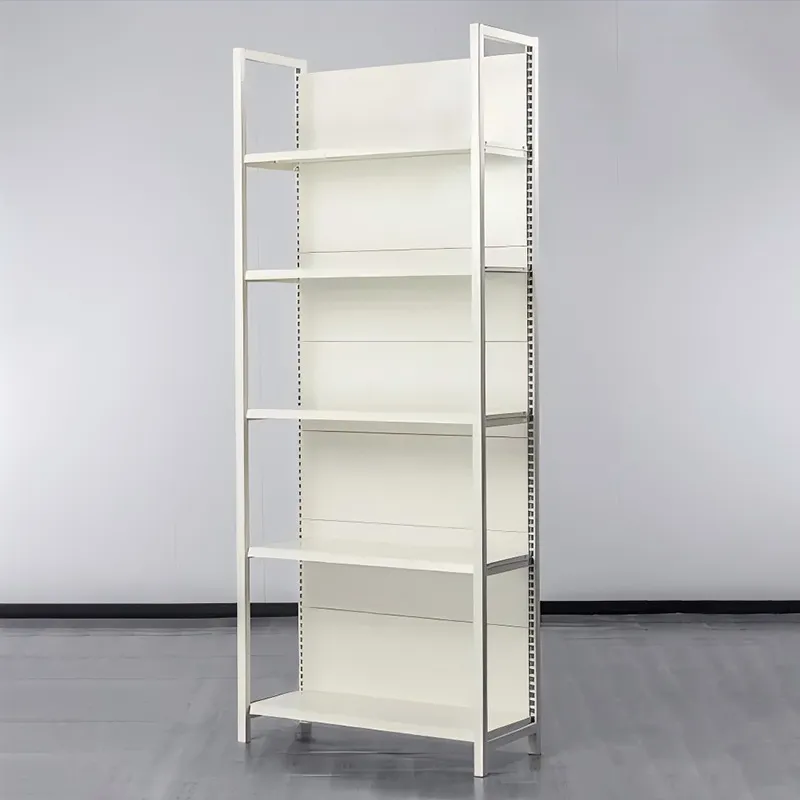
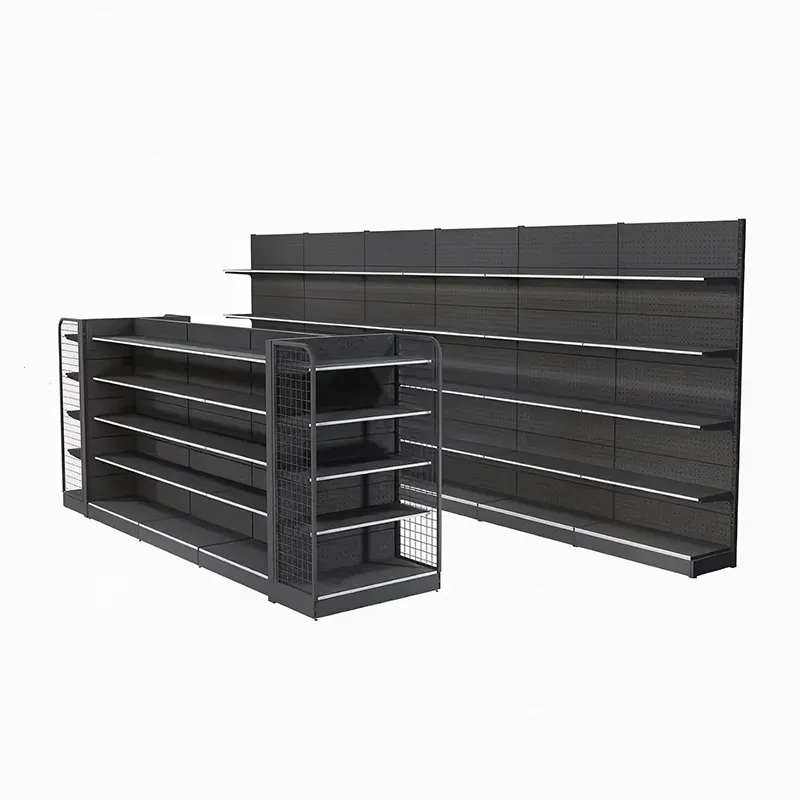
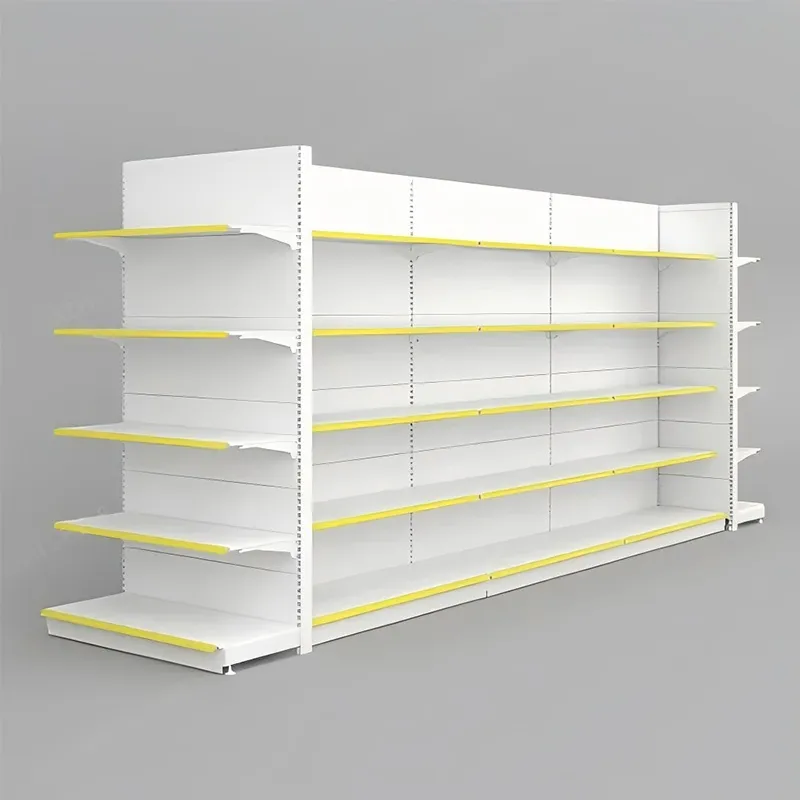
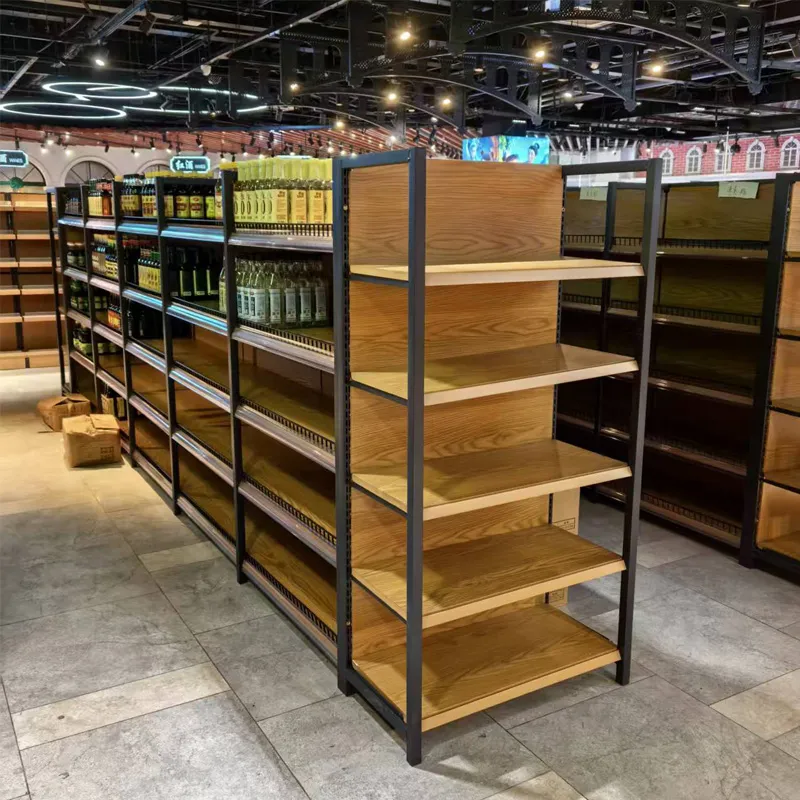
By the way, about checkout racks. This is a separate pain. Often they are taken as standard, cheap ones, without thinking that they must withstand not only the weight of goods, but also the constant micro-collisions of carts, and be easy to clean. We are in production?Harbin Jusheng Metal Structure Manufacturing Co.,Ltd., we often modify standard models of shelf racks specifically for such needs - we strengthen the corners, use a different powder coating, and provide fastenings for advertising materials. Because this zone is the face of the operation.
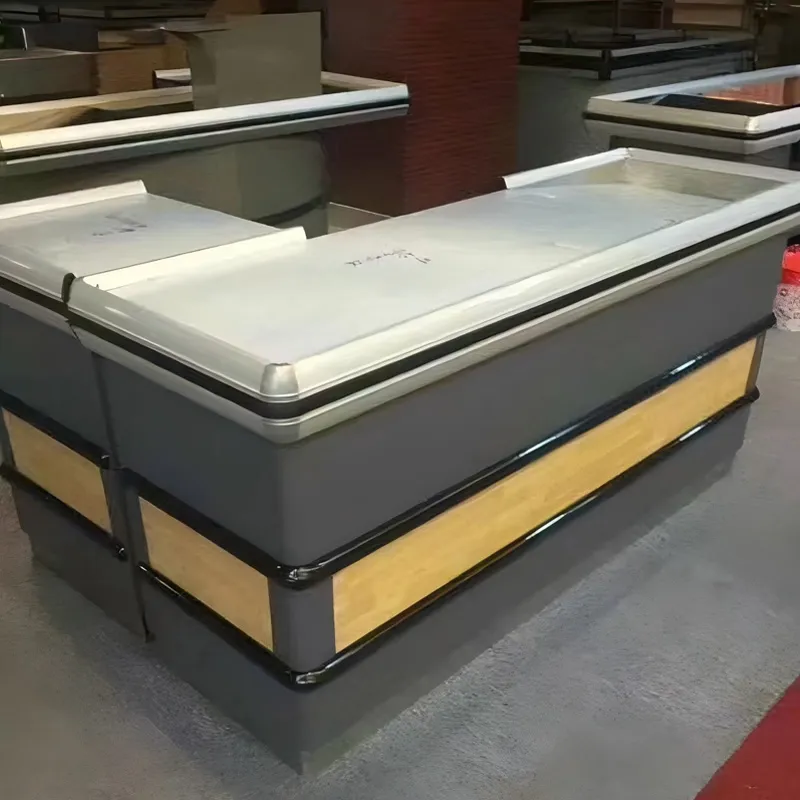
The module itselfcash registers- this is the next level of tasks. Previously, they thought: they set up a table, stuck a box for bills in it - and that’s it. Now it is a whole complex: a POS system, a barcode scanner (which should easily read labels both from boxes on the rack and from small goods), a card terminal, and a customer display. All this requires installation, cable channels, stable surfaces. And here again there is an intersection with our work. A cash counter is essentially the same metal structure that needs to be designed so that it is one with the surrounding shelving system in style and design, and at the same time functionally flawless.
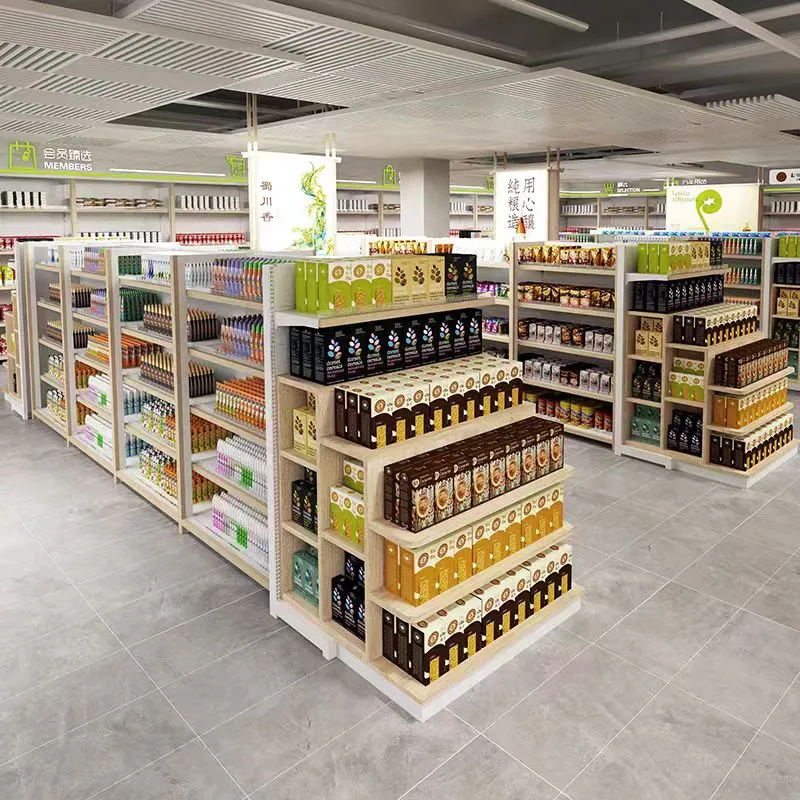
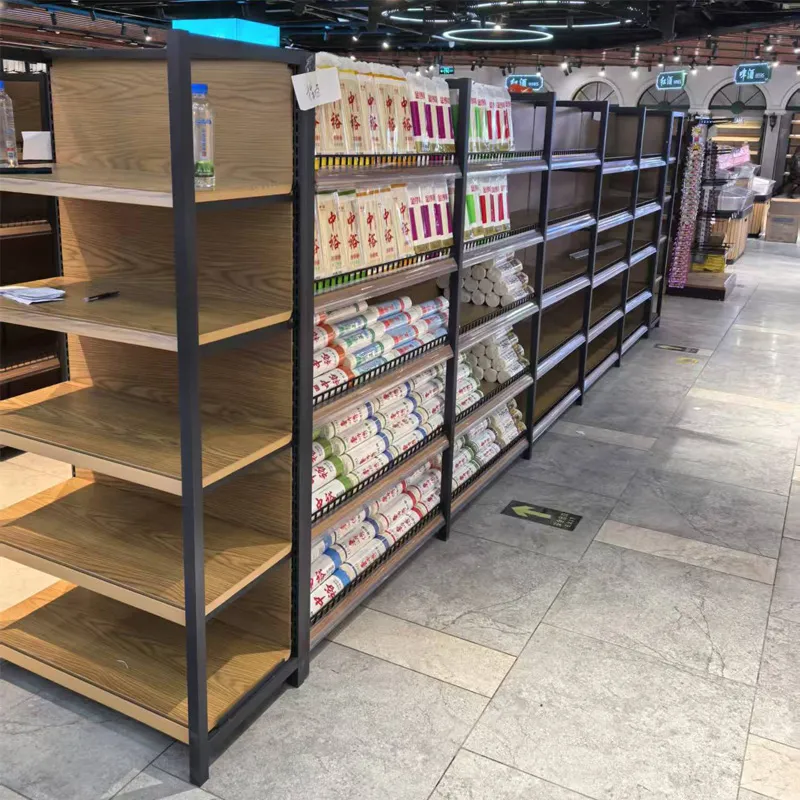
We had a project for a retail space, where the customer wanted to create a feeling of a unified industrial style. The shelves for the sales area were ours, open, with a metal texture. And we made cash register units not from standard laminated chipboard panels, but from the same rolled metal, with a similar coating, with integrated cable channels inside the racks. It was important to provide attachment points for all equipment in advance, so that there would be no those terrible plastic clamps and dangling wires later. This adds cost, but completely changes the perception of space and reliability.
A common integration error is failure to take into account heat generation. Server cabinet or just a system unit forcash registerIt overheats if it is covered with panels on all sides. We have to design ventilation grilles, sometimes even passive cooling systems. Trifle? Yes. But it’s these little things that make up smooth operation. At our plant in Harbin, with its full cycle from design to service, we can afford such ?little things? work on it at the sketch stage.
Cashier ergonomics is more than just a comfortable chair. This is the height of the tabletop under which you can drive a wheelchair (accessibility requirements), this is the angle of inclination of the scanner so that you don’t have to pull a heavy box every time. This is the arrangement of the shelves undercash registerfor packaging, banknotes, replacement rollers for label guns. We once analyzed complaints of back pain among cashiers at one of the warehouses - it turned out that they constantly had to reach to the side for a pallet with labels, which there was nowhere to put next to it. The solution was simple - to design and manufacture a retractable console cart integrated into the end of the checkout counter. Productivity in this area has increased significantly.
Security is another layer. Metal structures aroundcash registersshould not have sharp corners at the passage level. All edges must be rolled or capped. Anti-theft systems, if they exist, must work correctly near metal - this is a matter of correct placement of antennas. Even the choice of flooring around the cash register should be both wear-resistant and non-slippery, especially if it is a warehouse where there may be dust or small shavings.
Here's the experienceHarbin shelving plant ?Jusheng?how it debunks the myth that the shelving manufacturer only cares about the hardware. We are forced to think about the process as a whole. Founded in 2019 and occupying 20,000 sq. meters, our company often acts as a system integrator for warehouses and retail complexes, where the cash register is a critical element of the overall logistics chain.
Not everything was smooth sailing, of course. I remember about five years ago (even before the founding of ?Jusheng?, at my previous place of work) we promoted the ?ideal? modular cash counter for mezzanine systems. Beautiful, all bolted together, any configuration could be assembled. But at one of the sites in the Siberian region, installers were faced with the fact that vibrations from forklifts constantly passing by gradually loosened the threaded connections. The stand was starting to wobble. We had to urgently refine the design, add counter elements, and switch to partial welding in key components. The lesson was tough: what is static and ideal on the shop floor can behave differently in real, “noisy” environments. operating conditions. All our designs, especially for high vibration areas, now undergo additional stability testing.
Another failed case is related to versatility. We tried to make it super functionalcash register?all in one? for small shops: built-in safe, shelves, cashier's clothes hanger, printer holder. The result was a bulky and expensive monster that no one needed. Retailers preferred to take a simple basic stand and purchase additional accessories for themselves. This has taught us flexibility: we now offer basic frames, but with a huge range of optional mounts, brackets and add-ons that can be added later as needed.
Nowadays there is more and more talk about cashierless stores, but in warehouses, logistics centers, and in the B2B sectorcash registerin one form or another will remain for a long time. Her role is changing. It becomes not so much a point for receiving money, but rather a station for recording data: shipment, acceptance, inventory. Therefore, integration with scanners, scales, and accounting systems is already a must-have.
Our production of automated equipment allows experimentation. For example, we are trying to make racks with built-in mounts for tablets or data collection terminals, with cable channels designed not for stationary computers, but for more mobile equipment. An interesting challenge is designing checkout areas for warehouses with four-way shuttles, where the operator needs to simultaneously see data on the screen and control the operation of the automation. This requires a special layout of the space.
In the end, back to the beginning.Cash desk- This is not an isolated device. It is a system element that must be designed in tandem with racking equipment, room logistics and process technology. Whether it's massive beam shelving in a warehouse or sleek display shelving on the sales floor, the final touch point with merchandise requires the same attention to detail as the main storage system. Ignoring this is a sure path to losses, not at the design stage, but in daily operational activities. Experience, including negative ones, lies precisely in seeing these connections and putting solutions into the metal and drawings in advance.