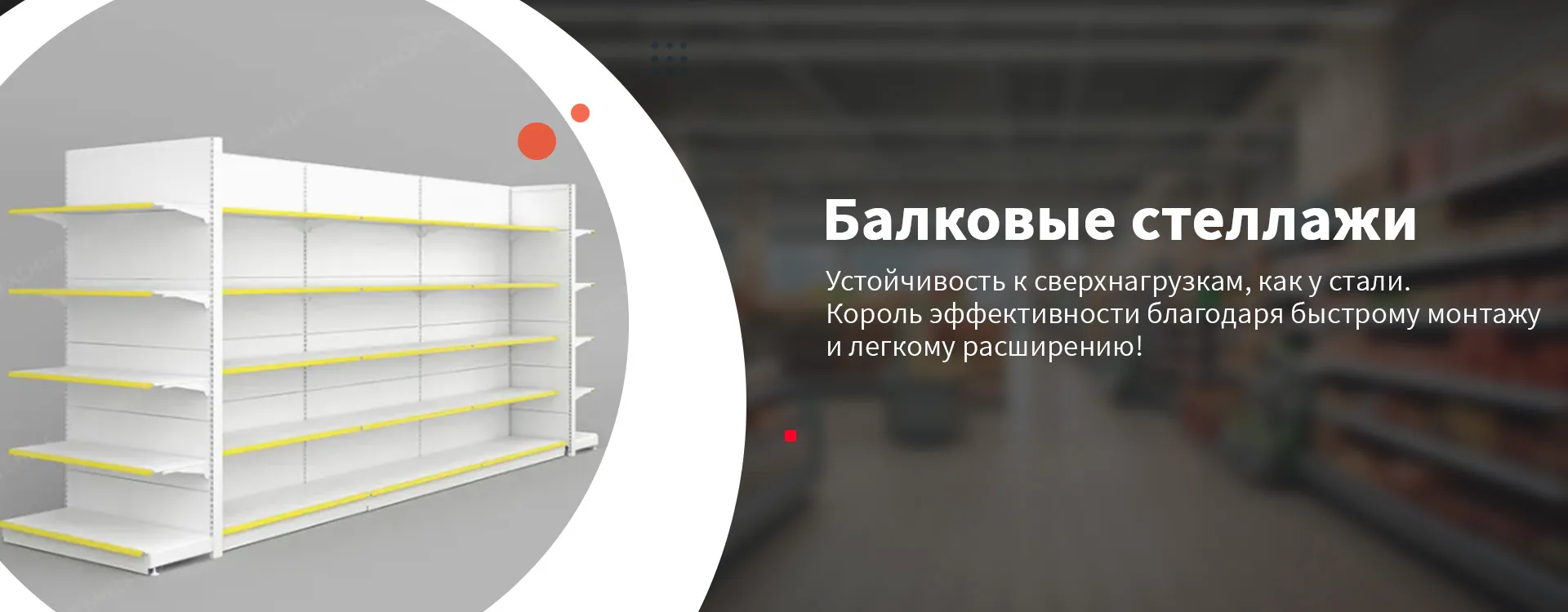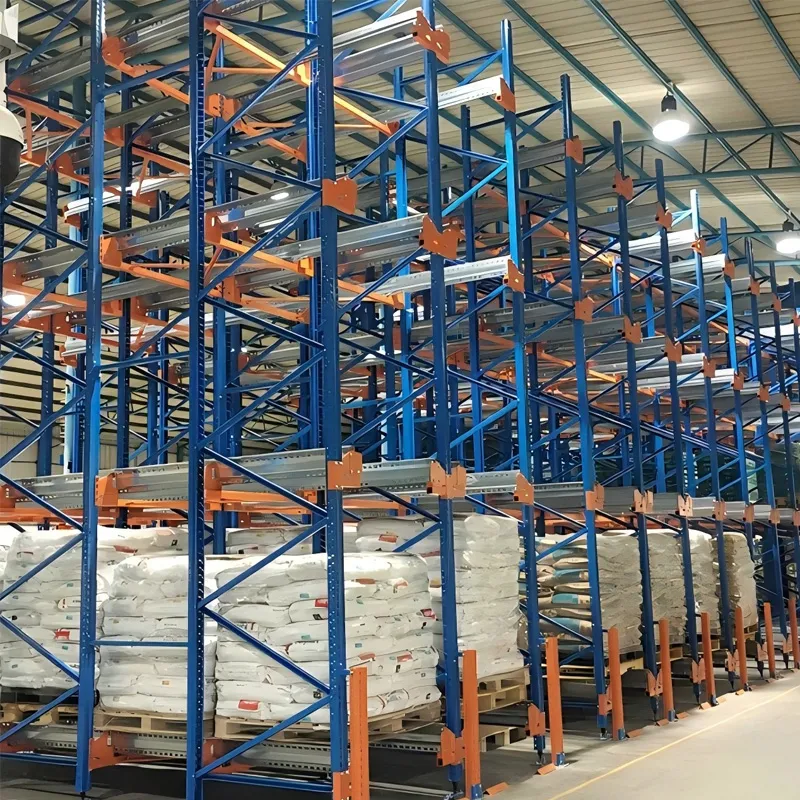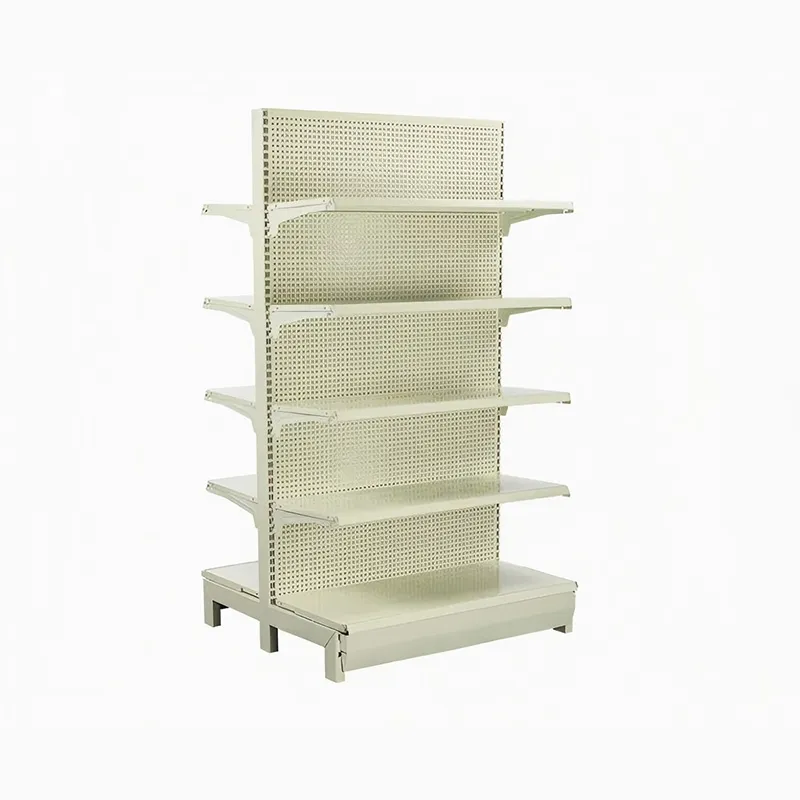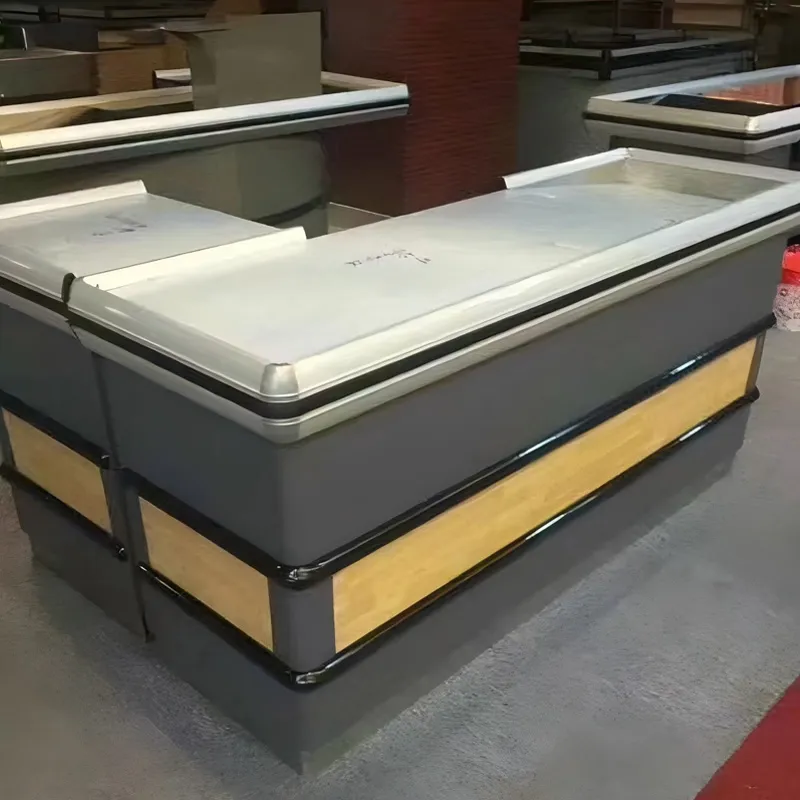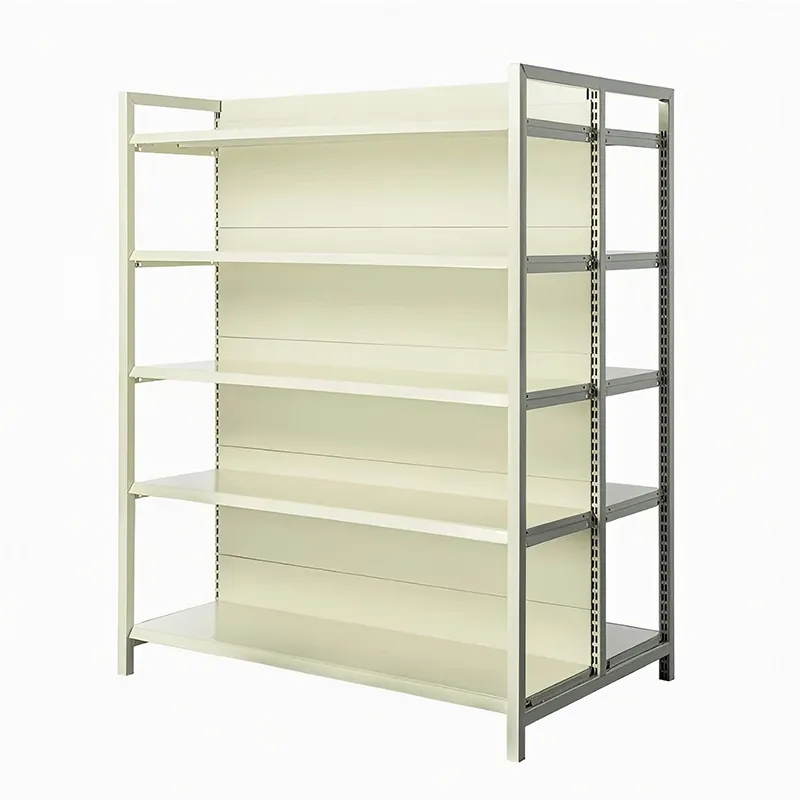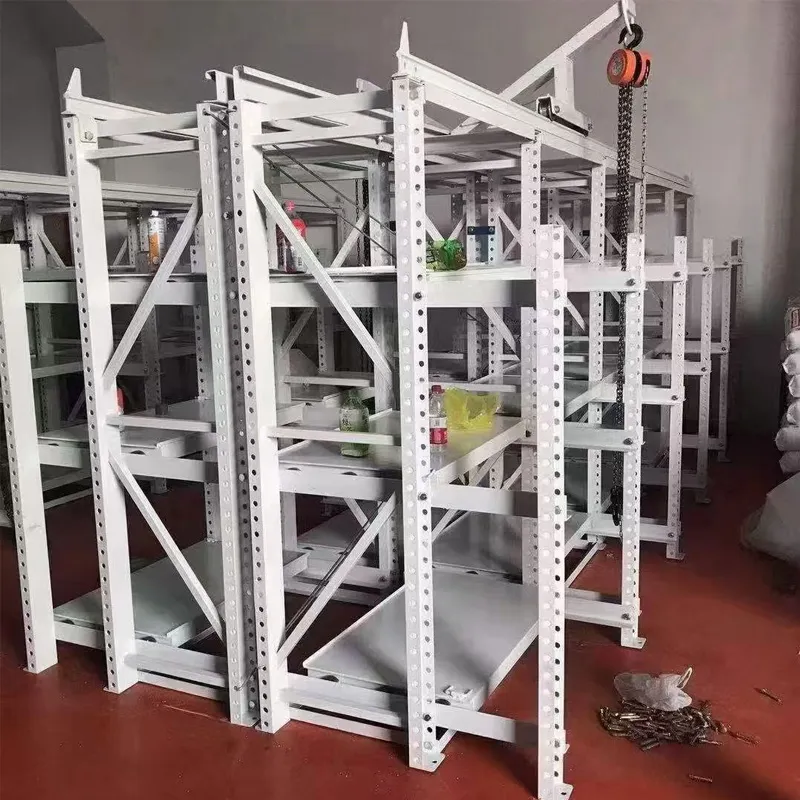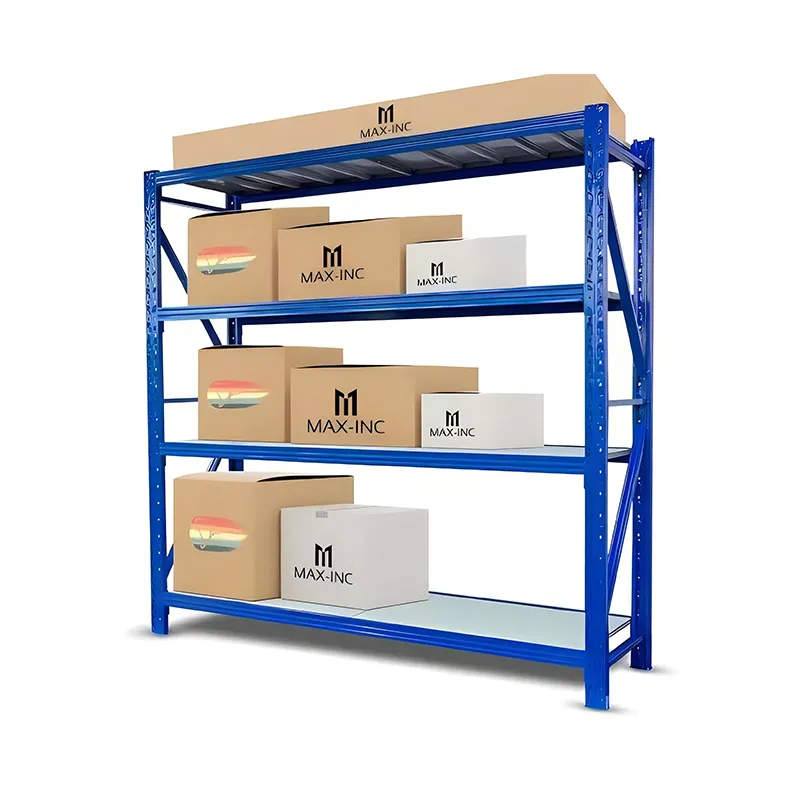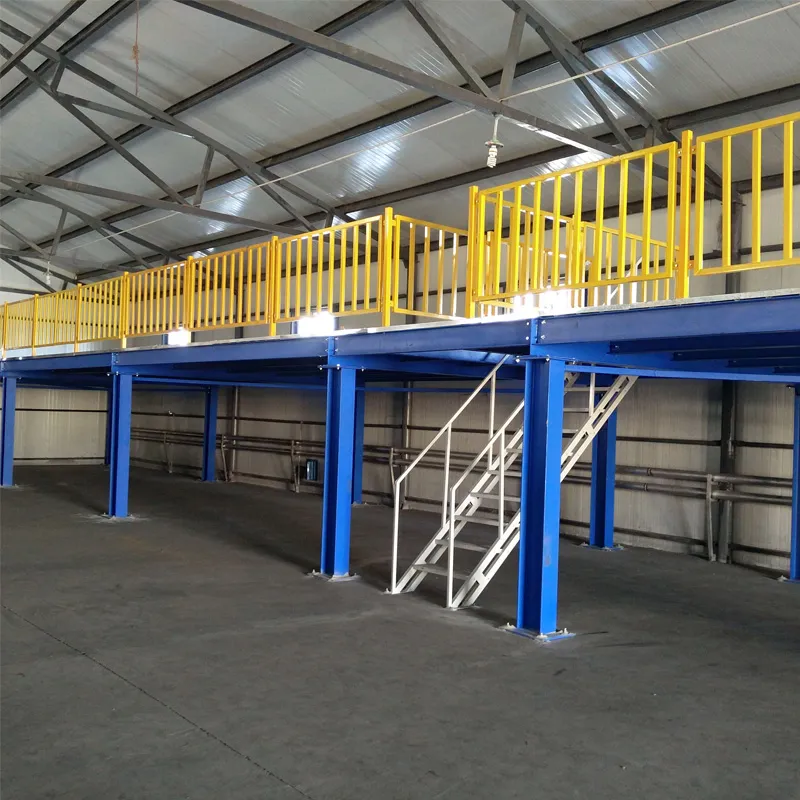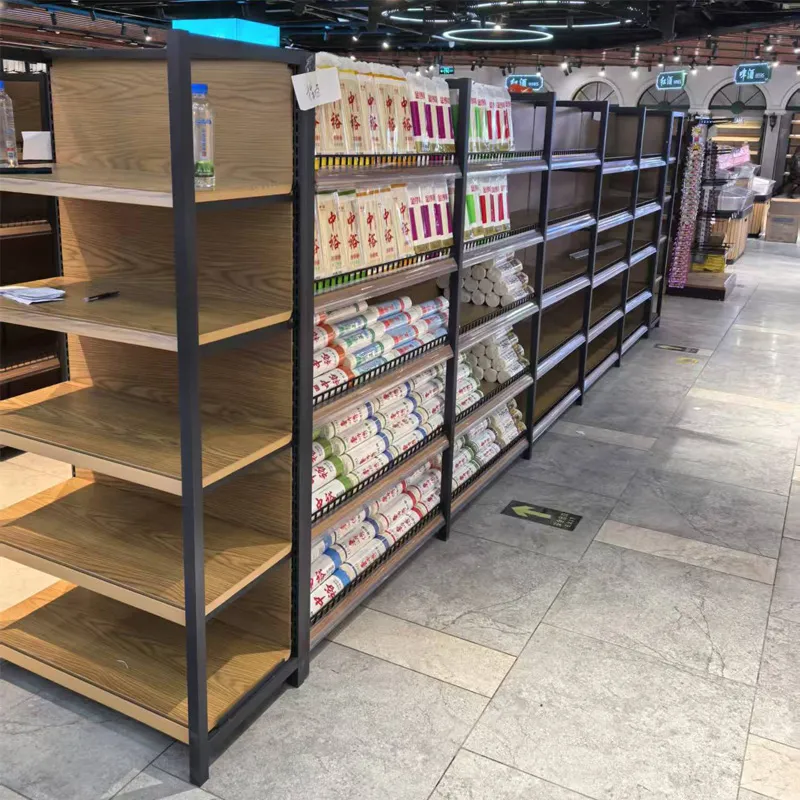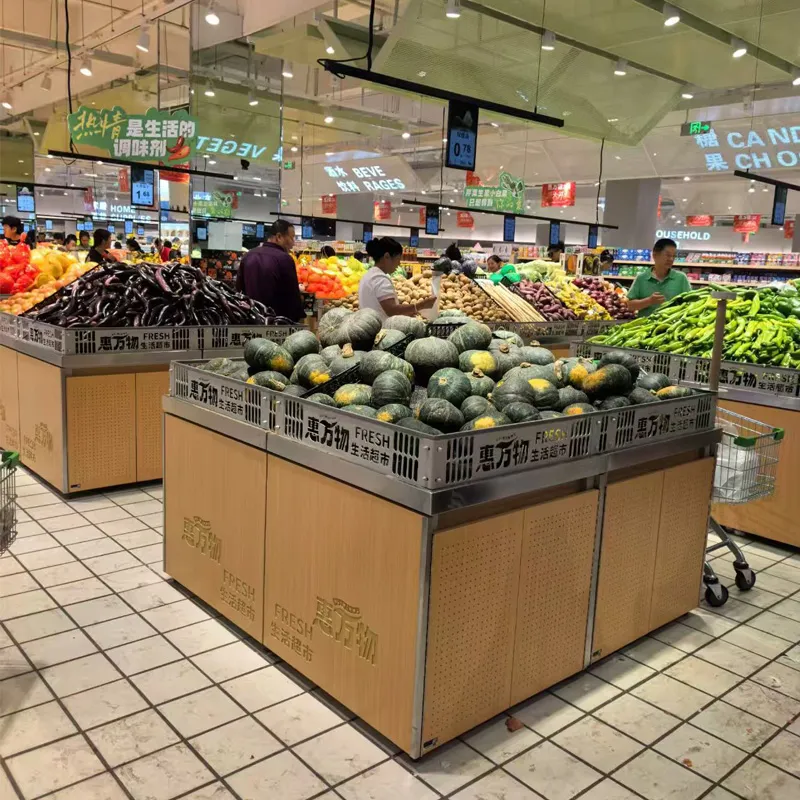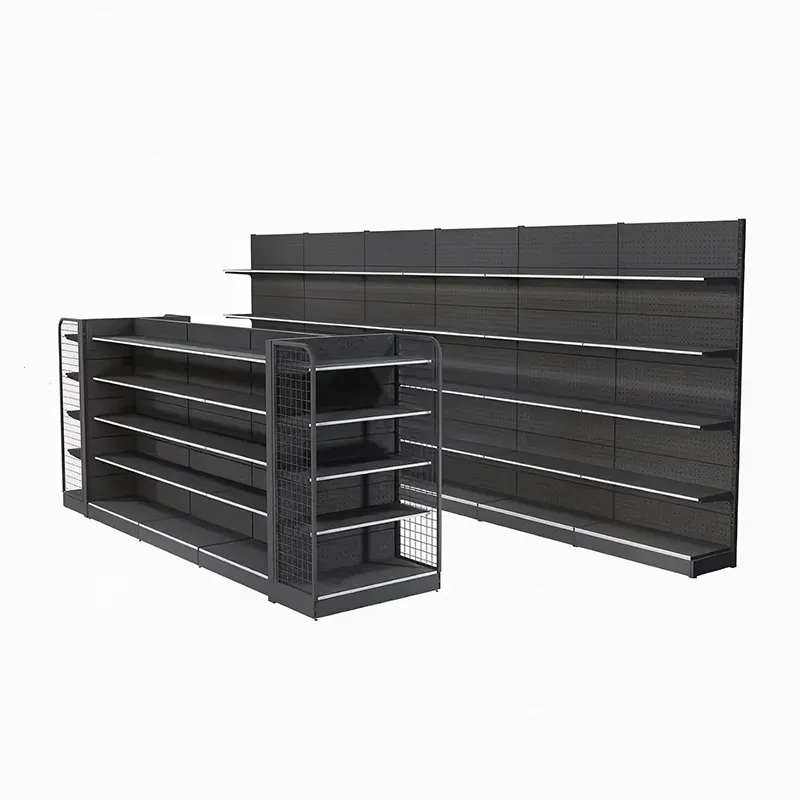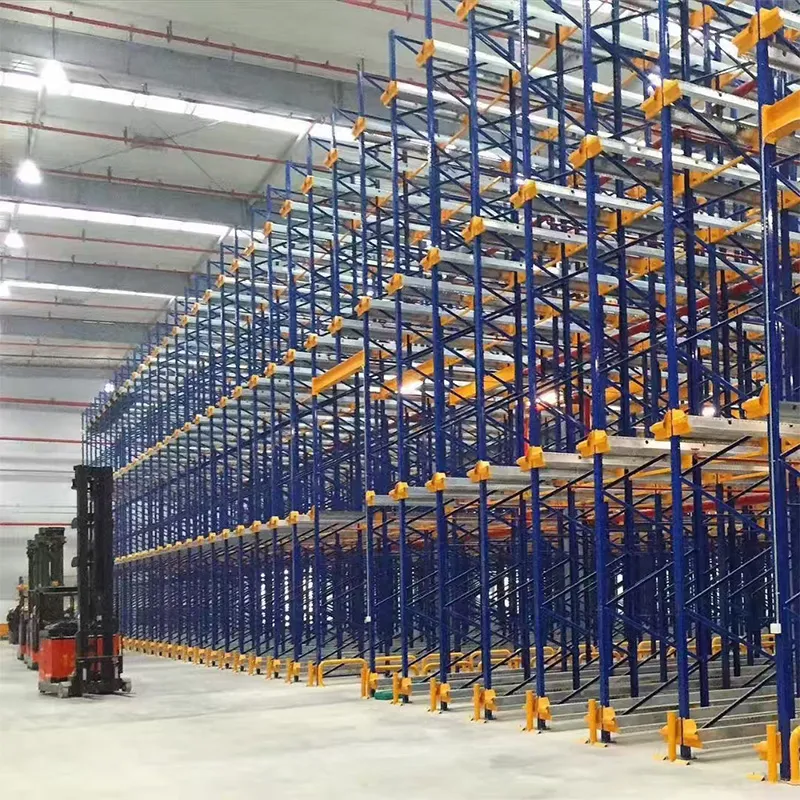
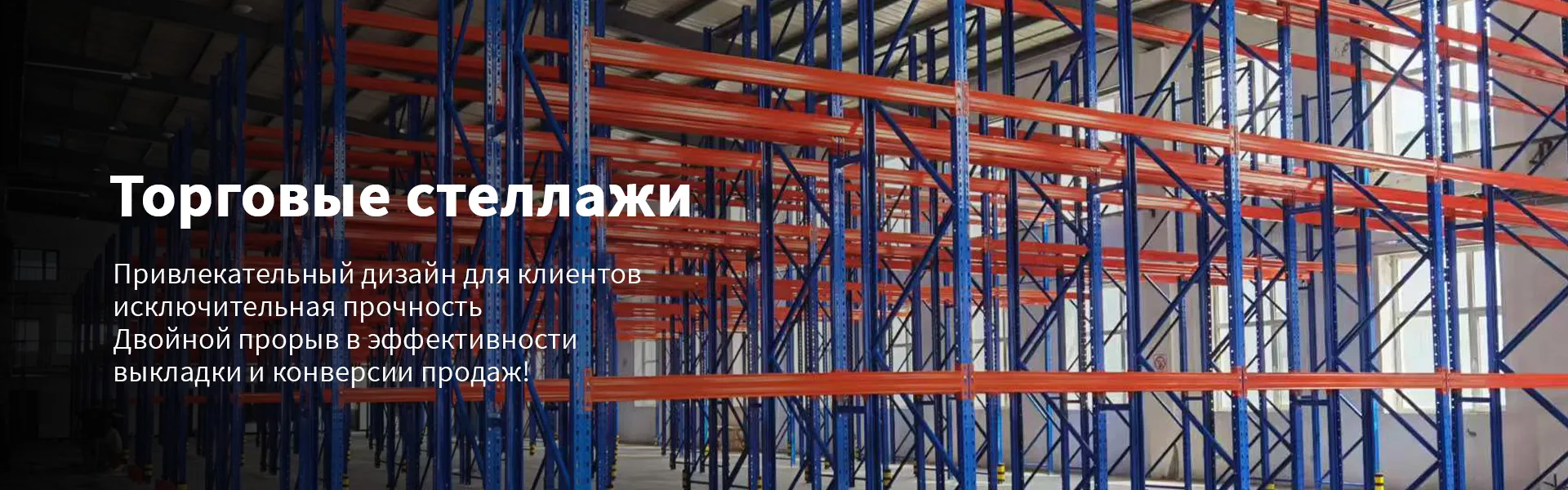
When they talk about shelving systems for stores, many people immediately imagine just iron structures with shelves - bought, placed, laid out the goods and that’s it. But this is perhaps the biggest misconception. In fact, it is a complex tool that directly affects revenue. A lot depends on how the buyer moves around the hall, what he sees at eye level, and how easy it is for him to pick up the goods. And here the fun begins: selection, load calculation, ergonomics, replenishment logistics. I often come across the fact that business owners save on design, and then lose money for years due to inefficient use of space and low turnover. Let's figure out where the catch is.
So where does it all begin? Of course, from the layout. But requests often come: “we need 50 meters of shelving, here is the diagram?”. And in the diagram there are just rectangles. No data on product groups, packaging dimensions, peak loads, or delivery logistics. The first and main mistake is to think that a shelving unit is static “furniture”. This is a dynamic system that must adapt to changes in the assortment. For example, for heavy cans of canned food you need one calculation of the profile and fastenings, for light but voluminous boxes of cereal - a completely different one. And if you mix this in one section, you will end up with either overload or inefficient use of space.
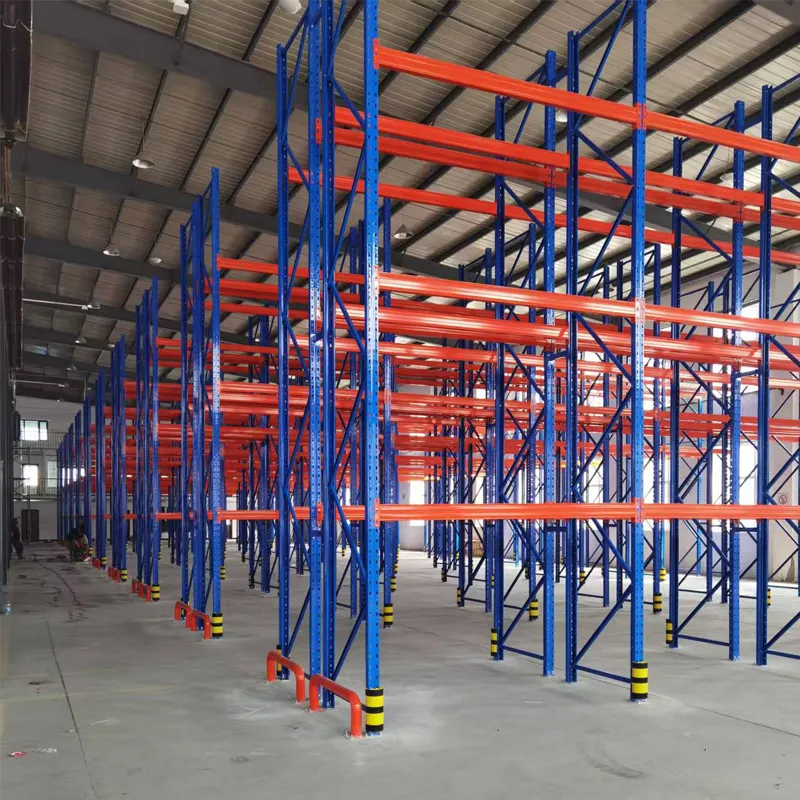
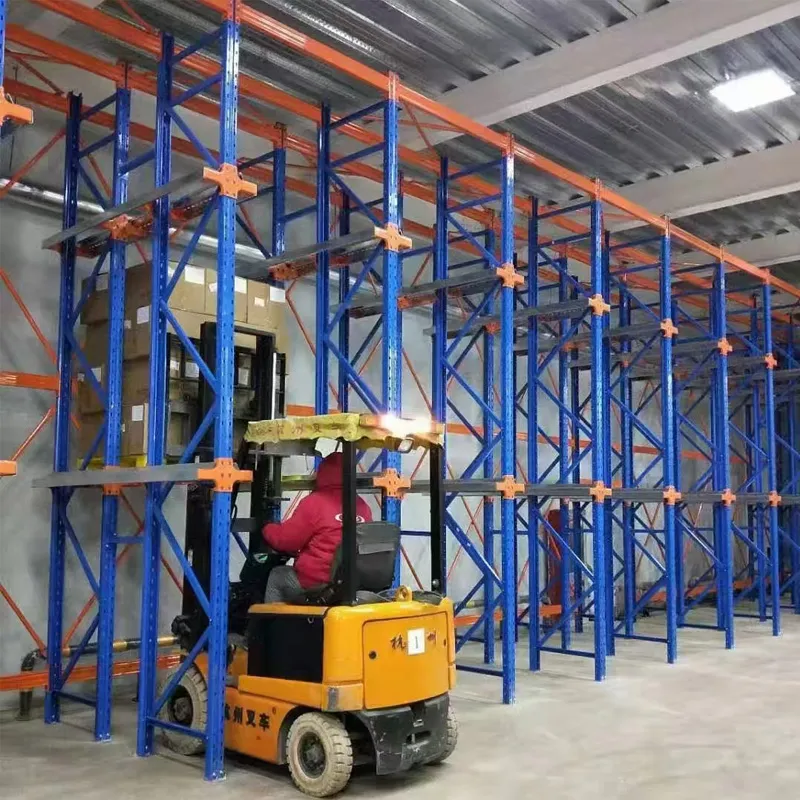
The second point is ignoring replenishment routes. They beautifully designed high shelves up to the ceiling, using every centimeter, but how to deliver goods to the upper tiers? If the design did not include the possibility of using telescopic stackers or did not provide reinforced guides for rack go-karts, the warehouse workers will “thank you?” I have seen cases where an entire sales line was idle because of this, because they physically could not quickly put out the goods during rush hour.
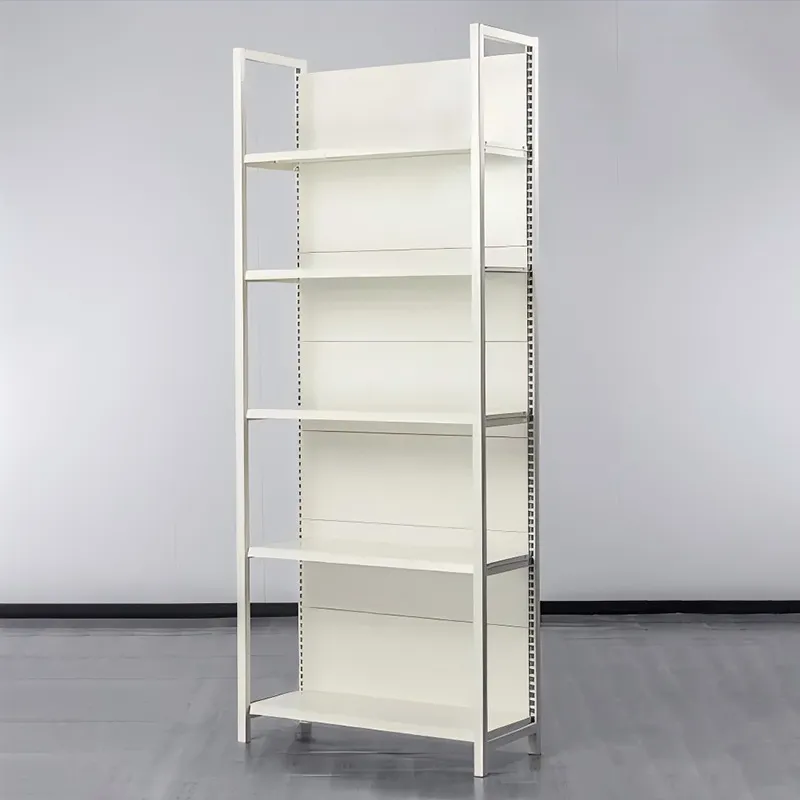
And the third, very painful point is universality. Many people are looking for a “standard solution”, but a store is a living organism. Today the promotion is for drinks, tomorrow - for household chemicals. Rigidly fixed shelves and cells kill flexibility. Nowadays, systems with height-adjustable shelves, removable partitions and modular accessories are increasingly valued. But even here it is important not to overdo it: excessive “modularity?” may reduce the overall rigidity of the structure. A balance is needed, which can only be achieved with high-quality metal and competent engineering calculations.
Let's move on to the hardware. Metal thickness, profile type, coating - these are not just items in the specification. It's a matter of safety and durability. Cheap shelving systems often suffer from the use of a thin-walled profile, which “plays?” under load. Over time, this leads to deformation and loosening of connections. Anti-corrosion coating is a separate topic. Powder paint is the standard, but the quality of metal preparation (phosphating) and the painting itself vary. In a grocery store with high humidity or near refrigerated display cases, poor-quality coating will peel off within a year or two.
Particular attention is paid to connection nodes. The bolted connections seem reliable, but their assembly is labor-intensive. Systems with wedge or lock joints are now popular - they are assembled faster and, importantly, provide predictable rigidity. But they also have nuances: such connections are critical to the quality of rolled products and manufacturing accuracy. The slightest defect in the perforation or profile geometry and it will no longer be possible to assemble the section smoothly.
Here, by the way, the difference between handicraft production and a serious factory is clearly visible. When everything is done “on the knee”, the tolerances are large, assemblers on site adjust the parts with a file. On modern automated lines, such as at the Harbin plant?Harbin Jusheng Metal Structure Manufacturing Co.,Ltd., cutting, bending and perforation proceed with minimal deviations. This means that all the parts on the object become like construction parts - without any extra effort. Look at their websitehttps://www.jshj.ru- It can be seen that the enterprise, founded in 2019 in Pingfang District, occupies 20,000 square meters. meters and is tailored to the full cycle: from design to maintenance. For store systems, this approach is a guarantee that all 100 sections of the same type will be identical.
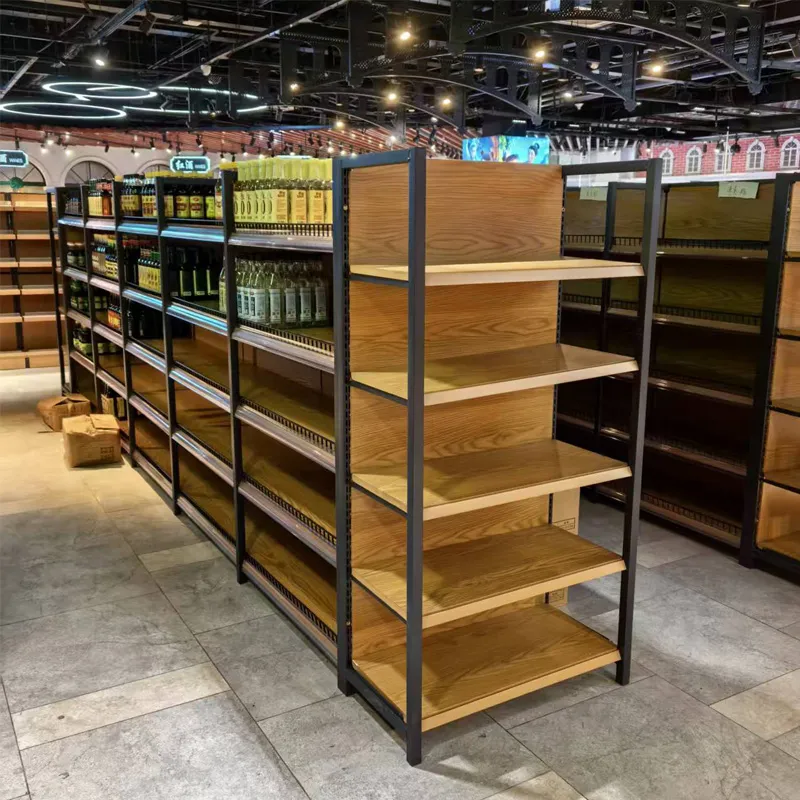
Now about the specifics. Not all products can be simply placed on a shelf. Let's take the wine department for example. You need not just durable shelves, but special inclined or cellular structures that ensure proper storage of bottles and at the same time effective presentation. Or a section with clothes - here you already need systems with crossbars for hangers, and designed for the weight of winter coats and down jackets. It's not easy anymoreshelving for retail spaces, but specialized commercial equipment.
Sale areas and promotional stands are a separate story. The key task here is to attract attention and ensure quick turnover of goods. Designs must be mobile, easily transformable and at the same time stable when customers crowd around them. A common mistake is to use lightweight decorative shelving for such purposes that is not designed for active physical interaction. The result is bent racks and constant repairs.
Another difficult point is integration with lighting and POS materials. A good system should have built-in capabilities for mounting LED strips, brackets for price tags, and holders for advertising brochures. If this is not foreseen at the design stage, then you have to drill the supporting profiles, which weakens the structure and damages the coating. A competent manufacturer who deals with the full cycle, like the one mentionedHarbin Rack Factory ?Jusheng?, usually offers a catalog of standard accessories and the ability to manufacture non-standard fasteners - this greatly saves time and nerves on site.
Let's say everything has been decided, the project is ready, the racks have been made. The fun begins at the site. The first is delivery. The dimensions of pallets with rack sections may be non-standard. If this is not coordinated with logistics in advance, you may end up with problems with unloading, especially in dense urban areas. It is better when the supplier himself organizes delivery from the factory gate to the installation point. - less headaches.
The second is preparing the premises. It would seem that the floor is level. But in practice, differences of 1-2 cm at 10 meters are common. If leveling is not done or adjustable supports are not used, the entire structure will “move.” And leveling already assembled racks is even more fun.
The third, most critical stage is assembly. You can have perfect parts, but if installers work without an assembly plan and layout diagram, chaos can result. It is important that the manufacturer provides not just a pack of parts, but clear instructions, diagrams, and, ideally, directs his supervisor. In the descriptionLLC ?Harbin Jusheng?it is indicated that they provide a full cycle, including design and after-sales service. In practice, this often means that they can also provide installation supervision, which is simply necessary for complex projects. Because even the most experienced local assembler may not know all the nuances of a particular locking system that was developed at the factory.
In the end, it all comes down to money. Primary cost is just the tip of the iceberg. I bought it cheap and got thin metal, which after three years began to wear out in waves, unregulated shelves that do not allow adaptation to a new product, and constant costs for “patching” and rearrangement. Savings of 20% at the procurement stage can result in a loss of 30% of the efficiency of the retail space and additional costs for modernization in a couple of years.
Qualityshelving systems for storesis an investment. They should last 10-15 years and be easy to adapt to changing business. Therefore, it is important to look not at the price tag, but at the total cost of ownership: price + installation + possible modifications + service life + flexibility. Sometimes it is better to pay more, but get a system that will grow with the store.
And here we return again to the importance of choosing a manufacturing partner. A large specialized enterprise that does everything itself - from drawing to installation, as a rule, is more interested in long-term results. Because his reputation depends on how his racks perform five years from now. Their engineers, knowing all production capabilities, can offer a non-standard, but more effective solution for a specific store, be it a complex hall configuration or unusual product groups. This is the very case when expertise and an integrated approach defeat the simple production of metal structures according to someone else’s sketches.
In general, this topic is bottomless. Each new object brings new challenges. The main thing is not to treat racks as consumables, but to see them as a strategic merchandising tool. And approach the choice accordingly - thoughtfully, with an eye to the future and with an understanding of all the technical pitfalls. Then the buyer in the store will feel comfortable, the turnover will increase, and the business owner will sleep peacefully, without fear that something will collapse tomorrow.