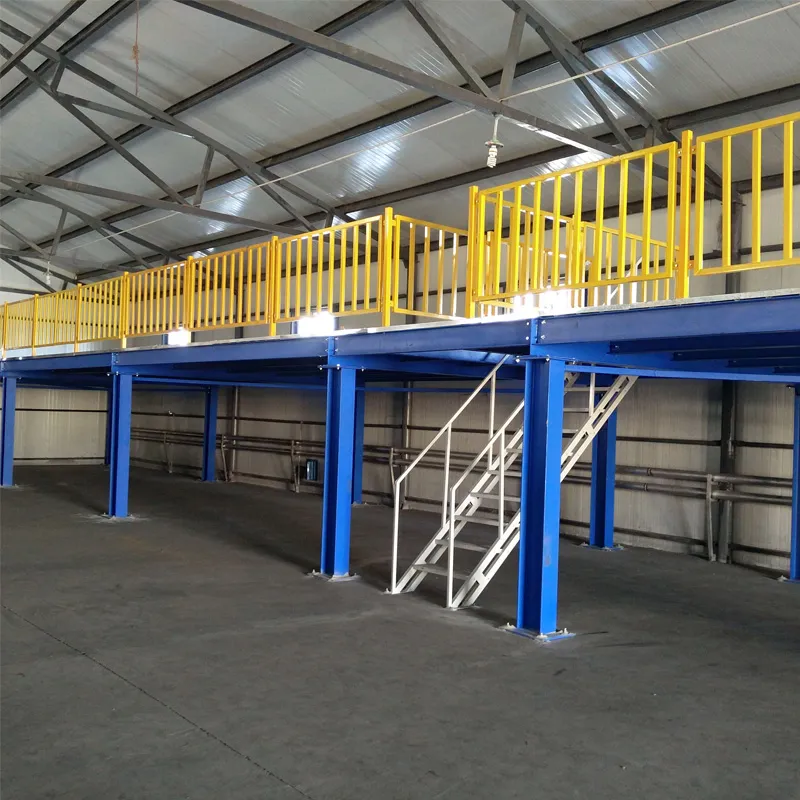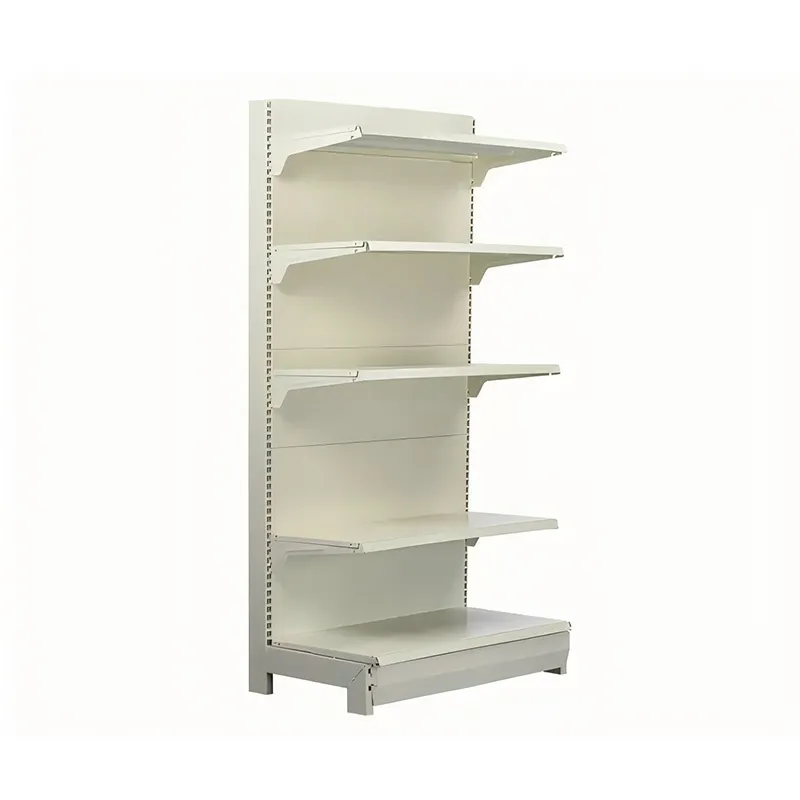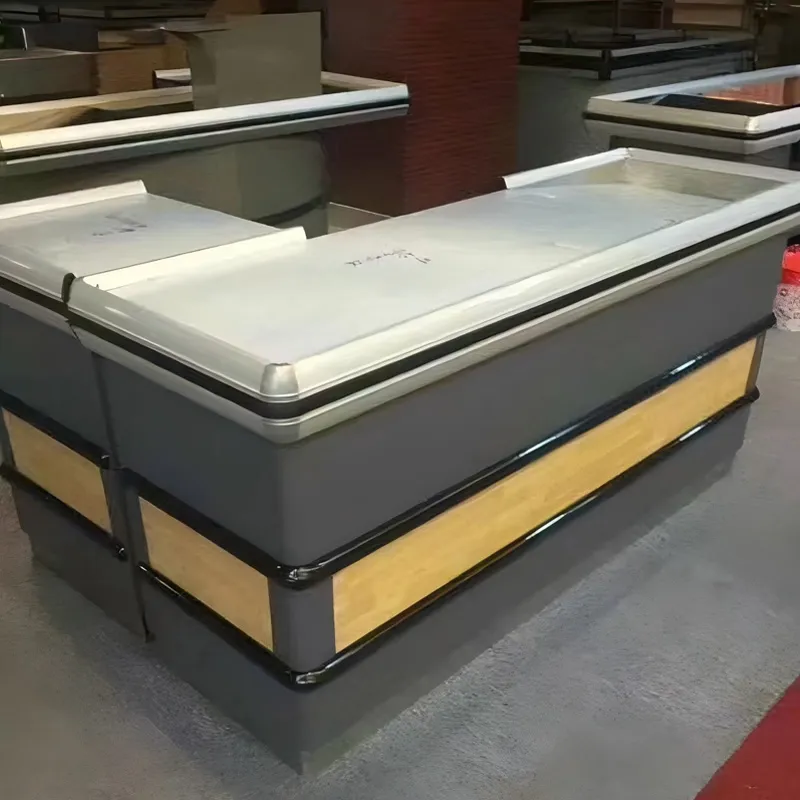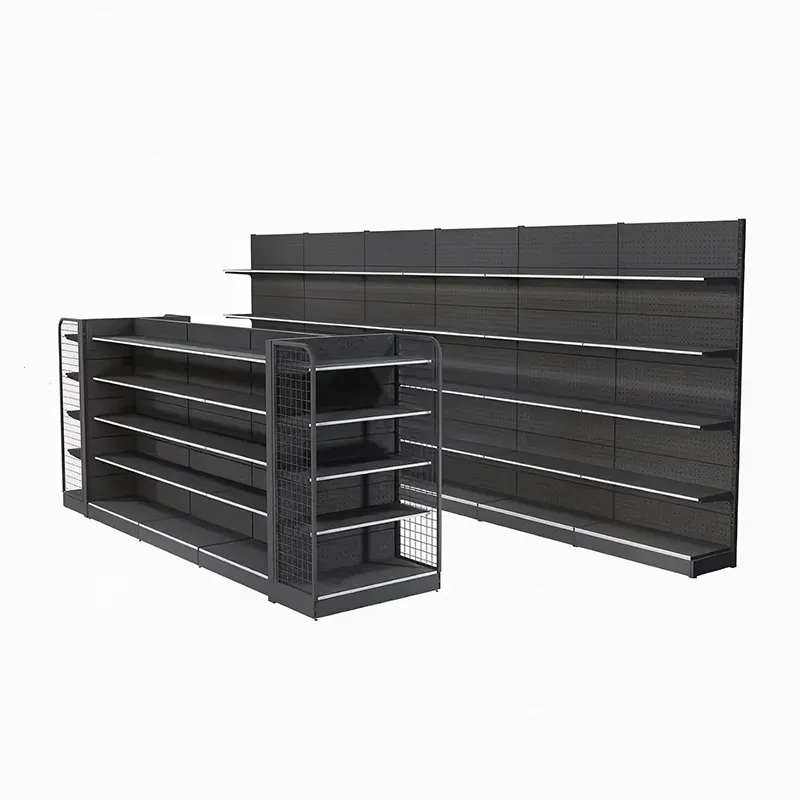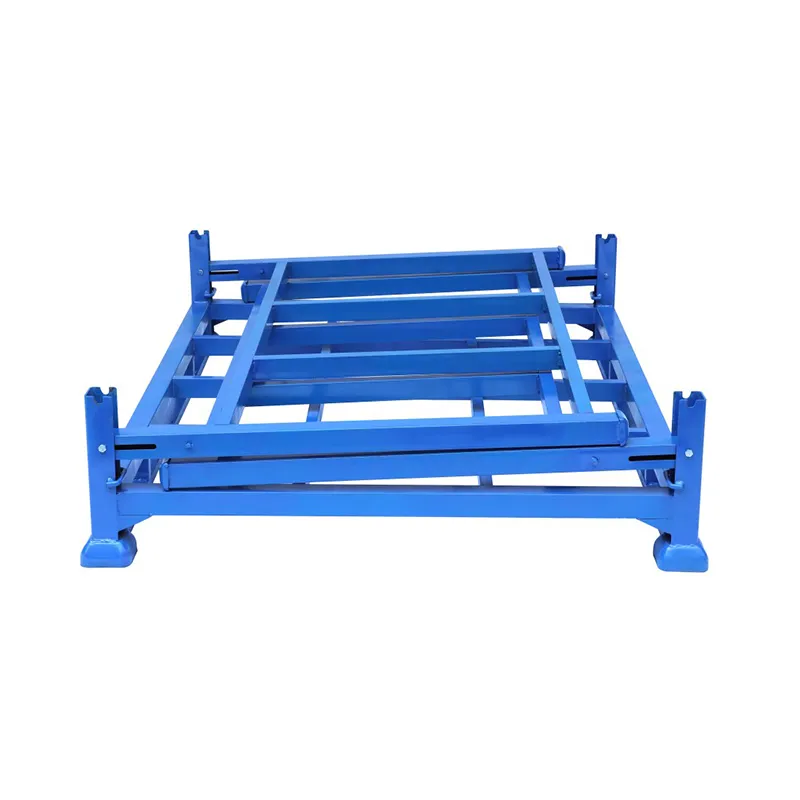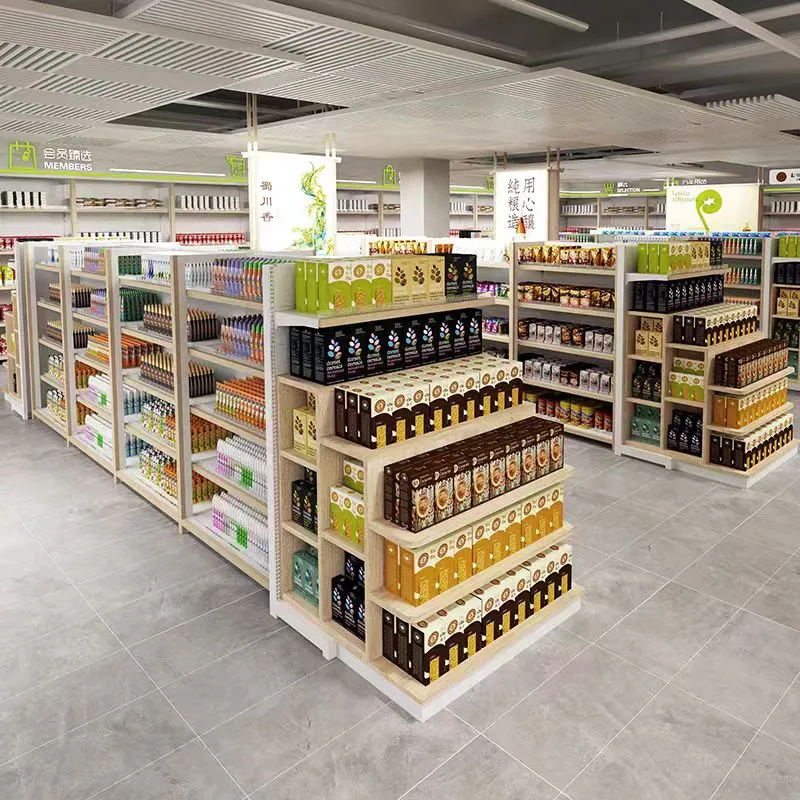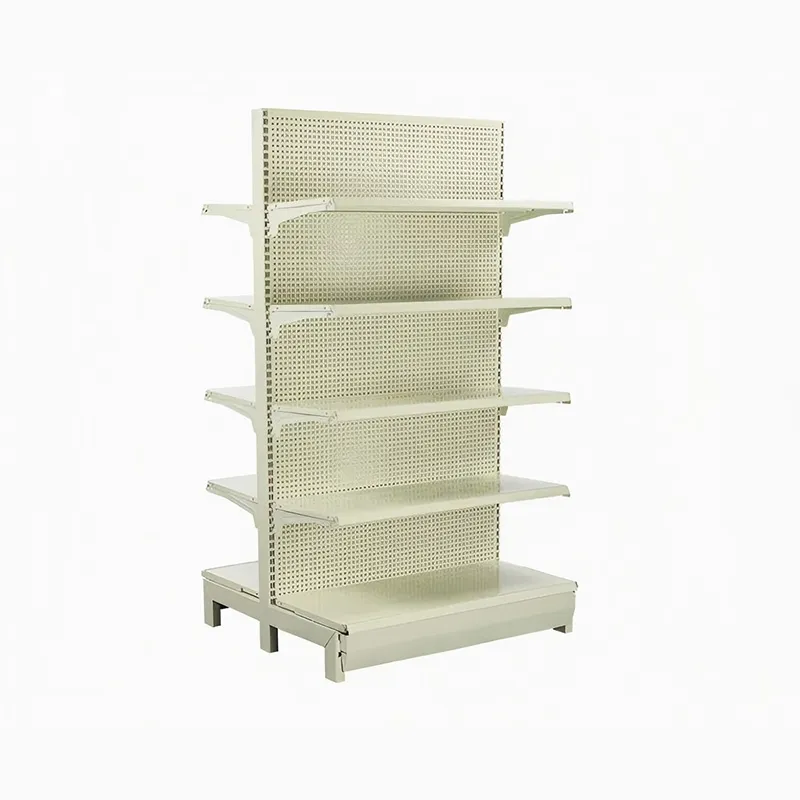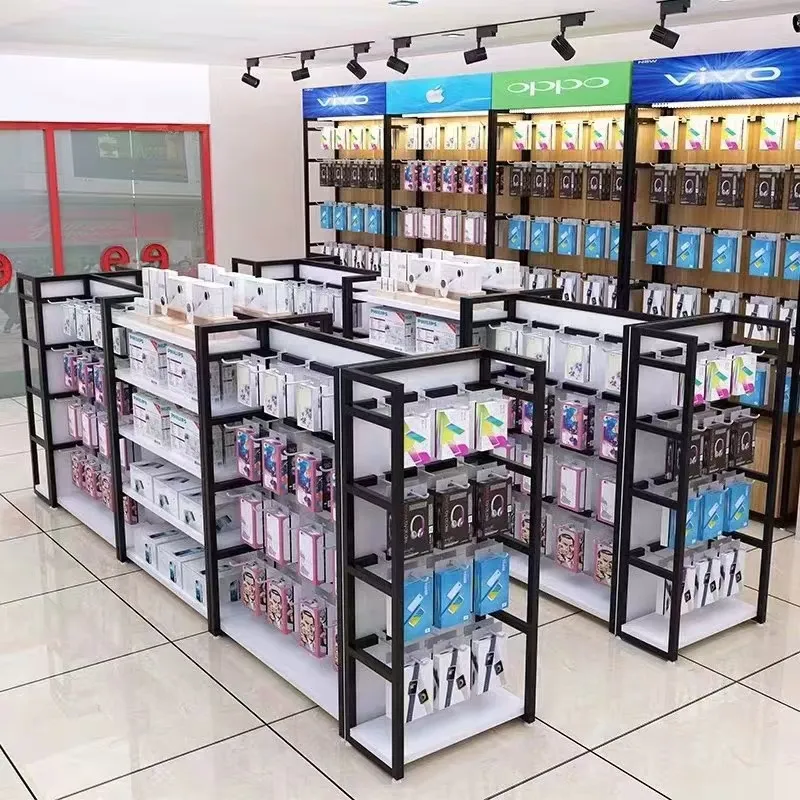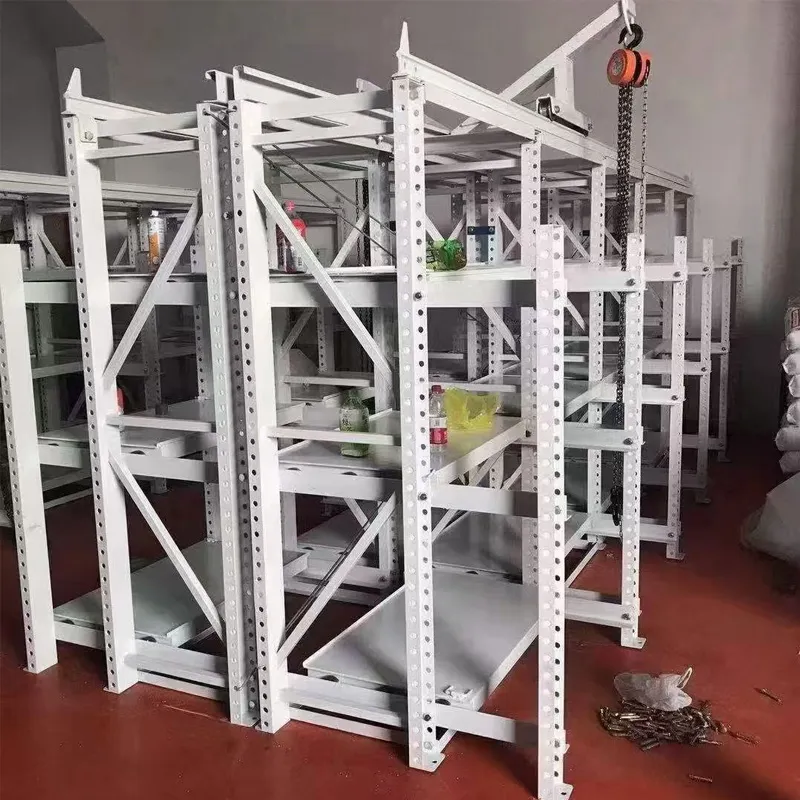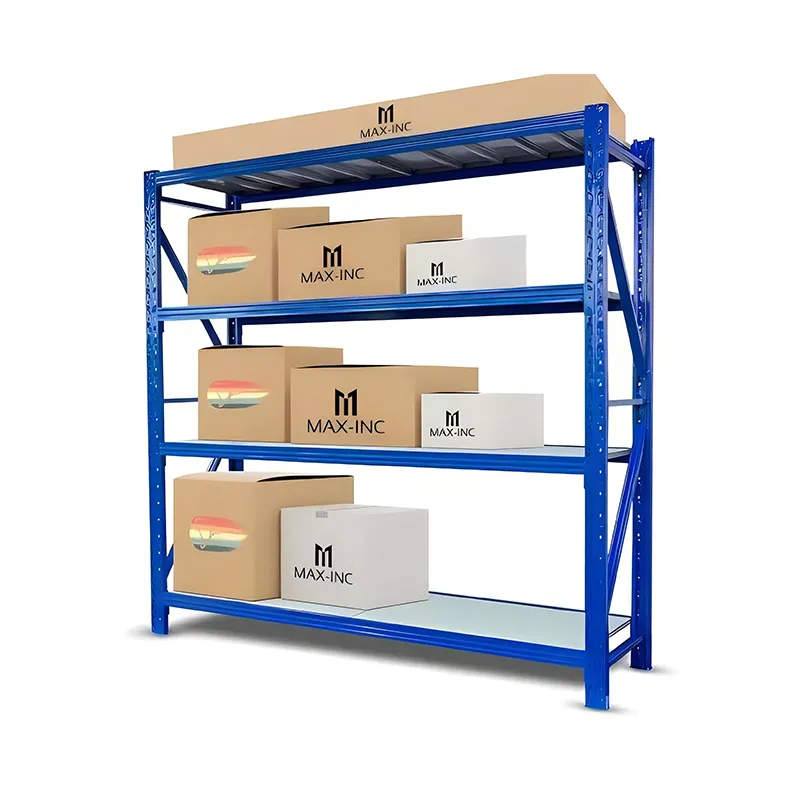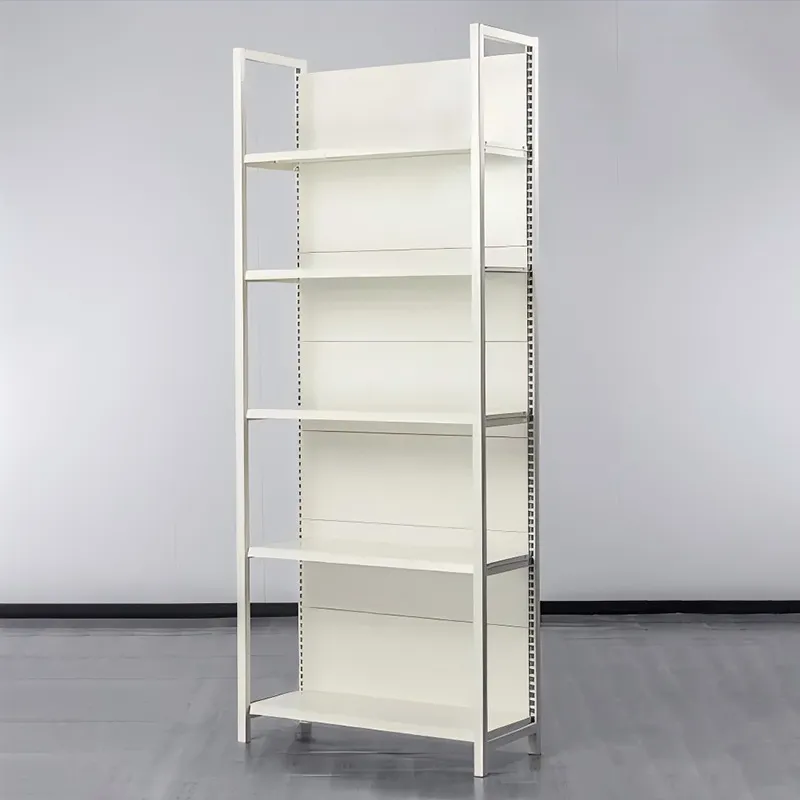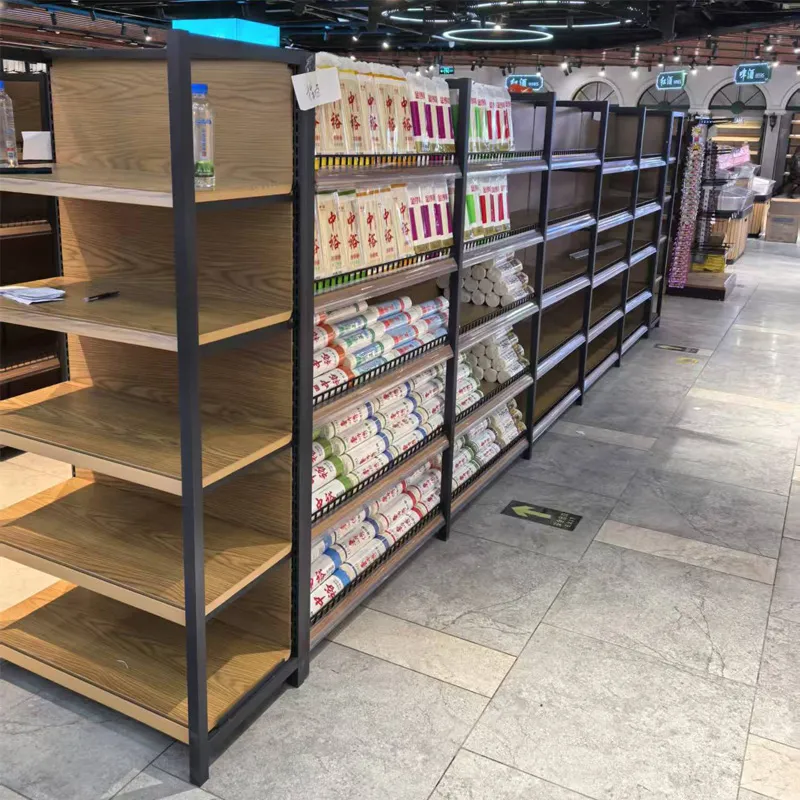
When you hear “medium-duty racks,” many people simply think of reinforced shelves. This is where the first pitfall lies. In fact, this is an entire engineering system, where every detail - from the thickness of the steel to the type of lock - is calculated for a certain load and logistics. I myself saw how at one facility they installed racks that supposedly matched the passport, and after six months “fatigue” began. metal in fastening points. It turned out that they did not take into account the dynamic load from reach trucks, which worked in intensive mode. So what is ?average? load is a very loose concept.
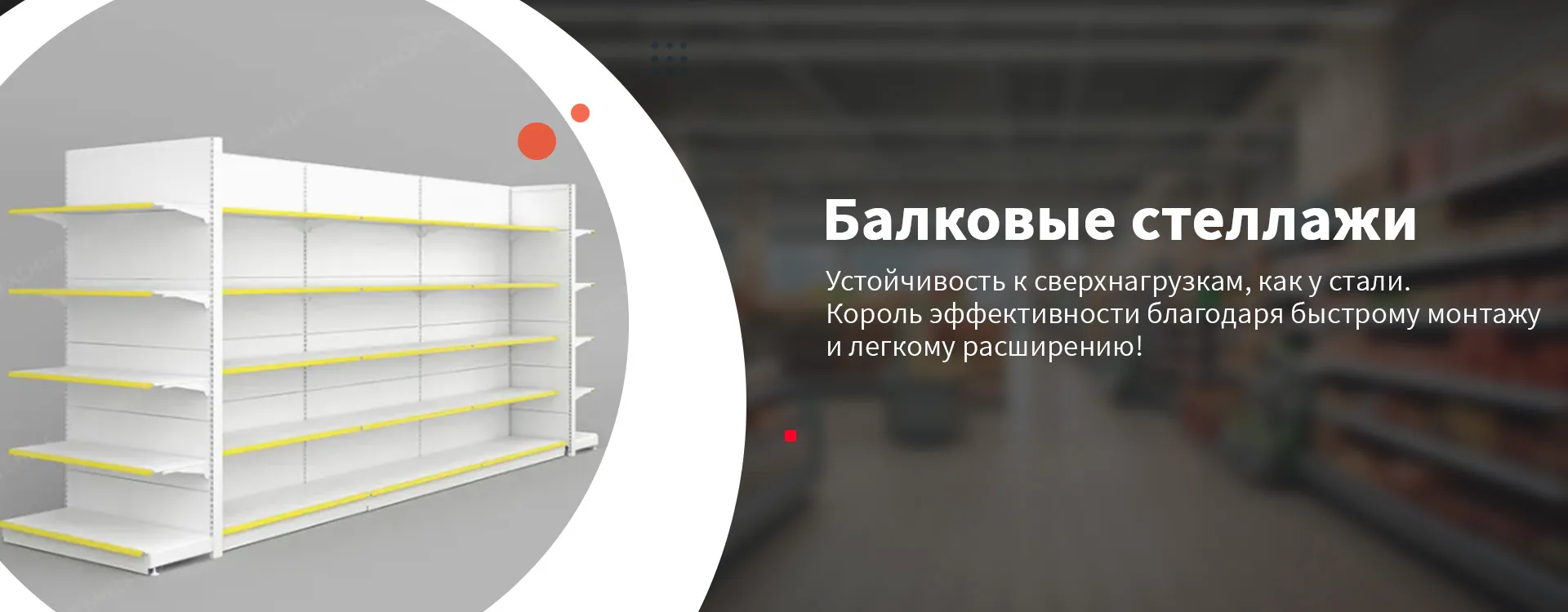
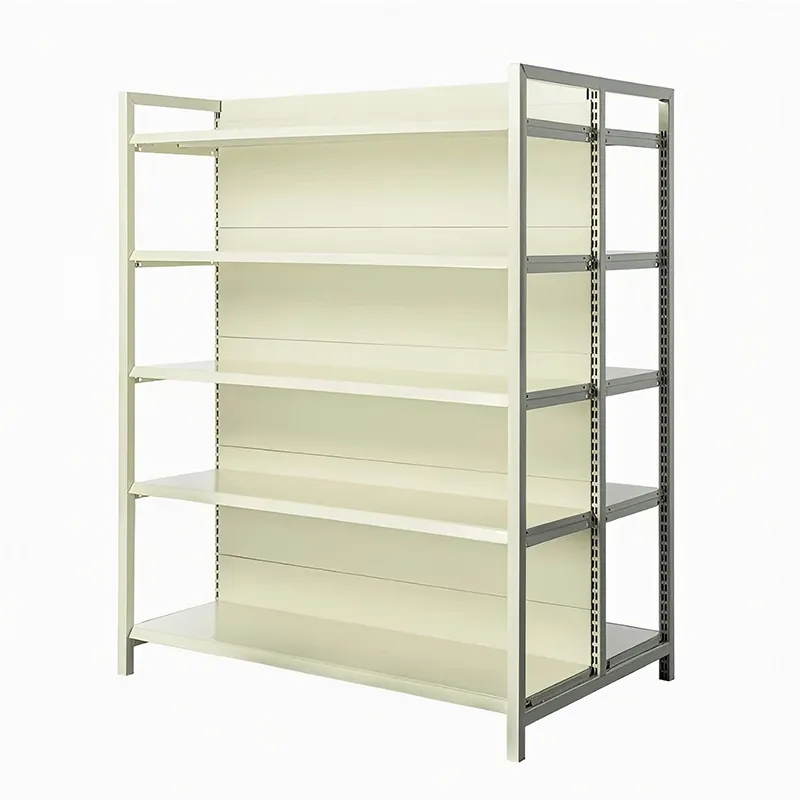
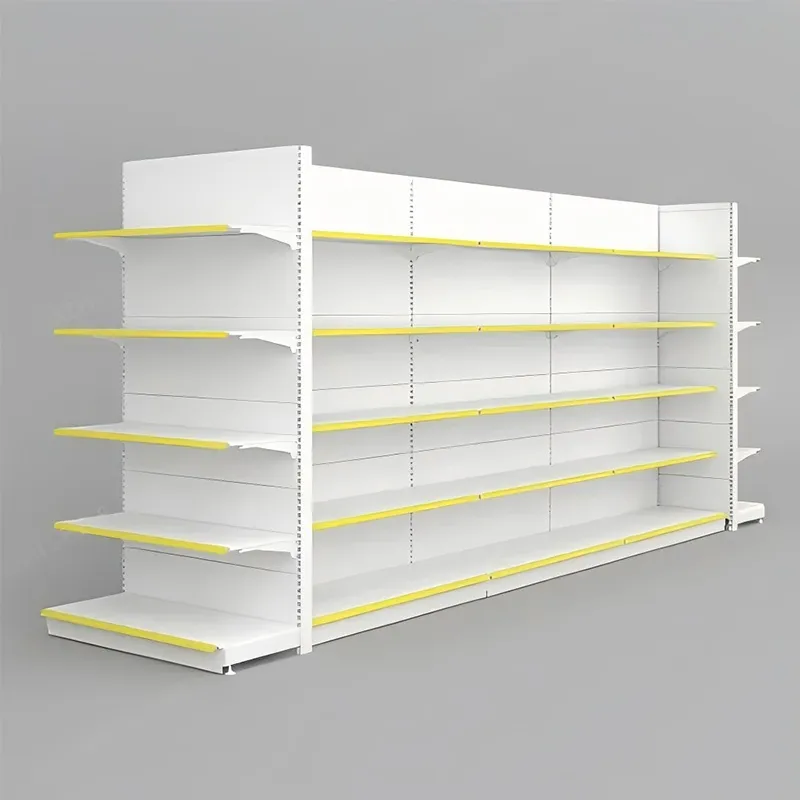
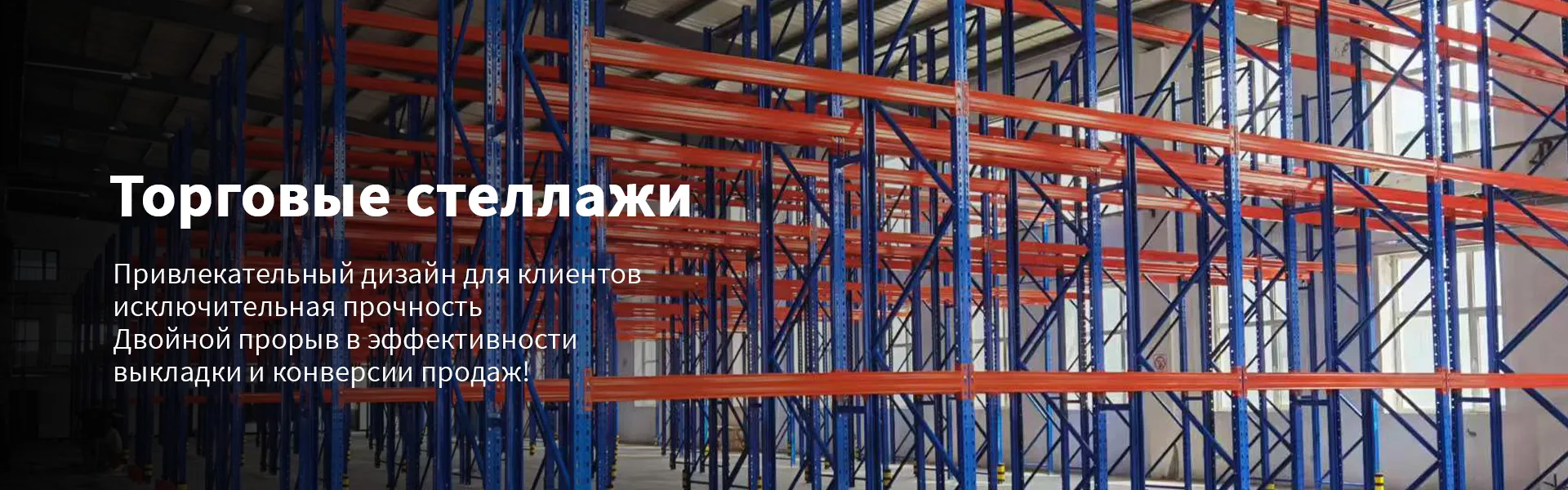
Marketing aside, medium-duty systems usually include systems designed for weights from 200-250 kg to 800-1000 kg per cell. But the key thing is not the number, but the construct. Most often thispallet rackswith beam structure or shelf systems with reinforced beams. An important nuance that is often missed when choosing: not only the statics are critical, but also the type of loader. Forklifts, stackers, and reach trucks each create different side loads when maneuvering. The design should compensate for this.
For example, at one of the warehouses in Novosibirsk the task was to store auto parts in boxes of different sizes and weights. Standard pallet racking was not suitable due to inefficient use of space. The solution was found in a combined system: the lower tier is for pallets with heavy units (engines, gearboxes), and the upper levels are shelvesmedium-duty rackswith adjustable consoles for boxes. This made it possible to increase storage density by 30% without loss of availability.
At the same time, there is always a temptation to save on little things - for example, on the thickness of shelves or on the quality of galvanization. I remember an incident with a food warehouse where the humidity was high. They installed racks with insufficient anti-corrosion protection. A year later, red smudges appeared, and six months later it was necessary to urgently change the sections. Savings of 15% resulted in a complete replacement of the system. So cheap analogues are always a lottery, where the stake is the safety and security of the product.
The most common mistake is designing “by area”, and not “by goods flow”. First you need to understand which SKUs will have a fast turnover, which ones will have a slow turnover, and how the packaging will be organized. And for this logistics, select the type of racks and arrangement scheme. An ideal scheme on paper can be a failure in practice if you do not take into account the turning radius of the equipment or “bottlenecks”. in the aisles.
Another point is anchoring. It would seem banal. But how many times have I seen how anchors were either not tightened enough or placed in an unsuitable foundation (for example, in an old screed that was crumbling). The result is that the rack is “walking”. Particularly critical for high-altitude systems. I always insist on carrying out pull-out tests on anchors before accepting the entire order. This protects against big problems in the future.
Here, by the way, it is important to work with the manufacturer, who leads the project from sketch to installation. Siled contractors are a source of chaos. As an example, we can cite the company?Harbin Jusheng Metal Structure Manufacturing Co.,Ltd.(website:https://www.jshj.ru). This is a Harbin plant that positions itself as a full-cycle enterprise - from design to service. For medium-duty systems, this approach is justified: their engineers can plan in advance, at the 3D modeling stage, all the nuances of a particular warehouse, and not just supply a set of standard sections. Their profile is just the full spectrum, including the verywarehouse racksand racks for four-way shuttles, which indicates serious competence in warehouse mechanization.
The thickness of the steel is the first thing I check in the specification. For medium-duty systems, vertical posts (columns) are rarely thinner than 1.5-2 mm, and beams - from 1.2 mm and higher. But it’s not even the thickness that’s more important, but the grade of steel and the quality of the rolled product. Cheap metal can ?lead? during welding, which will affect the geometry of the entire structure.
Connections. A reliable system is always a bolted “pin-hole” connection. or a locking connection with a lock. Welded joints at the installation site are a red flag. They do not provide adjustments and hide possible production flaws. A good sign is when all connections are standardized and parts are interchangeable.
Protective coating. Powder paint is standard. But the key issue is surface preparation. Was there phosphatization or at least high-quality degreasing? Adhesion depends on this. At one of the objects we carried out a simple test - we scratched a beam down to the metal in an inconspicuous place and left it in a damp environment. After a month, the corrosion on the high-quality coating did not go beyond a scratch, while on the bad one it crawled like a “cobweb”. A small thing, but significant.
I’ll tell you about one project that we carried out several years ago. Warehouse of paint and varnish materials. Requiredmedium-duty racksfor storing cans and buckets on pallets and in boxes. Features: variety of sizes, the need to comply with pallet spaces and at the same time quick access for selecting small batches.
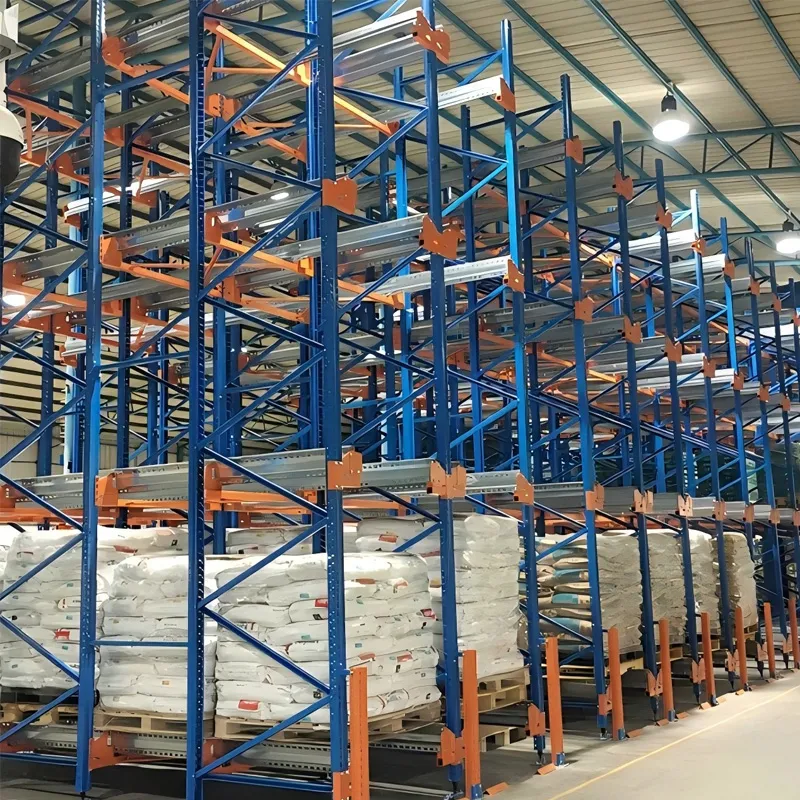
After analyzing the flow of goods, a hybrid scheme was proposed. Drive-in deep racks for long-term storage of homogeneous pallets in the back of the warehouse. And closer to the shipping area there are frontal pallet racks with the possibility of installing shelf flooring under the boxes on the second and third tiers. These are the onesmedium-duty warehouse racksin its combined manifestation. It was important to calculate the pitch of the columns so that both a reach truck and a more maneuverable stacker for picking from shelves could easily drive under them.
A difficulty arose with attaching the shelf decks to the beams of the pallet racks. Standard brackets were not suitable for the load. I had to work with the manufacturer, and this was justLLC ?Harbin Jusheng?, develop and test a custom solution - a reinforced bracket with an additional fixation point. Their plant, judging by the description, has an area of 20,000 square meters. m and automated lines, it has the capabilities for such non-standard modifications without huge costs. As a result, the system has been working for four years without any complaints.
So, to summarize. Selecting medium-duty racks is not about purchasing equipment. This is about designing a warehouse ecosystem. You need to start from the product, from the equipment that will work, and from business processes. There is no universal solution.
Working with a full-service manufacturer who can not only sell, but also design, simulate and guarantee the result, often removes a lot of headaches. Especially when it comes to complex or hybrid solutions. Company DescriptionHarbin Rack Factory ?Jusheng?, which states that they cover the full cycle from development to service, in this context - not just advertising, but an indication of a competency profile that is important for the market.
And one last thing. Always include in the design the possibility of modernization and configuration changes. Business is changing, the range is growing. goodwarehouse racking systemthere should be a little bit of growth. Otherwise, in a couple of years you will have to not optimize, but tear it down and rebuild it. And this is a completely different story and other costs.