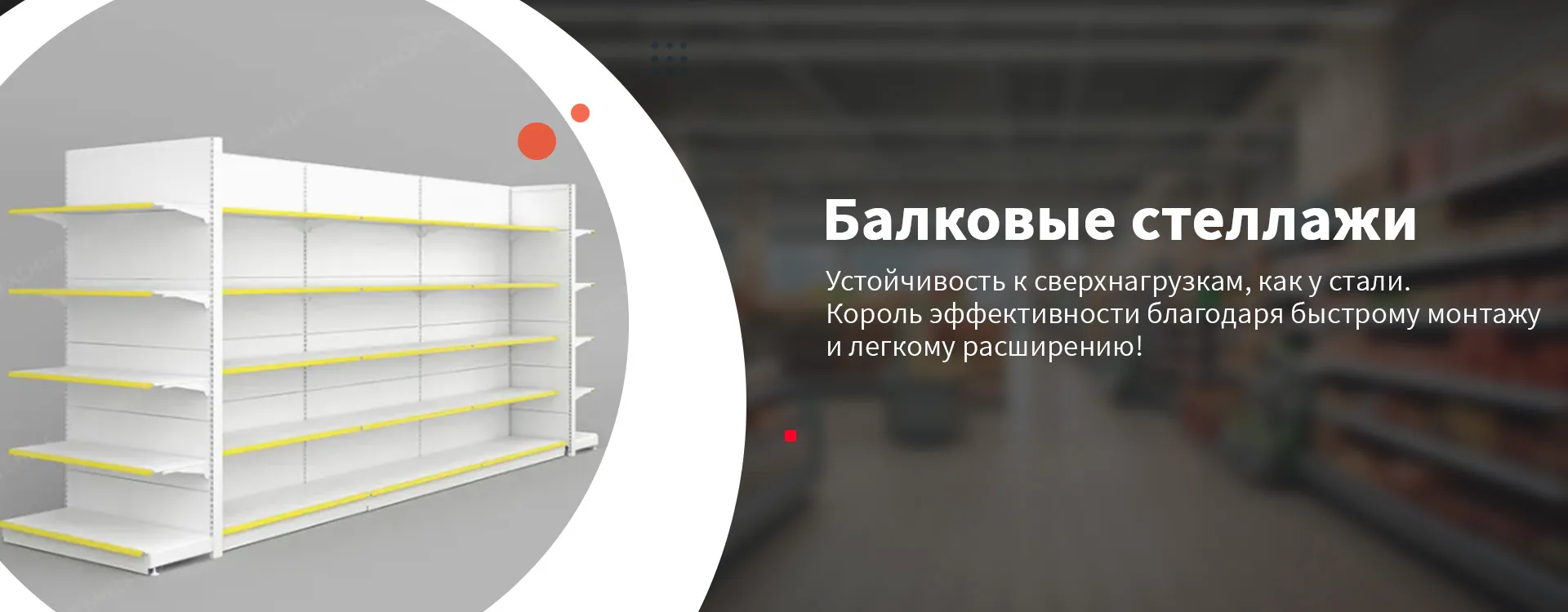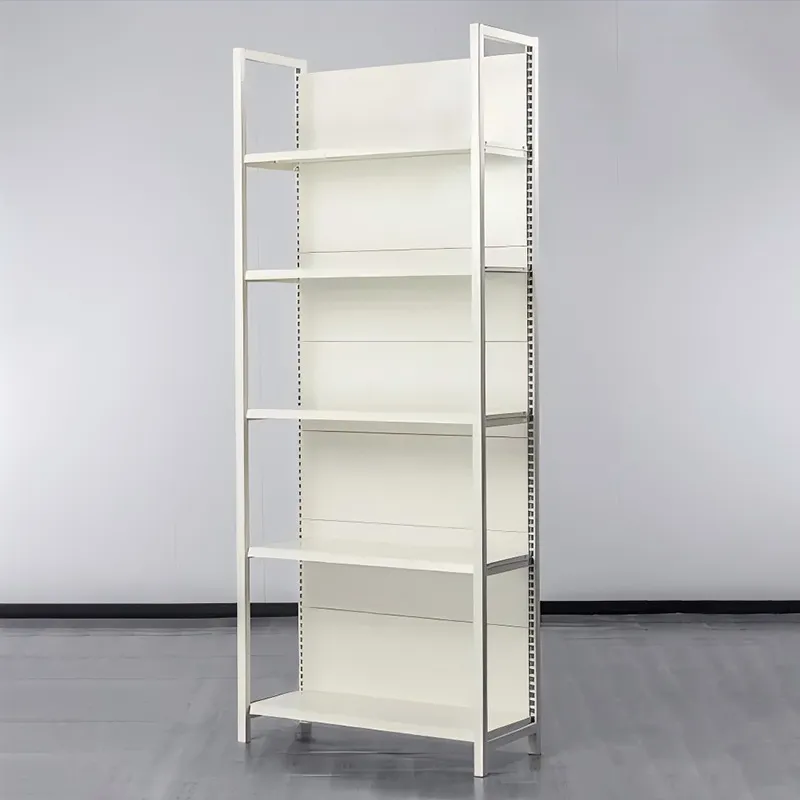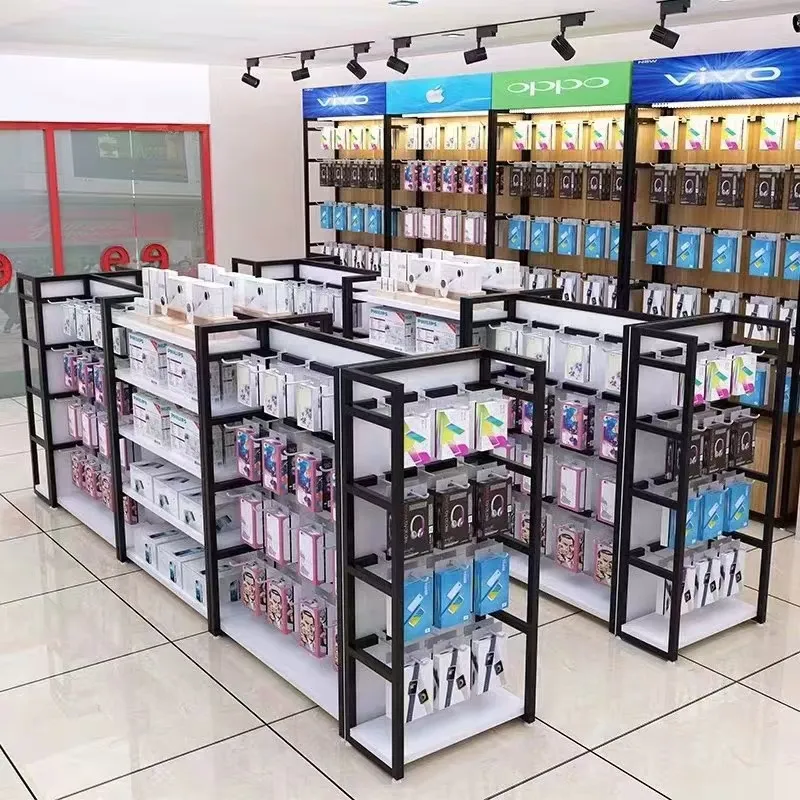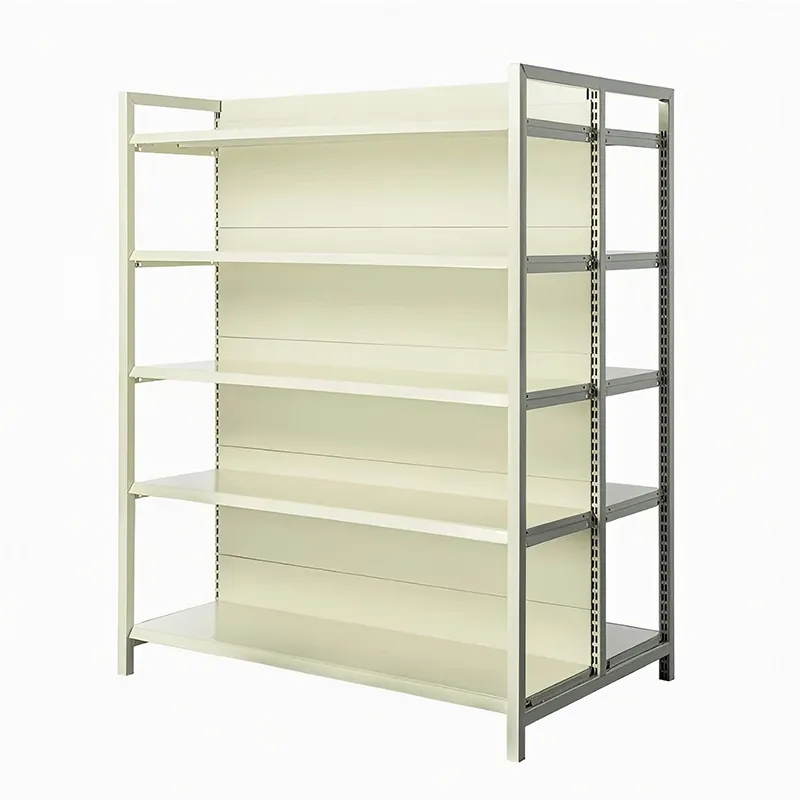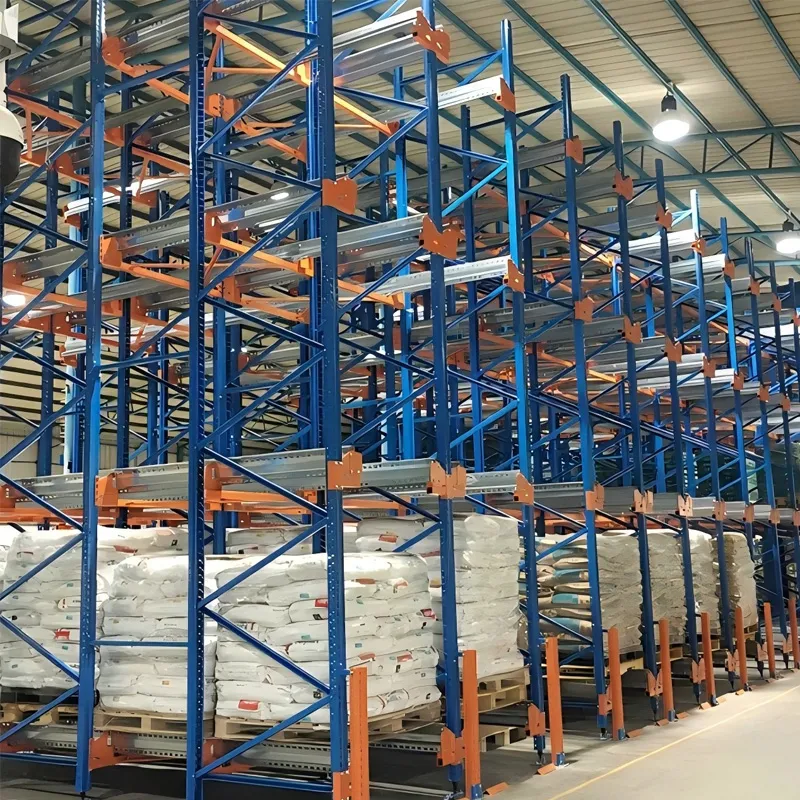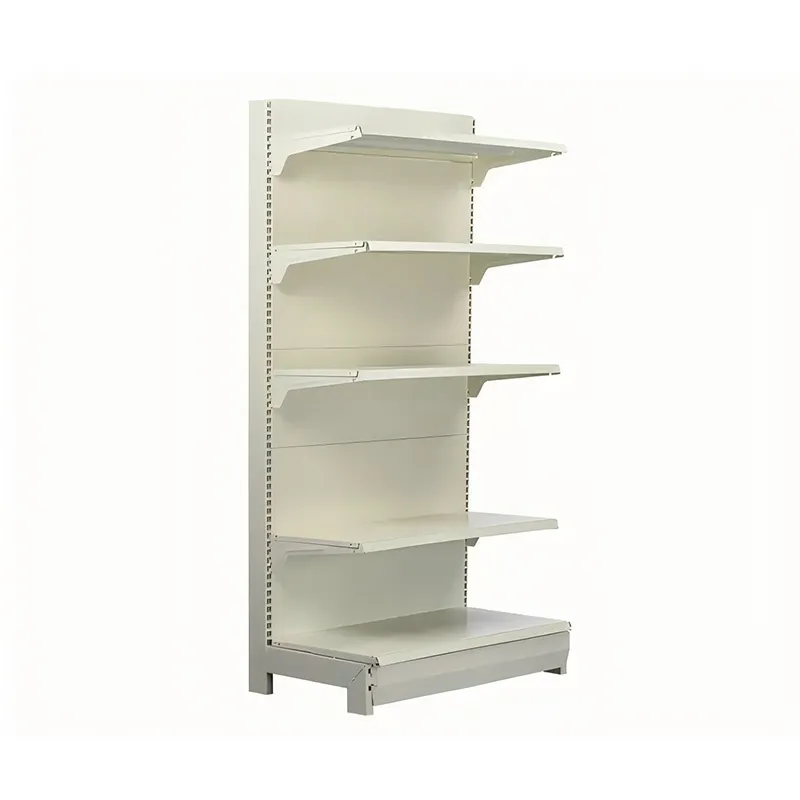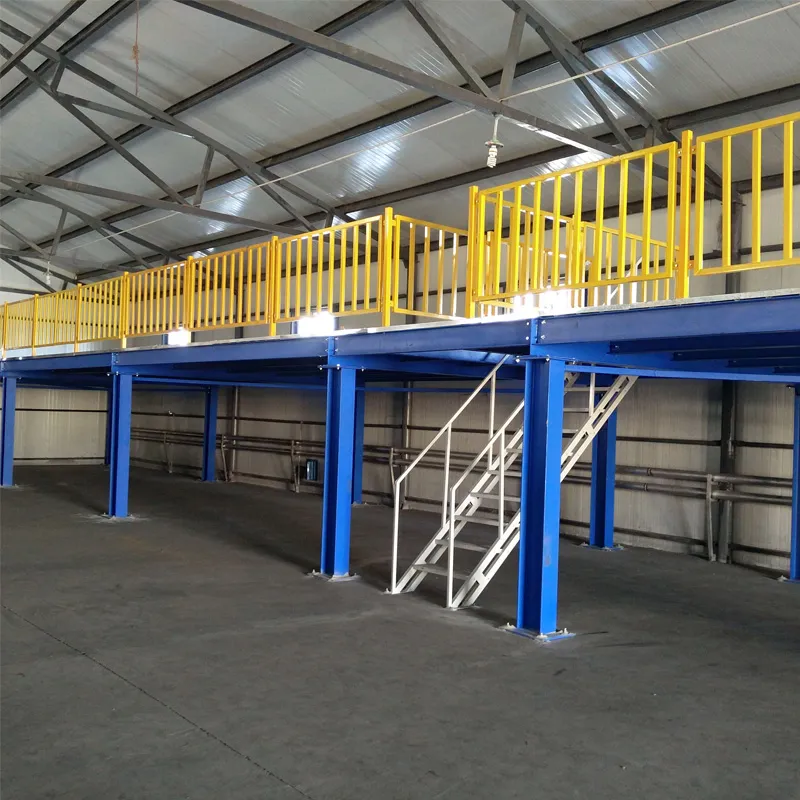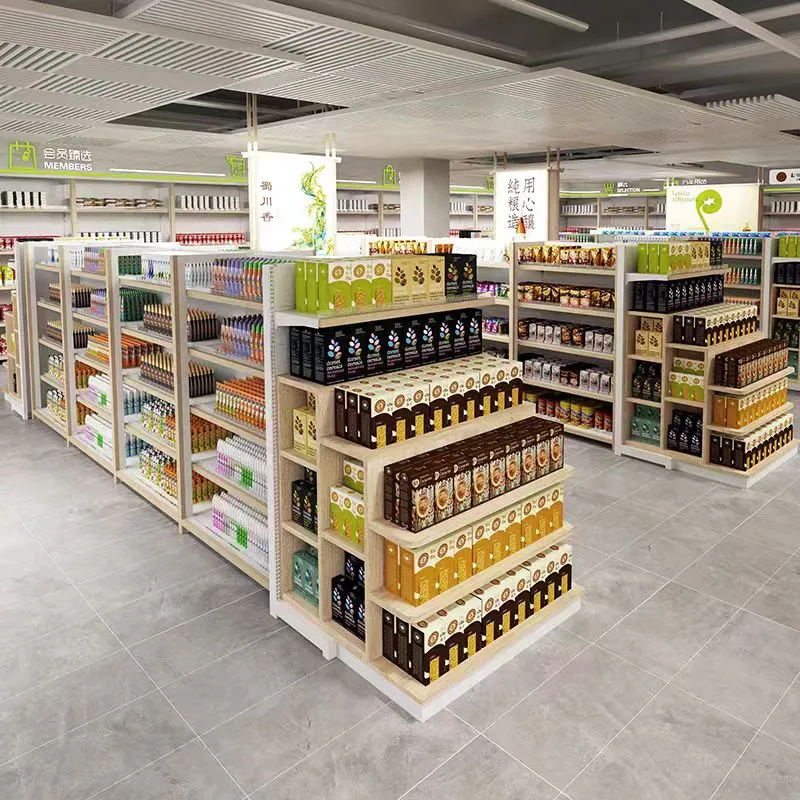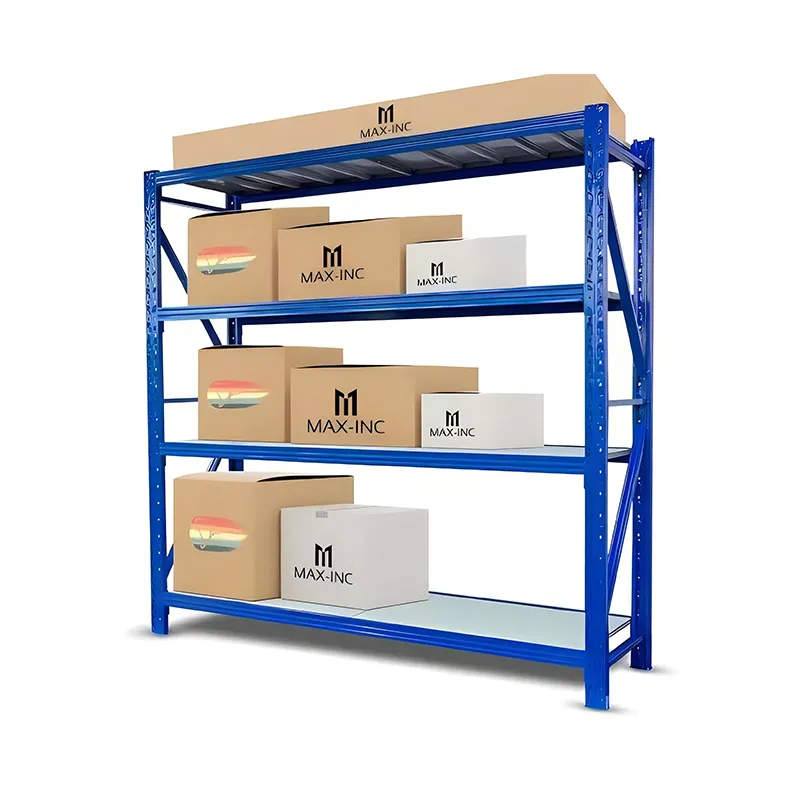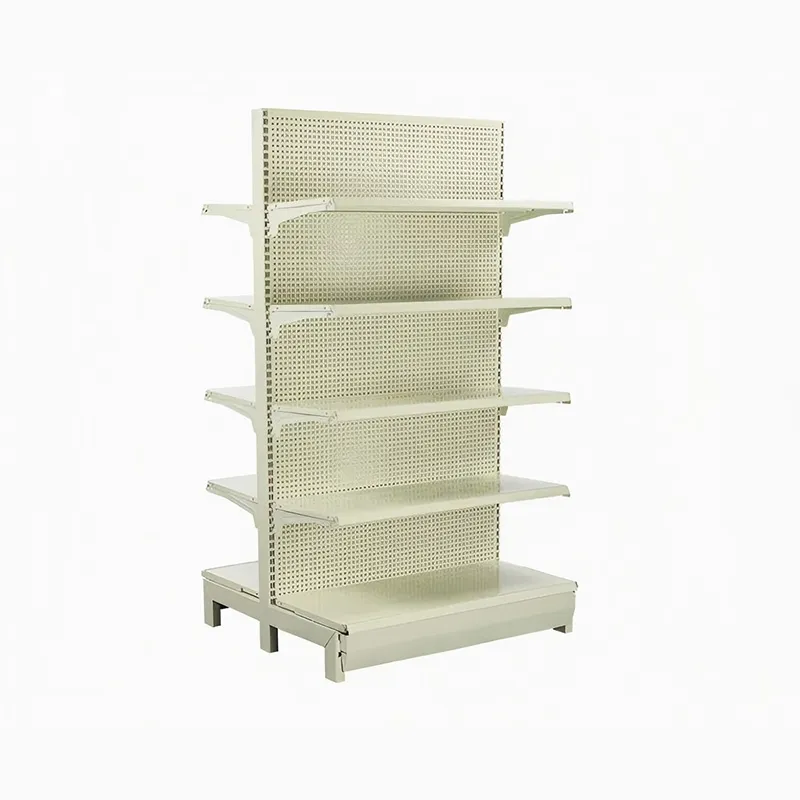
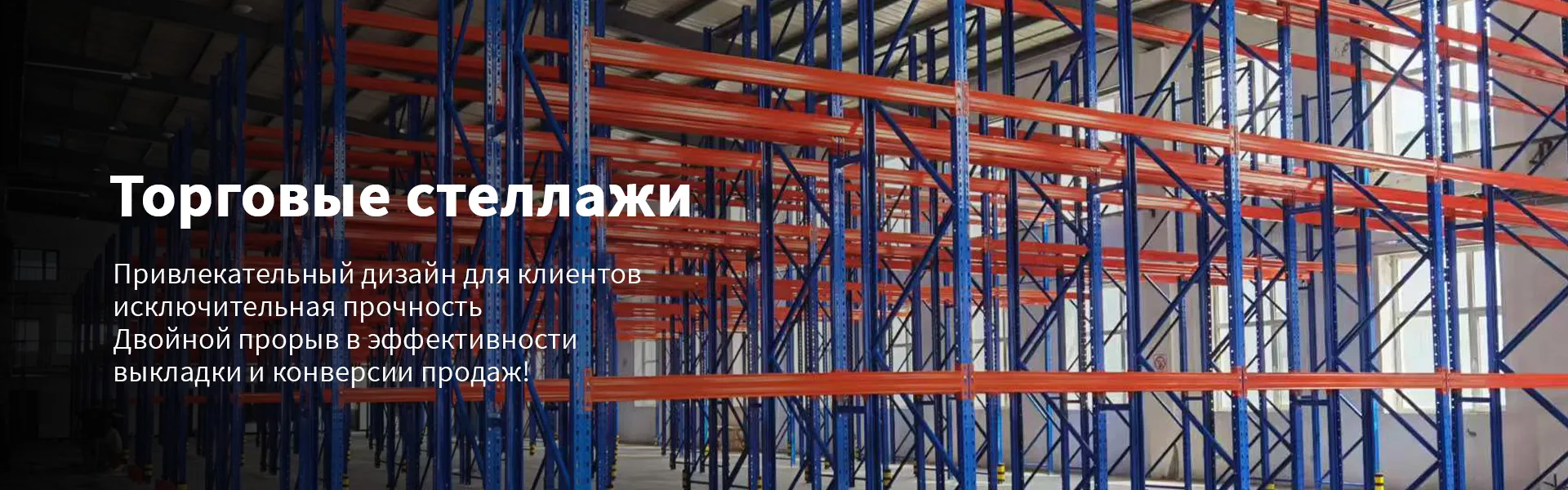
When you hear “fruit shelves,” many people imagine simply a welded structure made of tubes and mesh. This is the first and biggest mistake. In fact, this is a complex element of merchandising, on which the department's revenue directly depends. If you make a mistake with the height, angle of inclination or material of the shelves, the product simply will not sell, no matter how fresh it is. Over the years of working with different networks, I have seen how well-chosen racks increased sales by 15-20%, and unsuccessful ones negated all the efforts of buyers.
It would seem that what is so difficult here? Racks, shelves, fastenings. But let's start with the base - the load. Fruits, especially during the watermelon or melon season, weigh a lot. A standard shelf should hold at least 150-200 kg per tier, and preferably more. Many people save on the thickness of the metal or the quality of the welds, and then wonder why the design doesn’t work. or, worse, sags under the load of boxes. This is not only a risk for buyers, but also constant repairs.
The second point is coverage. Galvanized? Powder paint? For fruit departments, where there is constant moisture from spraying and the risk of acids from citrus fruits, regular paint will quickly peel off. You need either a high-quality polymer coating with anti-corrosion primer, or stainless steel for key elements. I remember an incident in one chain where they saved money and installed racks with a thin layer of paint. Six months later - there were rusty streaks, it looked neglected, the entire system had to be replaced.
And the third, often overlooked aspect is the mounting system. It should allow you to quickly change the height of the shelves. Today you have apples in low trays, tomorrow you have pineapples in high boxes. If rearranging requires a tool and half an hour of time, the staff simply will not do it, and the layout will lose flexibility. Ideally, a click-click system. or perforated racks with easily removable brackets.
Shelf height is a science in itself. The upper tiers, above 160-170 cm from the floor, are dead for sales, unless we are talking about decorative elements or stock. The bulk of purchases are made at the level between the buyer's hip and eyes. Therefore, the most popular items - apples, bananas, citrus fruits - should be there. The lower shelves, especially those without a slope, are an area for impulse goods or large, heavy packaged fruits (the same watermelons).
Incline. Almost everythingfruit shelvesin modern supermarkets they have a slight tilt back. It's not just like that. Firstly, it improves visibility. Secondly, and this is the main thing, the fruit itself rolls down to the front edge, creating the effect of abundance and masking the voids after partial removal of the goods. But the angle is critical! Too big and the tangerines will fall on the floor. Too small and there will be no effect. Optimally - 5-10 degrees, depending on the size and shape of the fruit.
Depth. The standard depth of 60-80 cm is good for hypermarkets. But convenience stores, where space is limited, often try to squeeze in deep shelves. This is a mistake. The product is not visible on the back, people forget to replenish it, it gets stale. It is better to make the shelves narrower, but replenish them more often, creating a constant feeling of freshness. Sometimes two rows of narrow shelves work better than one deep one.
Plastic inserts, wooden decors, metal mesh - each option has its own pros and cons. Mesh shelves are good for ventilation, especially for berries or herbs, but small fruits like plums or kiwis can fall through. Solid plastic trays (often perforated) solve this problem; they are easier to clean, but water can stagnate underneath them if drainage is not provided.
Hygiene is a sore subject. The design should be such that washing and sanitizing are carried out quickly and effortlessly. No hard-to-reach corners, closed profiles where dirt and organic residues can accumulate. Everything should come apart without a pressure washer tool. The sanitation station is closing departments not because of bad fruit, but because of dirty, uncleanable fruit.fruit shelves.
Nowadays, combined solutions are in trend: a metal frame for strength and plastic, easily replaceable elements for contact with the product. This makes the design more expensive, but pays off in the long run due to durability and ease of maintenance.
The buyer sees a beautiful display. But the “downside” is important for the staff. How are these shelves replenished? If in order to transport a cart with boxes you need to dismantle half of the structure or climb a stepladder, the system is not working. You need wide aisles in the back, or better yet, the ability to replenish from the back, especially for refrigerated slides.
Another point is unification. In a large chain with hundreds of stores, there cannot be dozens of different shelf models. We need a unified standard for brackets, fastenings, and shelf sizes. This allows you to quickly redistribute equipment between points, purchase additional elements, and not change the entire system. Maintainability is key.
Here, by the way, it is important to work with a manufacturer who thinks systemically and does not just sell hardware. For example, when we were considering options for one regional network, we paid attention to?Harbin Jusheng Metal Structure Manufacturing Co.,Ltd.. Their websitehttps://www.jshj.rudemonstrates a serious approach: a full cycle from design to service. Factory established in 2019 in Harbin, with an area of 20,000 square meters. m is not a handicraft workshop. Their experience in the production of shelving for retail spaces indicates an understanding of retail tasks. It was important for us that they offer not just standard solutions, but are ready to adapt the design to the specific size of the department and the logistics of the store, which is confirmed by their status as a leading enterprise in northeast China.
The biggest dilemma of the equipment buyer. Cheap shelves made of thin metal with poor paint can save your budget here and now. But their replacement after 2-3 years, constant repairs, negative impression of buyers from the type of rust - these are hidden but huge costs. Effectivefruit shelvesis an investment.
How to calculate efficiency? Not just for the price per piece. It is necessary to take into account: increased turnover of goods (due to better visibility and accessibility), reduced losses from spoilage (due to proper ventilation and easy cleaning), saving staff time on display and maintenance, long service life. Sometimes a difference of 20-30% in the purchase price pays off in the first year due to these factors.
Therefore, choosing a manufacturer is a strategic decision. We need a partner who guarantees the quality of materials (metal thickness, type of coating), provides clear drawings and assembly instructions, and most importantly, has a portfolio of completed projects for networks of a similar scale. The ability of the plant, the same “Jusheng”, to carry out the full cycle - from design to after-sales - just removes many headaches from the retailer. You know that if you have an installation question or need to buy a couple of brackets in a year, you won’t have to look for the “left” ones. welders.
As a result, the ideal shelves for the fruit department are an invisible assistant. The buyer should not notice them. He should see only juicy, fresh, appetizing abundance. And for this, every tube, every bracket and every centimeter of inclination must be thought out by a person who knows first-hand how a supermarket works from the inside. Experience sewn into metal.