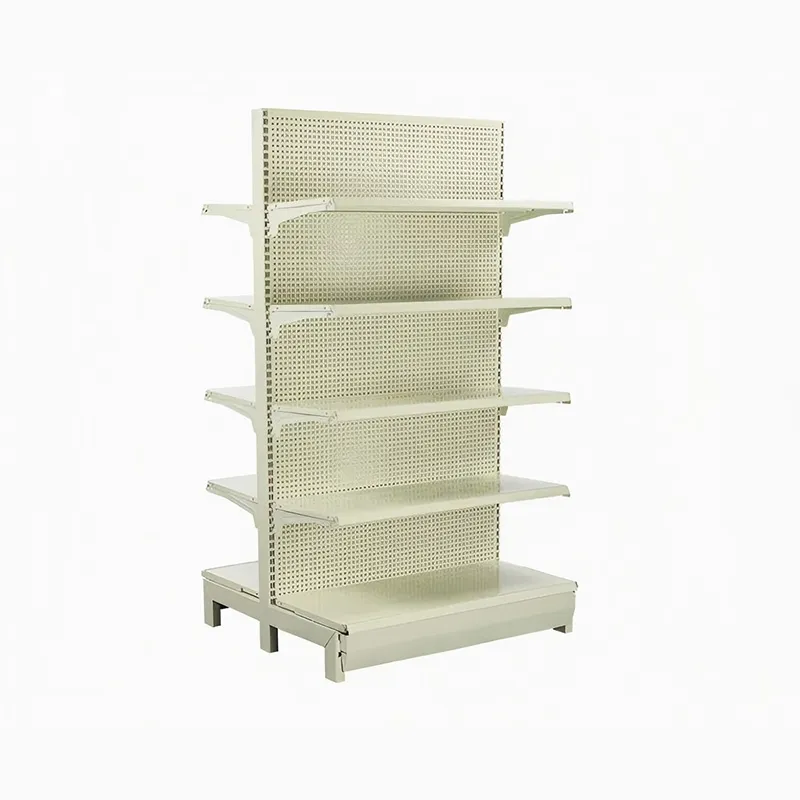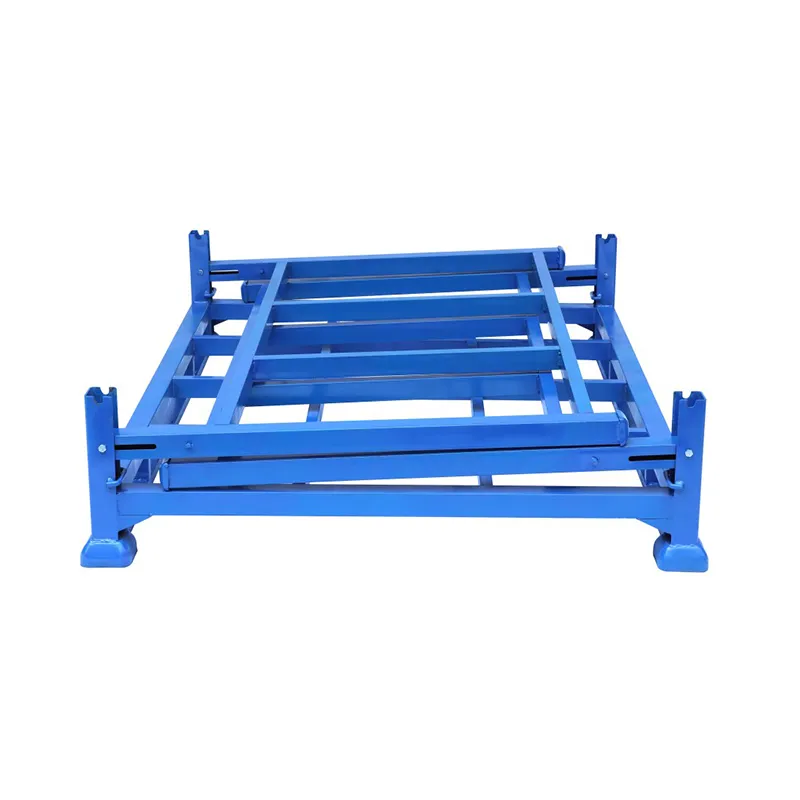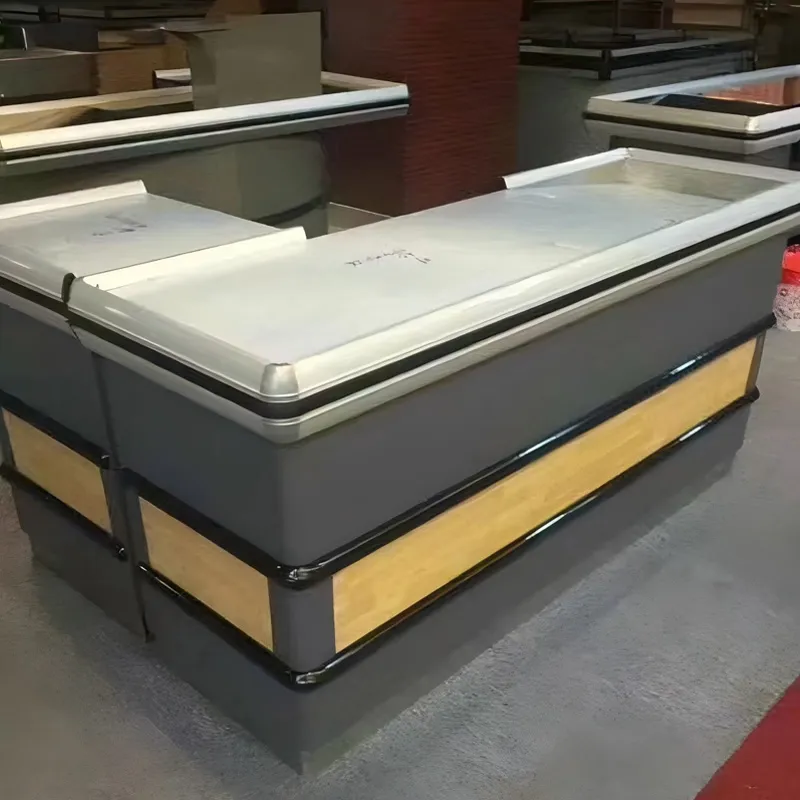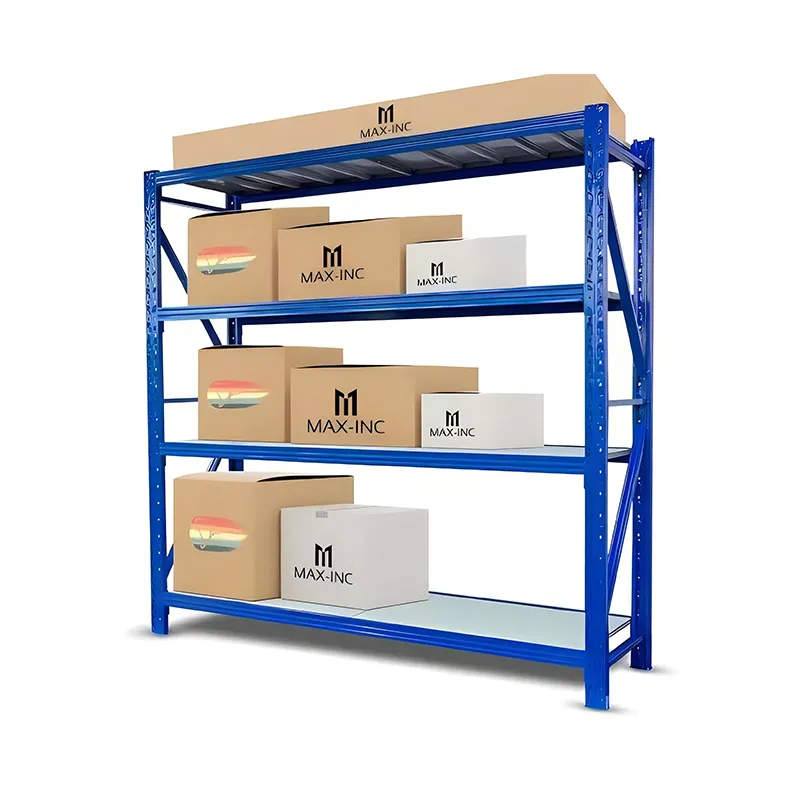
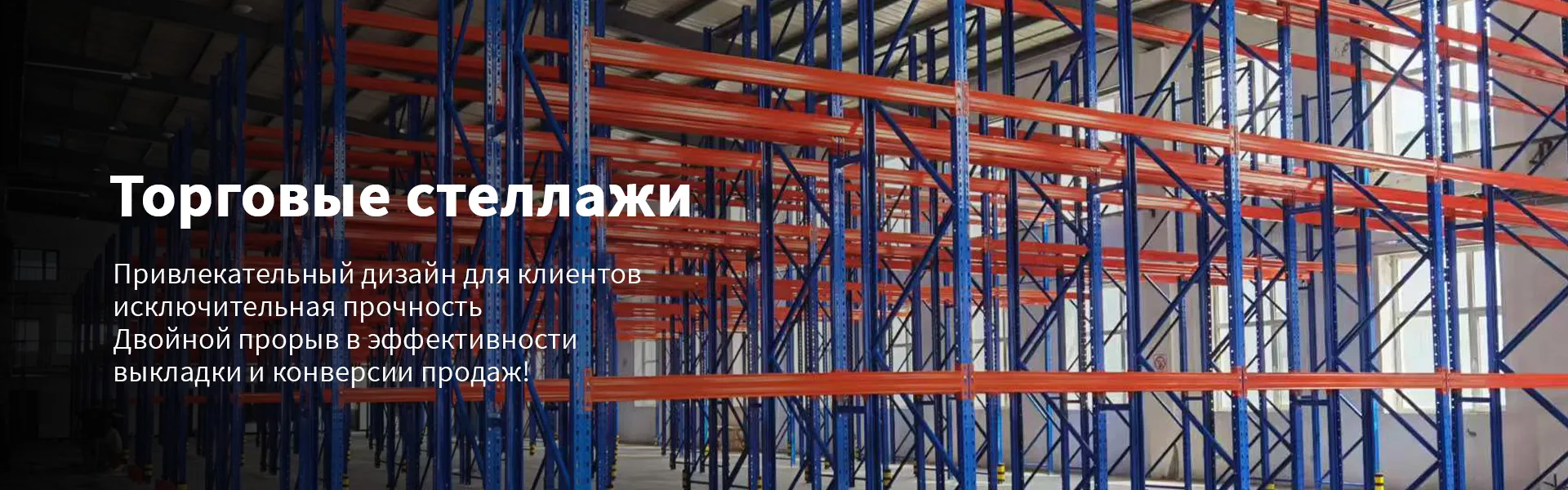
When you hear “racks for storage of metal products?”, many people imagine simply welded corners and shelves. This is the first and main mistake. In fact, this is a complex engineering system where every span, every beam, every fastener is calculated for the specific weight, dimensions and logistics of the warehouse. Metal products are not boxes of equal weight. Here you can find long products, sheets, and finished structures of various shapes. And each type requires its own approach to storage.
It all starts, of course, with a project. And here is the first nuance: load. Often the customer says: “We have pipes, on average 2 tons per pallet?”. But in fact, the batch may contain lightweight products, or the same pipes, but laid in a special way, creating point pressure. If you take average data, you can get deflection of the shelves or, worse, deformation of the entire section. Therefore, we always require the most detailed technical maps for storage or go to the site to look at the product with our own eyes.
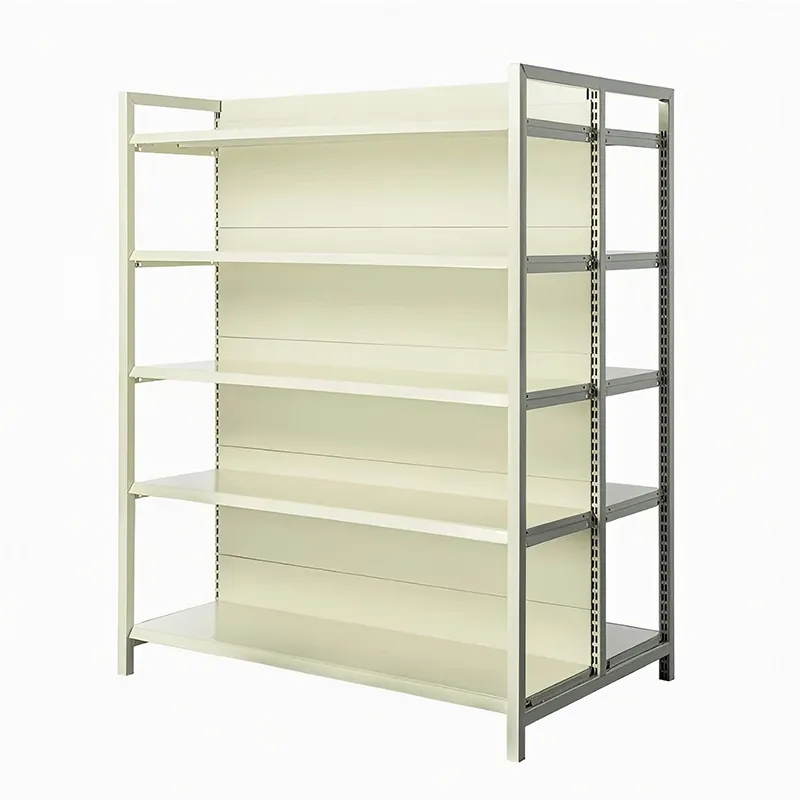
The second point is accessibility. Often ideal for rolled metalcantilever racksorbeam (crossbar) racks. But if the warehouse operates with high turnover, you need quick access to any item. Sometimes it is more profitable to combine systems: heavy beams for the main stock and lighter shelf structures for frequently shipped assortment. I have seen projects where, due to the desire to save money and make everything the same, logisticians then spent twice as much time on selection.
And the third stumbling block is installation. It would seem that he brought it and assembled it according to the instructions. But if the foundation or floor in the workshop has a slope (and this happens all the time), the entire structure can go “screwy”. You have to use adjustable supports, which is not always included in the initial budget. I once came across a situation where the installers, saving time, did not check the diagonals of the sections. As a result, when loading, the rack “failed”, and half of the warehouse had to be unloaded and sorted out. Lesson for life: control of geometry at every stage is sacred.
Previously, we worked with different contractors: some designed, others produced, and others installed. The eternal story of shifting responsibility. Now, when you are looking for a reliable partner, you look at those who close the entire cycle. Here, for example,?Harbin Jusheng Metal Structure Manufacturing Co.,Ltd.(their website ishttps://www.jshj.ru). Their description directly states: a full cycle from design to service. For the client, these are not just words. This means that when a question arises about the load onracks for four-way shuttles, the design engineer can immediately discuss it with the production technologist, rather than sending a request by email to another company and waiting a week for a response.
Their 20,000 m2 plant in Harbin is serious business. Not a makeshift workshop. Several automated lines are, first of all, quality control and stability of the profile geometry. For metal products where weight is critical, a crooked beam is a waste. Not only power is important here, but also the fact that they specialize specifically in racking systems: from retail to complex warehouses. Specialization breeds expertise. For example, they understand well the difference between a rack for storing sheet steel and for profile pipes - these are different types of loads and fastenings.
What appeals to me about this approach is responsibility. If a company produces itself, designs itself and gives a guarantee itself, it has nowhere to go. She is interested in doing it reliably the first time. We once ordered from themmezzanine shelvingfor storage of fasteners and tools. There was difficulty with the height of the room and the need to organize office space on the second tier. Their engineers came up with a custom solution with reinforced supports and special deck fastening that we ourselves might not have sought.
Let's take a quick look at the main types that actually work in hardware warehouses. This is not a theory from a textbook, but what I saw in action.
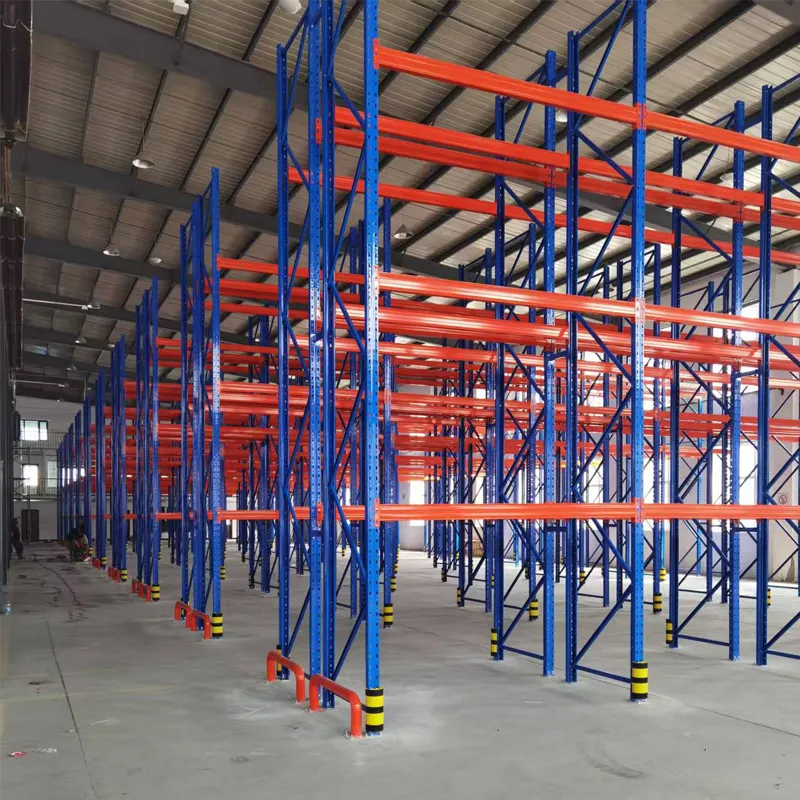
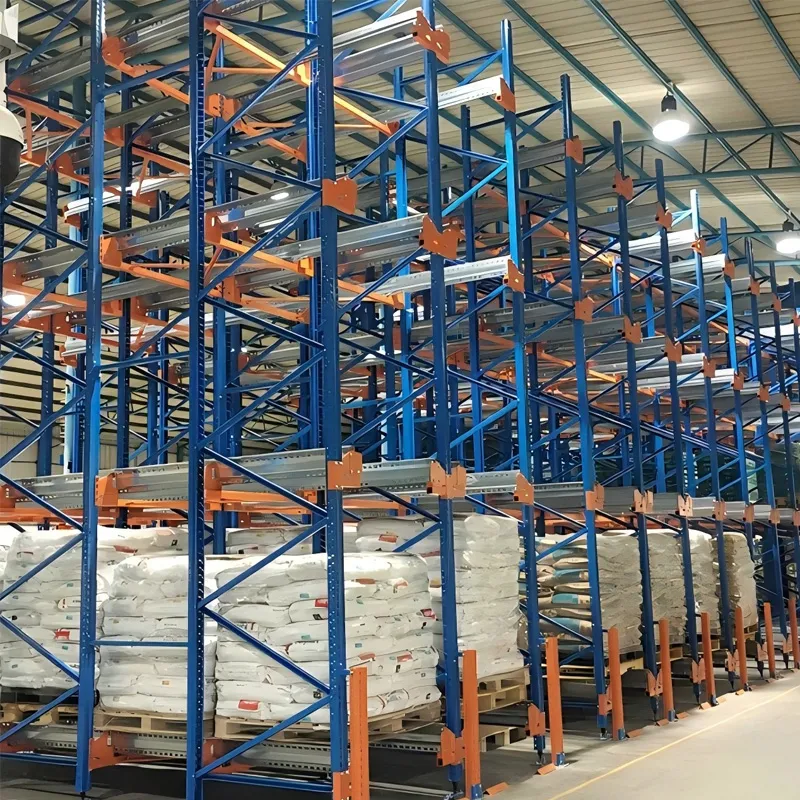
Beam (crossbar) racks- a classic for palletized storage. Ideal for boxes with hardware and packaged products. Load capacity is regulated by the number and cross-section of beams. The main thing is to correctly calculate the load on the tier and not forget about the counterweights on the loader.
Cantilever racks- kings for long lengths. Pipes, fittings, corners. The key parameter here is the console's offset and its strengthening. I saw how they tried to save money and installed consoles with a smaller reach, but with more weight. As a result, when the rack was fully loaded, it began to “lift up”. I had to reinforce it with a fundamental anchor.
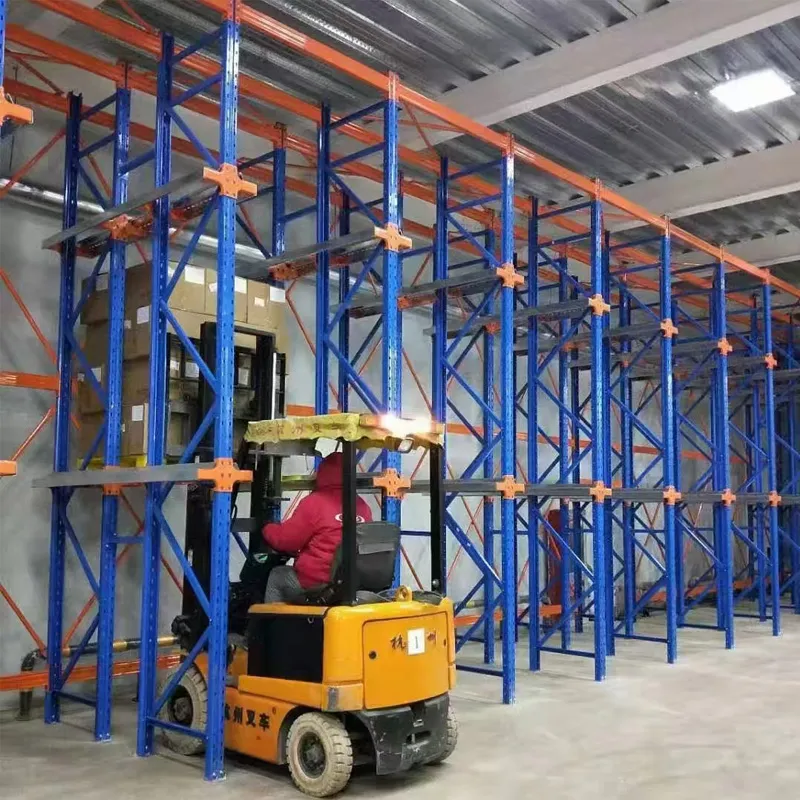
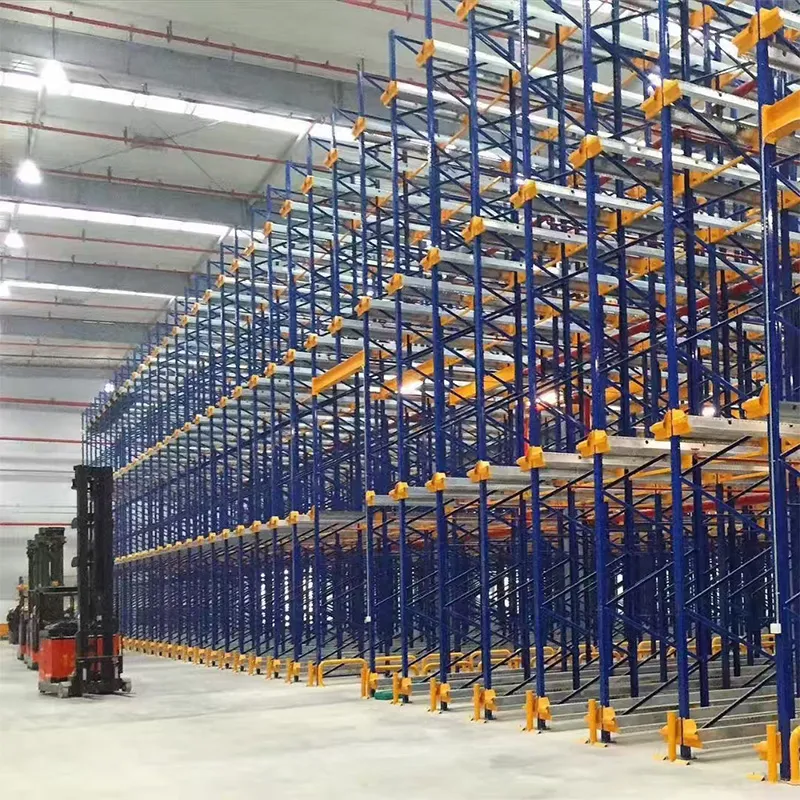
Shelving for four-way shuttles- this is already high-density storage for expensive or mass-produced items. Suitable for metal products when we are talking about standard packaging, for example, the same electrodes or mesh. The system is expensive, but saves up to 60% of space. A solution for large logistics centers, and not for a small workshop warehouse.
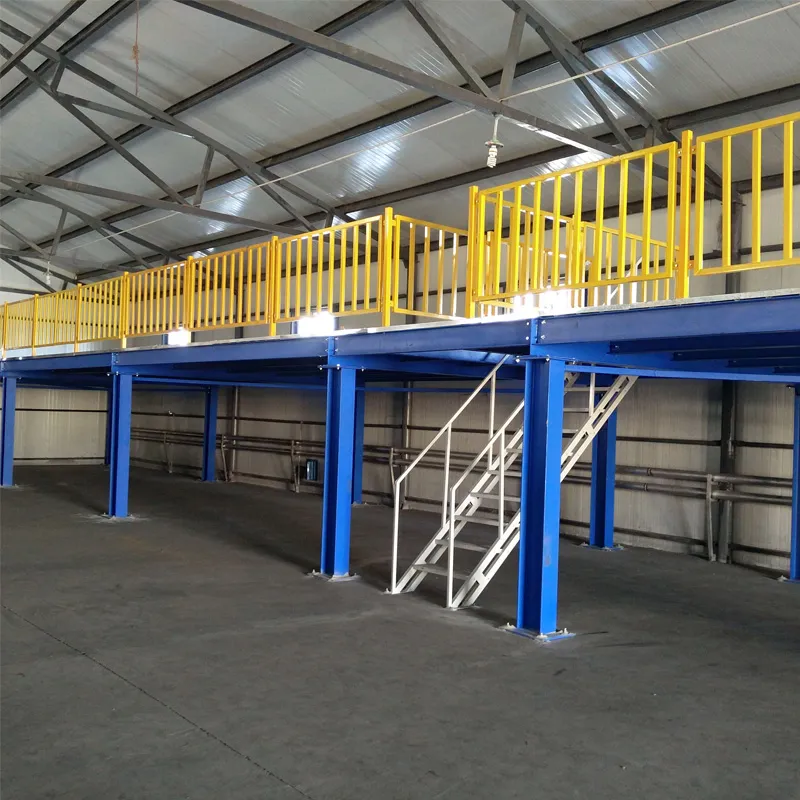
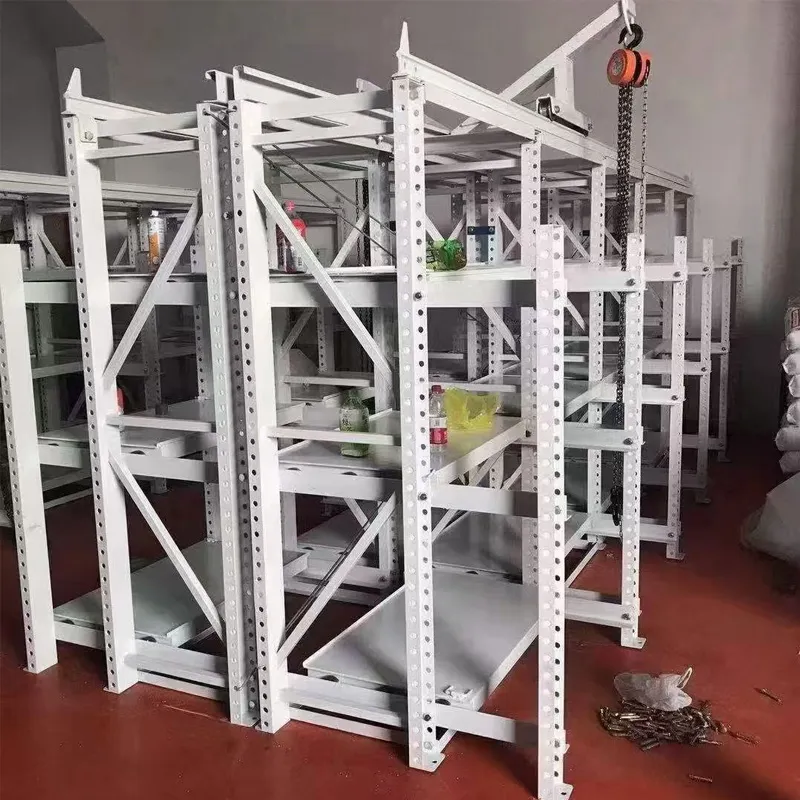
Mezzanine shelvingis a great way to use the height of a room. The second tier is often used for storing lightweight products, samples, and equipment. The most important point is safety: fences, stairs, load on the flooring. You should never allow the upper level to be overloaded, no matter how much you might want to pack it “to capacity”.
Besides the type of shelving, there are a lot of little things that can cause a project to stumble.
Anchoring. For high metal shelving, this is a mandatory requirement. But the anchor is different from the anchor. A chemical anchor in an old concrete floor may behave differently than a mechanical anchor. You need to do test tightening and check for pullout.
Protective coating. There may be high humidity and oil vapors in the workshop. Regular powder paint can peel off quickly. You need either a more durable coating, or, as an option, galvanized shelving. It's more expensive, but for decades.
Marking and zoning. When thousands of rolled metal items are stored on a rack, without a clear addressing system, chaos results. Even at the design stage, you need to lay out places for tags and light indication (if WMS is used). We neglected this once, and then we had to drill beams and attach signs using a makeshift method, violating the protective layer.
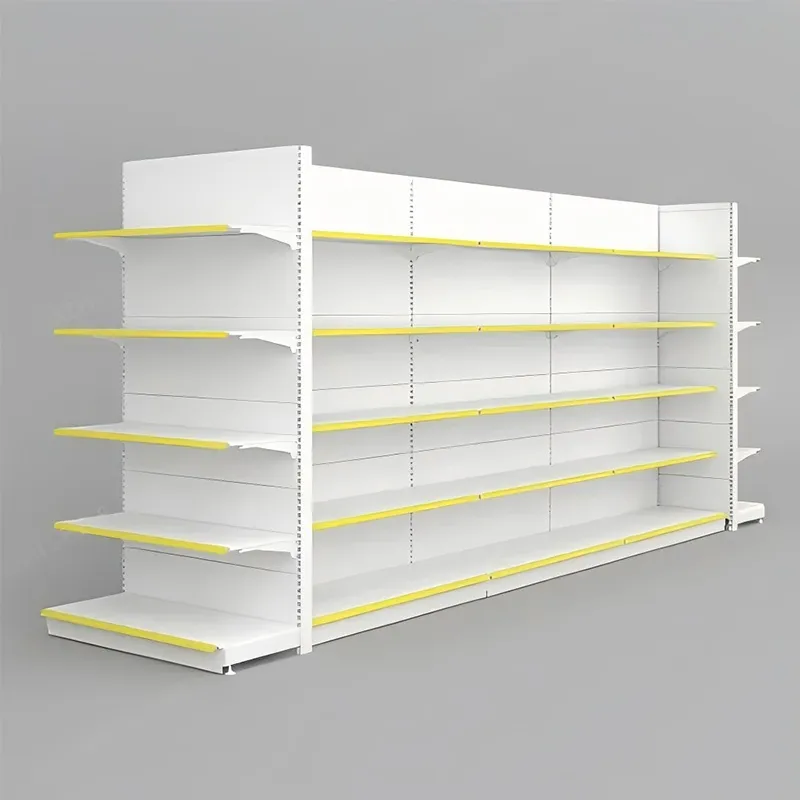
So, back to the beginning.Shelving for hardware warehousesis always an individual calculation and compromise between cost, storage density and access speed. There is no perfect system for all cases. There is a competent project that takes into account the real, and not paper, operating conditions of the warehouse. And the key to success is in cooperation with a manufacturer who does not just sell hardware, but delves into the client’s technological process. Like the same guys fromHarbin Jusheng, which, judging by experience, work exactly like this: from the project to the service. This, perhaps, is the main secret of a reliable warehouse. Not in the thickness of the metal, but in the depth of elaboration of the problem.