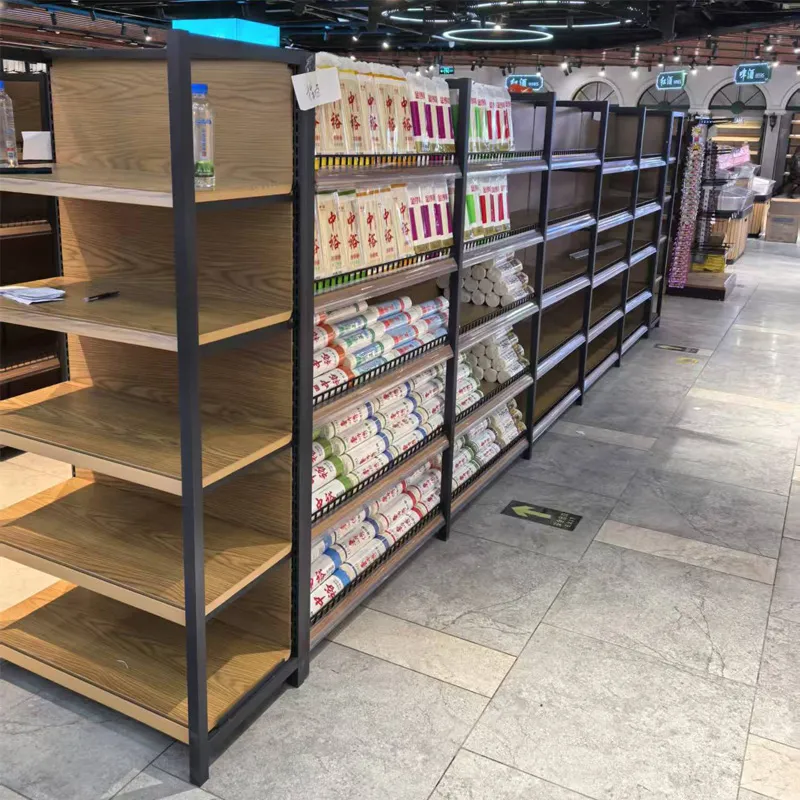
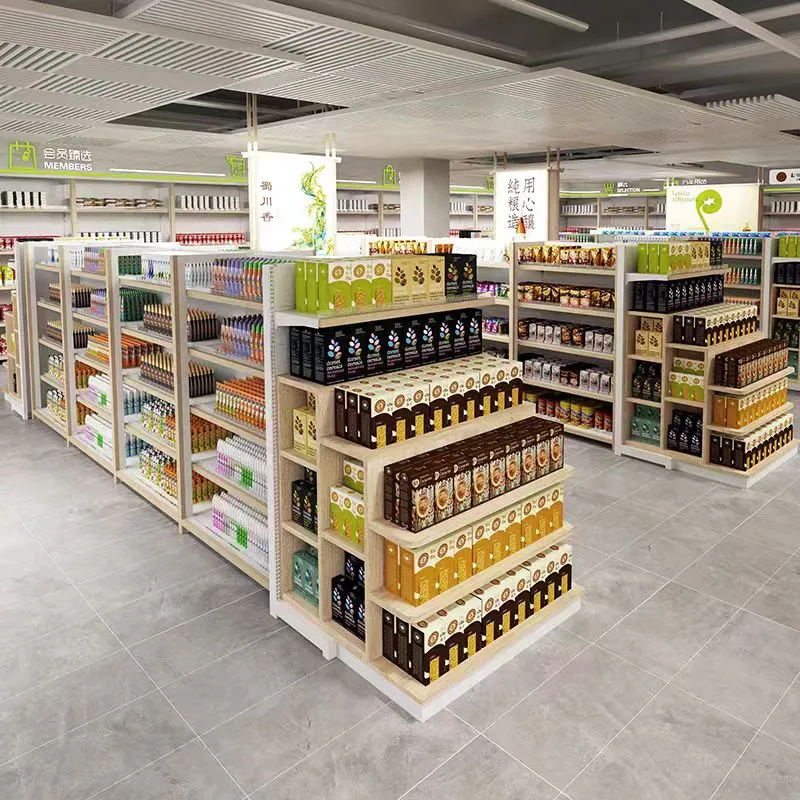
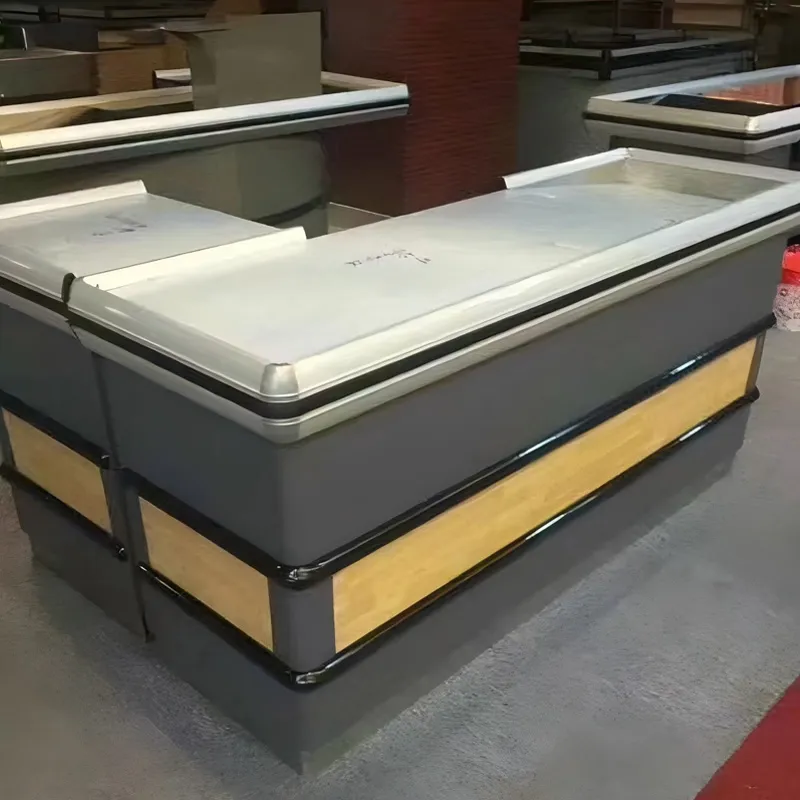
When you hear “production of wooden shelving?”, many people immediately imagine something handicraft, almost in the garage. And this is the first and main mistake. Wood is a capricious, living material. With it, like with metal, you won’t be able to simply cut blanks and assemble them. Here you need an eye and an eye for moisture, the type of wood, and the behavior of the fibers. I worked with both metal and wood for many years, and I will say this: if a metal shelving is an engineering task, then a wooden one is almost a craft multiplied by technology. And yes, it's completeproduction, with its own standards, risks and pitfalls.
Look, we receive an order for a batch of racks for boutique vintage clothing. The client wants the “warmth of wood”, “naturalness”. The first thing we do is not run to the workshop, but sit down to select an array. Birch? Too simple, maybe? with improper drying. Oak? Great, but expensive, and not every project can handle it. We often opt for high-quality chamber-dried pine. But there’s a catch here: “kiln drying?” - the concept is flexible. You need a humidity of 8-10%, no more. If you take raw materials with 12% or higher, after six months in a heated room the entire structure will crack and the fasteners will become loose. We once got burned on this at the beginning of our journey, relying on the words of the supplier. I had to compensate for the losses and change the entire batch. Now we have our own moisture meter, and we check each timber personally.
And there is also a nuance with varieties. For load-bearing racks and shelves, you need material without knots, first or second grade. And for decorative elements, sidewalls, you can use a live, healthy knot, it will even add charm. But the knot must be fused, otherwise it will fall out. This all comes with experience; no GOST standards will describe it in such detail.
And here's what else is important: geometry. Even a well-dried board may have internal tension and bend slightly. Therefore, before cutting, the material must rest in the workshop and acclimatize. We wait at least a week. Then we start marking. This is not metal that lies still. You need to “negotiate” with the tree.
Our mainproductionmetal structures, of course, are automated. Cutting, welding, painting lines. But we have a separate area for the tree, and there is a lot of manual labor there. Why? Because each array is a little unique. A CNC milling machine is an indispensable thing for complex shaped elements and cutting grooves. But the final assembly, fitting, and polishing are often carried out by hand by craftsmen.
The key step is connections. Just take it and screw it with self-tapping screws - the path to nowhere. Wood “breathes”, expanding and contracting due to changes in humidity. Rigid fastening with metal fasteners will simply break it. That's why we use floating joints, special fastening plates with grooves that allow the wood to move a little. For particularly critical units, we still use classic tenon joints with glue - they last for centuries, but are very labor-intensive.
Grinding is a different story. We move from coarse to fine grain, sometimes up to 240-grit sandpaper. We especially carefully process the ends and edges of shelves - these are the places where people most often get caught by clothes or get splinters. After grinding, dust removal cleaning is required. Any speck of dust under a layer of varnish is a defect.
Here many people are chasing fashionable oils or waxes. Yes, they emphasize texture and are environmentally friendly. But for commercial use, say, in the same store, where the racks will constantly be rubbed by bags and jackets, this is not enough. Oil does not resist abrasion and moisture well. If you spill water on a shelf, a stain may remain.
We use matte or semi-matte polyurethane varnishes in most projects. They form a durable, elastic film that protects the wood from moisture, dirt and mechanical stress. But there is also a subtlety here: you cannot apply a thick layer, “sealing” it. tree. Several thin layers are needed with intermediate sanding. It takes a long time, but the result is worth it - the surface is pleasant to the touch, not “plastic”.
Color. Most often they ask for “natural wood”. But the natural color of pine, for example, turns yellow over time. Many clients don't want this. Therefore, we use tinting impregnations or varnishes with an ultraviolet filter, which slow down this process. Sometimes we do complex tinting in several layers to achieve the effect of old, patinated wood. This is already aerobatics.
Here you can see how well it was doneproduction. If all the parts are precisely fitted in the workshop, the assembly on site proceeds like a designer. We supply shelving as large modules or as fully ready-to-assemble parts with clear markings. Ideally, two people with a set of keys should assemble the section in half an hour to an hour.
But reality often makes adjustments. Floors in old rooms are rarely perfectly level. Therefore, we always include adjustable supports in the structure. These are not just plastic caps, but serious screw jacks that allow you to set the rack strictly in level even with a difference of 3-5 cm. A crooked rack is not only ugly, it is unsafe.
Another headache is communications. Often you need to go around the pipes and lay the lighting wires inside the structure. To do this, we request a floor plan in advance, at the design stage, and introduce the necessary cutouts and channels into the design. The most unpleasant surprise is when it turns out on site that the load-bearing beam does not go where shown on the plan. You have to improvise, make additional spacers or change the configuration on the fly. You can’t do it without an experienced foreman on site.
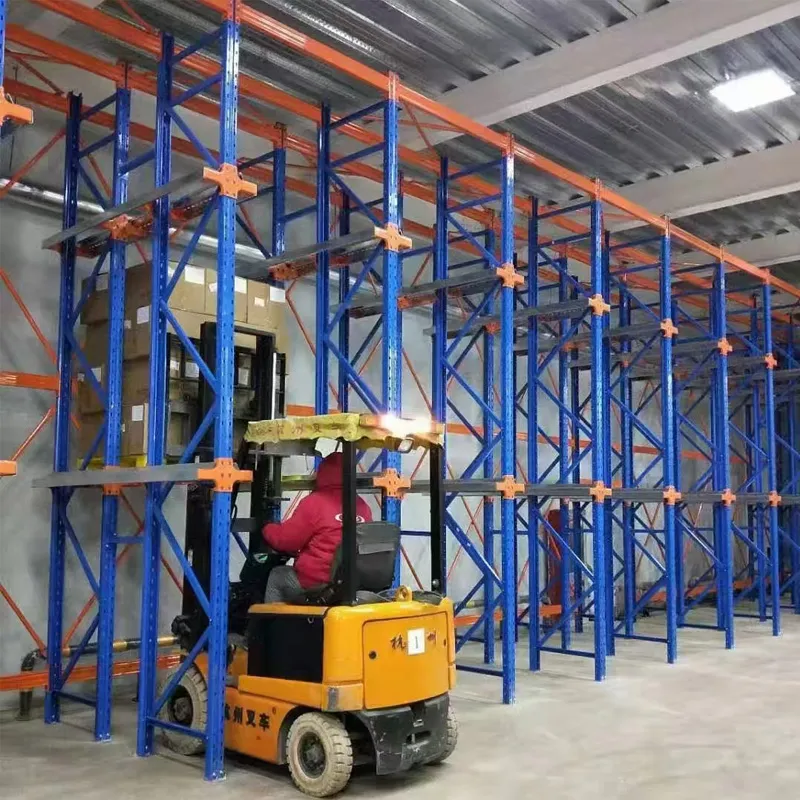
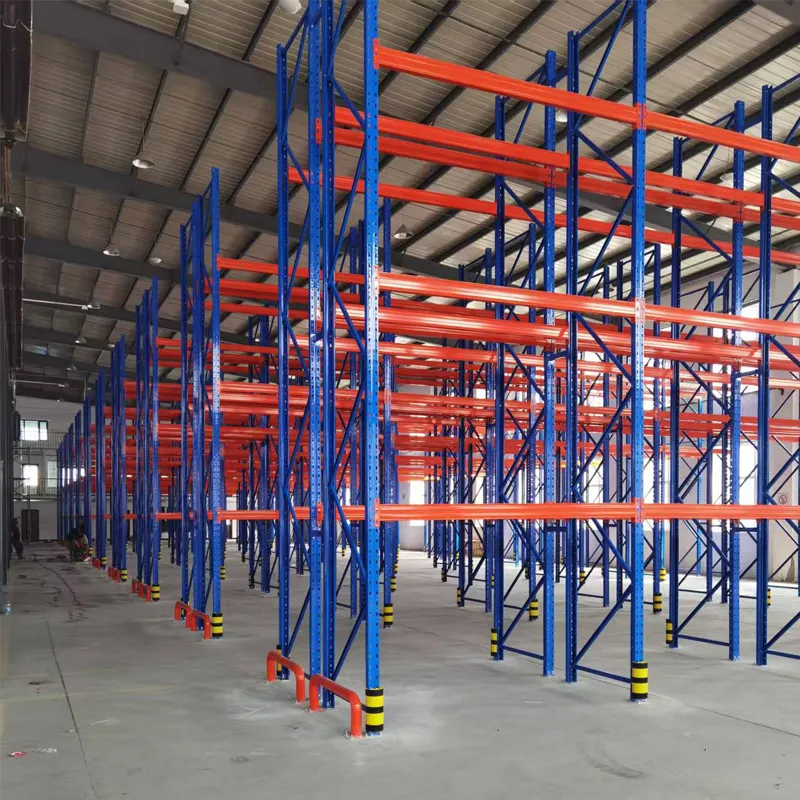
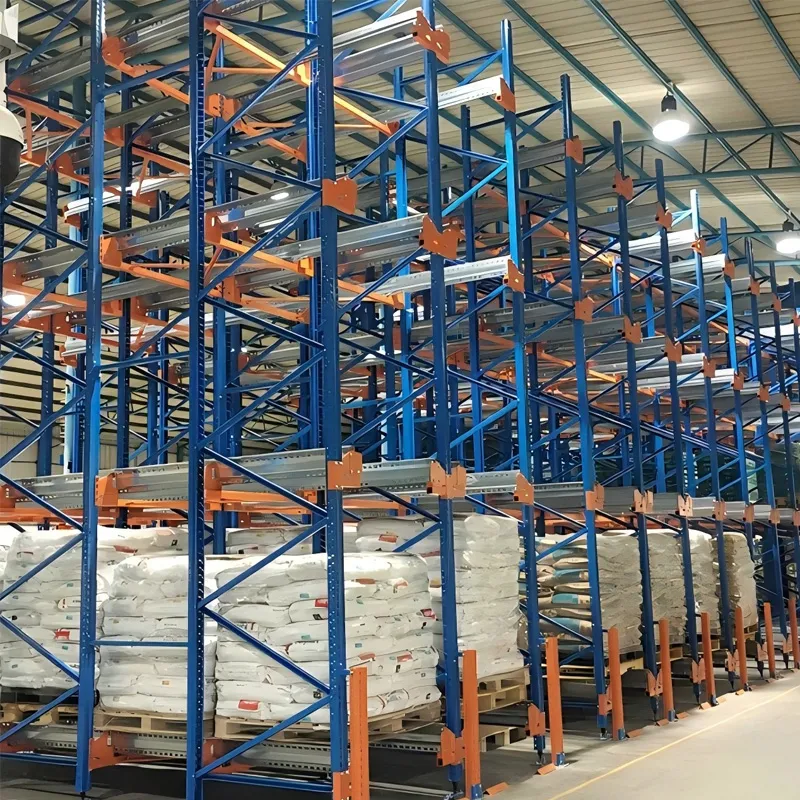
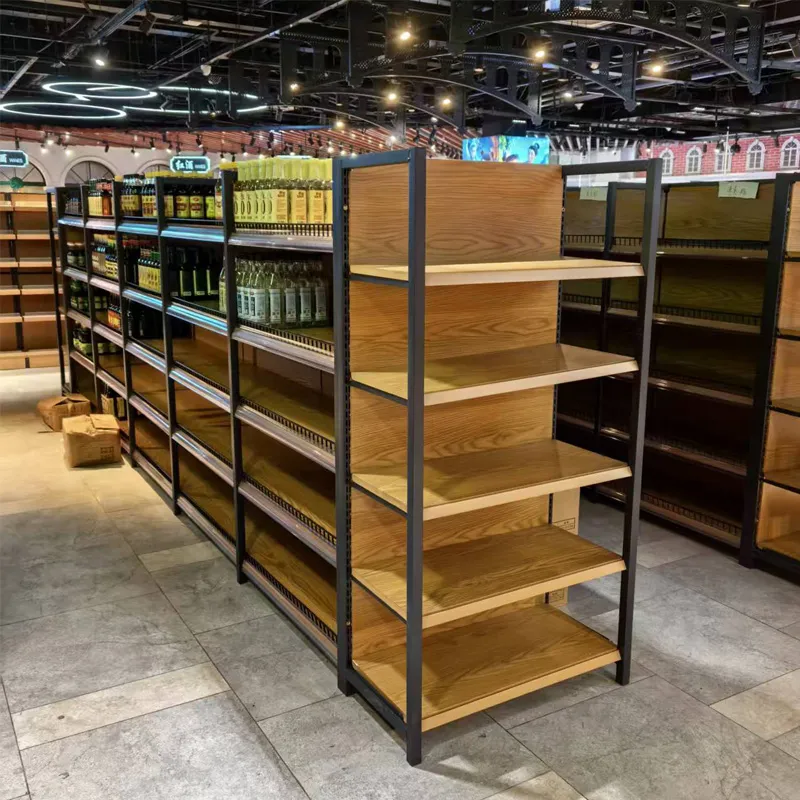
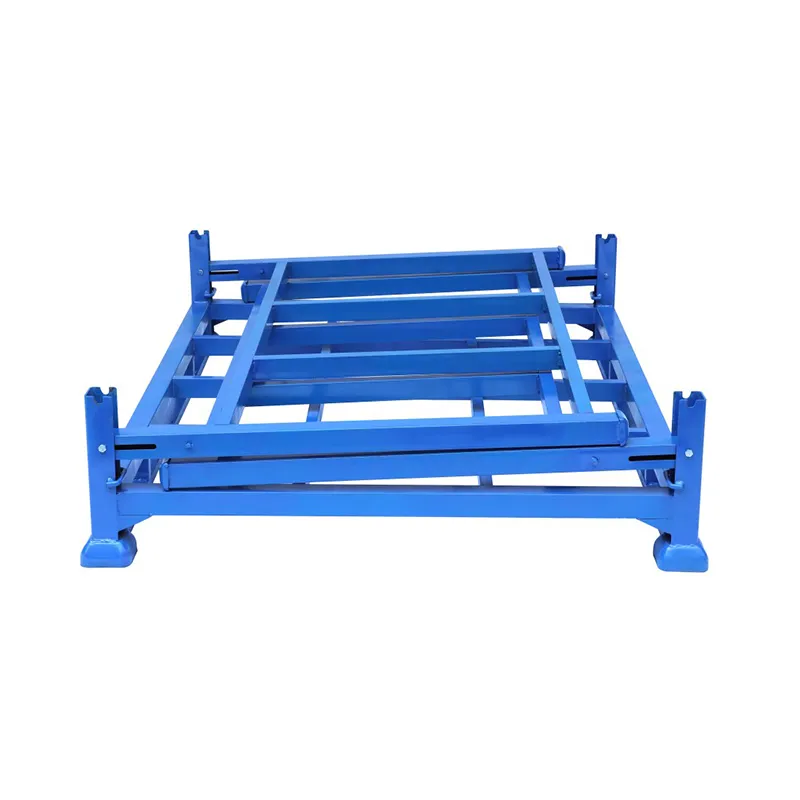
Working in a core manufacturing environment such asHarbin Rack Factory ?Jusheng?, where the focus is on metal storage systems, we often combine materials. This is a powerful enterprise with a full cycle, from design to installation, and its expertise in working with metal is invaluable to us. Sometimes we make the frame of the rack from a profile steel pipe (this gives rigidity and allows us to make long-span shelves without intermediate supports), and the shelves and facades themselves are made of wood. The result is a hybrid: the strength and durability of metal plus the aesthetics and tactility of wood.
Such combined systems are often ordered for modern loft spaces, restaurants, show-rooms. It's not easy anymorewooden shelving, but complex architectural elements. Designing them requires an understanding of the loads, the properties of both materials and how they are connected. We use special damping pads between metal and wood to compensate for different coefficients of thermal expansion.
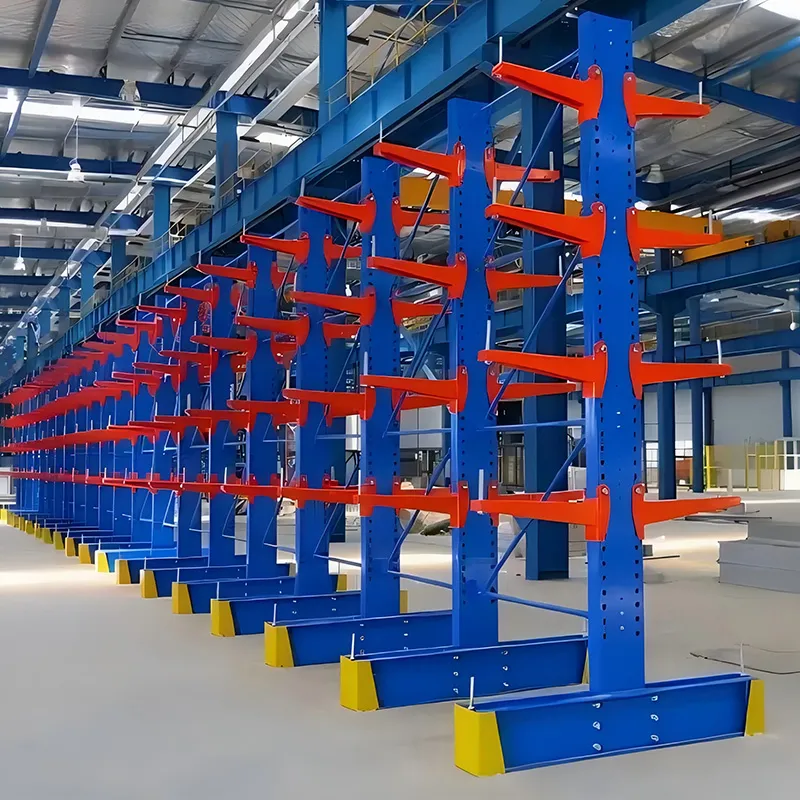
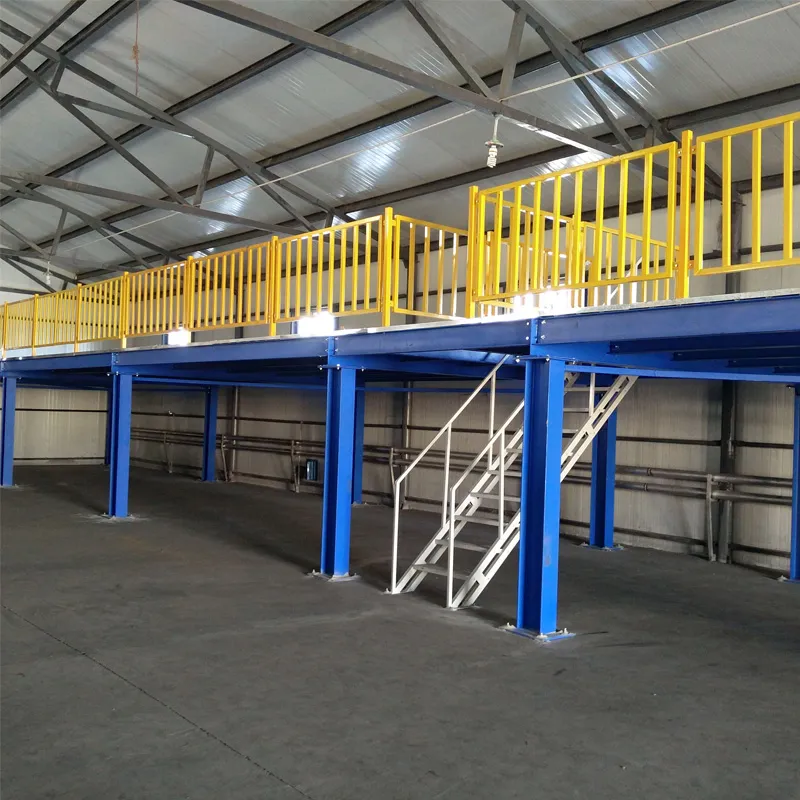
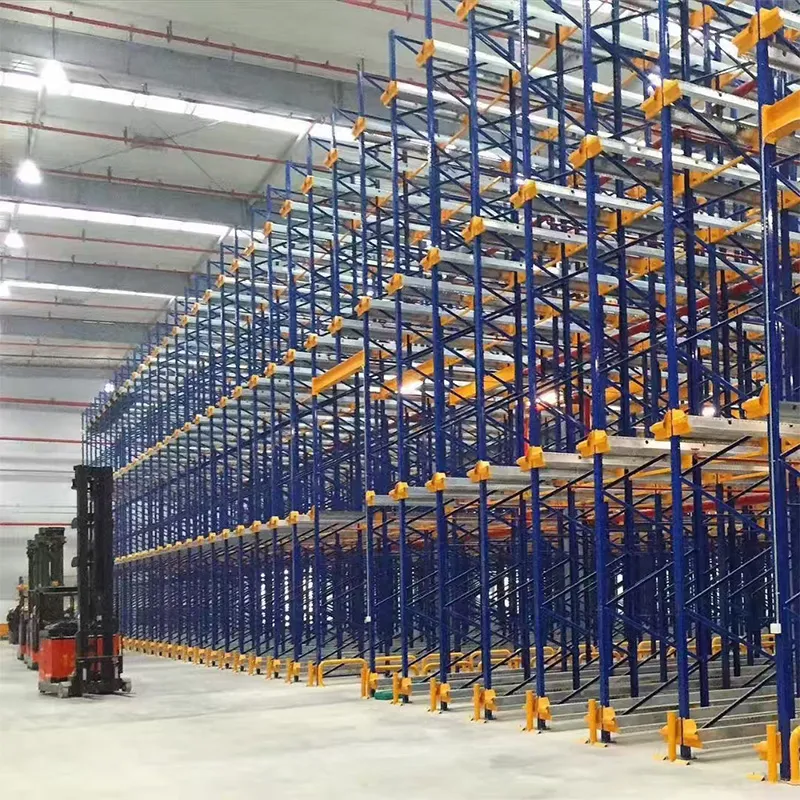
The experience of a large plant that produces beam, mezzanine, and cantilever racks teaches us a systematic approach. Even seemingly creative work with wood requires clear documentation, quality control at every stage, and logistics. We have adopted this production culture. Each of our wooden racks, even the simplest ones, has a passport indicating the type of wood, type of coating, and date of manufacture. This is a responsibility.
Frequently asked question: why is it so expensive? After all, the market is full of cheap options made from chipboard or raw pine. I answer: because we do not make furniture, but equipment.Wooden shelvingfor a store, warehouse or archive - this is an object of intensive use. They must withstand weight, be safe, and maintain their appearance for years. The cheap option will save money once, but after a year or two it will begin to dry out, wobble, and lose its appearance. It will have to be changed. Ours is an investment.
The most pleasant thing is when, after a few years, you come to the site for a routine inspection, and the racks are as good as new, only the wood has darkened a little and acquired a noble shade. And the client says: “Everything is just as strong, there’s not even a creak.” This is the result of the correct approach toproduction. Don’t chase quantity, but delve into the essence of the material, understand the customer’s tasks and don’t be lazy about doing extra control measurements or polishing. This, probably, is the whole difference between craft and handicraft.
And yes, if suddenly someone needs industrial scale and reliability of metal, I can always recommend colleagues withjshj.ru. They ate the dog in this. And we are left with our capricious, living tree, eternally grateful for the correct handling of the tree.