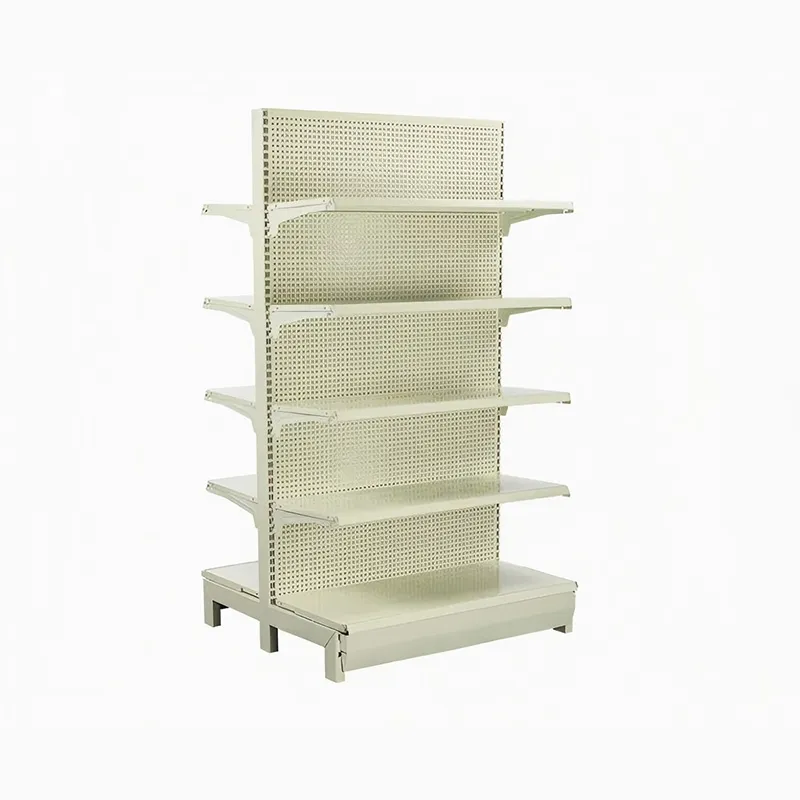
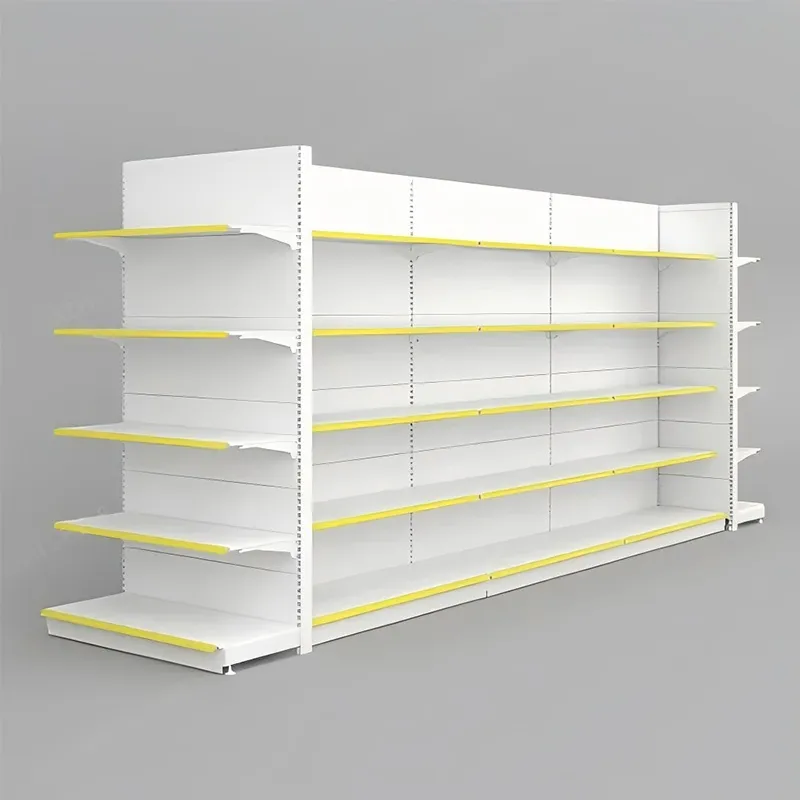
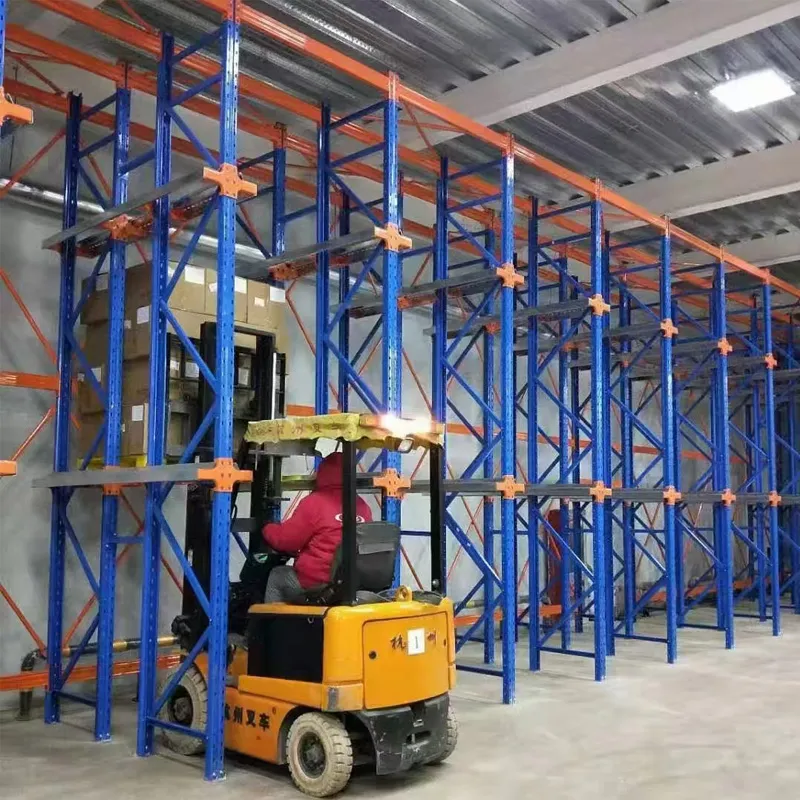
When people talk about racks for rear warehouses, many people simply imagine reinforced shelves. This is where the main mistake lies. A rear warehouse is not just a storage facility, it is a living organism with its own rhythm, loads and, most importantly, unpredictability. The task here is not to install “strong shelving”, but to create an adaptive structure that will withstand not only weight, but also constant changes in the nomenclature, seasonal “storms”, etc. and working in less than ideal conditions. I understood this not from textbooks, but after several projects where they initially relied on standard solutions, and then reworked them for months.
I'll start with the pain. The most common mistake I have observed is the underestimation of dynamic loads. The truck pulled in, the forklift began to unload the pallet, the rack swayed... It seems nonsense. But when such micro-shears occur hundreds of times a day, metal fatigue begins. Not at the welding points, as many people think, but more often at the junctions of beams and columns. Standard top-lock type locks sometimes they can’t stand it if the work rhythm is high and the shelves are loaded to capacity.
Therefore, for rear warehouses, I always insist on reinforced connecting elements, or better yet, bolted connections at key points. Yes, assembly takes longer, and yes, it is more expensive. But when in a year you don’t have to urgently strengthen the entire line, it all pays off. I once saw someone in a spare parts warehouse being “tired?” a section of the castle was formed. Okay, it was at night. Lucky.
Another point is protection. The rear warehouse is full of dust, dirt, temperature changes, and possible impacts from equipment. Regular powder paint, which is used to cover most shelving, wears off and peels off faster here. You need either a more durable coating or additional protective elements for the corner posts. A simple and cheap solution is to weld a steel angle along the bottom of the column. Changing it is easier than replacing or repairing the entire rack.
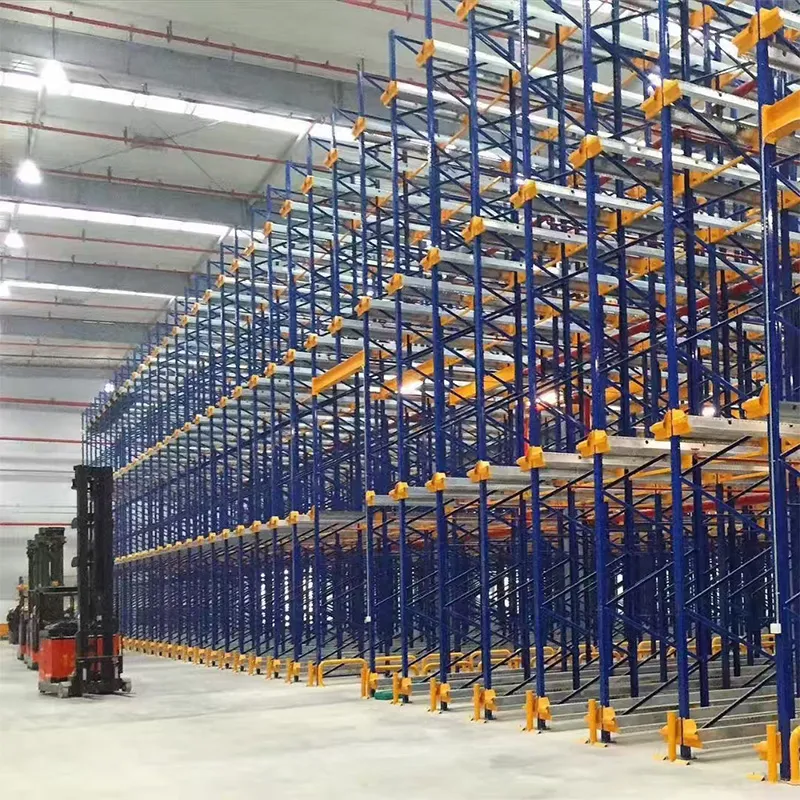
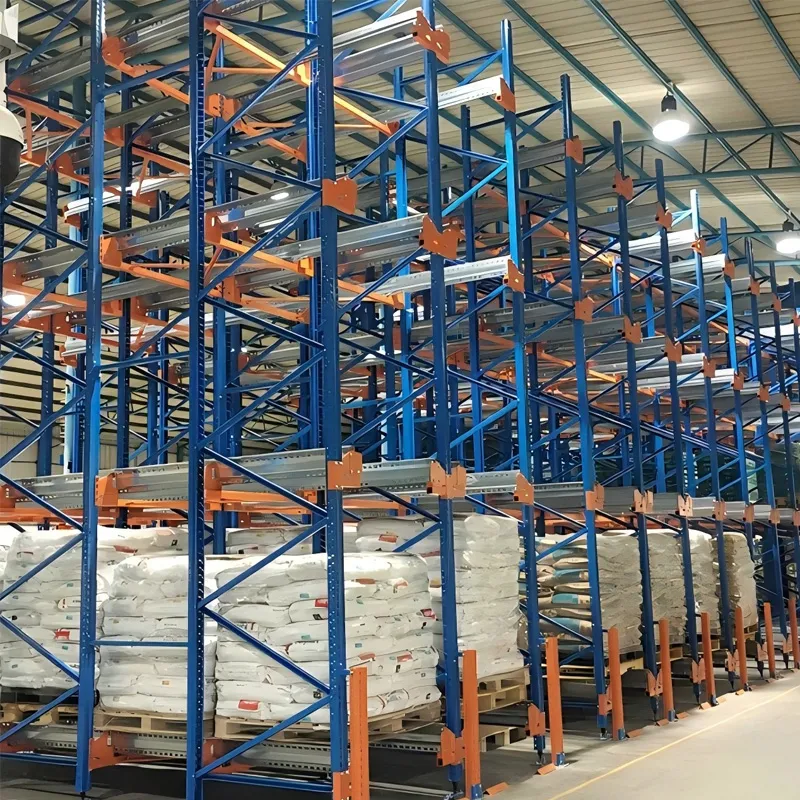
Multi-storey shelving is, of course, a space saver. But in a rear warehouse, where there are often no high-performance stackers and ordinary forklifts work, climbing to a height of 10 meters is a risk and a waste of time. Most often, the optimal height is 6-7 meters. Available for most equipment, and at the same time you can use the volume.
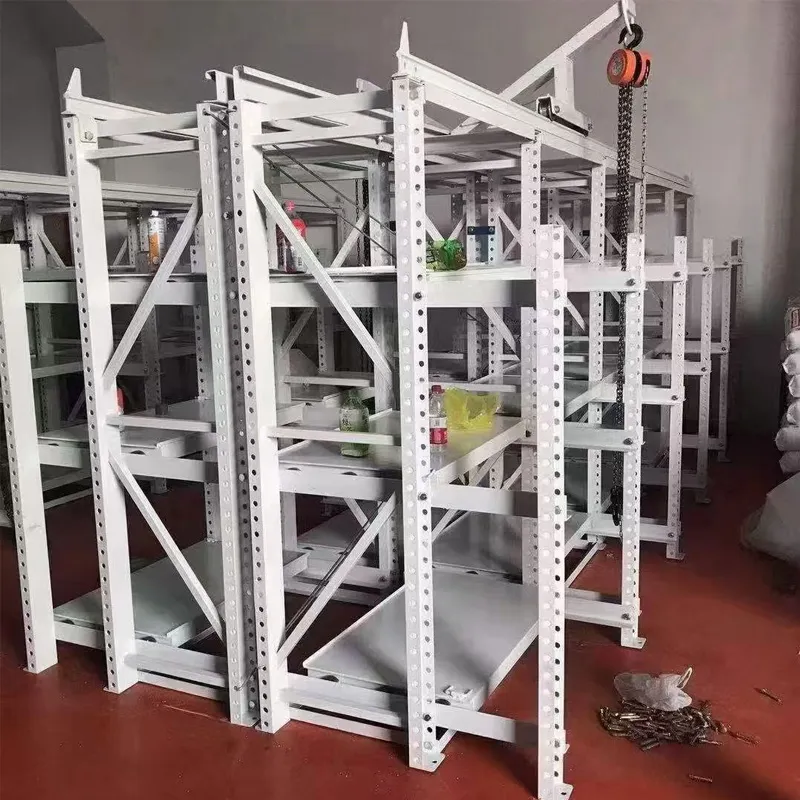
But there is a nuance with the upper tiers. What should I store there? Something that is rarely needed. But how to determine this “rarity”? One of my failed experiences was related to this. We made a beautiful project with zoning based on frequency of circulation. And six months later, the logistics changed, and what was “rare” became “hot”. We actually had to rebuild the placement system, and the upper tiers were idle. Conclusion: the system should be as flexible as possible. Better to useshelving for rear warehouseswith height-adjustable beams at all levels, even if this seems excessive. Rearranging a shelf takes half an hour, but redesigning a storage area takes weeks.
By the way, about adjustment. Many people save on this by ordering fixed positions. Like, we know the sizes of the pallets. But pallets are different, and so is the load on them. Especially in rear warehouses, where anything can be stored - from small boxes with fasteners to large-sized units. Regulation gives freedom, and freedom is speed of reaction.
Choosing a supplier is 50% of success. We need not just a plant that makes hardware, but a partner who can delve into the specifics of rear logistics. For example, I am impressed by the approach of some manufacturers, who first ask a bunch of questions not only about the loads, but also about the type of equipment, the width of the driveways, the delivery schedule, even about the qualifications of the storekeepers.
For example, if we talk about specific companies, there are?Harbin Jusheng Metal Structure Manufacturing Co.,Ltd.. I am familiar with their work firsthand. Their factory is in Harbin,?Jusheng?, really has solid capacity - 20,000 sq. meters. This is not a garage production. For me, as a practitioner, it is important that they carry out the full cycle: from design to service. Why is this critical for the rear warehouse? Because problems always arise that are not standard. And when you have one contractor for the project, production, and service, solving them is much faster. There is no need to find out whether the designer or the assembler is at fault.
I especially note their approach to design. They don't just sell standard beam or shelfracks. They ask about details that many people miss: for example, how the lighting will be organized in the aisles between the racks or how communications will be laid along the floor. Trifle? No. Then hanging the lamp or not touching the pipe with a forklift is also part of the reliability of the system.
I'll tell you a story after which I became a fan of thorough pre-project analysis. We had a fuel and lubricants warehouse in one of our remote branches. The task is to store cans, barrels, and packages of oil. Standard set. The customer decided to save money and bought ready-made shelf racks without consulting with specialists. It seems that everything is fine: they installed it, marked it out.
And three months later problems began. The barrels standing on the upper shelves began to push through the welded mesh shelves under their own weight. They were designed for evenly distributed weight, rather than a point load from the bottom of the barrel. Plus, the vibration from the operating equipment nearby led to the bolts unscrewing themselves. I had to urgently reinforce the shelves with sheet metal and install lock nuts. The additional costs and downtime offset all the initial savings.
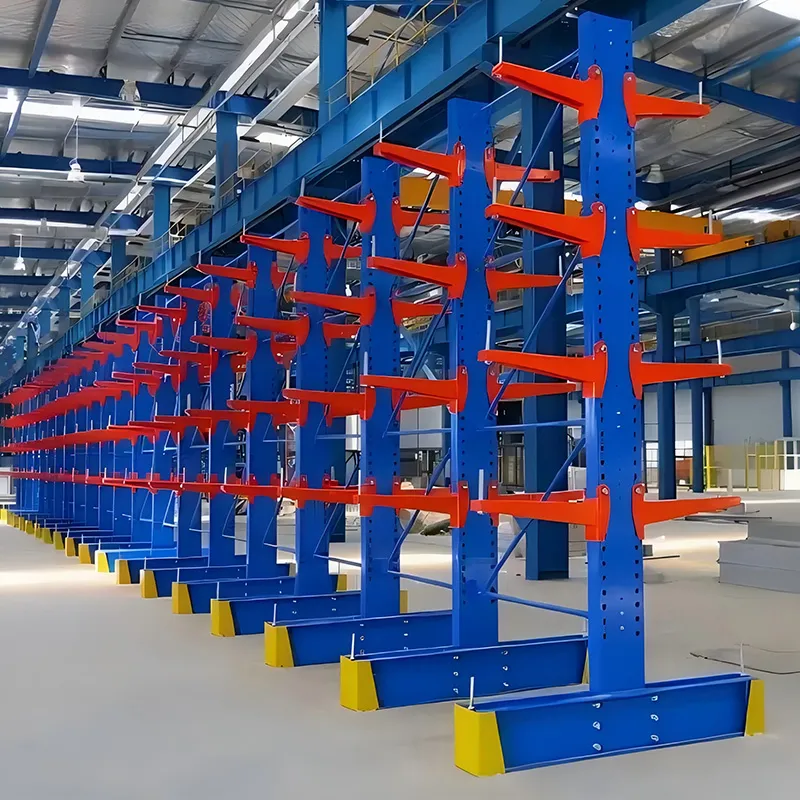
Moral: for non-standard cargo (and barrels and canisters are already non-standard) an individual calculation is required. Or at least a consultation. Now, when working with such tasks, I always recommend consideringcantilever racksor reinforced shelf systems with all-welded shelves rather than mesh. Yes, these are products of a different class, but they solve the problem at the root.
So where am I leading with all this?Shelving for rear warehouses- it is always a system tailored to specific, often “non-ideal” ones. conditions. It cannot be purchased from a catalogue. It needs to be designed taking into account a thousand little things: from the brand of the forklift to the psychology of the warehouseman who will work in this warehouse.
The key word is adaptability. The metal structure must allow changes. Today we store spare parts, tomorrow we store winter equipment. Today an electric forklift is working, tomorrow a diesel one with large dimensions has been brought in. The system must accept this without catastrophe.
Therefore, my main advice is: do not skimp on design and do not choose a supplier based only on the price per ton of metal. Look for someone who asks a lot of questions and is willing to dive into your process. Like the same specialists from the Jusheng plant, who start the conversation not with the price list, but with questions about the specifics of the object. As a result, you will receive not just shelves, but a working tool that will serve for years and not create emergency situations. But in logistics matters, reliability is not an advantage, it is a basic requirement.