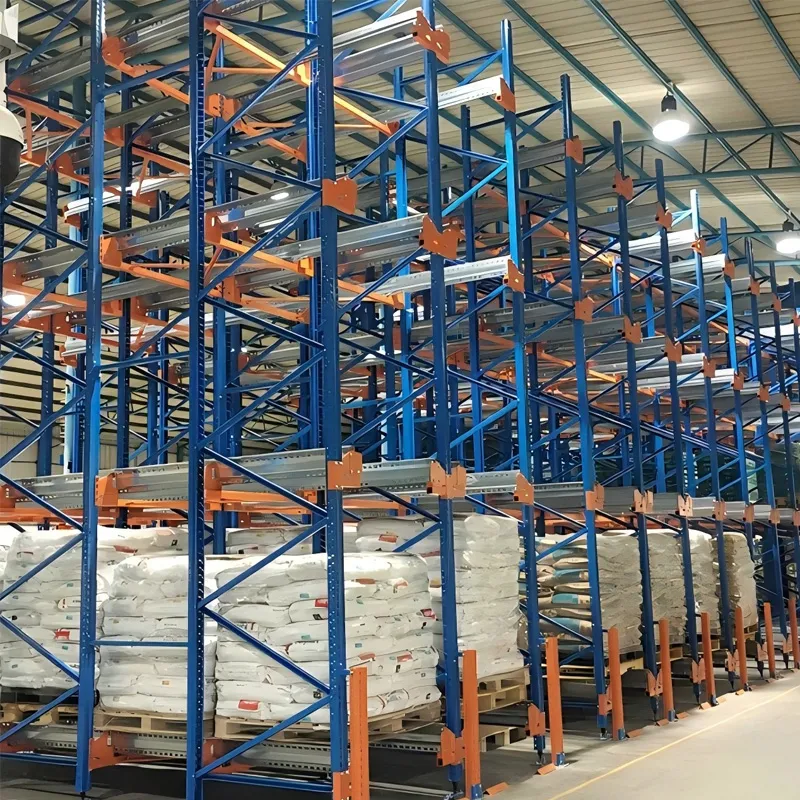
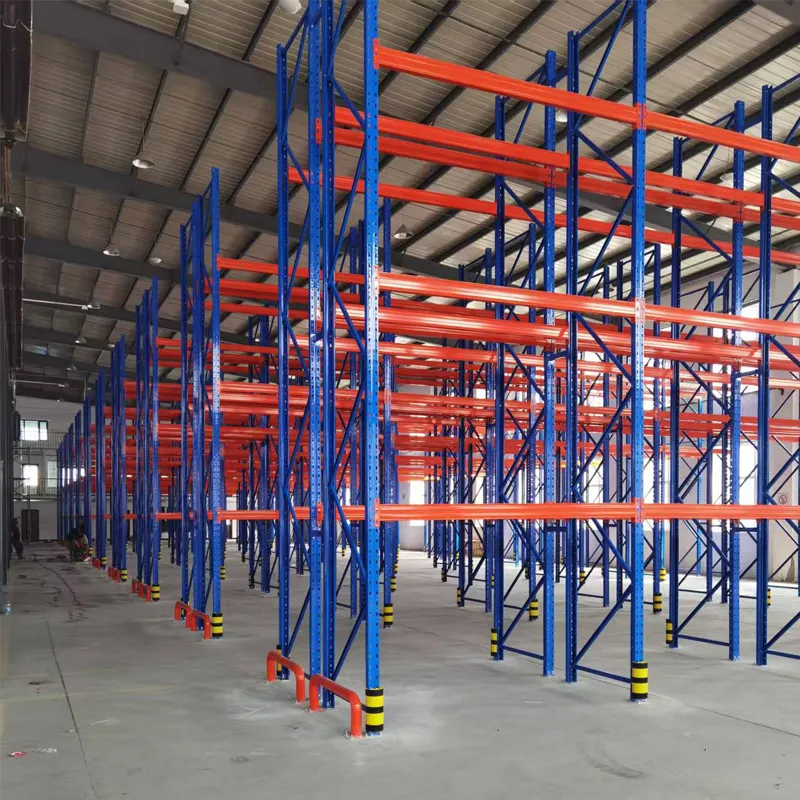
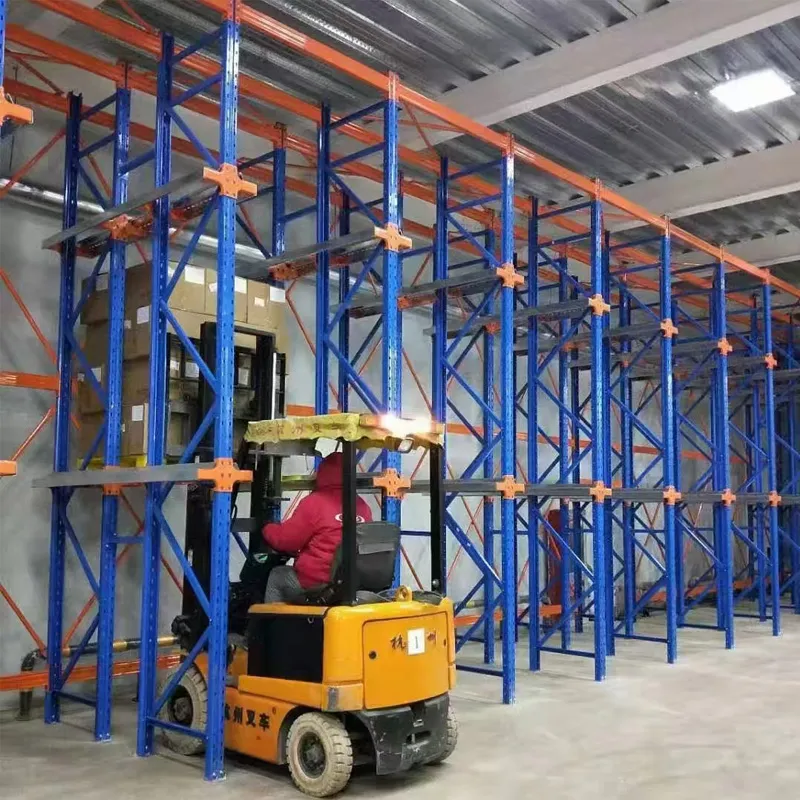
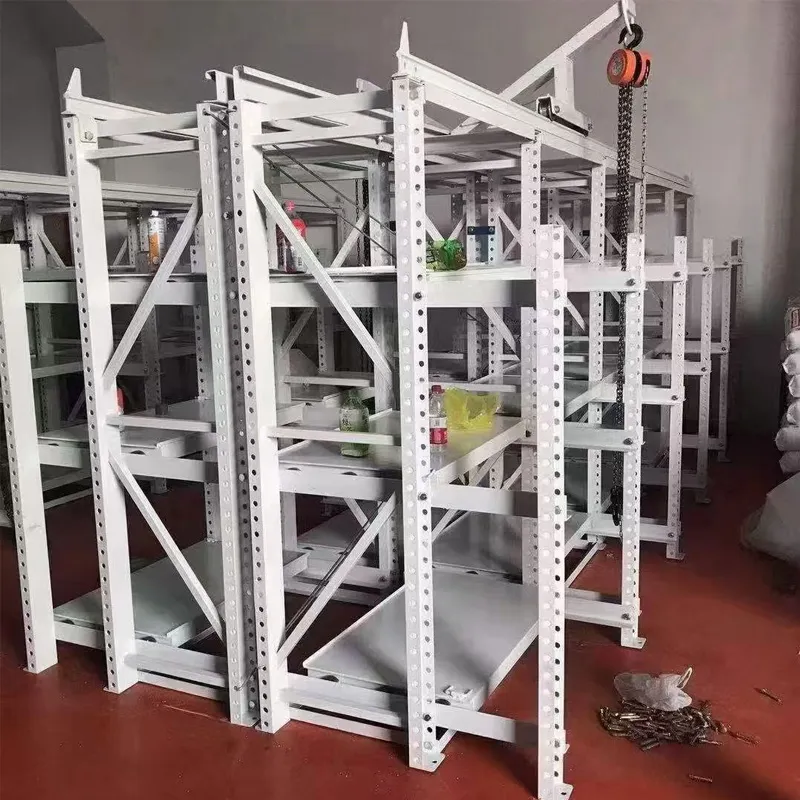
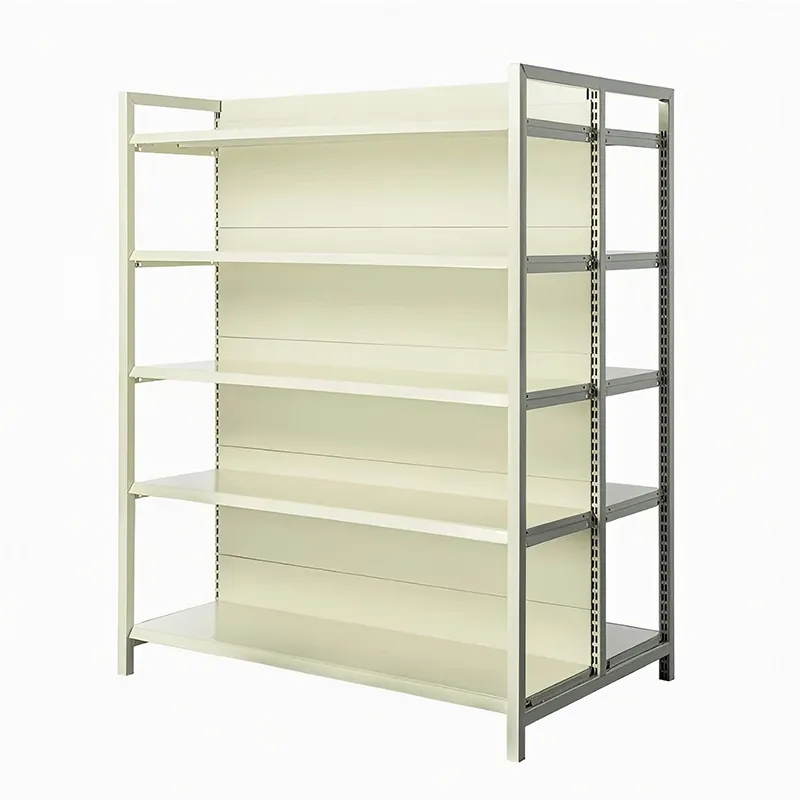
When you hear “racks with pull-out shelves,” many people immediately think of kitchen cabinets or archival filing cabinets. This is where the first professional pitfall lies. In an industrial and warehouse context, this is a completely different level of engineering challenge, where load is measured not in kilograms, but in tons, and smooth operation is not a matter of comfort, but a matter of safety and durability of the entire system. A common mistake made by customers is to try to save money by installing conventional ball guides on such structures, which after six months of intensive work will simply fall apart under the weight of pallets of spare parts or product packaging.
That is why design has always been a key stage for us. You can’t just take a drawing of a regular shelf rack and screw pull-out mechanisms onto it. It is necessary to recalculate the entire load, the displacement of the center of gravity, and the dynamic forces when extending under load. In our project, for example, for one of the logistics centers near Khabarovsk, we initially included a safety margin of 1.5 times higher than the calculated one. It would seem that there is an overconsumption of metal. But when the operator accidentally caught the engine shelf, which had been extended to its full length, with a loader, the system did not even flinch - it simply rolled back along the guides. This saved both the cargo and, more importantly, the people.
It is important to understand the difference in approaches here. Some manufacturers, especially beginners, skimp on the quality of steel for the platform shelves themselves. They use a thin bent profile that bends over time. We insist on a welded structure made of steel sheet with stiffeners. Yes, it is heavier and more expensive to manufacture, but the shelf remains perfectly level even under maximum load, and the carriage moves without distortion. Once I had to redo an order from another supplier - the client complained that the shelves were jammed. During disassembly we saw that the platform had a propeller. curled up in just three months.
The issue of guides stands apart. Roller trolleys with ball bearings, special tires for heavy loads - the choice depends on the scenario. One thing is suitable for archival storage of documents, but something completely different for storing metal blanks in a workshop. We experimented with the braking and fixation system for a long time. A simple locking pin turned out to be unreliable - it’s easy to forget to pull it out before moving, and then both the guides and the pin itself break. As a result, for heavy series, a friction brake with smoothly adjustable force was introduced, which dampens inertia when extending and prevents the shelf from moving out spontaneously.
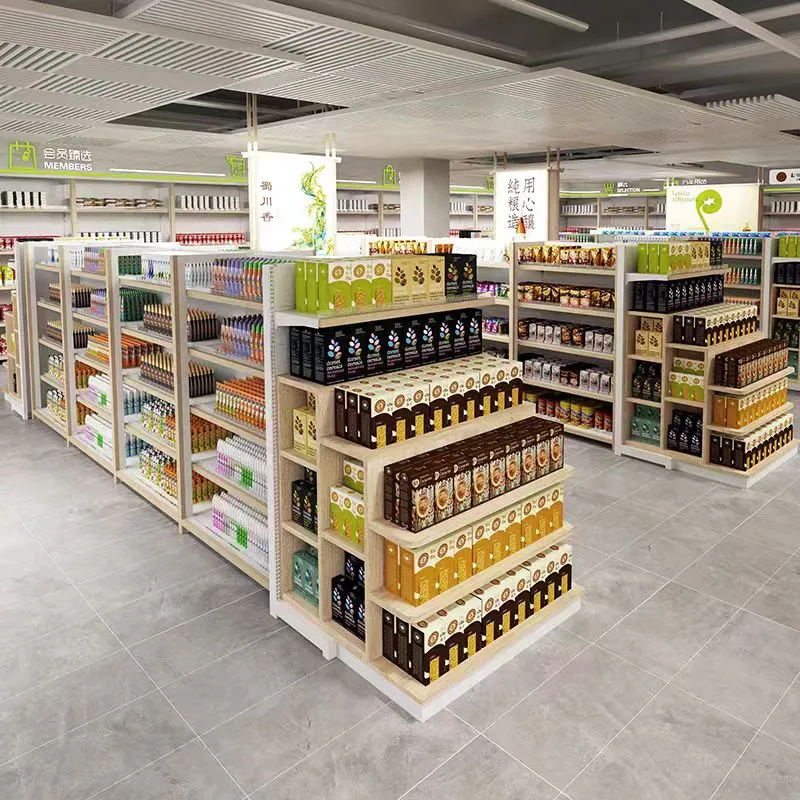
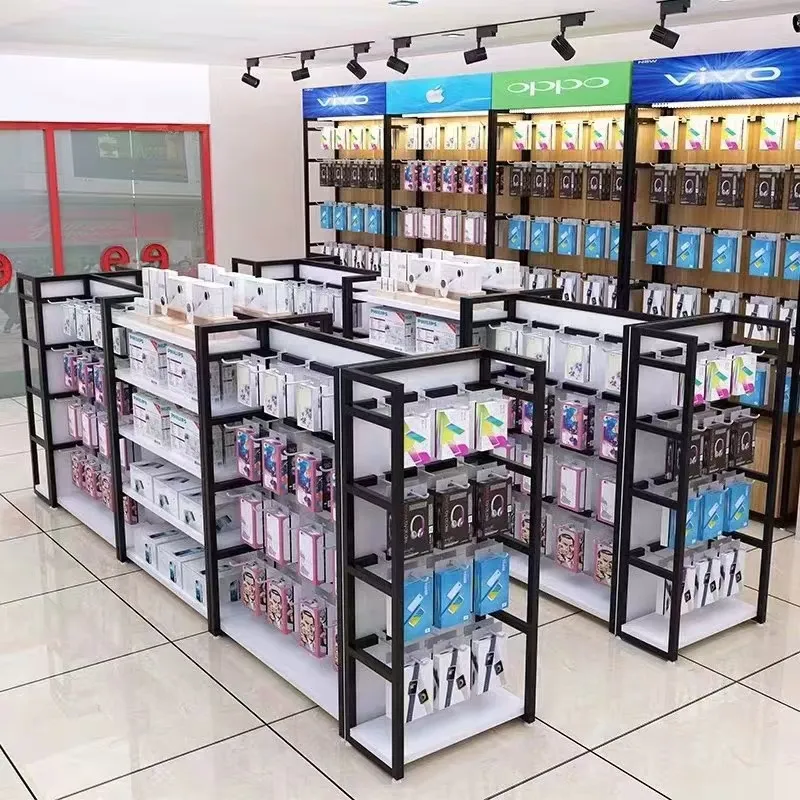
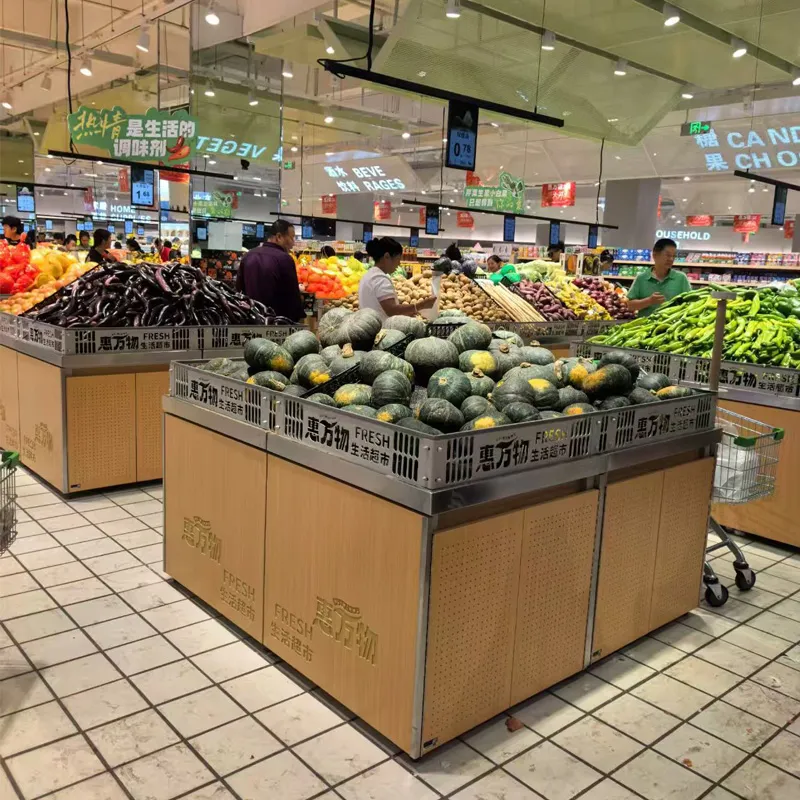
One of the most illustrative cases was related not to a warehouse, but to a sales floor. It was about demonstrating large-sized auto parts - wheel rims. The client needed compact storage with easy access to any model.Racks with pull-out shelveshere became the ideal solution, but there was a problem with visualization. When the shelf is pushed back, the buyer does not see the product. We had to develop special mounts for plates with photos and articles on the end of each platform. Trifle? No, it’s details like these that determine whether the system will actually work for the business or just take up space.
In logistics, the main enemy is time. We installed the system in a pharmaceutical warehouse, where the speed of selecting small batches was important. Initially we planned shelves of standard depth. But during the installation process, after talking with the storekeepers, we realized that they critically lacked enough hand space to take the box from the back row. We had to promptly, already on site, recalculate and shorten the extension depth by 15%, leaving a static area in the rear for long-term storage. This increased the number of cells, but most importantly, made the work ergonomic. If it weren't for this "field" advice, the system simply would not reach its potential.
Another point that is often forgotten is the condition of the floor. It would seem, what does the floor have to do with it if the shelves are retractable? And despite the fact that the entire structure, especially in a multi-tier design, transfers the load to the base pointwise. We once almost got into trouble while installing high shelving in an old hangar. During the first test run of the loader next to the rack, the entire structure swayed noticeably. It turned out that the concrete floor underneath had voids. It was necessary to carry out additional strengthening of the base and use adjustable supports with a larger sole area. Now this item is a mandatory item in our pre-installation checklist.
All these developments and mistakes would have been impossible without a serious production base. When you see how such systems are assembled in a makeshift workshop from a ready-made profile, simply cutting it with a grinder and tightening it with bolts, you understand that the service life of such a structure is calculated in months. True reliability is born on the conveyor, where every cut is made with a laser with millimeter precision, and every weld is checked.
Here, for example, at our plant in Harbin -?Harbin Jusheng Metal Structure Manufacturing Co.,Ltd.— separate automated lines are allocated for this. Area of 20,000 sq. meters - this is not just a warehouse, it is a space for the full cycle: from metal cutting to painting in a polymerization chamber. When we designed our lineracks with pull-out shelves, then they immediately built into the design the possibility of using different thicknesses of metal depending on the load capacity. A frame for archival documents and for storing sheet glass are, as they say in Odessa, “two big differences”. And production must take this into account technologically, and not just offer to “strengthen” it. standard model.
It is the full cycle, from drawing to installation and service, that offersHarbin Rack Factory ?Jusheng?, and allows you to avoid those very fatal mistakes. Because those who only sell outsource installation and modifications. And when everything is in the same hands - the designer, the welder, and the installation team - responsibility is not blurred. If a problem arises on site, it is not solved by a subcontractor, but by the same engineer who saw this project in the CAD system. This is fundamental.
There is a lot of talk about automation these days. The idea to equippull-out shelveselectric drive with remote control or integration into WMS is in the air. We tried pilot solutions. Technically this is feasible, but so far it is economically justified only for high-turnover warehouses with very expensive goods, where every second of operator downtime counts. For most customers, the key remains the ratio of reliability, price and maintainability. Complex electronics in a workshop environment with dust and temperature changes are additional risks.
I don’t see “smart” as a more promising direction. filling, but materials and ergonomics. For example, using composite coatings for shelves that reduce friction, or developing more comfortable and safer pull-out handles. Sometimes a simple rubber coating on the handle solves the problem of a gloved operator's hand slipping. Or a smooth self-closing system, like good furniture, but designed for hundreds of kilograms. This is what you really feel in your daily work.
In the end, back to the beginning.Racks with pull-out shelves- it's not just fittings and metal. This is a complex engineering solution where every millimeter, every weld and every use case taken into account is important. It cannot be purchased from a catalog; it must be designed and manufactured for a specific task. And the main sign of quality is when, after several years of intensive use, a storekeeper or seller, using the system, does not remember its existence. Because it just works. No squeaks, no jams, day after day. And this is the best rating for any professional storage system.