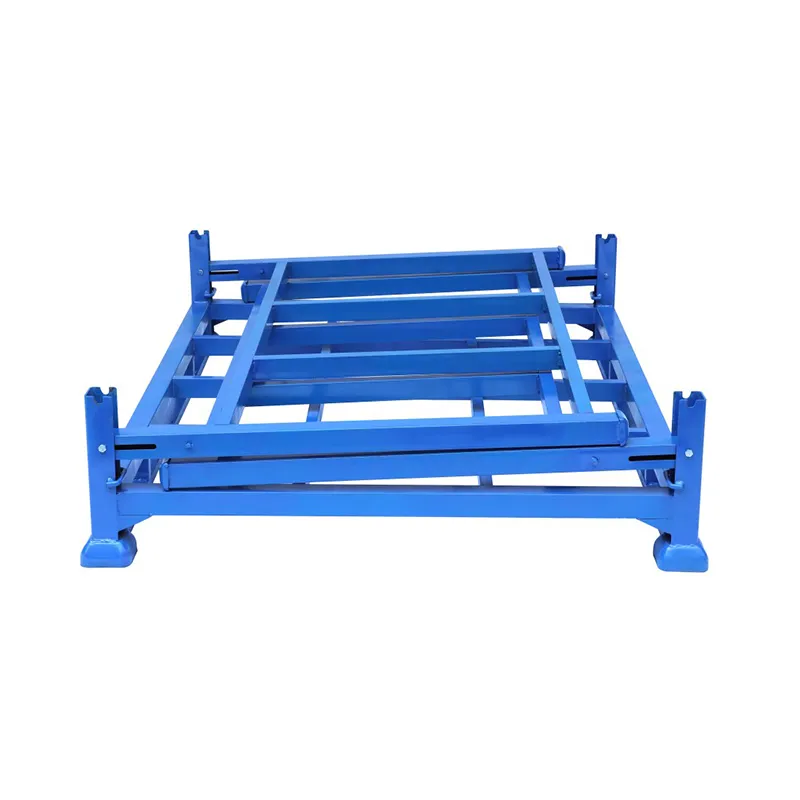
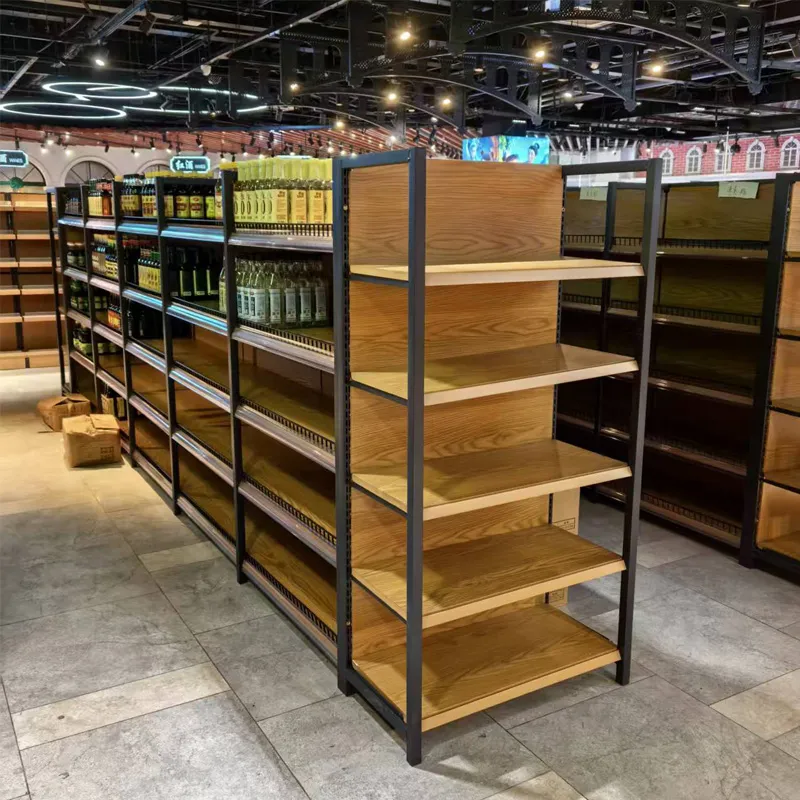
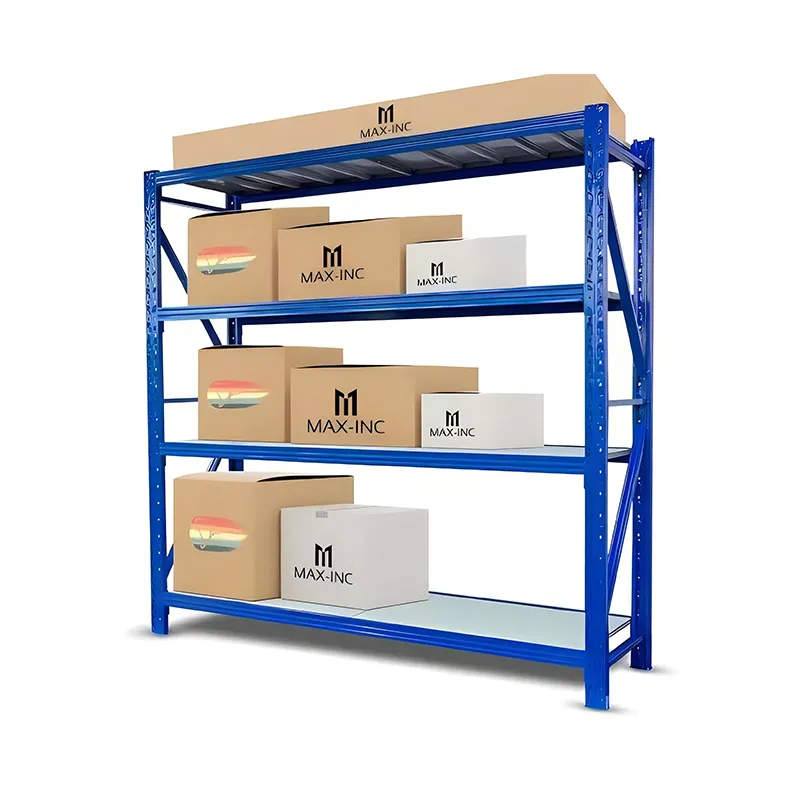
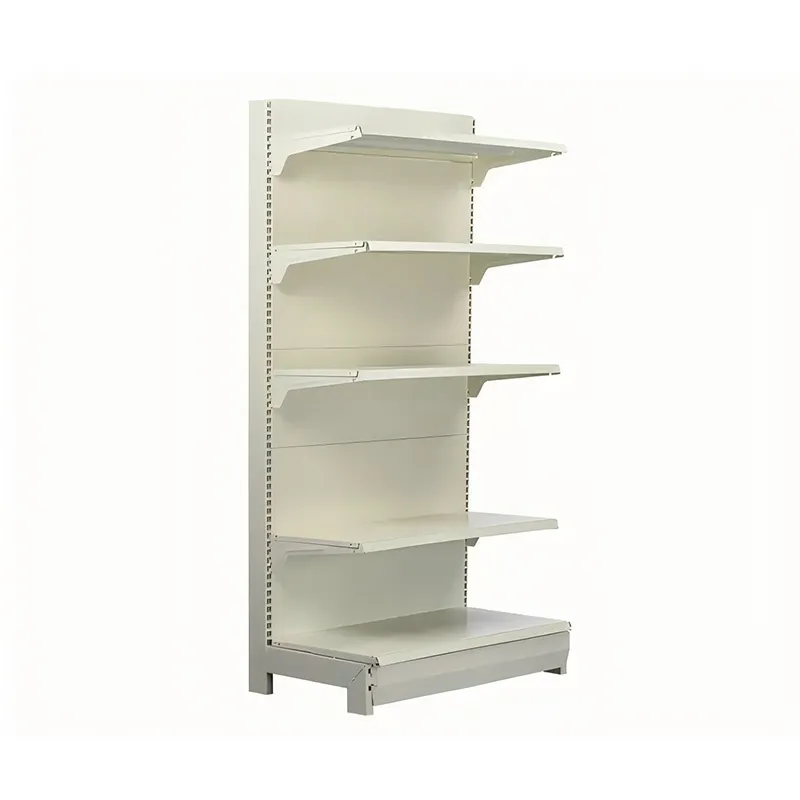
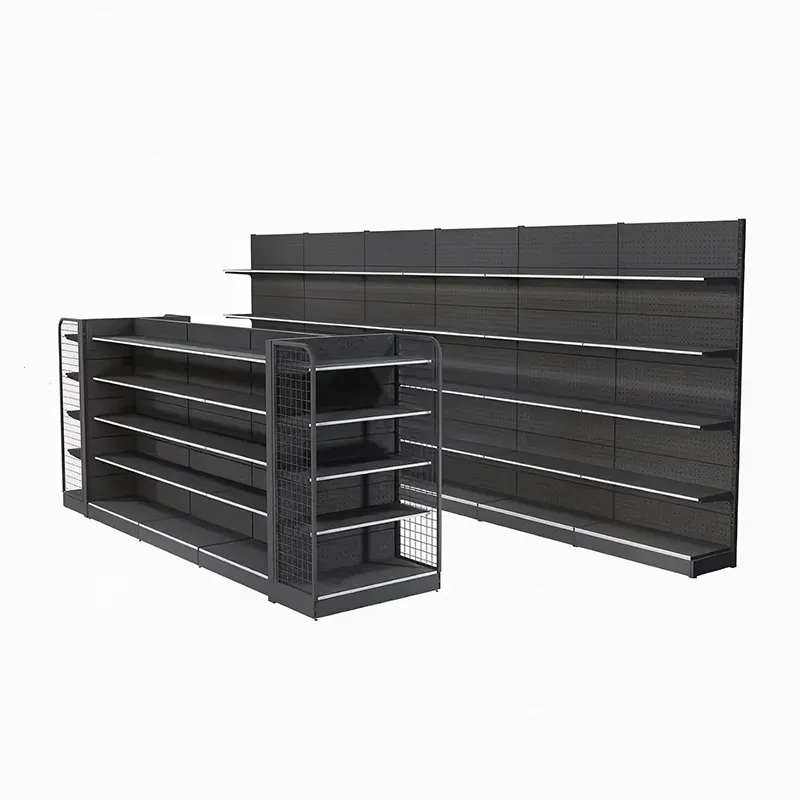
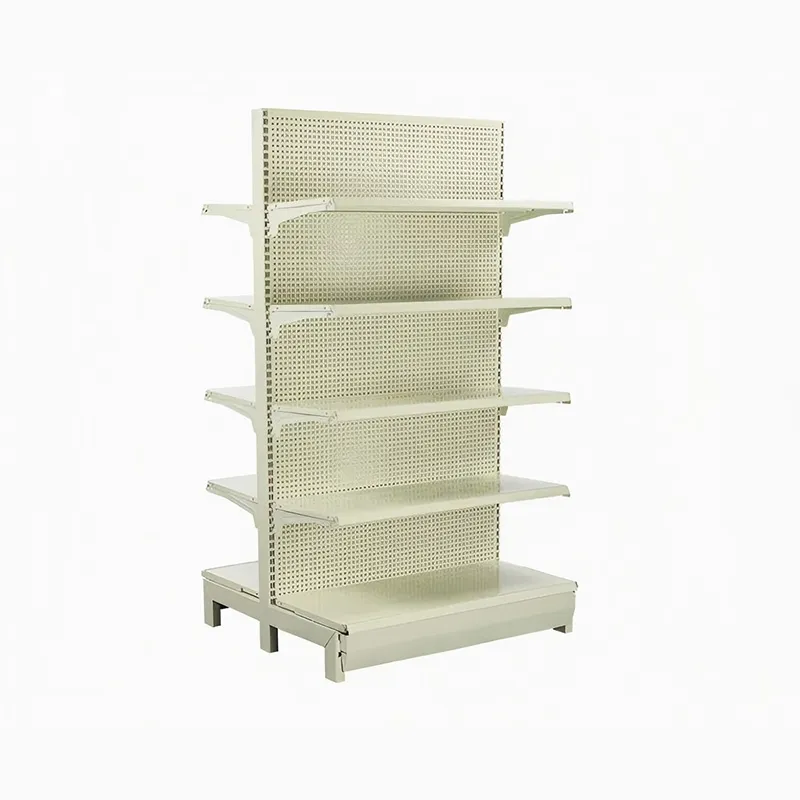
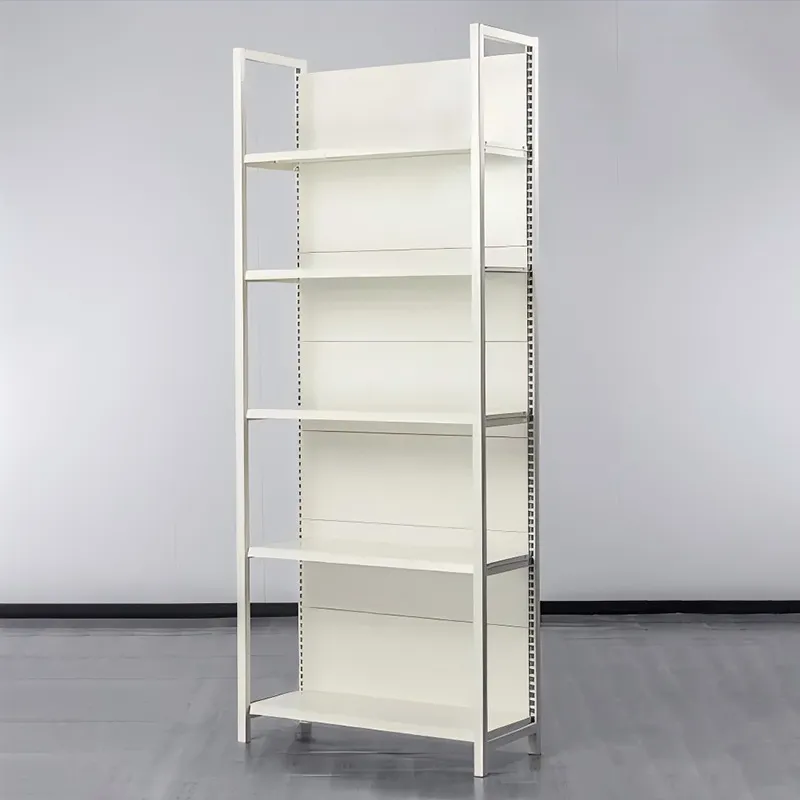
When you hear “racks for warehouses?”, many people think of simply welded corners - set it and forget it. In fact, this is a system on which logistics, cargo safety and, ultimately, profit depend. An error in selection or installation will come back to haunt you every day of downtime or extra meters of unused height. I went through this myself when ten years ago I decided to save on design by buying “standard” ones. solutions. The result was chaos and constant problems with access to pallets.
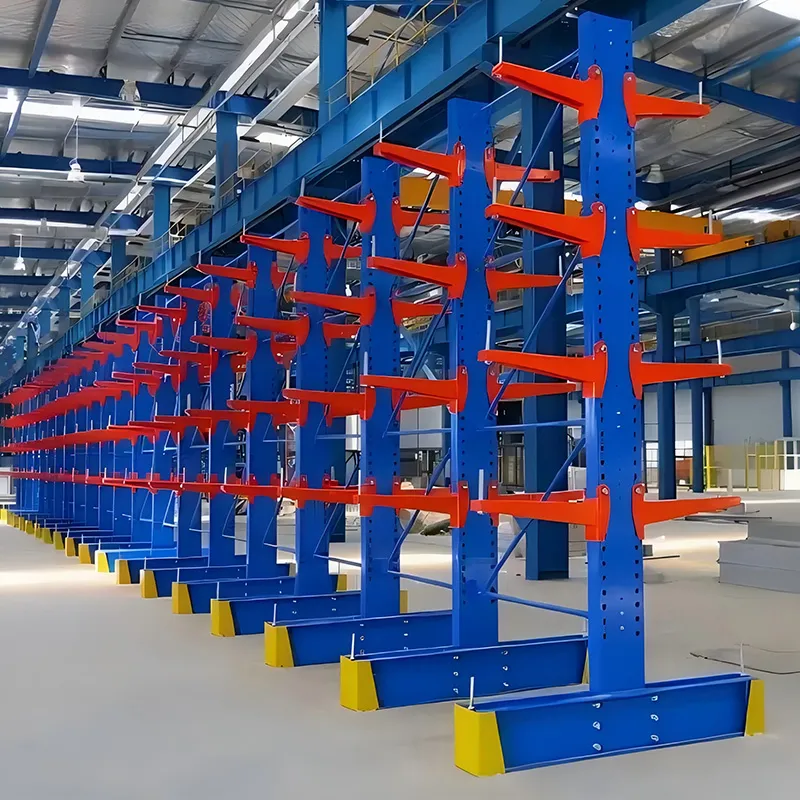
The main lesson of those years is that there are no universal solutions. The parameters of the warehouse, the specifics of the cargo, the equipment that will work - all this dictates the configuration. For example, for long items like pipes or profiles, they are idealcantilever racks, but if you incorrectly calculate the reach of the console and the load on the attachment point, the entire structure can “fail”. I saw this at one of the facilities near Khabarovsk - it had to be completely redone.
Now I work differently. I always start with an analysis: what we store, how often we ship, what is the height of the room, what is the floor load. Often customers want to fill the area as much as possible, forgetting about the passages for stackers. We have to explain that the 30 cm saved on the passage width will then result in hours of equipment downtime and the risk of damage to both the cargo and theshelving for warehouses.
Here, by the way, full-cycle manufacturers perform well, they do not just sell hardware, but can design a system for a specific object. For example, I knowHarbin Rack Factory ?Jusheng?(Harbin Jusheng Metal Structures Manufacturing LLC). They have been operating since 2019, and what is important is that they have their own production area of 20,000 m2 near Harbin. This allows them to control quality at all stages, from metal cutting to painting, and flexibly change parameters for the project, rather than offering only what is in stock.
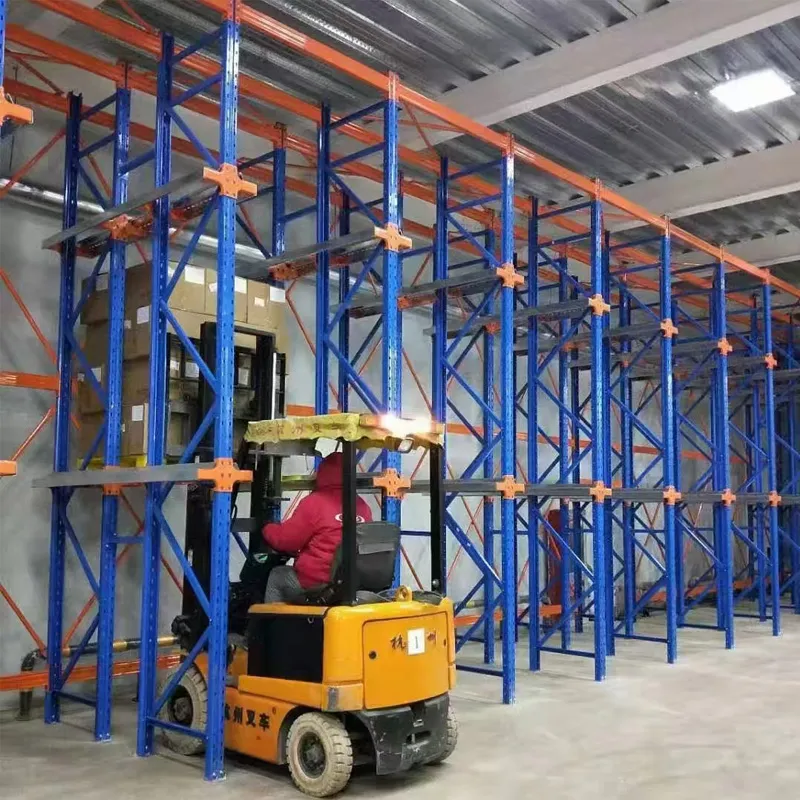
The most common type is, of course, palletracks. But there are nuances here too. Classic beam (crossbar) ones are good for manual picking, but if a stacker with retractable forks is used, a special calculation of the distances between the beams and their strength is needed. Once I encountered deformation of beams due to the fact that the forks, when lifting a pallet, caught an adjacent beam - the designer did not take into account the trajectory of the equipment.
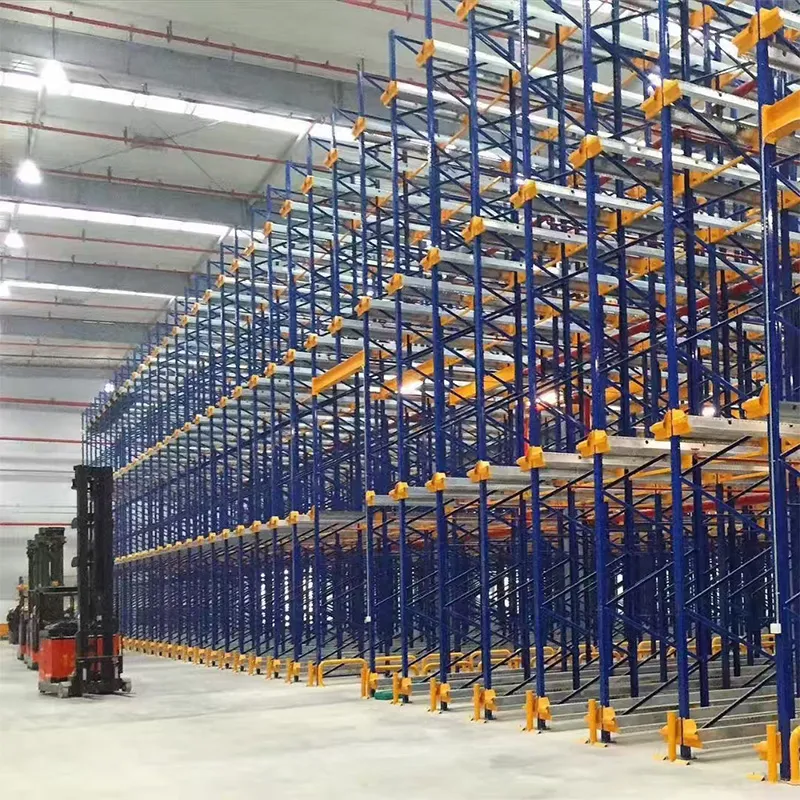
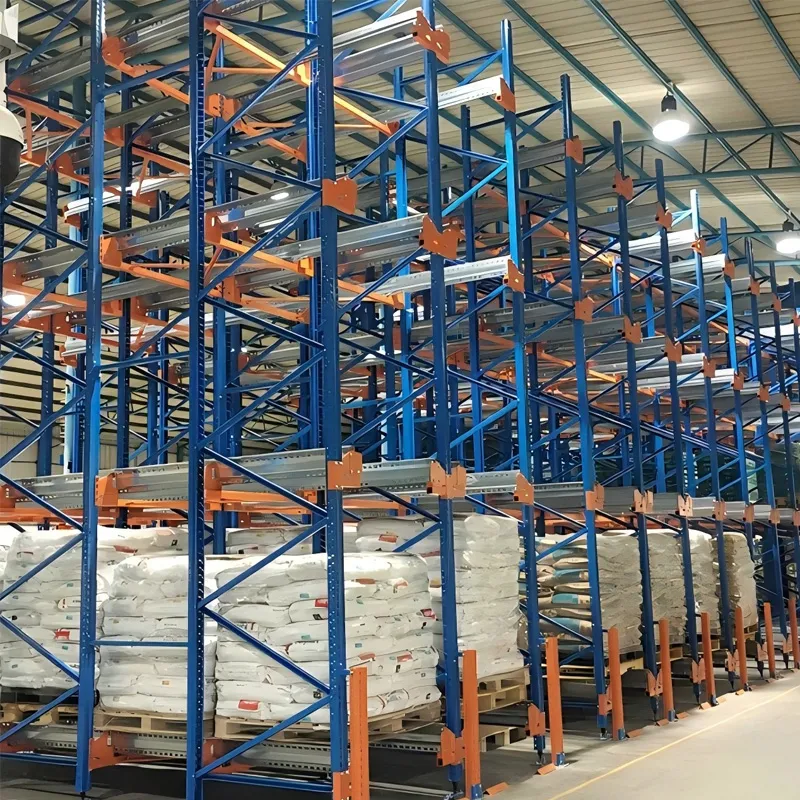
For warehouses with high ceilings (from 10 meters) and high turnover, people now often look away fromracks for four-way shuttles. The system is expensive, but the storage density and operating speed are incomparable. However, its implementation is not just about buying shelving. You need a perfectly flat floor surface, precise installation and well-functioning software to control the shuttles. Without competent engineering at the project stage, it is easy to throw money away.
Another interesting option is mezzanine systems. A great way to effectively use the warehouse space by organizing multi-level storage or even office space on the second tier. But safety is critically important here: calculation of loads on additional levels, reliability of fences, convenience of stairs. Design it ?by eye? - crime.
You can buy the best shelving in the world, but crooked installation will negate all the advantages. Personally, I prefer to work with suppliers who provide turnkey solutions. - from design to installation and service. Because if something goes wrong, you don’t need to find out whether the metal structure manufacturer or the installers you invited is to blame.
On the websitejshj.ruthe same plant ?Jusheng? it is clear that they position themselves as a full-cycle enterprise: design, production, sales and after-sales service. This reduces risks for the client. When one contractor is responsible for the entire chain, it is easier to achieve quality and meet deadlines. This is especially important for large logistics centers, where a delay in the introduction of racking equipment paralyzes all work.
During installation, I always pay attention to two things: the accuracy of leveling and the quality of fastenings to the floor. Insufficiently tightened anchor bolts are the most common reason for “walking”? designs. And if the rack begins to deteriorate, it loses its load-bearing capacity, and this is a direct threat to the safety of workers.
Metal thickness, steel grade, coating type are not just numbers in the specification. For food warehouses or chemical products, a special powder paint with increased durability is needed. In cold, unheated hangars, it is important that the metal does not become brittle. I saw how in one of the warehouses in Siberia cracks appeared on the beams along the welded seams precisely because the steel did not meet the temperature conditions.
Automated lines, like the ones Jiusheng says they have, are good for quality. Robotic welding and cutting produce consistent results, part after part. Manual assembly on site is inevitable, but the more precisely the components are made at the factory, the faster and more reliable the installation will be.
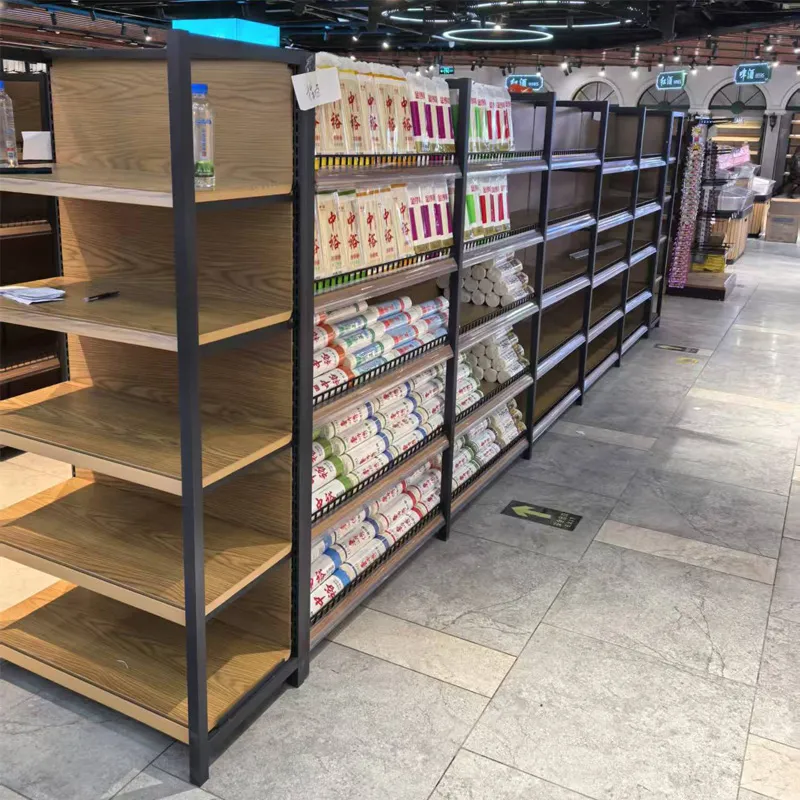
Another point is accessories. Shelves, dividers, protective fences at the ends. It seems like a small thing, but without them the system does not work 100%. For example, storing small parts on shelving racks without dividers will quickly turn into a mess.
The “buy low” approach in our industry almost always leads to additional costs in the future. goodwarehouse racksis not an expense, but an investment in business efficiency. They must last for years, withstand constant loads, and adapt to changing tasks.
Therefore, now, for any serious project, I always insist on a thorough pre-design analysis and selection of a reliable manufacturing partner who can not only manufacture, but also take responsibility for the entire process. Like those I wrote about above -Harbin Rack Factory ?Jusheng?, with their full cycle and own capacities. This gives you confidence that if you have questions about the project or warranty case, you will have someone to ask.
After all, the warehouse is the heart of logistics. And the racks are its arteries. If they are designed and made wisely, everything works like clockwork. If not, the problems will be constant and expensive. Tested in practice.