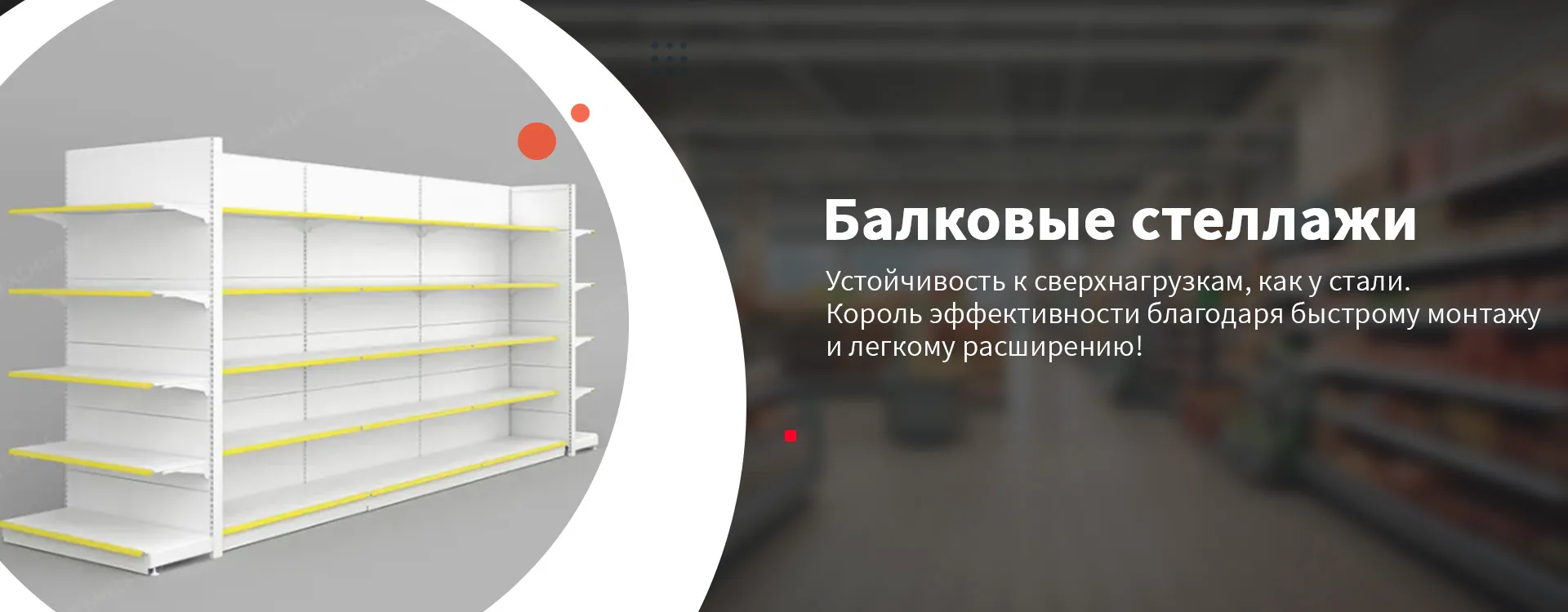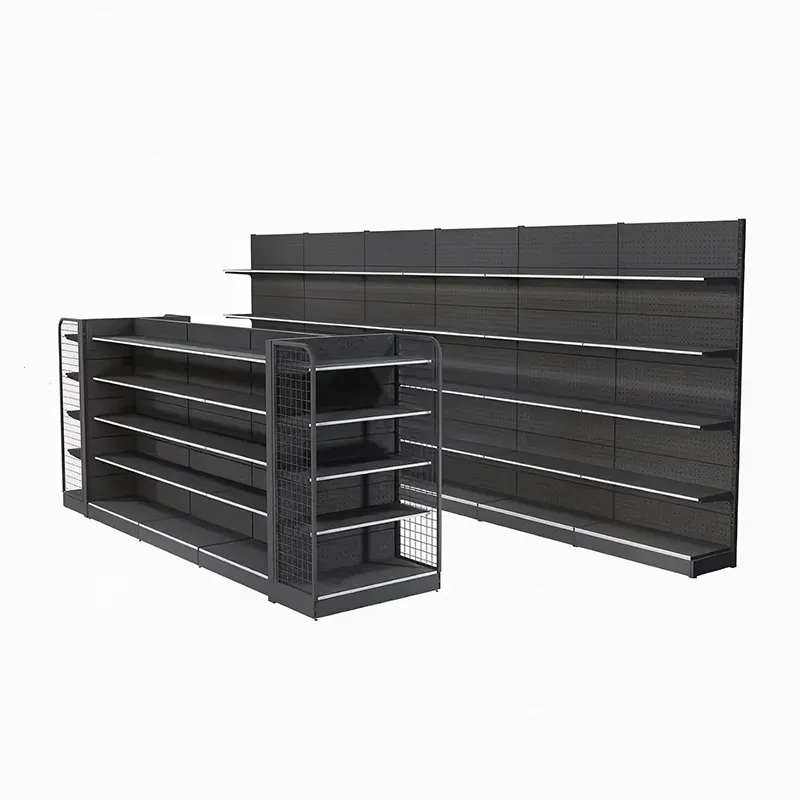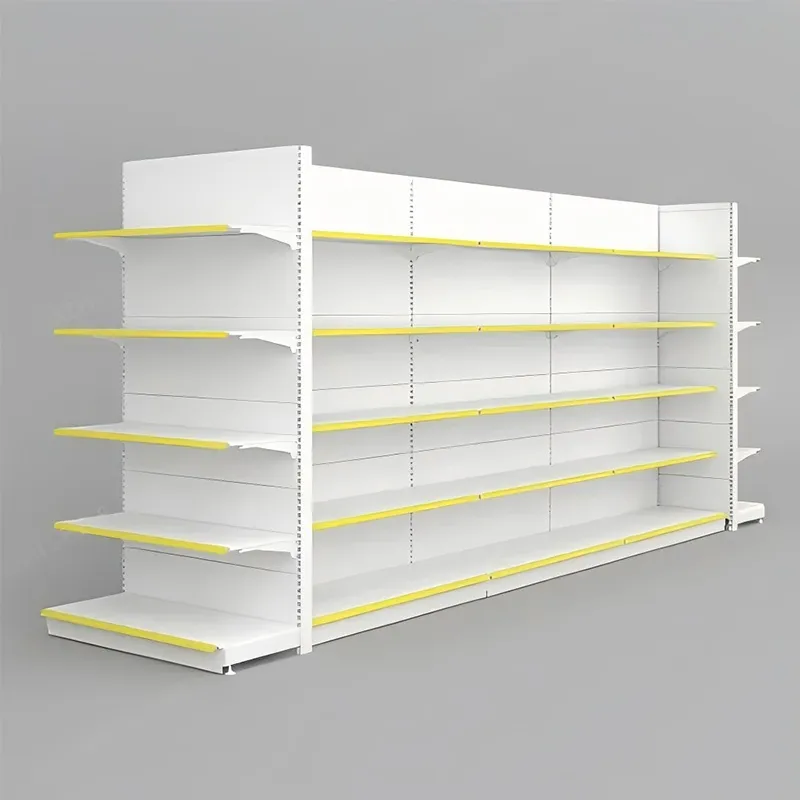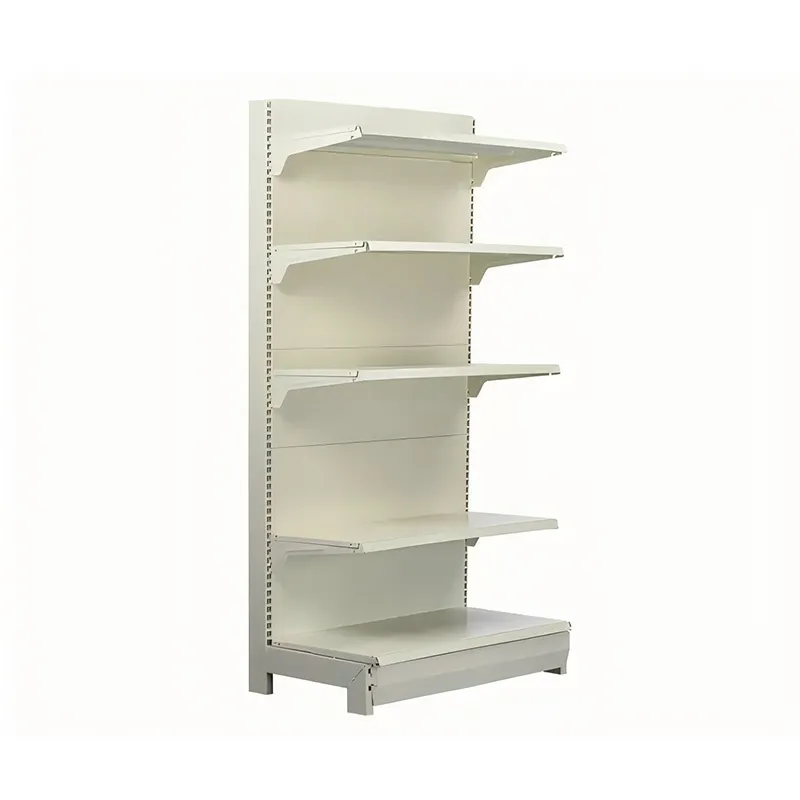
To be honest, when many customers or even some colleagues say “gravity shelving,” the first thing that comes to mind is just angled shelves. And therein lies the main pitfall. They focus on the angle of inclination, on the rollers, but the essence is in calculating the entire system for a specific load and the specifics of the product. I myself have seen projects where everything seemed to be according to the catalogue, but in practice the tray at the end of the row was “snacked”. or dangerous inertia arose. These are not shelves, this is a dynamic system where every part from the profile to the brake unit works in conjunction.
Take, for example, the very slope of the shelves. The figure of 3-5 degrees is not a dogma, a starting point. For heavy, dense pallets with metal or drinks in glass, one calculation is needed, for light but bulky boxes - a completely different one. An error of a couple of degrees can lead to either the load not moving from its place without outside help, nullifying the ideagravity racks, or to uncontrolled acceleration. I remember an incident in one of the food warehouses: they installed the system under a standard pallet of weight, but did not take into account that the products in the film have a completely different coefficient of friction. As a result, we had to modify it on site and strengthen the brake sections.
What about the guides themselves? Here, the choice between roller and wheeled ones is a whole science. Roller systems, let’s say, are more versatile and smooth, but for very heavy loads or aggressive environments, sometimes wheel systems with a certain pitch are more reliable. But they also have a limit - vibration and noise when moving. Sloping shelves must provide more than just movement, but a predictable, smooth and safe glide from loading point to unloading point. Any knocking or jerking is a risk of damage to both the load and the structure.
And of course, braking zones. Their arrangement is pure practice that comes with experience. Theoretically, they can be calculated using formulas, but in a real warehouse there are always variables: uneven loading, human factor, temperature fluctuations. I often see that they skimp on this element or use standard solutions. And then they wonder why the last pallet in the row arrives with such force that the loader barely has time to catch it. Brake system ingravity racks with inclined shelves- this is insurance, and it cannot be done on a residual basis.
When you are looking for a partner for such systems, you look not at the catalog, but at the production capabilities. We need not just a welder of metal structures, but an engineer who understands dynamic loads. Here, for example, is a Chinese factory?Harbin Jusheng Metal Structure Manufacturing Co.,Ltd.(their website ishttps://www.jshj.ru). They position themselves as a full-service enterprise, and this is the key point. Founded in 2019 in Pingfang District, Harbin, covering an area of 20,000 square meters. m - serious scale.
For me, their interest in the context of gravity systems lies in the stated full cycle: from design to after-sales. If the plant itself designs and has automated lines, this increases the chances of precision manufacturing of critical elements - the same guides, in compliance with geometry and strength. Poorly rolled or poorly welded profile ingravity racksis a guarantee of future problems with alignment and load movement.
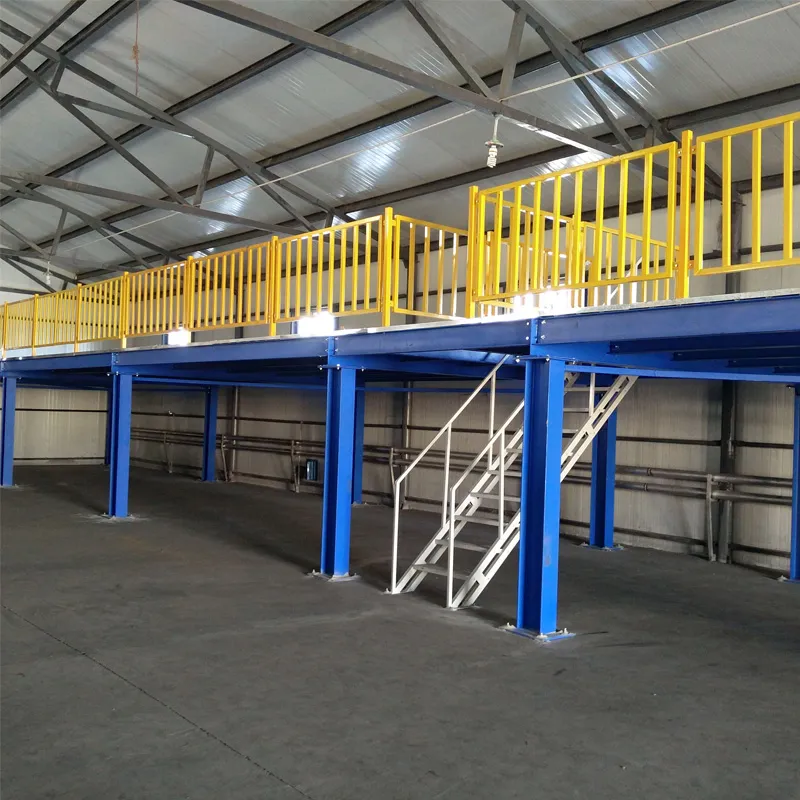
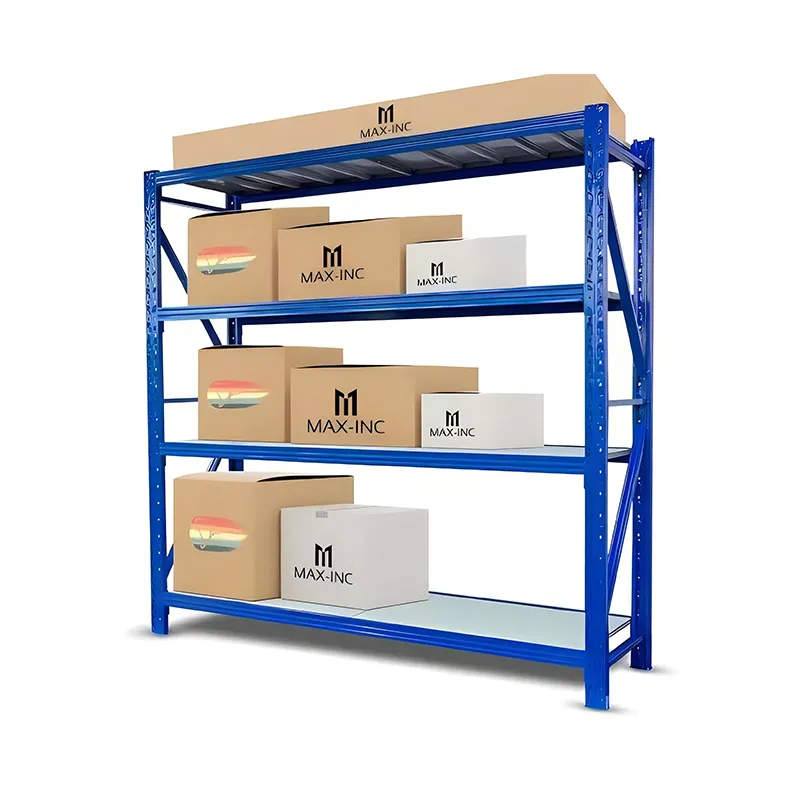
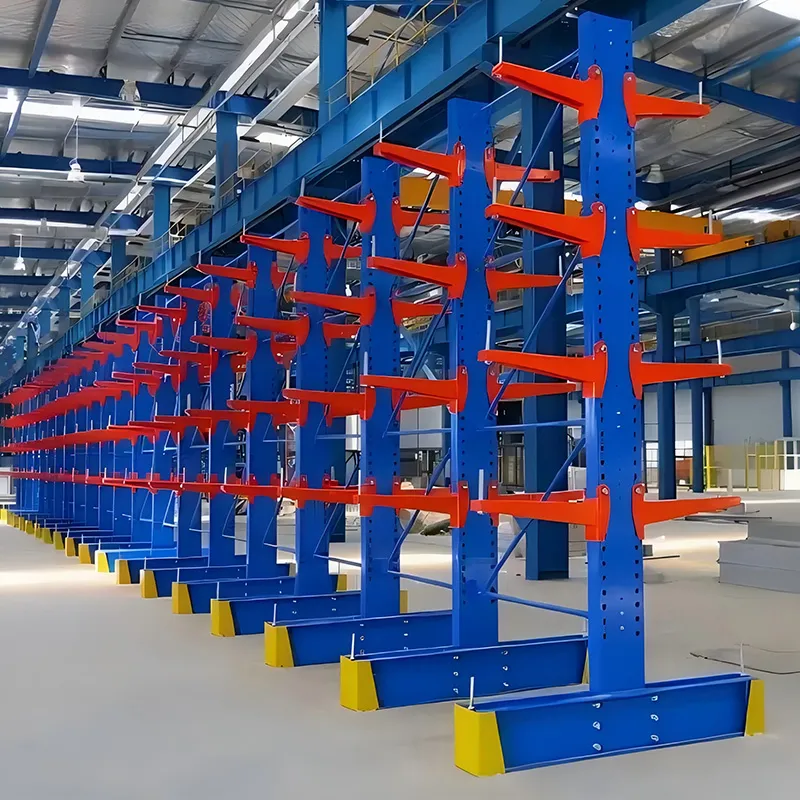
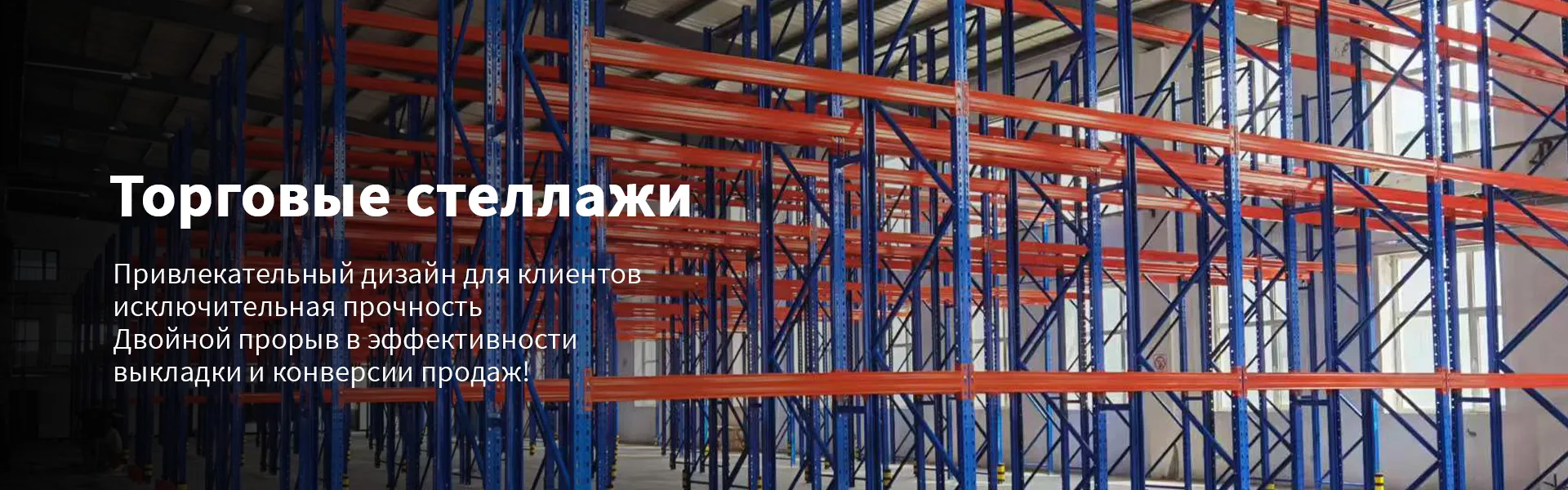
Their portfolio includes a wide range, from trade to shuttle systems. This shows potential flexibility. It often happens that gravity racks are only part of a warehouse solution; they need to be integrated with pallet or mezzanine racks. If the manufacturer does both, there is hope that the docking points will be thought out better than when assembling a “constructor?” from different suppliers. But, again, these are potential capabilities that need to be verified with specific technical specifications and test samples.
A good design can be damaged during installation. The most common mistake is incorrect or careless level setting.Gravity shelving with inclined shelvesrequire ideal horizontality of the base surface and precise adherence to the angle of the assembly. A difference of a couple of millimeters over a row length of 20 meters will result in a serious imbalance. I saw how installers, saving time, leveled the structure with shims without rearranging the anchors. After six months of operation under dynamic load, such racks began to “fail”.
The second mistake is ignoring the condition of the floor. Before installation, you need to not only check the level, but evaluate the load-bearing capacity. Dynamic loading from moving pallets creates different, more complex stresses than static storage. If the floor is weak or already has defects, even the strongest shelving structure will not save you. This is the stage where responsibility is divided between the racking supplier and the customer.
And third is commissioning and personnel instruction. The system is new, but people work in the old way. It is important to explain and practice loading rules: uniform weight distribution on the pallet, centering, prohibition of overloading. Once I came across a situation where the movers, in order to “catch up?” slowly moving pallet, they began to push it. This negates the entire operation of the braking systems and is dangerous. Therefore, commissioning is not just signing a document, but training.
Now the trend is not just separate rows, but deep integration with accounting systems (WMS) and automation. Sensors for monitoring the filling of sections, limit switches signaling the approach of cargo to the unloading zone - these are no longer fiction, but real options that increase efficiency.Gravity shelvingbecome ?smart? warehouse element. And here again it is important that the manufacturer thinks about this at the design stage, lays down the possibilities for installing such equipment, and does not offer it as crutches after the fact.
It's interesting to watch the evolution of materials. Increasingly, coatings or even composite materials are being considered for guides in certain sections (e.g. pharmaceutical or food processing) to reduce noise and wear. These are already industry-specific issues, but the general vector is increasing the durability and adaptability of the system to different environments.
In the end, back to the beginning.Gravity shelving with inclined shelves- this is a precise engineering system, and not a collection of metal at an angle. Its success depends on three pillars: competent design for specific tasks, high-quality production with control at all stages (here such complex players as the mentioned Harbin plant are important) and professional installation with training. If you miss one element, you will get headaches and constant repairs instead of an effective FIFO. Tested in practice.