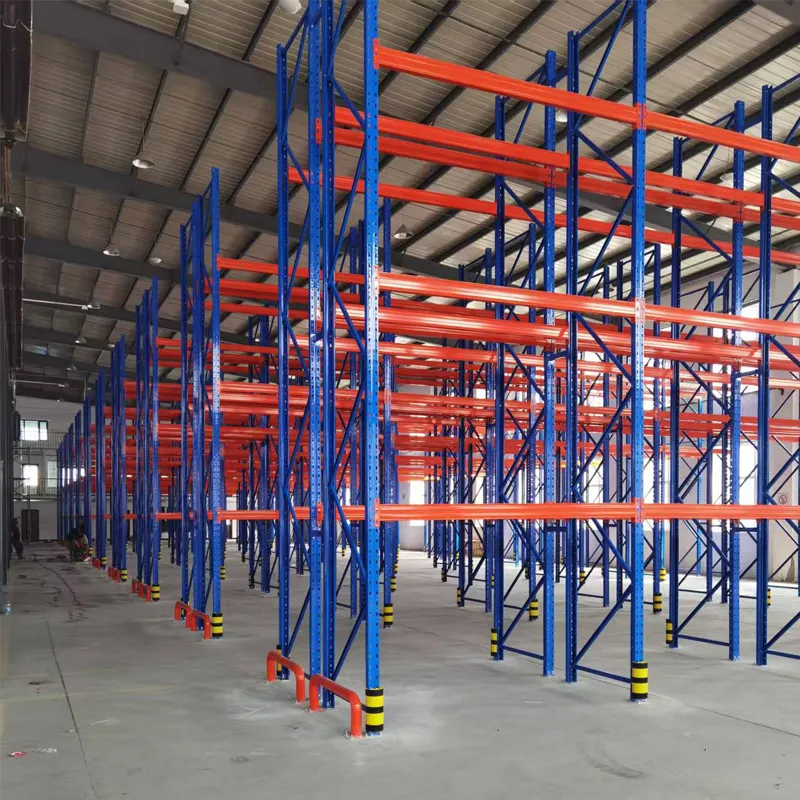
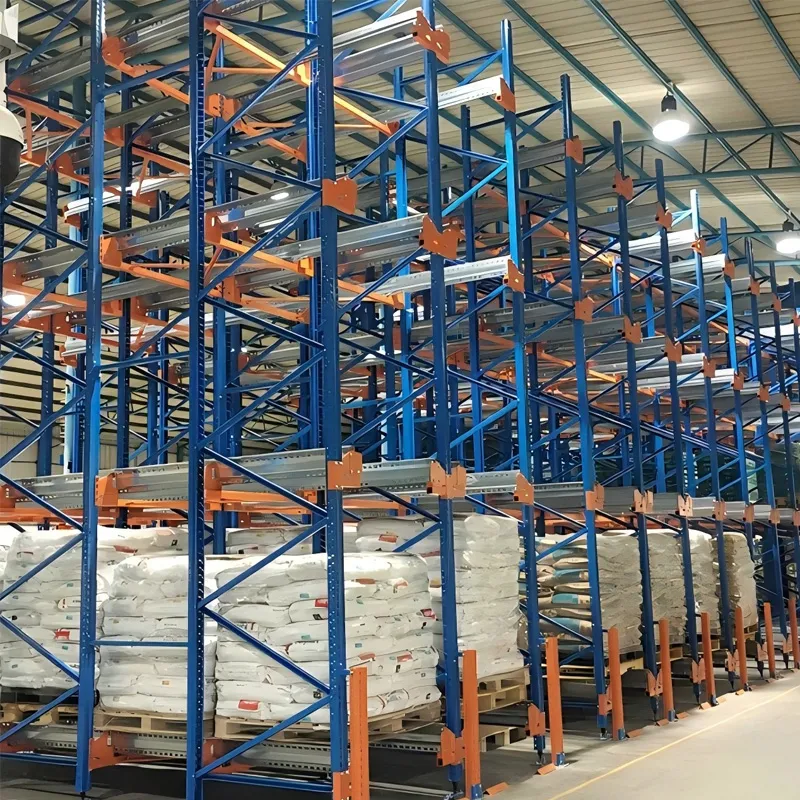
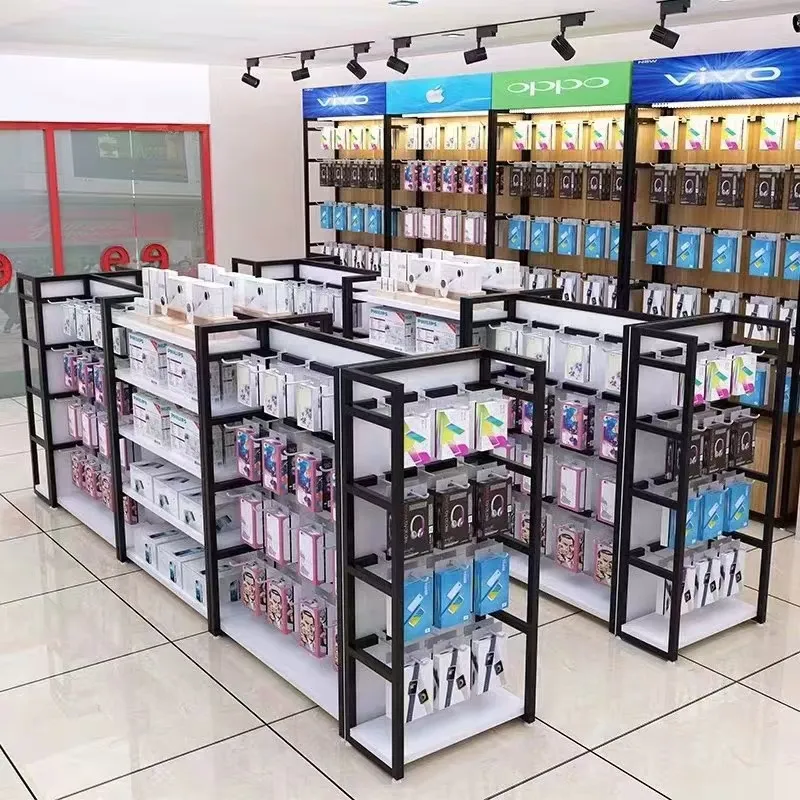
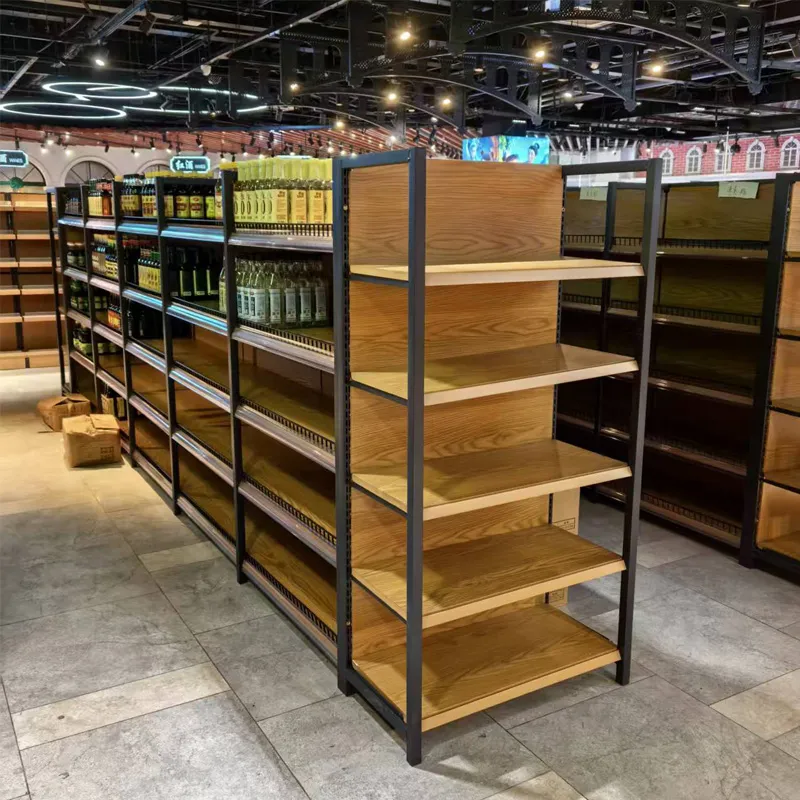
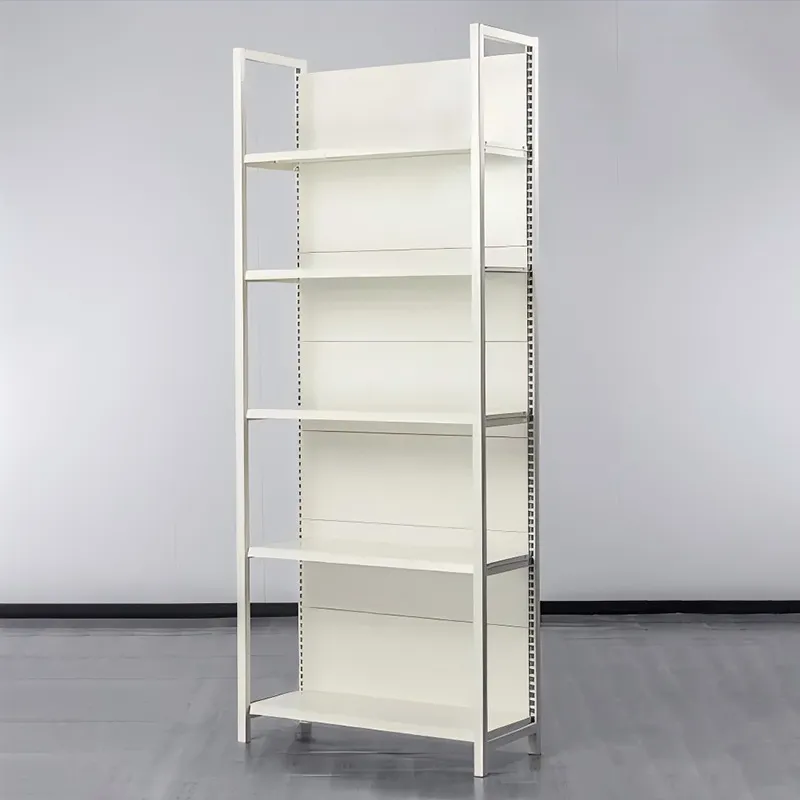
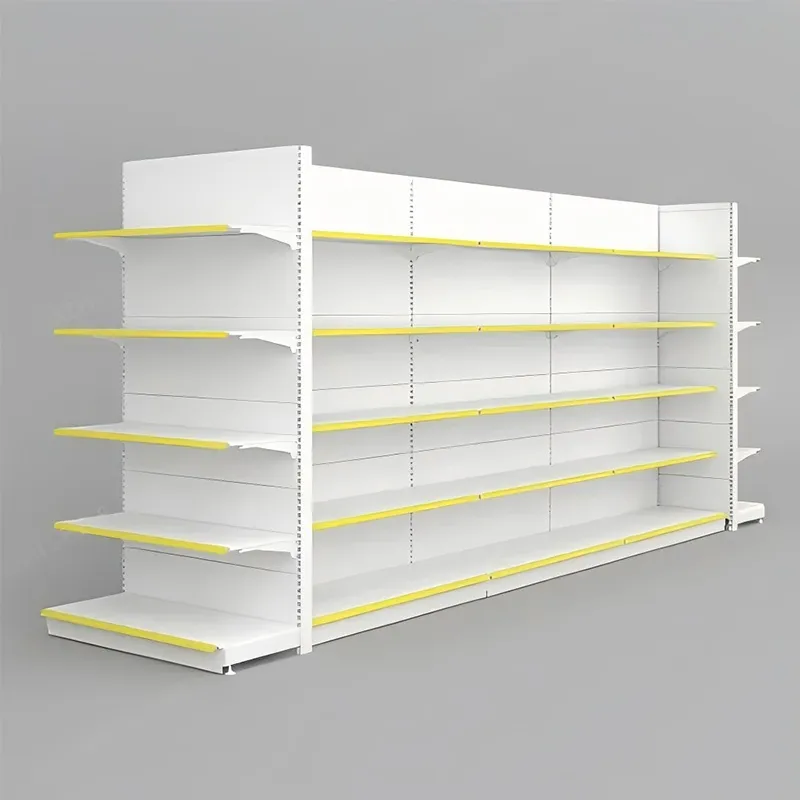
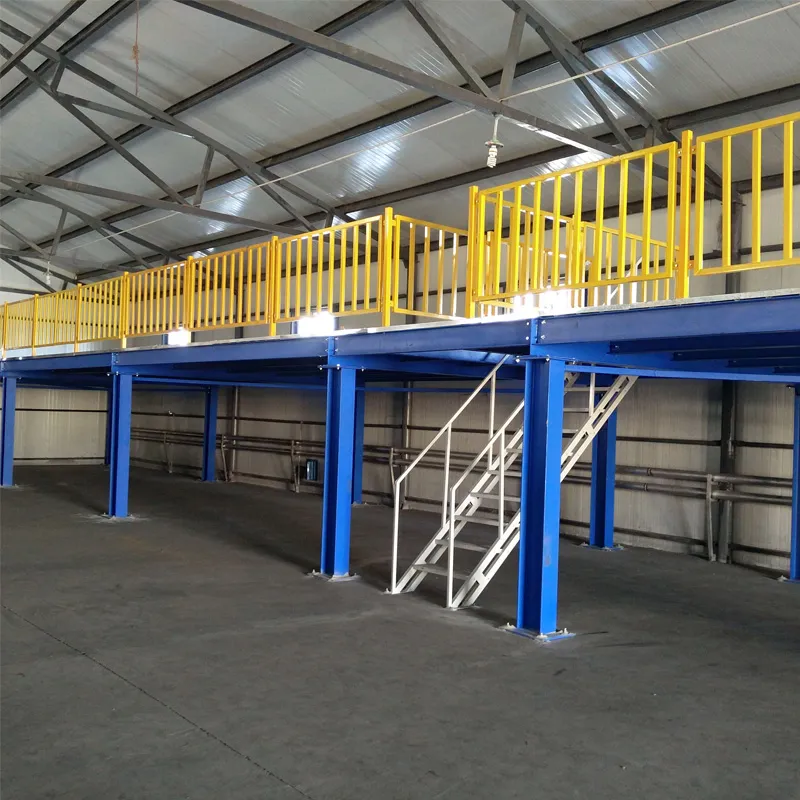
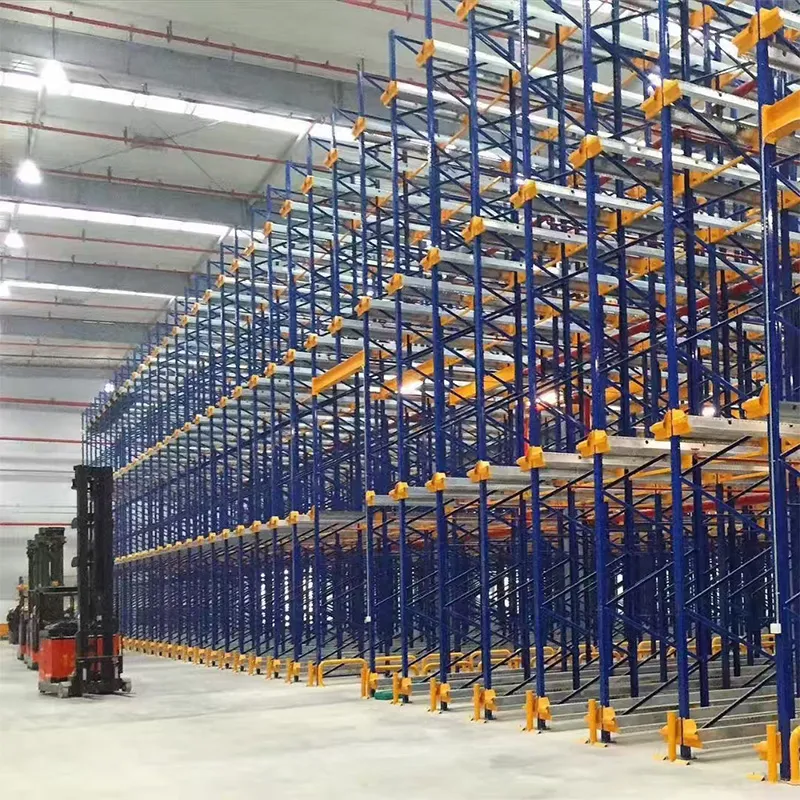
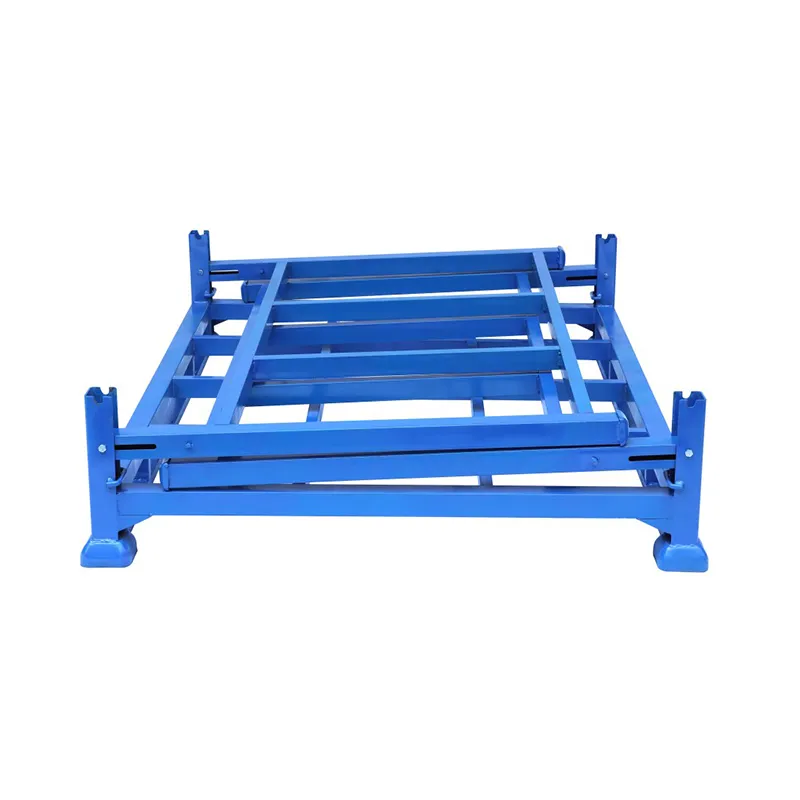
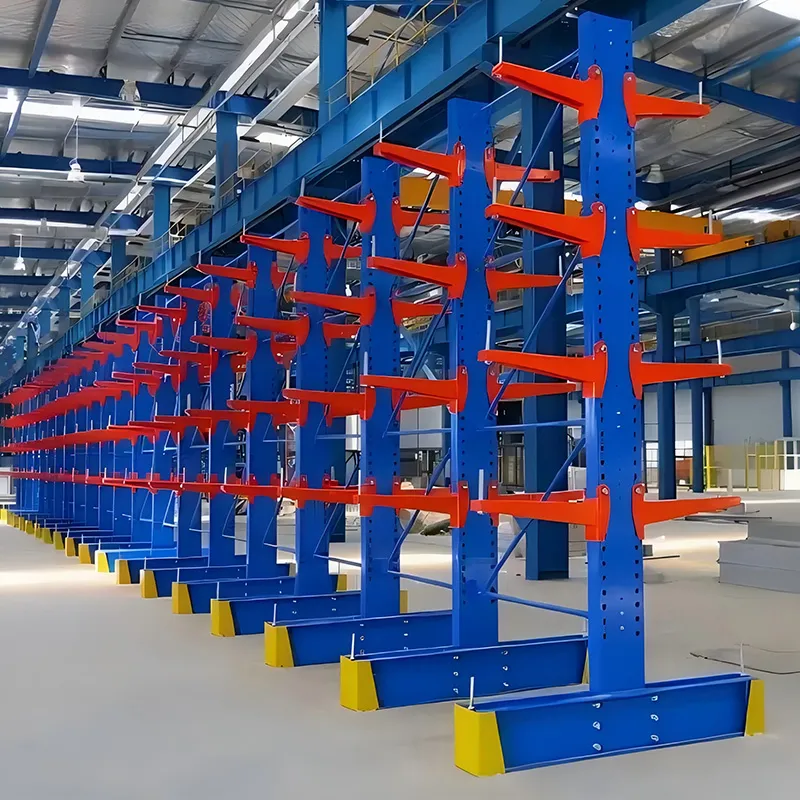
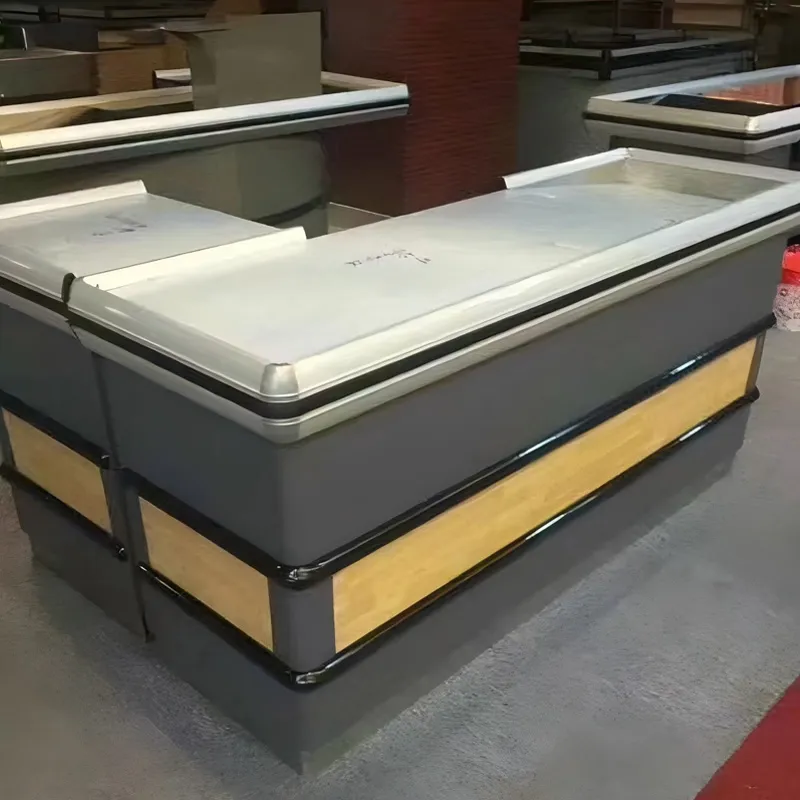
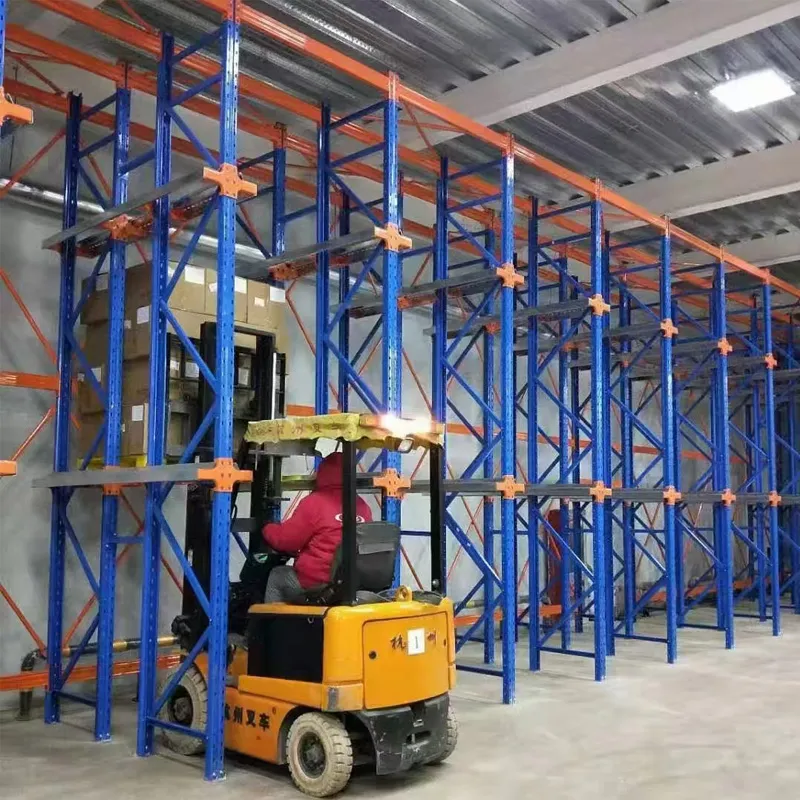
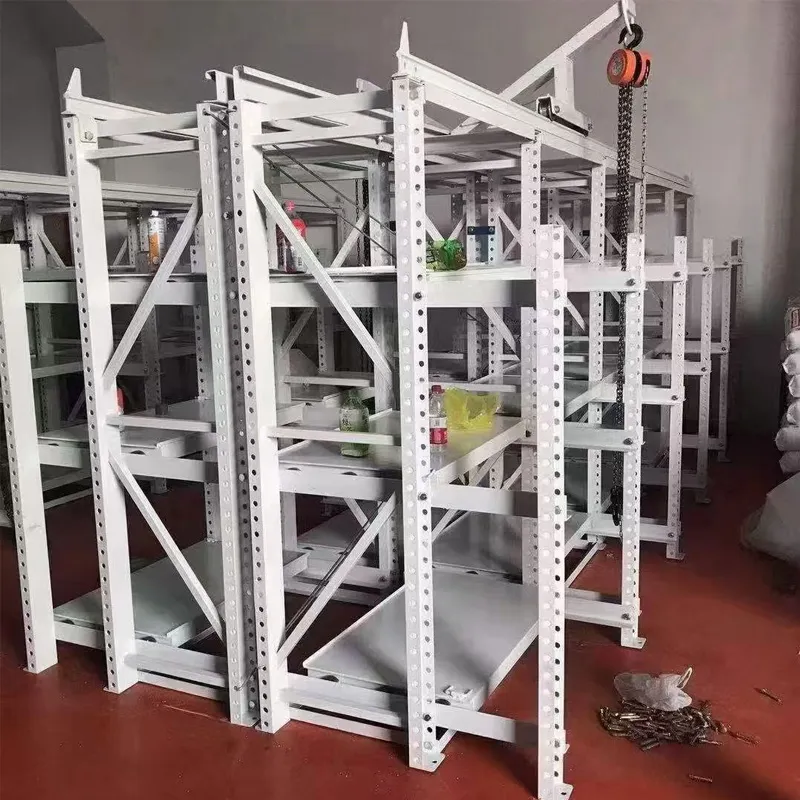
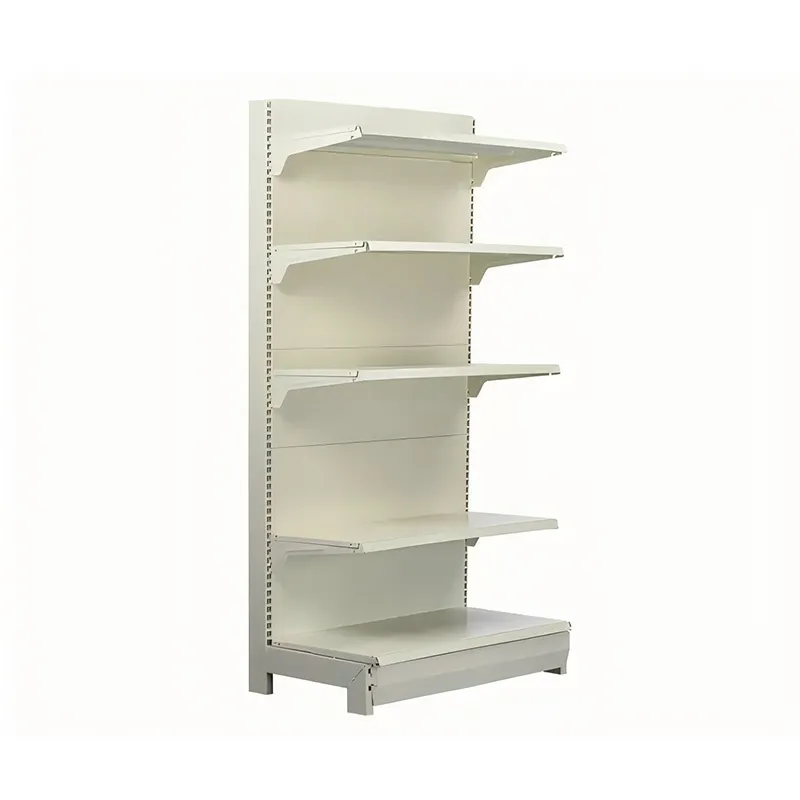
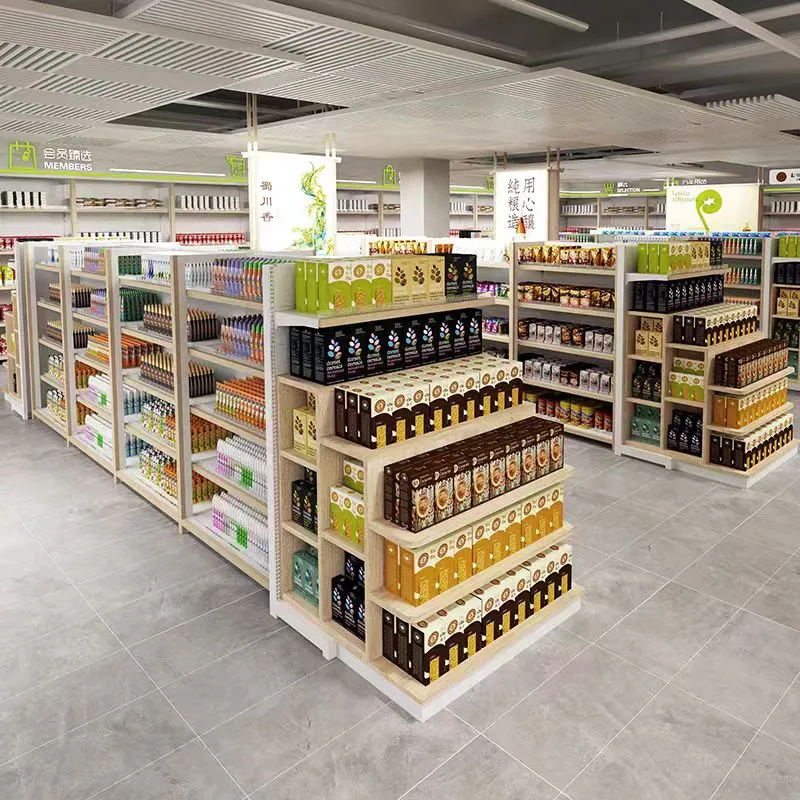
When you search on the Internetphotos of supermarket racks, you often come across pictures with perfect light, empty shelves and perfect lines. It’s immediately clear that these are staged shots for the catalogue. But in reality, when you stand in the hall with the noise of carts and the screams of children, you understand that these photos say little about the main thing: how this structure will behave under a load of 500 kg, what it will look like after six months of daily disassembly and assembly, or how its panels will react to the constant impact of the carts. This is what I want to talk about, based on my experience of working with suppliers, including such as?Harbin Jusheng Metal Structure Manufacturing Co.,Ltd..
Let's take, for example, pictures of the front panels. In the photo they are always smooth, with perfect painting. But try to see in the same photo, if you enlarge it, the area of attachment to the side pillar. Are the rivets visible? What is the gap between the panel and the stand? If there is no gap at all, this is a potential problem. With thermal expansion of the metal, the panel can “wave”. I saw this on the racks of one chain in Novosibirsk - after a year of operation, the facades looked dented, although initially everything was shining in the photo.
Or pipe-to-pipe connections. In photographs they look monolithic. But in life, the key point is the thickness of the metal and the quality of the cut on the inner pipe. An uneven, untreated cut begins to “eat away” over time. coating on the outer pillar, rust appears. You won’t see this in a glossy photo, but it’s clearly visible when inspecting a sample in person or in detailed photos from manufacturers who are not afraid to show the process, such as on the websitejshj.ruin their production section. There you can see the equipment that ensures a clean cut.
One more thing - photos never convey the rigidity of the structure. You can put a lightweight cardboard display on a shelf and the photo will look fine. But how will the same shelf 1200 mm long behave under the weight of boxes of water? Will there be deflection? This can only be hinted at by the presence of additional transverse stiffening ribs at the bottom of the shelf, which are sometimes visible from good angles.
The first is the background. Often, high-quality photos from manufacturers show the workshop. This is where you can appreciate the scale. Large coils of steel, automatic cutting and bending lines, like the same Jusheng, which claims an area of 20,000 square meters. m. This is not a guarantee, but an indicator of serious power. This means that there is probably control over the stages and there is less chance of a makeshift defect.
The second is the fastening parts. Good photos show not only the front side, but also the nodes. Are the branded locks visible or are they standard bolts? How is height adjustment implemented? If you can see a “plug-groove” type system? with many holes in the rack is a good sign, there will be more flexibility in the layout.
Third is coverage. Glossy or matte? In the photo, gloss looks better, but in a supermarket under bright light it produces glare that tires customers. Matte finish is more practical. And it is important that the photo shows the uniformity of the coating in the corners and welds. Streaks or sagging are a sign of poor preparation or painting.
We had a project for a regional chain store. We needed shelving for heavy household goods. We studied proposals, including considering products from the factoryHarbin Jusheng. On their website, onjshj.ru, the gallery contained not only beautiful general plans, but also, more importantly, photos of the assembly stages, close-ups of beam joints and locking joints. It was clear that the edges were processed and there were no burrs.
We requested a sample corner post. When it arrived, they compared it with the photo - it was a complete match. The thickness of the metal, the quality of the powder coating, even the markings were identical. This is a rare case when the photos on the site truly reflected the product. As they state in their philosophy - a full cycle from design to service, which apparently allows for compliance control. In the end, their beam racks were chosen for this project, and there were no problems with geometry or coating even after two years.
But this does not mean that everything is always perfect. There were other cases where the samples sent differed from the photo in the shade of color or density of the lock. Therefore, now the rule is this: a photo is a starting point for dialogue, and not the final argument.
Once we ordered a batch of shelf racks for light industrial goods, based on a photo where the shelves were loaded with textiles. It looked stylish. We didn’t notice that the photo doesn’t show how the shelf is attached to the frame from below. It turned out that this model had a minimalistic suspension system that did not actually withstand the dynamic load when the seller suddenly pulled out a roll of fabric. The shelves were skewed. I had to buy additional brackets and change the design. In the photo everything looked reliable.
Another common mistake is not taking into account the dimensions in the photo. To make the rack look more elegant, it is sometimes photographed with a long-focal lens, which “flattens” it. perspective. You think that the depth of the shelf is 40 cm, but in fact it is 50 cm, and this already eats up critical space in a narrow aisle. Now we always require a photo with a tape measure or next to an object of known size (pallet, box). Some responsible producers, including Jusheng, themselves post such shots in their portfolios.
The ideal album for me is a mixture of shots. General plans of mounted shelves in a real or close to real store (not in a studio). Macro photos of all types of joints, welds and fasteners. Photos from production stages: cutting, bending, welding, painting. This is exactly what shows the openness of the plant, like what can be found onjshj.ruin the description of their capacities. Several lines of automatic equipment are visible, which means there is probably standardization.
Photos of load tests are very valuable. Not just schematic icons, but a real rack with a load, captured on video or a series of photographs. This gives much more confidence than any PDF certificates.
And of course, photos at various stages of assembly. What does a rack look like with only the racks installed? And with the first beams hung? This helps our installers understand the design logic in advance, without wasting time deciphering drawings on site.
As a result,photos of supermarket racks- This is an important, but only the first filter. They should not sell, but inform. Show not only the design, but also the “anatomy?” products. When you see familiar details in a photo - reinforced corners, correct gaps, high-quality coating on cuts - this creates trust. Like, for example, when you study an offer from?Harbin Jusheng Metal Structure Manufacturing Co.,Ltd.and you see behind the photographs the logic of the full production cycle, from design to mezzanine systems.
Therefore, now our approach is this: we collect photos from open sources, request detailed photographs of specific components from the manufacturer, and then we definitely require a physical sample. Only in this way, through a combination of visual assessment and tactile contact with metal, can a decision be made that will not lead to problems six months after the opening of the sales area. Photos are the language in which a manufacturer speaks about their product. And it is important that this is a language of facts and details, and not just beautiful empty shelves.