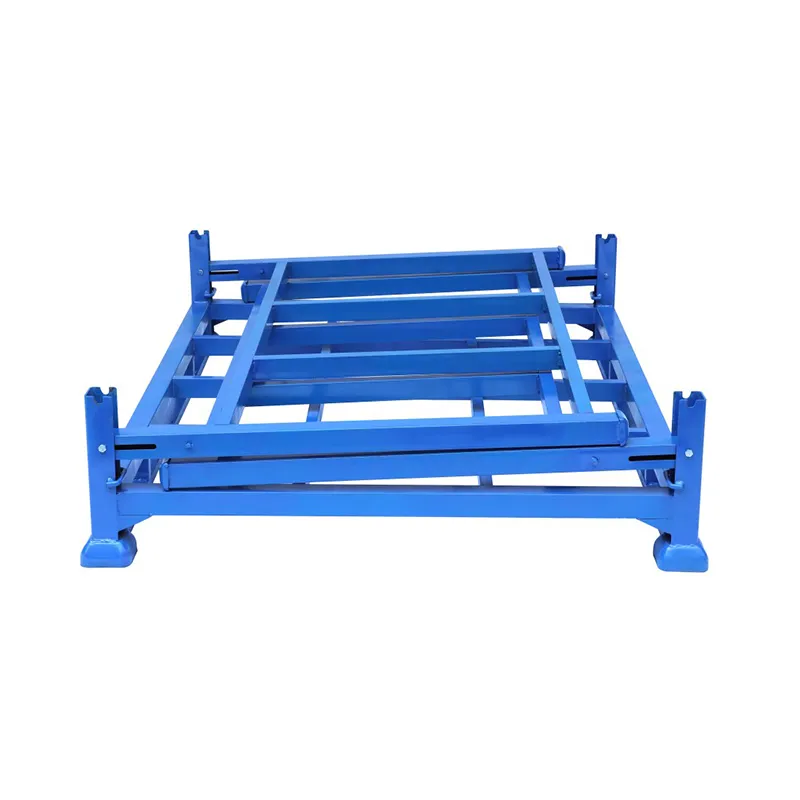
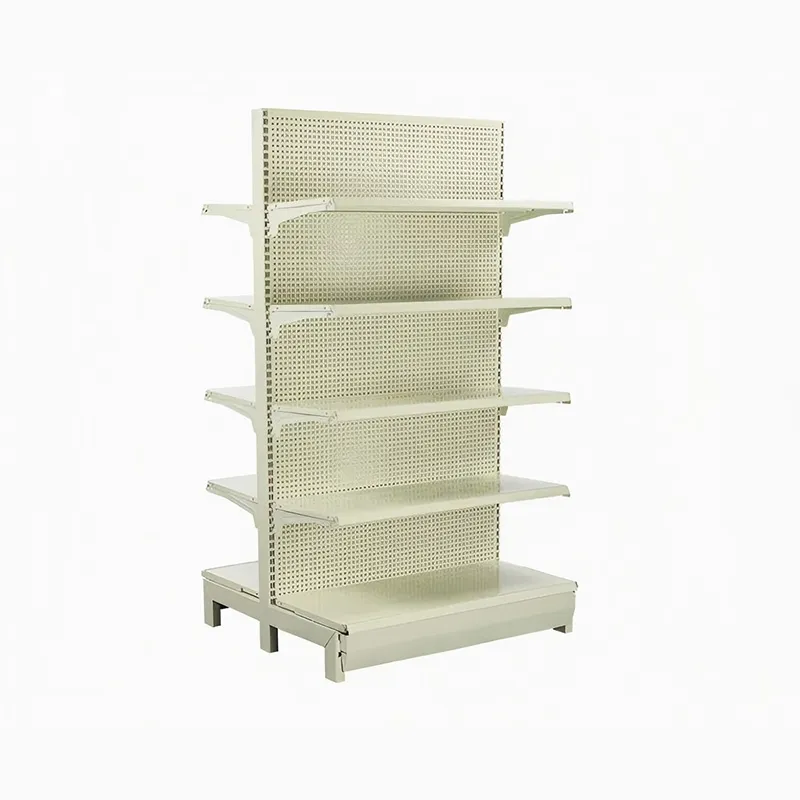
When people say “shelving design company,” many people just think of a department with engineers who design shelves. This is perhaps the main misconception. In fact, design is the first and most critical stage that determines whether a warehouse or retail outlet will work like a charm or turn into a headache. This is where all real problems and successes begin.
My experience suggests that the key mistake customers make is to demand “just draw the racks to our dimensions?” But if you do not analyze logistics, cargo sizes, and turnover dynamics, then even the most durable structures will be ineffective. At one time we were at one of the facilities forwarehouse racksmade ?perfect? project for lifting capacity, but did not take into account the routes of the loaders - as a result, narrow passages ate up more than 15% of the usable area. The lesson was tough.
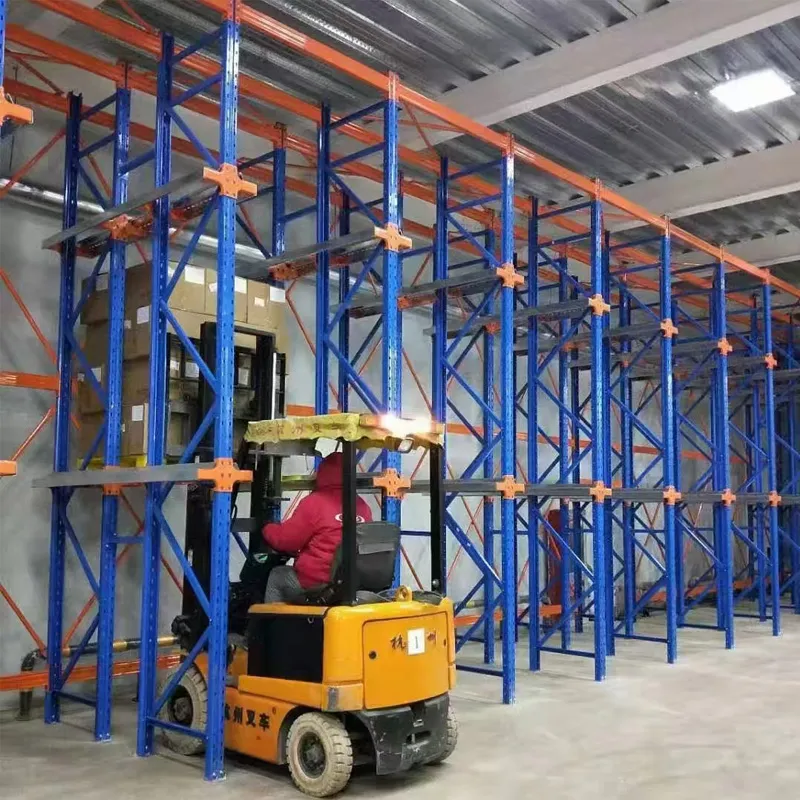
Therefore, now we begin any design with questions that seem unnecessary to many: “What will be stored?” Pallets, boxes, lengths? How often do you pick up goods? What technique will work??. Without this, even automated lines, such as thoseHarbin Jusheng production of metal structures, they won’t save you - you can perfectly manufacture a useless structure.
By the way, aboutHarbin Jusheng. Their full-cycle approach - from design to installation - is precisely the case when the design engineer at the plant knows the production capabilities from the inside out. This allows us to offer not standard solutions, but ones optimized for specific technological lines, which ultimately affects both the timing and the final cost.
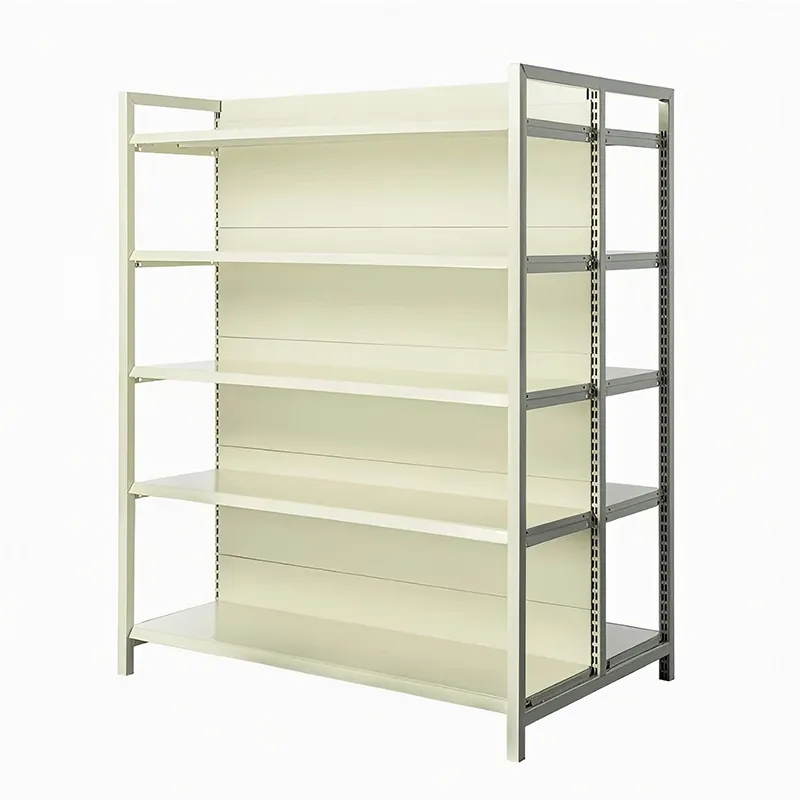
Let's take for examplemezzanine shelving. Here many are chasing the maximum height and load on the tier. But they often forget about calculations for seismic loads (even minimal ones), vibrations from work at upper levels and, what is critical, installation safety. One of our projects was delayed for a week due to the fact that we did not provide for strengthening the fastening points to the floor in an area with a weak screed. We had to quickly recalculate and coordinate changes with the manufacturer.
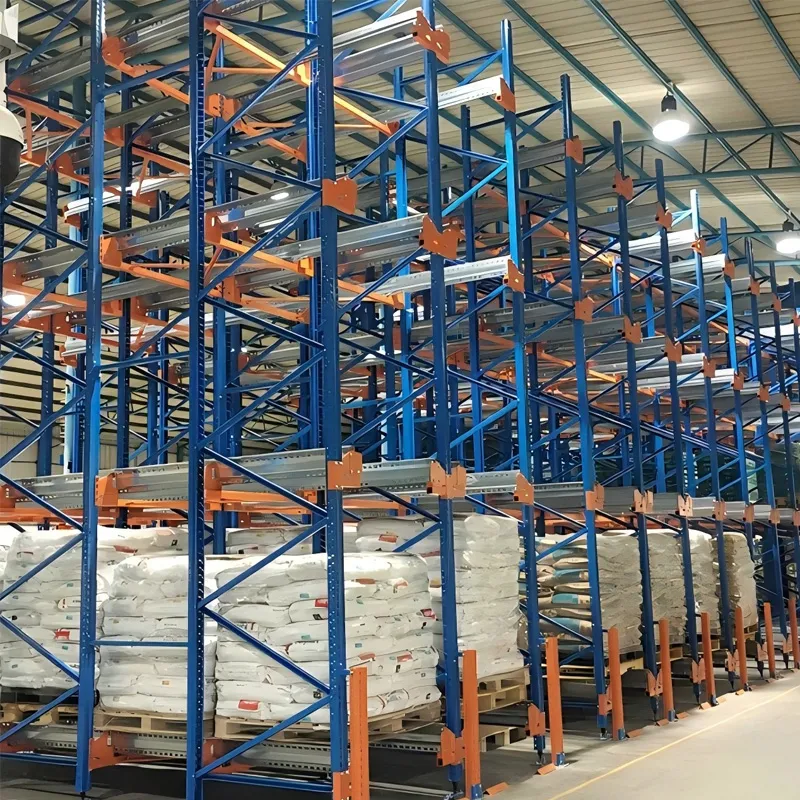
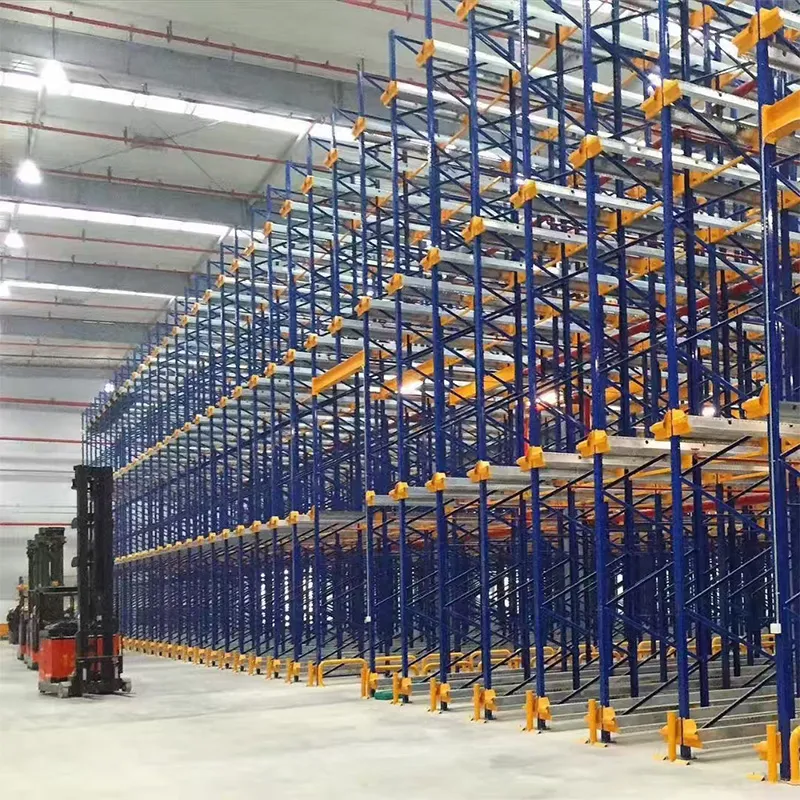
Cracks for four-way shuttlesthe story is even more subtle. Here design comes down to precision down to the millimeter. It is not enough to design the frame itself - you need to integrate the shuttle trajectories into the design, calculate the location areas for charging stations, and provide technological clearances for thermal expansion. The slightest mistake and the expensive automation simply won’t work. You have to work closely with automation suppliers, which is not always easy.
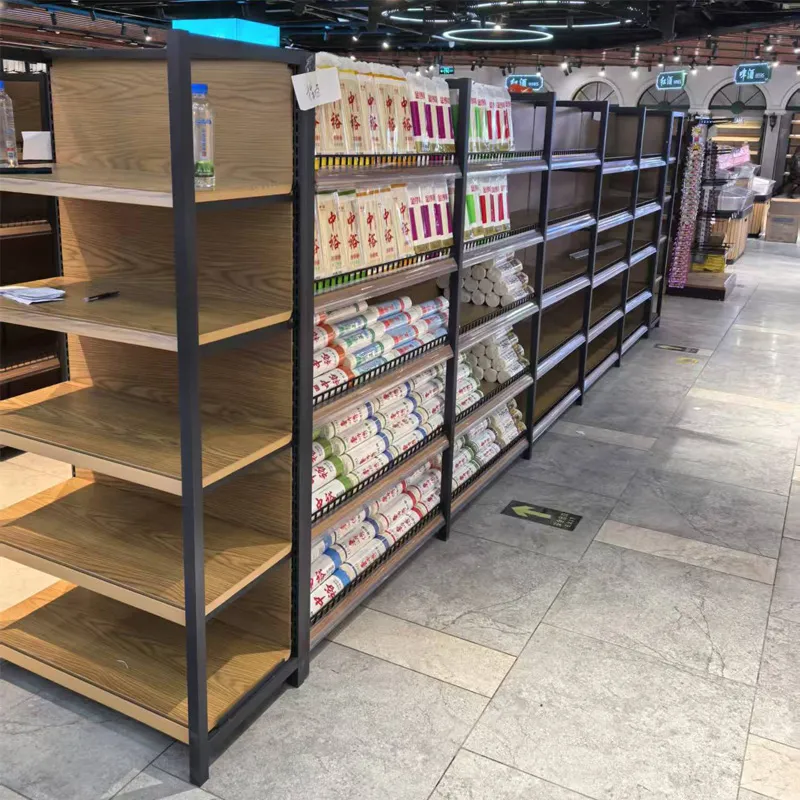
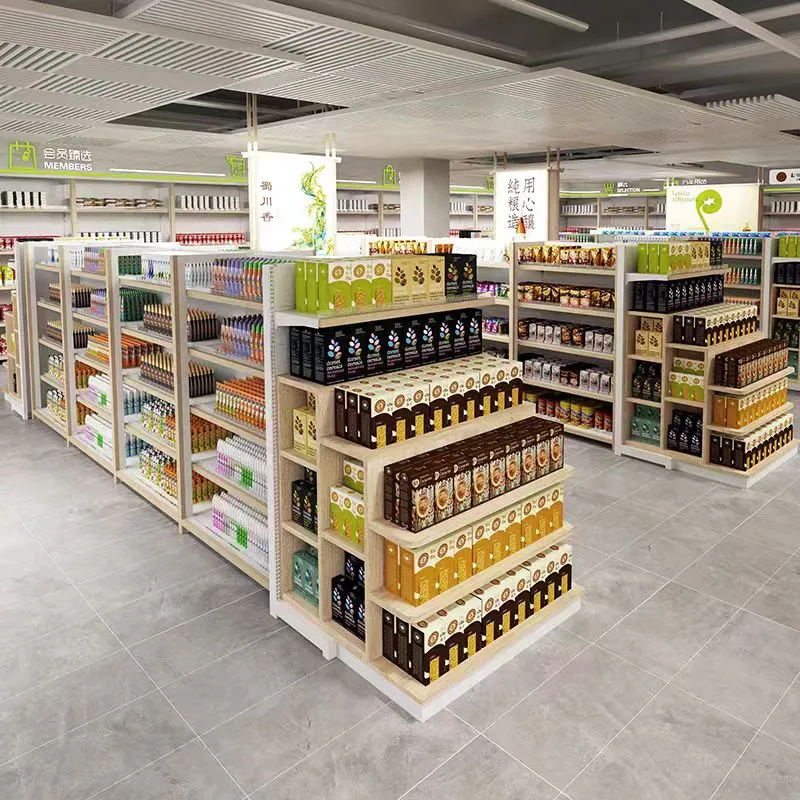
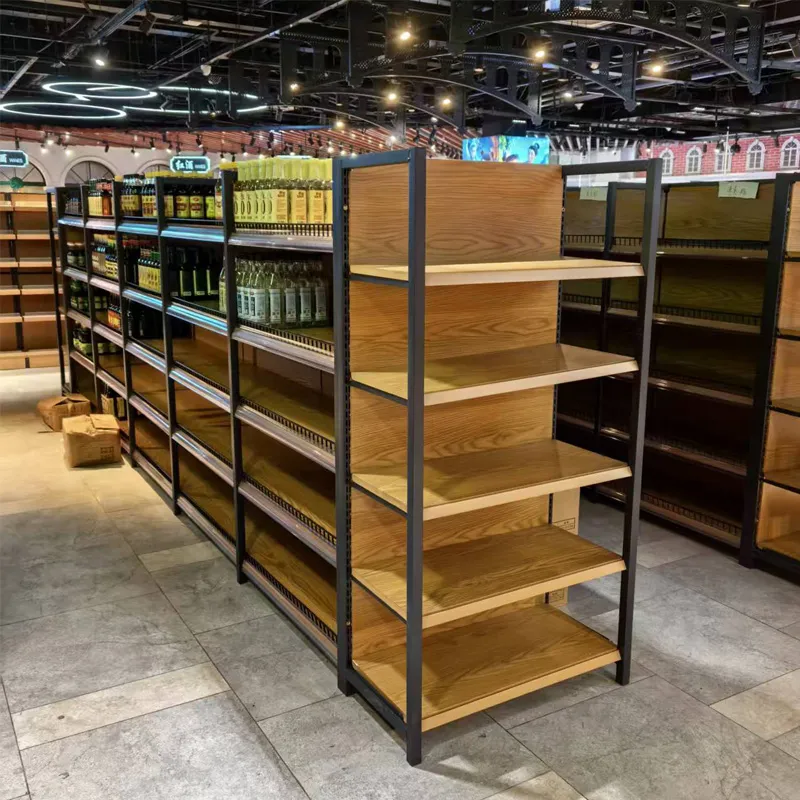
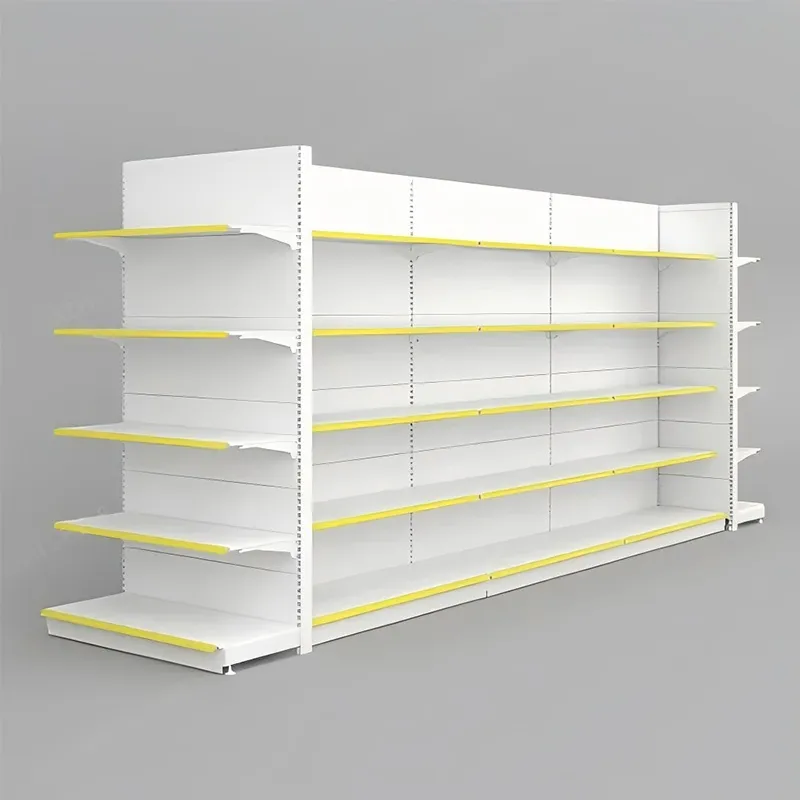
But withtrade racksIt seems simpler, but it has its own specifics. The designer must think like a merchandiser: how the product will be visible to the buyer, how it can be conveniently displayed and removed. We somehow made a “super strong” one. design with frequent crossbars - sellers later complained that the boxes would not fit through. Durability is not an end in itself, functionality is what is important.
Working with factories that likeLLC ?Harbin Jusheng?, cover the full cycle, you see the difference. When the designer, technologist and production worker are part of one team, a lot of problems disappear. There are no situations when what has been designed cannot be manufactured correctly using existing equipment or requires non-standard, and therefore expensive, cutting of metal.
On their site of 20,000 sq. m in Pingfang, I saw how projects were immediately adapted to specific automated cutting and bending lines. This means that the client receives not just a set of parts according to the drawing, but a design already optimized for quick and high-quality installation. All mounting holes match, the elements are marked - installers do not waste time on adjusting with a grinder.
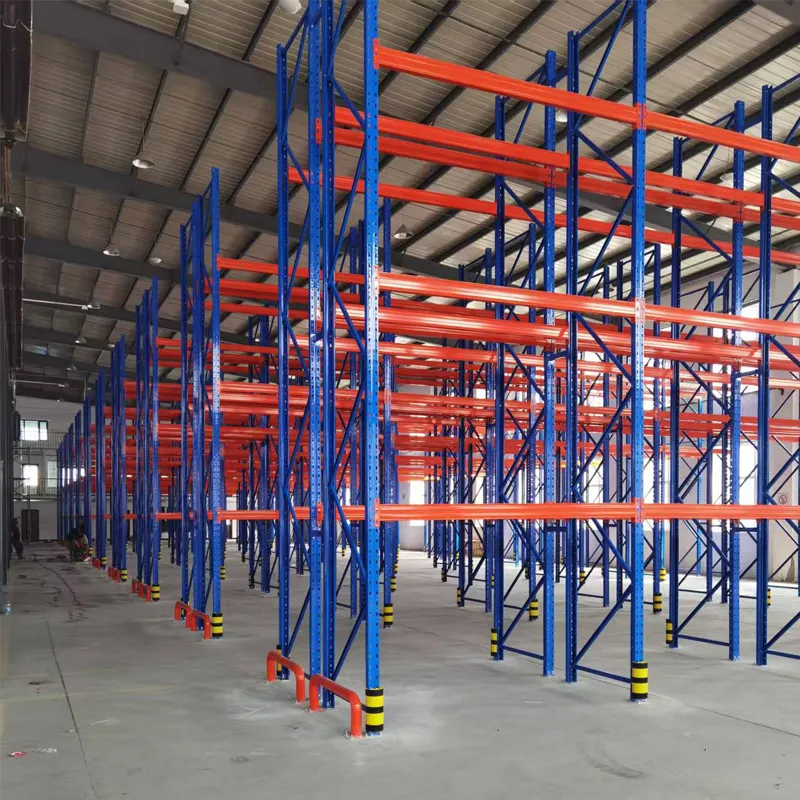
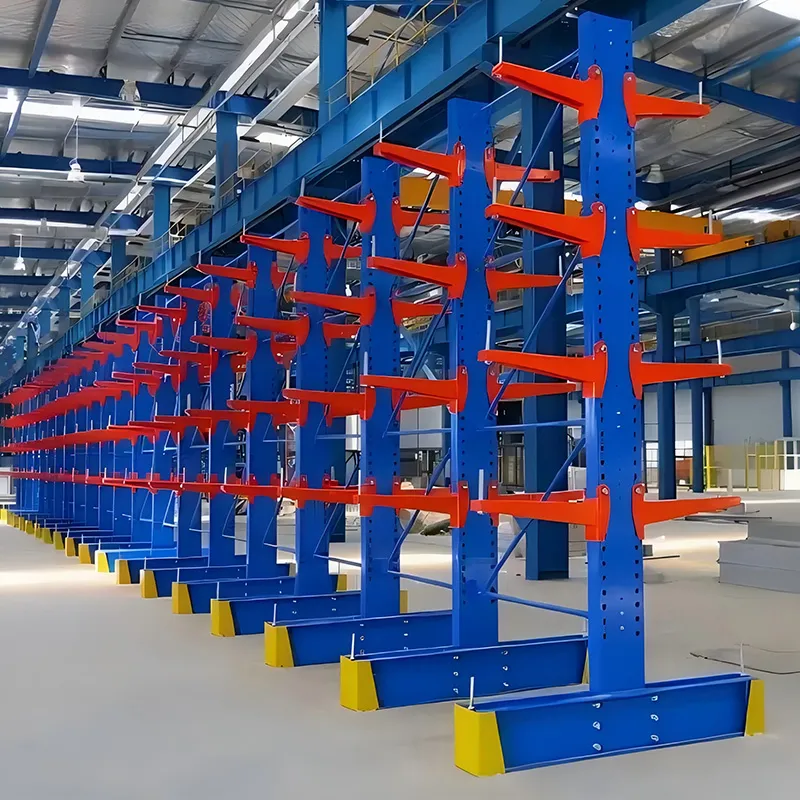
Their portfolio, which includesbeam, andcantilever racks, suggests that the engineering department must understand fundamentally different types of loads - from distributed on shelves to cantilever on brackets. This is a serious qualification that does not appear in one year.
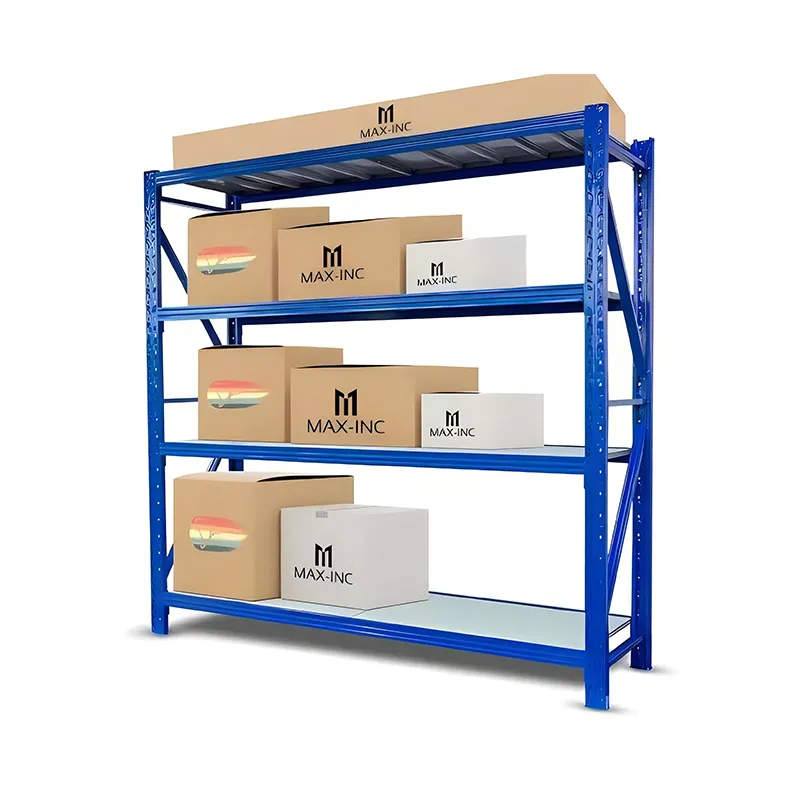
We had an object - refurbishment of an old warehouse. The room is low, columns are in the middle of the hall, the budget is limited. The standard solution with pallet racks did not work. We essentially started designing from scratch, combining areas with shelving for small batches and lightracking systemsand beam ones - for storing long items near the walls, where the columns did not interfere.
The key was to use 3D renderings and a step-by-step installation plan to assemble everything around the columns without having to disassemble them. The difficulty was to provide passages for equipment. As a result, the placement density was increased by almost 40% compared to the initial requirements of the customer, who simply wanted to “arrange more shelves”. This is about the value of in-depth design analysis.
In such a project, feedback from the manufacturer on the issue of non-standard beam sizes was critical. The readiness of a production facility, such as Jusheng, to quickly calculate and manufacture shortened beams for specific spans between columns resolved the issue. Without this, standard ones would have to be cut on site, losing quality and load-bearing capacity.
Nowadays there is more and more talk about BIM modeling for warehouses. Sounds fashionable, but in practice for mostshelving design companiesthis is still redundant. It is more important, in my opinion, not to chase trends, but to hone integration with warehouse software (WMS). So that the design of the racking system initially takes into account the logic of the warehouse management program - this will bring real savings in the future.
Another point is the regulatory framework. In Russia, the requirements for warehouse structures are vague and often refer to foreign standards. The designer has to make decisions on safety factors himself, which is always a risk. It’s good when a manufacturing company, like the mentioned Harbin plant, has accumulated experience in certification and testing of structures, which can be appealed to in controversial issues.
In the end, back to the beginning.Shelving design companyis not a drawing supplier. This is a partner who must understand the customer's business process, evaluate the physical limitations of the facility, know production capabilities and, often, anticipate problems that the customer is not even aware of. It's difficult, it's not always rewarding, but this is where real value is created. Everything else is just metal.