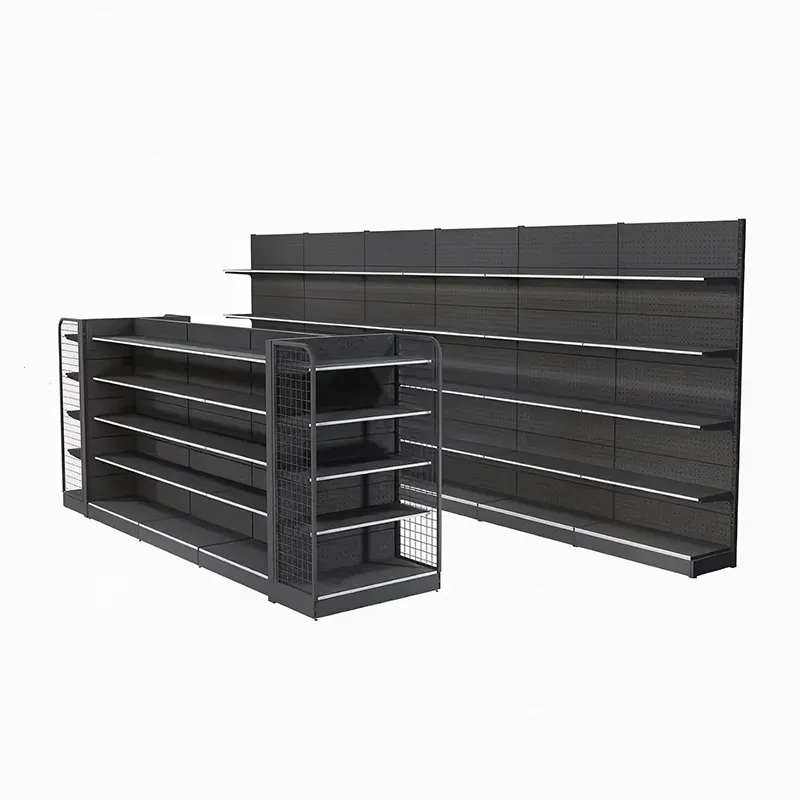
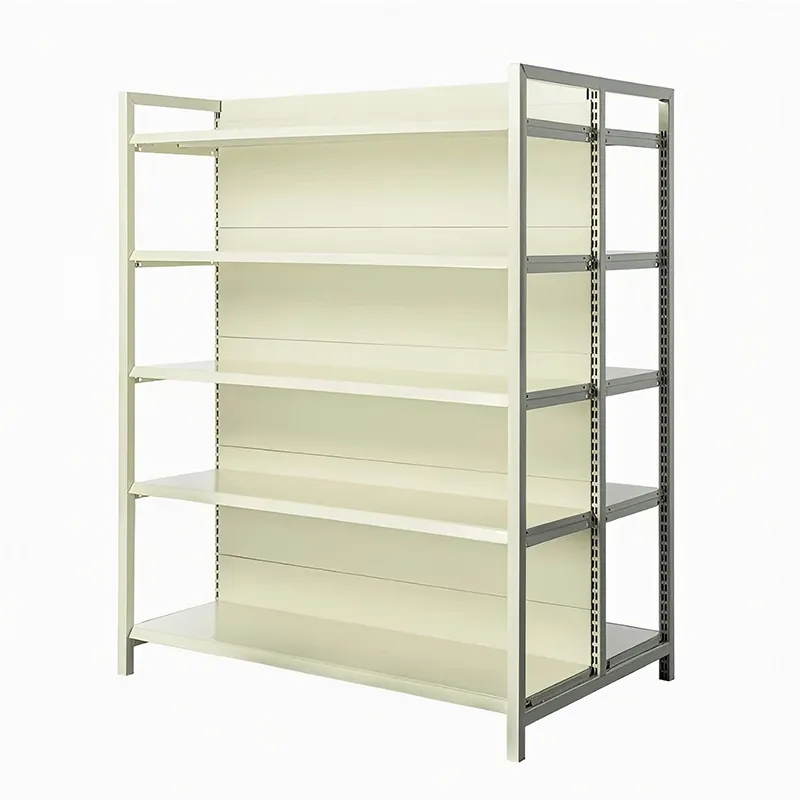
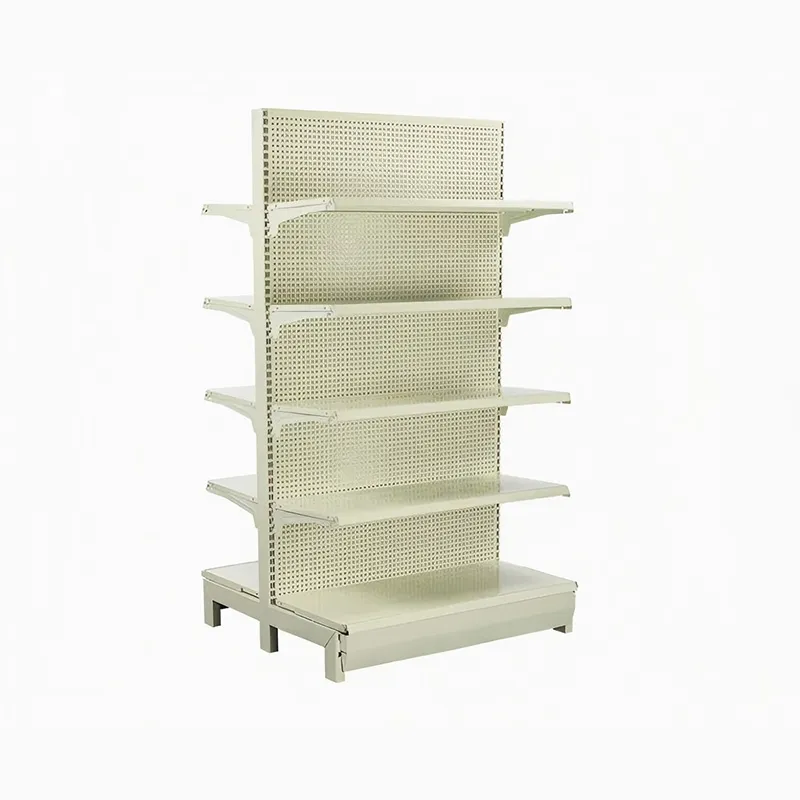
It would seem that it would be so complicated - a shelving unit with drawers and shelves. The customer often thinks: “Well, drawers for small items, shelves for everything else, and order?”. In practice, this is one of the most insidious types of equipment from the point of view of design and operation. An error in calculating the load on a pull-out unit or in the distribution of storage areas between drawers and open shelves can turn a convenient system into a headache. I often see how at sites such racks are loaded “as needed?”, and then they wonder why the boxes warp or the shelves sag. Let's get straight to the point, with examples from real installations and mistakes that are best not to be repeated.
First and foremost: this is not just a hybrid. This is a system where each zone - drawer or shelf - must be designed for a specific type of cargo. A common mistake is to make all the drawers the same height. In fact, different dimensions are needed for tools, archive folders or small spare parts. I saw a project where shallow drawers with full rollout were made for light but voluminous textile samples - ideal. And next to it, in the same room, for heavy metal molds there are low, but reinforced boxes on ball guides with a high load. The key is in the pre-design analysis of the nomenclature.
The second misconception is saving on fittings. A drawer is primarily a guide. Putting cheap roller guides on it, designed for a kitchen cabinet, for industrial storage, guarantees a breakdown in six months. Here you need solid ball guides, preferably with a closer, especially if access is frequent. I myself came across it when, at one of the sites in St. Petersburg, the customer insisted on a “budget” one. option. Four months later, complaints of jamming began. I had to redo it, change all the fittings, which ended up being more expensive.
And third, ignoring ergonomics. Top shelves and top drawers. If the rack is high, say, with a ceiling of 3.5 meters, then what should be placed at the top? You can put something on the shelf once a quarter. But the box is at a height of 2.5 meters, which needs to be pulled towards you - this is inconvenient and unsafe. Therefore, the area of easy access - approximately to chest level - is usually the area of active drawers. Above there are either blank shelves or drawers with mechanical or electrical lifting, but that’s another story and a different budget.
When you start making such a rack, production technologists immediately ask a dozen clarifying questions. And that's right. Take, for example, our experience at the factory?Harbin Jusheng Metal Structure Manufacturing Co.,Ltd.. An area of 20,000 m2 and automated lines are good for standard solutions. But just a shelving unit with drawers often requires non-standard approaches. The machine will cut the profile perfectly, but assembling the box, tying it, installing the guides with millimeter precision is often the manual work of experienced assemblers.
One of the key points is the material of the box itself. Deep box for a load of 50 kg or more. If you make it from thin metal, it will “play” and become deformed. We usually use steel with a thickness of 1.2 mm, with additional stiffening ribs along the bottom. And the bottom is a separate issue. Perforated for ventilation? Solid for small parts? Or a lattice one, if the box is part of a storage system for dirty tools, so that chips and dust fall down? Each option dictates its own design scheme.
Another nuance is the attachment of the guides to the rack stand. You can't just screw them to a vertical stand. You need a mounting plate that will distribute the point load from the extended drawer over the entire structure. I remember an incident at an auto parts warehouse: the boxes were filled to capacity with heavy parts, and after a few months the fasteners began to be pulled out. metal stand. The problem was precisely the absence of such a distribution strip. We had to strengthen the structure on site, which, you see, is not the best option.
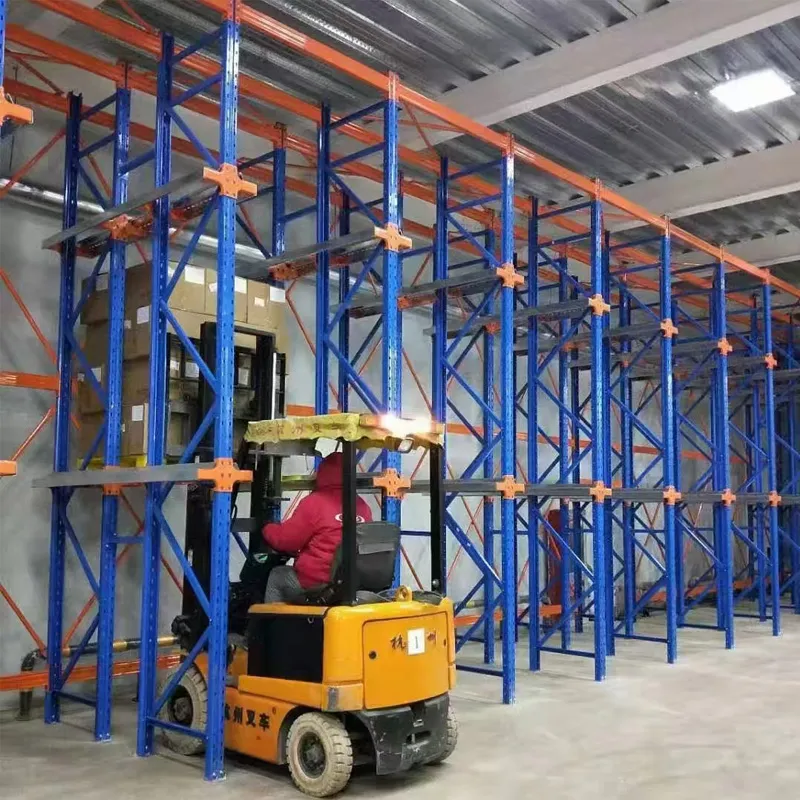
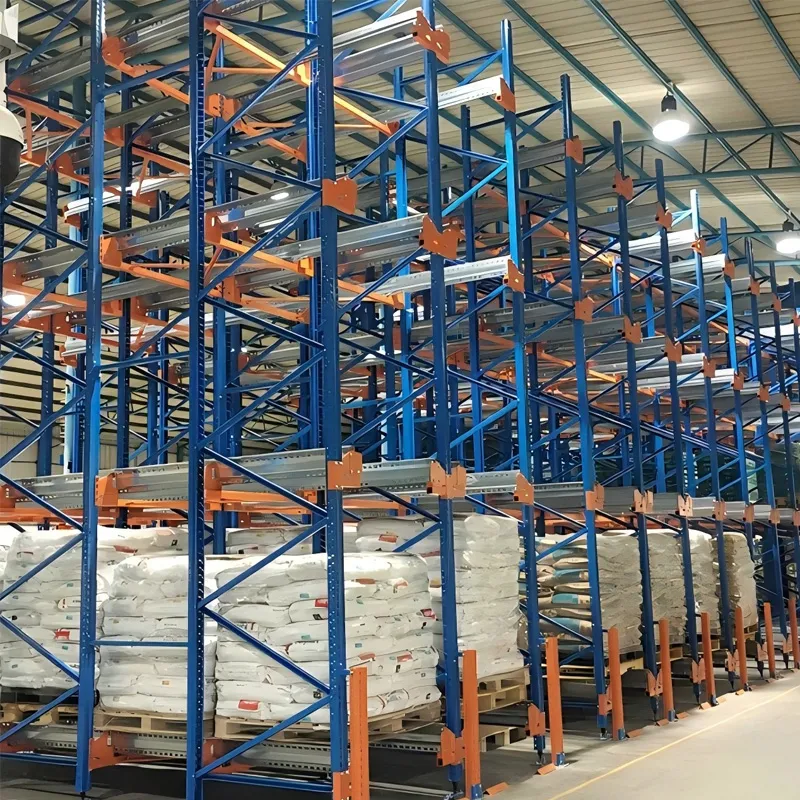
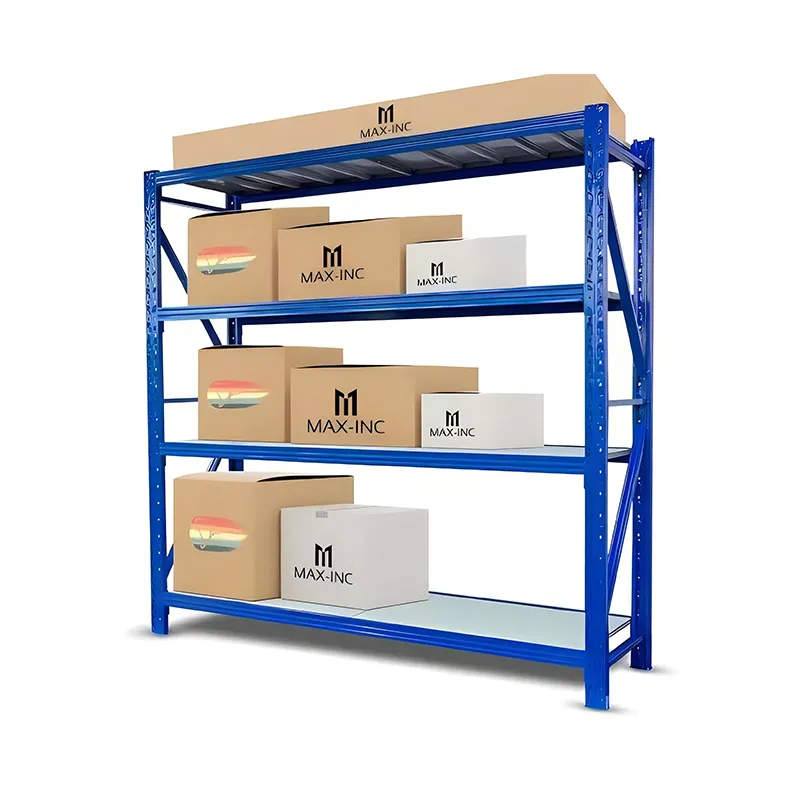
Often such a rack is not an independent unit, but part of a larger system. For example, in mezzanine shelving. The lower tier is a picking area with drawers for small items (SKU). The upper tiers are shelf racks for storing large boxes. The goal is to provide quick access to frequently requested items. The logistics of internal processes are critical here. We designed just such a system for one logistics center in Novosibirsk. We analyzed shipment statistics to determine which goods would “move?” in boxes, and which ones will remain on the shelves.
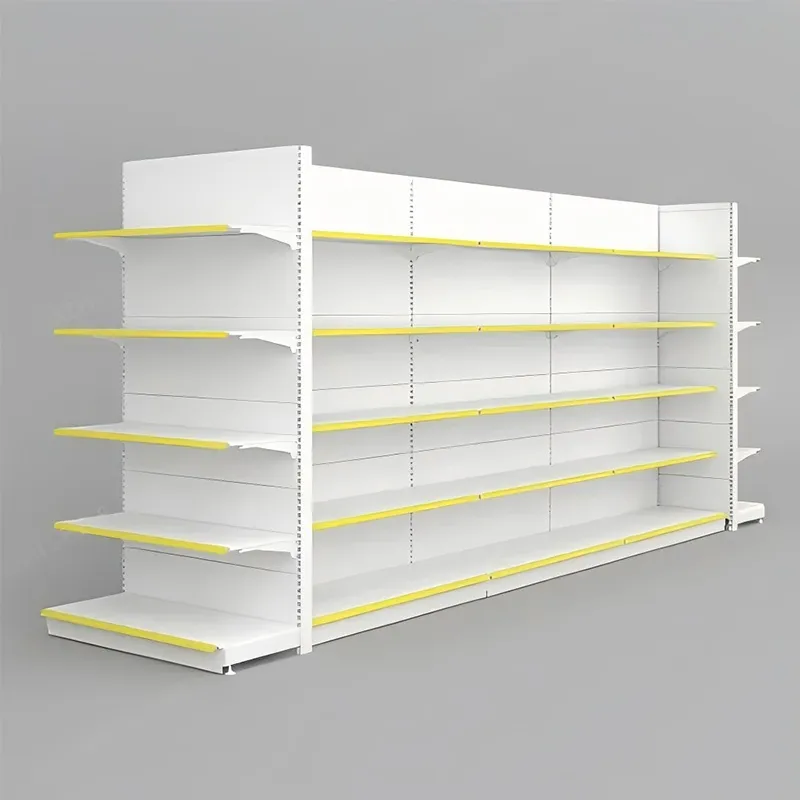
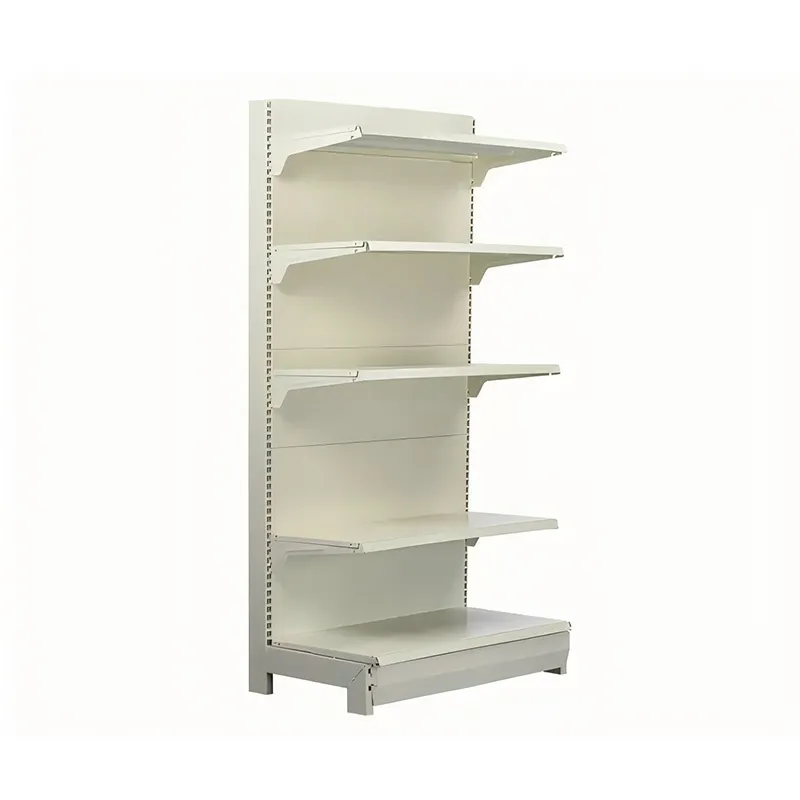
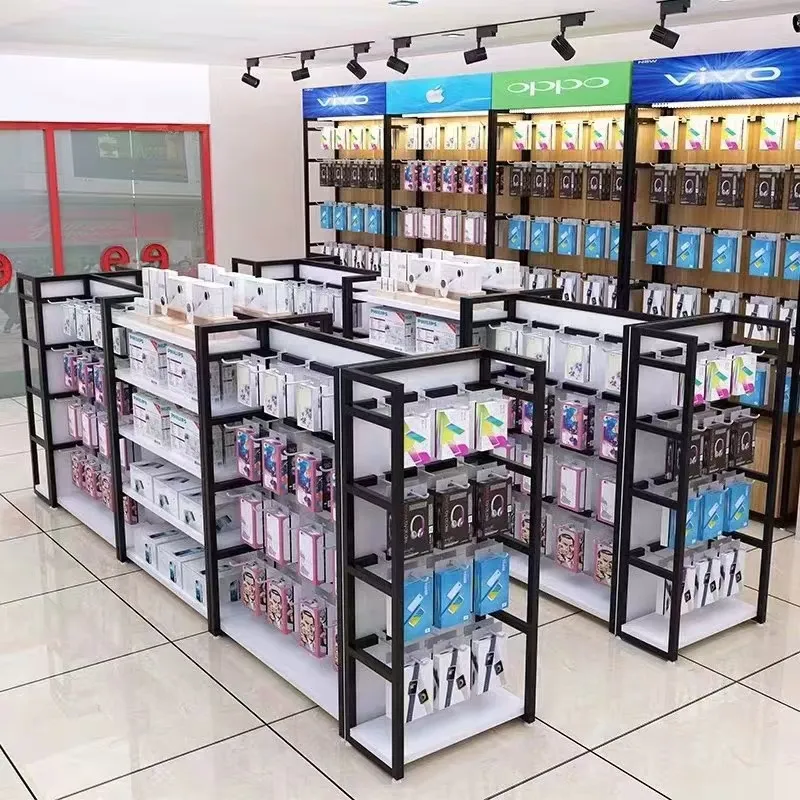
Another interesting case is its use in trading floors, for storing inventory directly in the trading area.Rack with drawers and shelveshere it works like backstore-frontstore. There are samples on the shelves, and in the drawers below them there are supplies for sale. Aesthetics come to the fore: drawer fronts, finishes, smooth running. Hidden-mounted telescopic guides and more expensive materials, for example, textured powder coating, are already used here. It is important that the drawer slides out silently, even when clogged.
But it happens the other way around - purely utilitarian use in a production workshop. For example, for storing equipment and tools at a machine-building plant. The main thing here is strength, resistance to oil and grease, and marking. Drawers are often made with transparent fronts or a tag system. And here is the websitejshj.ruuseful because it shows how the same type of rack, depending on the task, can look and be designed completely differently - from a basic warehouse option to a custom solution for pure electronics production.
When working with such non-standard products, you understand that the choice of manufacturer is 70% of success. We need a plant that will not only sell it, but also design it competently and give a guarantee. This is why many turn to large specialized enterprises such asHarbin Rack Factory ?Jusheng?. The full cycle - from design to service - is not just words. This means that when a problem arises with the same retractable unit, you know who to contact, and they won’t tell you: “These are fittings from a third-party manufacturer, sort them out?”.
But there is also a downside - logistics. A finished rack with drawers is most often not a flat package, like furniture from a store, but a large-sized prefabricated structure. It must be packaged correctly so as not to bend the guides during transportation. We always insist on individual packaging for the boxes and separately for the frame. And, of course, detailed, understandable assembly instructions are important. It is better if an installation team specialist from the manufacturer comes to the site, especially for complex or tall systems.
Price. It consists of metal, fittings, complexity of manufacturing and logistics. Sometimes the customer, having seen the estimate, says: “Let’s put roller guides instead of ball guides and save money?” Here the professional’s task is to explain that these savings will result in additional costs in the future. It’s better to do it reliably right away, perhaps by optimizing something else - for example, reducing the number of boxes, but leaving them of high quality.
What do I see from the latest projects? There is a growing demand for modularity and reconfigurability. Not just staticrack with drawers and shelves, but a system where after six months you can change a box to a shelf and vice versa, without welding or serious dismantling. This requires clever connecting elements and a well-thought-out guide mounting system. Not all manufacturers are ready to work this way; it is more difficult.
Another trend is integration with accounting systems. Simple RFID tags on boxes or even “smart” ones. boxes with weight sensors. So far this is more for pharmaceuticals or high-tech warehouses, but requests are appearing. This is no longer just a metal structure, but part of the enterprise’s IT infrastructure.
As a result, my main conclusion, based on many implemented and, importantly, not very successful projects: the success of such a rack is determined not in the catalog or in the workshop, but at the stage of discussion with the customer. You need to ask uncomfortable questions: “What exactly and how often will you take out of this box?” What will be on the shelf above it? Who will service it and how??. The answers to them are what forms a truly working, and not just beautiful on paper, storage system. And this is exactly the approach, by the way, that you see in the portfolio of companies that have been in the field for a long time - they first immerse themselves in the client’s process, and then they draw and cut the metal.