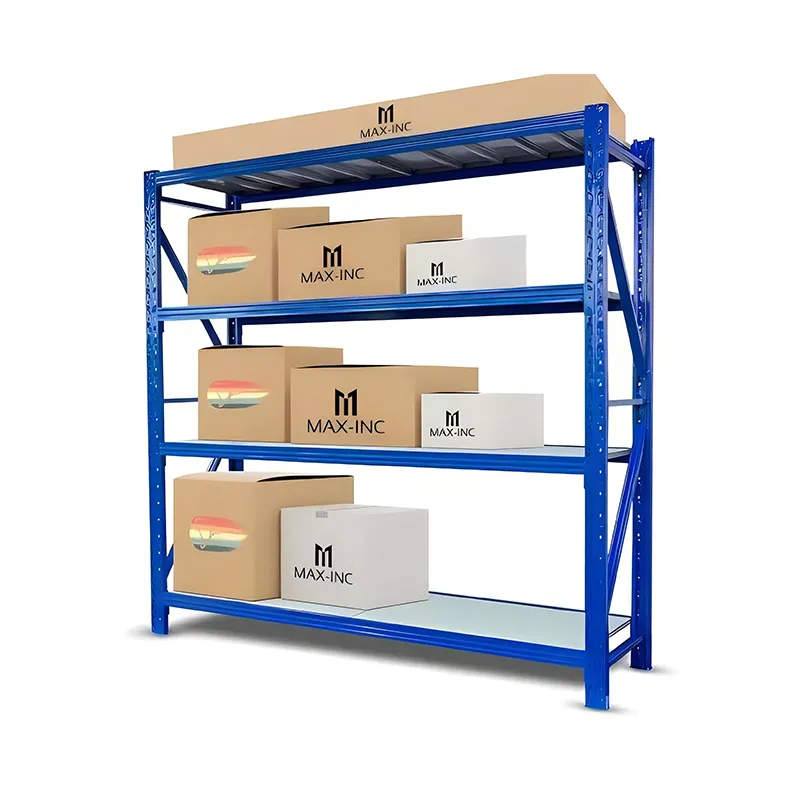
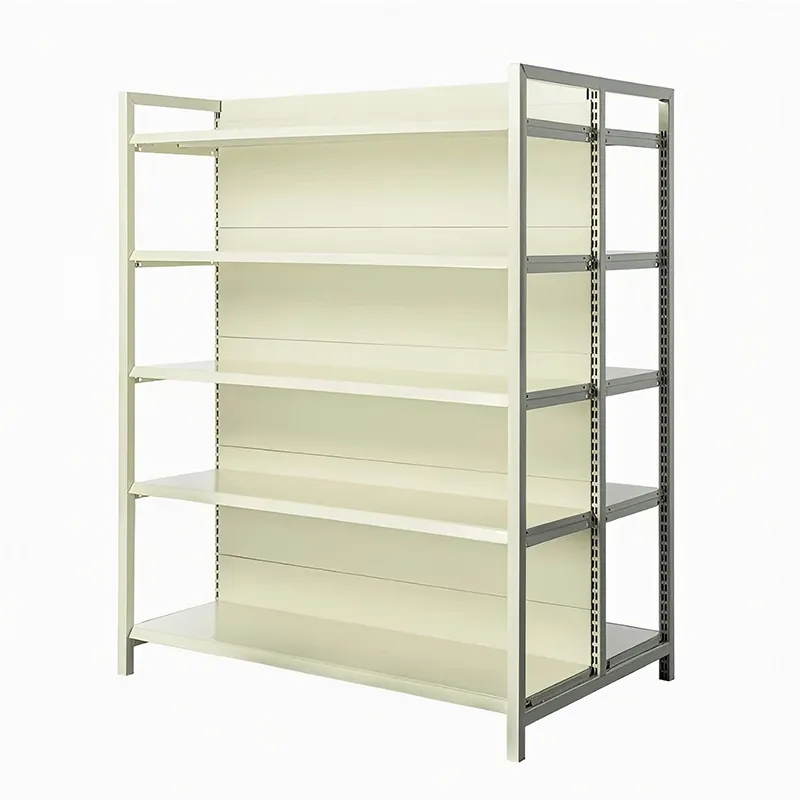
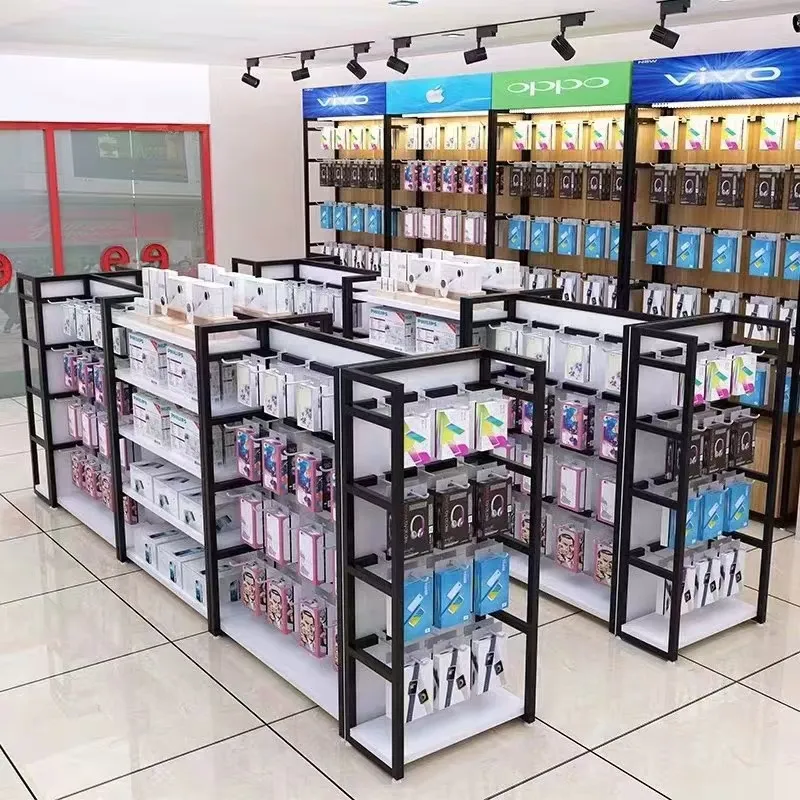
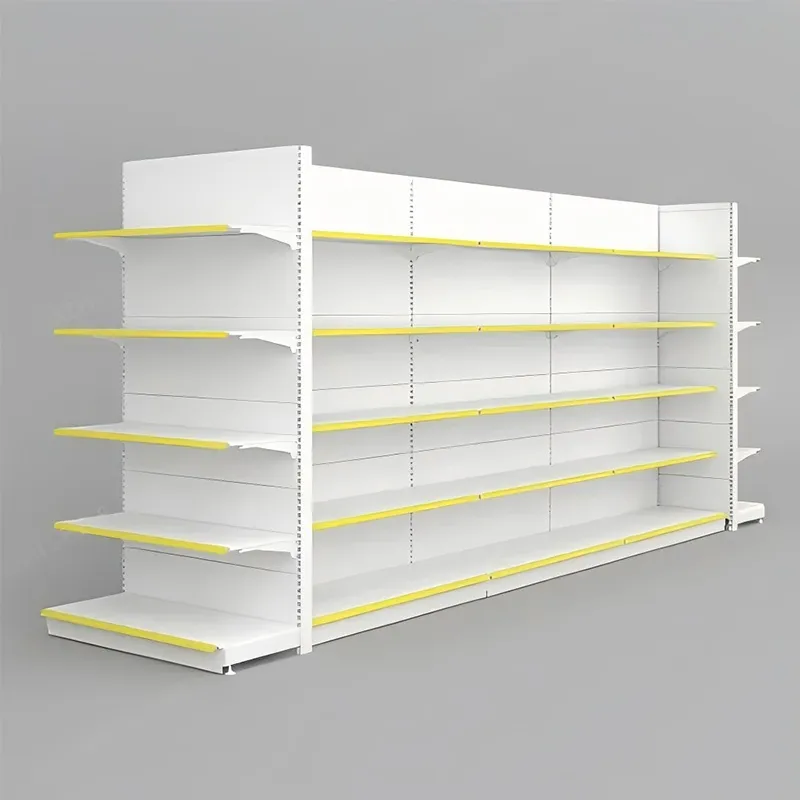
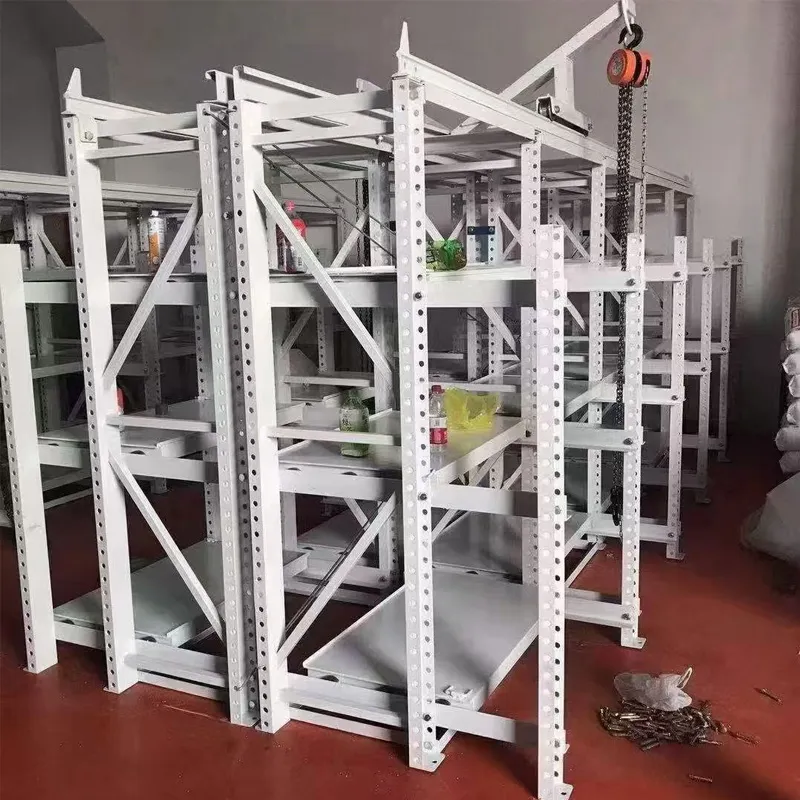
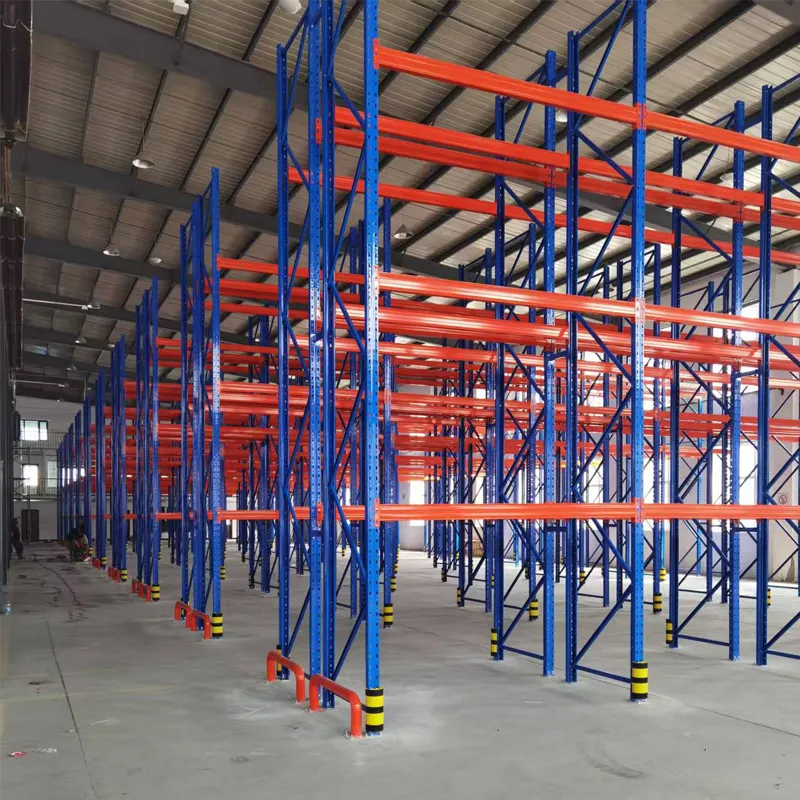
When they talk aboutmedium-heavy racks, many immediately imagine something average, intermediate - they say, not light shelves, but not massive beam structures either. In fact, this is perhaps the most capricious and calculation-demanding segment. A mistake that is often made is to think that since the load is not extreme, you can save on material or simplify the project. The end result is either overly expensive or unreliable systems. I myself have encountered when clients asked for “something stronger than average?”, and then it turned out that their design did not take into account the dynamic loads from forklifts or the uneven distribution of loads over height.
There is no strict GOST in the industry that would clearly differentiate categories by kilogram. Conventionally, if light racks are up to 200-300 kg per cell, and heavy ones start from 800-1000 kg, then our range is approximately 300-800 kg. But here’s the catch: the key is not so much the maximum weight as the nature of the operation.Medium-heavy racksoften operate in manual or reach truck picking mode, where impacts and side loads are common. Therefore, the calculation of resistance to overturning and the rigidity of connections comes to the fore.
Here you can’t just take a thicker profile. It is necessary to count the nodes - especially the connections between beams and posts. I often see projects where a standard locking system is used, but for loads of 500+ kg when the loader is actively operating, its safety margin may be at its limit. Sometimes a bolted connection with reinforcing linings is more reliable, although it is more expensive and installation is more difficult.
Another point is depth. For the medium-heavy segment, depths of 800-1200 mm are popular. And here it is important not to miss the choice of beam. A long beam bends under load in the center. The permissible deflection is usually 1/200 of the length. For 1200 mm it is 6 mm. If you do not take it into account and install a beam with a lower moment of inertia, over time a misalignment may occur, the lock will become loose, and the entire tiered structure will go down the drain. I checked it at one of the facilities - after six months of operation, I had to strengthen the beams with additional crossbars.
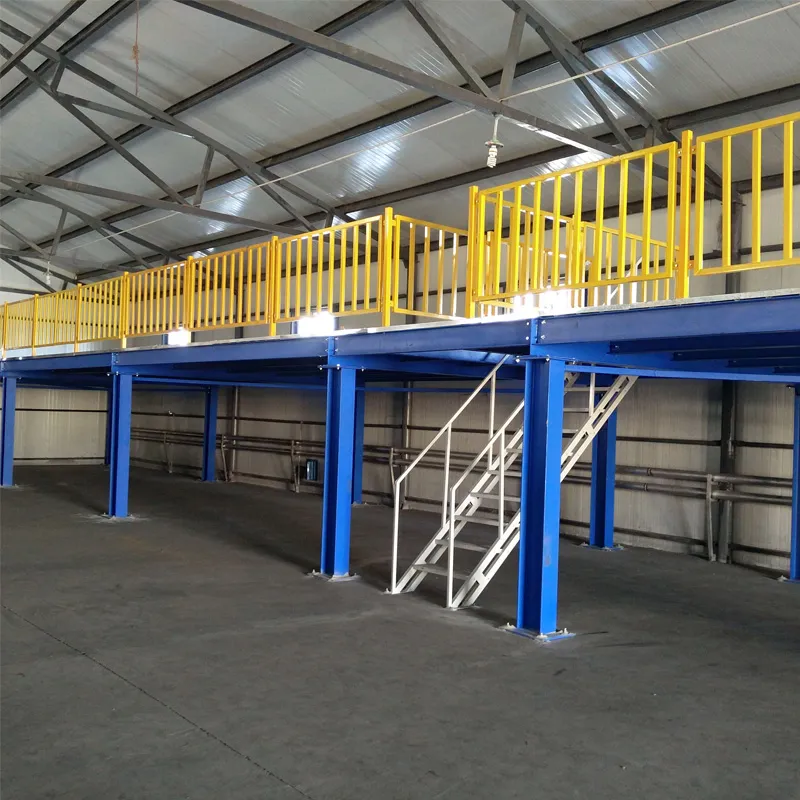
I'll tell you about an incident that I remember well. The client, a small auto parts warehouse, wanted to make maximum use of the height of the room - 7 meters. The standard solution is mezzanine-type shelving. But the loads - boxes with parts - were in the range of 400-600 kg. The designers, saving money, proposed a scheme with frequent, but lighter racks. In theory, the load was distributed. In practice, when the loader entered the second tier of the mezzanine, a noticeable vibration arose, and the racks of the lower tier began to “play”. We had to urgently stop work and weld diagonal connections in the lower level, which increased the cost and ate up useful space. Conclusion: for medium-heavy loads at heights above 5 meters, saving on frame weight almost always backfires.
The quality of steel is a separate issue. Not all manufacturers indicate the actual strength class. I saw racks made of steel, which according to the passport was C245, but in fact, during the first test with a hardness tester, it showed values on the edge. Bmedium-heavy racksthis is critical because here the loads are close to the maximum for the structure. Now, when choosing a supplier, we are always interested not only in certificates, but also in the origin of rolled metal. By the way,Harbin shelving plant ?Jusheng?in this regard, the approach is serious - they use automated cutting and bending lines, which minimizes the human factor and material defects, and, judging by the description, they have established control over the input of raw materials.
Installation. It would seem that I assembled it according to the instructions. But it is on medium-heavy systems that installer errors most often occur. The most common is under-tightening of bolted connections or, conversely, over-tightening, which deforms the hole. Both of these reduce the load-bearing capacity of the unit. I always insist on using torque wrenches when assembling critical components, especially in systems with bolted beams.
The market is saturated with offers, from handicraft workshops to large factories. For the medium-heavy segment, I would not recommend turning to the first ones. The reason is the complexity of accurate calculations and quality of workmanship. We need a full-cycle manufacturer who controls all stages: from design to painting. Here, for example,?Harbin Jusheng Metal Structure Manufacturing Co.,Ltd.- their plant is just one of those. Founded in 2019, area 20,000 sq. m is not a garage production. The presence of several automated lines is a key point for stable profile quality and accuracy of holes for fasteners. In our business, millimeters matter.
The design approach is important. A good supplier will never ship a standard project without asking for data on the type of loading equipment, frequency of access, exact weight and dimensions of the storage unit. From experience, it is this data, which clients often hide or indicate approximately, that causes problems. Serious companies, like the mentioned Harbin plant, which deal with the full cycle from development to service, usually have a detailed questionnaire for the customer and request this data without fail.
After-sales. Shelving is not a disposable product. The ability to purchase additional sections, get advice on strengthening, or quickly replace a damaged element is what distinguishes a manufacturer from a reseller. Saw the sitejshj.ru- in the description they directly indicate design, production, sales, and service. For warehouse logistics, where downtime costs a lot of money, such comprehensive support is a big advantage.
Now more and more often withinmedium-heavy shelvingrequest easy reconfiguration. Business processes are changing, the range of cargo is growing - flexibility is needed. Therefore, systems with bolted connections of all elements, rather than welded ones, are gaining popularity. They are, of course, more difficult to install, but you can quickly rearrange the shelves or add a section.
Another trend is integration with WMS and light marking systems. For this, it is necessary to lay cable channels in the structures in advance and provide places for sensors. Not every manufacturer is ready to make such changes to the standard profile. Here it is important that the plant has its own engineering capacity for non-standard solutions, and not just a conveyor for stamping standard parts.
From a personal point of view: I am increasingly faced with the fact that clients want to receive not just racks, but a ready-made “turnkey” warehouse solution. And this is logical. When one supplier is responsible for calculations, production, installation, and compatibility with equipment, there are fewer risks. Therefore, for projects where reliability and predictability of the result are important, I now primarily consider full-cycle manufacturers like Jusheng. Their description as a ?leading enterprise in northeast China? - these are not just words, but, judging by the scale of production and equipment, a completely justified characteristic that guarantees a certain level.
So, to summarize my experience with medium-heavy systems. First, don't skimp on design. Let the engineer come, look at the object, clarify the details. Secondly, require the supplier to provide detailed load calculations, especially for stability. Thirdly, pay attention to the manufacturer. Large factory with automation likeHarbin plant ?Jusheng?, is most often synonymous with stable metal quality and product geometry, which is critically important for our load range.
And lastly, don’t forget about installation. The best design, assembled somehow, will not last long. It is better if the installation is carried out or supervised by specialists from the manufacturer themselves - they know all the nuances of their designs. In general,medium-heavy racks- this is an area where there are no trifles. Every detail, from the grade of steel to the tightening of the last bolt, contributes to overall reliability. And experience, unfortunately, is often gained precisely from mistakes that could have been avoided.