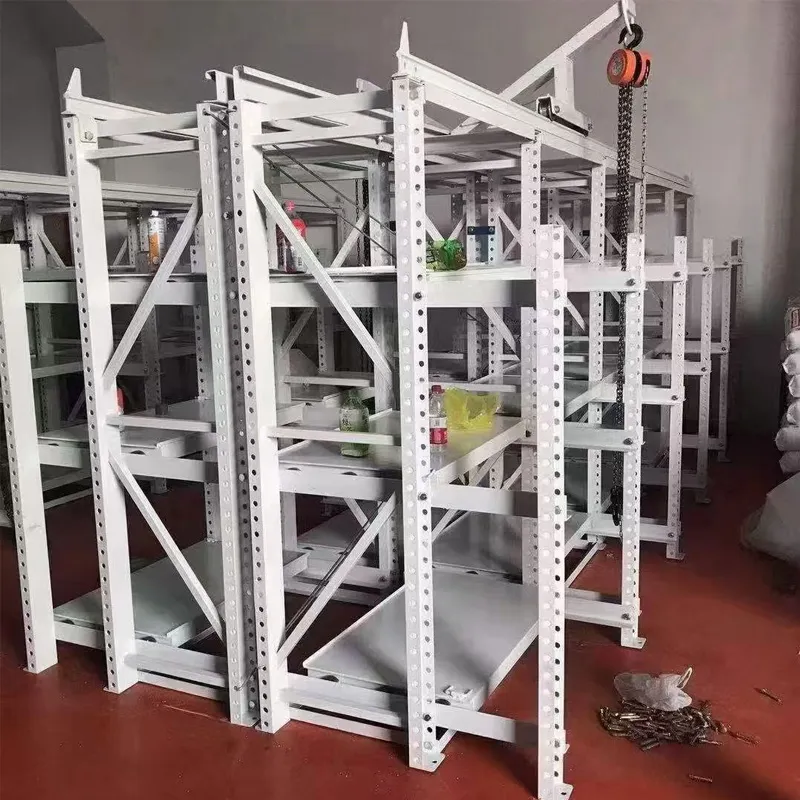
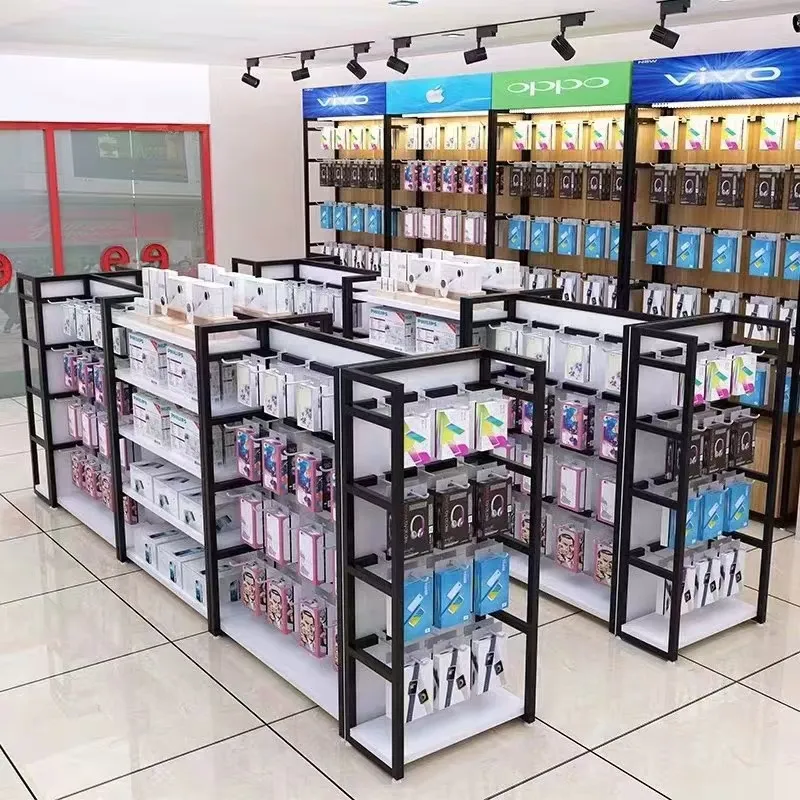
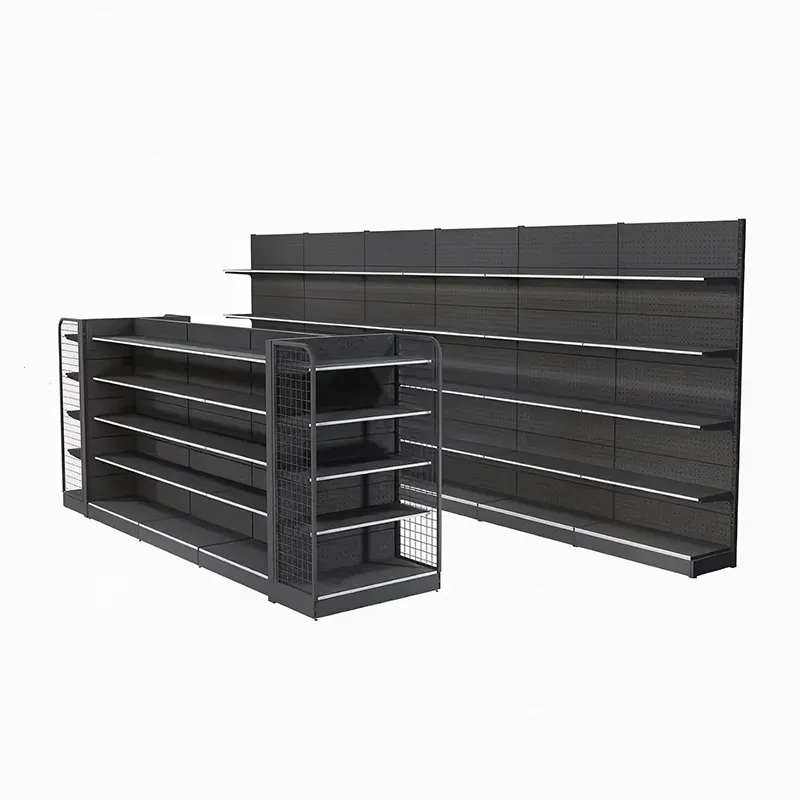
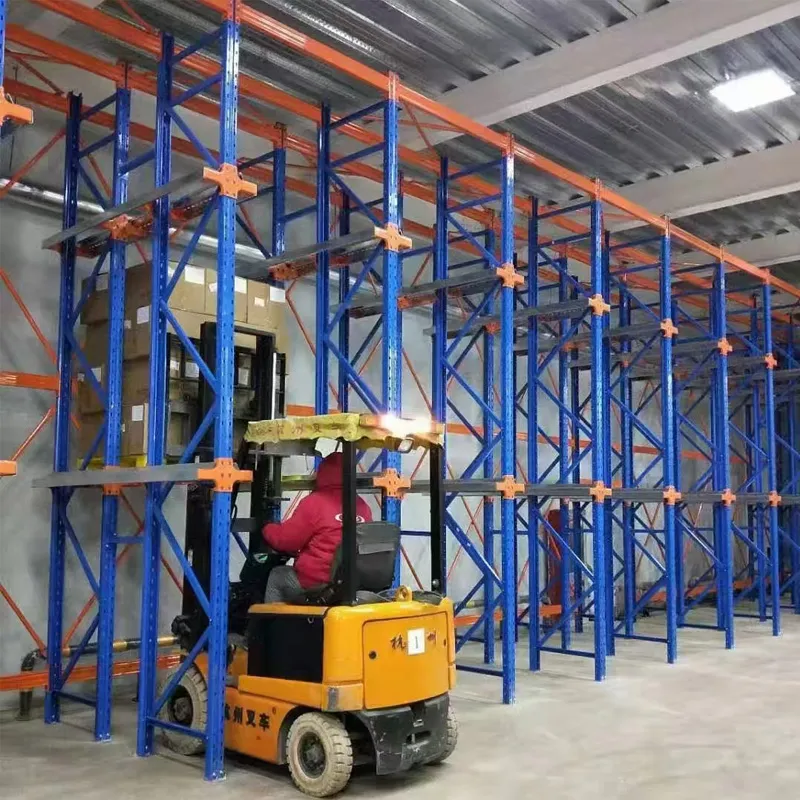
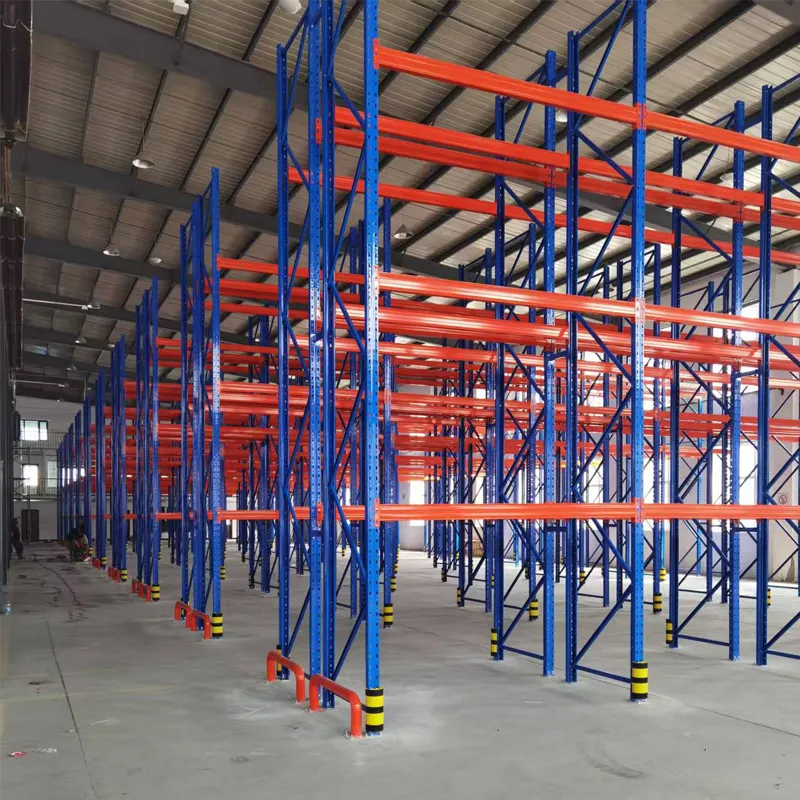
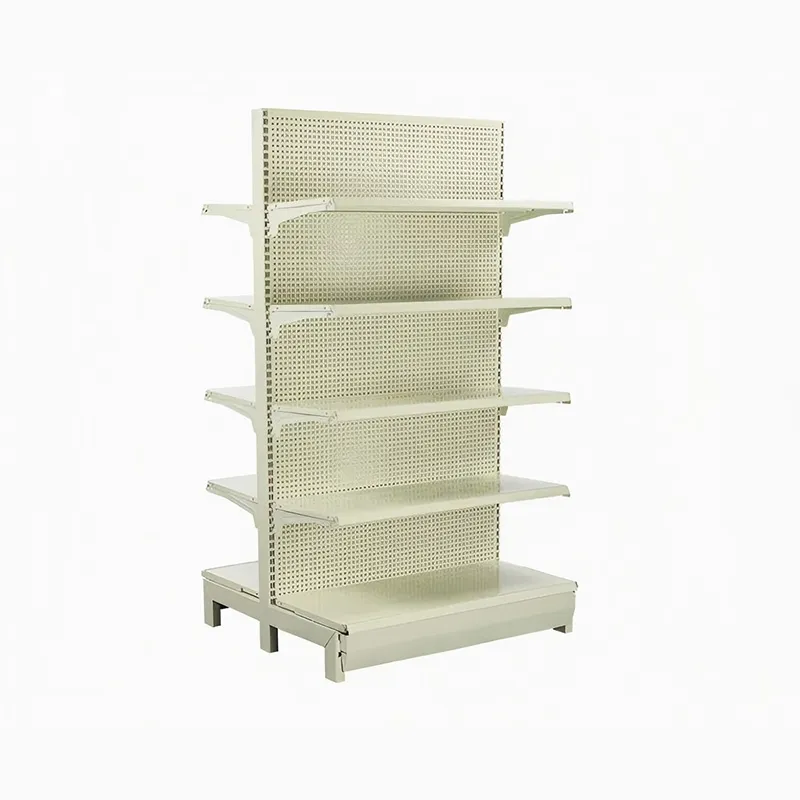
When you hear “metal shelving for a retail store?”, many people imagine simply welded corners with shelves. This is where the first mistake lies, which I have encountered more than once. This is not just a design for placing goods - it is the foundation of merchandising, on which both logistics in the store and conversion depend. Too often, customers save on design, choosing standard solutions, and then puzzle over why turnover is not growing. I went through this myself.
Let's start with the basics - design. It would seem that it would be difficult: I measured the room, drew a diagram. But this is where future jambs are laid. For example, they did not take into account the trajectory of the consumer flow - and the most popular positions ended up in “dead” territory. zone. Or they miscalculated the load on the shelf, deciding to save on the thickness of the metal. I remember one project for a small electronics store: the customer insisted on a lightweight profile in order to reduce the budget. As a result, under the weight of the speakers and amplifiers, the middle shelves showed a noticeable deflection after six months. We had to urgently strengthen the structure, which turned out to be more expensive than the original competent solution.
Here it is important to work with a manufacturer who understands not only metal, but also the specifics of retail. Take, for example,Harbin Rack Factory ?Jusheng?(Harbin Jusheng Metal Structures Manufacturing LLC). I look at their websitewww.jshj.ru— it is clear that they were initially designed for a full cycle: from engineering to installation. This is critical for the store. It is not enough to simply produce racks; you need to design the system for a specific product and a specific space. Their approach, where there is design, development, and production in one place, often saves from such fatal miscalculations as mine with electronics.
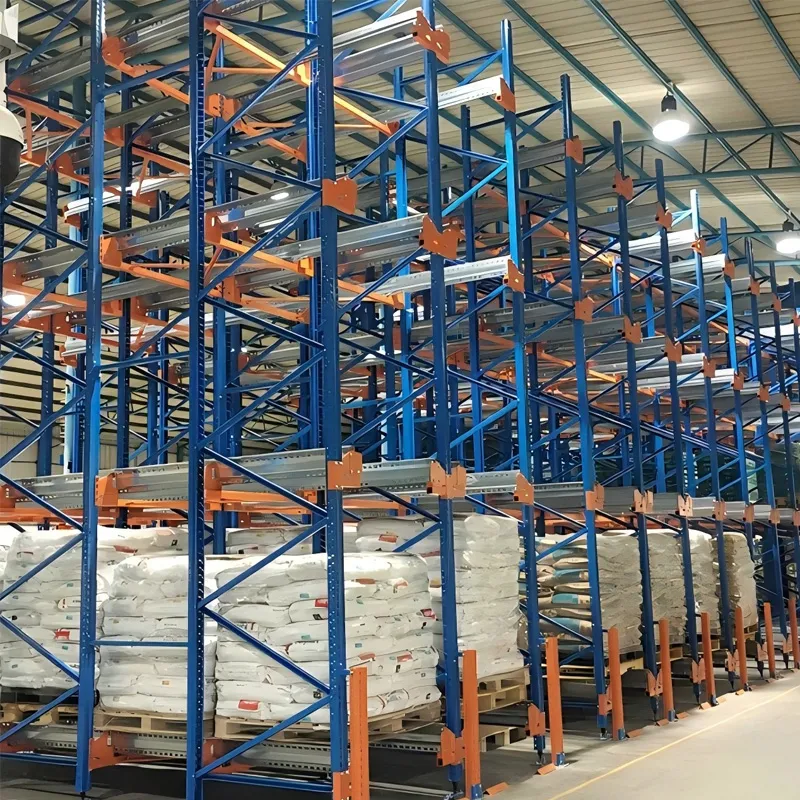
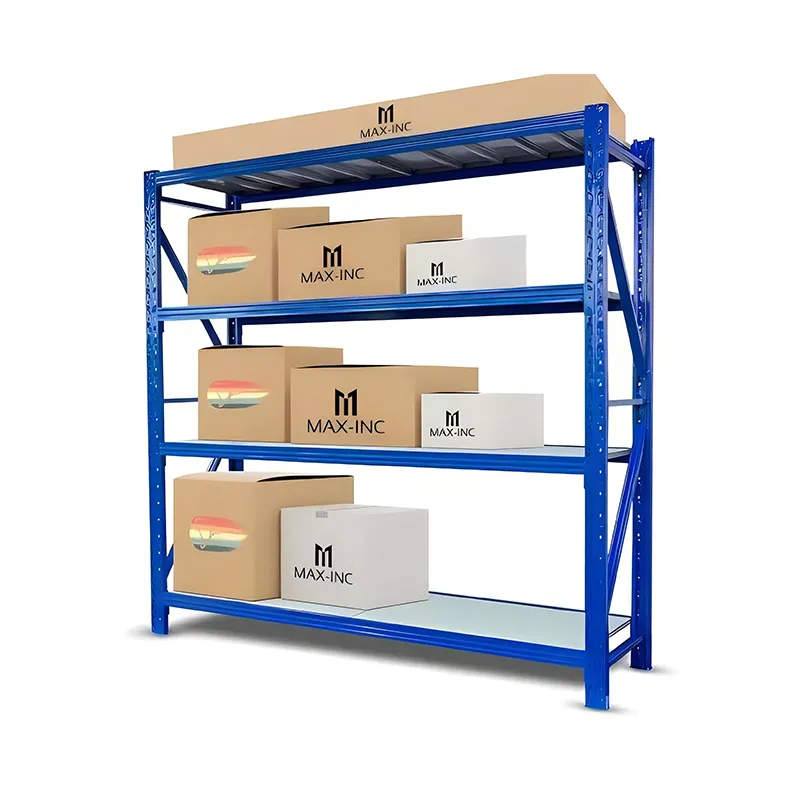
Another nuance - unification vs. customization. Ready-made modules are cheaper, but they rarely fit perfectly into the plan. Completely individual road design. The truth, as usual, is in the middle. A good manufacturer offers flexible systems based on proven solutions. Let's say the same ?Jusheng? In its portfolio it lists both shelving for sales areas and warehouse systems. This speaks to the understanding that the requirements for strength, ergonomics and appearance in these zones are different, but the technological base may be common. This reduces the final cost without losing quality.
Let's move on to the hardware. Steel and steel are different. For the frame of load-bearing posts in an area with high traffic and load, one profile is needed, for the upper tiers, where people rarely look, another. A common mistake is to use the same metal everywhere “for symmetry”. This is an unjustified overspending.
But the main scourge is the coating. Powder paint is a must have, everyone already knows about it. However, the quality of the metal preparation before painting is where the dog is buried. Insufficient degreasing or phosphating, and after a year or two the paint will begin to peel off on corners and welds, especially in a store environment with changes in temperature and humidity. I've seen examples like this before. When you study the websites of serious manufacturers, like the mentioned plant from Harbin, you pay attention to the description of the technological park - several lines of automated equipment. This is not written for beauty. Automation in a paint shop is all about the stable quality of preparation and application of the layer. Manual work in this matter is too variable.
Color. It would seem that it is aesthetics. But no. A light gloss will glare under the spotlights, a matte dark coating will visually “eat up” it. space. Optimally, neutral matte or semi-matte shades that serve as a background for the product. And one more thing about the coating: you definitely need to check its thickness. A weak layer will not protect against chipping when moved or hit by a cart.
Perfectly designed and painted shelving was delivered to the site. And the fun part begins—the editing. A typical story: measurements were taken in the morning, and the installation team arrived in the evening, when the air conditioners were already working in the hall or, conversely, the heating was turned on. Metal is a material that lives according to its own laws of thermal expansion. Millimeter gaps included in the design may disappear or, conversely, turn into centimeter gaps. Good assembly always takes into account the climatic conditions of the room.
Another point is fasteners and connections. Bolted connections are good for possible reconfiguration, but require precision in the holes. Welded ones are tougher and more reliable, but “tight” tie you to one layout. Nowadays, combined systems are often used. It is important that at the design stage it is clearly stated what will be assembled and how. And here we return again to the importance of the manufacturer’s full cycle. If a company likeLLC ?Harbin Jusheng?, takes on design, production, installation, and responsibility for “docking?” drawing and reality lies on her alone. There is no way to place the blame on “crooked hands?” subcontractors. In their case, judging by the description that they are a large specialized enterprise with a full cycle, including after-sales service, such risks are minimized.
Personal experience of failure: I once agreed to installation by a third-party team recommended by the customer. The manufacturer provided clear diagrams, but the installers decided that “this will do” and did not level the frame using a laser; they did everything “by eye”. The result was skewed sections that not only looked shabby, but the sliding doors at the ends of the shelving simply wouldn’t move. I had to disassemble everything and reassemble it again, this time with the involvement of specialists from the manufacturer. Since then I have insisted that the installation be carried out by one responsible party.
Technical reliability is only half the story. The second half is how this design works for sales. Shelf height, depth, possibility of installing additional equipment - hooks, holders, light panels.
For example, for a clothing store, the height of the top bar for hangers is critical. If you make it too low, you won’t use the space of the hall; if you make it too high, the product becomes inaccessible to the eyes (and hands) of the average buyer. There are rules of thumb, but they always need to be adapted. While working on a project for a hardware store, we experimented with the depth of shelves for large packages. It turned out that the standard depth of 40 cm is inconvenient - the boxes protrude forward and are easy to hit. They increased it to 50 cm, but added an inclined limiter bar at the front to prevent the product from falling through. to the back wall. This simple solution dramatically increased layout speed and improved appearance.
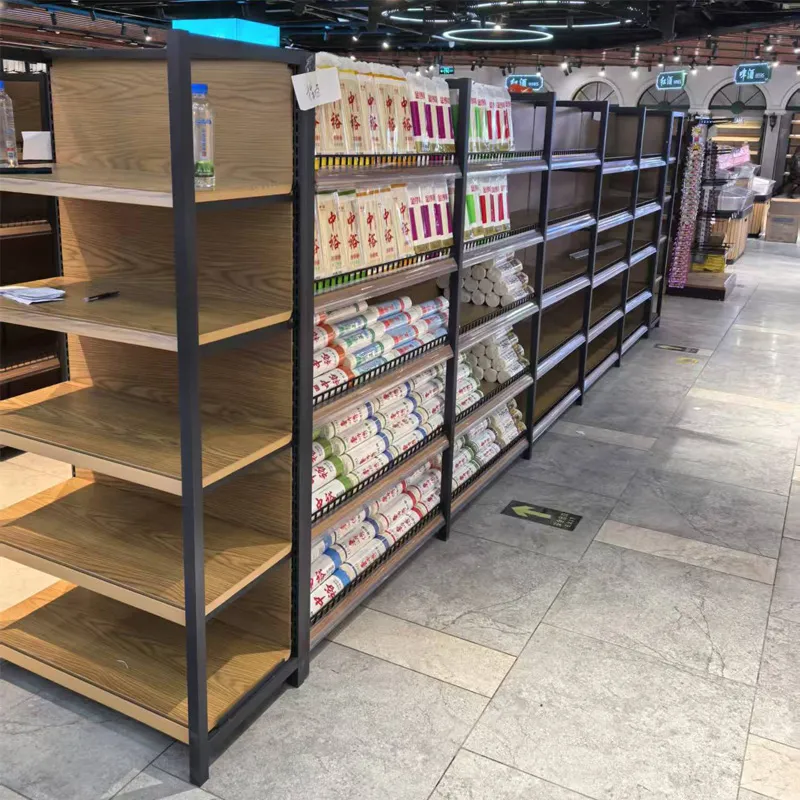
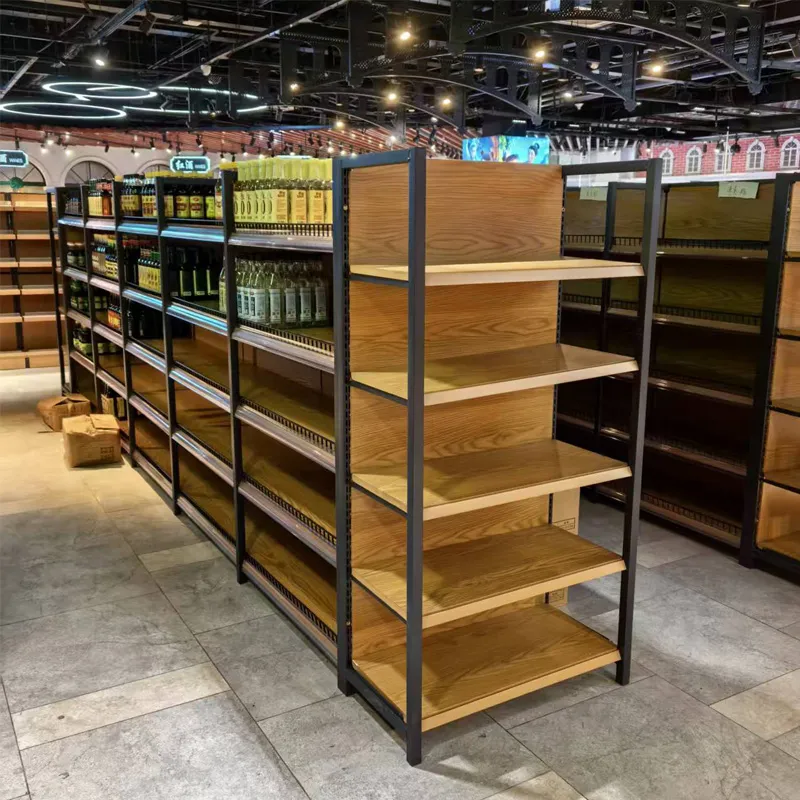
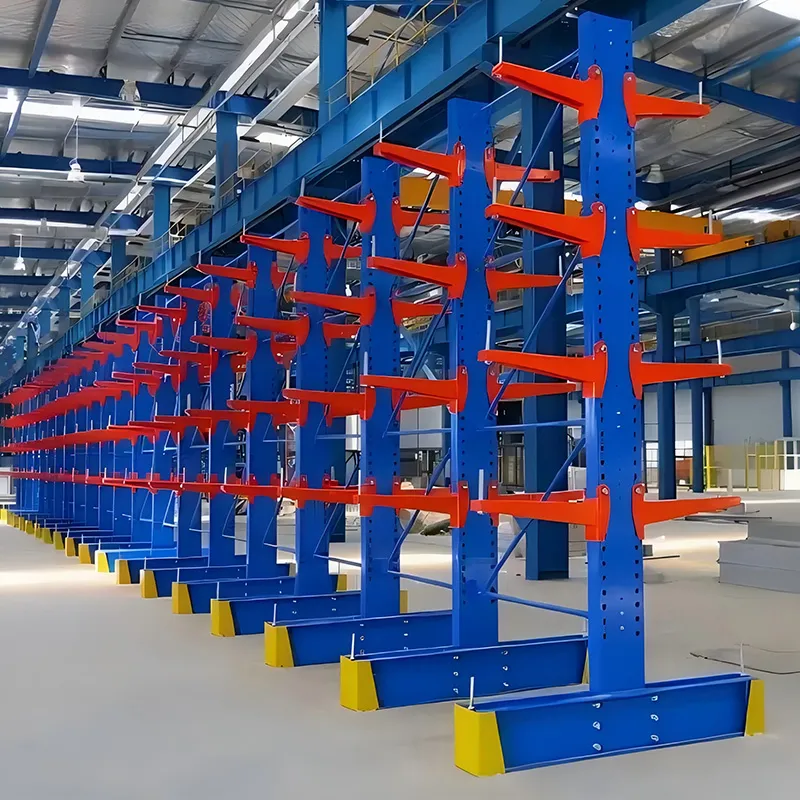
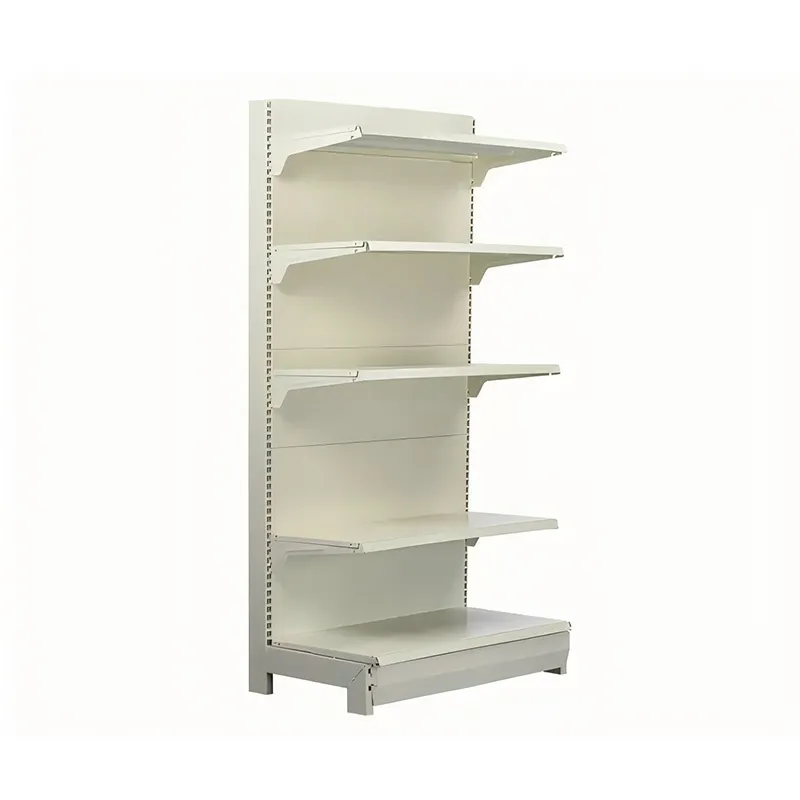
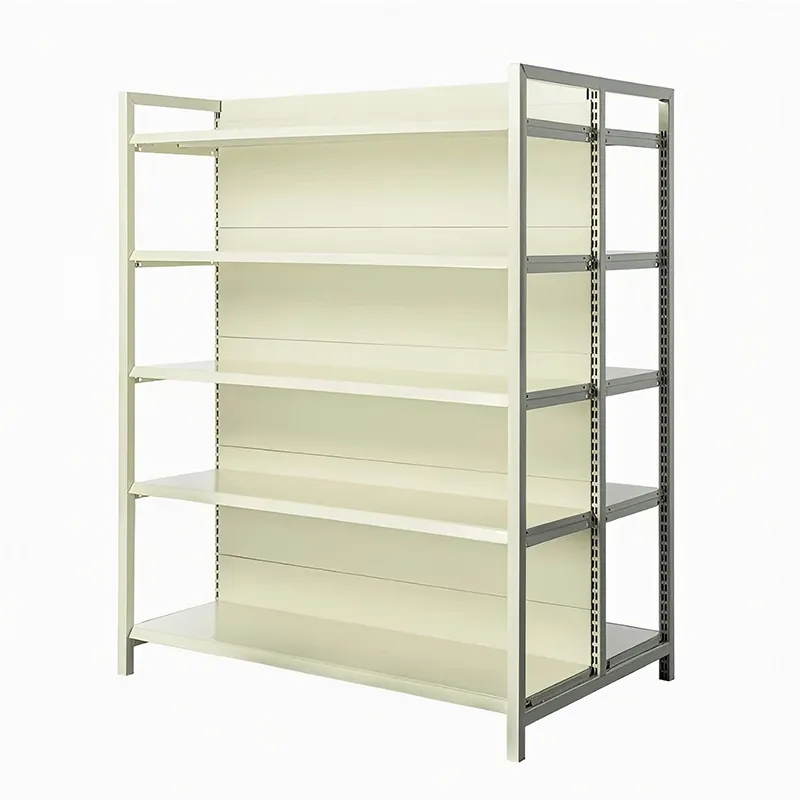
Here again, the difference between the manufacturer of “iron” is visible. and solution manufacturer. When you see in a company’s assortment, say,shelving for retail spacesas a separate category, and not just part of general warehouse systems, this speaks to an understanding of the task. On the same website jshj.ru it can be seen that they highlight shelving for retail floors in a separate line, along with mezzanine or console ones. This means there is a specialization, which means they thought about ergonomics specifically for retail.
So where does this all lead? Choicemetal store rack- this is not a purchase of goods, it is an investment in the sales infrastructure. Savings at the design stage or materials always come out sideways: either the shelves bend, the paint peels off, or the product is not sold due to inconvenient display.
Experience, often bitter, suggests that you need to work with those who see the entire process. Not with a middleman who will resell the Chinese frame, but with a company that can take responsibility from idea to launch. When you read the description of a company like the same oneHarbin Jusheng, founded in 2019 and occupying 20,000 sq. meters, with an emphasis on the full cycle and automation, this inspires more confidence than vague formulations. I am especially impressed that they directly indicate specialization in the northeast of China - this often means closer supply chains and a better understanding of regional requirements for supplies to the Russian Federation.
Ultimately, a good retail rack is one that you forget about once installed. It just works: it doesn’t creak, doesn’t wobble, doesn’t distract from the product, but helps show it. This can only be achieved when professionals who speak the same language with both the engineer and the merchandiser work at all stages - from calculating the load on the profile to the final adjustment of the legs on an uneven floor. And finding such a partner is the most important part of the task.