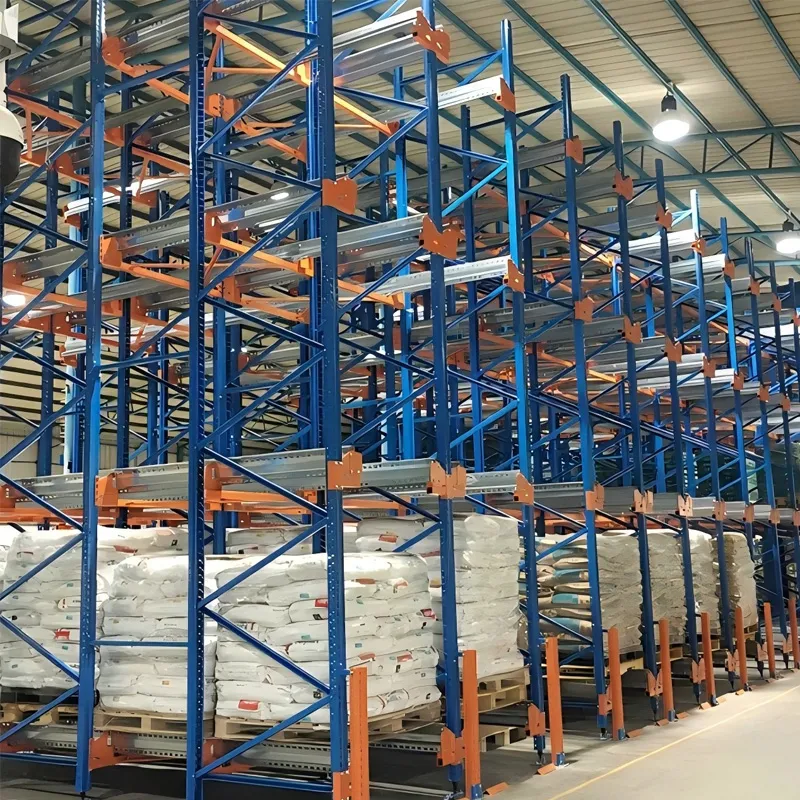
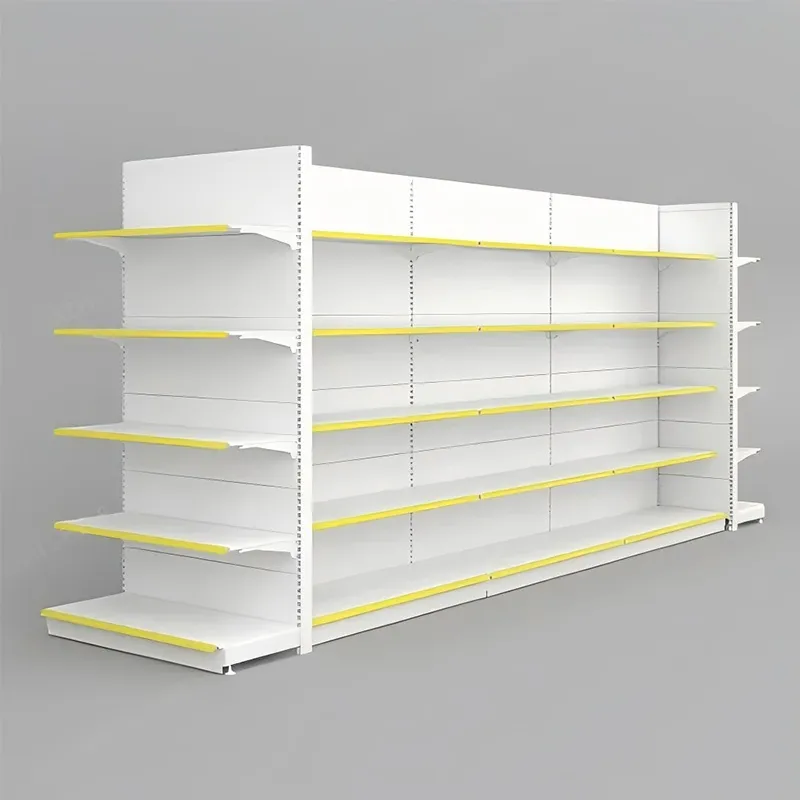
When they say 'racks for logistics centers', many people simply imagine iron structures for pallets. This is the first and biggest misconception. In fact, this is the nervous system of the warehouse, and an error in selection or design affects the entire chain - from the speed of acceptance to the accuracy of shipment. I've seen projects where they saved money on load calculations, and after six months the 'shelving' came in waves. Or when a contractor, without delving into the specifics of the flow of goods (piece goods vs long items), installed standard pallet systems, creating bottlenecks in picking. The key here is to understand that the racking system is designed for the process, and not vice versa.
The ideal project on paper often breaks down in the reality of the warehouse. Here's a classic: they laid out a ceiling height of 12 meters belowshelving for logistics centershigh-altitude storage, and during installation it turned out that utility lines “eat up” a meter and a half. Or the geometry of the floor. It would seem like a small thing. But if the level difference is even 2-3 centimeters along the length of the rack row, this is a guaranteed problem with the reach trucks, their rapid wear and, worse, the risk of the load falling. That's why we now always require a topographical survey of the floor before starting any drawings. This is not a whim, it is savings on future repairs and downtime.
Another painful point is the calculation of loads. Not only static, but also dynamic. Vibration from forklifts, shock loads during entry - all this should be included in the safety margin. I remember a case with one distribution center for household appliances. The racks seemed to be standing securely, but after a few months, deformations of the shelves began to be noticeable on the upper tiers. It turned out that the designer did not take into account the frequent rotation of goods and the constant vibration from the stackers. We had to strengthen the structures 'on the fly', which is many times more expensive than doing it right from scratch.
Here, by the way, it is important to choose a manufacturer who not only sells hardware, but is capable of carrying out full-fledged engineering. I follow the market, and one of the companies that focuses on an integrated approach isHarbin Jiusheng Metal Structure Manufacturing Co.,Ltd. Their websitehttps://www.jshj.ruclearly positions them as a full-cycle enterprise: from design to service. For a logistics center, this is critically important - to have one person responsible for the entire “skeleton”, and not to assemble a system from pieces from different suppliers. Their plant in Harbin with automated lines, judging by the description, allows quality control at all stages, which for load-bearing structures is a matter of safety, and not just price.
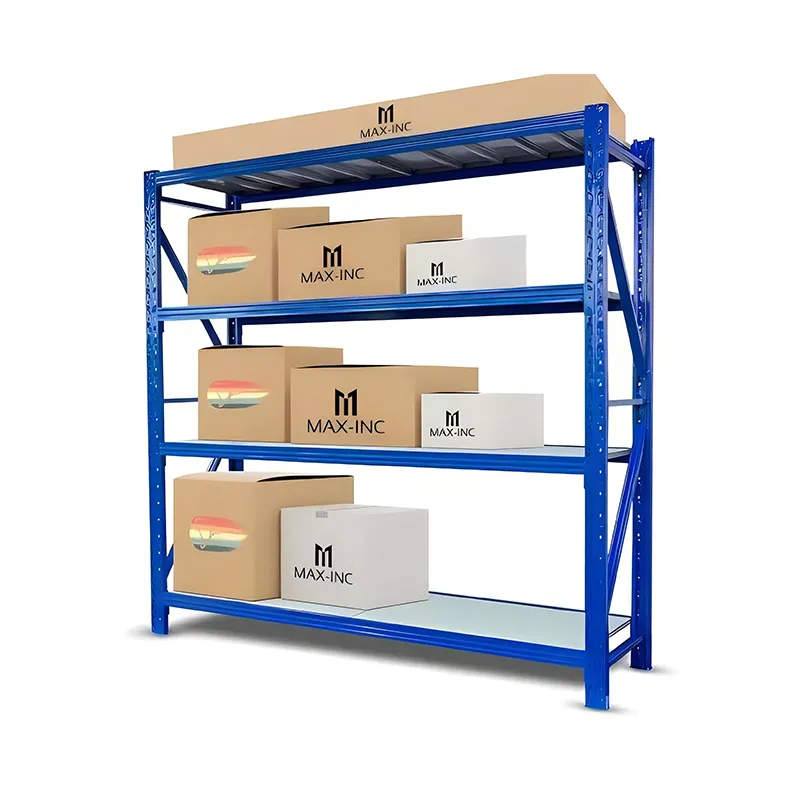
The main planning headache is the choice between storage density and speed of access to goods. Classic palletsshelving for logistics centers(shelf or beam) - this is a proven option, but they 'eat up' a lot of aisles. When you want to make the most of your cube, you can use bulk storage systems or, for example, racks for four-way shuttles. But this is a different story, different logistics and different investments in equipment.
Personally, I went through a stage of fascination with mezzanine systems. It seemed ideal: we use air, create a second tier for storing medium- and low-turnover goods. But in practice, you often run into restrictions on the load on the second tier and, most importantly, the complexity of the staff’s work. If lifting ergonomics, lighting and safety are not thought out, productivity in such areas drops catastrophically. This is the case when a technological solution must be adapted to the human factor, and not vice versa.
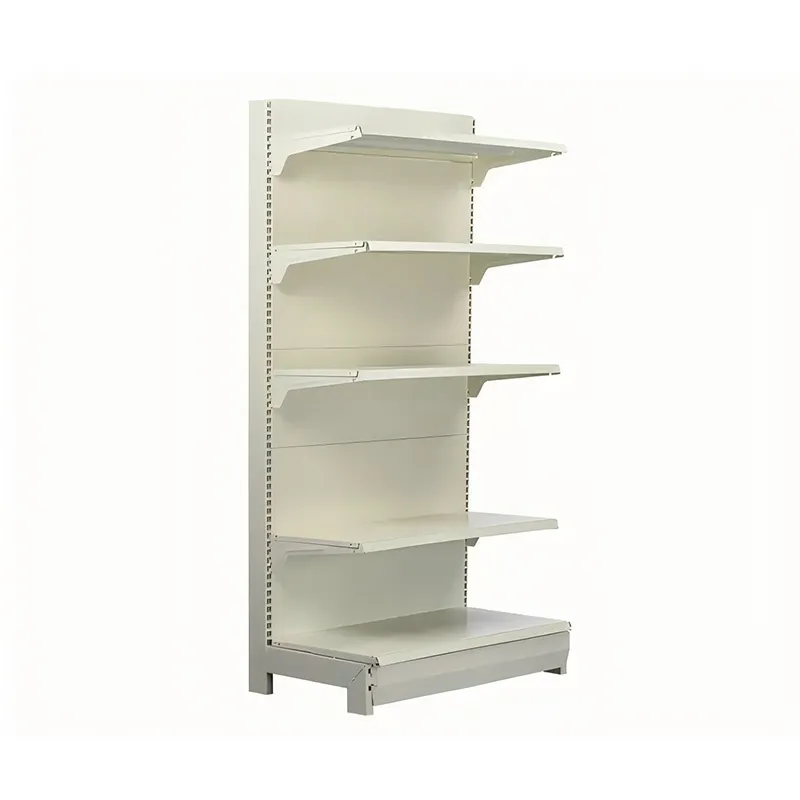
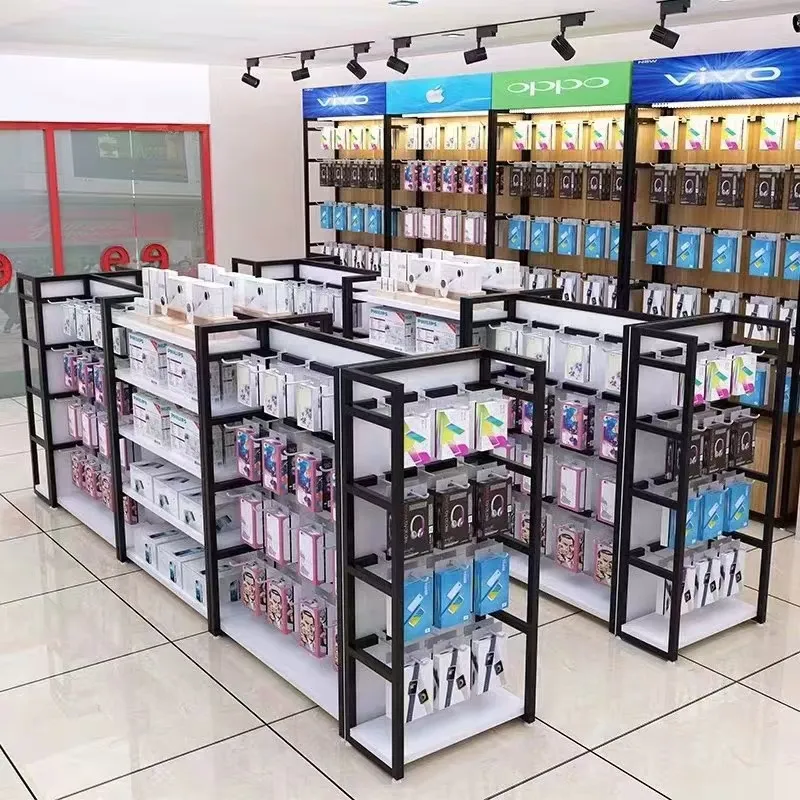
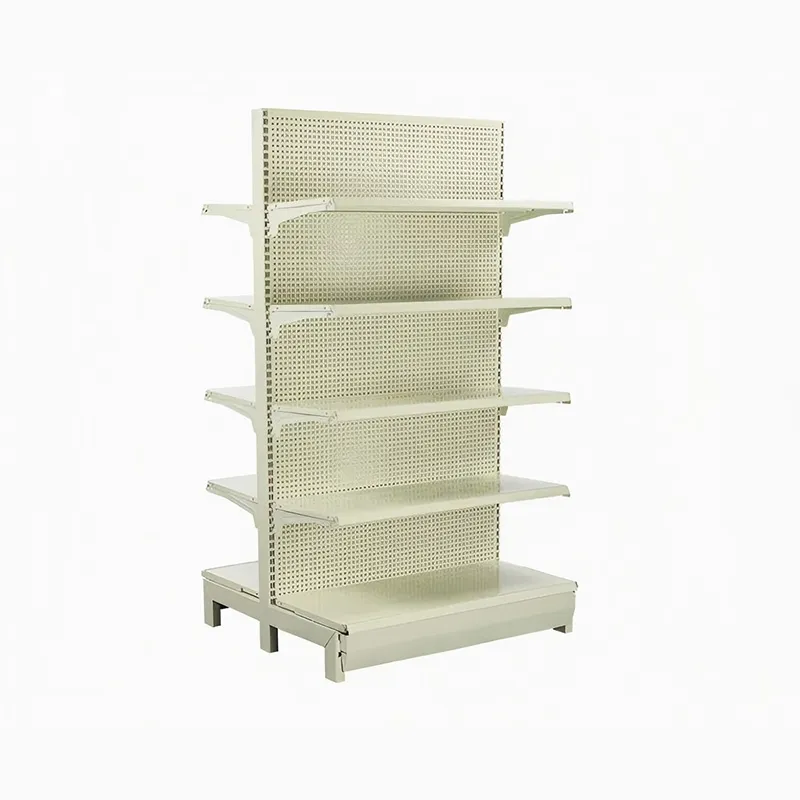
For individual or small-group storage, they often look towards shelf systems. But there is a nuance here: the standard shelf depth of 600-800 mm may be ineffective if the boxes have non-standard dimensions. A simple tip that many people ignore: before ordering racks, model the layout of your typical cargo units in special software or at least on paper. This will save a lot of space and nerves in the future.
Even with an ideal project and high-quality components, everything can be ruined at the installation stage. This is not just a construction kit. It requires precise alignment along the axes, control of the tightness of each connection (with a torque wrench, not 'by eye'), and adherence to tolerances. I always insist on the presence of my technical supervisor or a manufacturer's representative at critical stages of assembly. I once saw how installers, in order to speed things up, did not level the first section, they say, “it will level out later.” As a result, by the end of the row the discrepancy was already 10 centimeters, and everything had to be disassembled. The deadlines are missed, the budget is inflated.
Another point is the preparation of the object. Often the logistics center has not yet been completed, but the racks are already being transported. As a result, they are stored in the open air and then installed covered with condensation or dust. The quality of the coating suffers and corrosion begins. It is necessary to strictly demand compliance with the storage and installation conditions specified in the contract. Manufacturers likeHarbin shelving plant 'Jusheng', as a rule, give clear instructions, because they also do not benefit from complaints due to someone else’s negligence. Their status as a leading enterprise in northeast China obliges them to maintain their brand, and this is felt in their approach to documentation and technical support.
After installation, load tests are required. Not just put pallets, but support the calculated weight on all tiers for a certain time. This is the only way to ensure that there are no hidden defects in installation or materials.
Shelving for logistics centers- this is not an independent element. They live in symbiosis with warehouse equipment: reach trucks, stackers, loaders. The gap between the rack stand and the equipment is sacred. If you save 5 centimeters on the width of the aisle, you will get constant hits and repairs of the forks. You always need to take the vehicle’s passport data, take into account turning radii and even the experience of the drivers. It is better to make the passage a little wider than to redo it later.
Scalability is something that is forgotten in the rush to solve current problems. The warehouse is growing, the assortment is changing, and a new type of packaging is appearing. A good shelving system should allow for the possibility of expansion, changing the shelf configuration, or increasing the height. Modularity is the key word. I look at the assortment of Jusheng - they have beam, shelf, console, and shuttle systems in their portfolio. This suggests that they can offer not just a separate product, but a modular solution that can be developed together with the client’s business. This is important for logistics centers that are initially built with growth in mind.
The question often arises: to create a system for a specific technology 'here and now' or to set parameters for a future, more modern one? My experience suggests a middle ground. Design with a small margin for loads and passage dimensions, but do not chase the 'last word' that may never be implemented. Technologies change, but the basic principles of reliability and ergonomics remain constant.
In conclusion, I want to say that the choice and implementationshelving for logistics centersis a strategic investment. Saving at this stage means planting a time bomb under all your operational processes. This is not an area where you should be chasing the lowest price per ton. You need to look at the manufacturer’s reputation, its engineering ability, the quality of materials (metal thickness, type of coating) and, no less important, its willingness to accompany the project at all stages.
Companies such as the mentioned Harbin Jusheng LLC, with their full cycle from design to service, become reliable partners in this sense. Their experience, supported by modern production on an area of 20,000 sq. m, allows you to close most potential problems at the drawing stage. In logistics, where every minute of downtime costs money, the reliability of the warehouse “skeleton” is not a luxury, but a basic necessity. Therefore, my main advice: approach the choice of a racking system not as purchasing equipment, but as designing a key business process. And then these iron structures will truly become not just shelves, but the basis for efficient and uninterrupted operation.