When you see the number 500 kg, the first thought is, well, solid. But when working with metal structures, this figure is deceptive if you don’t know what exactly we’re talking about. Many customers think that this is the load on the entire section, but in reality they often mean the load on one shelf or, even more tricky, on one beam. And this is where those “nuances” begin, which later cause problems.
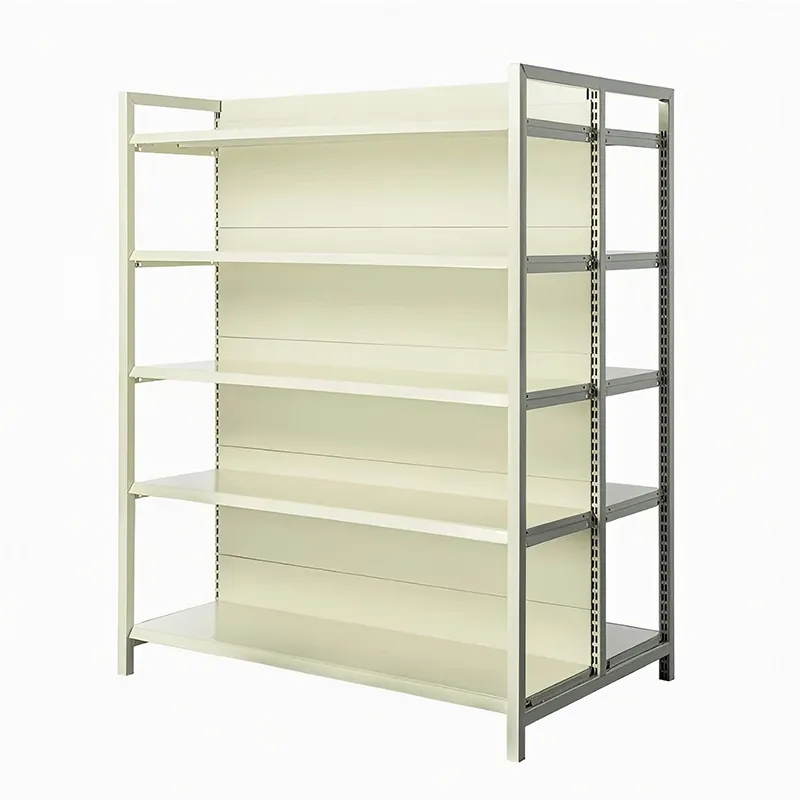
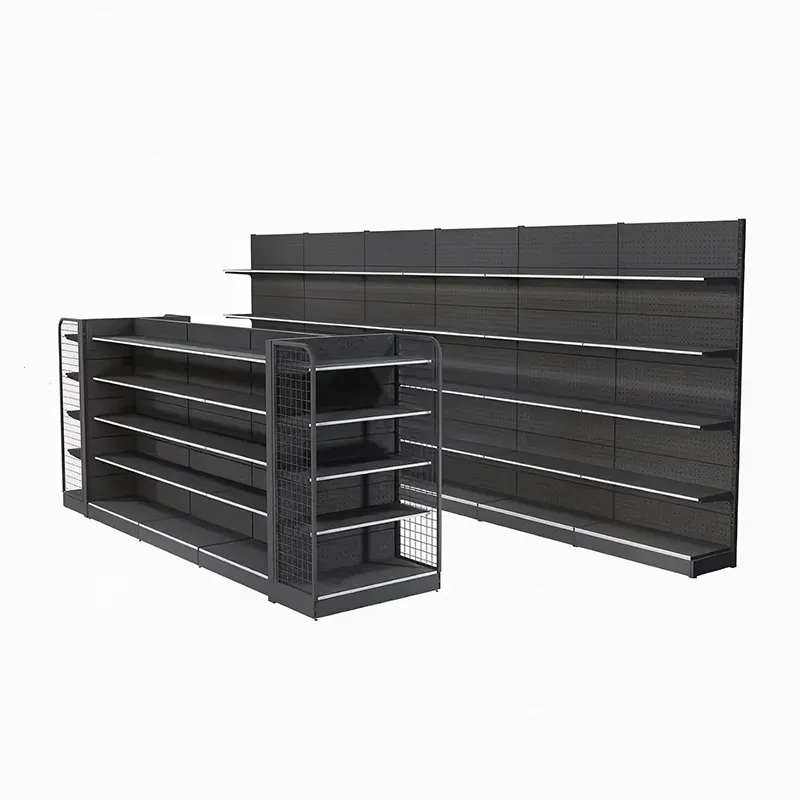
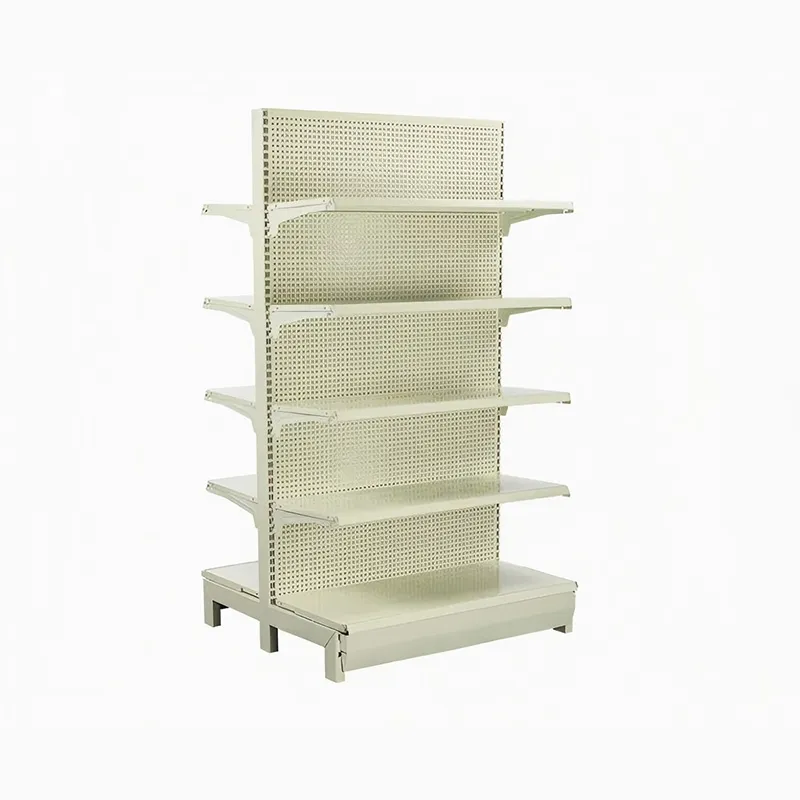
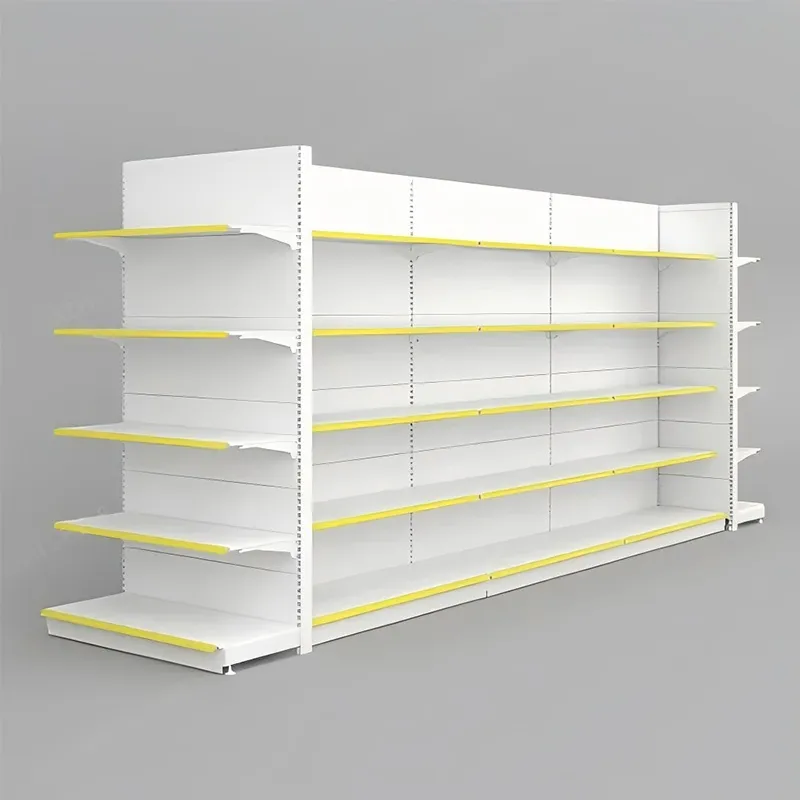
Take, for example, classic shelf racks. The manufacturer writes: “load capacity 500 kg?”. Fine. But is this for one shelf? Or per tier? What if there are two shelves? Or three? A common mistake is to assume that if you can load 500 kg on a shelf, then you can load 2500 on the entire rack, which has five shelves. This is not true. The calculation is based on the total load on the rack, and it can be, say, 1500 kg for the entire vertical. Therefore, the first thing I ask the client is how exactly the weight will be distributed. Boxes with documents or spare parts for machine tools - the difference is huge.
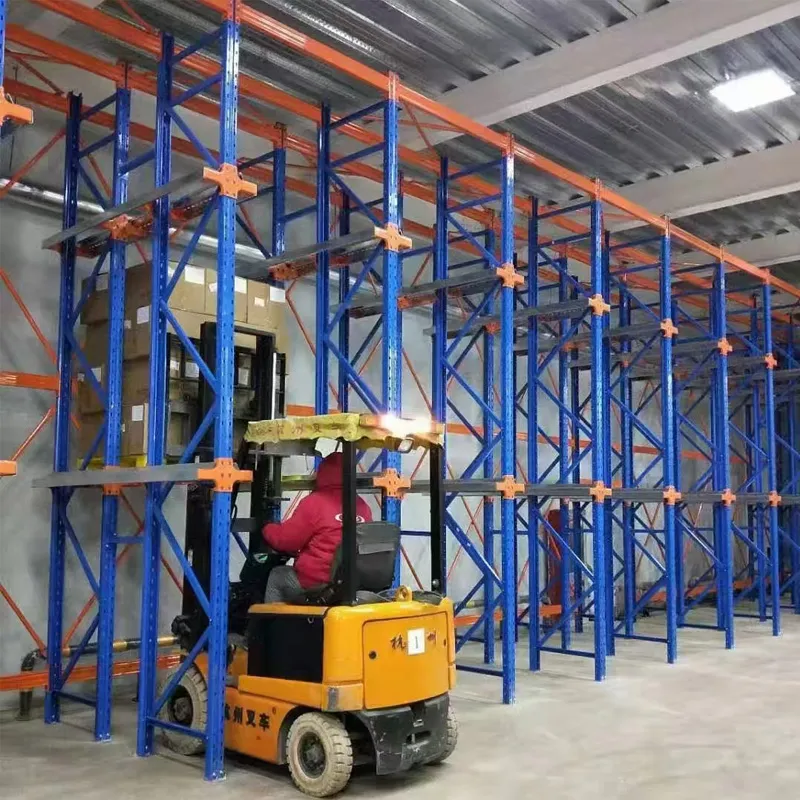
Another point is dynamic load. These 500 kg are for a static load that is set and forgotten. What if this is an active warehouse with forklifts, where pallets are constantly moving in and out? Shock load, vibration - all this requires a different approach to the design, to the thickness of the metal, to the quality of the welds. I have seen cases when racks, stated to be 500 kg, began to “play?” and sag simply from the regular operation of the reach truck. The reason is to save on the material of the racks; they were made from thinner rolled stock.
Therefore, for us, as a manufacturer, the key thing is engineering calculations for a specific project. You can’t just take a drawing with a 500 kg shelf and replicate it for any warehouse. You need to consider the height, depth, type of flooring, seismicity of the region (yes, this is also important), and even how often the shelves will be rearranged. All this affects the final design and the very “real” one. load capacity, not paper capacity.
At our factory,?Harbin Jusheng Metal Structure Manufacturing Co.,Ltd., there is a special approach to such orders. We have an area of 20,000 square meters. m and several automated lines, which allows you to control the entire cycle. But automation is for accuracy and speed. And the decision of what kind of metal to make the stand forracks with a loading capacity of 500 kg, accepted by the technologist. Often, for reliability, we include a safety margin, especially for the Russian market, where operating conditions are more severe than in the test laboratory.
I remember a project for a logistics center near Vladivostok. The customer wanted exactly these shelving racks for heavy equipment. According to calculations, it turned out that a standard profile of 80x40 mm may not be enough for their height of 6 meters. We convinced the client to switch to a 90x50 profile with a thicker wall. Yes, more expensive. But six months later we received gratitude from them - the racks stand rooted to the spot, despite the constant vibration from the loading equipment. This is the “real” one. load capacity.
And it happens the other way around. They send a request: “We need racks for 500 kg, the cheapest?”. You start to find out - they plan to store light but voluminous boxes with polystyrene foam. The actual load on the shelf will not exceed 100 kg. Why then pay extra for excess strength? We offer a lighter and cheaper design. It is important not to sell what is more expensive, but what is optimal. Our reputation as a leading shelving company in Northeast China is built on solutions like these.
A load capacity of 500 kg is a certain milestone that fits well with several systems. In addition to the already mentioned shelves, this is often a request for cantilever racks for long items. There is a special story here: the load is calculated on a pair of cantilever beams, and it is important how exactly the load is located relative to the rack. Shifting the center of gravity forward dramatically reduces the actual permissible weight.
An interesting option is mezzanine shelving. When the client wants to use the height of the room and makes a second tier, the load on the supporting structures of the first level increases sharply. And if they are on the first floorracks with a loading capacity of 500 kgon the shelf, then for the mezzanine supports you need to consider everything together as a single system. We are inLLC ?Harbin Jusheng?We always do a comprehensive calculation for such projects, because we sell not just hardware, but a ready-made working solution on a turnkey basis. - from design to installation.
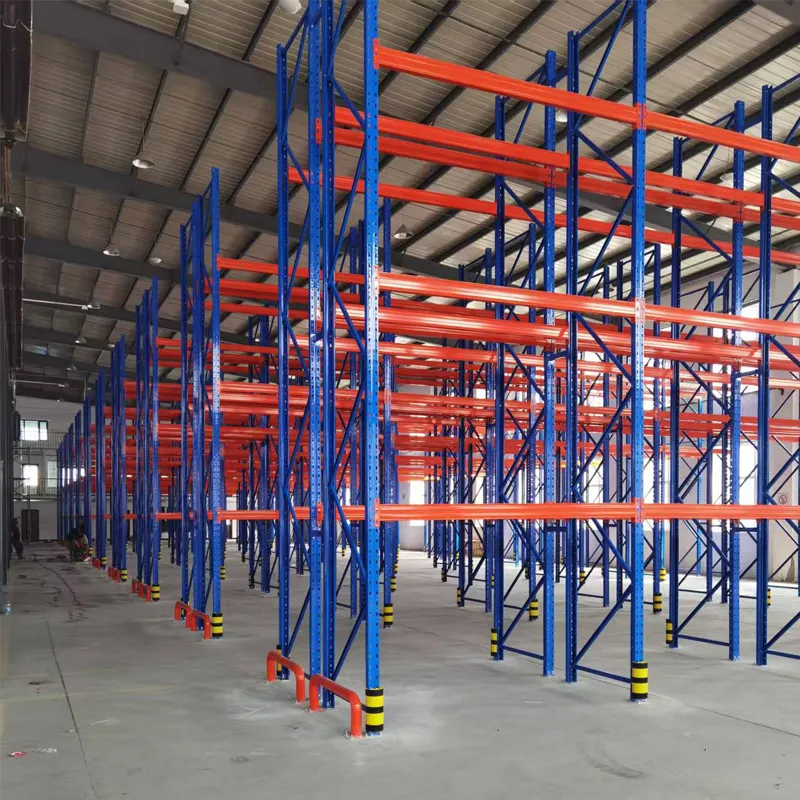
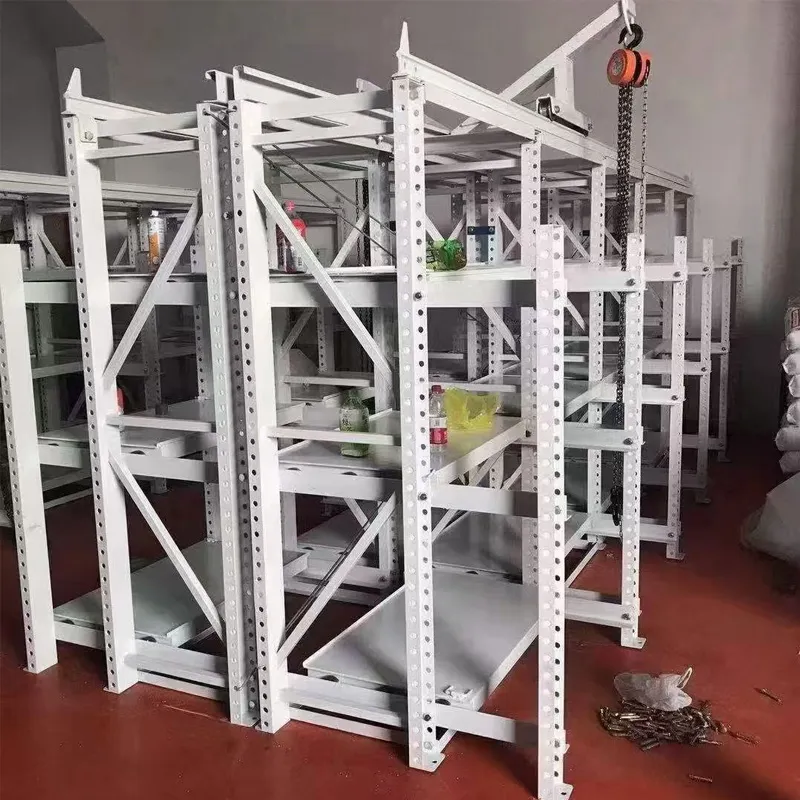
With beam (pallet) racks, the figure of 500 kg is less common; there is usually a calculation for a pallet of a ton or more. But it happens for small pallets with electronics or pharmaceuticals. The critical point here is not so much the strength of the beam, but the correct fit of it on the post lock. A bent or not fully latched lock is the weakest point.
You can make a perfect design, but it will be ruined at the assembly stage. The most common problem is not maintaining the level. If the rack is tilted even by a couple of degrees, the load is distributed unevenly. One stand gets more, the other gets less. And the one that “works” for two, over time it may not stand it. We always insist that installation is carried out either by our teams or by specialists trained by us.
The second problem is the initiative of the customer. We decided that there weren’t enough holes, and drilled a post in a random place to attach some kind of sign. Weakening of the cross-section, concentration of stress - and now a crack appears in this place under load. Metal is a predictable thing, but only if you do not violate its integrity without calculation.
And, of course, banal overload. They placed it on a shelf designed for 500, 550 kg. ?Well, only 10% more!? - They say. But the safety margin is not for abuse, but to compensate for those very dynamic factors. Overload is always a risk, and not of instant collapse, but of metal fatigue, which will fail in six months or a year. It is the responsibility of the warehouse owner to control this.
When choosing a supplier for such critical structures asracks with a loading capacity of 500 kg, it’s stupid to chase only a low price. Cheap metal, simplified calculations, lack of tests - all this will come out sideways. For us, as a full-cycle enterprise, it is important that the client sends not just a list of desired sizes, but a technical specification with the layout, types of cargo and equipment.
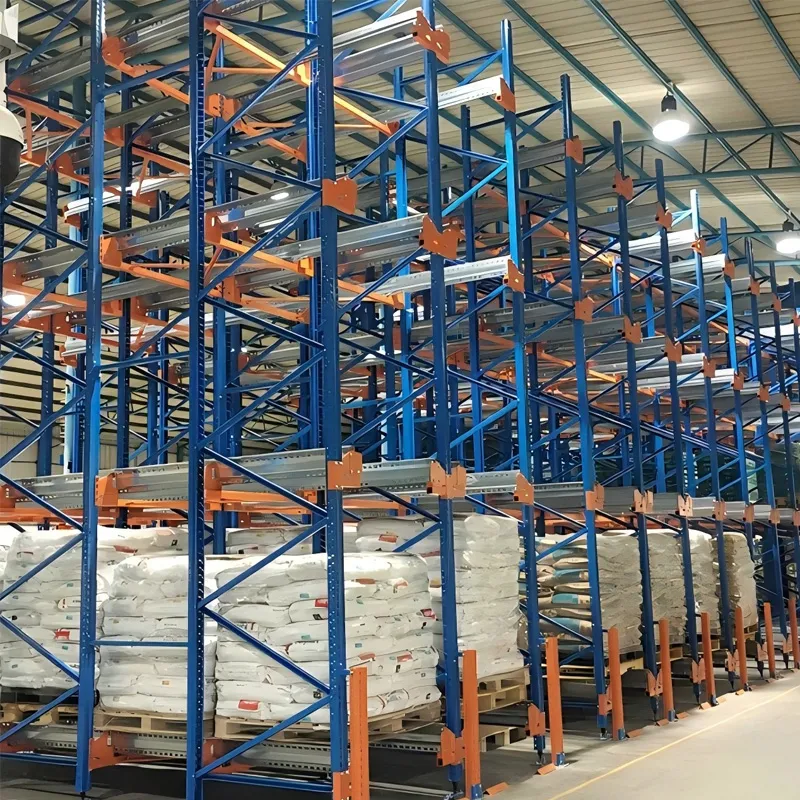
Our websitehttps://www.jshj.ru- this is not just a showcase. We post technical recommendations and load diagrams there so that the customer can at least roughly get his bearings. But live communication with an engineer is irreplaceable. Often during the discussion, a solution is born that was not initially considered - for example, instead of shelving, partially using more compact systems for four-way shuttles, which ultimately saves space and increases the overall efficiency of the warehouse.
The result is simple: the figure is ?500 kg? is a starting point for dialogue, not a ready-made answer. True load-bearing capacity comes from a dialogue between a competent customer who understands his processes and a responsible manufacturer who knows how to listen, count and make hardware that won’t let you down. This is the approach we takeHarbin Rack Factory ?Jusheng?, and we have been building our work since 2019, offering not just a product, but a reliable warehouse solution.