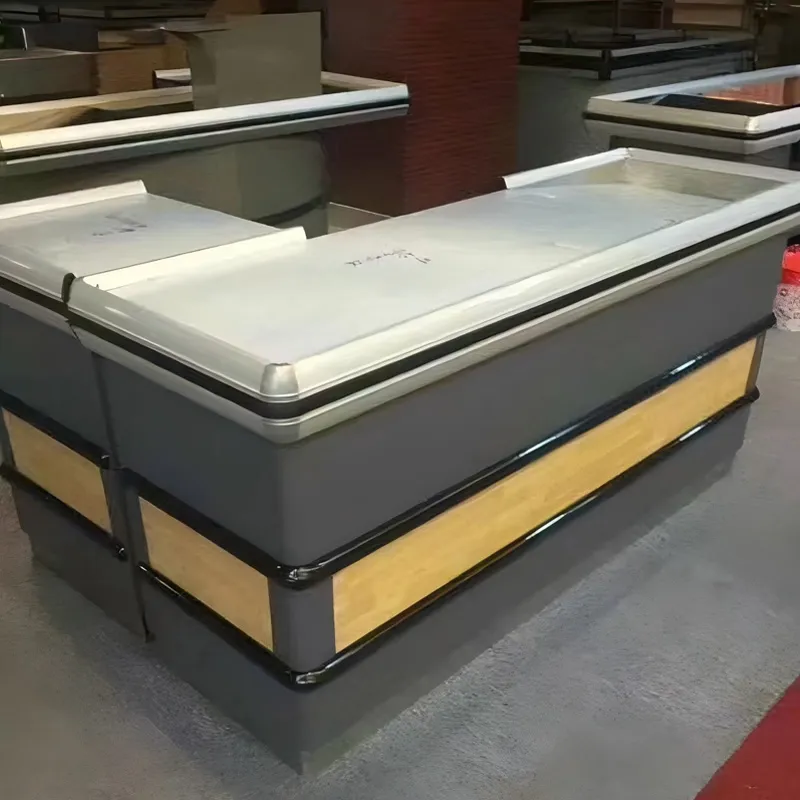
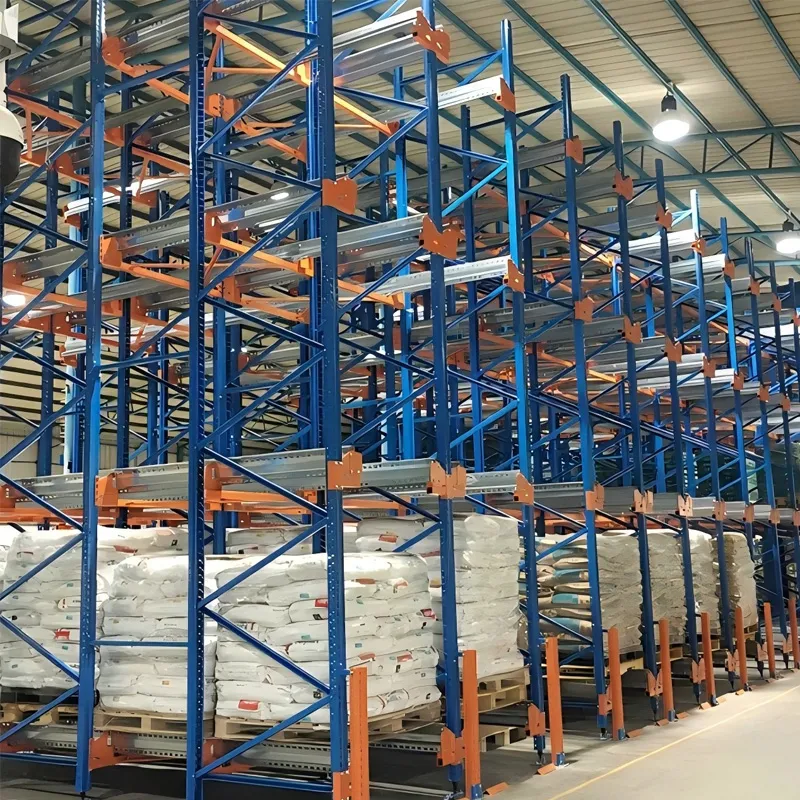
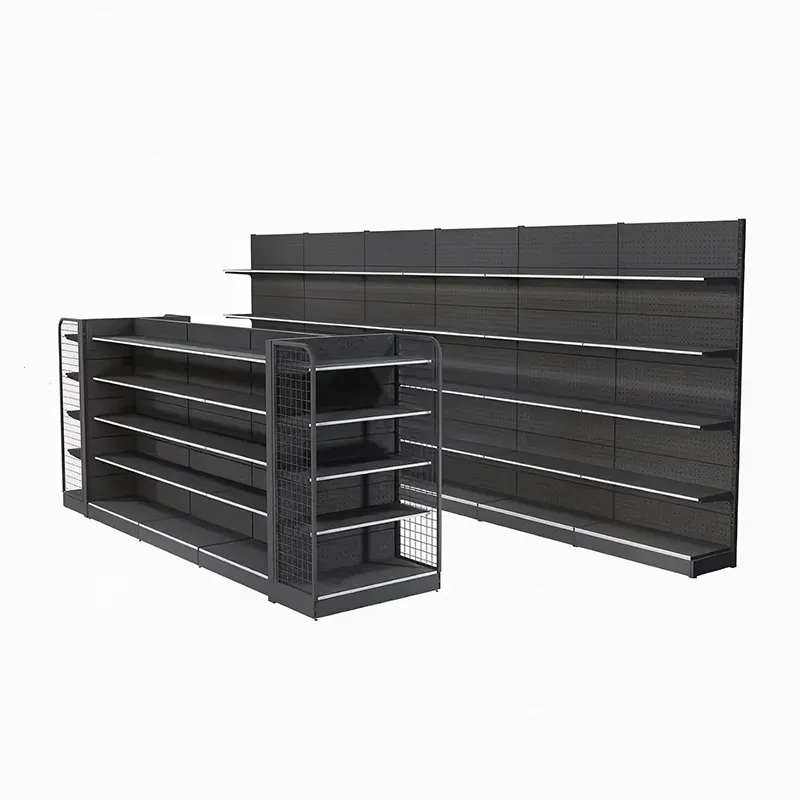
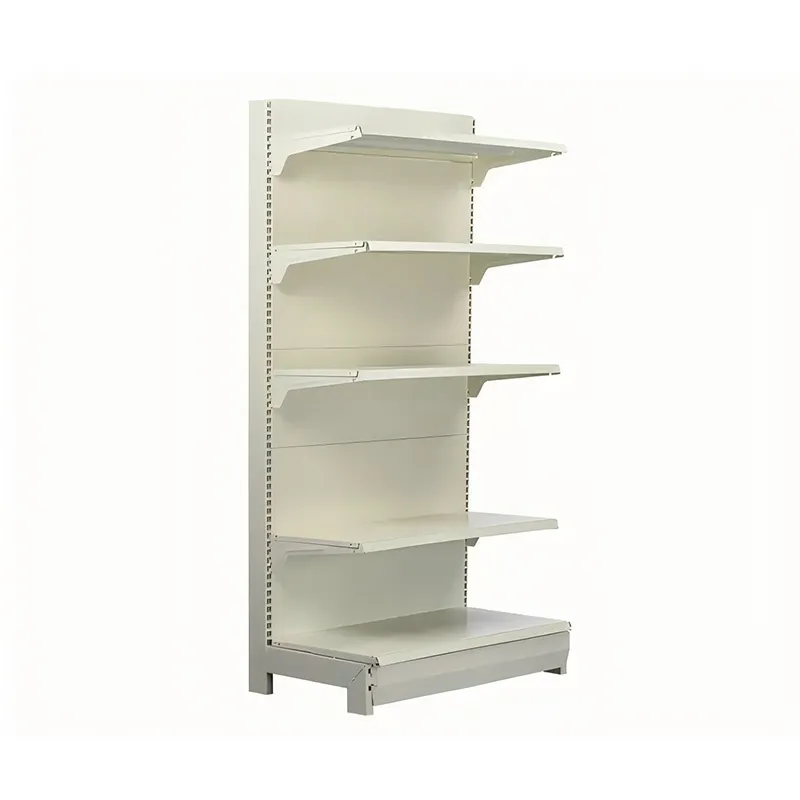
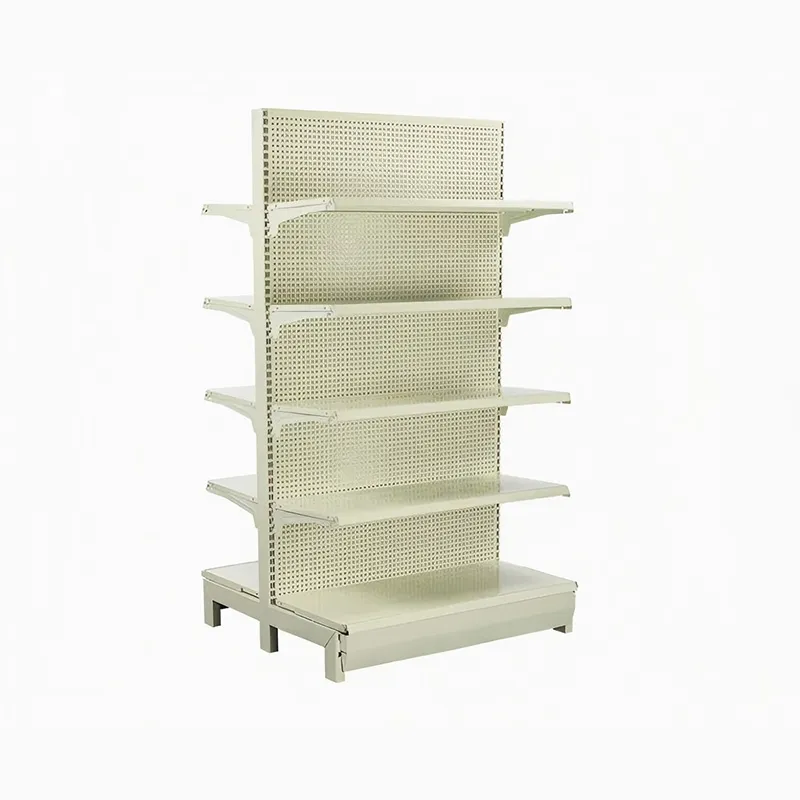
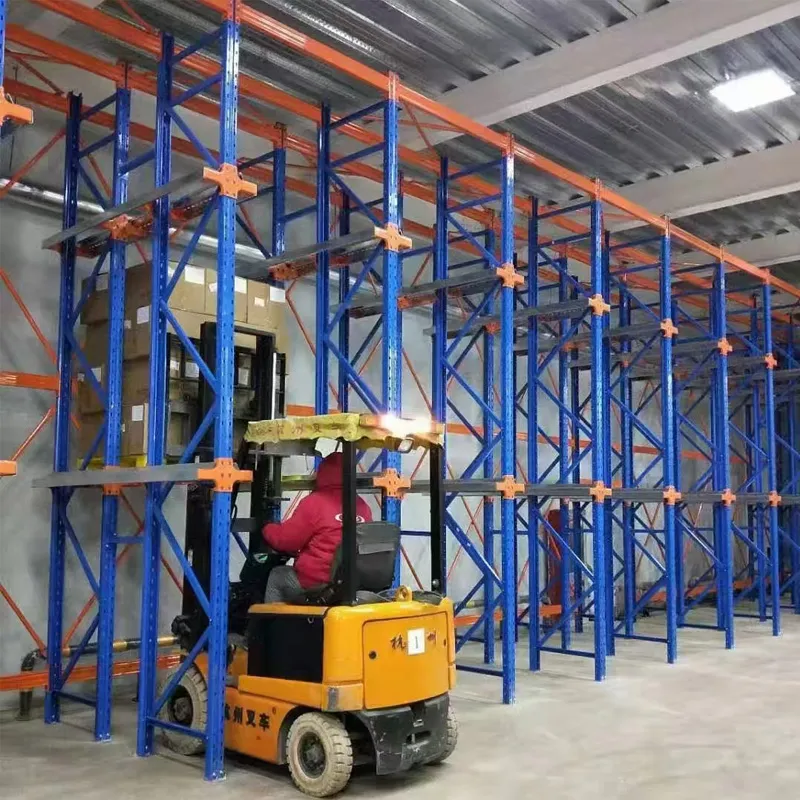
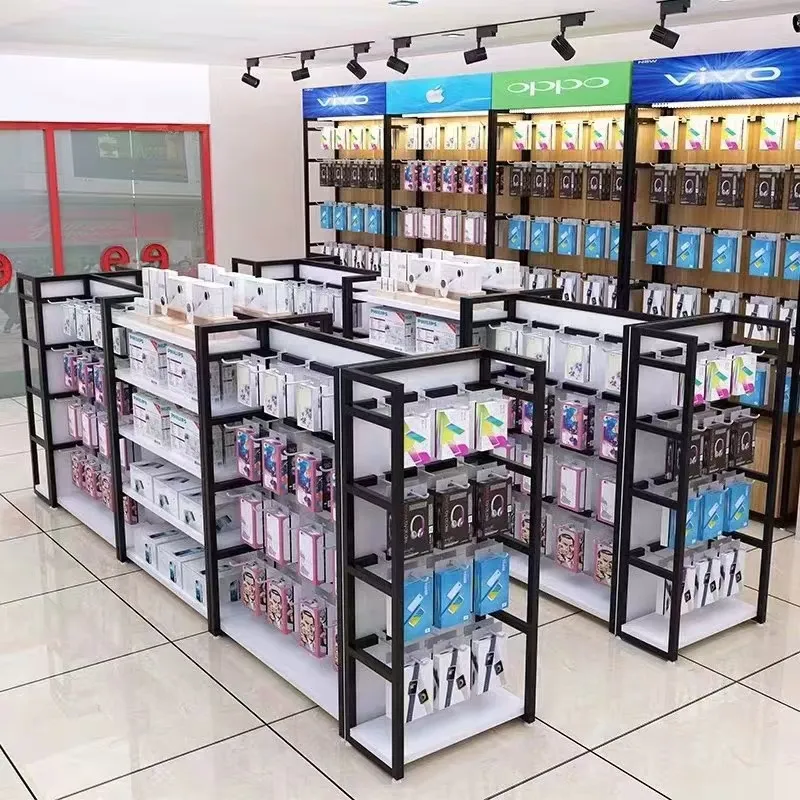
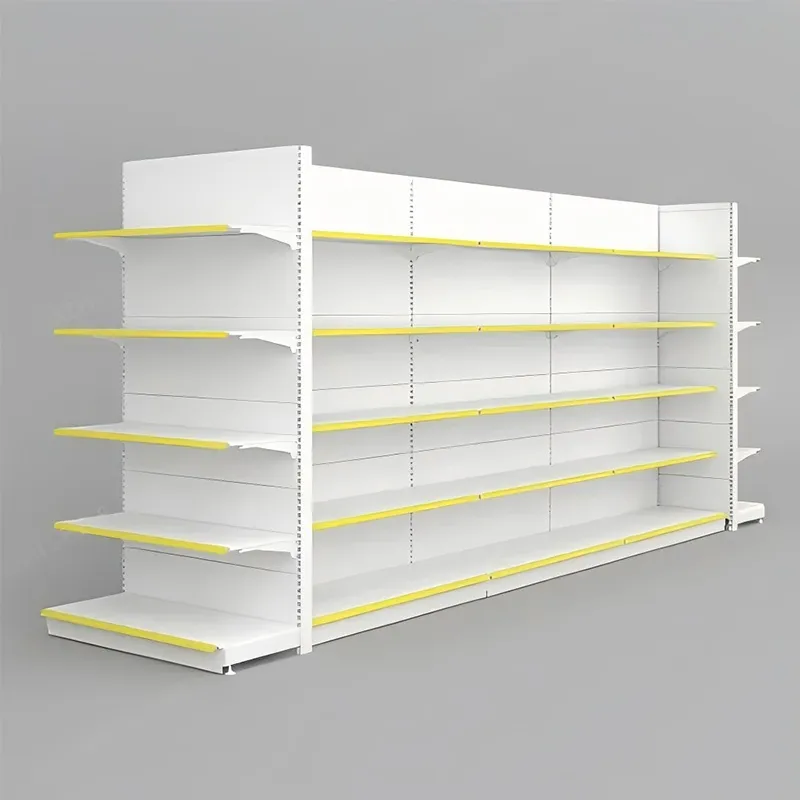
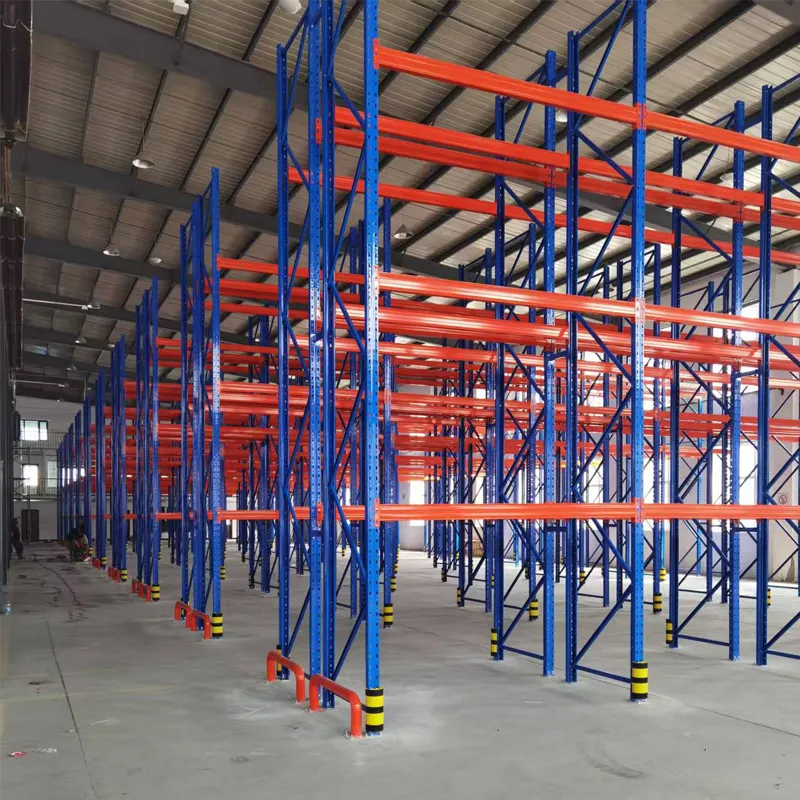
When you hear “island shelving,” many people immediately imagine just a free-standing structure in the center of the sales floor. But this is too narrow, and this is where the first mistakes in planning begin. In fact, this is a whole philosophy of organizing the flow of customers and presenting goods. I have seen many times how customers, especially at the beginning of their journey, ordered standard “islands”, without taking into account the height of the ceiling, or the logic of movement, or even the basic ergonomics for the employees who would then work with this thing. The result was a beautiful, but useless mountain of metal. Actually, my interest in the topic began with just one such unsuccessful project, after which I had to understand it thoroughly.
So,island rack. If you ignore the marketing noise, this is a self-contained, usually double-sided shelving system, accessible from all sides. The key word is “system”. It is rarely universal. For a bookstore and for a DIY hypermarket, these are two big differences, starting from the load on the shelf and ending with the method of attaching accessories. This point is often overlooked: an island is not only a display case, but also a storage unit. Below, in the closed part, a supply of the goods that lies above can be stored. But if you don’t think through the replenishment system, employees will have to dance with the cart around it, blocking the aisles.
What is important here is the full cycle approach, from design to installation, which is declared, for example, at the Jusheng plant. Because it’s one thing to draw a picture, and quite another to calculate how the structure will behave with a full load of 500 kg per section, or how to ensure stability on an uneven floor, which is a common occurrence in old shopping centers. Without engineering work at the project stage, you can come to a sad result.
Another nuance is compatibility with other equipment.Island rackrarely lives alone. There are usually wall structures, slides, and promotional stands nearby. And if they are from different manufacturers, there may be dissonance in color, metal thickness, even paint shade. This kills the integrity of the store's perception. Therefore, I always advise looking at a manufacturer who can offer a comprehensive solution. On the same website https://www.jshj.ru it is clear that ?Jusheng? works with a full range of systems, which means it can provide this same harmony and technological compatibility.
I’ll tell you about an incident that became instructive for me. The customer, a chain of household goods, wanted to create a central island with household goods in each store. The request was: “more shelves and stronger ones?”. We did it. They brought it and collected it. And then it turned out that it was logical to place the heaviest goods - cans of paint, buckets - on the lower tiers. But the height of the bottom shelf turned out to be 15 cm from the floor. Loading and unloading them for employees, especially women, is torture. We had to urgently redo it, raise the entire structure, and strengthen the base. Simply because at the discussion stage no one asked: “What exactly and how will you post it here?”
Hence the conclusion: designisland rackshould start not with dimensions, but with the product matrix and anthropometry. You need to understand the height of the target customer, the average height of the employee, the size and weight of the product units. Otherwise, it turns out beautiful, but not functional. By the way, in large industries, like the mentioned Harbin plant, this stage is usually prescribed in the process. They don’t just sell a rack, but first ask for a store plan, product data, and photographs of the premises. This is a sign of a serious approach.
Another common problem is lighting. An island, especially a tall one, can cast a shadow on its lower shelves or create glare. If this is not taken into account when developing the design (for example, you do not provide points for attaching lamps or do not choose a matte finish for the shelves), the goods below will simply “fall through”. visually. Then you have to pull additional tires, spoiling the overall appearance.
When talking about quality, many people focus on the thickness of the metal. Yes, it's important. But no less important is the fastening system, the type of weld, and the quality of powder coating. I saw “islands” where the shelves were attached with ordinary self-tapping screws in profile. After six months of active load, they simply began to pull out, and the structure began to wobble. goodisland rack- This is often a weldless prefabricated system, where all connections are thought out and designed for repeated assembly and disassembly. This is important for networks that change format frequently.
This is precisely the advantage of large factories with automated lines, like those of Jusheng. Robotic welding produces an equally strong and neat seam along the entire length, and conveyor painting with preliminary phosphatization ensures the coating is resistant to chipping and abrasion. It is physically impossible to repeat this in a handicraft workshop. And this is visible to the naked eye: by the evenness of the edges, the absence of paint smudges, and the clarity of the perforations for the brackets.
Separately about accessories. Hooks, price tag holders, shelf dividers - these seem like small things. But if they are not provided for in the design initially, then there will be nowhere to attach them. Or you will have to drill, breaking the protective layer, which leads to corrosion. A competent manufacturer, such as Harbin Jusheng Metal Structure Manufacturing Co., Ltd., usually offers a catalog of compatible accessories that are designed along with the shelving.
I had a project for a sports nutrition store. An island in the shape of the letter “X” was needed to zone the space and present products of different brands. The difficulty was that the floor in the room had a slope. Standard adjustable supports did not help - an individual development of the base was needed to compensate for differences of up to 5 cm.
We turned to the engineers of the Jusheng plant and sent them laser measurements of the floor. They suggested not just lengthening the legs, but making telescopic stabilizers with fixation at different heights. It wasn't from a catalogue, but their design department quickly produced drawings. As a result, the rack stood perfectly straight, without wobbling. This example shows that it is important to work with a manufacturer who is ready for non-standard tasks and has the resources for this - both engineering and production on an area of \u200b\u200bthat same 20,000 square meters. m.
There was also a nuance during installation. Due to the complex shape, some connections were not obvious to installers. But the kit came with not just instructions, but a QR code for a video assembly from the plant’s technologists. It’s a small thing, but it saved three hours of time and nerves. After-sales support is what differentiates just a factory from a partner.
Now this island rack has been standing for two years; it has been reassembled several times for promotions, and the configuration of the shelves has been changed. The design does not play, the paint has not peeled off on the corners. For me this is an indicator of quality.
So what is all this for?Island rack- this is not a product from a catalog that you can simply buy. This is a project. Its success depends on the triad: competent technical specifications (taking into account all the nuances of the product and space), a competent manufacturer with a full cycle (so that there is no gap between the project and the hardware) and high-quality installation (preferably by the forces or under the control of the same manufacturer).
When choosing a supplier, I now always look not at pretty pictures, but at production facilities and a portfolio of completed complex projects. Having your own design bureau, testing laboratory, and warehouse of ready-made profiles is what speaks of seriousness. Like the same Jusheng, which is positioned as a leading enterprise in northeast China. These are not empty words; behind them lies the ability to do truly reliable and thoughtful things, and not just bend metal.
And one last thing. The most important advice I give to my colleagues is: never skimp on design. It’s better to pay for a few extra hours of work by an engineer who will ask a bunch of inconvenient questions about your product and premises, than to have to redo it later or, worse, lose customers because of an inconvenient or shaky display case. A good island rack should work silently, not attracting attention to itself, but only advantageously showing what lies on it. And when it works out, then you realize that everything was not done in vain.