Many people still think that the main thing in shelving is simply to support the weight. In fact, if you make a mistake with the choice of type or configuration, you can bury half the efficiency of the warehouse. That's what we'll talk about.
Previously, about ten years ago, we often ordered something as powerful as possible, with a huge supply, like “for centuries?”. Now the approach is different. Clients have become smarter, they ask about the load on the cell, but not only that. The general dynamics are important: how often the goods are shipped, what equipment is used, what is the height of the ceilings. Sometimes you come to the site and look - the ceilings are seven meters high, and the shelves are three meters high. And it’s immediately clear where the reserve is.
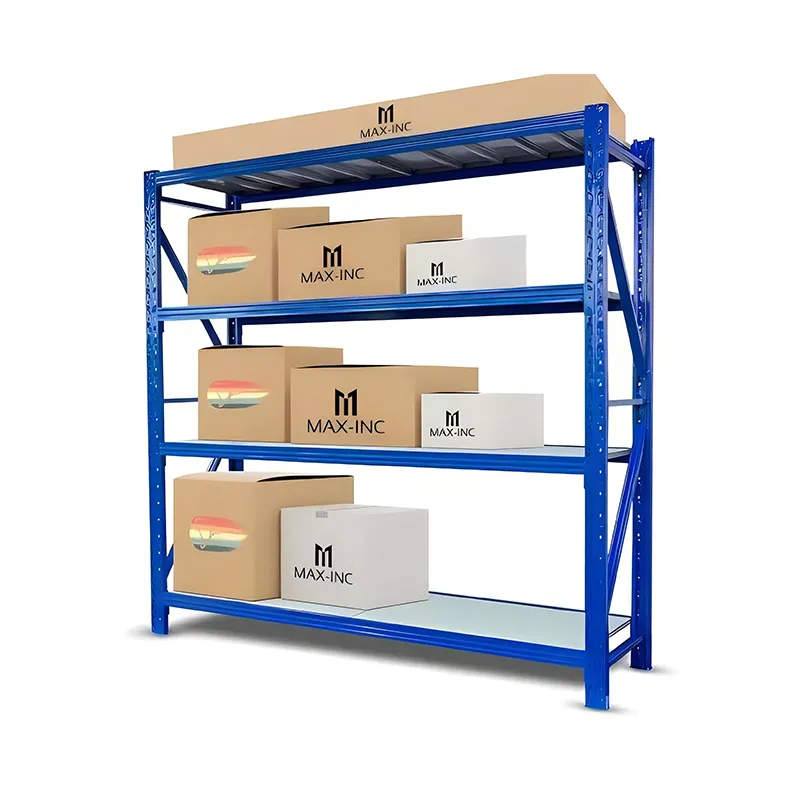
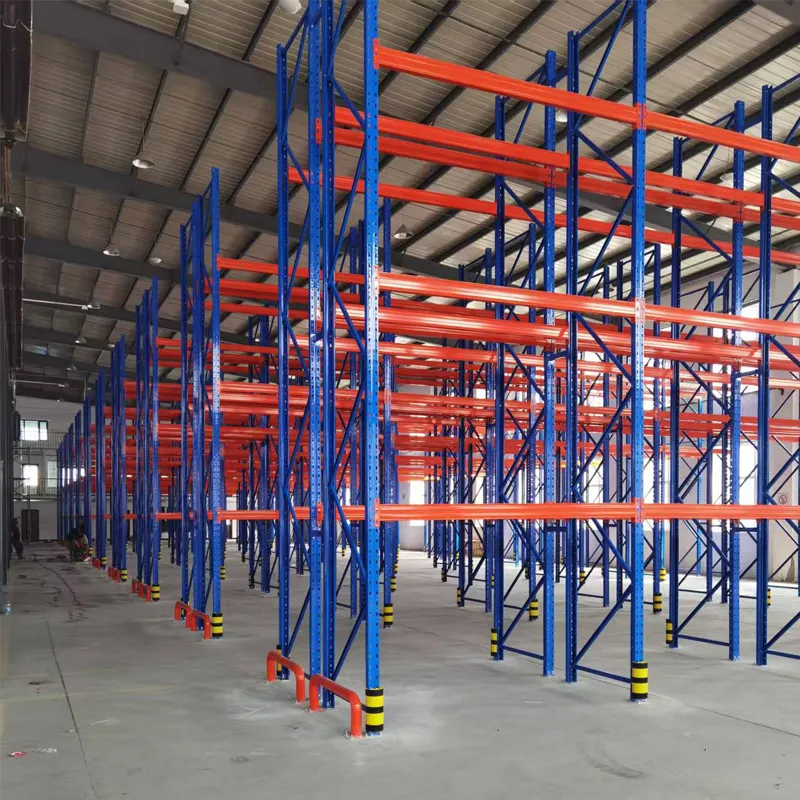
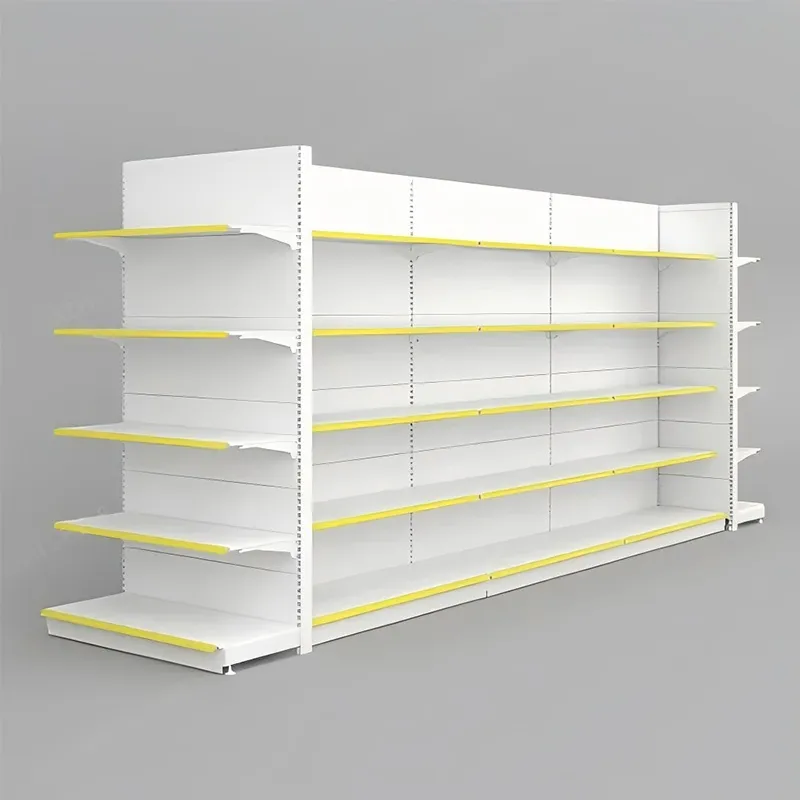
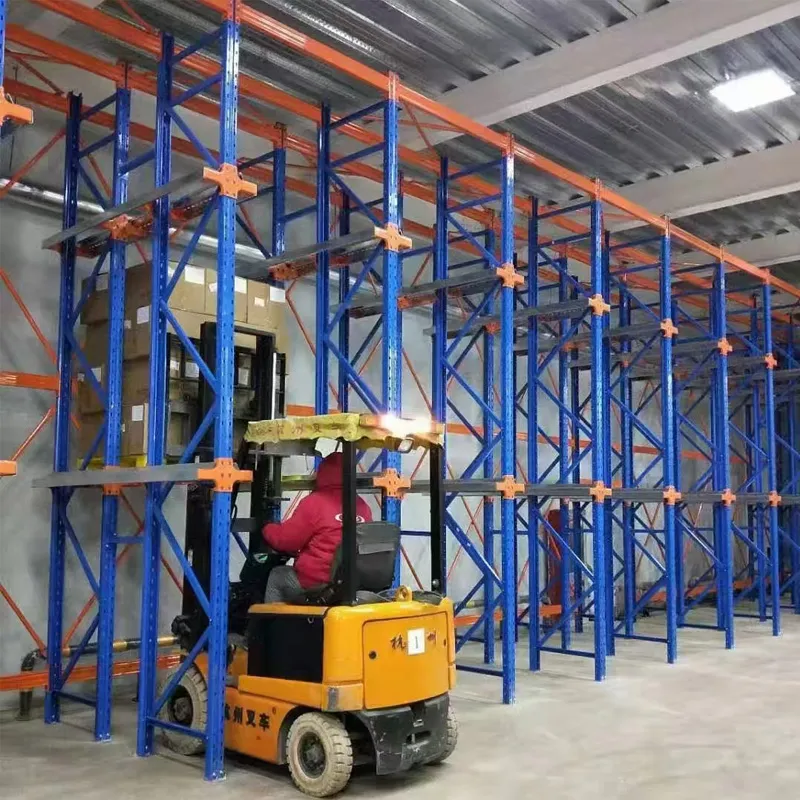
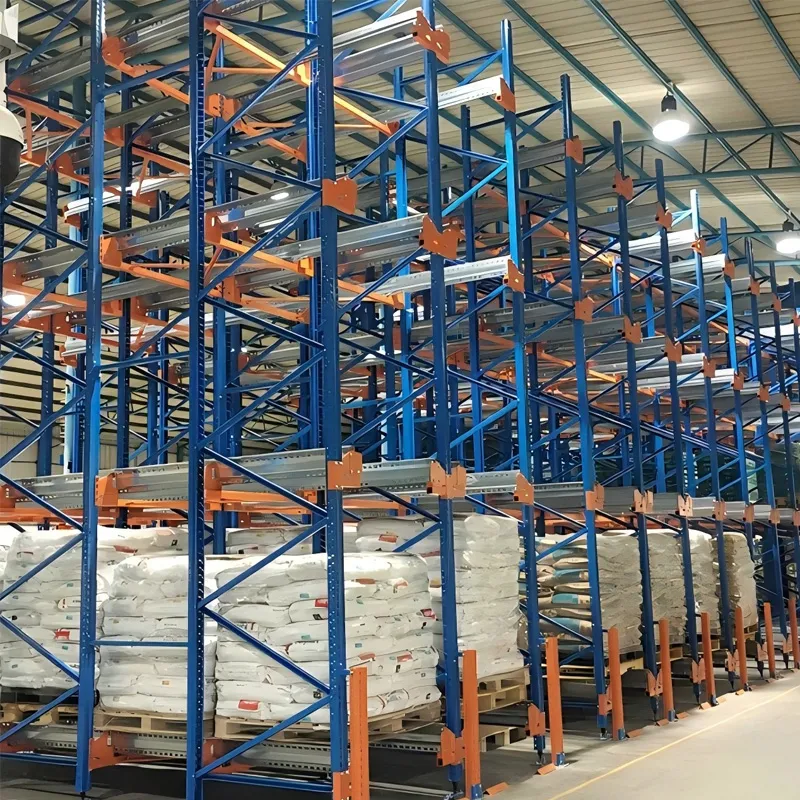
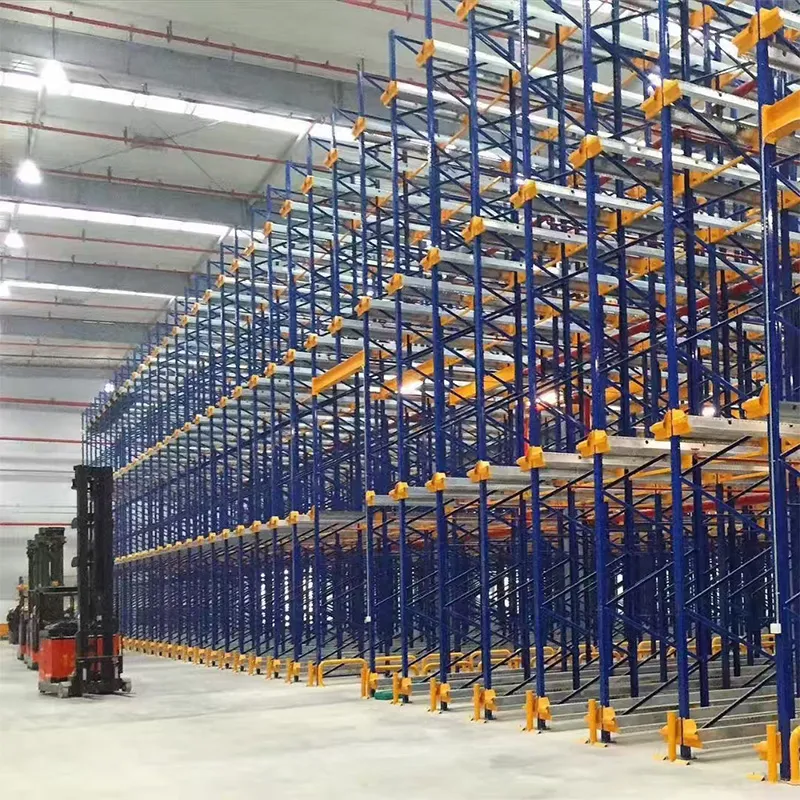
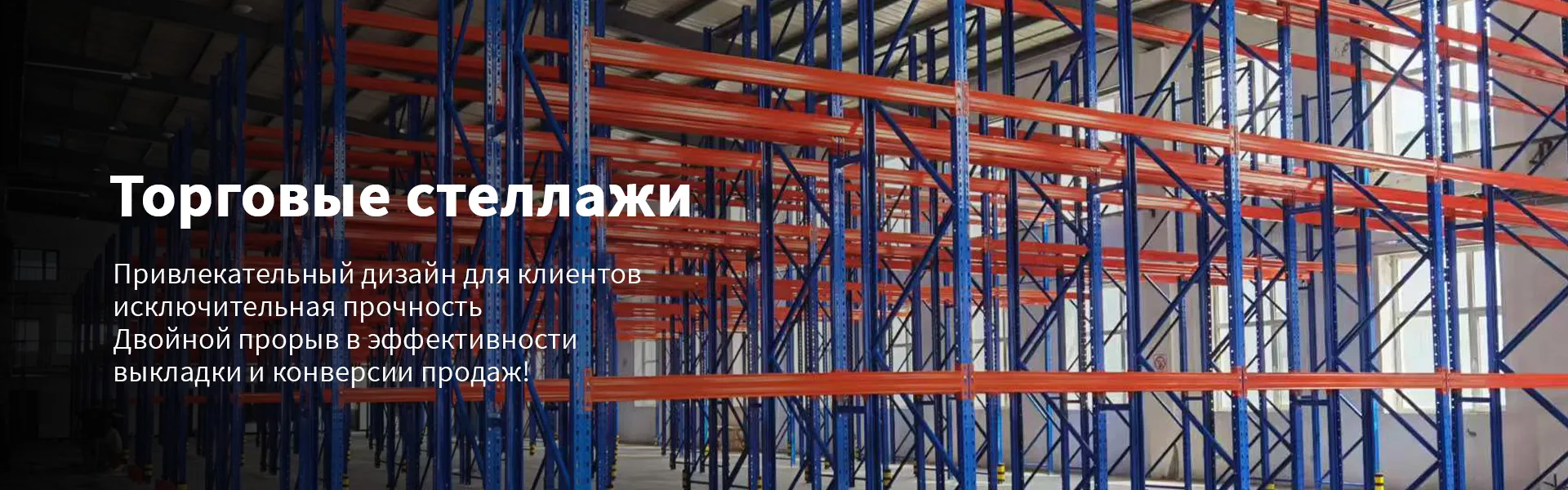
A classic example is pallets.warehouse racksfrontal type. It seems that everything is simple: racks, beams, flooring. But here’s a caveat: if you use regular beams instead of lock-in beams, there is a risk of shifting when the forklift is used intensively. It’s not critical, but you’ll have to tighten it up every six months. What if you have three shifts? Simple. Therefore, locking systems are now increasingly being requested, especially for high-intensity warehouses.
We had a project, it seems, in 2021, for a logistics center near Moscow. The customer initially wanted the cheapest options. We calculated his cargo flow and showed that with his plans for growth, in two years he will have to either build a new warehouse or completely change the system. Convincedrackswith adjustable beams and reinforced posts. A year later, he contacted us with gratitude - he was able to easily adapt the system to a new, heavier product. This is a case where a little more investment at the start can save millions later.
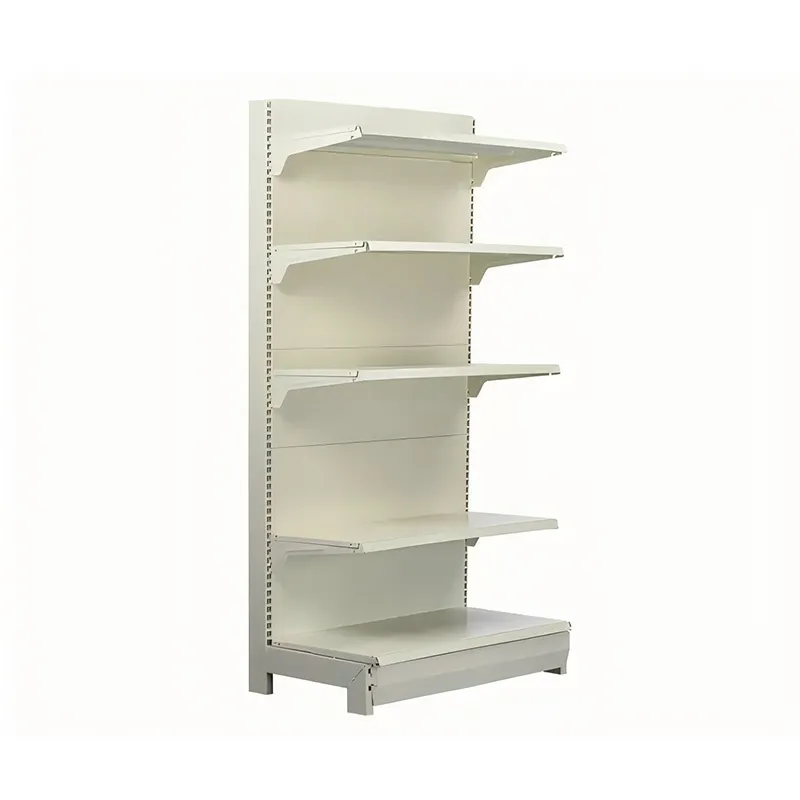
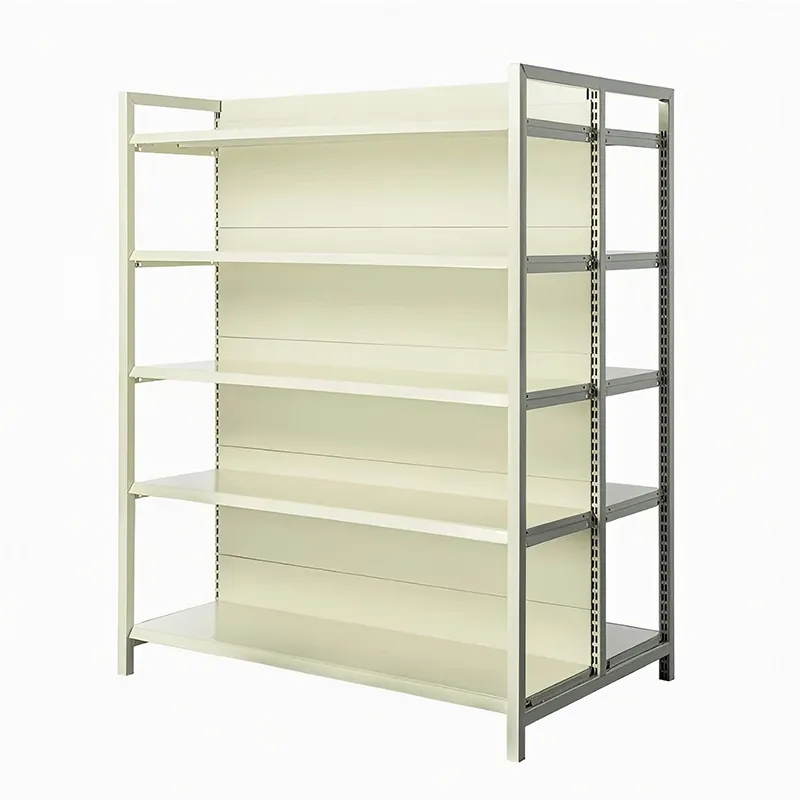
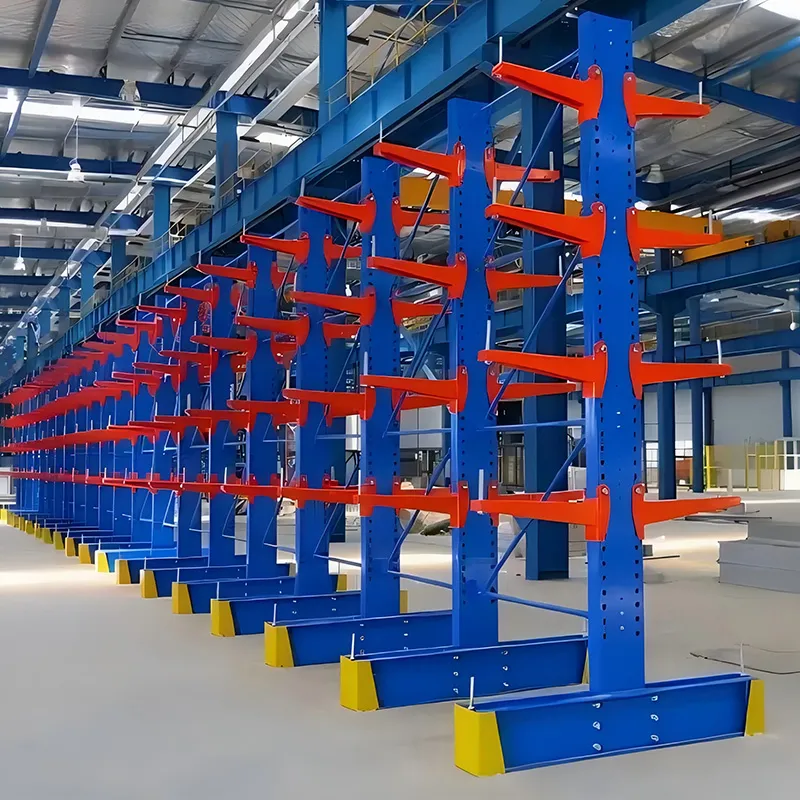
Ready-made solutions from the catalog are good, but only for 60% of tasks. The rest is always non-standard. For example, a warehouse with bulk materials in bags. What is needed here is not pallets, but shelf systems, but with a special flooring - continuous, so that nothing spills. Or storing long items. Consolewarehouse racks- it would seem that the answer is obvious. But if the length of the load is 12 meters, and the span between the posts is standard, there will be deflection and the risk of deformation. You have to count individually, strengthen the structure, and sometimes make special support columns in the middle.
Of course, there were mistakes too. I remember we were doing a project for a pharmaceutical warehouse. There are strict requirements for cleanliness and distances. We calculated everything based on the loads, but did not fully take into account the dimensions of the special refrigeration chambers that the customer delivered later. As a result, some passages had to be narrowed, which slightly reduced the maneuverability of the equipment. Lesson: You need to find out not only about the current product, but also about all the equipment that *may* appear in the storage area.
The trend now is towards automation. But the foundation for any automated system (AS/RS, shuttles) is still the samewarehouse racks. Only the requirements for manufacturing accuracy are prohibitive. An error of a couple of millimeters in the height of the tier is not noticeable to a person, but for a robot stacker this is already an emergency situation.
Therefore, the choice of manufacturer is not a matter of price, but of technological discipline. You need to look at the plant. For example, I know a Chinese manufacturer -?Harbin Jusheng Metal Structure Manufacturing Co.,Ltd.. By the way, they have been working since 2019. Their plant in Harbin is not a makeshift workshop, but a serious site with automated cutting, bending and welding lines. For critical projects, especially those involving automation, this approach is critically important. They do a full cycle: from design to after-sales, and the range includes everything for a warehouse: from beams to racks for four-way shuttles.
By materials: hot rolled steel versus cold rolled steel. For most racks and beams, hot-rolled is used - it is stronger in bending. Cold rolled - for elements where geometric accuracy and a smooth surface are important, for example, for some guides. The thickness of the metal is a separate story. I’ve seen “economy” options that claim 2 mm, but in fact 1.8 or even less. Over time, such stands begin to “play”. They hold the load, but the overall stability of the structure decreases.
You can buy the best components in the world, but crooked installation will ruin everything. The most common problem is the installation of the first sections not adjusted to the level and diagonals. If it goes skewed, then the entire row will lie incorrectly. Then problems with gaps begin, the beams do not fall into place, the locks do not snap into place.
An ideal installation is when the team does not work “at speed”, but with constant control. Each section is a level check. Each row is a diagonal measurement. Yes, it takes longer. But remodeling a finished rack loaded with pallets is tens of times more expensive. By the way, good manufacturers, such as the mentioned Harbin plant, usually provide not only drawings, but also detailed assembly instructions, and sometimes send technical supervision to particularly complex objects.
Another point is anchoring to the floor. In older buildings, the floor may not be uniform. You drill 10 cm, and there is void or reinforcement. We have to improvise: change the mounting location, use chemical anchors. This is always a surprise that needs to be included in the installation time frame.
So why am I doing all this?Racking systems- this is not a product, but a project. You can’t just buy “one hundred tons of iron?”. We need to count, design, anticipate. Sometimes it is more profitable to take a system that is a little more expensive, but with the possibility of easy restructuring for future tasks. Sometimes, on the contrary, the simplest and cheapest option is suitable for static long-term storage.
Now many are looking for suppliers in China, and this is logical. The prices are attractive. But you need to look not at the price tag, but at the plant’s ability to solve non-standard problems, at its equipment and, most importantly, at the engineering department. Are they capable of not just selling a standard set, but simulating the load and offering an optimal layout? Here, for example,?Jusheng?positions itself precisely as a full-cycle enterprise - from design to service. For medium and large businesses, this approach is often key. Because in the end you are buying not just a product, but a solution to your logistics problem.
In general, the choicewarehouse racksis always a balance between price, reliability, flexibility and the future. And everyone finds this balance themselves, but it’s better with a competent designer and a trusted supplier. And not according to the principle “where is the cheaper rack?”.