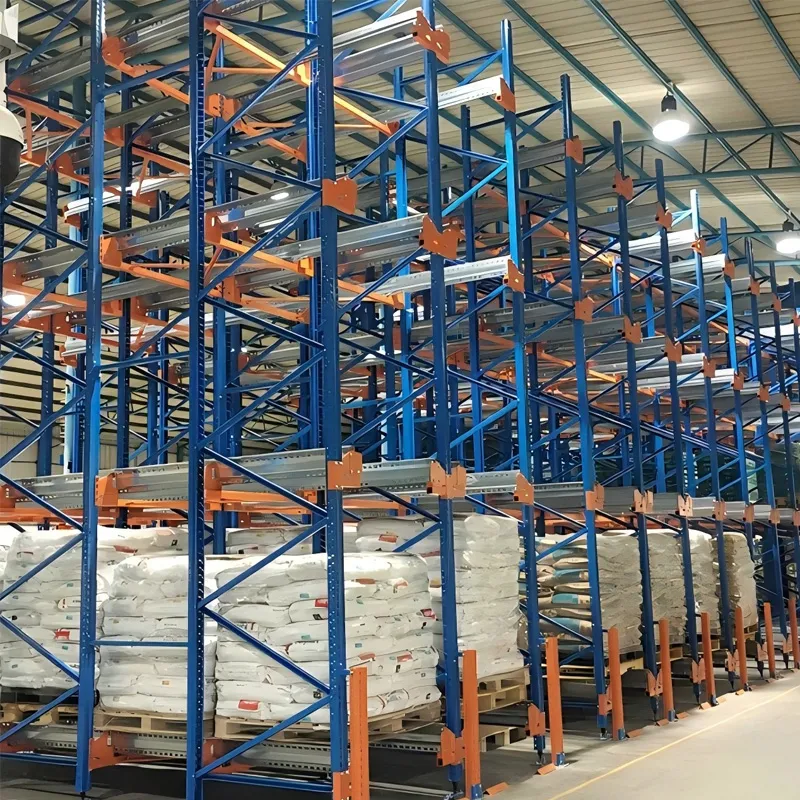
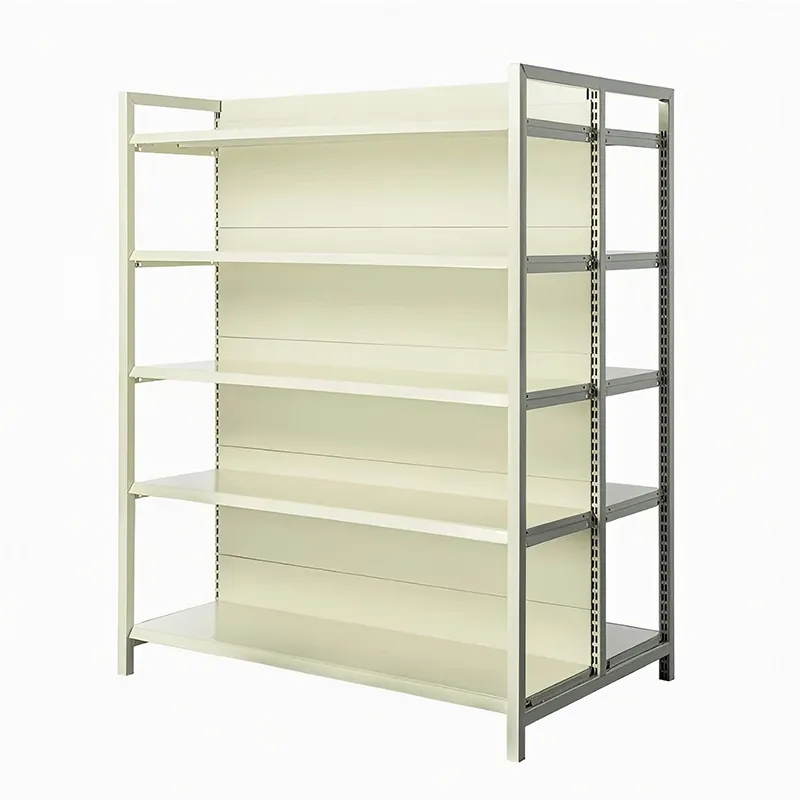
When a customer is looking for “installation of shelving nearby”, he often thinks only about geography - so that the team arrives quickly. But the point is not in kilometers, but in an integrated approach to the object. Many people miss that up to 40% of problems during operation are a consequence of an incorrect assessment of the premises at the start, and not the quality of the structures themselves. I have seen more than once how excellent racks, for example, fromHarbin Jusheng production of metal structures, were installed in vain due to disregard for floor level or future forklift routes.
Yes, having a regional warehouse or production reduces lead times. But the key is the supplier’s ability to quickly respond to changes as work progresses. Let's say a kit was delivered, and a column was discovered at the site that was not indicated in the old plans. If the installers are “nearby”, but without communication with the designers and without a stock of standard solutions in the warehouse, the project will stall. The companyLLC ?Harbin Jusheng?, whose plant in Pingfang occupies 20,000 m2, this integration is just strong: the design department and production lines work in one bundle. This means that a replacement or addition of an element can be manufactured and delivered in a short time, even if you initially work with their base in Harbin.
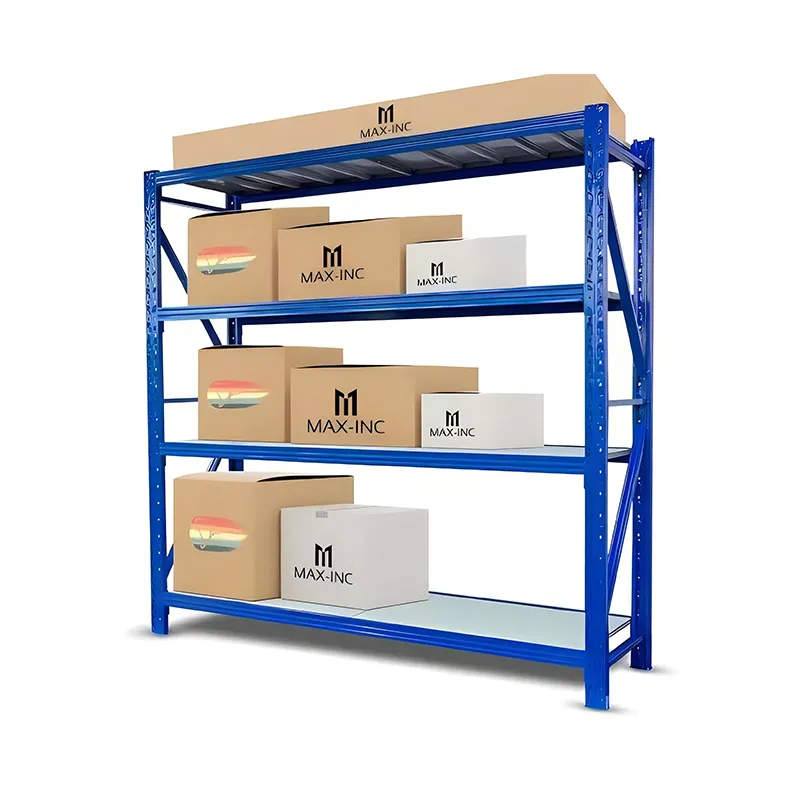
A mistake often occurs here: the client chooses the “closest” one. installer, saving on transportation costs, but receives a crew with limited experience working with a specific type of structure. Installationracks for four-way shuttlesor mezzanine systems is not the same skill as assembling simple shelf models. Proximity must be supported by specialization.
From personal experience: there was a project in a logistics center near Vladivostok. Local teams took on the installation, but were overwhelmed by the need to accurately align the beams for the stackers. As a result, we coordinated the departure of an engineer-supervisor from the manufacturer - the same Jusheng - who established the process with local forces in two days. ?Nearby? It turned out to be not hands, but brains and technological support.
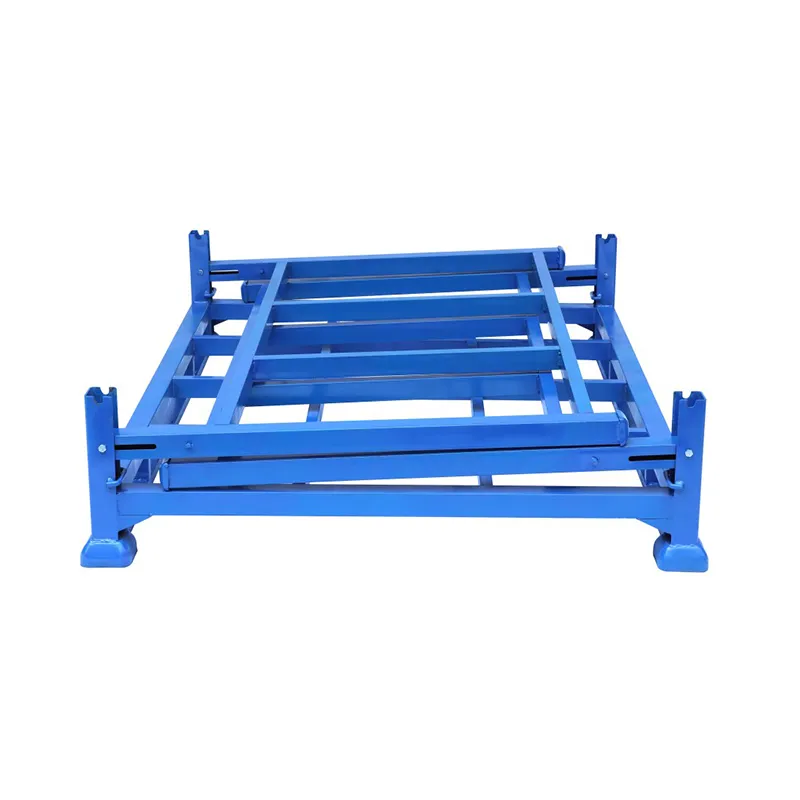
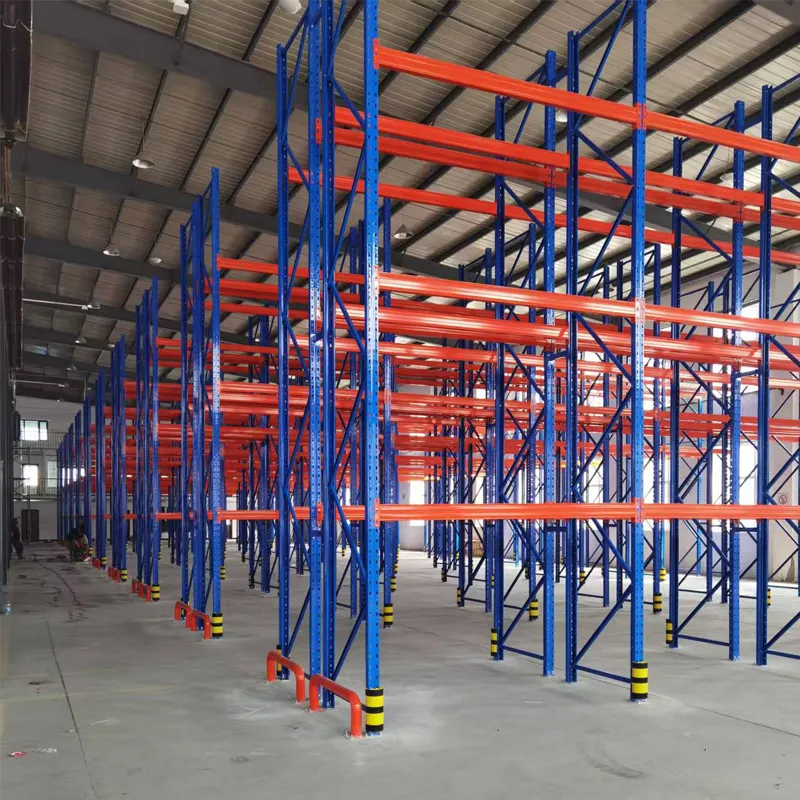
The first thing we always start with is not taking measurements for the racks, but assessing the condition of the floor and delivery routes. It would seem banal. But how often do you see perfectly mounted rows, after which it turns out that the maximum load on the slab is exceeded, or it is impossible for the reach truck to turn around at the far end. Particularly critical forwarehouse rackspallet type.
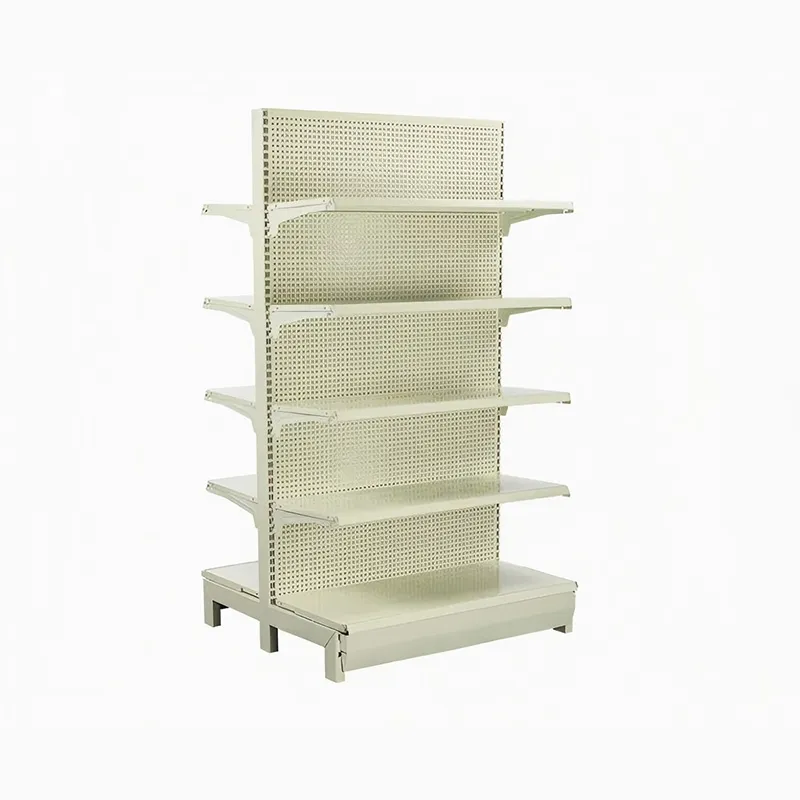
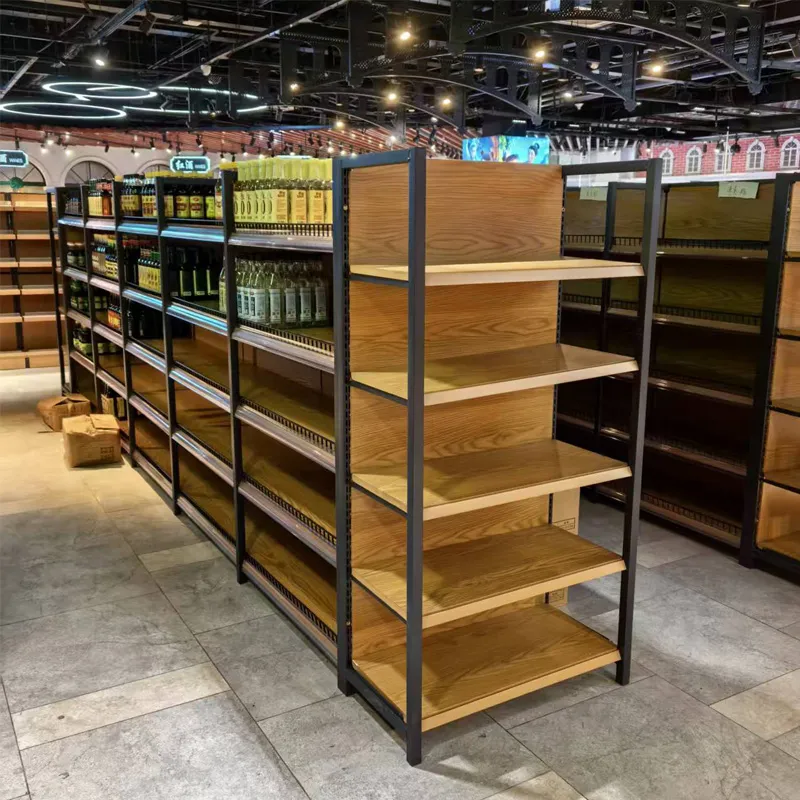
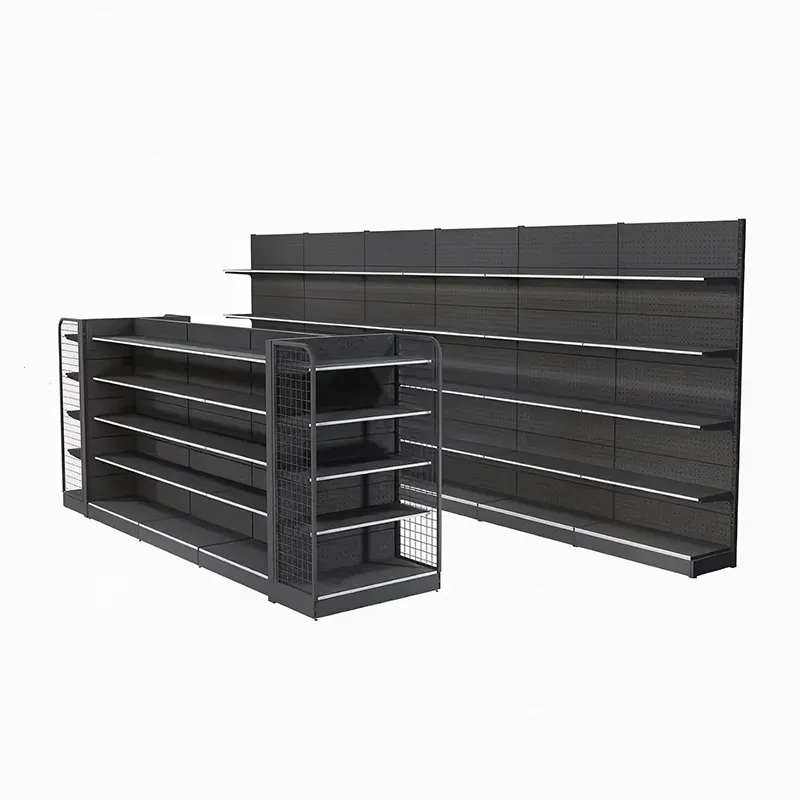
Another nuance is communication. In one of the stores, the customer insisted on the densest arrangement of retail shelving along the walls. Installed. A month later, access to the ventilation valve behind the structure was needed. I had to partially disassemble it. Now, as a mandatory item on the checklist, we add coordination with the building maintenance service for all hidden access points.
Working with Asian manufacturers such as the Harbin plant taught me the importance of detailed specifications. Their designers provide very accurate drawings, but are based on ideal conditions. The task of the local specialist is to apply these ideal calculations to the Russian realities of a specific object: temperature changes, humidity, possible vibrations. Without this, even the best quality equipment may not reach its potential.
Nowadays, more and more often the request is not just for shelving, but for the system. This is especially true for projects with shuttles or under WMS control. Hereinstallation of shelving nearbyis transformed into the first stage of commissioning. Installers must understand where the cable channels and sensors will go, and how the guide equipment will be attached.
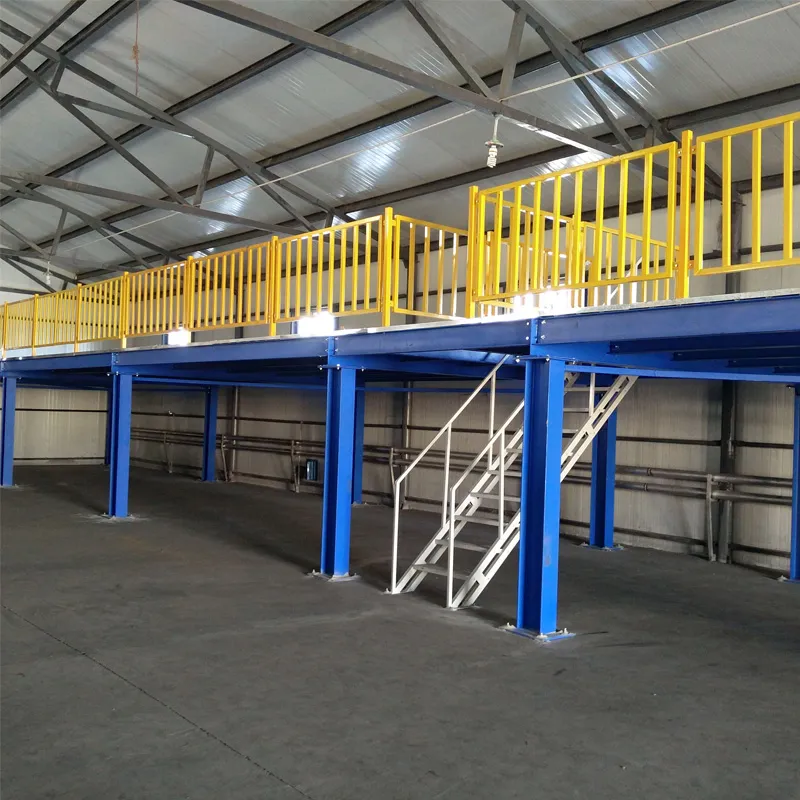
I remember a complex project with mezzanine shelving, where we worked with structures from Jusheng. Their workshop produces such full-cycle systems. So, installing the frame is only 60% of the work. The rest is synchronization with automation contractors. It was necessary on the spot, already along the way, to adjust the attachment points of fences and stairs for the routes for laying wires, which were not finally determined at the design stage. Without the constant presence of the responsible engineer on site (that is, “nearby” in real time), the deadlines would have been missed.
This leads to an important conclusion: when choosing a supplier, it is important to look at whether he can be not just a hardware seller, but a partner at the integration stage. When the plant is likeHarbin Rack Factory ?Jusheng?, he himself is engaged in design, production, and after-sales service, this eliminates a lot of problems. Because the installation issue can be resolved directly with the person who designed these racks.
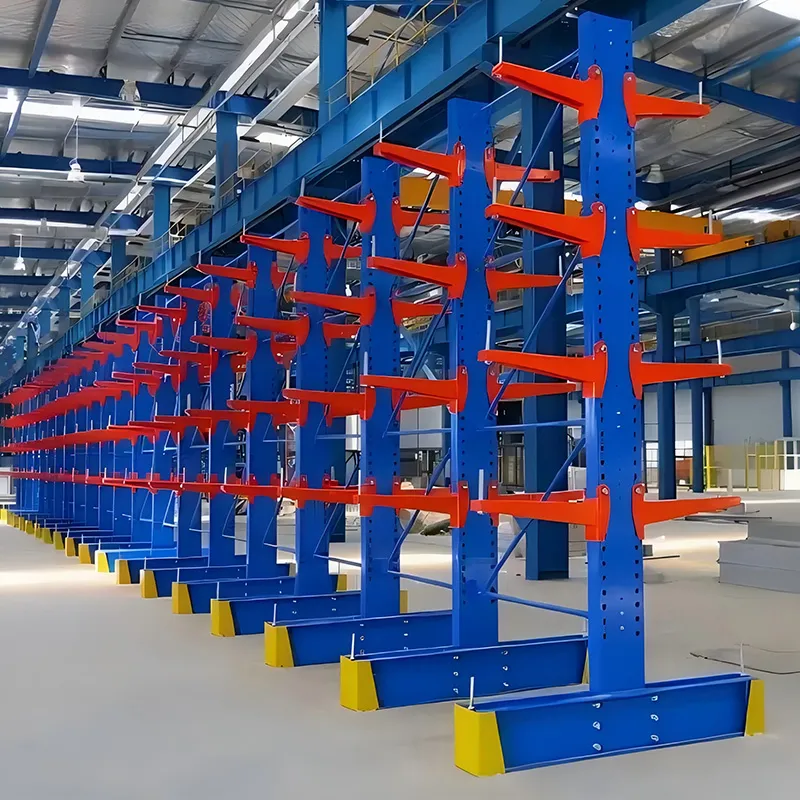
The most common is saving on anchoring. The primer, floor material, planned load - all this dictates the type and number of anchors. I have seen cases when for tallcantilever racksWe used standard anchors for the lengths, as if it were a shelf rack in a garage. The result is predictable - instability, risk of falling.
The second mistake is ignoring the manufacturer's instructions. Every serious plant, andjshj.ruThis is exactly what supplies detailed assembly diagrams and specifications for tightening connections. Installers with experience? Sometimes they rely on the eye, but modern systems require millimeter accuracy. An under-tightened tie on a beam is a source of constant vibration and metal fatigue.
And third, there is no final geometry check. After assembling the entire row, it is necessary to measure the diagonals, verticals, and levels. It’s long and tedious, and the customer is already in a hurry. But skipping this step is a guarantee of problems with the stacker driving in or the carts jamming on the mezzanine. We always set aside a separate day for this check and do not include it in the pure installation time.
The job doesn't end when the last bolt is tightened. High qualityinstallation of shelvingincludes the transfer of a package of documents. These are not only equipment passports (which, by the way, are always complete at large factories), but also an as-built installation diagram with reference to the room, marks on anchoring locations, and serial numbers of key components. This is critical for future maintenance or upgrades.
We make sure to provide training to warehouse staff. We explain basic things: why you can’t overload a cell beyond the design load, why you can’t hit the racks with a forklift, how to visually check the integrity of the beam locks. Often the customer underestimates this part and is then surprised by premature wear.
And, of course, we indicate points of responsibility. If a material defect is discovered during operation, contact the manufacturer. If the beam is bent due to daring, this is for the operators. What if after six months the rack “floats”? due to floor subsidence - this is a question for the building owner. A clear distinction eliminates a lot of controversy. Serious companies, be it local installers or yourselfHarbin Jusheng production of metal structures, are always interested in such transparent completion of work.