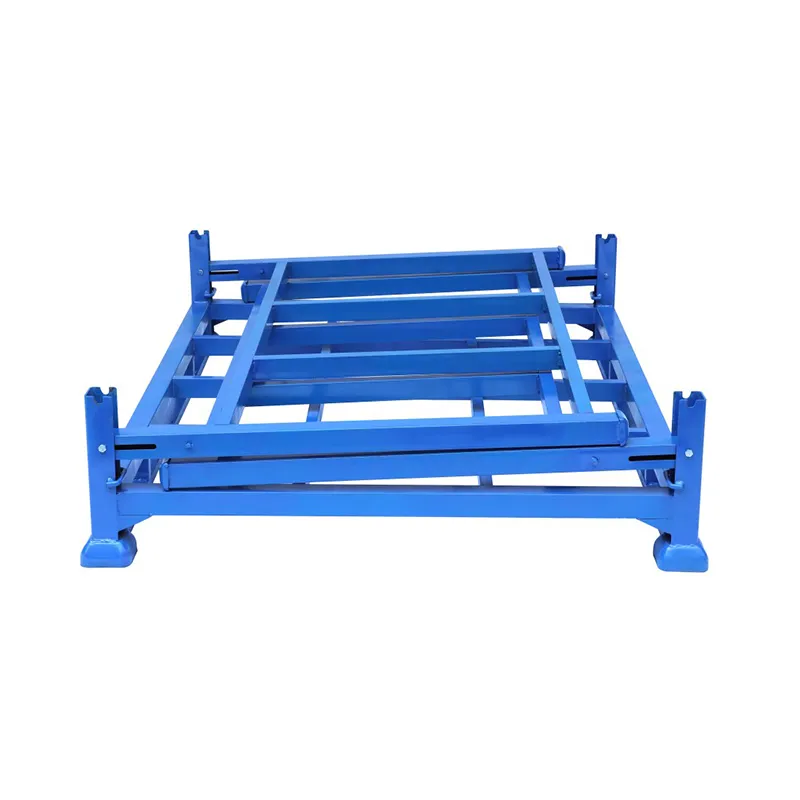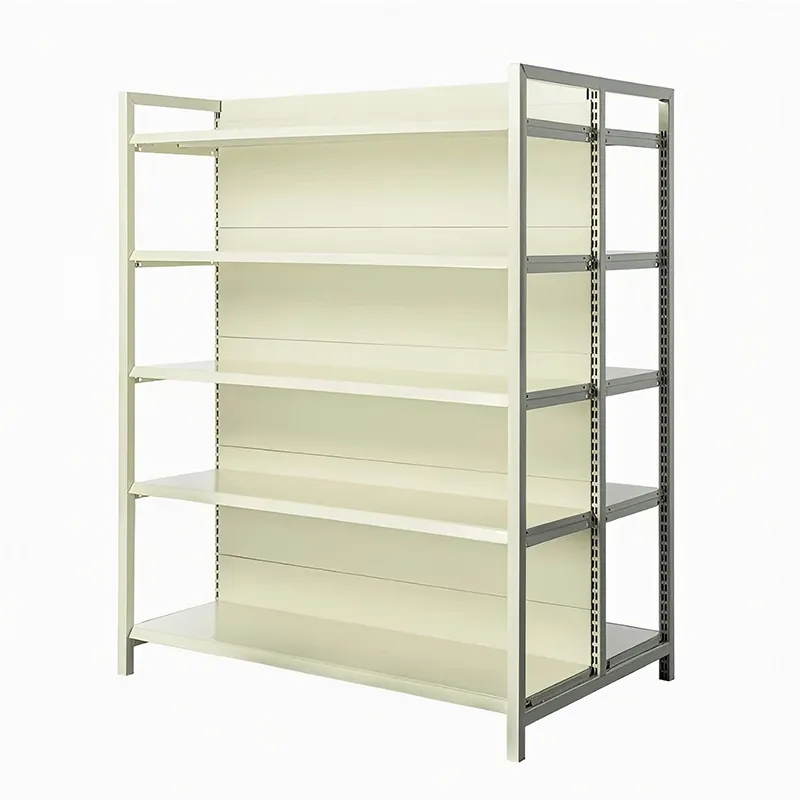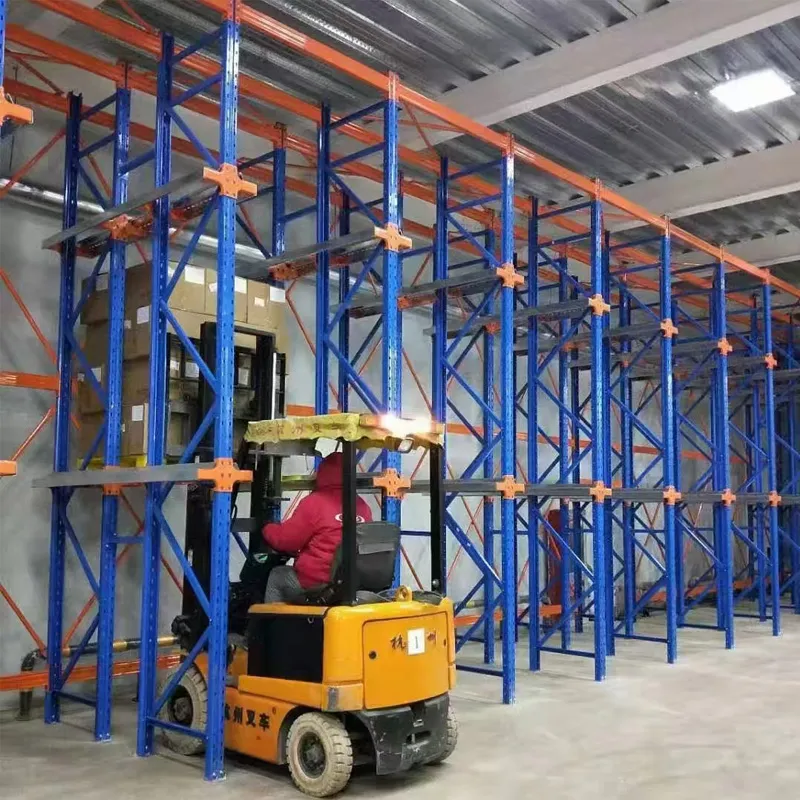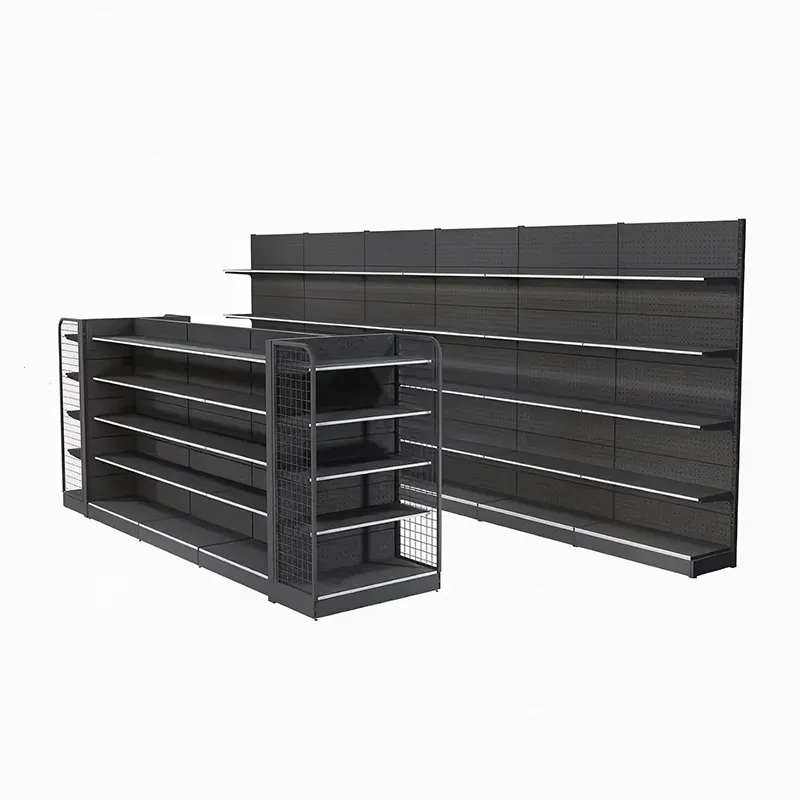
When you hear “industrial racks for a warehouse?”, many people imagine simply welded corners. This is the main mistake that you constantly encounter. In fact, this is a calculation system where every millimeter and kilogram matters. And if you make a mistake in the choice or installation, then redoing it is more expensive than installing it again. I went through this myself.
It all starts seemingly simple: there is a room, there is a load. But the first nuance is the load. Often the customer says: “We have a maximum pallet of 800 kg?”. And then it turns out that once a quarter a shipment of 1.2 tons of equipment arrives. Or the dynamic load from the loader is not taken into account. Therefore, our first principle is an in-depth questionnaire and personal inspection of typical cargo on site. Without this, we won’t even begin to draw a diagram.
Then comes the geometry of the warehouse. Columns, communications under the ceiling, floor slope. There was a case in an old factory warehouse: according to the design, everything was perfect, but during installation it turned out that the floor had a difference of 12 cm from one wall to another. I had to adjust the height of the racks on the fly and use adjustable shoes. Now, for us, a laser level is as essential a tool as a tape measure.
And, of course, the metal itself. There can be no compromise here. Have you seen “economy options”? from some suppliers, where the profile was thinner than stated, and the coating was single-layer, which peeled off after six months due to condensation. Therefore, we work with trusted manufacturers of rolled metal products and have our own workshops, likeHarbin Jusheng production of metal structures, where there is complete control over the process. I know what they have onwww.jshj.ruyou can see their production lines - it's serious. The plant, founded in 2019 in Harbin, is not just a workshop, but an enterprise of 20,000 square meters. m with a full cycle from design to maintenance. For me, such a scale is a sign that the company is investing in quality for the future, and not chasing short-term orders.
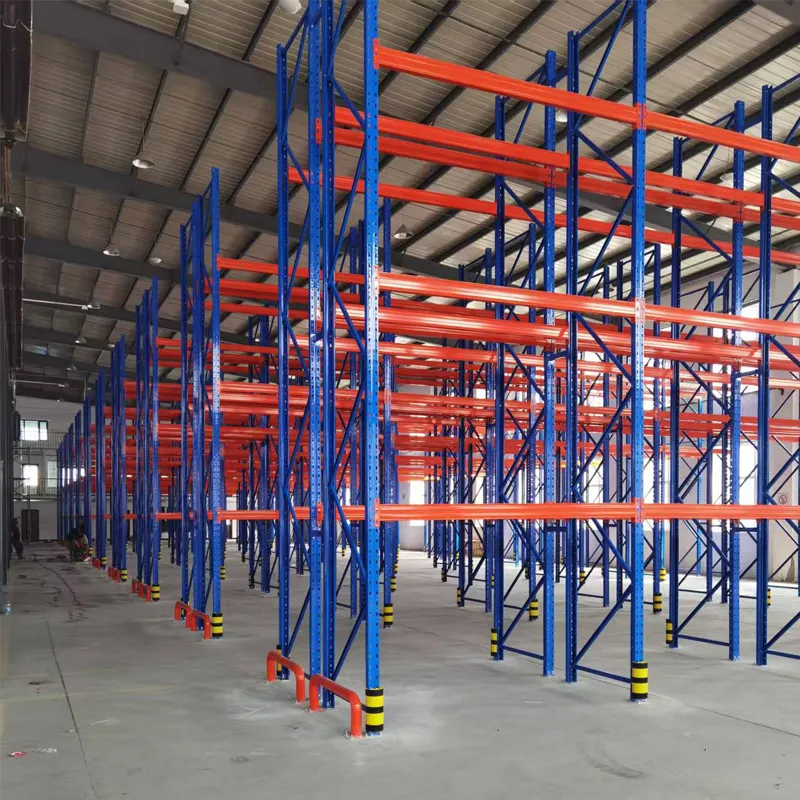
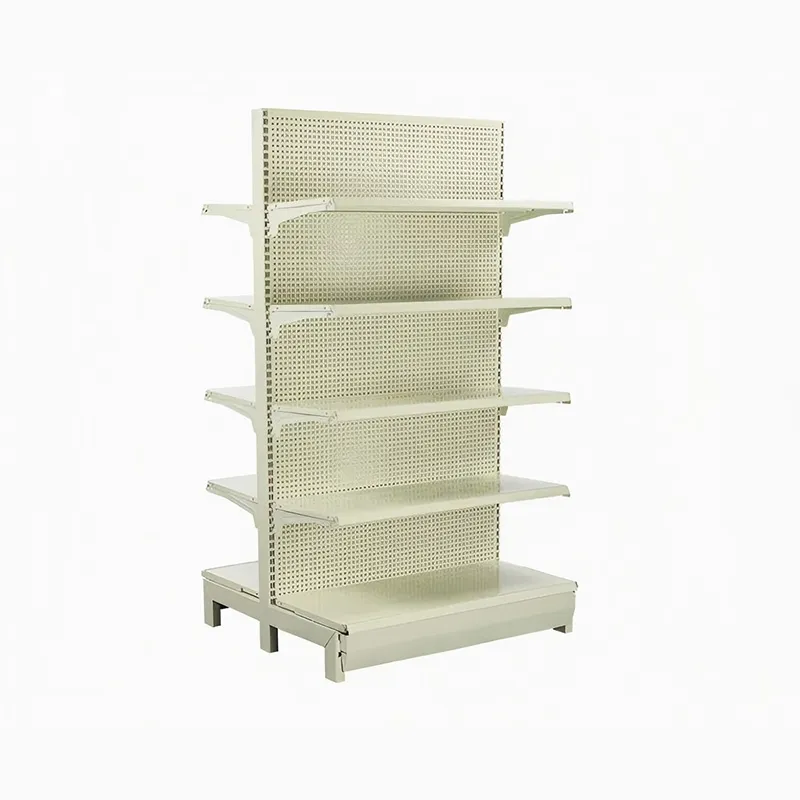
The most common request is “need pallet racks?”. But they are also different.Beam (reach)- a classic, but they ?eat? Lots of space for travel. For warehouses with high turnover, they are often better suitedprintedor systems withdeep storage. But this comes with its own headache: you need special equipment, and if it breaks, access to the cargo is completely blocked.
A separate story -mezzanine shelving. A great way to double your usable space, but not for every warehouse. The floors must be high, and the foundation must be designed for additional load not only from the racks, but also from the people who will work on the second tier. One of our projects almost failed because the client did not communicate plans to install heavy archival shelving on the mezzanine. We had to strengthen the structure during the installation stage.
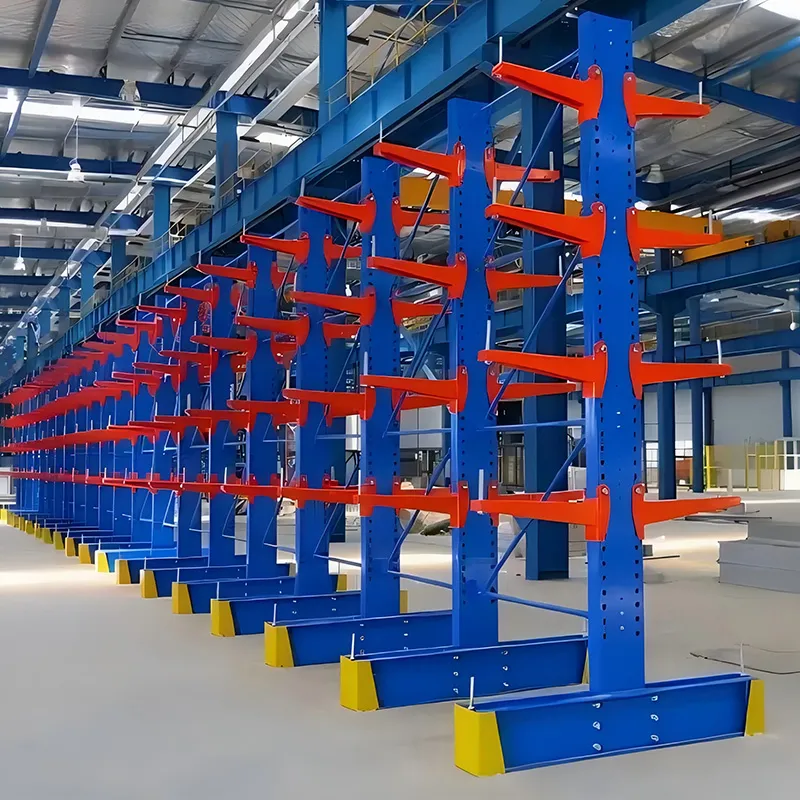
Less often requested, but sometimes irreplaceablecantilever racksfor long lengths or pipes. The main focus here is to calculate the reach of the console and the attachment to the floor so that there is no dangerous roll. Andracks for four-way shuttles- this is already aerobatics and an investment in automation. We do not design such systems from scratch. ourselves, but rather act as integrators, collaborating with specialized engineers. But the base is the same reliable steel structures.
You can have the perfect design and excellent metal, but ruin everything at the assembly stage. We had a tough lesson about five years ago. We assembled a large hall of shelving, all level. A month later a complaint comes: the racks are “walking?” It turned out that the installers, in order to speed up, did not reach the moment of failure of the anchor bolts at several critical points. Under dynamic load, the connections began to become loose. Now we have a rule: each key unit is checked by the team leader, and after us, an independent specialist arrives with a torque wrench for a spot check.
Another real problem is the human factor. Loaders hit the racks. No matter how you give instructions, this happens. Therefore, in high-risk areas, we immediately install either protective racks of a larger cross-section or install additional barriers. This is not a project, this is already from practice.
And installation logistics. It happens that racks arrive at the site, but cannot be unloaded and brought in - the doorways are too small or there is no access for a crane. Now we always request photos/videos of entrance groups and the path from the gate to the workshop in advance. This saves a lot of nerves and money.
The market is saturated with offers. Can I buy racks from the factory? cheap. But then it turns out what’s underneath the “factory?” This means a small workshop without its own design bureau, which cuts a standard profile for all projects. Or that the price does not include detailed calculations and adaptation to the object. And this is the basis.
For me, an indicator of the seriousness of a supplier is the presence of its own design bureau and the willingness to make preliminary calculations even before concluding a contract. Like, for example, the already mentioned company?Harbin Jusheng Metal Structure Manufacturing Co.,Ltd.. From their description it is clear that design and development come first in the work cycle. This is the right approach. When a manufacturer offers a full range - from commercial to complex shuttle systems, this indicates broad expertise that can be applied to your seemingly simple project.
And of course, after-sales. A guarantee is not just a piece of paper. This is the availability of service engineers and spare parts in stock. A quick response to a breakdown can save the operation of the entire warehouse. We always look at this point when choosing a partner for complex supplies.
Warehouses are no longer static storage facilities. The assortment, logistics flows, and equipment are changing. Therefore modernindustrial racks for warehousemust be not only durable, but also adaptive. Systems that can be relatively easily reconfigured are gaining popularity: change the height of a tier, add a section, increase the load in a certain area.
This brings us back to the question of the quality of components and thoughtfulness of the design. Cheap systems, as a rule, do not allow this - they are disposable. And an investment in a system with a margin of safety and modularity pays off due to its long life cycle and the possibility of modernization.
My bottom line is this: when choosing racks, you choose not a product, but a partner. A partner who understands your real processes, can calculate the risks and is ready to bear responsibility for their system for many years. And when you see enterprises like the Harbin Jusheng plant that invest in production automation and the full cycle, you understand that it is these players who set the standards for reliability in this, at first glance, conservative industry.