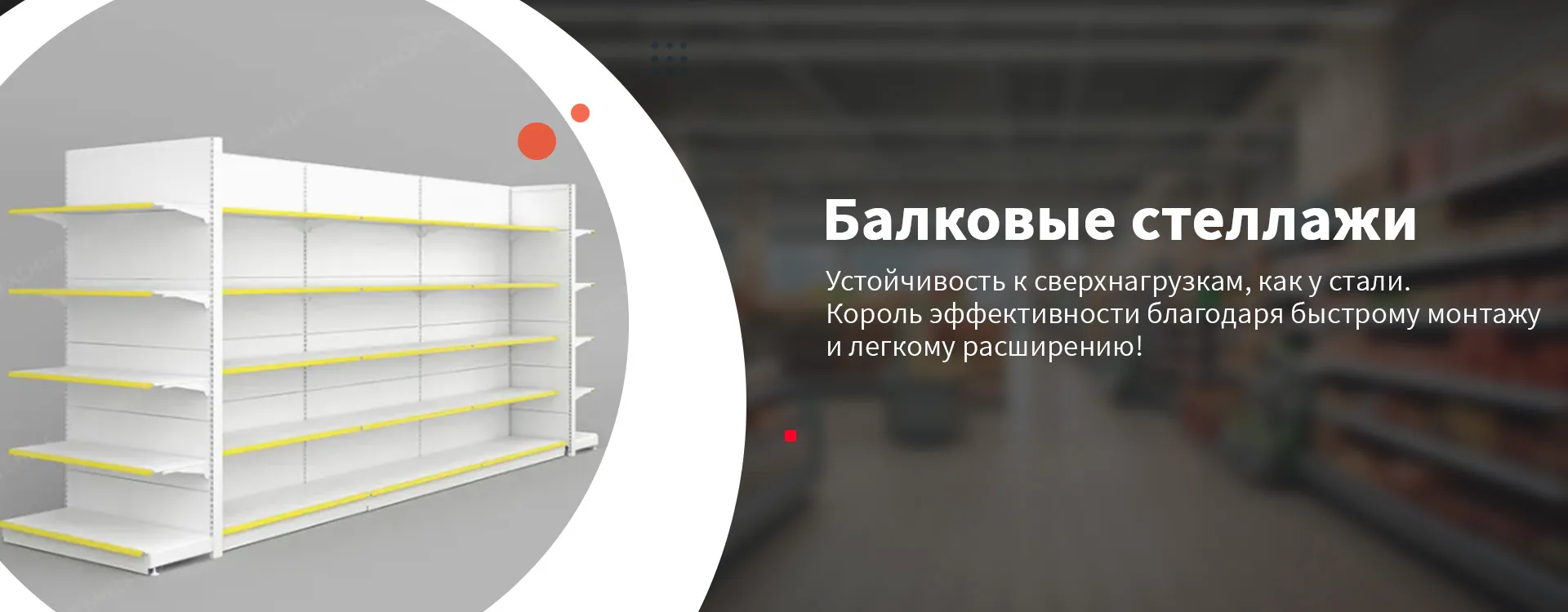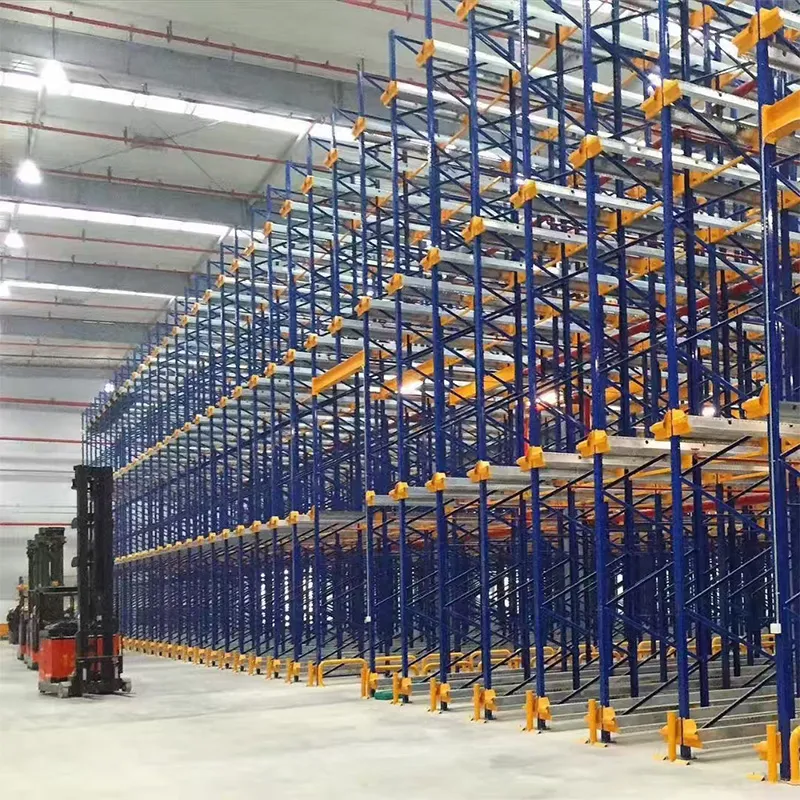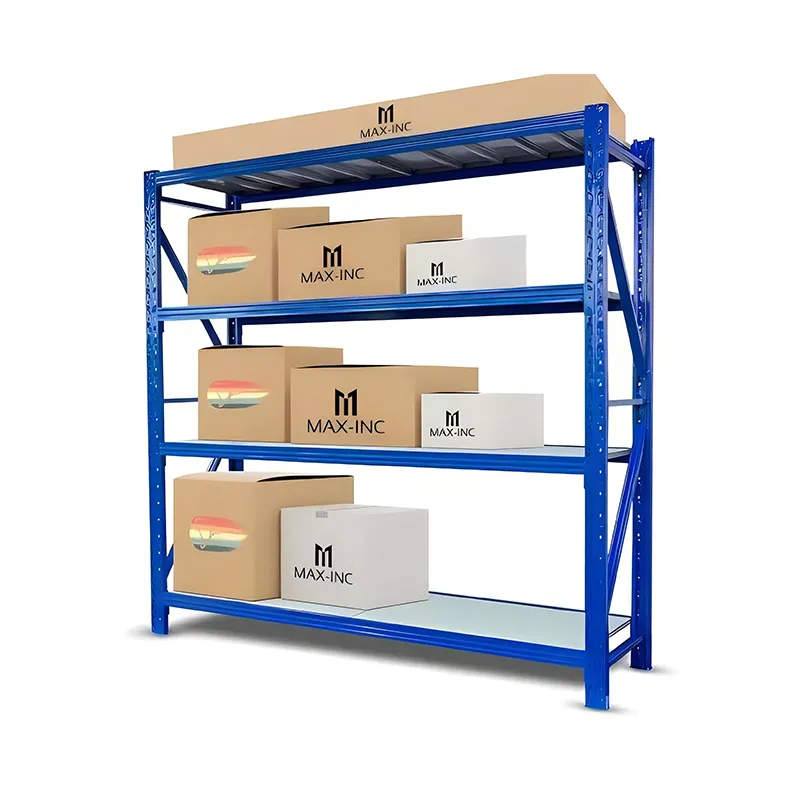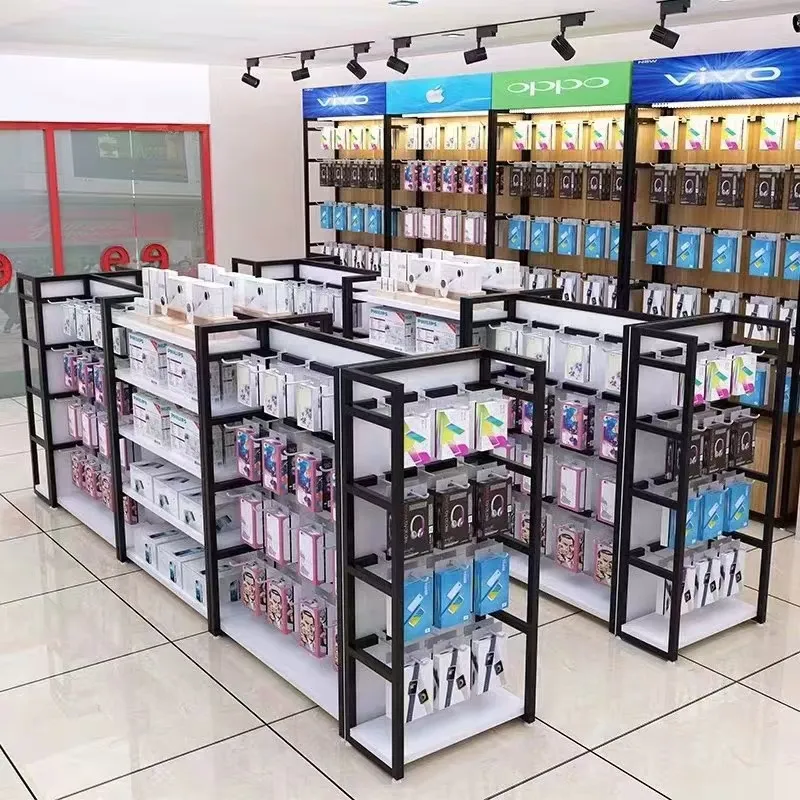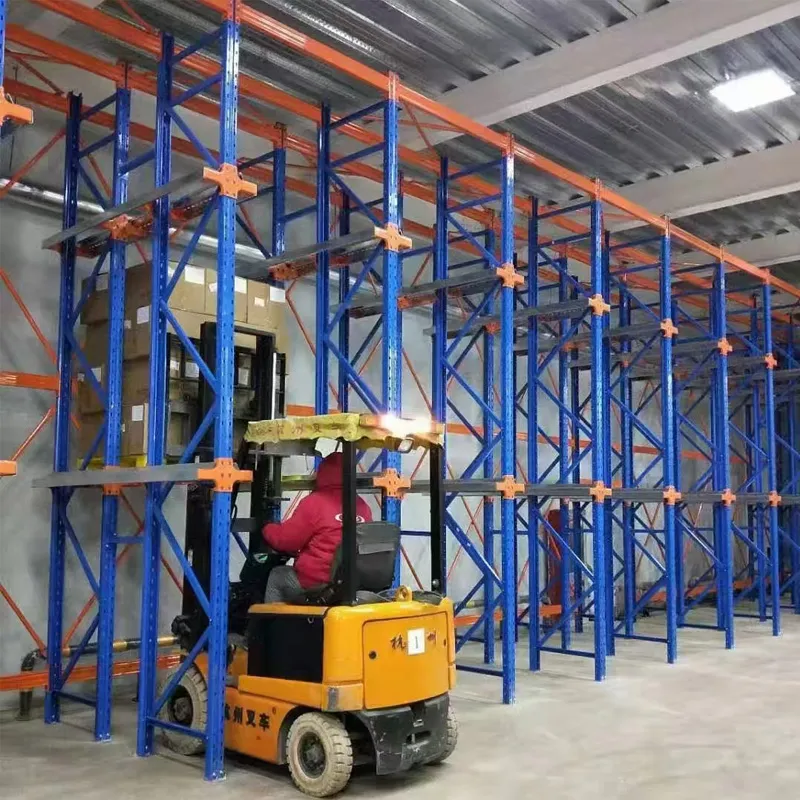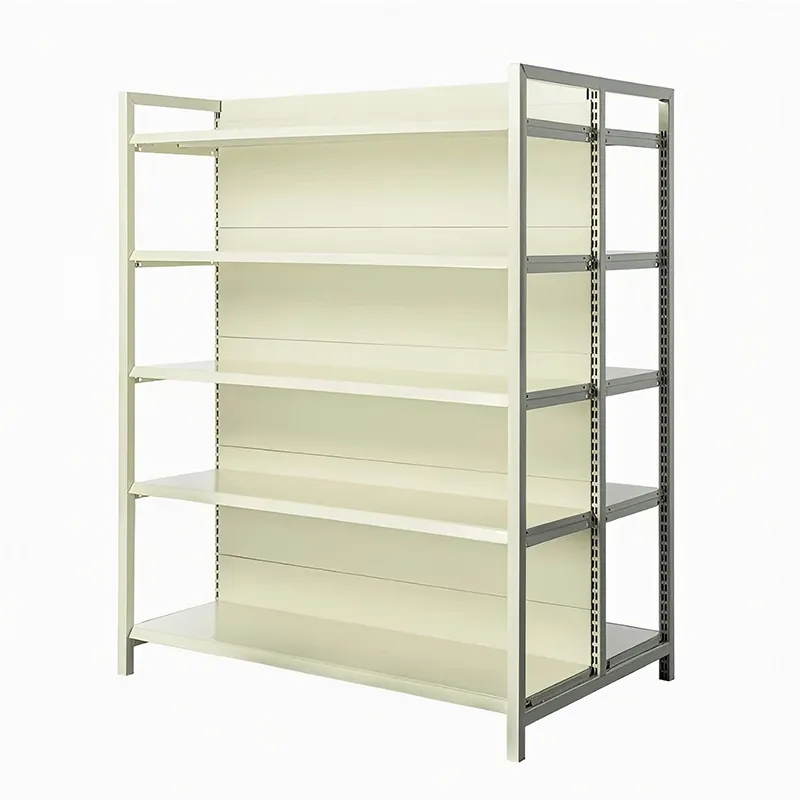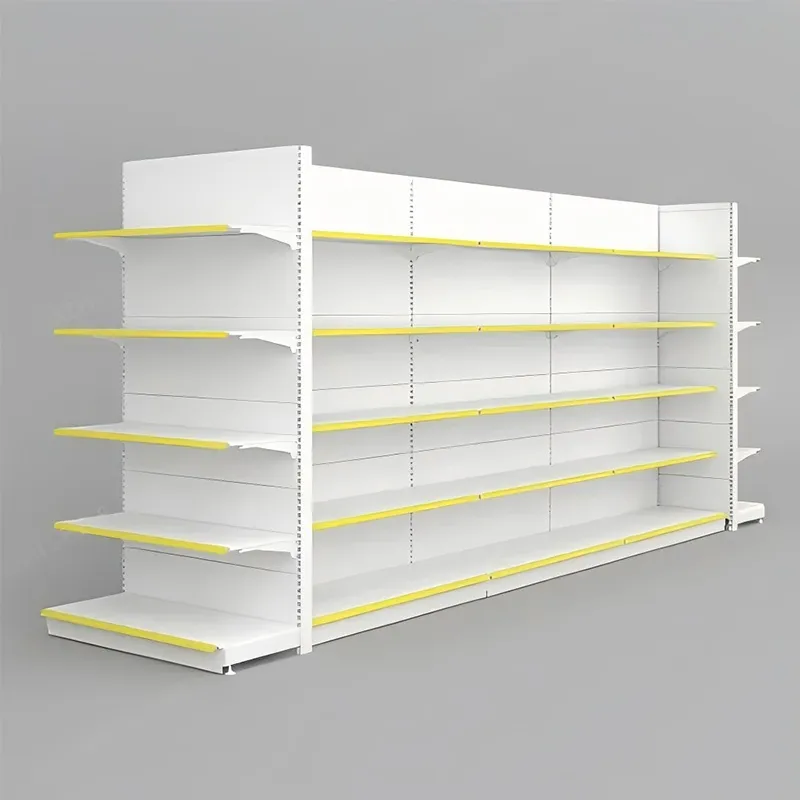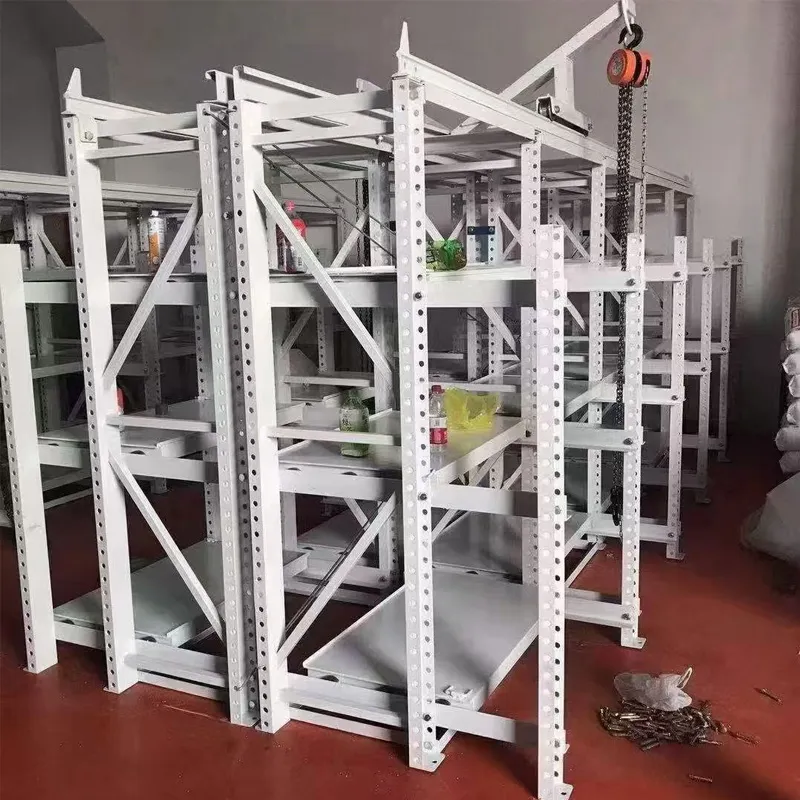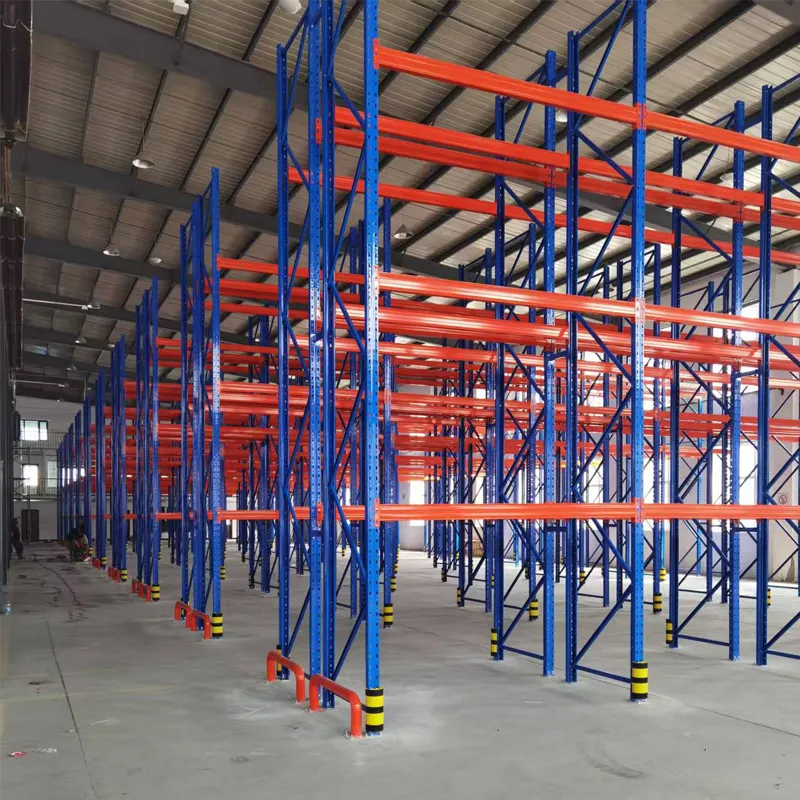
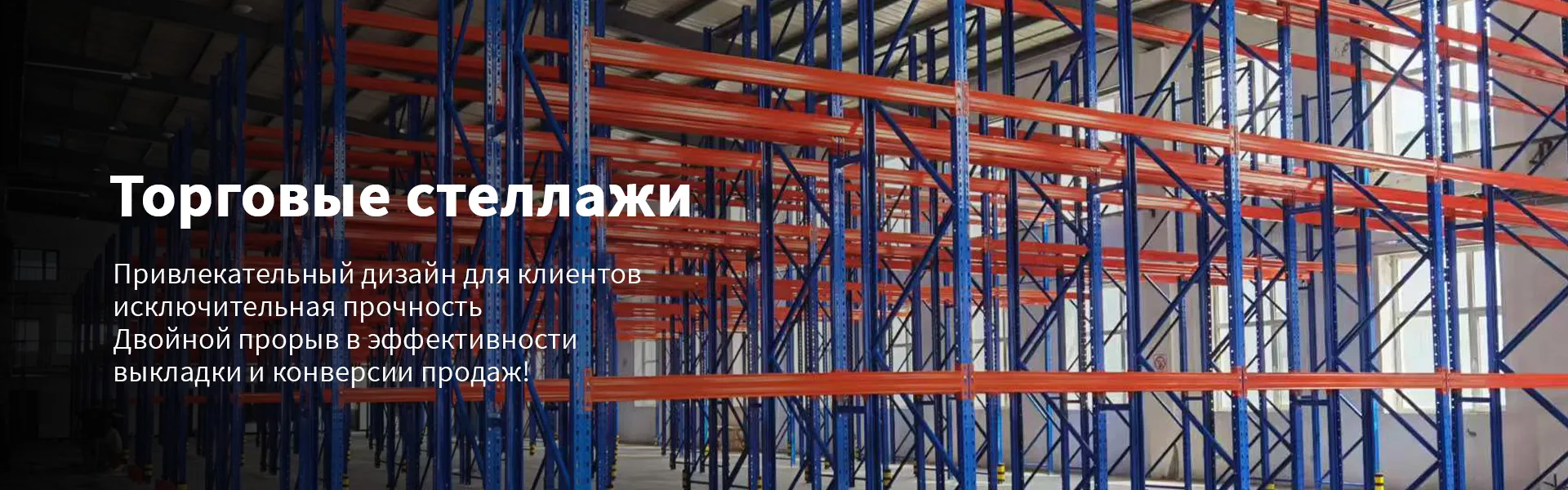
When they talk about the production of pallet racks, many people immediately imagine a workshop, machines and welding. But in reality, the key often lies not in the workshop, but at the design stage and in understanding how this rack will live in a real warehouse. The mistake of many is to chase the “standard” without delving into the details of future operation: the type of loader, the dimensions of the pallets, the specifics of the cargo, the dynamics of flows. You can make a design that is ideal from the point of view of metalworking, but which turns out to be inconvenient or even dangerous to work with. That is why our approach at ?Harbin Jusheng Metal Structures Manufacturing LLC? always starts with a dialogue, and not with a drawing from the catalog.
Pallet racking is a system. And its strength is determined not by the thickness of the rack, but by the correctness of the calculations and the quality of the components. At our plant in Pingfang, we have gone from simple manufacturing according to provided dimensions to complex engineering. There were cases in the early days, 5-6 years ago, when a client asked to “strengthen?” shelving by simply adding metal. The result was an overweight, expensive structure that did not solve the problem of vibration when driving the reach truck. Now engineersHarbin JushengFirst, they analyze the data: frequency of operation, loads, even type of flooring. Only then comes the calculation of stability, dynamic loads, selection of steel and processing technology.
Automated lines are not for show. Robotic cutting and bending provide the main thing - repeatable accuracy. When you produce thousands of posts and beams, the human factor in size must be eliminated. An error of a couple of millimeters on one rack is a problem when installing a whole row. Our territory of 20,000 m2 allows us to organize the flow so that the workpiece is sequentially cut, bended, welded, shot blasted and painted without unnecessary movements. This affects both the timing and the absence of damage on already treated surfaces.
Particular attention should be paid to welded seams in beam attachment points. These are points of stress concentration. It used to happen that a seam was beautiful in appearance, but under cyclic load (constant installation and removal of pallets), microcracks appeared. We switched to shielded gas welding technology for critical components and introduced selective ultrasonic testing. This increases the cost of the process, but reduces the risk of breakdown to a minimum. For the client, this is an invisible, but the most important part of “reliability”.
Even perfectly made racks at the factory can be damaged during delivery and installation. We export from our site, so we think through the packaging down to the smallest detail. The racks and beams are packaged separately, in protective film and hard corners, so that the ends and threaded holes do not bend during overload or long-term transportation on our roads. This is an experience paid for with a few spoiled batches at the beginning of the journey.
Editing is a different story. Often the customer wants to save money and relies on his employees. But incorrect assembly, loose connections, incorrect verticality are a direct threat. We always offer the services of our installation teams. They know the nuances of our design, have torque wrenches to maintain the tightening torque and laser levels. We have seen warehouses where the racks are skewed by 2-3 cm at a height of 8 meters. This is not just “crooked”, it is a shift in the center of gravity and a reduction in the declared load. On the websitejshj.ruWe post not only catalogs, but also detailed assembly instructions and videos for those who still decide to assemble themselves. But in 70% of cases, clients, after looking at these materials, return to the option with our installation supervision.
Another point is adaptation to the object. The floor is rarely perfectly level. Standard adjustable shoes solve the problem of a difference of 1-2 cm. But there were objects with old concrete floors, where the difference in the row area reached 5 cm. It was necessary to develop and include in the line special screw supports with an increased adjustment range. This is not a massive story, but without such a decision the project simply would not have happened. Flexibility in such details distinguishes a full-fledged manufacturer from a mere blueprint maker.
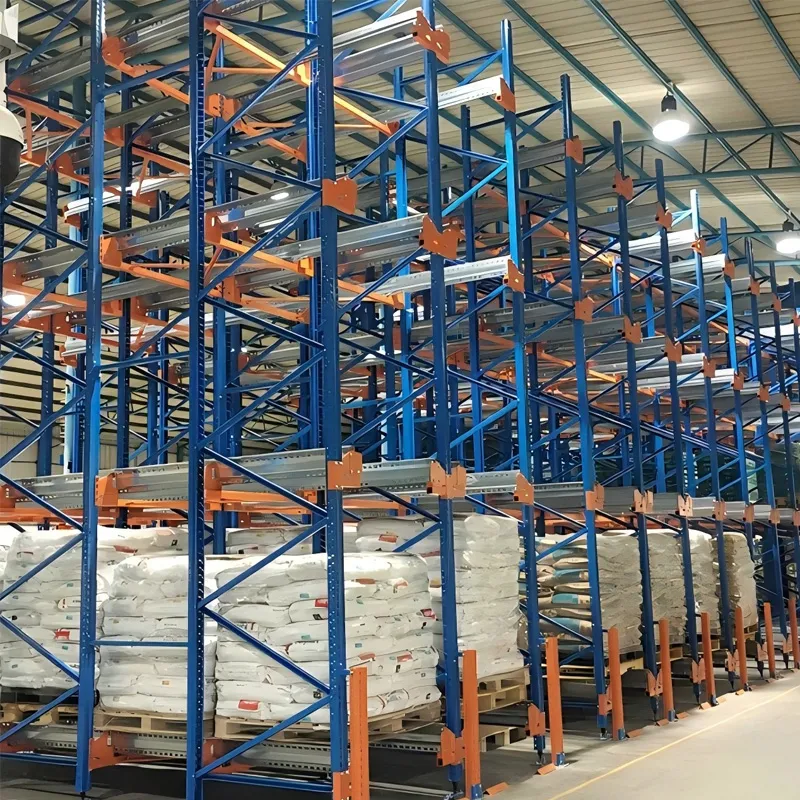
The market demands not onlypallet racks, but solutions for specific tasks. Previously, we offered essentially three standard sizes. Now the range is wider: from classic frontal systems to systems with a storage depth of several pallets, compatible with gravity or shuttle systems. But we did not delve into highly complex robotic logistics - this is a different niche. Our focus is a reliable, smart base, the “backbone?” warehouse
An interesting trend in recent years is the request for easy reconfiguration. Warehouses are rented, business processes are changing. Customers want to be able to rearrange tiers and change heights without welding or complex operations. In response, we modified the beam fastening system, making it more flexible. Now many changes can be carried out by the warehouse itself, with only an installation key. This increases the life cycle of the racking system.
The quality of painting is not only about aesthetics. The warehouse environment is aggressive: dust, temperature changes, possible shocks. Powder painting in a chamber with preliminary phosphatization of the metal is standard. But we experimented with layer thickness and different powder manufacturers. We settled on the optimal option: a coating of 60-80 microns provides good protection and elasticity (fewer chips upon impact), while not sacrificing in cost. For refrigerated warehouses or rooms with high humidity, we offer a separate, more expensive class of coatings. This is a case where you cannot offer one solution to everyone.
A guarantee is a formality if there is no service. We position ourselves as a full-cycle enterprise, and after-sales is part of the cycle. The most common request is not repairs, but documents. Certificates for materials, passports for equipment, test reports for components. It is especially important for large chains and international companies that undergo audits. From the very beginning, since 2019, we have kept everything documented, so now we can provide the full package without any problems.
The second point is consultations on operation. They call and ask: “Is it possible to supply a 1.5 ton pallet if the rack is designed for 1.2 tons?” Or: “A scratch appears on the beam down to the metal, what should I do?” Having an in-house engineer who can provide a clear and technically sound answer is part of the trust. Sometimes one call is enough to prevent violation of operating rules and a possible accident.
And the third is the supply of spare parts and components over the years. The warehouses are expanding, several more sections need to be delivered. Or the loader hit and bent one beam. The ability to buy not a whole rack, but one rack, beam, and fasteners is critical. We store design data and technical specifications, so we can produce a compatible element even for a system released 4-5 years ago. This is a long-term partnership, not a one-time deal.
Nowadays there is a lot of talk about sustainable development. In our context, this is, firstly, the use of steel, part of which comes from smelting. Secondly, optimization of logistics. Producingpallet racksin Harbin, we are logistically advantageously located for deliveries to the Russian Far East and Asian countries. This reduces the carbon footprint of transportation. We are working on this.
Efficiency is also a matter of calculating the full life cycle for the client. Sometimes a cheap rack requires constant adjustments and repairs and has a shorter service life. Our engineers can make a comparative calculation of the cost of ownership for 10 years. It often turns out that our seemingly more expensive solution turns out to be more profitable due to durability and lack of downtime. This is difficult to convey when they buy “at a price per section,” but we try.
As a result, production is not an assembly line. This is a constant dialogue between an engineer, a technologist, a welder and a future warehouse manager who will work with this system every day. Factory ?Jusheng? over the years, it has become just such a platform where this dialogue is possible at all stages - from sketch to installation and service. And this, perhaps, is our main difference from many others.