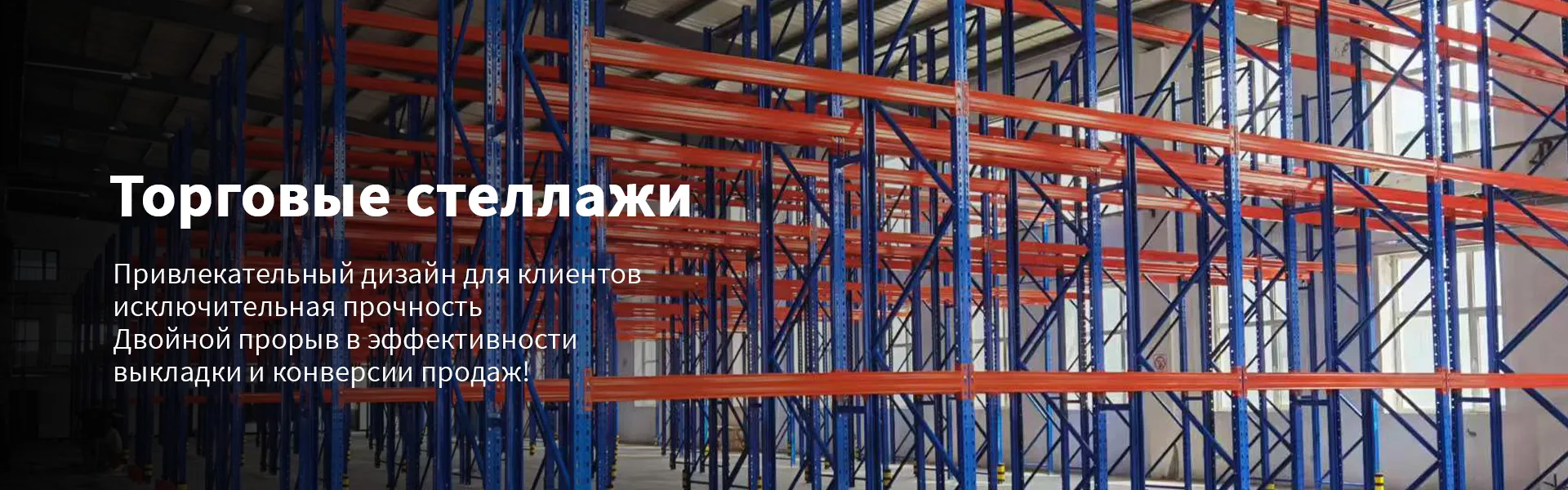
You look at an empty warehouse and think - well, the racks, what’s so complicated about that? Ordered, installed, ready. And then problems begin: the load won’t fit, the aisles are too narrow, or the shelves bend. I went through this myself. Therefore, choosing shelving is not about finding the cheapest option or the coolest one. in the picture. This is about understanding what exactly will happen in these passages every day, for years.
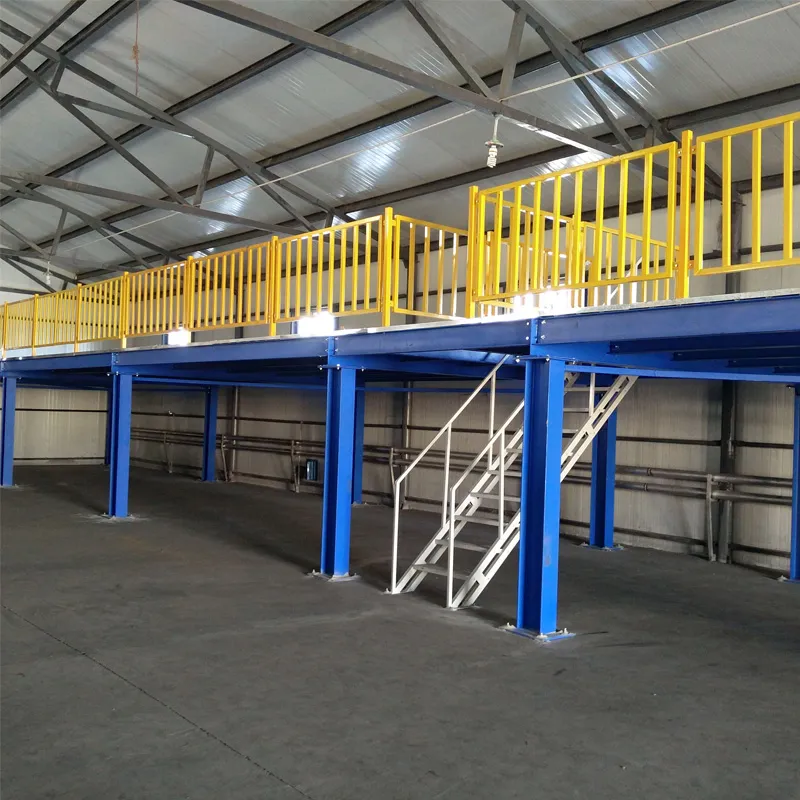
The first and most serious mistake is to look directly at the types of structures. All these mezzanines, pallets, consoles. But the foundation is not the shelving, but the room itself. The load on the floor is where you need to start calculating. There was a story when a customer wanted to install tall shelving to capacity, but it turned out that the floor slab in his rented building simply could not withstand such a concentrated mass. We had to reconsider the entire storage concept towards a lower height and a different weight distribution.
Ceilings are the second point. Height is literally your extra volume that can be monetized. But if the ceilings are 6 meters, and you install three-meter racks, you are simply throwing away money for unused air. Conversely, trying to squeeze a 12-meter system into a room with 10-meter ceilings is a recipe for disaster. A gap is needed for ventilation, communications, and installation.
And one more thing about the floor: the type of flooring. Smooth concrete, polymer coating, unevenness. This affects the installation and, most importantly, the stability of the entire structure. Sometimes the legs of the racks require special shoes or leveling, and this must be included in the budget and time frame right away.
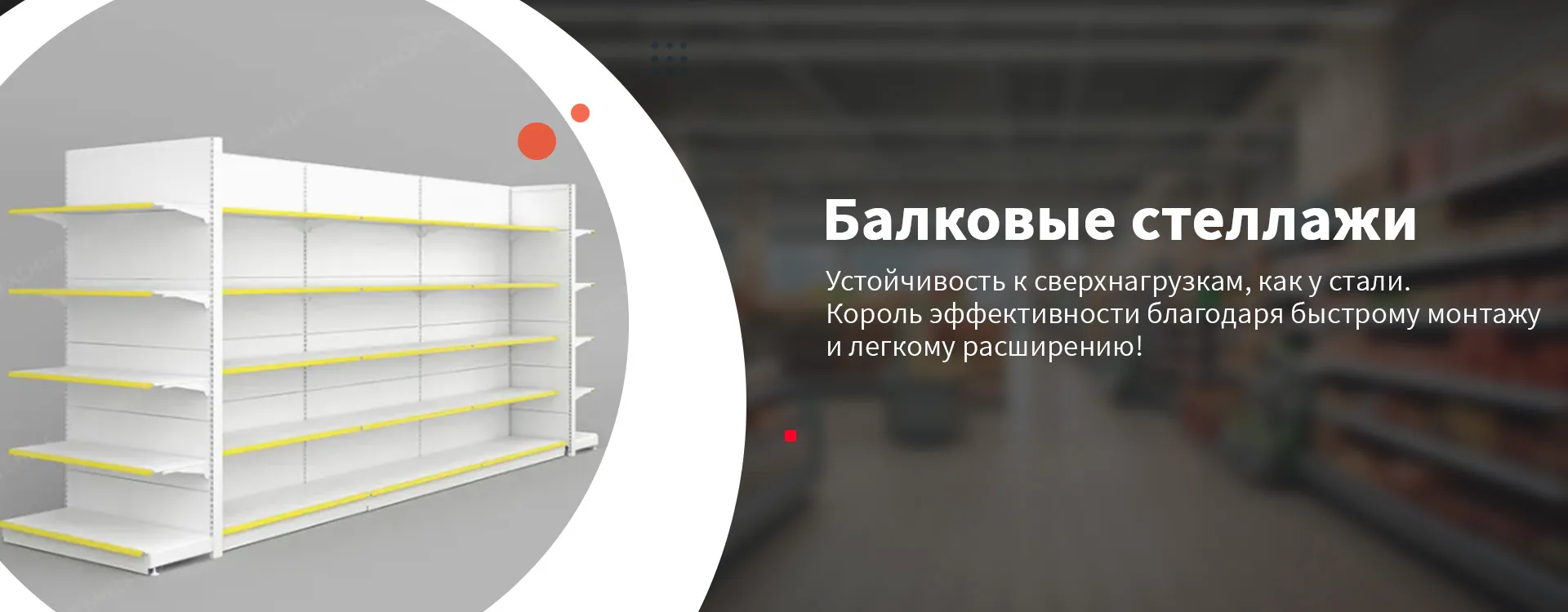
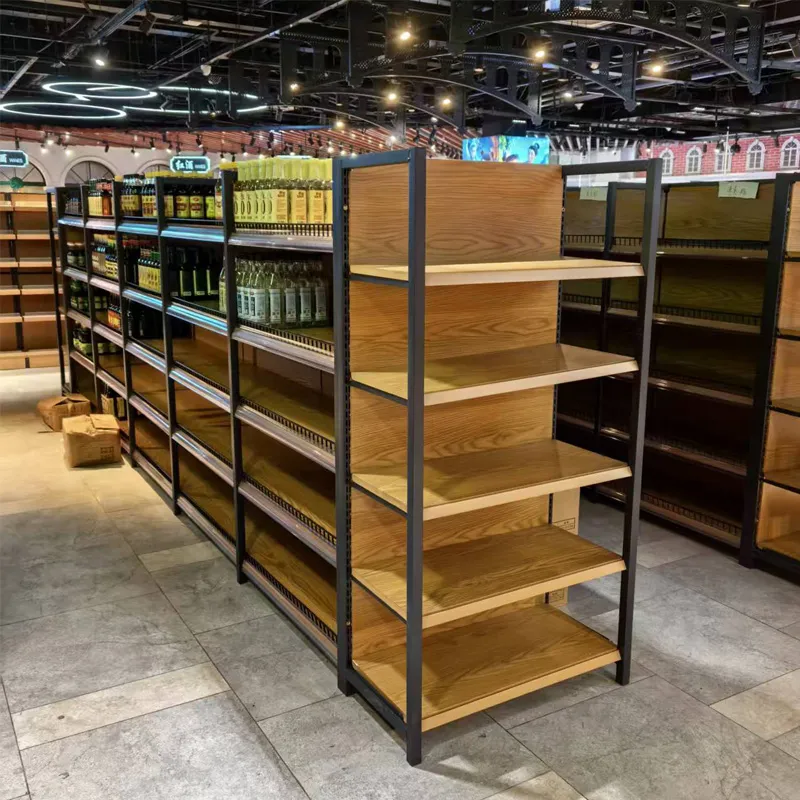
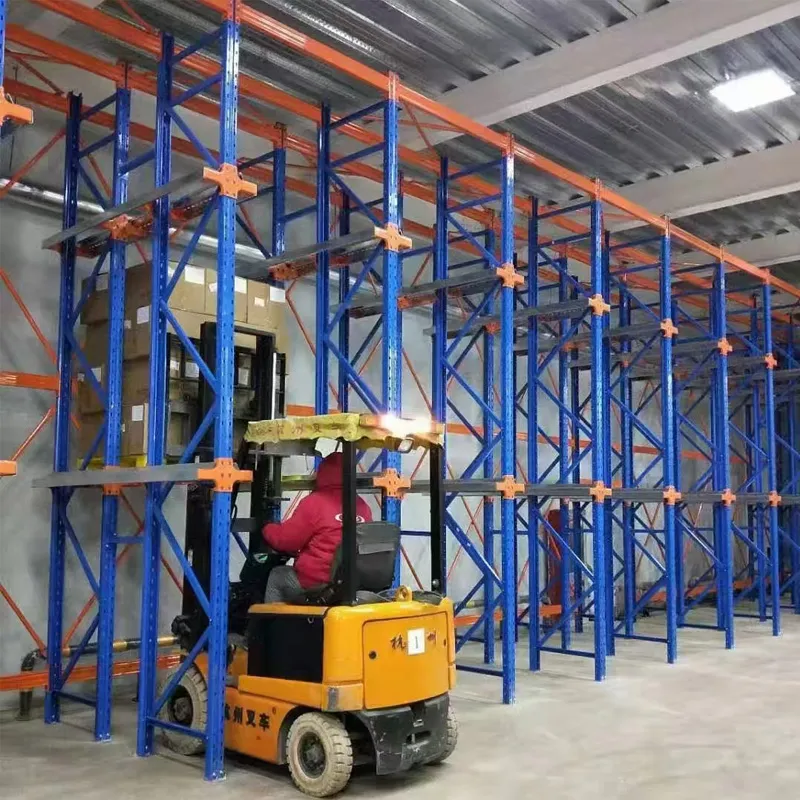
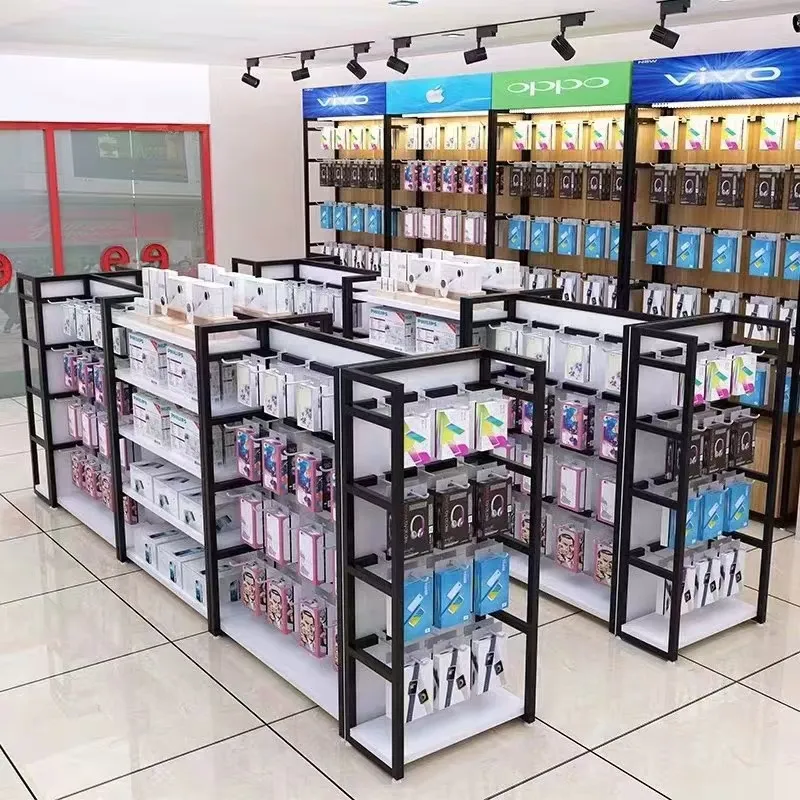
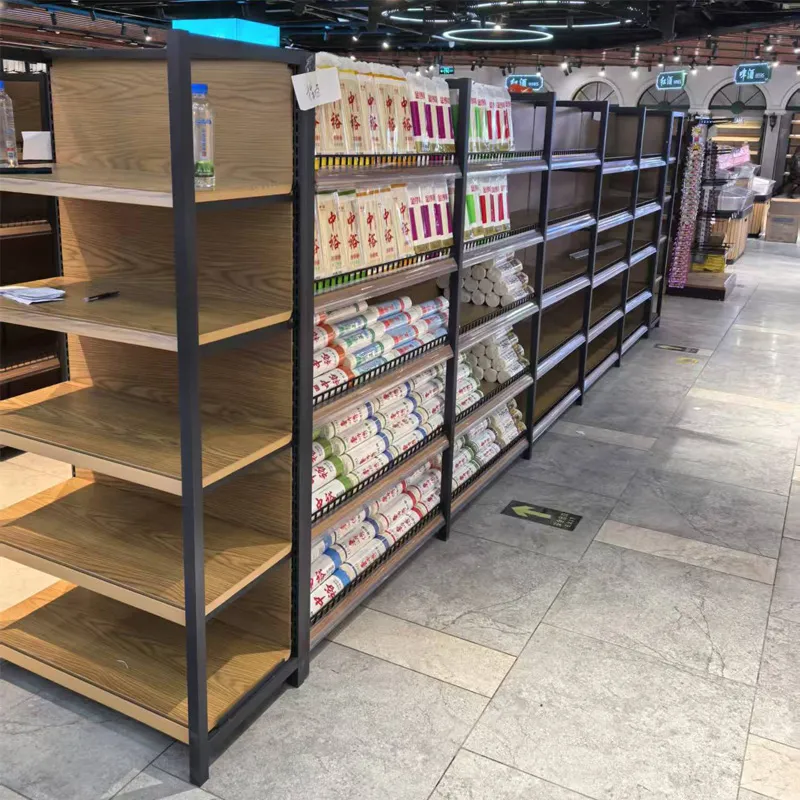
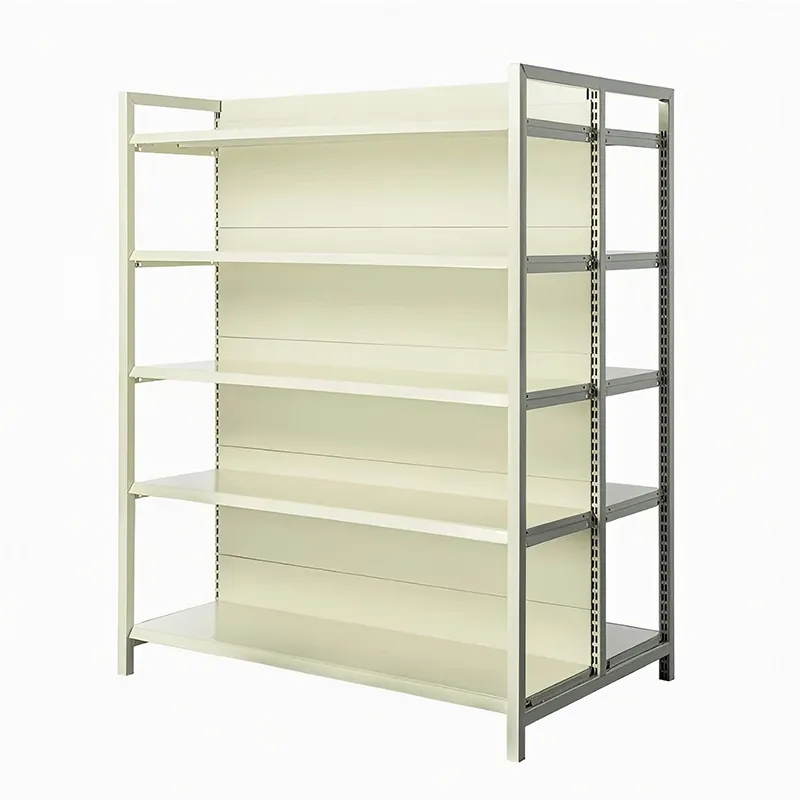
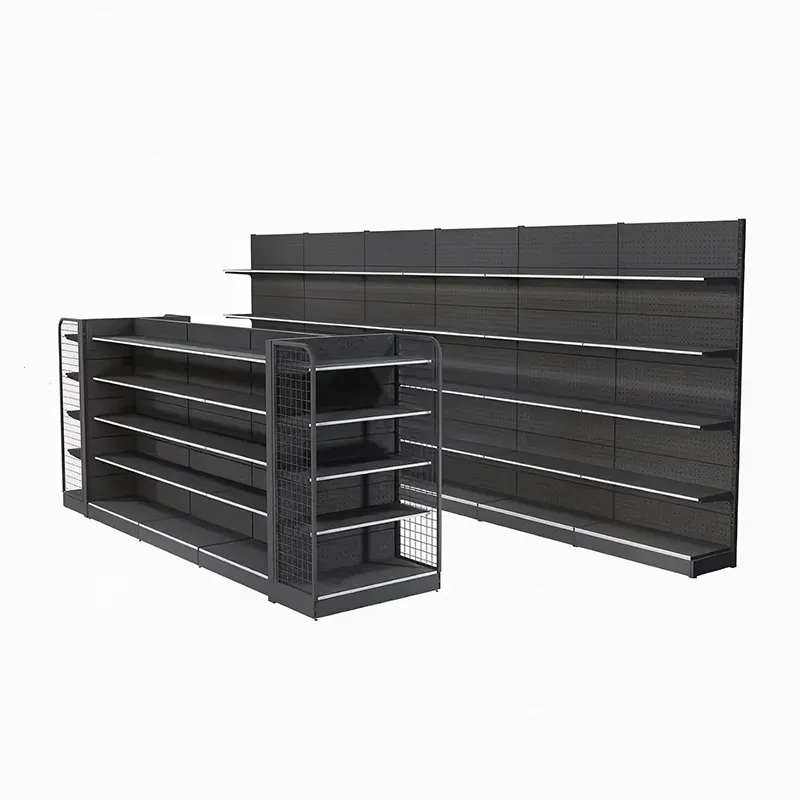
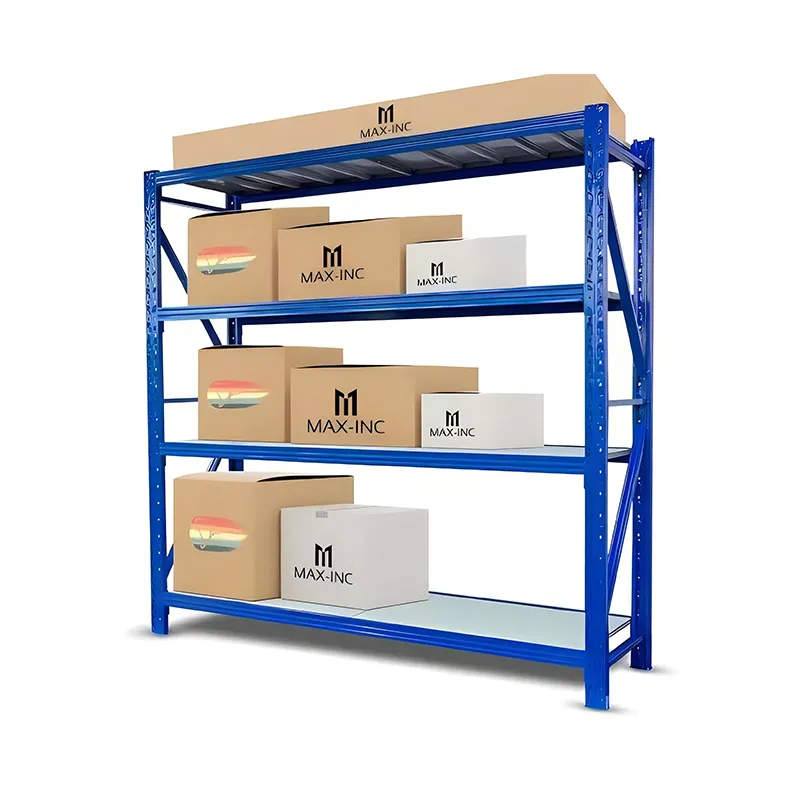
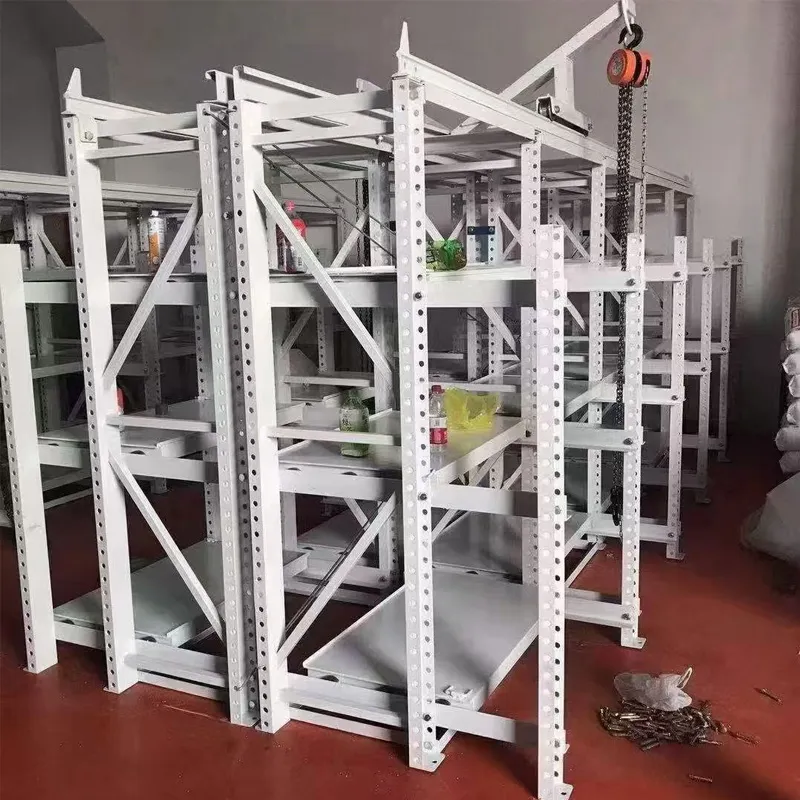
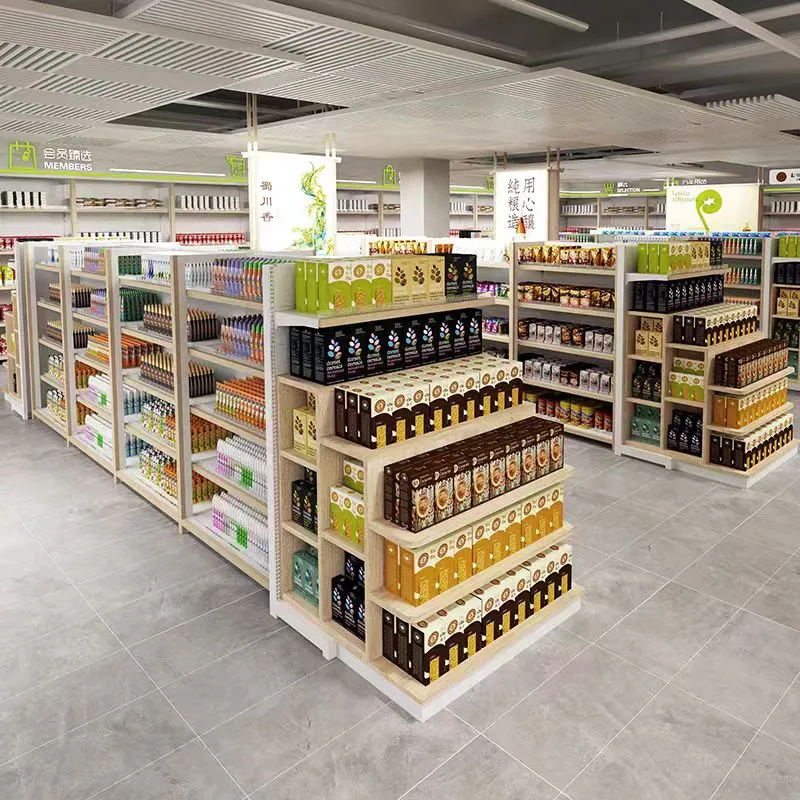
It sounds trivial, but how often this is neglected! I saw how they tried to store long pipes on ordinary shelf racks. This is both inconvenient and dangerous. Pallets have their own systems, most often these arefrontal pallet racksor their denser Drive-in versions. For single-piece, boxed goods - shelf units, often with mesh panels for safety.
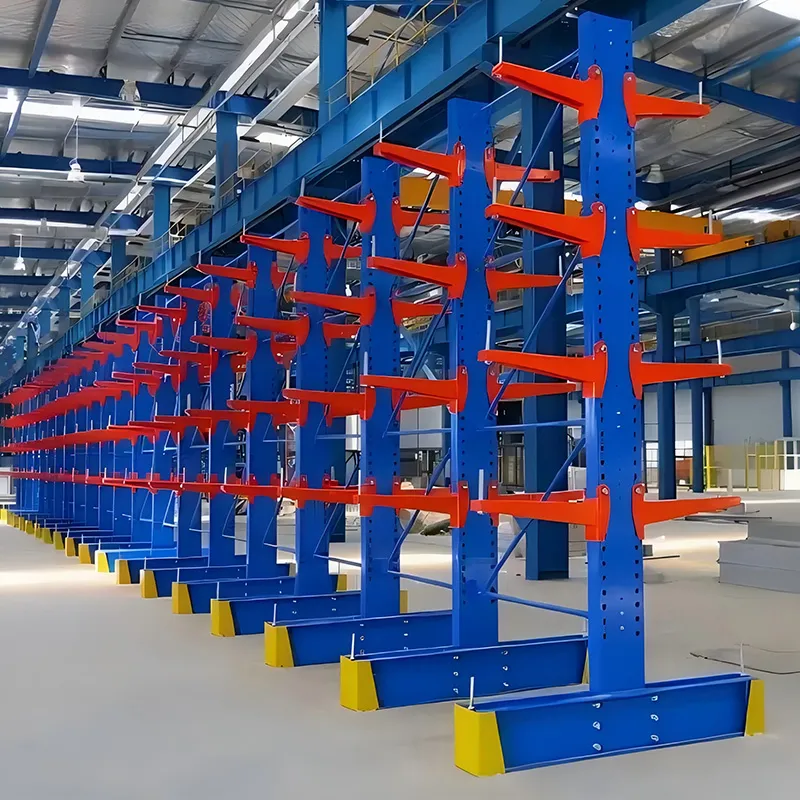
But for long lengths, rolled metal, pipes - of course,cantilever racks. Their main advantage is free access to the cargo from the front side and the absence of vertical posts in the opening. But there is a nuance here: the load on the cantilever beam. It should be calculated not at the average weight, but at the maximum possible, and even with a margin. And pay attention to the mechanism for attaching the console to the rack - the reliability of the entire structure depends on this.
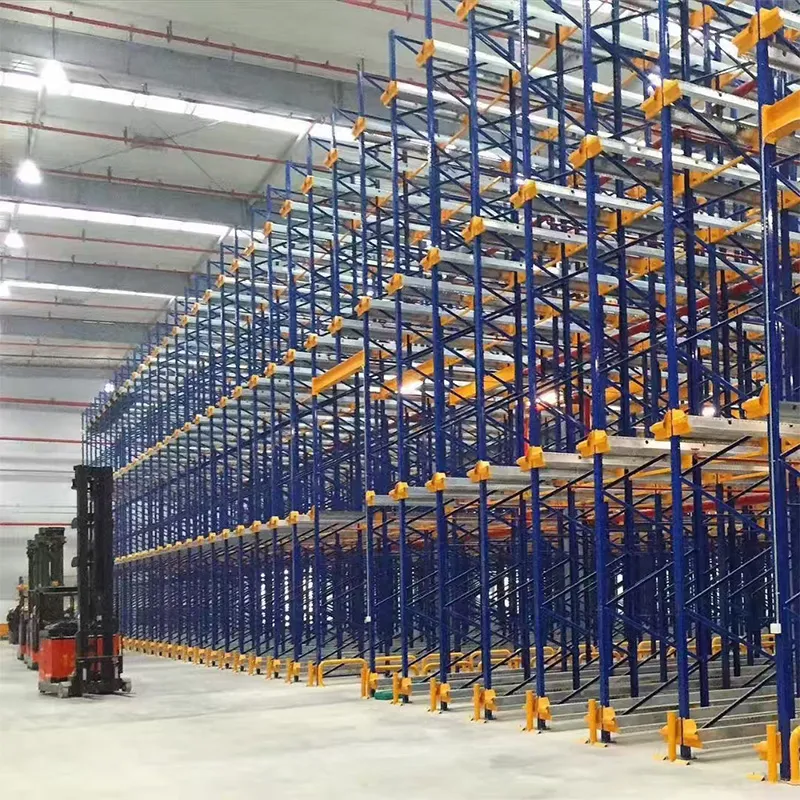
High-density storage systems stand out: packed, shuttle. This is already for high-turnover warehouses with homogeneous goods. The solution is expensive, but it radically increases capacity. However, its implementation is a whole project to change logistics processes in a warehouse, and not just “iron supply”.
Metal thickness, steel grade, profile type are not just technical characteristics, they are a matter of durability and safety. Saving a couple of millimeters on the thickness of the rack can result in a noticeable deflection under load in a year or two. Especially in multi-tier systems.
Coverage is a separate issue. Galvanizing, powder painting. For an ordinary dry warehouse, high-quality painting is suitable. But if you have even the slightest humidity, temperature fluctuations (for example, an unheated warehouse), or a food products warehouse, you need hot-dip galvanizing. It is more expensive, but protects against corrosion for decades. I remember how at one of the facilities in the Moscow region they installed painted shelving in a room with poor ventilation. After two years, rust appeared on the stiffeners. I had to dismantle and replace it.
By the way, about suppliers. Now there are many players in the market, including from abroad. For example, ChineseHarbin Rack Factory ?Jusheng?(Harbin Jusheng Metal Structures Manufacturing LLC). By the way, they have been working since 2019; their workshop near Harbin is huge, 20,000 sq.m. What’s important is that they do the full cycle: from design to installation. For a large project, this is often more convenient than piecing together contractors. Their portfolio includes the entire spectrum: from trading to complexshuttle systems. But, I repeat, the choice of a manufacturer is after you yourself or with an engaged engineer have decided on the technical specifications.
It would seem that I assembled it like a construction set - and it’s done. In practice, most problems arise precisely at the installation stage. Wrong fasteners, loose bolts, distortions. A rack is not a cabinet; its geometry must be ideal, otherwise the load will not be distributed correctly.
Therefore, always insist that the installation is carried out either by the manufacturer’s specialists or by a proven team that specializes specifically in shelving, and not in “assembling metal structures in general.” And supervision from the designer is definitely needed, especially for complex or tall systems. He must accept the work, check compliance with the design, and check the tightness of all connections.
And one more practical piece of advice: always request and keep data sheets for materials (steel, coating) and drawings with load calculations. This is not only for guarantee, but also for the future. When in a couple of years you want to remodel or add a tier, these documents will be invaluable.
Now we come to the main thing. When you receive a commercial offer, it usually indicates the price per ton of metal or per section. But this doesn't say much. The correct metric is the cost of one pallet space (or storage space in cubic meters), taking into account installation, delivery and all related work.
Sometimes a more expensive, but more capacious system (the same stuffed one or with shuttles) ends up being cheaper per storage unit than classic frontal shelving, because it allows you to use the area 40-50% more efficiently. But this requires accurate calculations and modeling.
Don't forget to budget for the future. The warehouse lives and changes. You need to understand how scalable the system is. Will it be possible to easily increase the height, add sections, rearrange beams? Good manufacturers, the same?Jusheng?(their website, by the way,www.jshj.ru), usually designed with a reserve for such modifications. This is important.
So how do you choose? Not as a result, but as a checklist that I myself follow. First, analyze the room (floor, ceiling, layout). Then - a detailed analysis of the cargo (dimensions, weight, turnover, specifics). Based on this, preliminary selection of typewarehouse racksand development of a planning solution, preferably in 3D.
Next is a request for technical and commercial proposals from several proven manufacturers, but with a ready-made technical specification. We compare not just numbers, but the cost of space, quality of materials, warranty and installation conditions. And only then - the conclusion of an agreement where all this is clearly stated.
The main thing is to remember that a rack is not just a shelf. This is the main technological equipment of the warehouse, its skeleton. If you save or make a mistake at the selection stage, you will pay every day with inconvenience, loss of time and, in the worst case, an accident. Make calculations, involve specialists if your competencies are not enough, and take your time. In this business, haste is your biggest enemy.