When you hear “racks for an online store?”, the first thought is just shelves in a warehouse. This is where the main mistake lies, because of which you then spend months redoing logistics. In fact, this is a separate class of equipment, and its task is not just to store, but to ensure the speed of order assembly. If in a regular warehouse the priority is storage density, here it is ergonomics and speed of operator access. If you ignore this, you end up with queues of assemblers during rush hour and eternal picking errors.
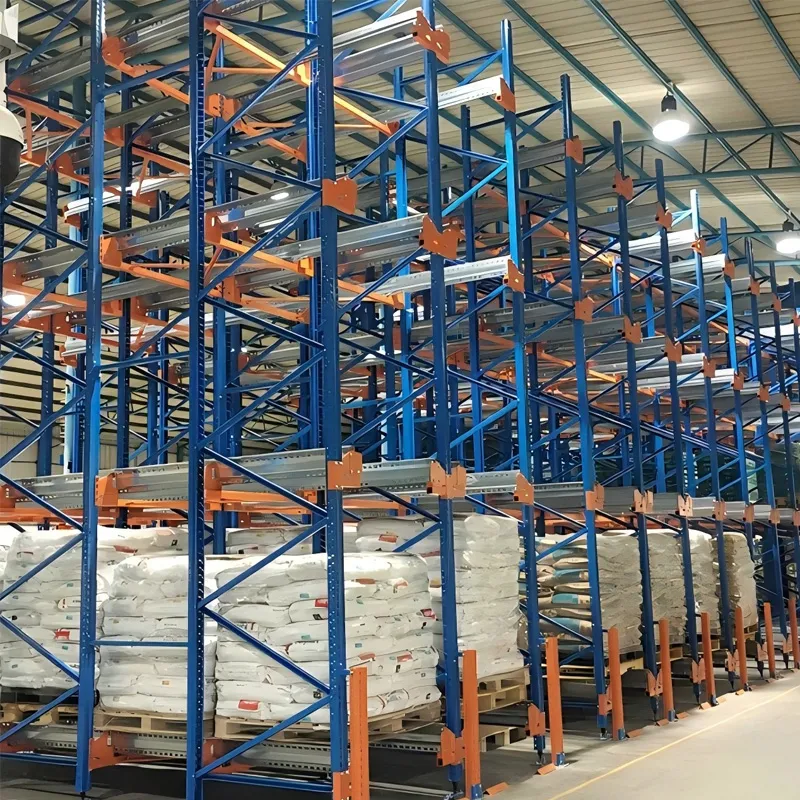
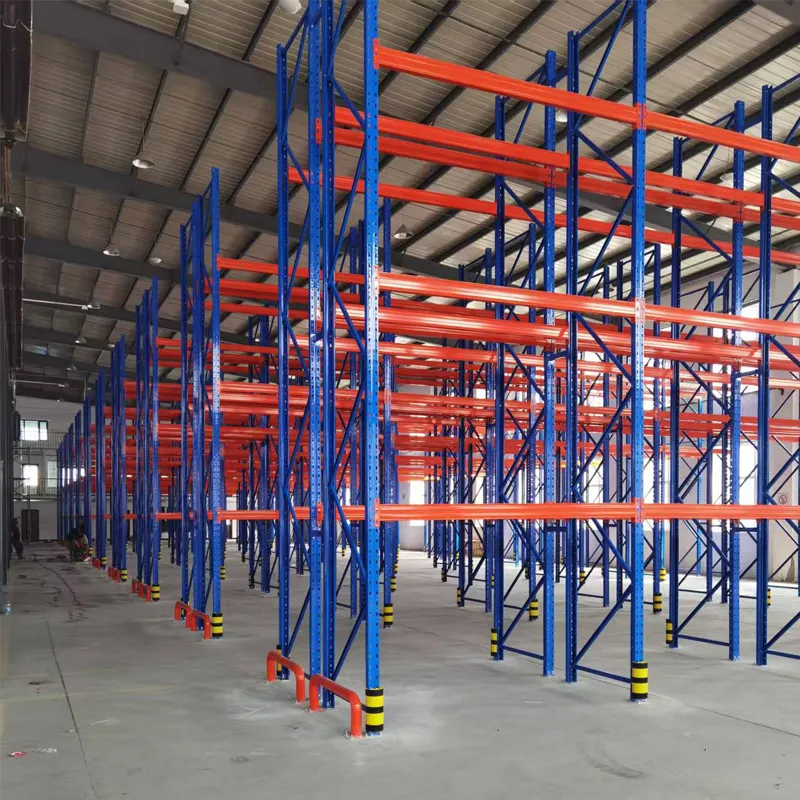
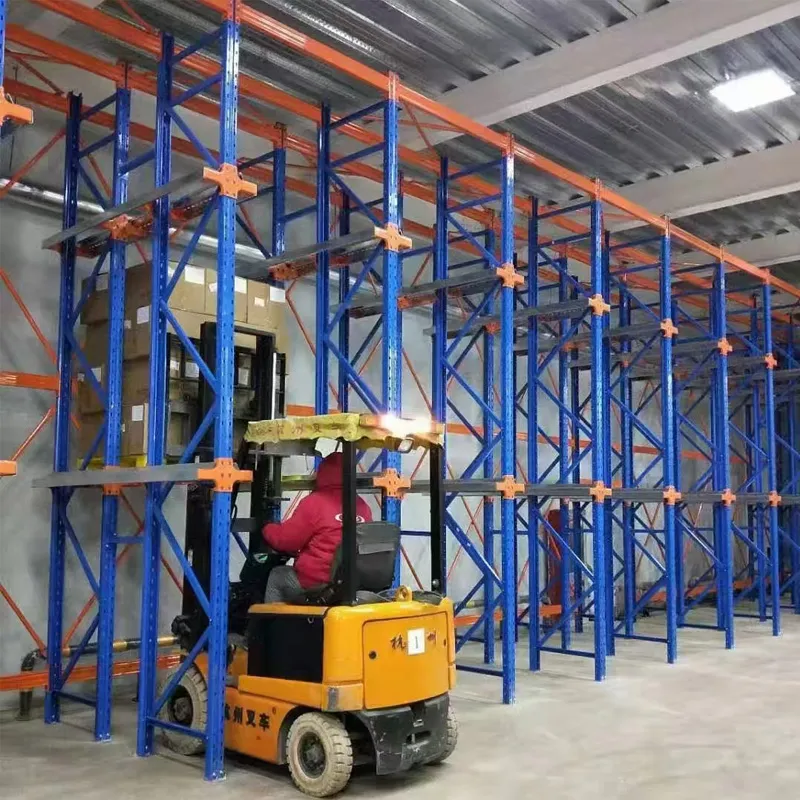
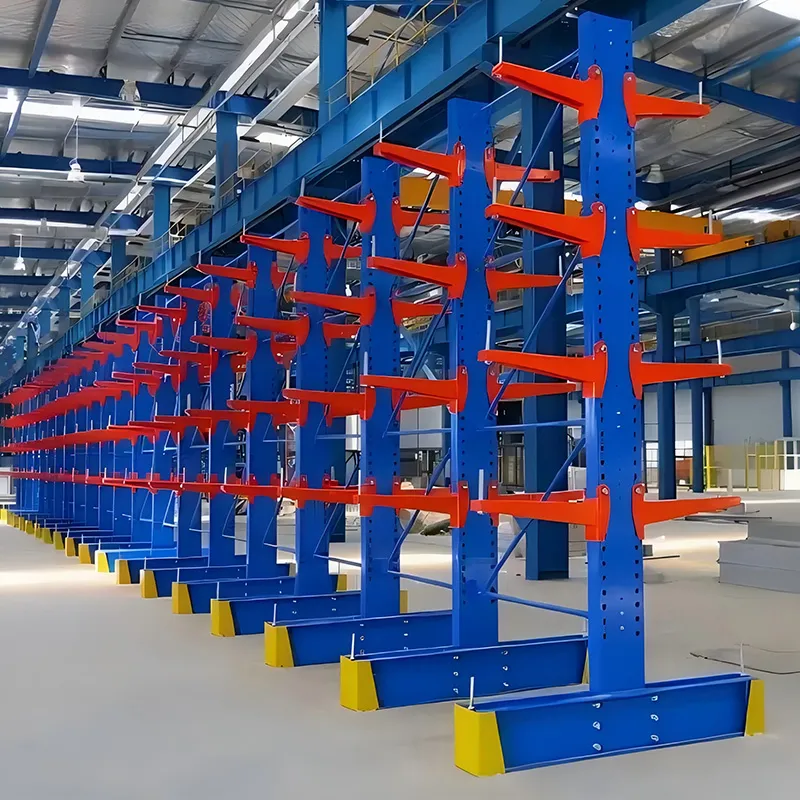
Let's start from the very beginning. Classic pallet racks are for pallets. They are deep, tall, and require a reach truck or stacker. But in an online store, especially in the segment of medium and small goods (clothing, electronics, cosmetics), an order is a basket of 10-20 different items in individual quantities. The operator runs around, collects. And if he has to walk 50 meters to the rack for one position, and another 30 in the other direction for another, his efficiency drops significantly.
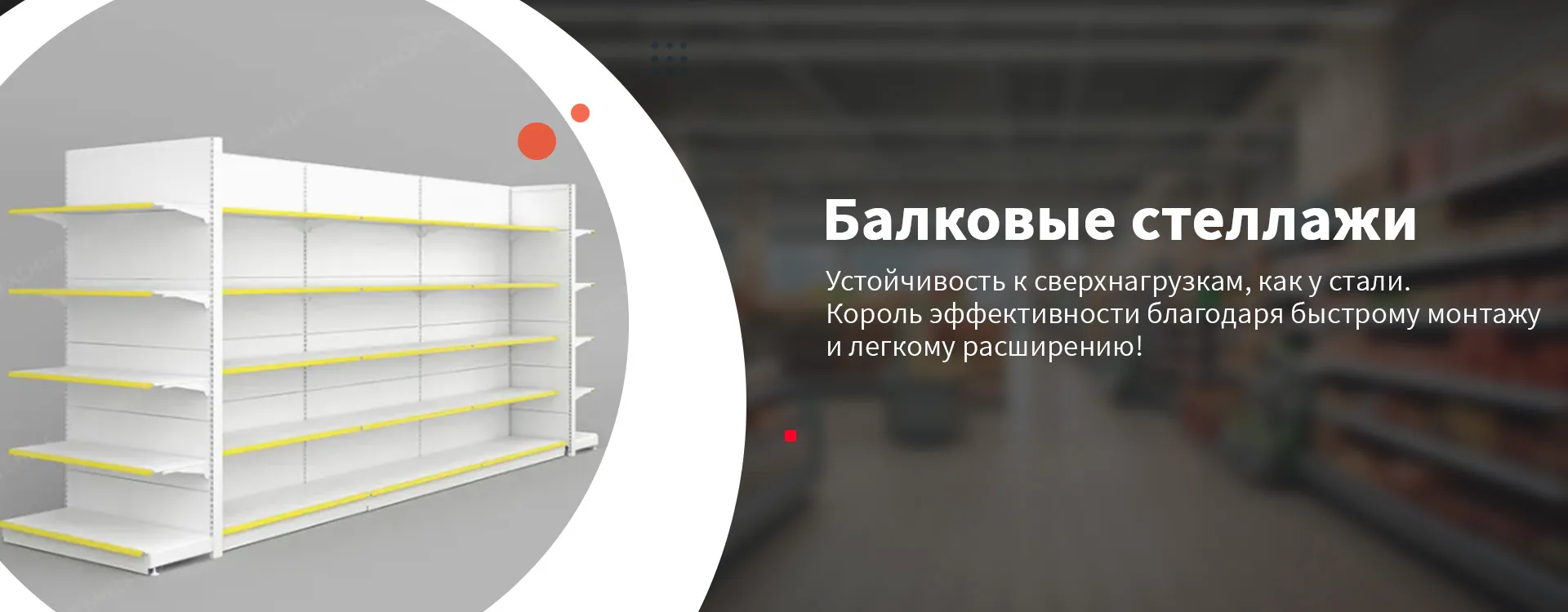
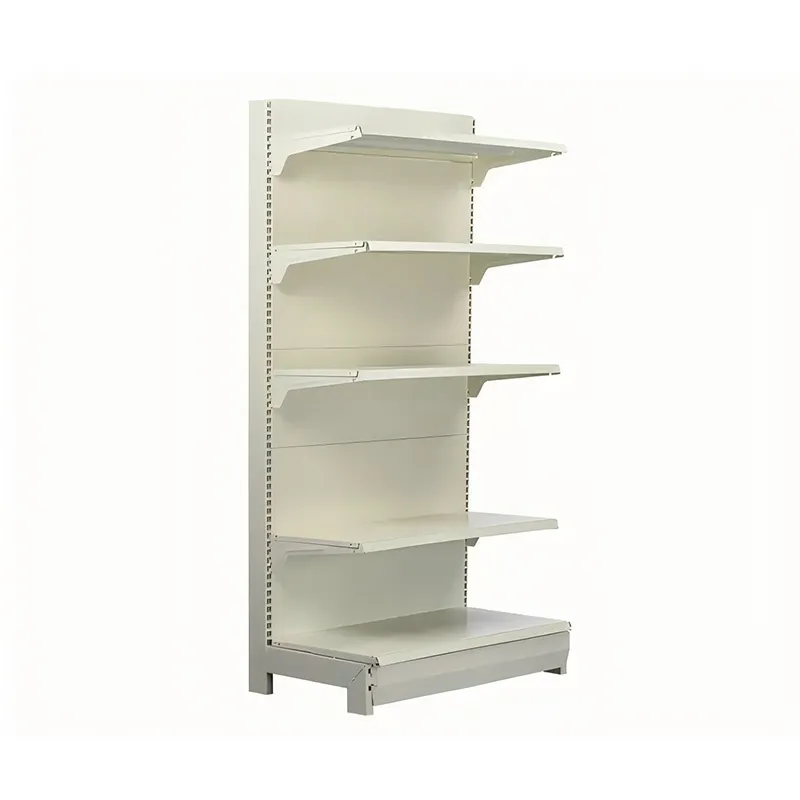
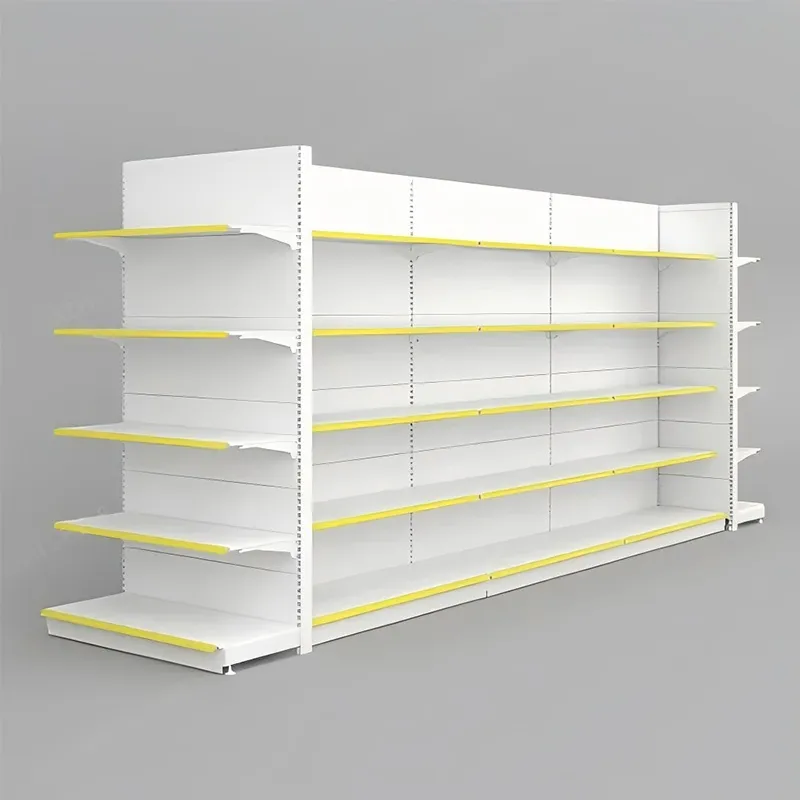
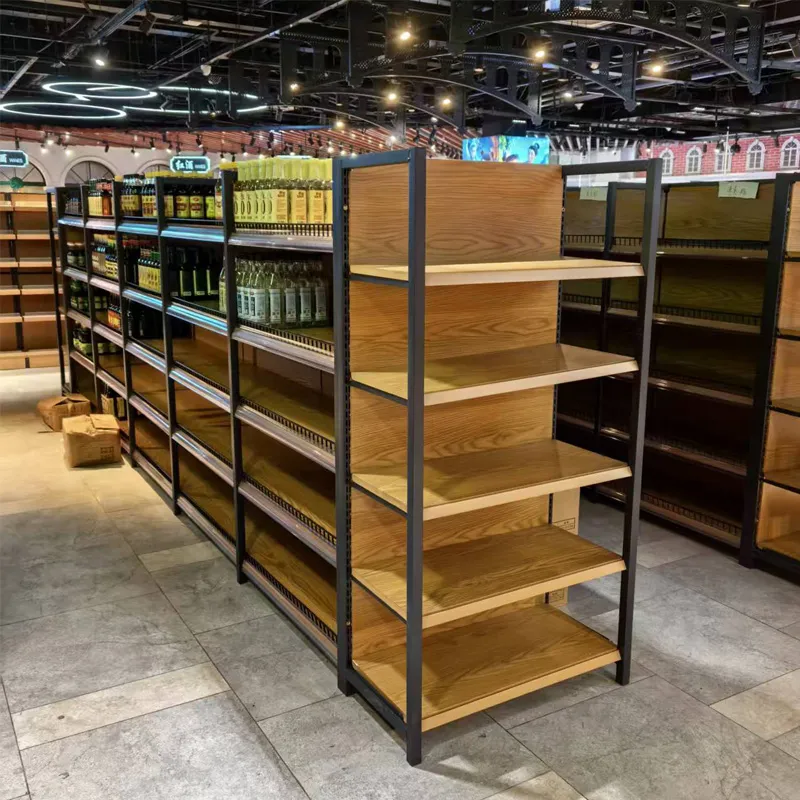
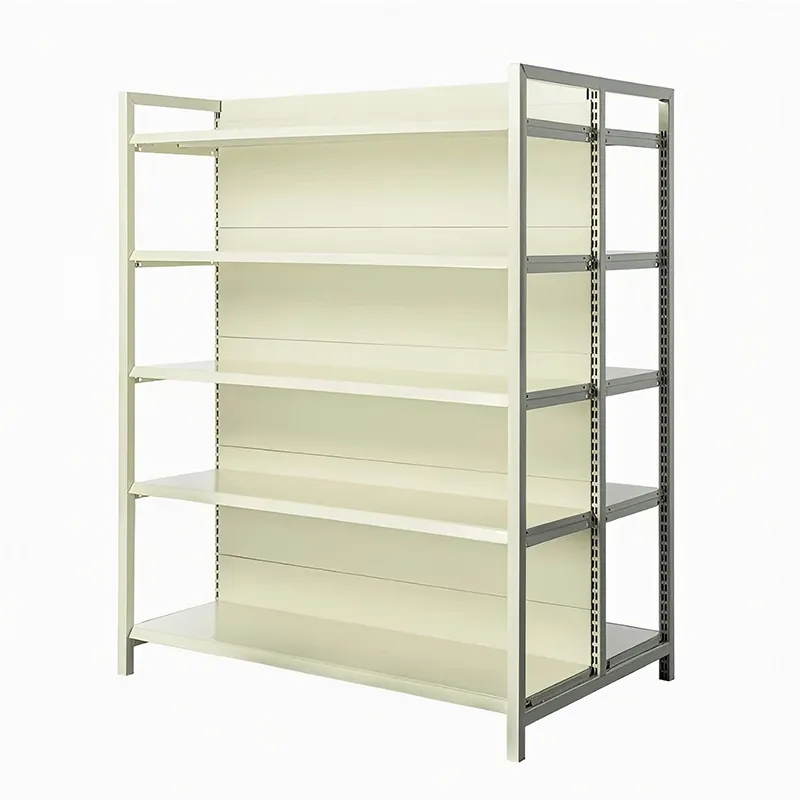
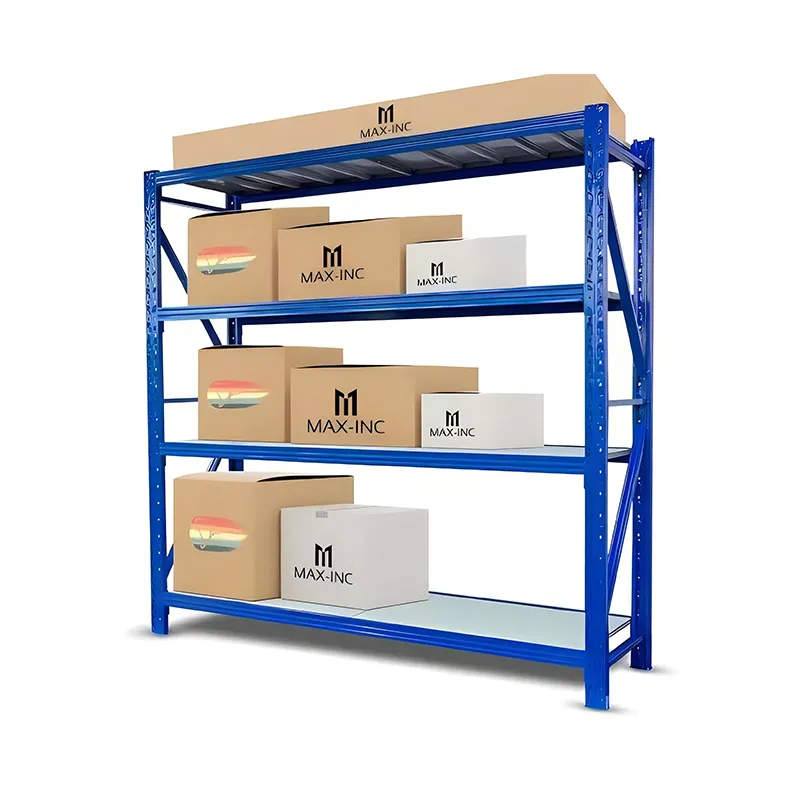
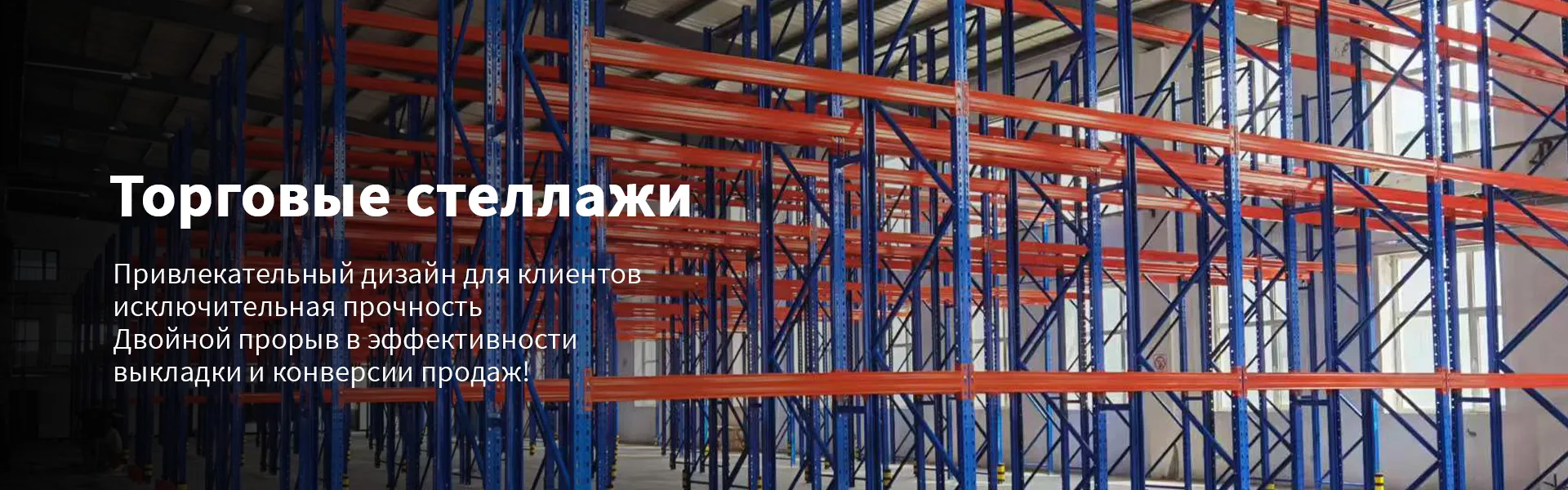
Therefore, here the so-calledshelf racksand their modifications. But you can’t take them as is? from the catalogue. The key parameter is the depth of the shelf. For boxes of goods, 400-600 mm is often enough, rather than the standard 800-1000. This allows you to make narrower aisles and more compact rows, shortening the assembly route. Another nuance is height. A person should easily reach the goods without a stepladder, or at most with a step. Optimally - up to mm. Above that there is a zone for long-term storage of slow-moving goods.
The addressing system is often overlooked. In a regular warehouse, the address is a row-rack-tier-section. For a collector who has 20 such addresses in his task, this is torture. We need a system that is as simple and intuitive as possible: color coding, large numbers, QR codes on each section for scanning. Without this, the speed and accuracy of assembly will be low, no matter how you look at it.
I’ll tell you using the example of one project for an electronics store. The customer wanted to save money and purchased standard archival shelving, deep and tall. The logic was: “more capacity is better?”. Result? Assembling an order of 5-7 products took an average of 25 minutes instead of the estimated 10. Operators climbed ladders, dug into the depths of shelves, and confused identical boxes. The staff turnover in this area was off the charts.
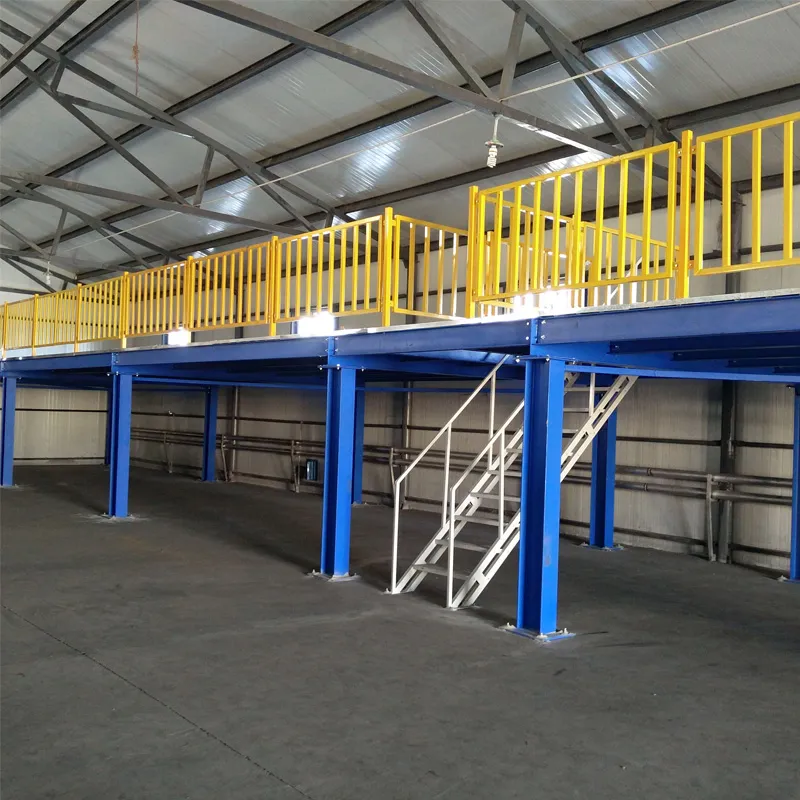
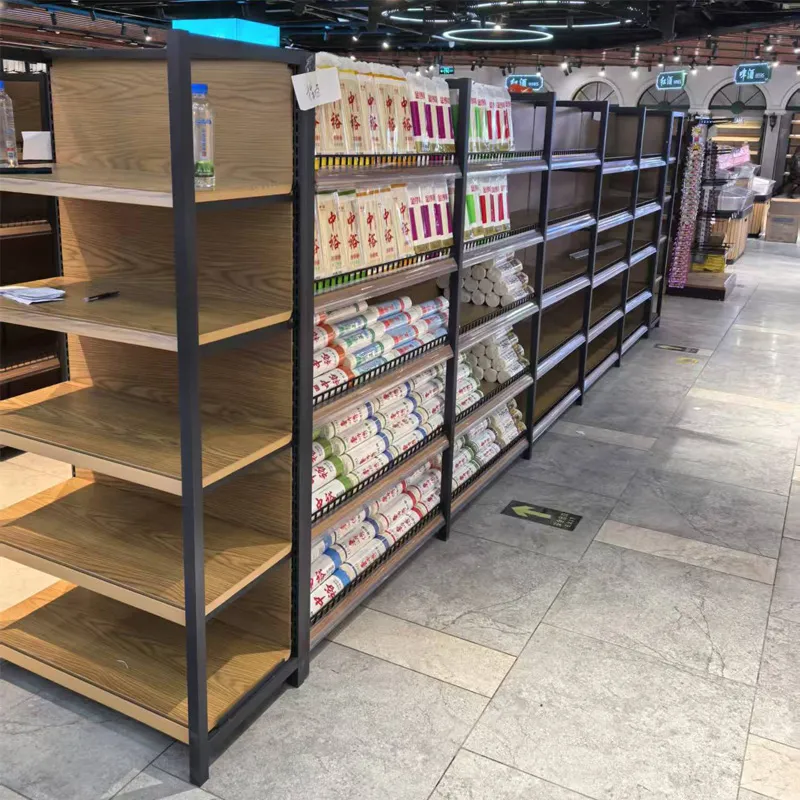
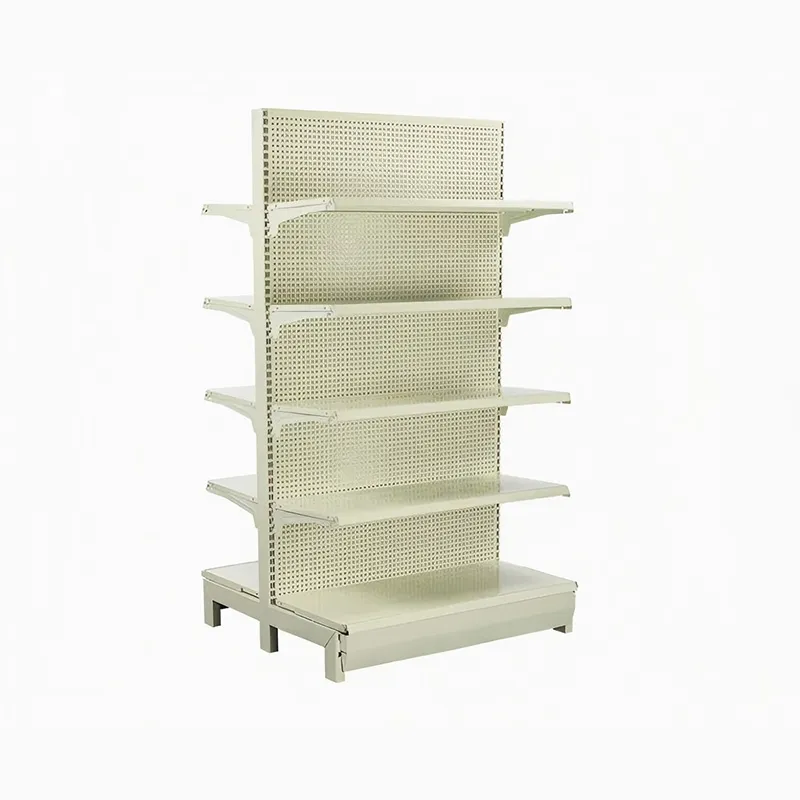
We had to completely redesign the area. We divided the assortment into three categories: high-frequency (the most popular products), mid-frequency and low-frequency. For high frequency setshelving for retail spaces- light, with shallow shelves, arranged in the letter ?P? around picking stations. Access is two steps. For mid-frequency - classic shelf racks of medium height. And low-frequency and dimensional goods went upstairs, tomezzanine shelving. Productivity has almost doubled. Conclusion: saving on specialized equipment always backfires.
Another painful point is expansion. Often an online store grows exponentially. In one case, we built the system to capacity, but six months later a new product category appeared (prams), and everything had to be redrawn. Now we always consider modularity and the possibility of easy rearrangement. I advise you to look towards systems where you can quickly add a section or rearrange shelves without welding or complex installation.
Shelving is iron. His brain is WMS. Without integration, it's just a pile of metal. We worked with a company that bought expensive and seemingly well-thought-out shelving, but refused to implement a WMS, limiting itself to the 1C accounting system. The placement of the goods was static, “as agreed?”. Over time, popular products have ?dispersed? throughout the warehouse.
After introducing even a simple WMS, which dynamically assigned goods to the most convenient free places and built optimal assembly routes, the picture changed. But physical compliance is important here. For example, the system may recommend placing goods in a cell with certain dimensions and carrying capacity. If your racks do not have a clear and flexible system for marking these parameters, the algorithm will work in vain. Therefore, when choosingracking systemsimmediately think about how digital logistics will impact them.
It was an interesting experience with the company?Harbin Jusheng Metal Structure Manufacturing Co.,Ltd. (https://www.jshj.ru). This is a Harbin plant that focuses on the full cycle: from design to installation. What I like about their approach is that they don’t just sell racks, but first ask for data on product turnover, plans to expand the range, and even the software used in the warehouse. Then they offer 2-3 layout options. For an online store where processes are specific, this approach is not a luxury, but a necessity. Their profile is precisely design and development for specific tasks, and not the sale of standard solutions from a catalog.
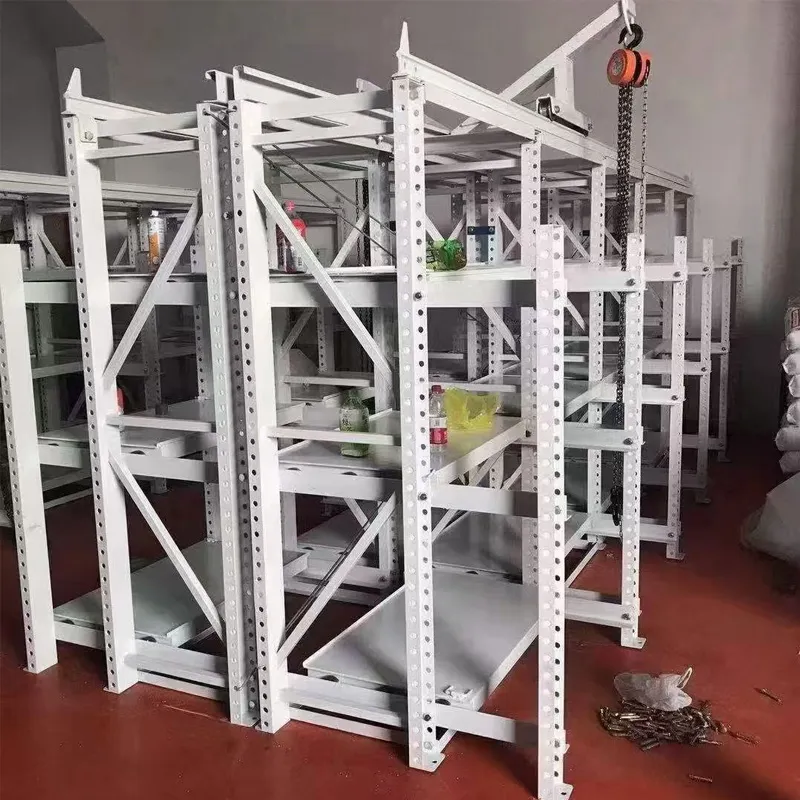
The price per kilogram of metal is the last thing you should look at. The first is the ability to make engineering calculations tailored to your loads and specifics. A case from practice: we purchased supposedly reinforced shelf racks from a local manufacturer. After three months, the shelves began to sag under the weight of books (the goods turned out to be denser than planned). It turned out that the manufacturer saved on the thickness of the steel and the quality of welding.
Now we always require passports indicating the maximum permissible static and dynamic load on each shelf and on the entire structure. We look at the manufacturer: does he have his own design bureau and testing laboratory, or does he simply bend rolled metal products? Here, for example, is the same Jusheng plant that I mentioned. They position themselves as a leading full-service enterprise in northeast China. For me the key words here are ?design and development? and “full cycle?”. This means that they are more likely to be able to take responsibility for the end result, rather than attributing problems to “misuse.”
The second critical point is equipment and accessories. Baskets, shelf dividers, protective panels, different types of brackets. The more options a supplier has, the more accurately you can customize the system for your product. There are no universal solutions. For bottles with liquid you need sides, for small electronics - cells, for clothes - systems with rods.
Nowadays everyone is talking about robots and automated warehouses. But for most growing online stores, this is still expensive and redundant. However, the infrastructure needs to be prepared for this. For example, laying out wider and smoother aisles, reinforced structures that will be able to withstand attachments or integration with assembly robots in the future.
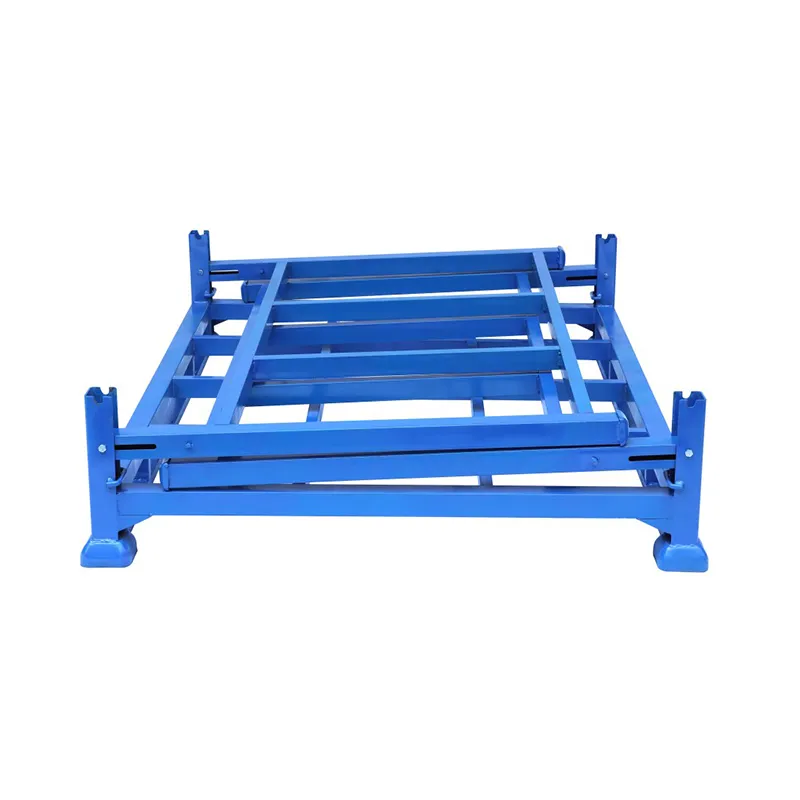
A more realistic trend is combined systems. For example, an area for manual assembly of high-frequency goods on light racks, and a storage area for an automated pallet warehouse withracks for four-way shuttles. Such solutions are already offered by many manufacturers, including large factories. The point is that the system grows with the business, and does not require demolition and construction from scratch.
In the end, back to the beginning.Shelving for an online store- this is not about a warehouse. It's about speed, ergonomics and adaptability. This is a tool that directly affects the cost of order assembly and customer satisfaction with delivery time. When choosing them, think not about the metal, but about the process that will take place around this metal. Look for a supplier who is willing to delve into this process, and not just ship you several tons of profile. Sometimes it is better to pay 15-20% more, but get a solution that will work, and not cause problems every day.