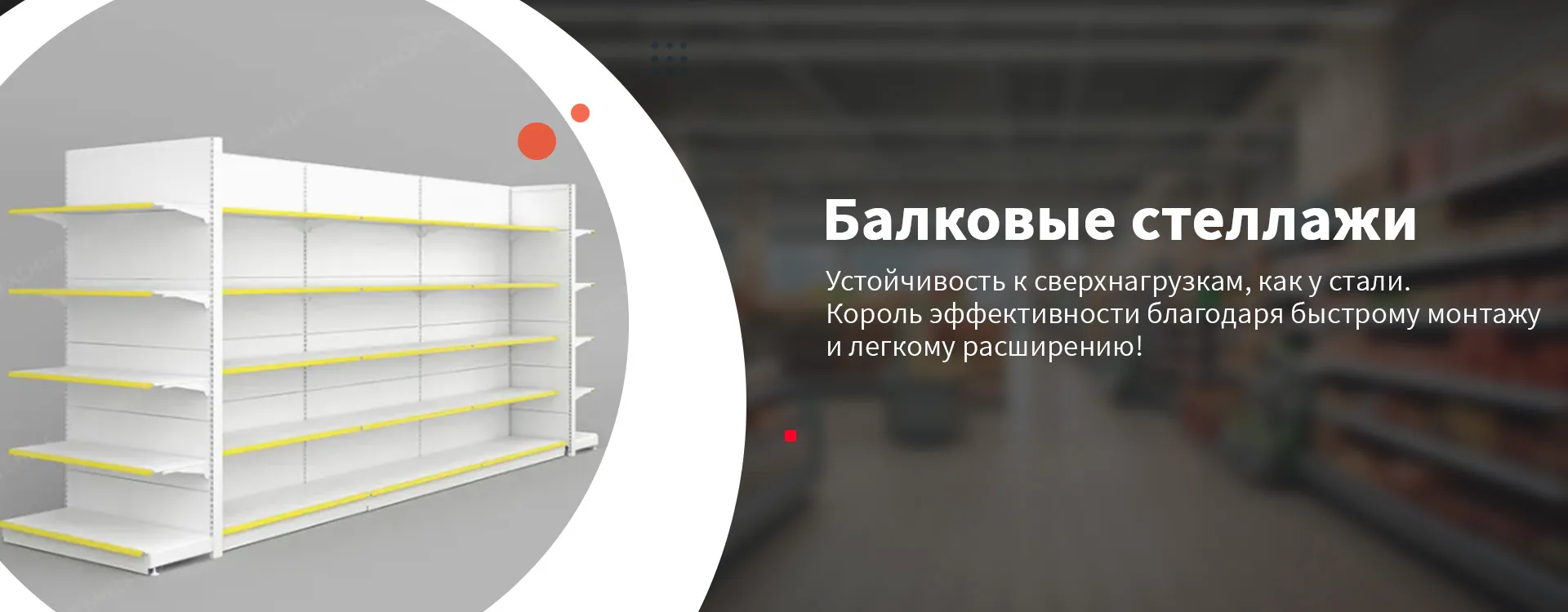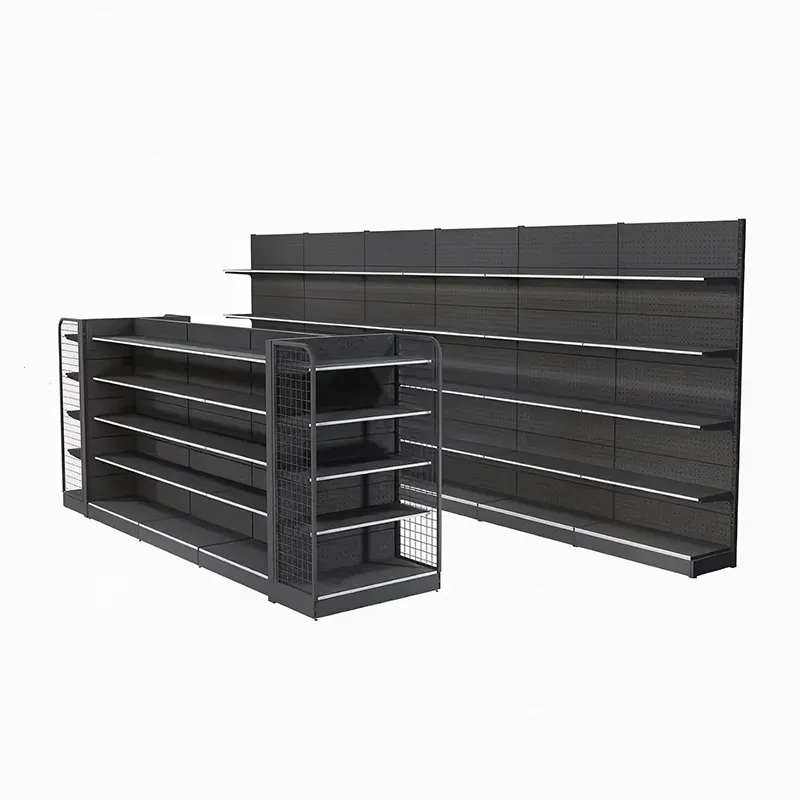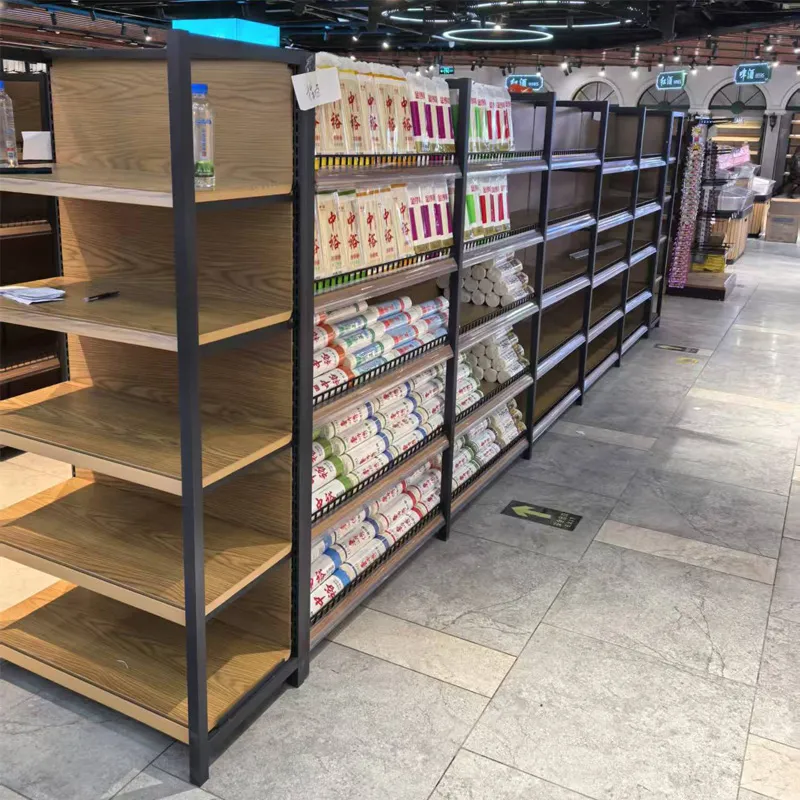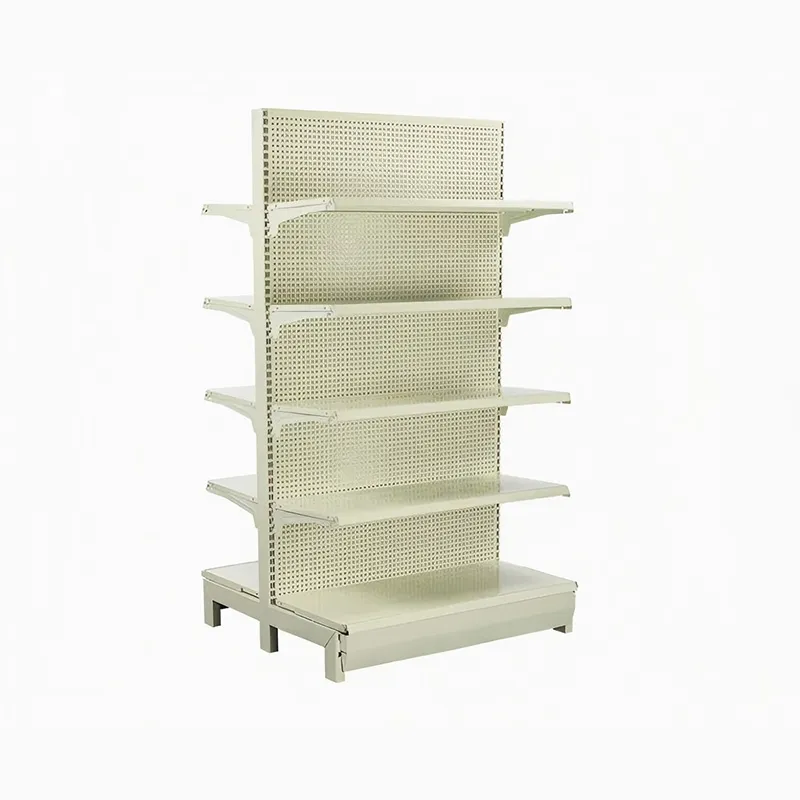
I often hear this question, and I immediately see how people are looking for a simple answer: “steel”, “aluminum”, “wood”. But in reality, everything depends not on the abstract “better?”, but on a specific task: what we store, under what conditions, for what period and with what budget. Many people mistakenly chase the maximum metal thickness, forgetting about the type of profile, corrosion protection and, most importantly, the correct calculation of loads. Now I’ll explain it in layman’s terms, based on what I’ve seen in practice.
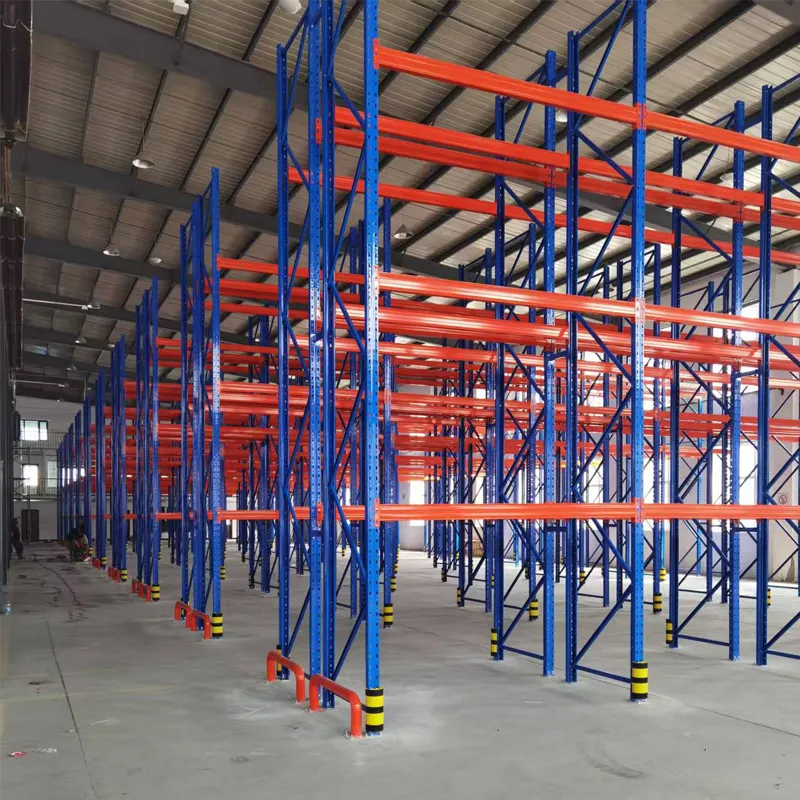
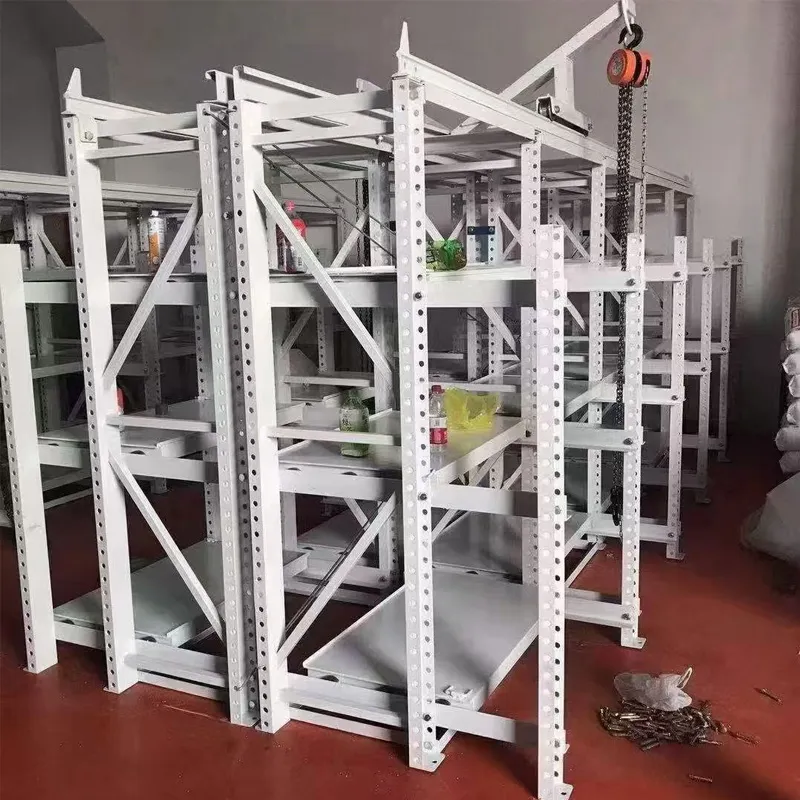
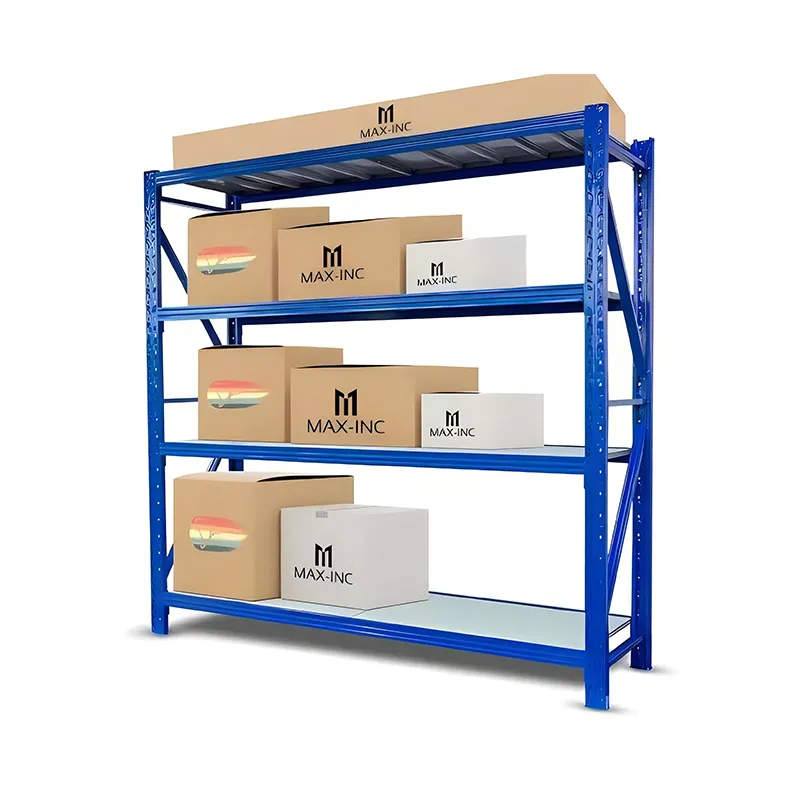
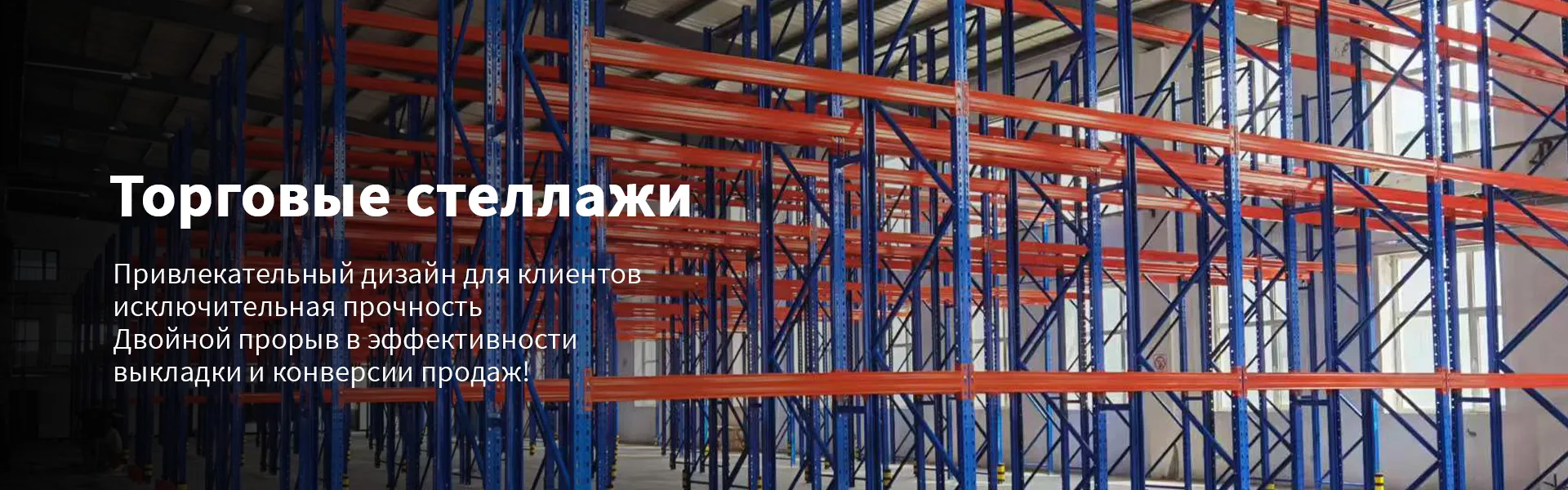
The vast majority of industrialwarehouse racksmade of steel. This is a fact. But this is where the nuances begin. Cold rolled steel or hot rolled steel? For racks and beams, a hot-rolled profile is often used - it is stronger in bending. And for shelves or connecting elements - cold-rolled, it is more precise in geometry. Thickness is not a panacea. I saw designs where thick, but low-quality steel with poor welds “played?” under load. And sometimes it’s thin, but a properly designed perforated profile from a well-known manufacturer holds up more confidently.
The key point is the protective coating. Powder coating is the standard for dry warehouses. But if you, for example, have a refrigerator or a warehouse with an aggressive environment (chemicals, fertilizers), you need hot galvanization. I remember an incident at one of the food production plants: they placed painted racks in a workshop with high humidity and temperature changes. A year later, red spots appeared and I had to urgently change them. A mistake in choosing a coating was costly.
It is worth noting here that serious manufacturers who deal with the full cycle always offer options. For example,?Harbin Jusheng Metal Structure Manufacturing Co.,Ltd.(their website isjshj.ru) is just one of those. They are from the plant in Harbin, and their description clearly shows: design, production, full range of systems. This is important, because such a plant can not just sell you iron, but calculate and make it exactly to suit your conditions, offering the right grade of steel and type of coating.
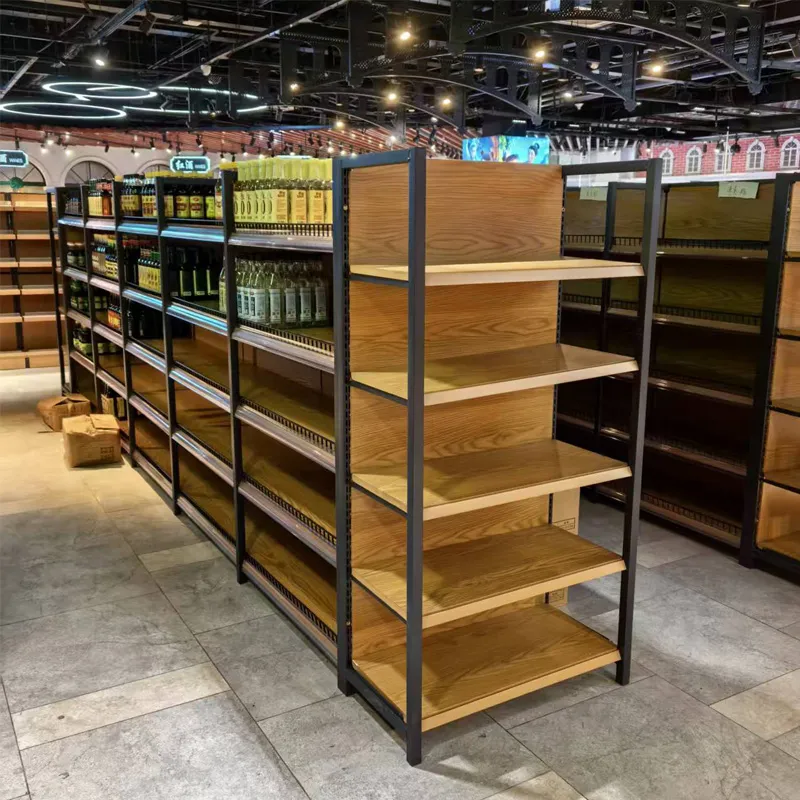
Aluminum is lightweight and does not rust. Sounds tempting for pharmaceuticals or electronics where purity is important. But its modulus of elasticity is lower than that of steel. Simply put, for the same loads a more massive profile is needed, and this comes at a price. It is most often used for lightweight mobile systems or in archives. Wood... Well, this is already exotic for an industrial warehouse. Perhaps for specific boutiques or storage of certain goods, where the microclimate is important. But we must not forget about fire safety and durability.
Plastic racks are, as a rule, for very light loads or specific industries such as aquaculture. Their main advantage is their absolute resistance to moisture and some chemicals. But we are not talking about serious pallet loads. I saw their use in a warehouse for packaging materials - convenient, easy to clean, but this is a narrow niche.
The conclusion regarding the alternatives is simple: if you have not a specific, but a regular or highly loaded warehouse, thenmaterialnumber one is steel. The only question is its quality and engineering preparation.
You can take excellent steel and ruin everything with a bad profile. Section shape is everything. An open profile (for example, C-shaped) is cheaper, but less rigid. A closed profile (rectangular or square pipe) is more expensive, but more resistant to torsion and longitudinal bending. For high-rise racks (say, from 10 meters) this is often critical.
Another important point is perforation. Perforated racks provide flexibility in adjusting the height of the shelves. But every hole is a potential point of reduced strength. Good manufacturers make perforations according to calculation, shifting them to areas with lower stresses. With cheap analogues, it happens that the holes are continuous, and the stand bursts along this line when overloaded.
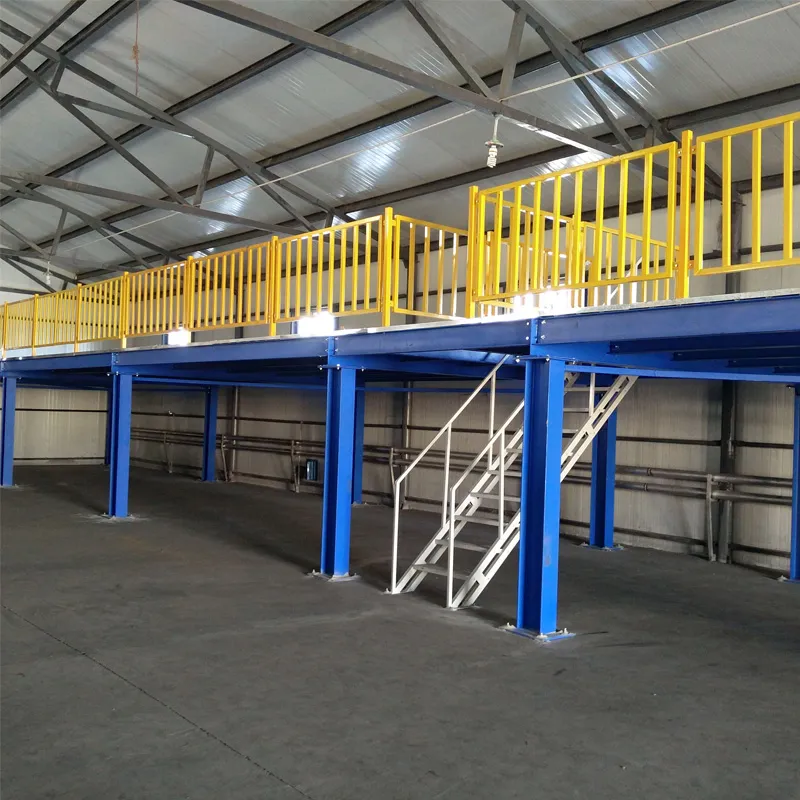
Here again we remember the integrated approach. On the websitejshj.ruIt is indicated that the plant is engaged in design. It's not just a word. This means they can simulate loads and select the optimal profile, whether forbeam racksfor pallets ormezzanine systems, where the overall stability of the frame is important. Without such a calculation, the choice of material and profile is a lottery.
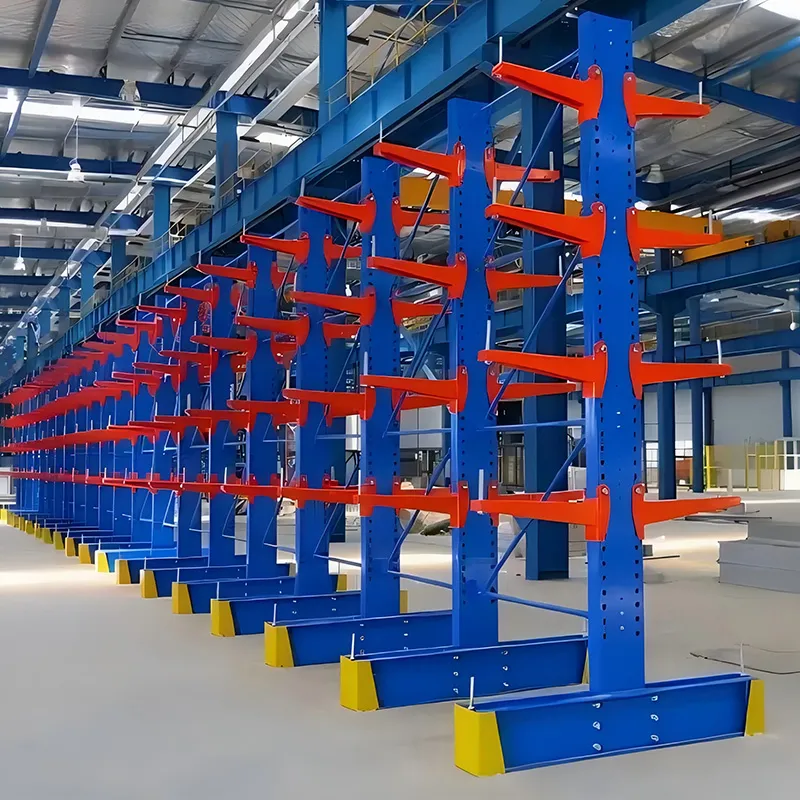
The most common mistake is skimping on design. They come with a warehouse plan and say: “We want the same racks as our neighbor’s.” But the loads are different, the layout is different. As a result, they either overpay for excess strength, or, worse, get a shaky structure. The second point is failure to take into account the specifics of the cargo. Let's say you store rolls of paper. This is a dynamic load, it not only presses down, but also expands. You need special shelves or consoles. Regular palletsracksmay not fit.
I had an unpleasant experience with one client who bought supposedly “universal” ones. racks for storing auto parts. The racks were prefabricated, made of thin-walled profiles. When they began to load heavy engines and gearboxes, the structure began to “float”, the bolts did not hold. I had to strengthen it and digest it on the spot. The root of the problem is the wrong choicematerialand type of connections for a given weight category.
Therefore, now I always advise: decide on the maximum load on the cell and on the entire system, take into account the height of the warehouse, the type of loader (its dimensions and maneuverability), and climatic conditions. And only with this technical specification go to the manufacturer.
To summarize my experience, for most tasks it is high-quality structural steel with the correctly selected type of profile and adequate protective coating for your operating conditions. ?Better? - this is when the material, design and calculation work as one.
You can’t just take “the thickest steel?” and be calm. We need balance. Sometimes a rack made of medium-thick steel, but with a well-calculated structure and manufactured on an automatic line, will be more reliable and more economical than a massive homemade one.
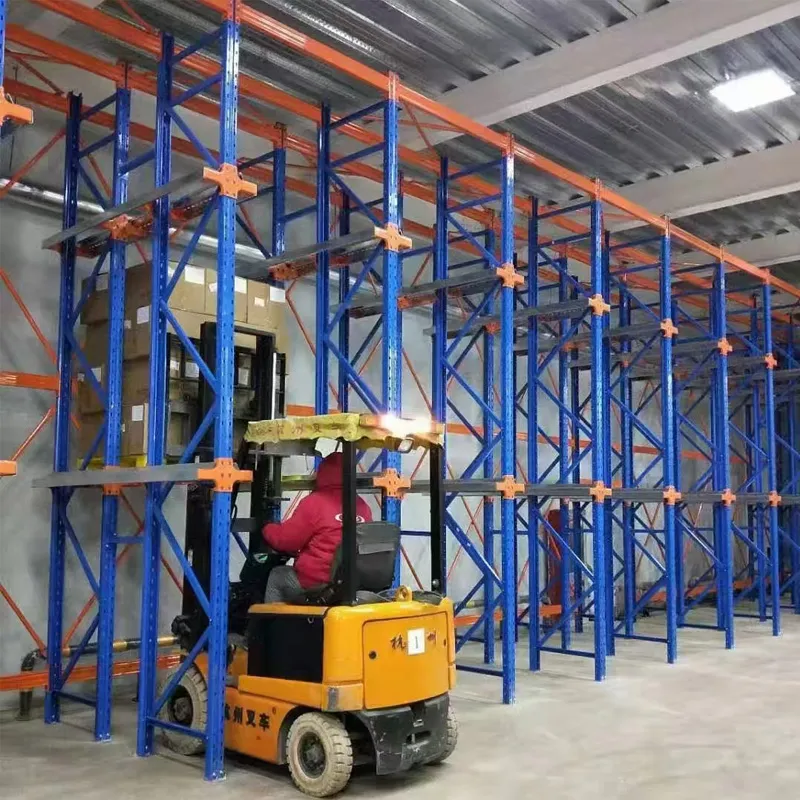
That is why I pay attention to full-cycle manufacturers, like the Harbin plant “Jusheng”. Their area is 20,000 square meters. m and the presence of automated lines is not for beauty in the description onjshj.ru. This means quality control from rolled metal to finished painting. They make pallet, console, and shuttle systems - and each type requires its own nuances in the material. This approach reduces risks for the end customer. In general, look not just at the name of the material, but at the whole complex: metal, geometry, engineering and the reputation of the one who puts it all together.