Question ?How much does one set of shelving cost?? - This is perhaps the most frequent and at the same time the most incorrect request that you encounter in this area. Customers want to hear a specific number, like the price of bread, but in reality it’s like asking “how much does a car cost?” — the answer depends on thousands of parameters. Many people, especially novice logisticians or small store owners, mistakenly believe that they can simply order a “rack?” according to the catalogue. In fact, the price is formed only after analyzing a specific task, and here’s why.
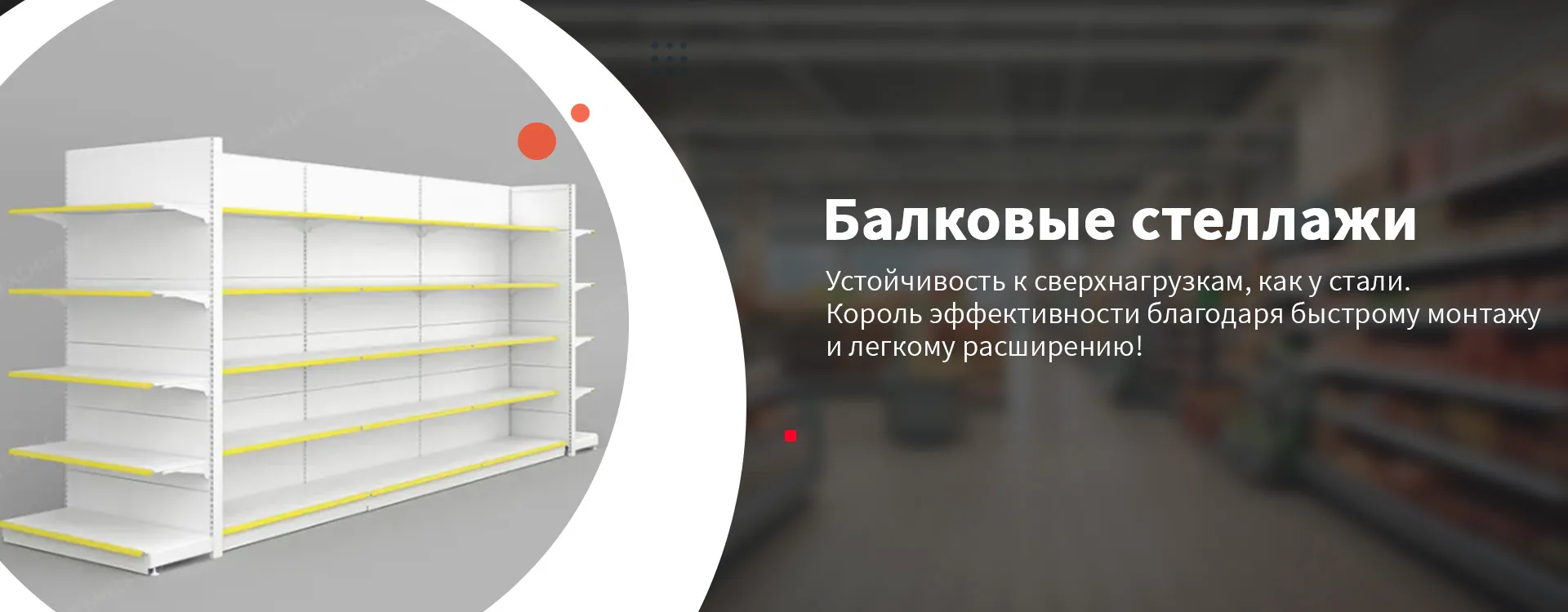
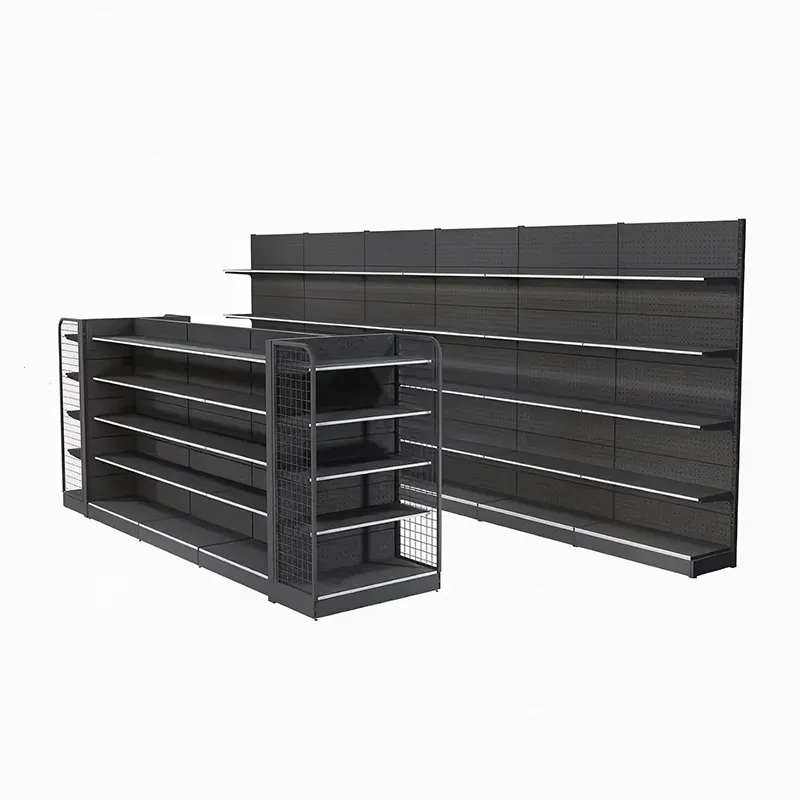
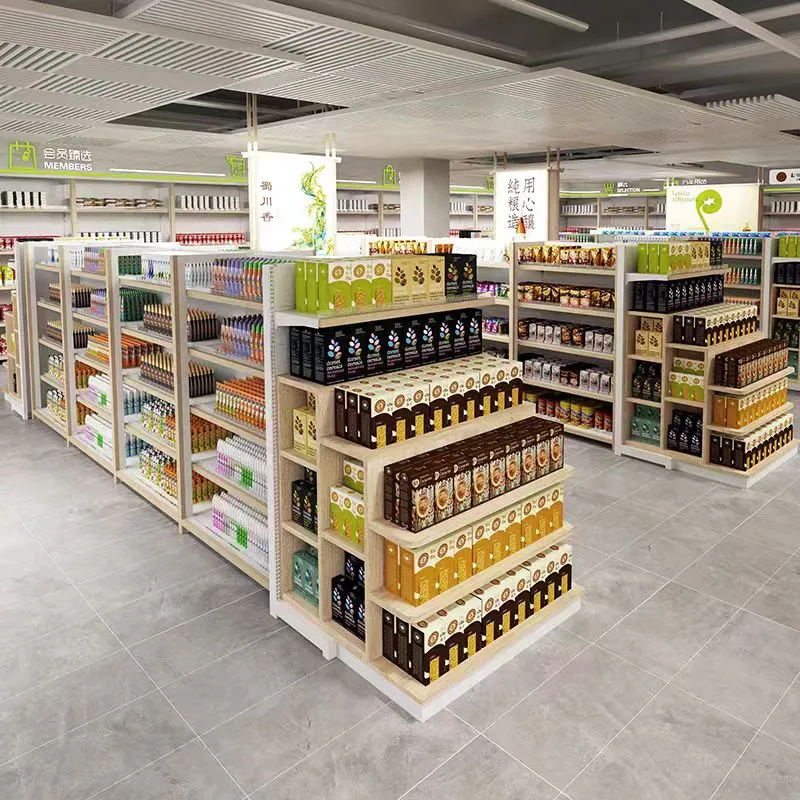
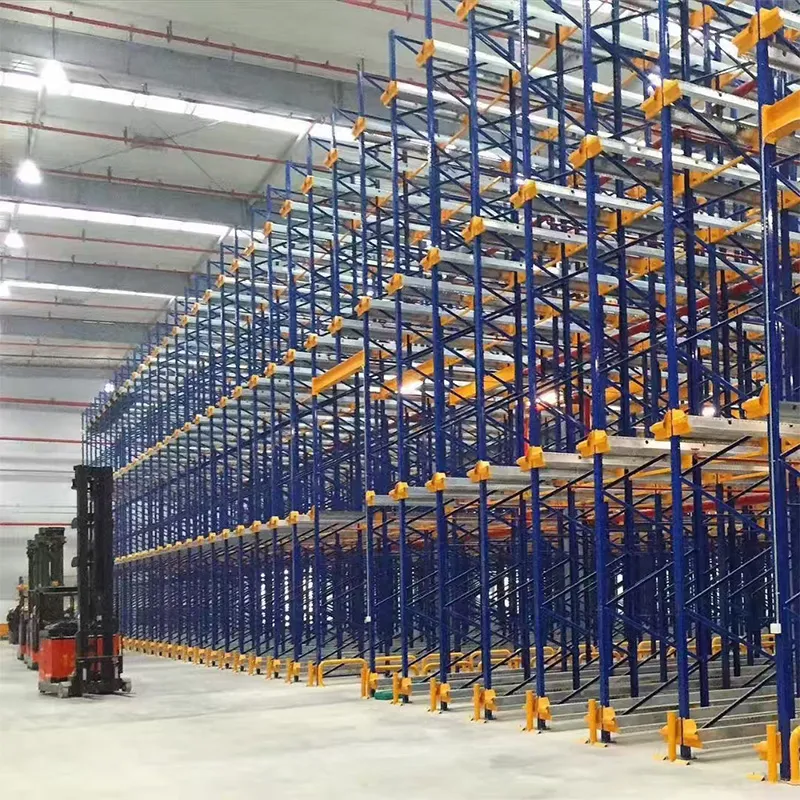
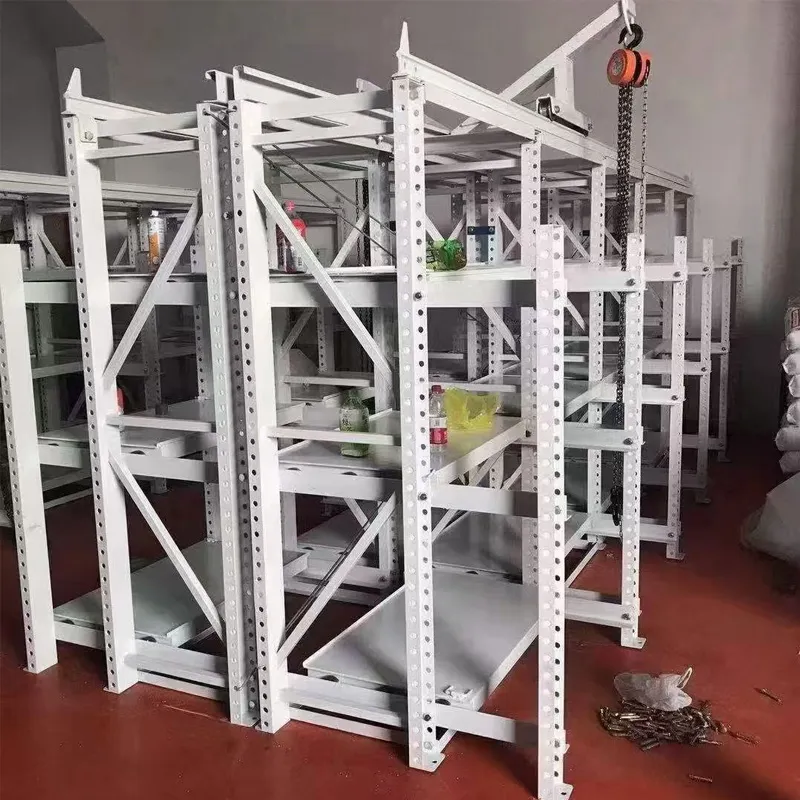
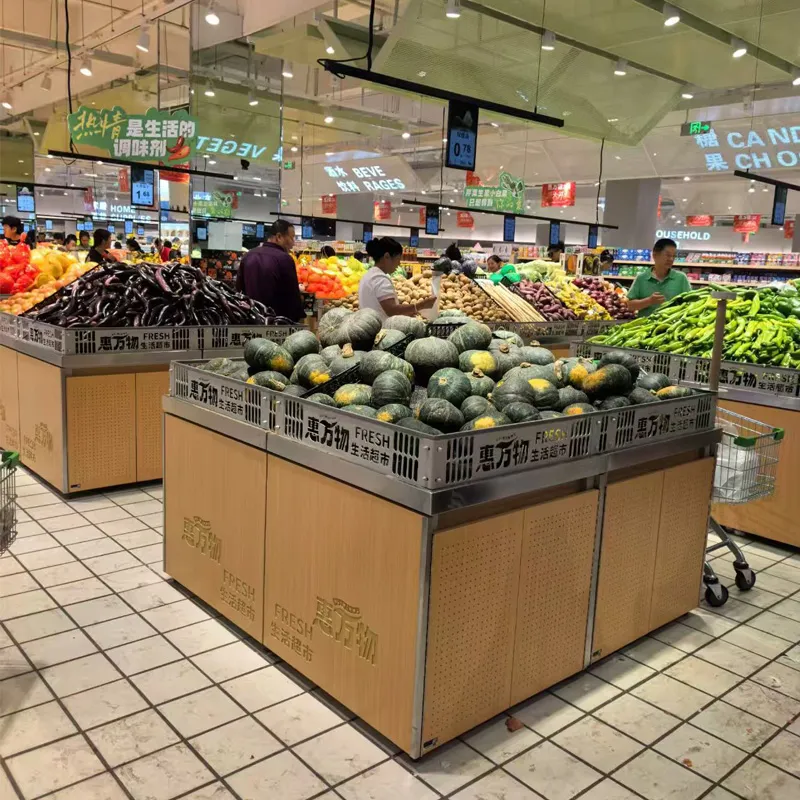
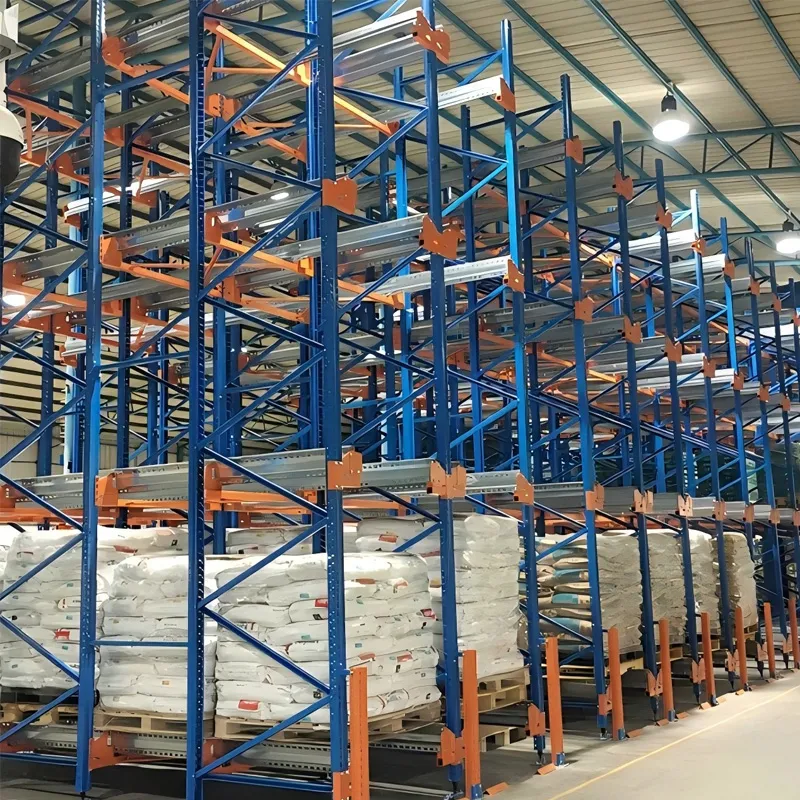
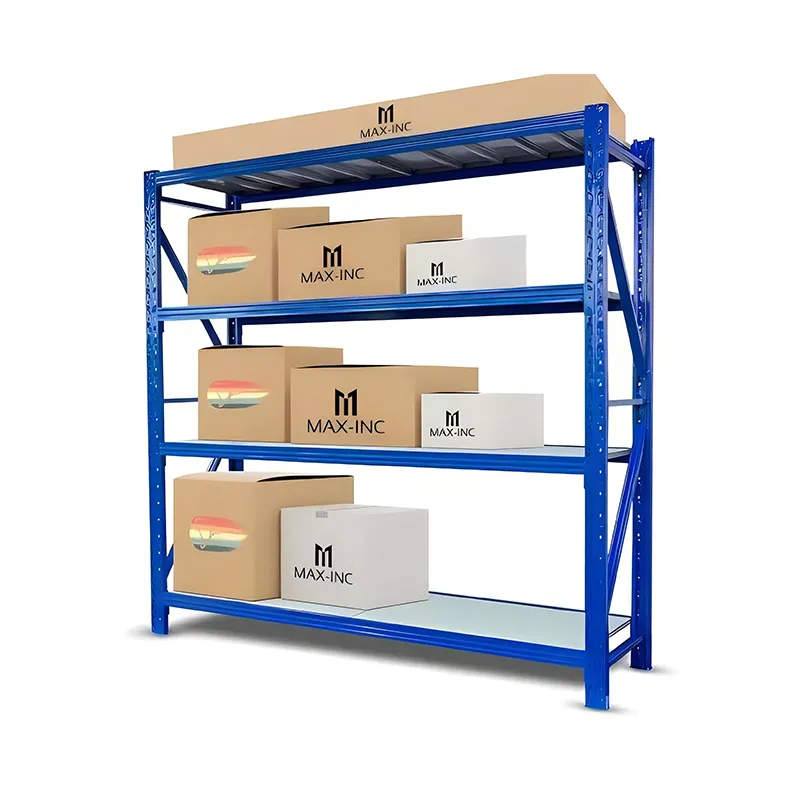
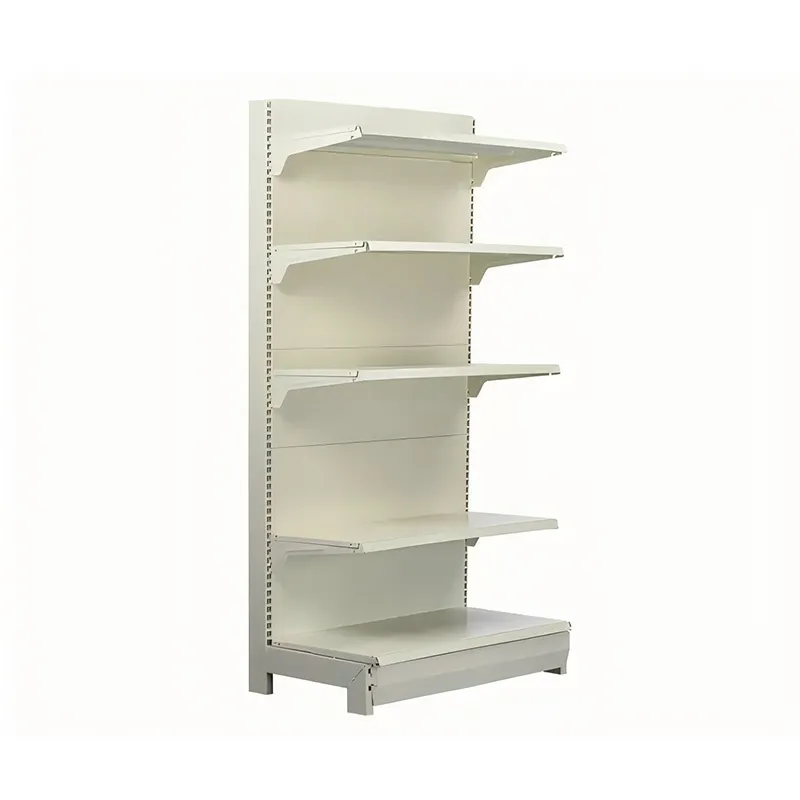
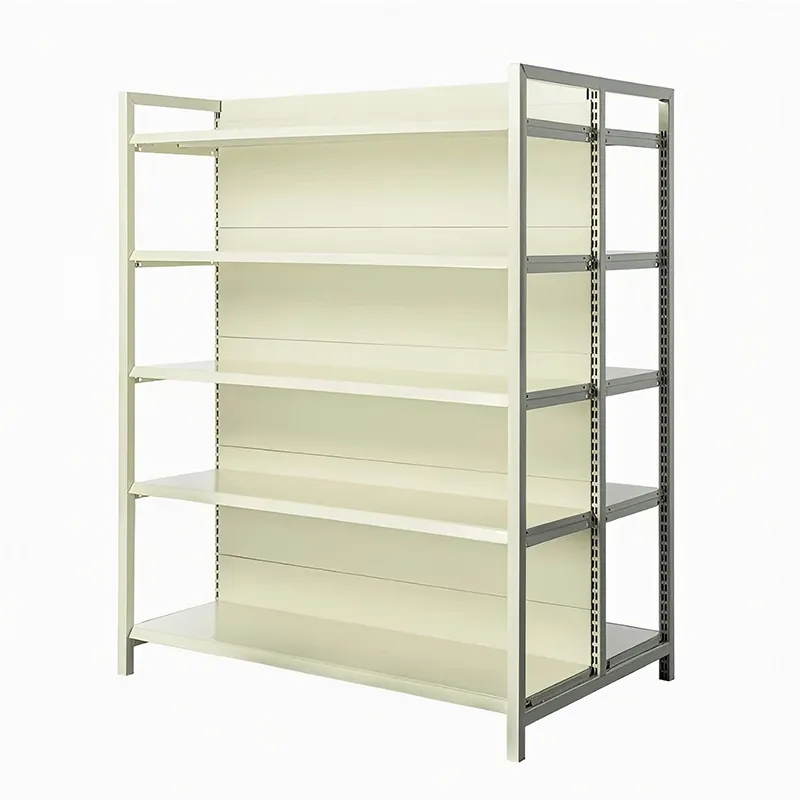
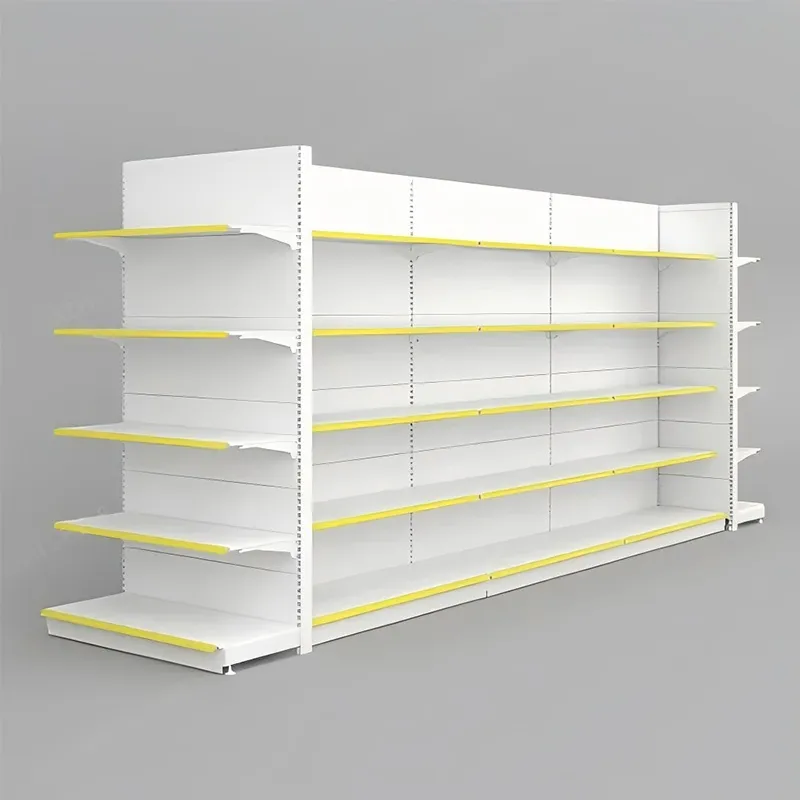
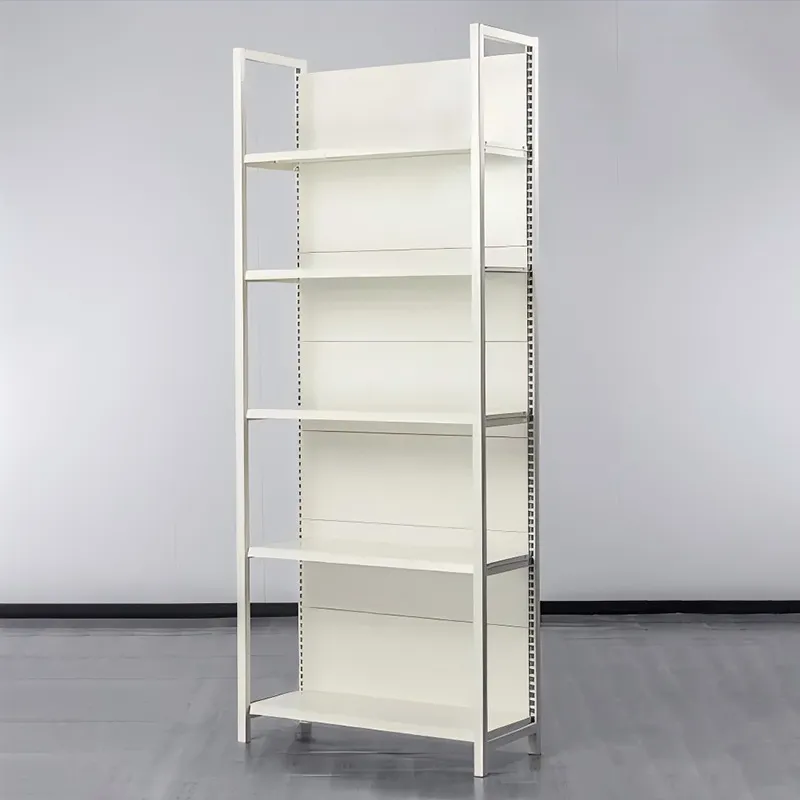
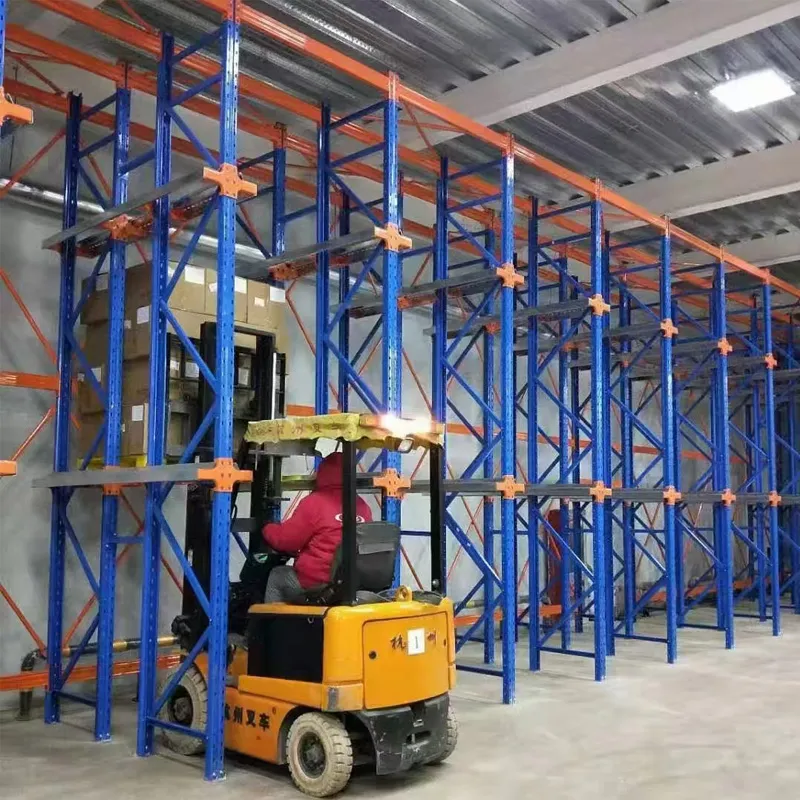
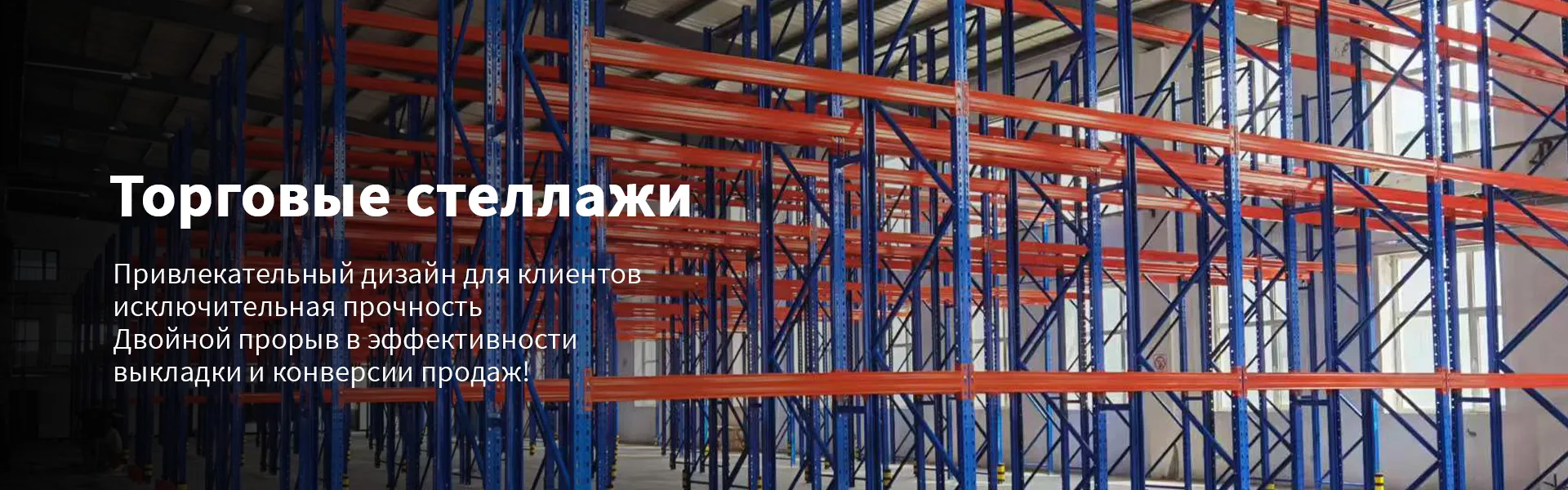
The first thing you encounter in practice is the variety of systems.Shelving for sales areasand let's saybeam racksfor heavy pallets - these are fundamentally different designs, materials and, accordingly, budgets. The first are often lightweight prefabricated systems where the cost largely depends on the design and finish. The second are serious engineering structures, where the price per kilogram of metal and the complexity of welds play a key role.
The second point is the load. You can take outwardly identical shelf racks, but one is designed for 50 kg per tier, and the other for 500 kg. The difference in steel thickness, profile, and fasteners will be colossal, which means the cost will go in different directions. A common mistake is skimping on load design. I remember a case when a client bought supposedly “universal” ones. shelves for the archive, loaded them with boxes of documents in excess of the calculated amount - and the whole system began to work. I had to redo everything from scratch, which turned out to be many times more expensive than a competent initial solution.
And the third, often overlooked factor is installation and logistics. Price ?on paper? from the factory and the price is "turnkey" taking into account delivery, unloading, assembly by specialists - these are two big differences. Especially if the object is located in a difficult location or requires a non-standard work schedule. Sometimes the cost of installation can reach 20-30% of the price of the equipment, and this is normal.
For example, let's takeHarbin Rack Factory ?Jusheng?(Harbin Jusheng Metal Structures Manufacturing LLC). We collaborated with them on several projects to equip warehouses. Their website -https://www.jshj.ru- reflects the essence well: this is not just a seller, but an enterprise with a full cycle, from design to service. For me, as a specialist, this is an important signal. When the manufacturer is involved in the development itself, there is less chance of getting a “pig in a poke”.
What's valuable about their approach? They don't start the conversation with the price list. First, they ask for technical specifications: dimensions of the room, ceiling height, specifics of the stored goods, type of forklifts. Only based on this data, their engineers offer 2-3 configuration options - be itmezzanine shelvingfor maximum use of height orracks for four-way shuttlesfor automation. And each option is accompanied by a detailed estimate, which outlines the cost of not just a “set,” but each rack, beam, flooring, and fastener.
From personal experience: for one of our clients we selected a solution for a low-ceiling warehouse. ?Jusheng? suggested a non-standard, more frequent arrangementshelf rackswith reinforced verticals, which made it possible to safely accommodate the same volume. Yes, the price per unit area was slightly higher than the standard solution, but we avoided risks and got a perfect fit for the object. This is the case when saving on proper design is more expensive for yourself.
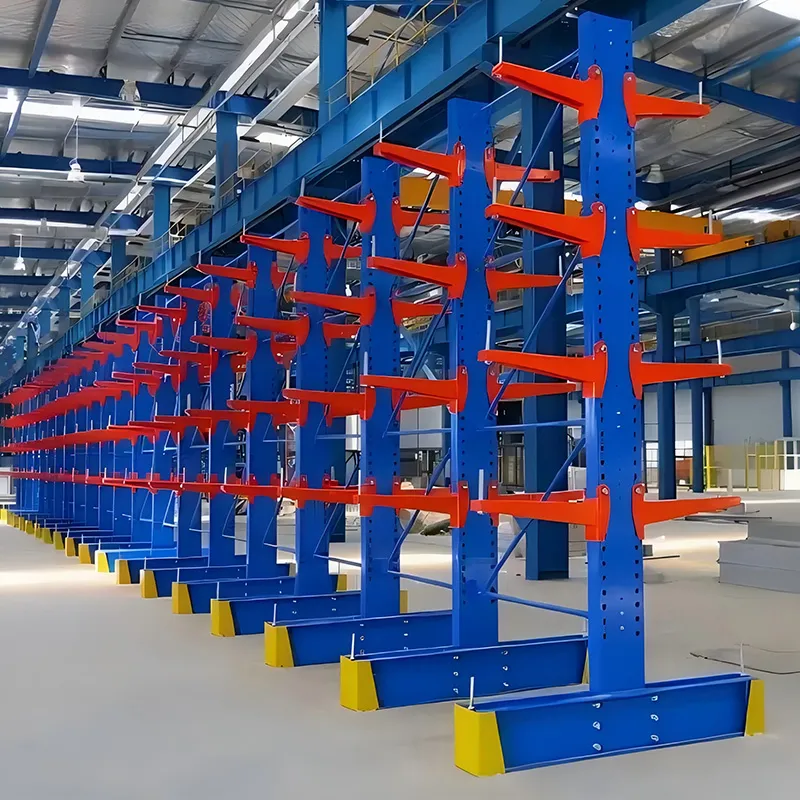
Let's break down exactly what you pay when you order shelving. Firstly, the material. Steel of different grades and thicknesses is the basis of the price. Now many are looking for cheaper options, but thin steel iscantilever racksfor long loads this is a direct path to deformation. Secondly, coverage. Powder coating is standard, but its quality and layer thickness also vary. Corrosion resistance depends on this, especially in unheated rooms.
Thirdly, the complexity of the design.Warehouse rackslike ?pallet ring? or deep storage systems require more engineering and manufacturing precision than simple prefabricated shelves. Automated lines, which are at the same Jusheng plant, allow you to maintain accuracy, but this equipment also pays off and ultimately affects the cost of the product.
And finally, scale. One set is always more expensive per unit than a large batch for an entire warehouse. Manufacturers give volume discounts because it is more profitable for them to launch one large batch on their lines. So the question is: how much does one set cost? often results in an overestimated cost if the project is not considered as a whole.
The biggest mistake is to choose the lowest price in the first catalog you come across. Often the low price hides a simplified design, cheap steel or lack of certificates. I once saw how competitors installed racks that did not pass the test for compliance with the load according to GOST. The result is lawsuits, dismantling, losses and a damaged reputation.
Another point is not taking into account future changes. A shelving system is often a long-term investment. Today you store light boxes, and tomorrow you store heavy parts. Good manufacturer who does a full cycle like mentionedHarbin plant ?Jusheng?, always includes a certain margin of safety and the possibility of modernization in the project. Yes, this increases the starting cost a little, but it gives flexibility for years to come.
And, of course, they forget about after-sales. Free installation supervision, warranty, availability of spare parts - all this has its price. If you are offered “cheap shelving”, check whether this amount includes an engineer’s visit to take measurements, correct drawings and service. As a rule, no. And when you need to add a section six months later, it may turn out that this model has been discontinued or the fasteners are incompatible.
So how much does one set cost? Answer: as much as the correct solution to your specific problem costs. To get a realistic figure, you need to prepare as much initial data as possible: layout, types and weight of cargo, operating conditions, access requirements. And send this request not into the void, but to trusted manufacturers with an engineering department.
It is worth contacting companies like Harbin Jusheng Metal Structures Manufacturing LLC, which do not just sell iron, but offer a technological solution. Their websitejshj.ru- this is, in fact, the business card of a serious player with its own production of 20,000 sq. meters, which in itself speaks of the ability to complete large projects. The price from such a plant is usually a balance between quality, safety and optimal cost, and not a race to the minimum.
Ultimately, the cost of one set of shelving ceases to be an abstract figure when you begin to consider not the price of a metal structure, but the price of a reliable, safe and efficient storage system that will work for years. And this calculation, based on experience and details, is the only correct answer to the original question.