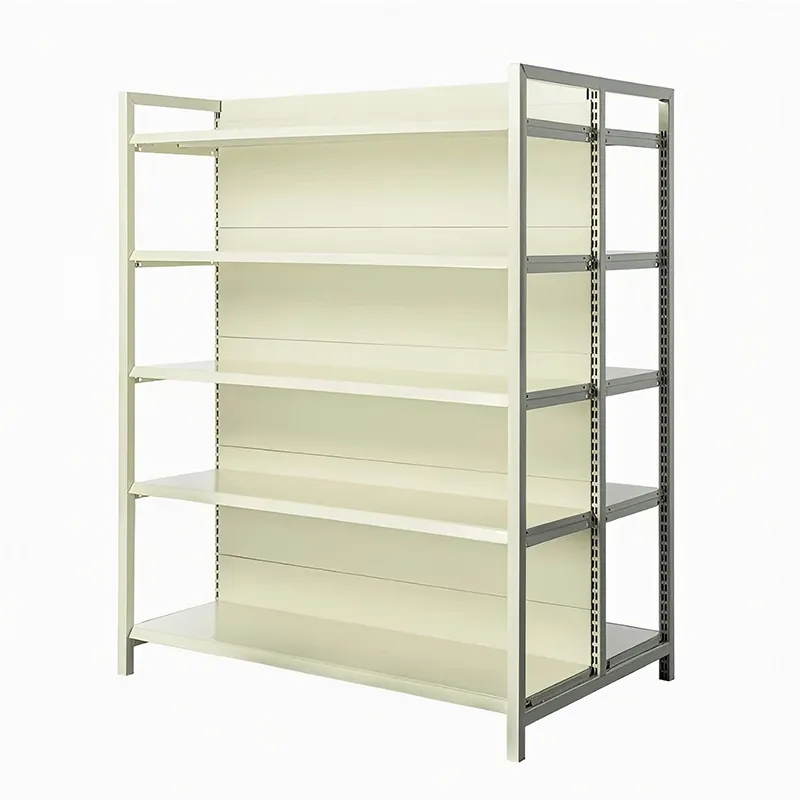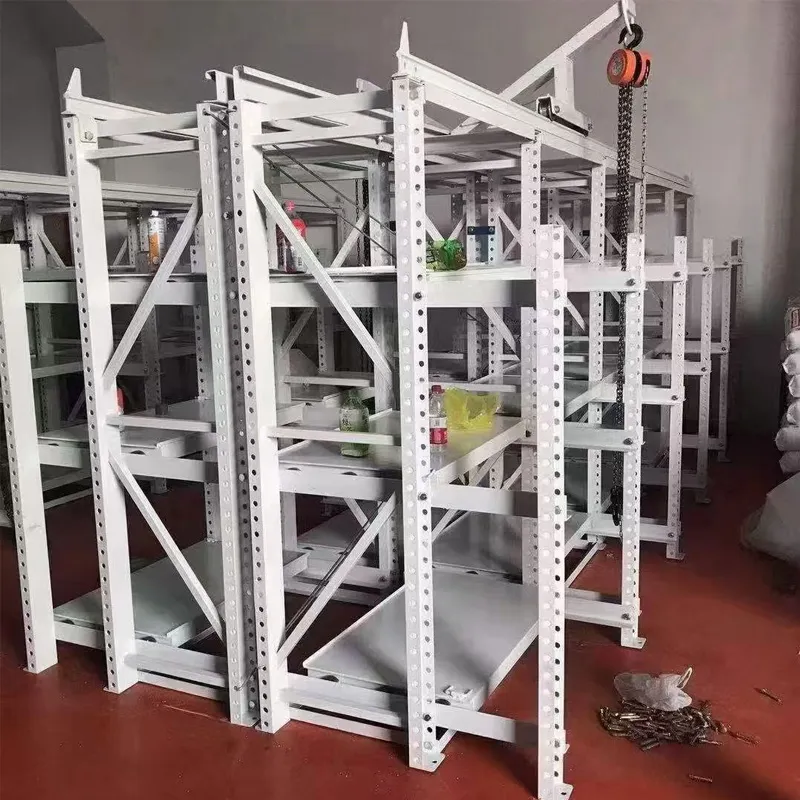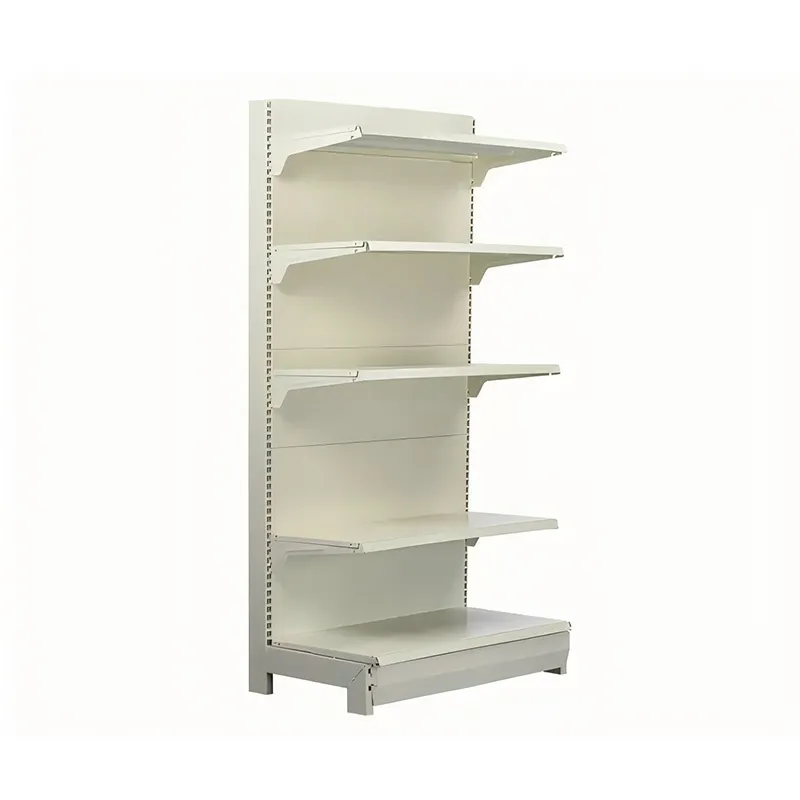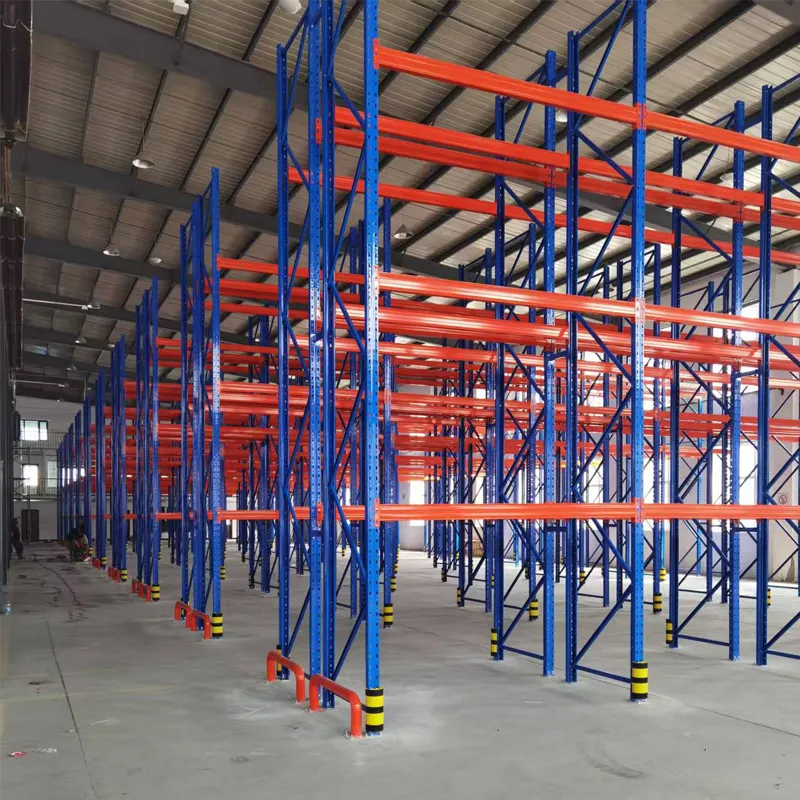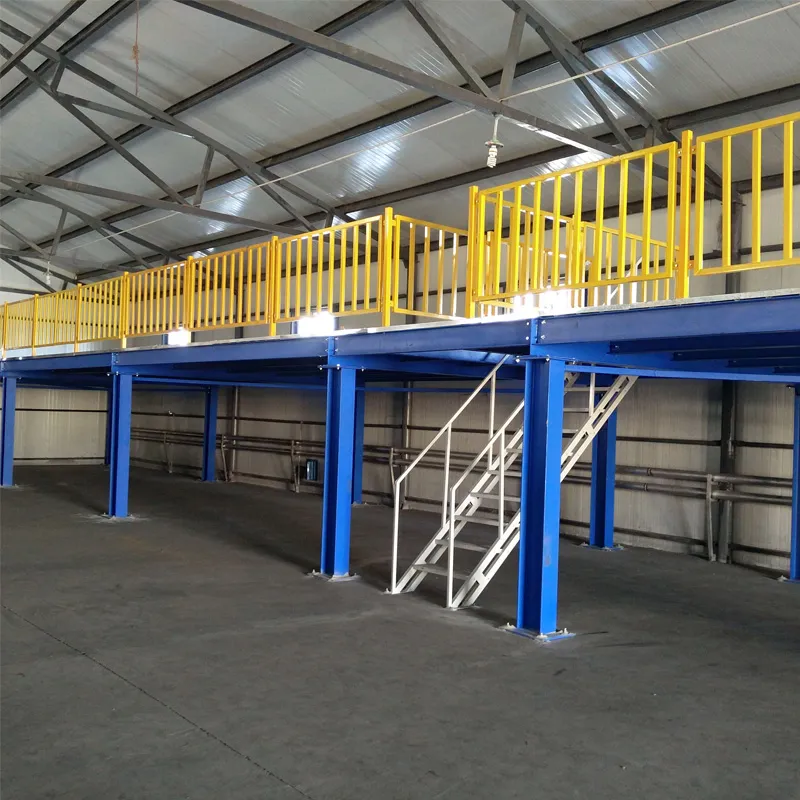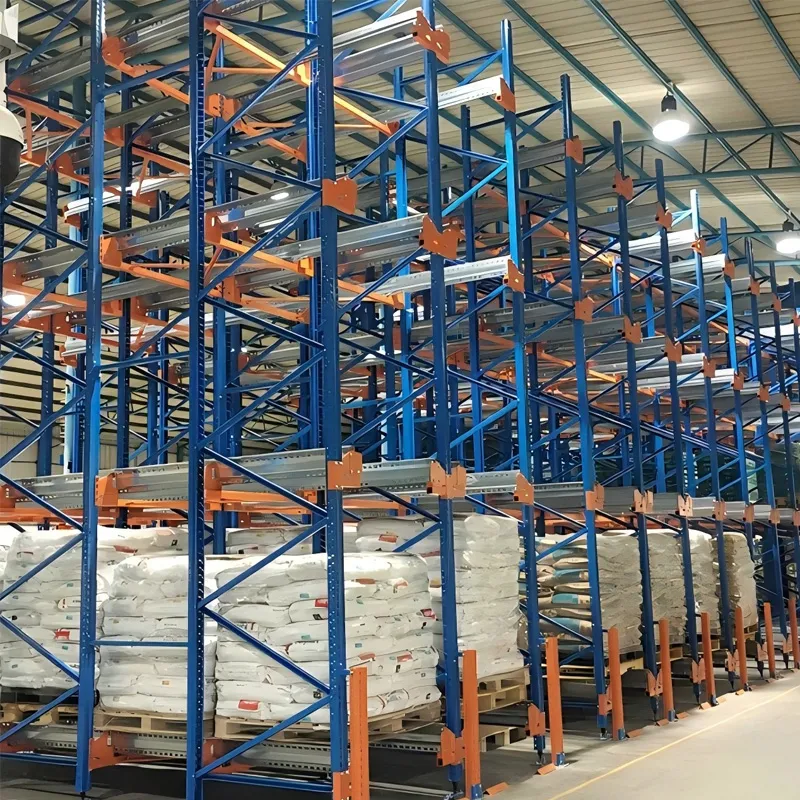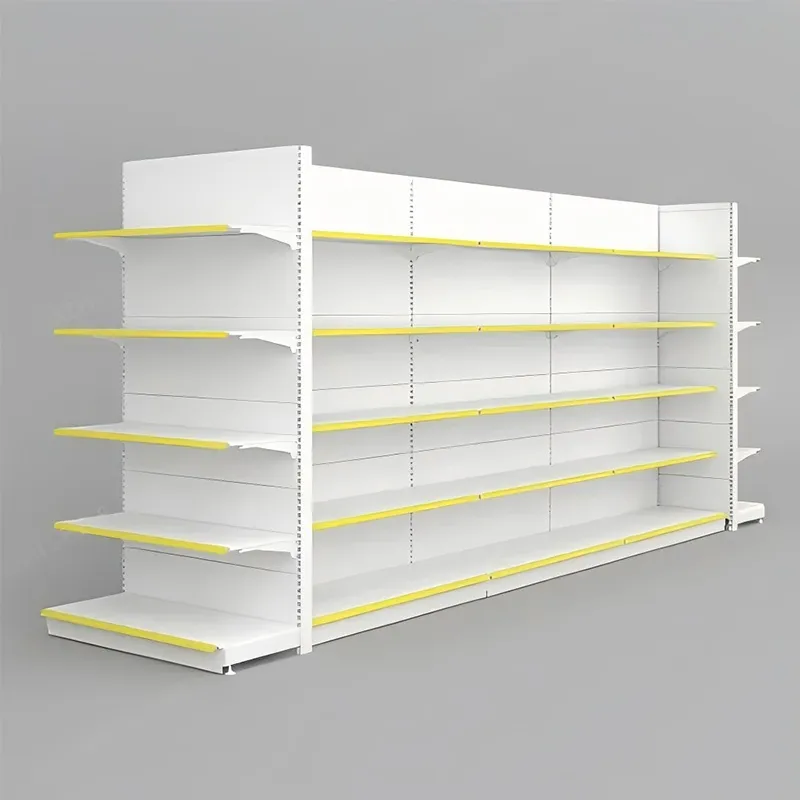
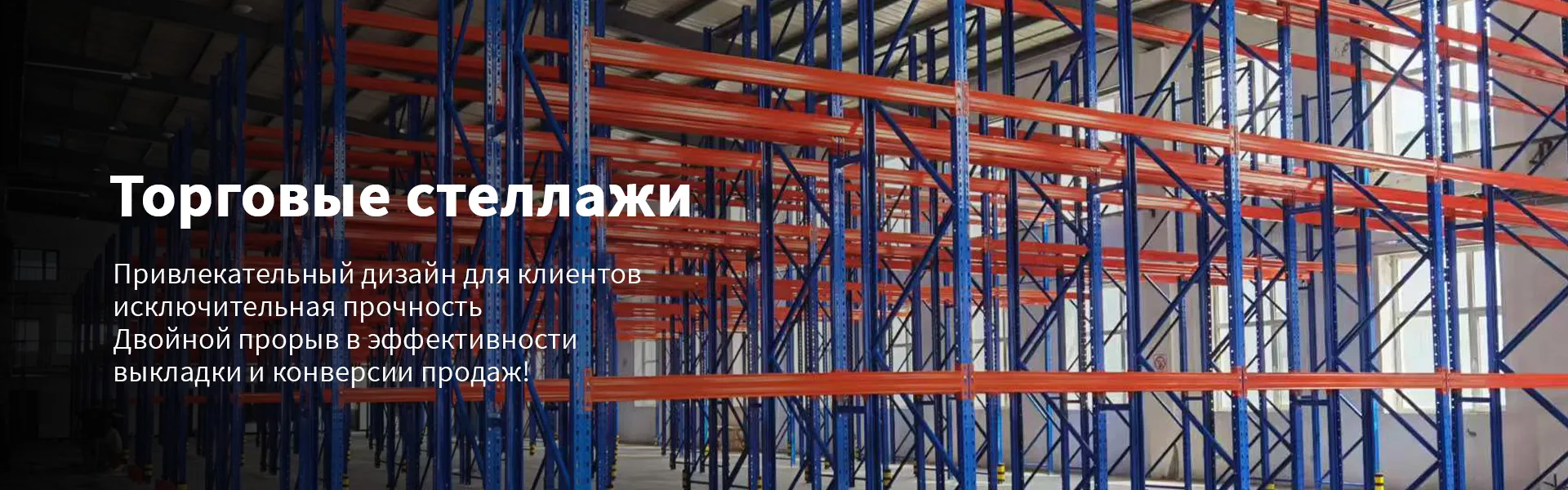
When people say 'multi-tier shelving', many people just think of tall iron shelves. This is fundamentally wrong. In fact, this is a complex engineering system where every millimeter is calculated, and an error in the design leads not just to inconvenience, but to a real risk of collapse. I've been working with this for many years, and the main conclusion is that there are no small things here.
It all starts not with metal, but with data. What is the load, what is the turnover, what is the height of the room, what kind of loaders will work. A common mistake is that the customer wants “more tiers” without taking into account the maximum load on the lower level and the load-bearing capacity of the floor. There was a story: they installed a system with a capacity of 5 tons per tier, but the base of the workshop was not designed for such a point load. We had to urgently strengthen the foundation, the project cost a pretty penny.
Here I appreciate the approach of manufacturers such as the Harbin plantmulti-tiered racks'Jusheng' (Harbin Jusheng Metal Structures Manufacturing LLC). From the very beginning, they require a technical specification with drawings of the premises and detailed characteristics of the cargo. Their engineers don’t just sell ready-made ones, but model the load. This is not marketing, this is a necessity. Their website https://www.jshj.ru is, in fact, a portal for collecting primary data before calculations.
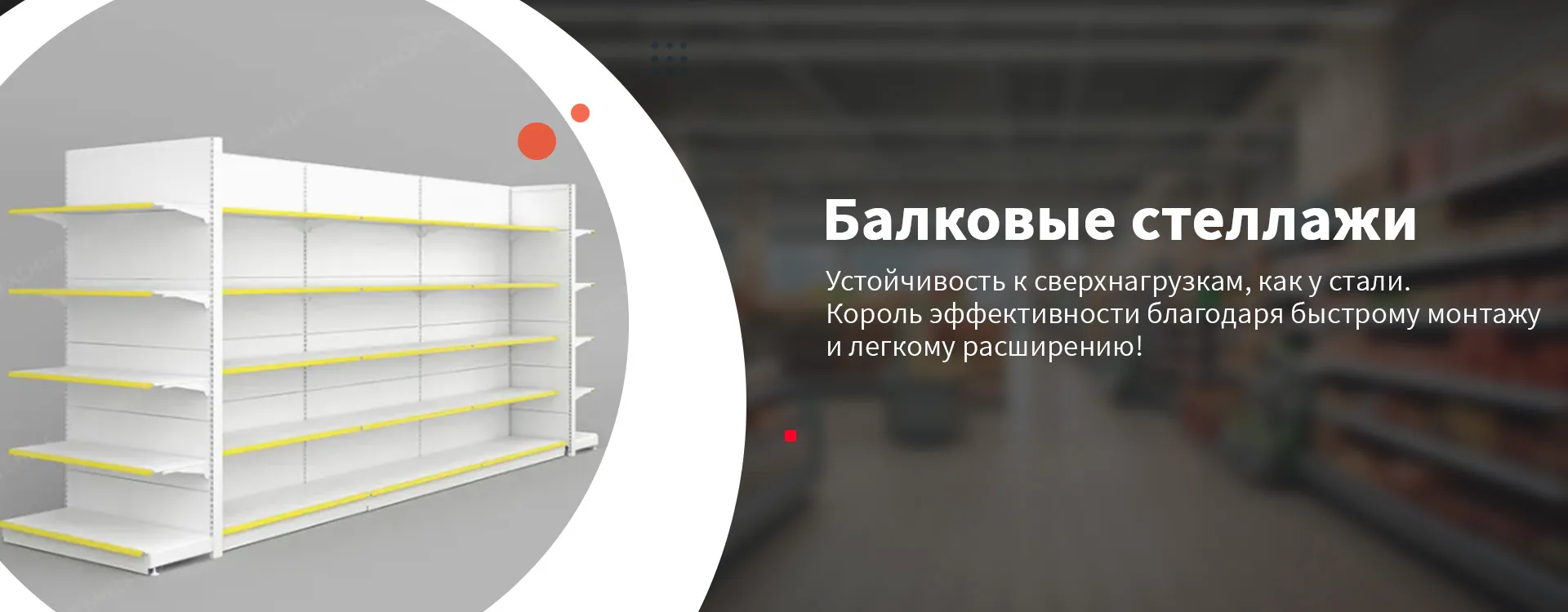
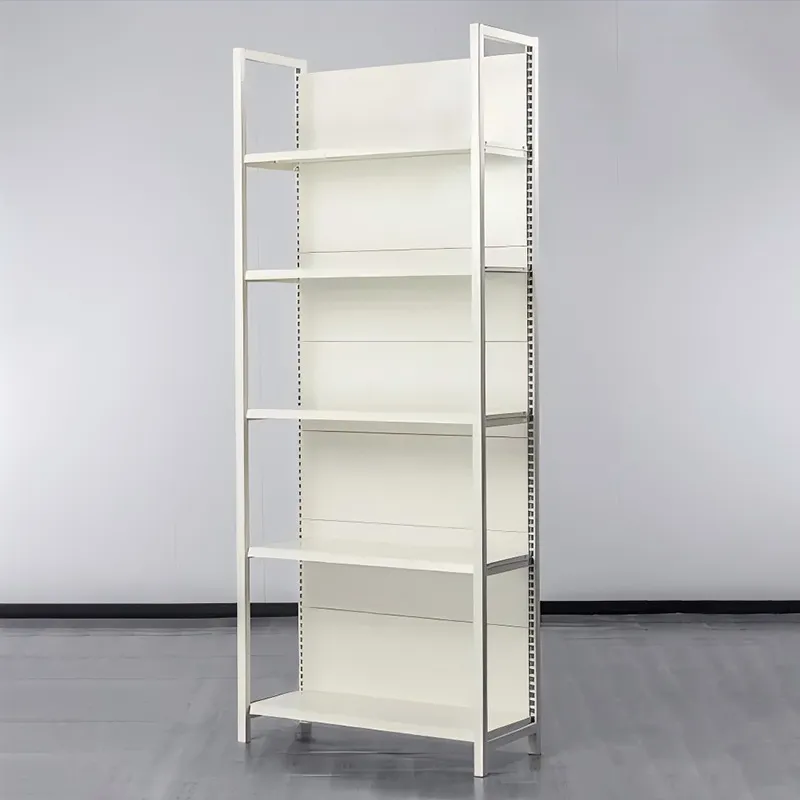
It is at the design stage that the type of system is determined: will it be classic shelfracks, more complex beam (for long lengths) or hybrid mezzanine structures. 'Jusheng', judging by their portfolio, focuses on the full cycle - from design to installation, which is critically important for multi-tier systems. A plant with an area of 20,000 m2 and its automated production is not just a workshop, it is a guarantee that all elements will be made to a single standard, and not assembled from handicraft components.
The second myth is “the thicker the metal, the better.” Thickness is important, but more important is the grade of steel, type of profile and quality of processing. Cheap shelving is often made from raw materials with unstable characteristics, which 'lead' after painting or under load.
Automated lines, like those of the mentioned plant, are good not only for their speed. Robotic cutting and welding ensure repeatability. Every bracket, every beam is identical. This means that during installation you will not have to adjust the parts with a sledgehammer, and the load will be distributed evenly. I saw the consequences of manual welding on critical components - metal fatigue, cracks. Bmulti-tiered structuressuch a marriage is a ticking time bomb.
Another nuance is the coating. Powder paint is standard. But surface preparation (phosphating) is often 'saving'. Without this, the coating will peel off after a couple of years in a warehouse with temperature changes. On the website jshj.ru, in the description of the plant, the emphasis is on the full cycle, and, knowing the specifics of the region (Harbin, Pingfang), where the climate is harsh, I think they pay serious attention to this issue - otherwise their products simply would not survive on the market.
You can have a perfect design and high-quality components, but ruin everything during installation. This is the most 'live' stage. No workshop is perfectly level, no ceiling is absolutely horizontal. An experienced installation team is gold.
I remember a case when excellent shelving was delivered, but the installers decided to 'simplify' the assembly by not observing the diagonal connections. Visually everything was level. But when they started loading, the structure began to shake. I had to unload and redo it. We lost three days. A manufacturer that controls or has its own installers, like 'Jusheng', insures the client against such risks. Their status as a 'leading enterprise in northeast China' means they don't leave a customer with a pallet of bolts and a diagram in Chinese.
Another practical point is tolerances. When designing, technological gaps are always laid down to level out floor unevenness. But sometimes these gaps are “eaten up” due to communications on the floor or columns that they forgot to report. A good supplier will always ask for a floor plan with wiring and obstacles.
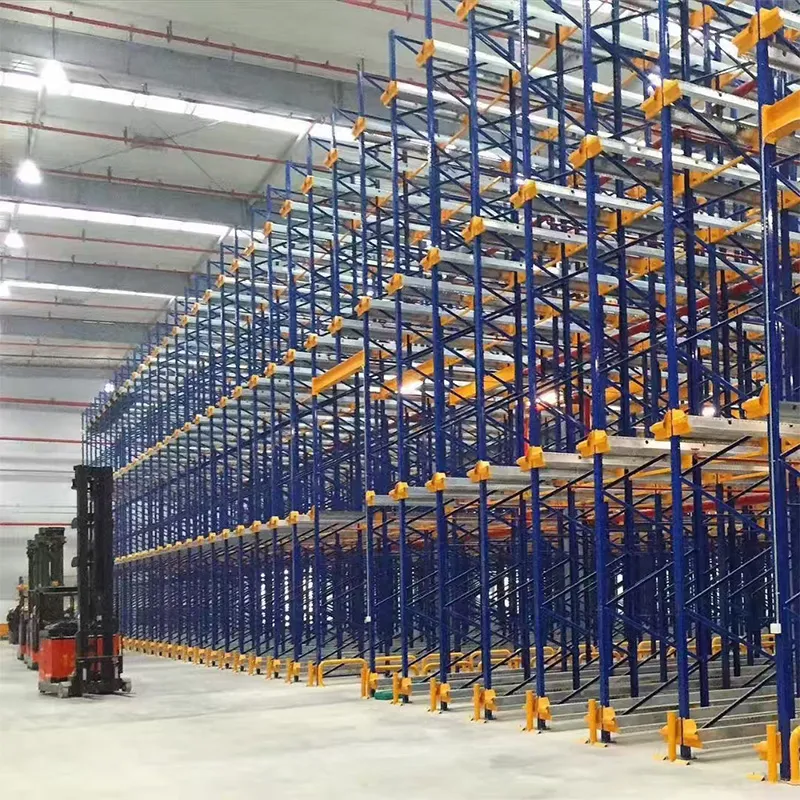
Modernmulti-tiered racks- this is no longer just static storage. Integration with WMS systems and automation is increasingly taking place. For example, the same racks for four-way shuttles that Jusheng produces are already an element of a “smart” warehouse.
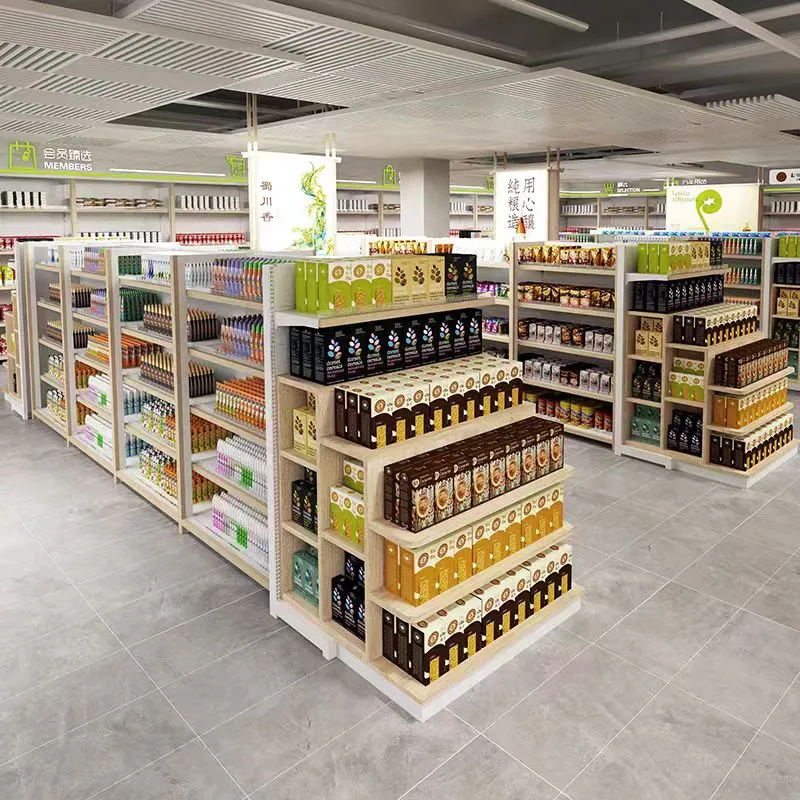
But there is a trap here. They often try to attach automation to conventional shelving. This is a dead end. The design for automation is designed differently: different tolerances, different reinforcement, special guides. If a client is thinking about future modernization, this needs to be included in the project right away. A manufacturer that makes a wide range of systems - from retail to shuttle systems - can offer a scalable solution.
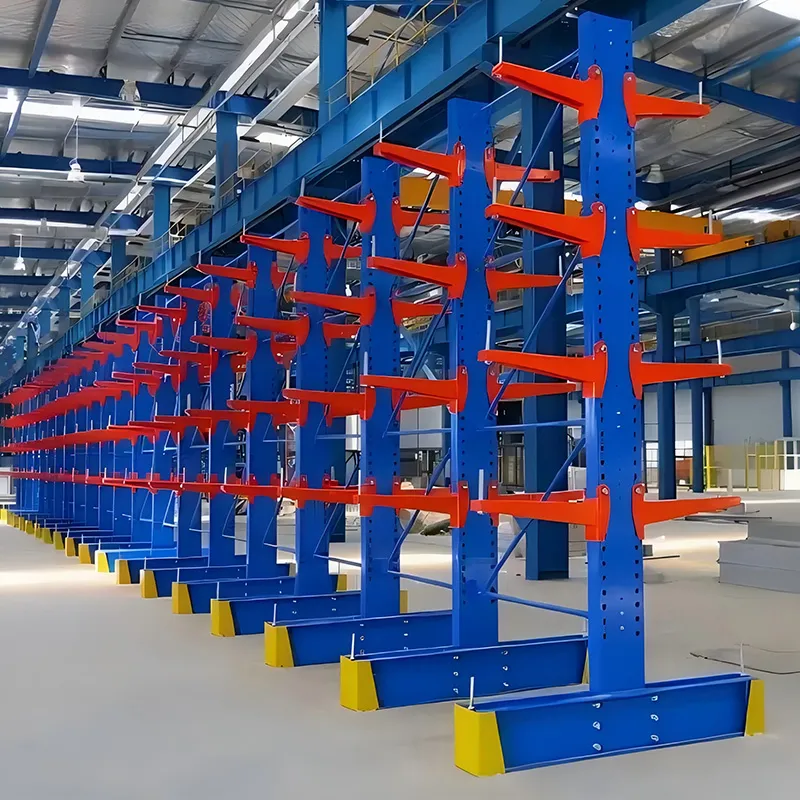
I have learned from my own experience that configuration flexibility is a key factor. Today the warehouse stores pallets of tires, and tomorrow - long rolls of fabric. Beam based systemshelvingwith adjustable consoles can be adapted. There are no universal solutions; there are solutions that are well designed for a specific task.
Let's go back to the beginning.Multi-tier racksis a system where design, materials, production and installation are inseparable. Choosing a supposedly cheaper option almost always leads to additional costs for modifications, repairs, or, worse, to eliminate the accident.
Working with a specialized manufacturer that takes care of the entire cycle - from drawing to service - is not an overpayment, but insurance. Like Harbin Jusheng LLC: a large plant, its own design, automated production over a large area and a declared full range of systems. These are signs of a company that does not work on a one-time sale, but on creating a working asset for the client.
Therefore, my advice is always the same: ask for not just a catalog, but a detailed technical and commercial proposal with load calculations, installation diagrams and examples of implemented objects in similar conditions. And look at the production capacity. 20,000 square meters, like the Pingfang plant, is a serious statement that they understand the scale and responsibility of working withmulti-tier racking systems.