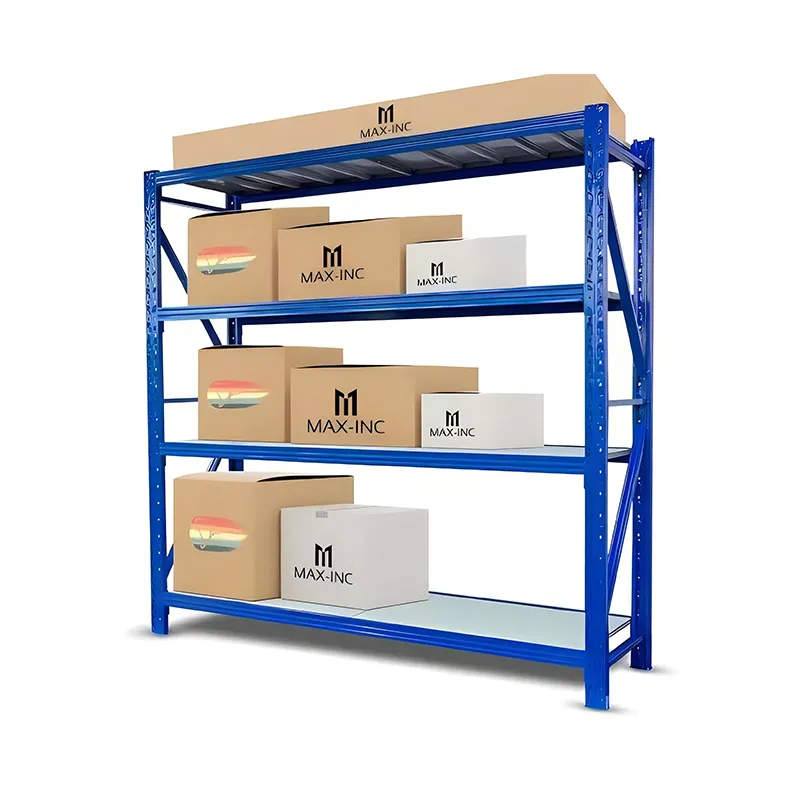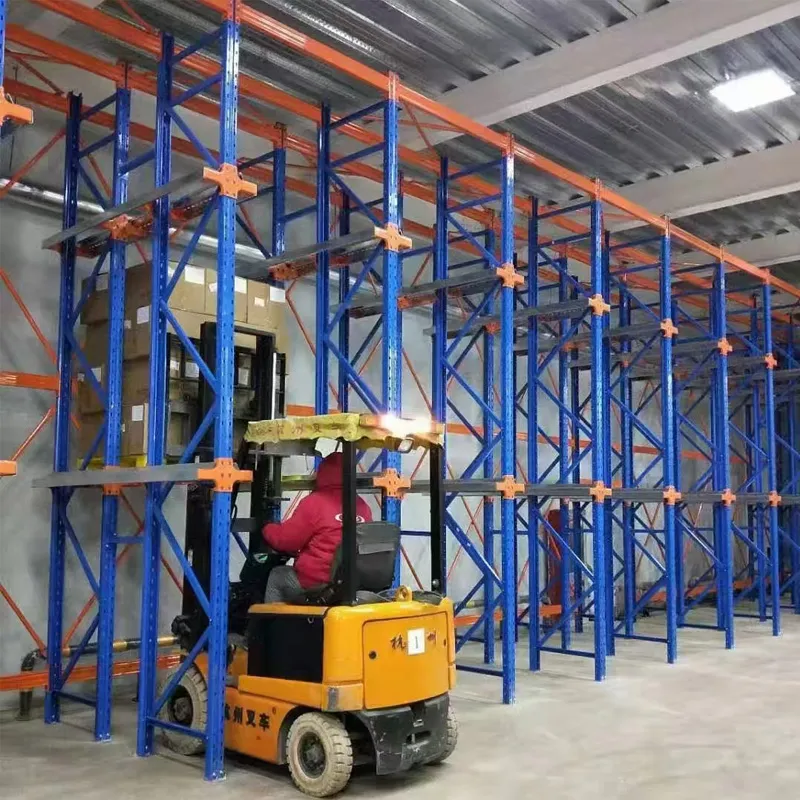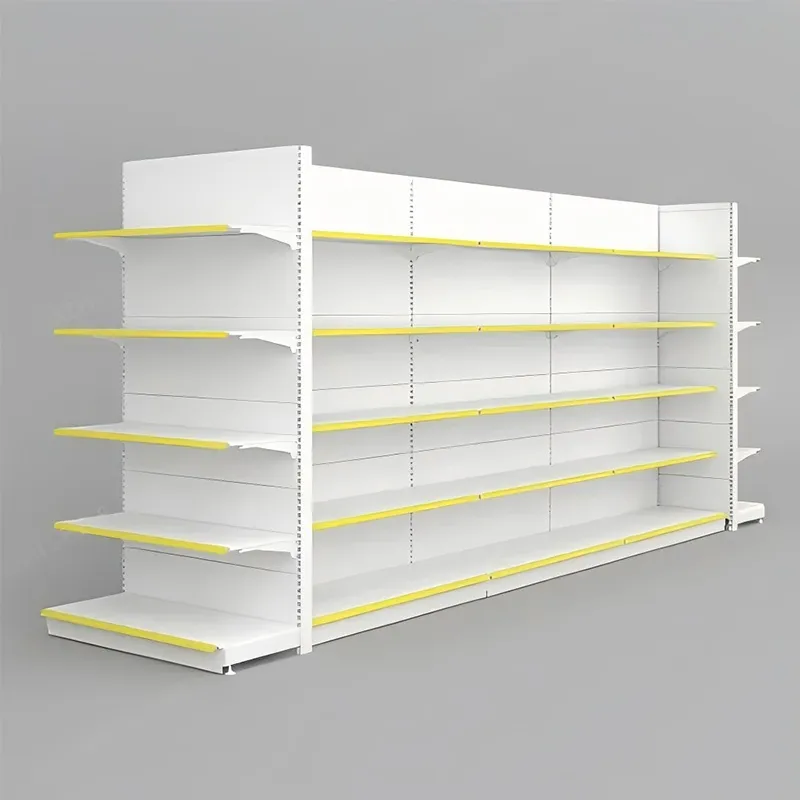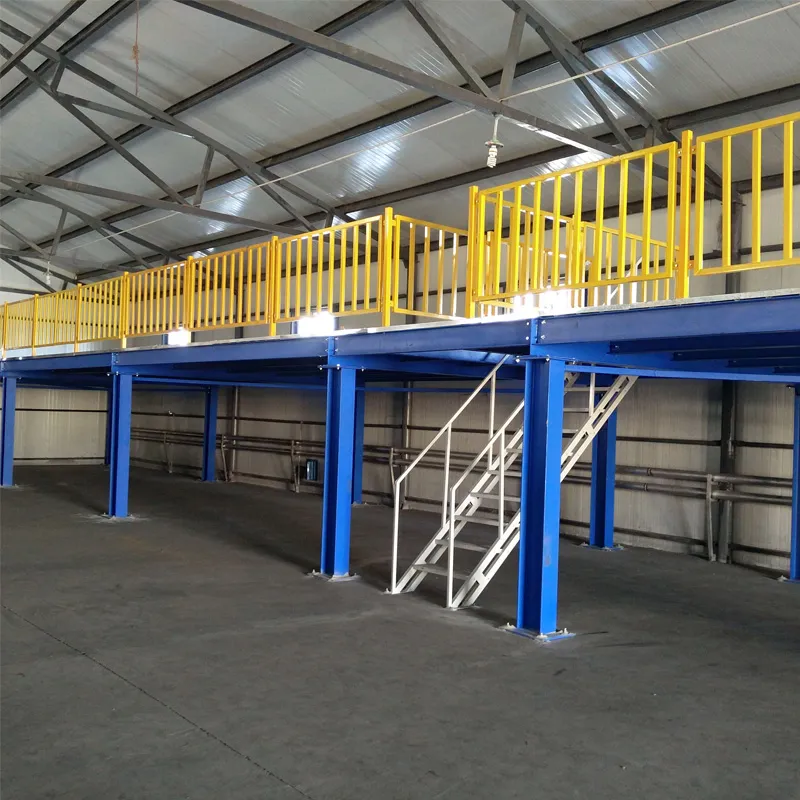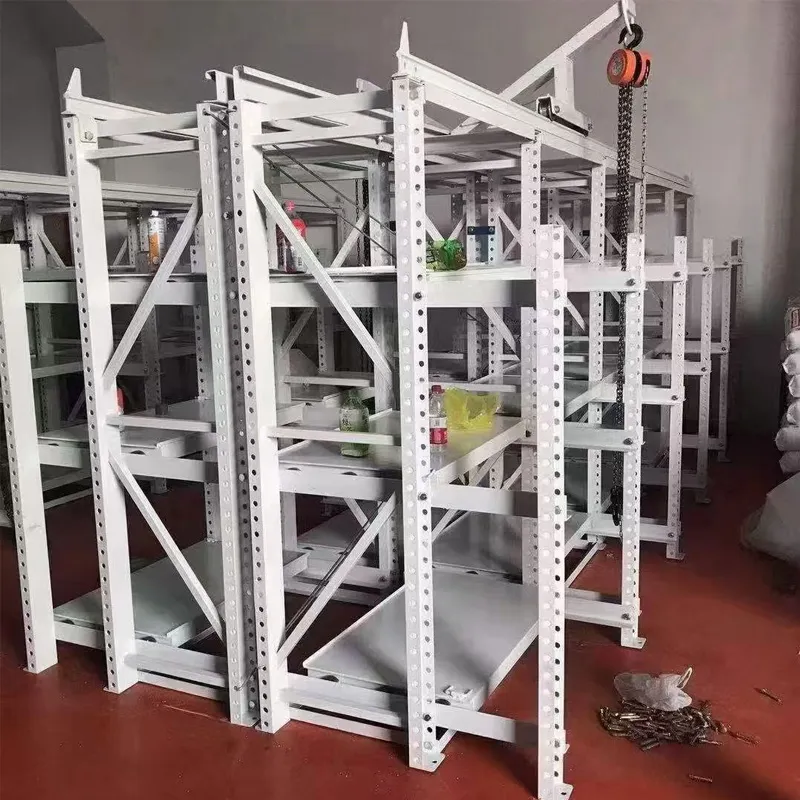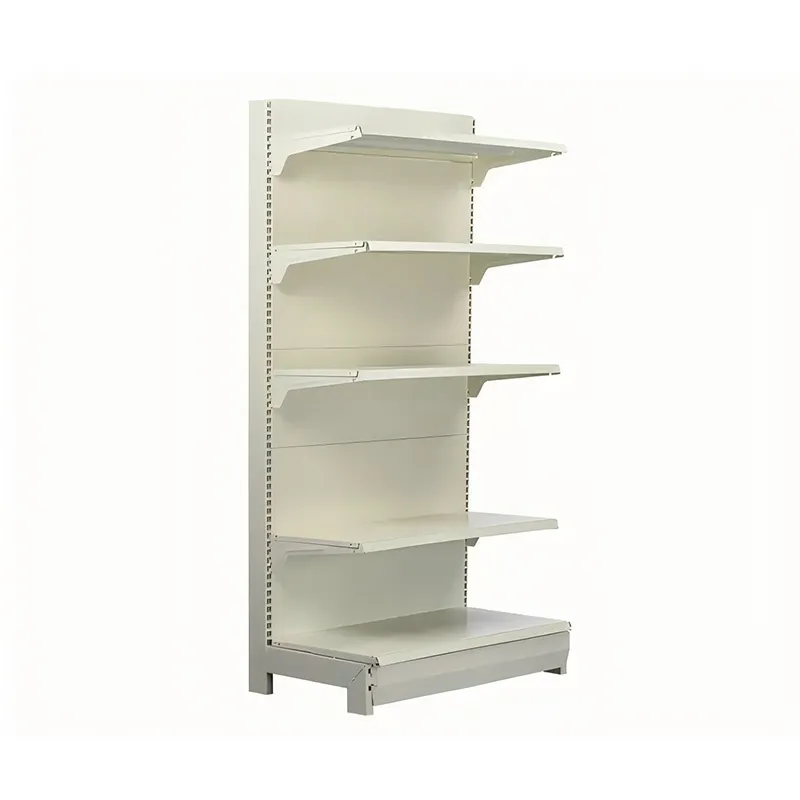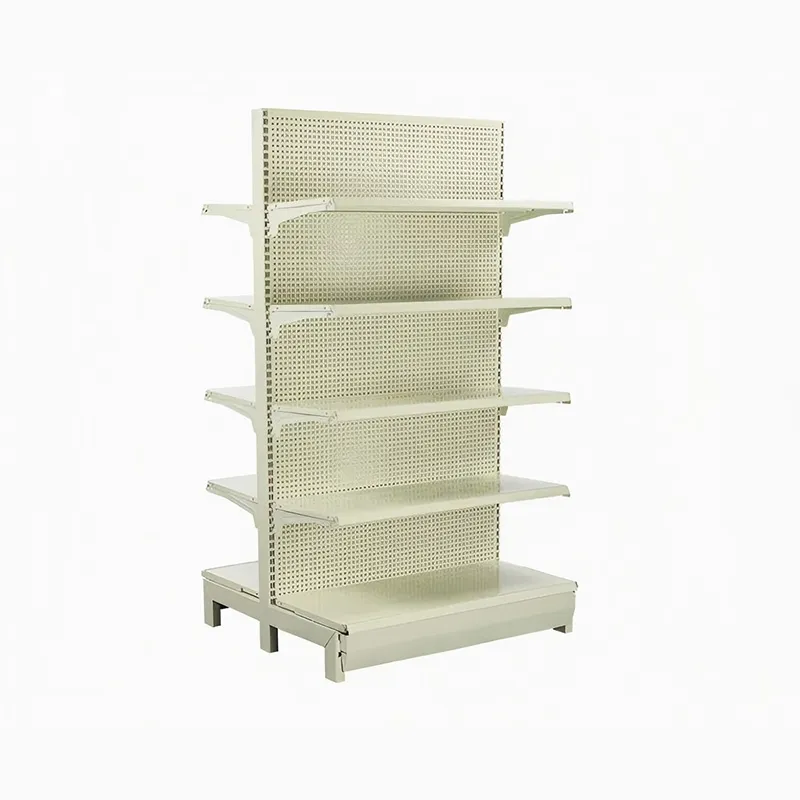
When you hear “production of warehouse racks,” many people imagine a workshop where they cut and bend iron according to drawings. But this is just the tip of the iceberg. In fact, the key is understanding the load, not in theory, but in practice. How many times have I seen how a customer asks for “cheaper and faster”, and then at the site the racks begin to “play”? under a half-ton pallet. Or when a designer, without going to the warehouse, draws a diagram without taking into account the unevenness of the concrete in the corner or the trajectory of an old-style forklift. This is where I’ll probably start.
It all starts with calculation. Not from a CAD model, but from calculations. We take the client’s specifications: euro pallets, gross weight, warehouse height, type of loader. It would seem that everything is there. But here is the first nuance - dynamic load. The loader does not place the pallet gently, it pushes it, sometimes with a blow. And if you do it strictly according to static standards, after six months you can get deformation of the beam. Therefore, for example, we always include a coefficient derived empirically. Not according to GOST, but from experience. At the same factoryHarbin JushengIn the workshop there is a stand with samples of deformations - especially for training new engineers, so that they can “feel” metal.
Then comes the material. Rolled steel is not just “tin”. Brand, thickness, yield strength. Saving here is more expensive for yourself. I remember a case when thinner steel was used for a medium-tonnage rack in order to reduce the contract price. Everything passed acceptance, but after 9 months a complaint was received: the racks in the lower tier were leaking. The reason is vibrations from a stacker regularly passing by. I had to completely change sections. Losses for dismantling and re-installation covered all “savings”. Now, at the design stage, we always ask: what equipment will drive not only next to each other, but also in adjacent aisles?
And, of course, painting. Powder is not a panacea. It all depends on preparation. Degreasing, phosphating. If you skip this step, the paint will fly off in a warehouse with changes in temperature and humidity. ULLC ?Harbin Jusheng?There is strict control in this regard: the preparation line in front of the painting booth is almost more important than the camera itself. Because the defect will not appear immediately, but when the rack is already in use, and repainting it is a hell of a job.
It would seem that they produced the components, packaged them, and shipped them. But the most common headache is on-site installation. We always recommend to our installers, but sometimes the client insists on his own abilities. And here it begins: “the bolts don’t fit?”, “the holes don’t match?”, “the horizontal line is not set?”. Often the problem is not in the details, but in the fact that the foundation is not checked for height differences. There is a difference of 3-5 cm diagonally across the hall. The rack is a rigid structure and cannot be adjusted like furniture. Therefore, in our documentation we now include instructions for checking the floor before installation as a separate file.
Another point is packaging. Angles, bolts, beams. If everything is dumped into one box without partitions, the edges of the beams may be scratched when unloading with a forklift. This is cosmetics, but the client pays for a new product. Therefore, production switched to separate packaging with protective edge profiles made of cardboard. Yes, it is a little more expensive, but it reduces the number of disputes during acceptance.
Logistics for large objects is a separate science. You cannot transport all the racks for a 10,000th pallet space at once. We need phased shipment, synchronized with the installation schedule, so as not to litter the site. When working withHarbin Jusheng production of metal structuresFor one project in Khabarovsk, an entire shipment calendar was developed, tied to the availability of a crane at the site. This is not stated in the contract, but without such planning the project would have stopped.
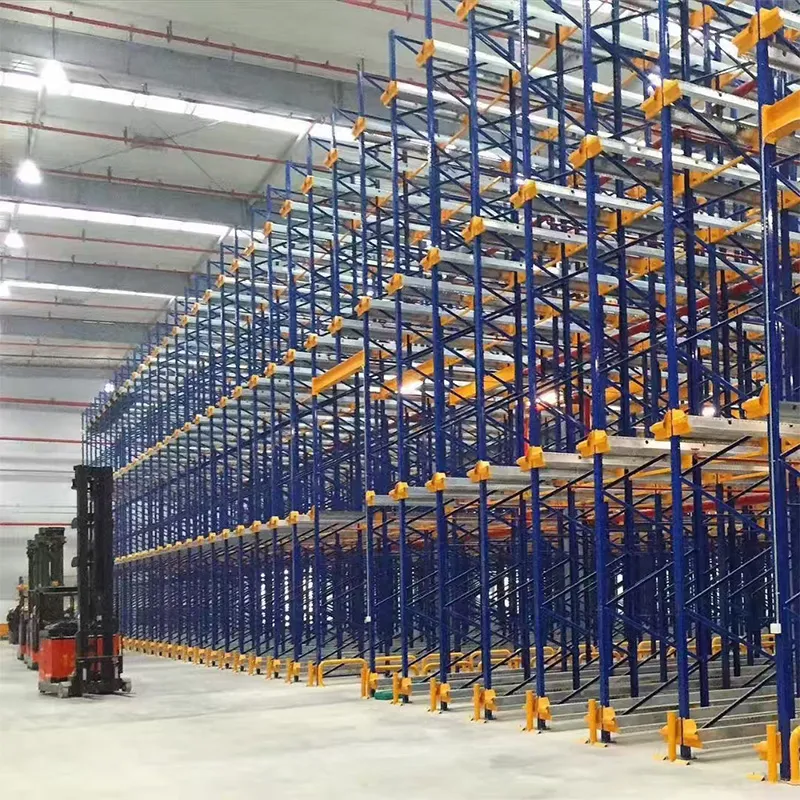
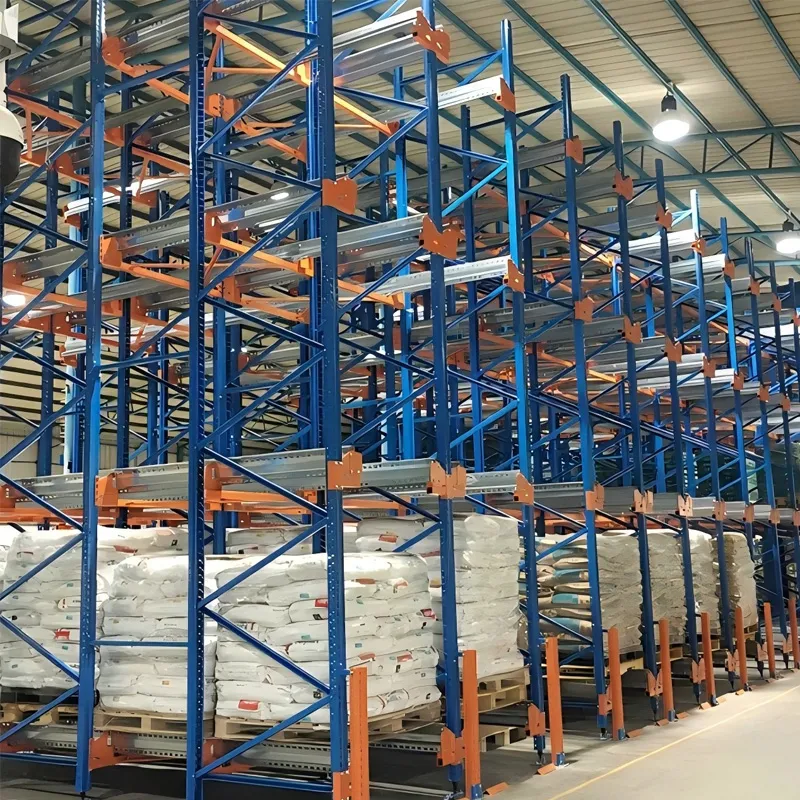
Previously, the main product was classic front-type pallet racking. Now the demand is shifting towards dense storage. They ask more and more oftenracks for four-way shuttlesor deep drive-in systems. But here production becomes much more complicated. It is required not just to make a rack, but to ensure micron precision of the guides for the carts. Any horizontal deviation and the shuttle will “stumble”. For such production, we need not just bending machines, but high-precision CNC coordinate presses. At our plant near Harbin, a separate line is allocated for such tasks, which does not deal with mass orders, so as not to disrupt the settings.
It's interesting to see how design approaches change. Previously, the engineer calculated the strength and that’s it. Now he must understand the logistics of the warehouse, understand the principle of operation of the WMS system in order, for example, to correctly place anchor points for sensors or provide cable channels for automation. This is no longer just a metal structure, it is part of the IT infrastructure of the warehouse.
It was a disastrous experience too. We tried to adapt the standard beam design for heavy-duty storage (2-3 tons per pallet). They strengthened the section and used thicker steel. But they did not take into account the torsional moment when loading the pallet unevenly. In the field, one of the beams cracked in the weld. It's good that we noticed it in time. After this incident, for such tasks they began to make not welded, but solidly bent beams of a special profile. More expensive, but the reliability is completely different.
Many manufacturers believe that after-sales service means warranty repairs. In fact, this is more of a consultation. They call after a year or two: “We want to rearrange the sections, is it possible?” or “Can we increase the height?”. If the original design was designed with reserve and modularity, then yes, it is possible. If they did it back to back? According to the budget, such upgrades are often impossible. Therefore, now at the discussion stage we always draw two options for the client: optimal in price and a little more expensive, but with the potential for modifications. In the long run, the second one is often more profitable.
Another aspect is training. Often breakdowns occur due to improper operation: the loader hit the rack, the tier was overloaded. We started making short video instructions for warehouse workers in Russian: how to visually check integrity, what to pay attention to. This reduces risks.
Websitejshj.rupositions the company as a full-cycle enterprise, and these are not just words. A full cycle is when you are responsible not only for ensuring that the parts come together at the factory, but also for ensuring that after five years the rack is functioning properly, and the client knows who to turn to for advice on expansion. This creates a reputation. In the regions of the Far East and Siberia, where we actively supply products, this works better than any advertising - based on recommendations.
The trend is obvious - automation. But it's not just about robot shuttles. This is also a request for smarter, adaptive production. For example, the ability to quickly produce a non-standard unit for a specific, unique size of a client’s pallet. To do this, you need flexible software that will quickly rebuild the drawing and send the job to the machine. We are working on this.
The second is ecology. Not in terms of “green?” image, but real savings. Solvent-free powder paint is already standard. We are currently studying the use of steel with a high content of recycled materials without loss of strength characteristics. It’s difficult, but there is already a request from large international chains.
And finally, integration.Production of warehouse racksIt exists less and less as a separate service. This is part of a comprehensive solution “turnkey warehouse”. Therefore, it is necessary to establish partnerships with suppliers of flooring, lighting, and accounting systems. ExperienceHarbin shelving plant ?Jusheng?, which since 2019 has grown into a leading enterprise in northeast China, shows that those who think not in terms of tons of rolled metal, but in terms of the customer’s logistics processes, survive and grow. This, perhaps, is the main sector. Everything else is technology, important, but subordinate to this goal.