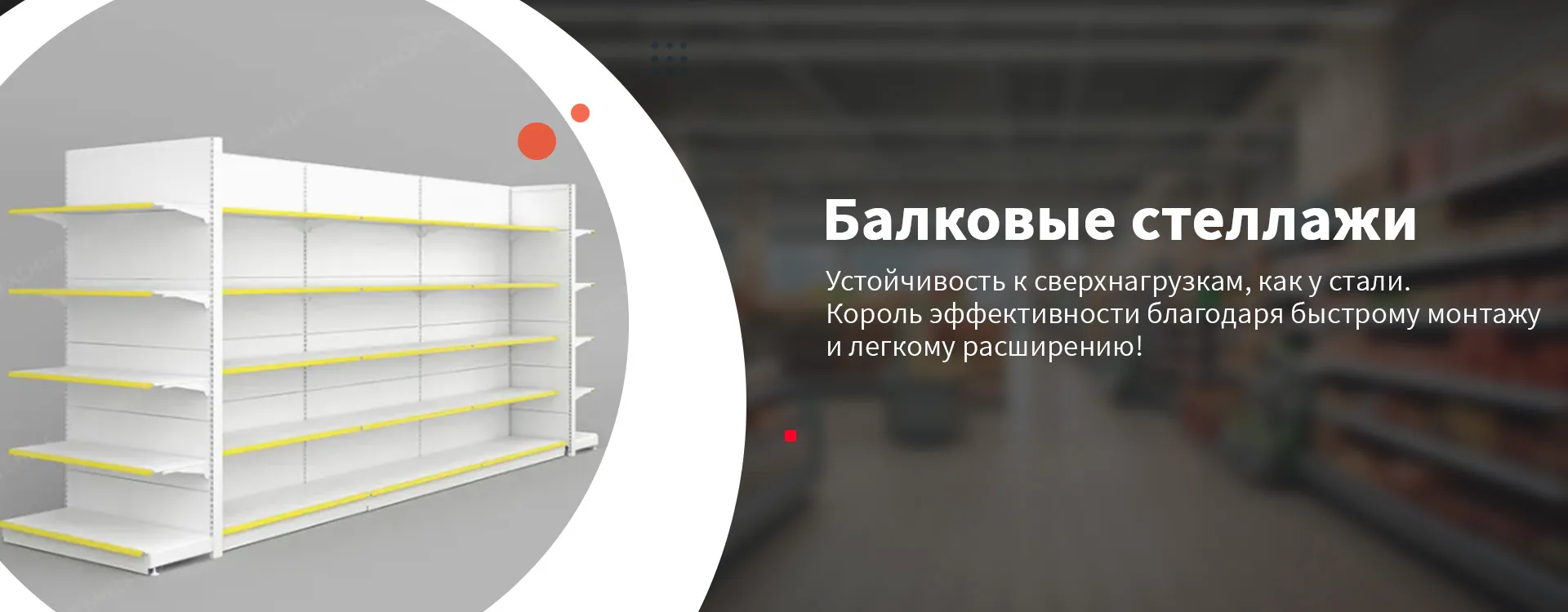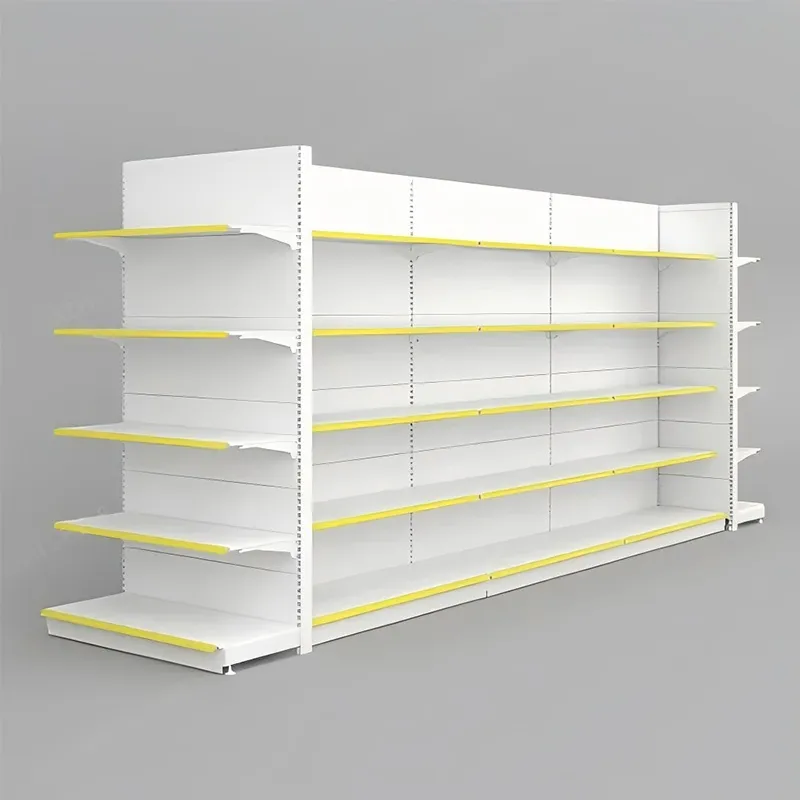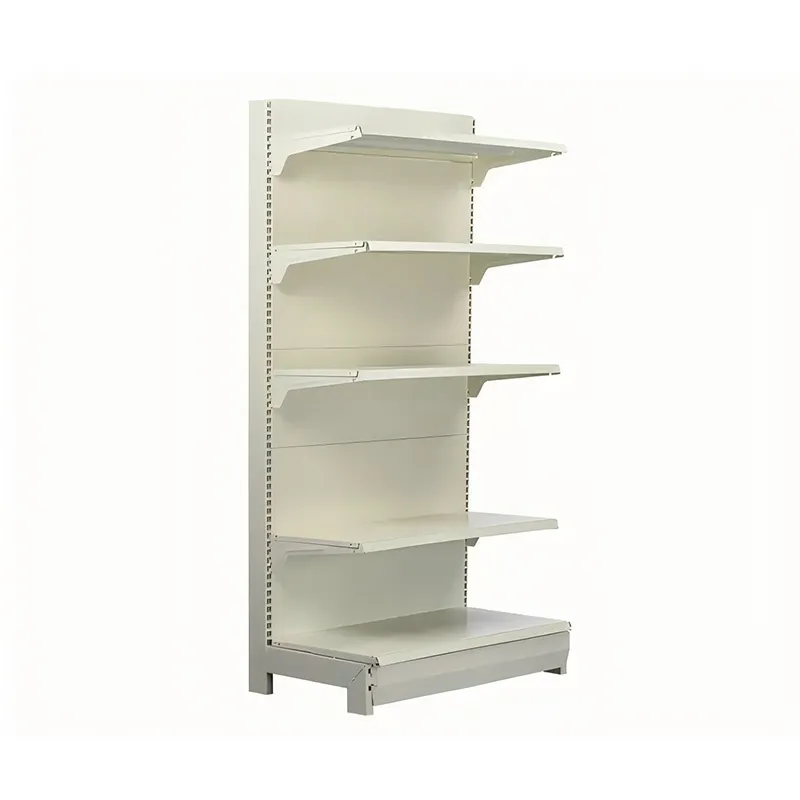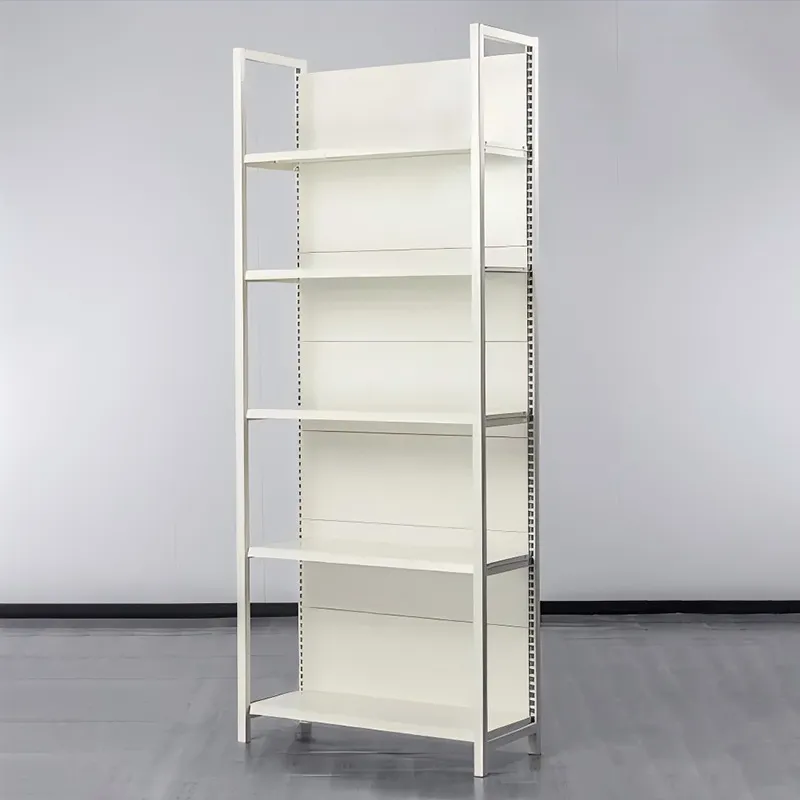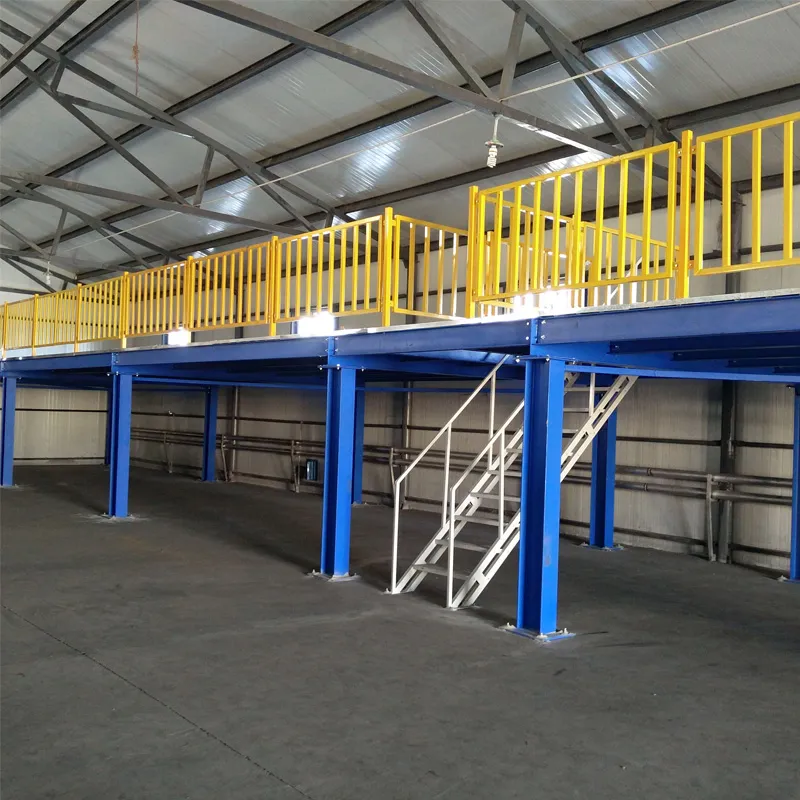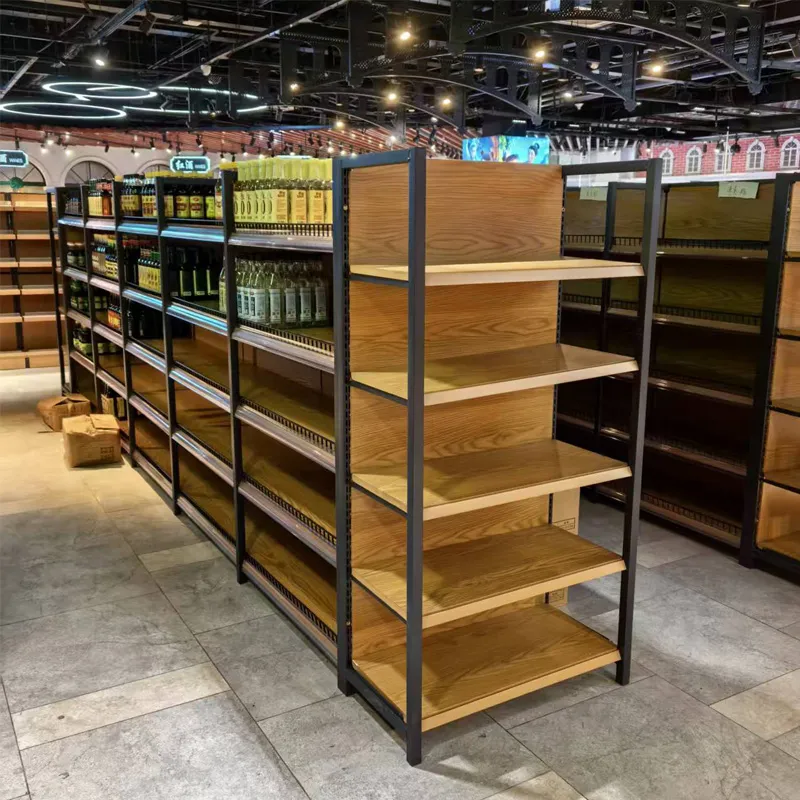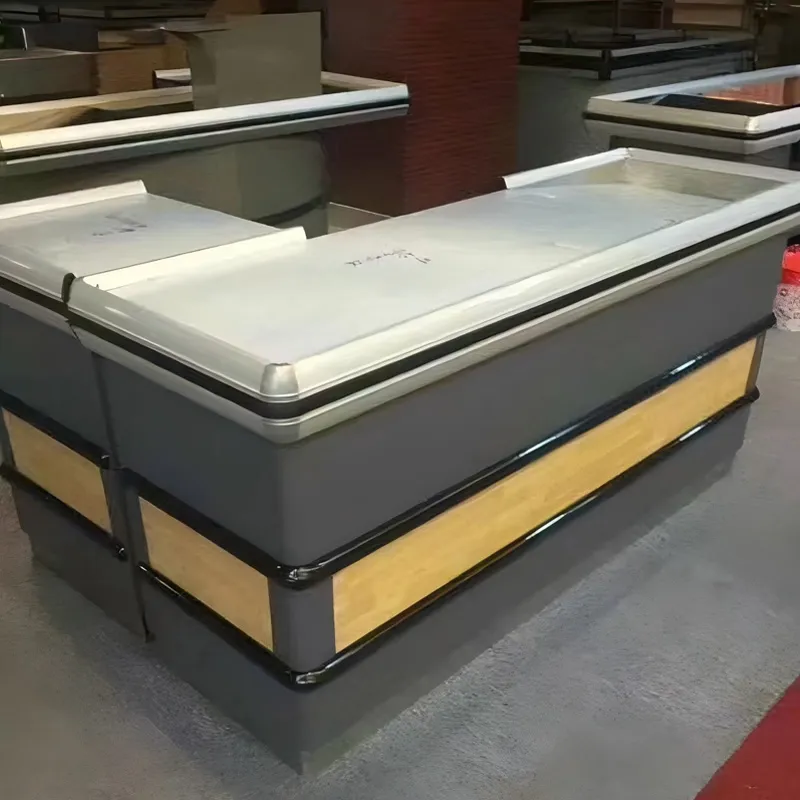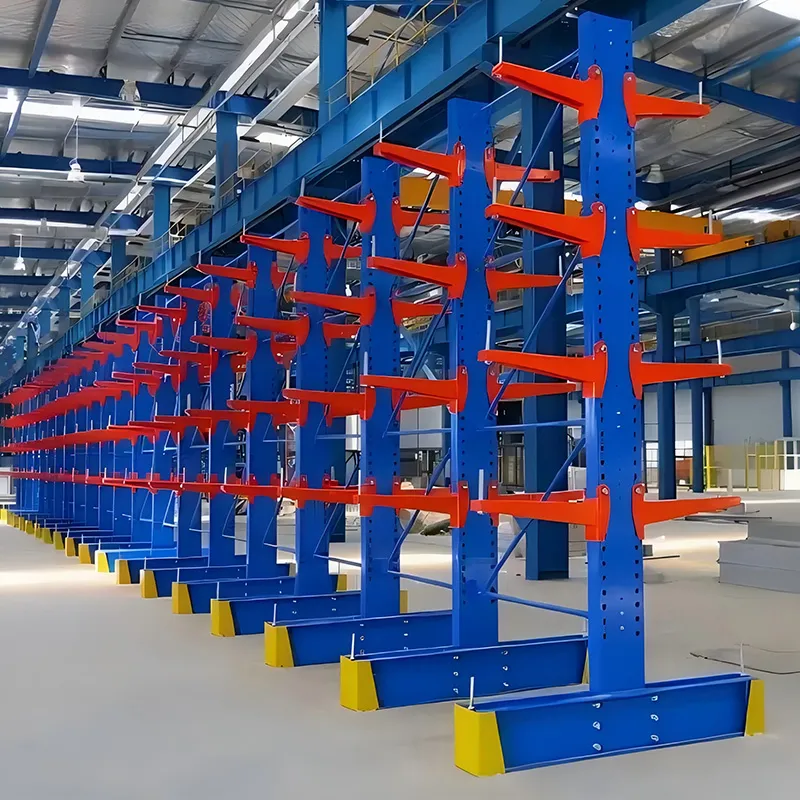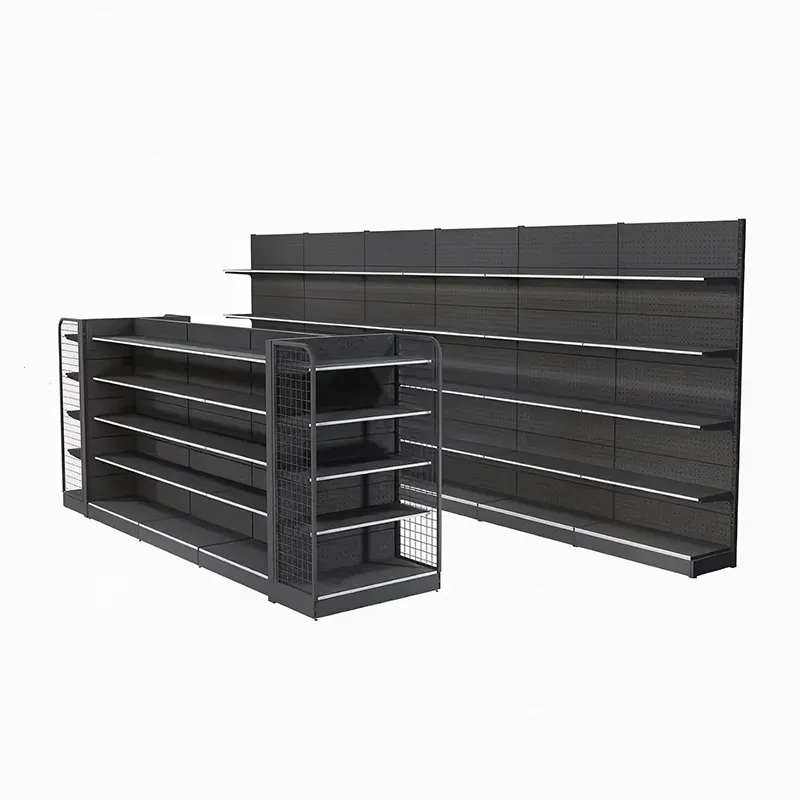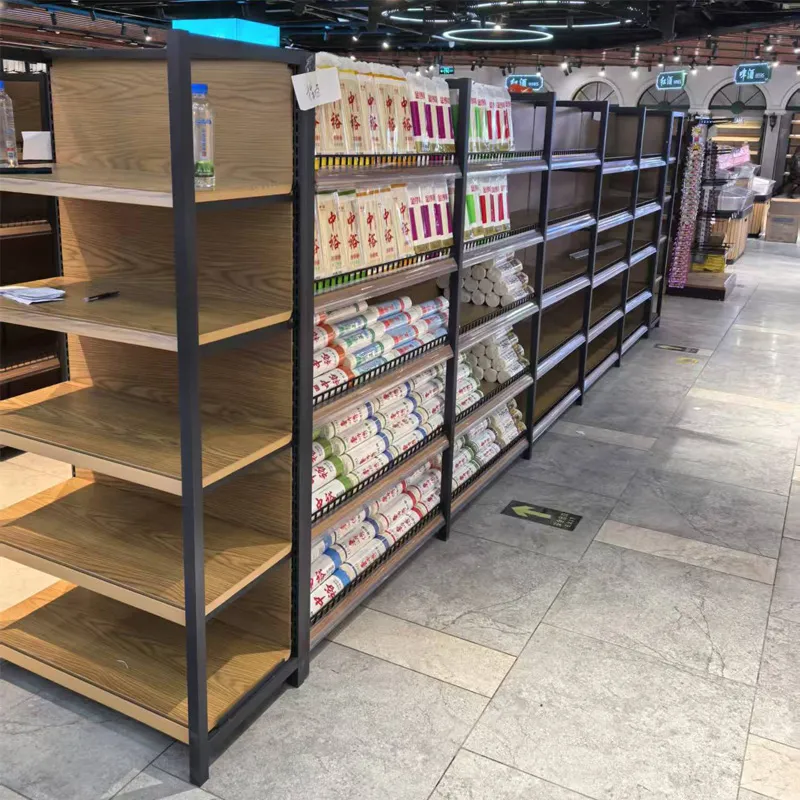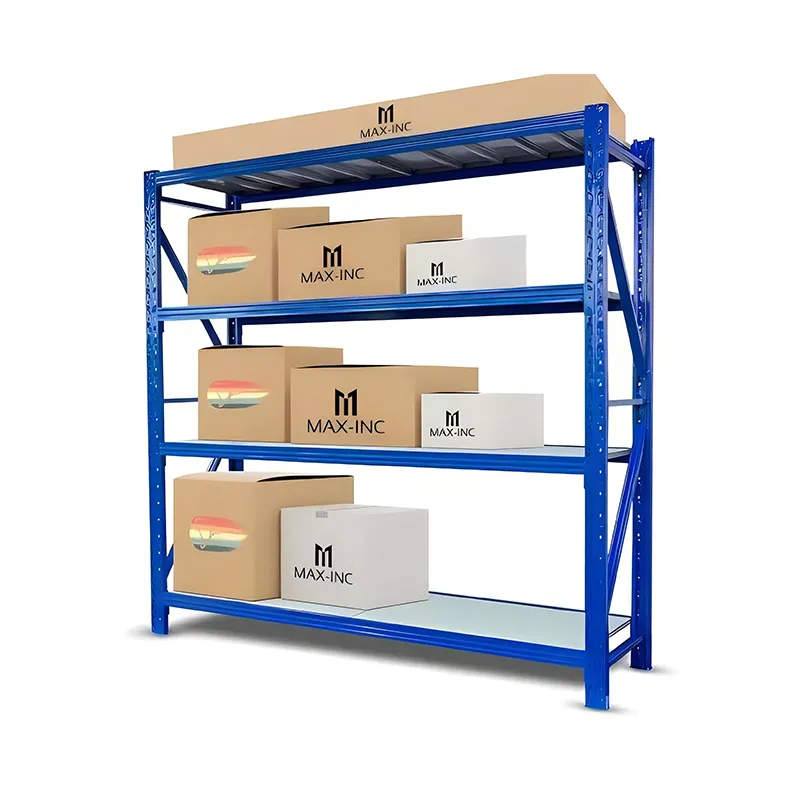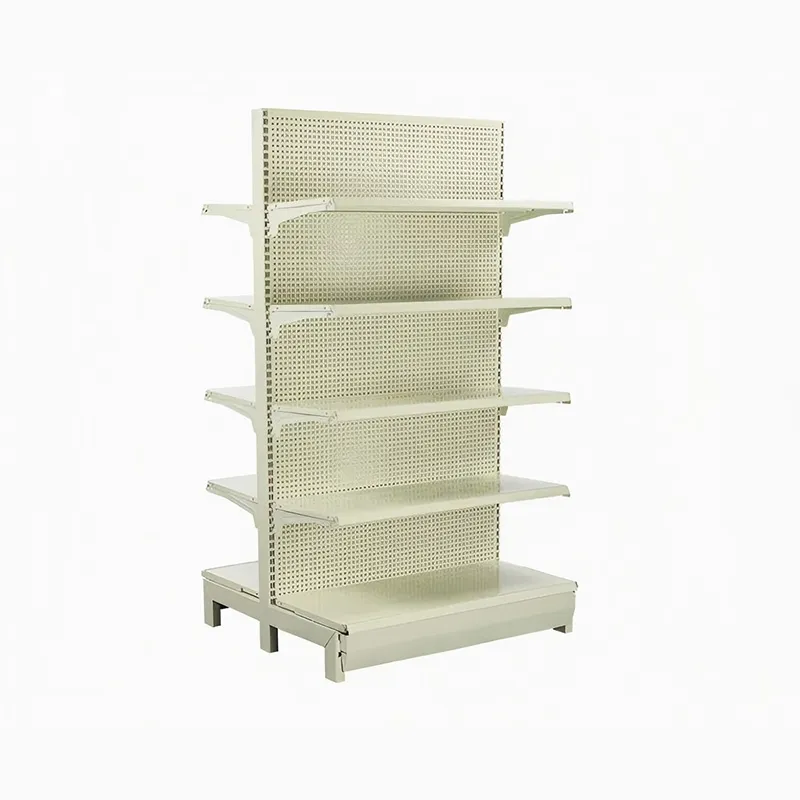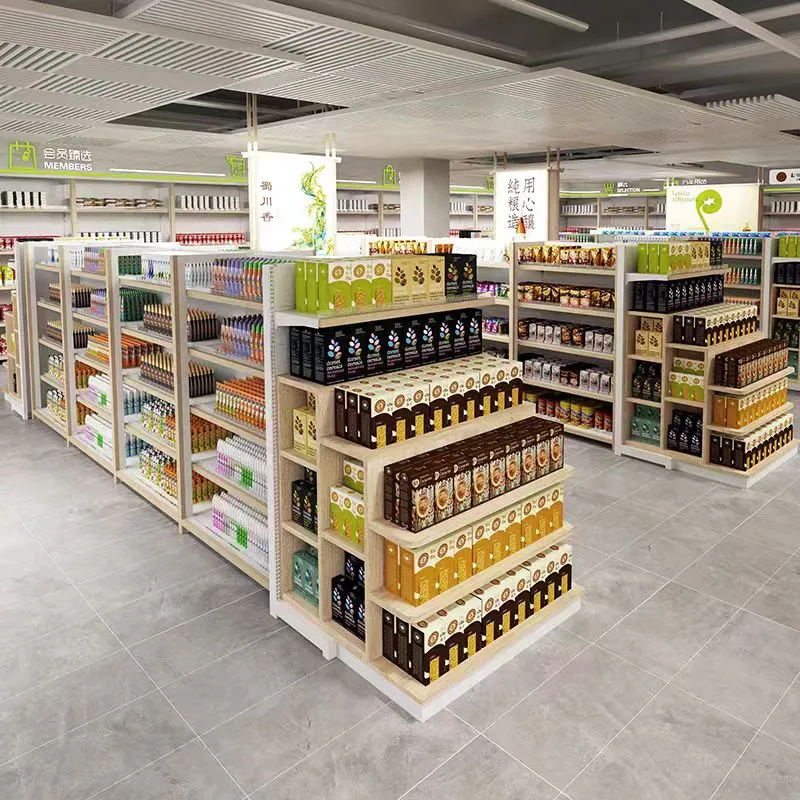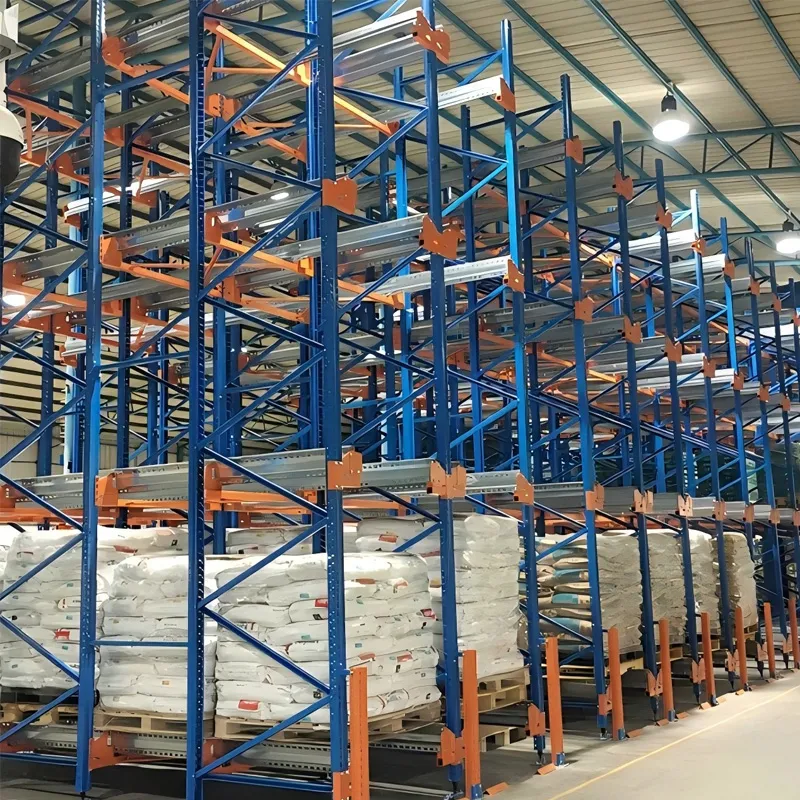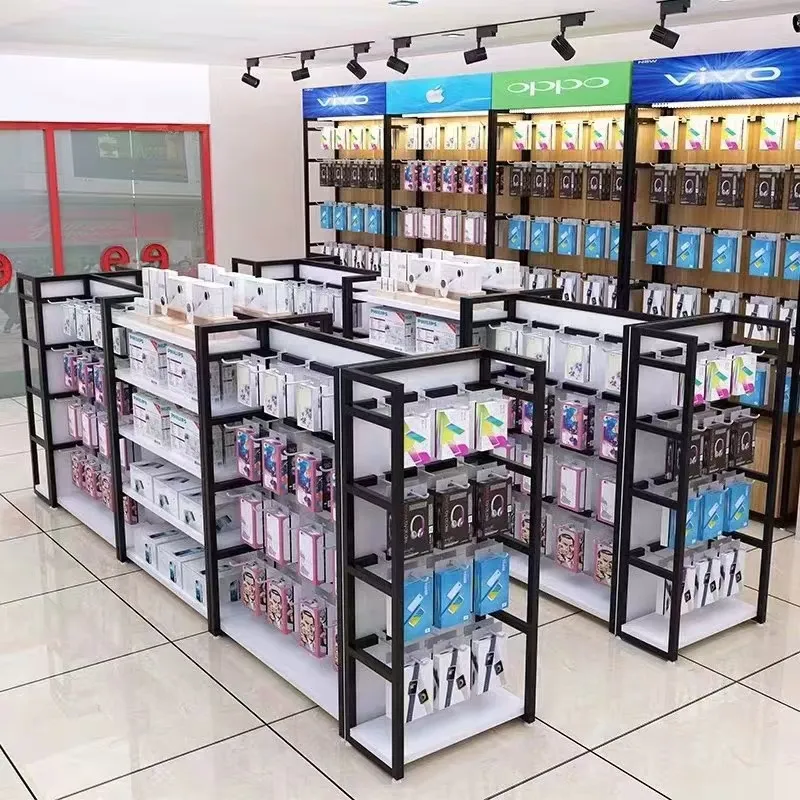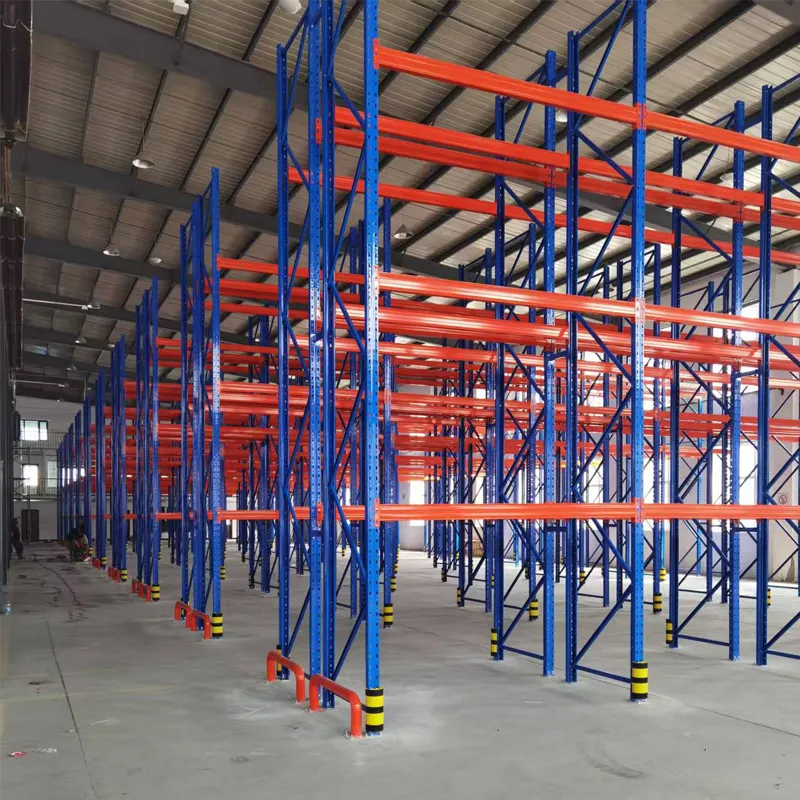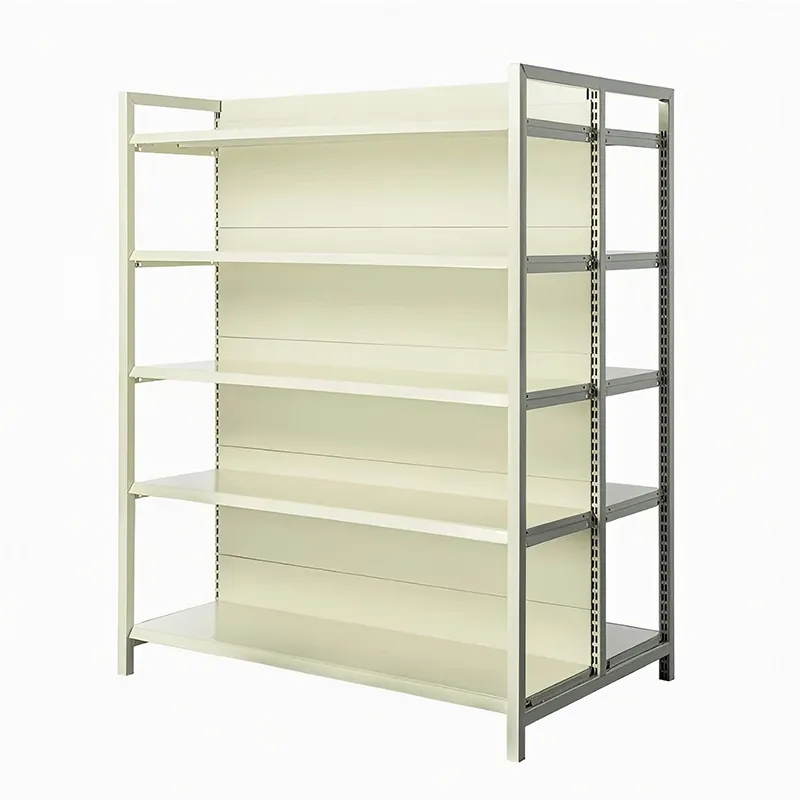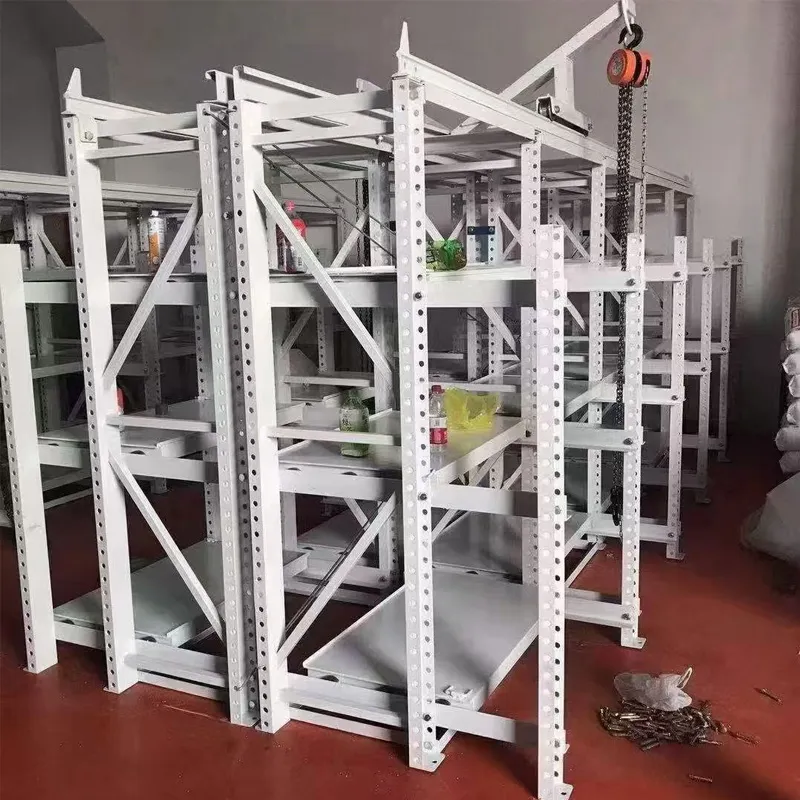
When you hear 'P steel shelving', many people immediately imagine just a bent sheet of metal in the shape of the letter 'P' - and that's all. But if you dig deeper, especially in the context of serious warehousing or large retail, you realize that this is a whole philosophy of organizing space. It’s a mistake to think of them as a one-size-fits-all solution. Their strength lies in their specificity, and their weakness lies in their attempts to misuse them. Let's say, trying to load them with pallets of one and a half tons is a direct path to deformation and, God forbid, collapse. I myself went through this at one of the facilities about five years ago, when the customer insisted on saving. As a result, everything was converted into full-fledged pallet systems, and these 'U'-shaped profiles were used for the production of lightweight exhibition structures. This is where I’ll probably start.
So, the main hobbyP steel racks- These are medium and light loads. The ideal environment is archives, spare parts warehouses, libraries, office space for storing documentation or product samples. Why? Because the geometry of the profile itself, if properly manufactured, provides good resistance to longitudinal loads with a relatively low dead weight. The key word is 'properly made'. The thickness of the steel, the quality of welding in assemblies (if we are talking about prefabricated structures), the type of coating - there are no trifles here.
I remember a project for a pharmacy chain. It was necessary to organize the storage of packages in the back rooms, and in such a way that staff could quickly find items. There were no heavy pallets, but frequency of access was required. Classic shelf systems made from a corner looked cumbersome, and prefabricated shelving made from a thin profile looked unreliable. We settled on a system basedsteel rackswith U-shaped racks. The advantage was that shelves could be attached to these racks at different heights without drilling - on hooks. Configuration flexibility proved to be a decisive factor.
But there is a nuance here too. 'Flexible' does not mean that you can increase the height indefinitely. For heights of more than 4.5-5 meters, U-shaped racks alone are no longer enough; connections, diagonal struts or attachment to building structures are needed. This is a task for a calculation engineer, and not for an installer with instructions. By the way, about installation. One of the most common problems on site is when the delivered parts do not fit together due to variations in the profile geometry. There was a case with a batch from one local plant: the holes for fasteners on the racks and beams did not coincide by literally a couple of millimeters. I had to urgently modify everything on site with a drill. The loss of time and trust is colossal.
This is where we come to the main point. ReliabilityP steel shelving90% is laid in the workshop. You can draw an ideal 3D model, but if the production does not control the quality of cutting, bending and anti-corrosion treatment, the output will be scrap metal. I have been following several manufacturers who work for the Russian market for a long time. One of the serious players, especially in the Far East and Siberia, is the Harbin Jusheng shelving plant (Harbin Jusheng Metal Structures Manufacturing LLC). Their website -jshj.ru— quite informative in terms of demonstrating technological capabilities.
What is important in their case? Founded in 2019 in Pingfang District, Harbin, the company covers an area of 20,000 square meters. m. The scale is not for show. Several lines of automated equipment mean, first of all, the constancy of the profile geometry. For U-shaped elements this is critical. If the 'shelf' of a U-shaped profile (horizontal shelf) has different widths along the length of the beam, it will be impossible to assemble an even structure without distortions. An automatic CNC cutting and bending line minimizes this risk.
Their positioning as a full-cycle enterprise - from design to installation - is also an indicator. This means that, theoretically, they can not just sell you a ton of metal, but calculate the load, propose an arrangement scheme and be responsible for the final result. Although, to be honest, you always need to clarify the details of the service on the spot with Chinese partners. But the very fact of the existence of such a complex as that ofHarbin Jusheng, which includes the production of shelving for sales floors, warehouses, mezzanines and even shelving for four-way shuttles, speaks of a broad technological base. For U-shaped systems, this means that they most likely use good quality rolled products and have proven technical processes.
Let's return to our racks. Let's say the profile is bent perfectly. The next killer is rust. Especially in unheated warehouses or rooms with variable humidity. Galvanizing is the most common option. But there is a gradation here too. Hot-dip galvanizing of the entire finished profile is aerobatics, but also expensive. More often, galvanized rolled steel is used, which is then bent. The zinc layer must be sufficient. Savings at this stage come out sideways after a year or two with corrosion spots along the cuts and in places of micro-scratches after installation.
Powder painting over zinc is more for aesthetics and additional protection in aggressive environments. For most warehouses, high-quality galvanization is sufficient. I always recommend that the customer inquire from the supplier, be itHarbin Jushengor another plant, steel certificates and a description of the anti-corrosion treatment process. If they send vague phrases in response, this is an alarm bell.
From personal experience: at one of the food warehouses, the customer saved money and took racks with the cheapest coating. After two years, in places where moisture constantly condensed (corners, bottom shelves), “red” began to appear. I had to remove it, clean it and repaint it on site. The total costs exceeded the initial savings by several times. Therefore, now for such objects we immediately include in the specification steel coated with at least 120-140 g/sq.m of zinc.
An ideal world: all the parts are numbered, the wiring diagram is clear, the floor is level, the team assembled the frame in a day. Reality: a pallet with parts arrived without markings, two brackets are missing from the package, and the concrete floor has a slope of 5 cm along the length of the shelving line. This is where the quality of the system itself and the professionalism of the supplier come into play.
Good manufacturers who value their reputation supply not only spare hardware, but also adjustable supports for racks. ForP steel shelvingthis is salvation. These “heels” can compensate for unevenness of the floor and set the entire structure strictly at level. If they are not there, installers have to lay down metal plates, which is not always reliable and safe from the point of view of load distribution.
Another point is the unification of parts. In a successful project for a small distribution center, we used a system where all vertical posts and horizontal beams were the same size. This made it possible to change the layout several times during operation: sections were increased in height, shelves were rearranged. If each node were unique, such flexibility would not be possible. This is to the question that when choosing, you need to look not only at the price per ton, but also at the thoughtfulness of the system in the long term.
To summarize.P steel racksis an excellent and sometimes optimal tool. But the tool is specific. They will not replace heavy pallet or cantilever racks for long items. Their niche is the organized storage of piece, boxed, medium-weight cargo with frequent access. Their success depends on the triad: competent load calculation, high-quality production (where automation, like the sameHarbin Jusheng, plays a key role) and correct installation taking into account the realities of the object.
When choosing a supplier, you need to look not at pretty pictures in the catalog, but at technical documentation, the opportunity to get calculations, and reviews from real objects. And always, always ask for samples of profiles and fasteners. By weight, metal thickness, cut quality and coating, you can understand a lot about the future design. Sometimes it is better to pay 10-15% more, but get a system that will last a decade, and will not start to “play” and rust in a couple of years.
After all, a warehouse is more than just a room with shelves. This is a logistics hub where the reliability of equipment directly affects the speed of operations and the safety of cargo. And in this chainsteel racks, even something as seemingly simple as a U-shaped one, is not a consumable, but a fundamental part of the infrastructure. The approach to it must be appropriate.