When they talk about the layout of a store or supermarket, many people immediately think about how to arrange the shelving. This, of course, is the basis, but the root of the error is often here - they start with the equipment, not with the people. I've seen dozens of projects where they purchased excellent shelving, and then wondered why revenue wasn't growing. Layout is primarily a route that quietly leads a person from the entrance to the checkout, forcing him to see more than he planned. And the racks are a tool for creating this route, and not an end in itself. If this tool is chosen incorrectly, the whole plan collapses.
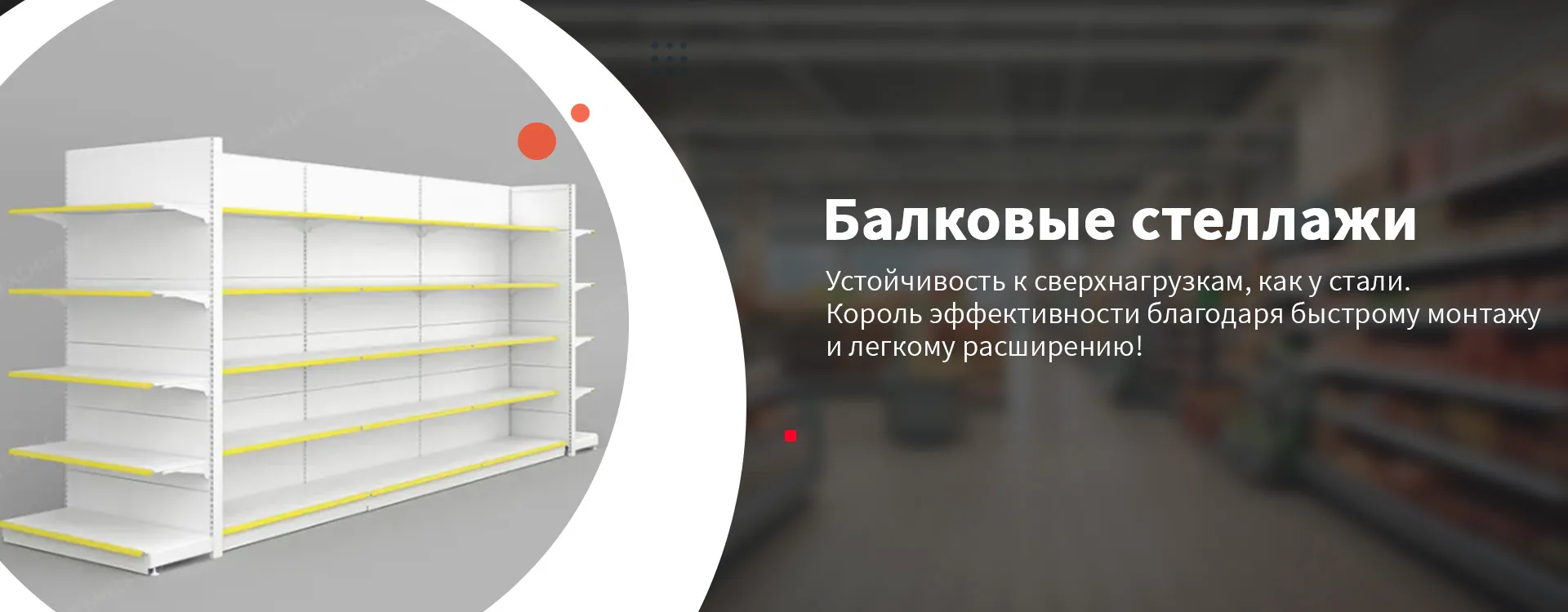
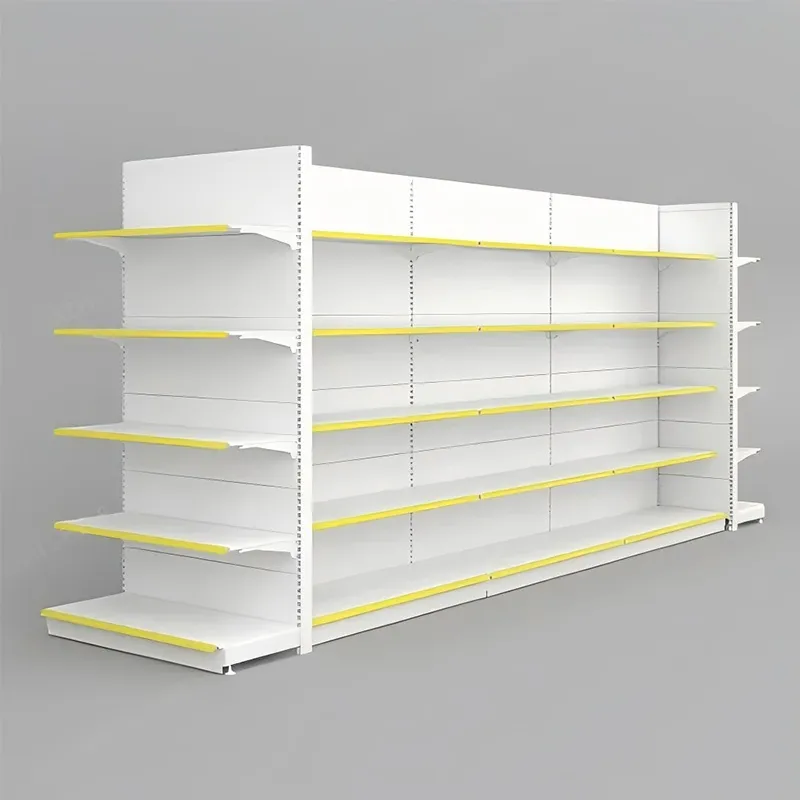
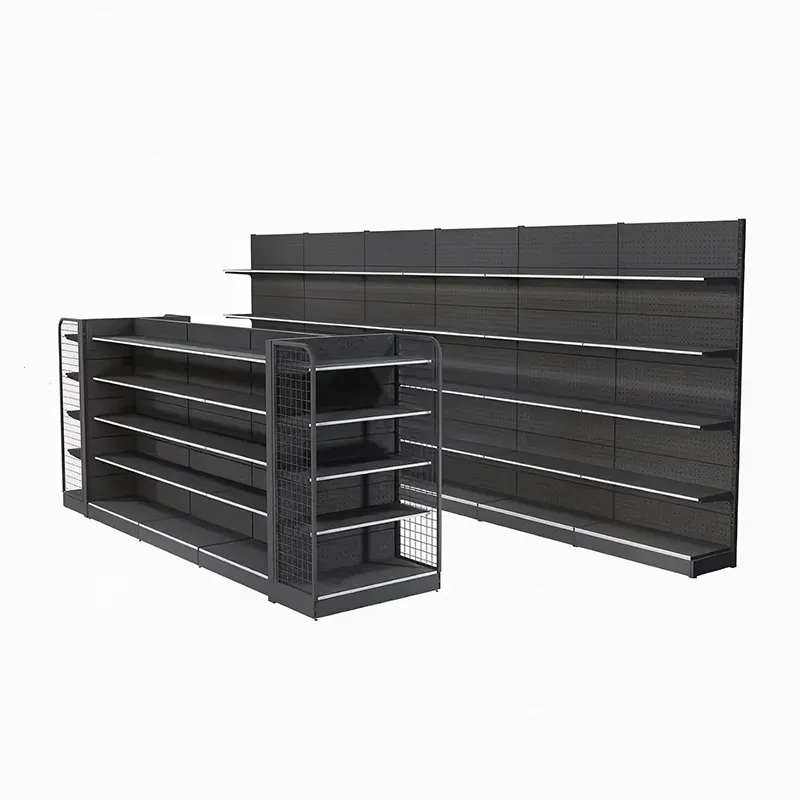
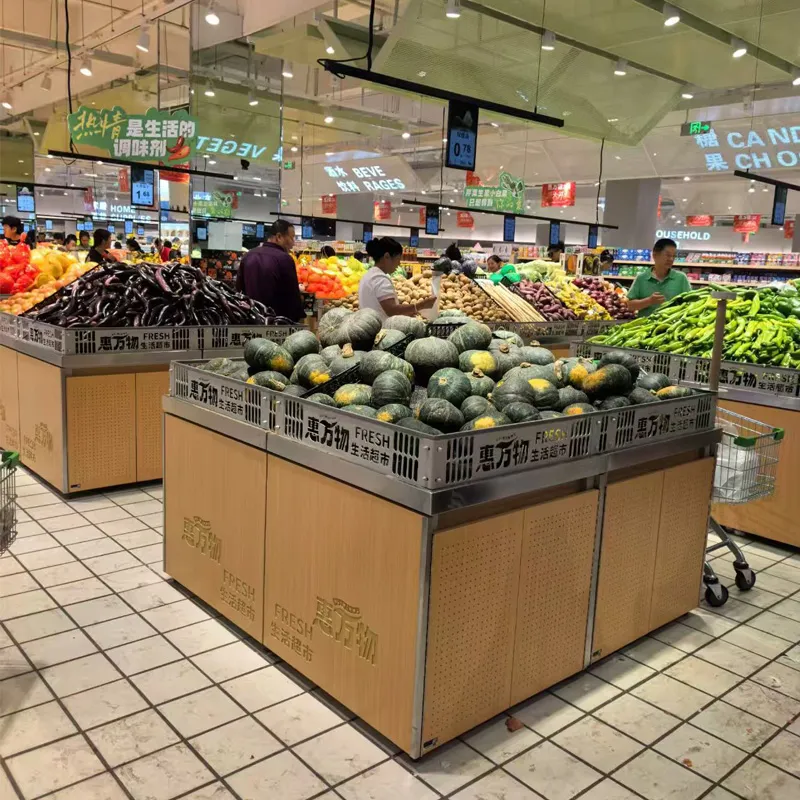
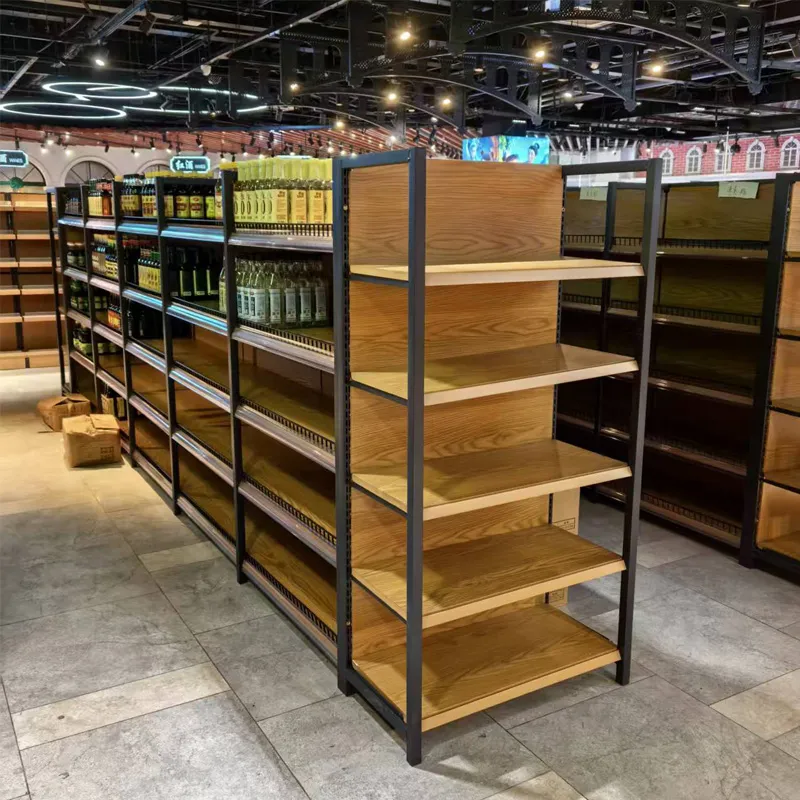
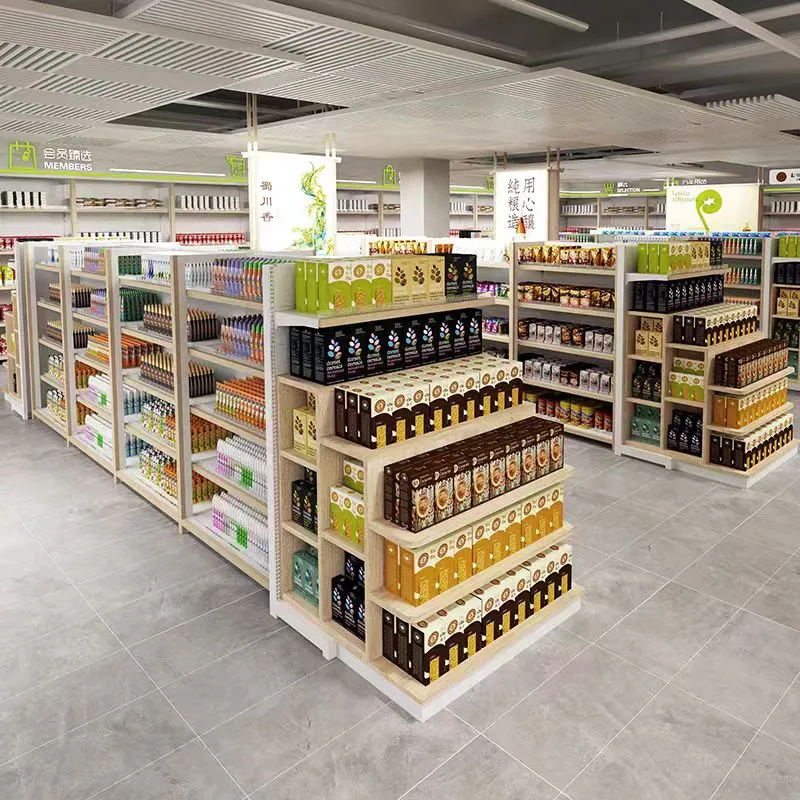
You always need to start by analyzing the incoming flow. Where is the door? Where does a person instinctively look after taking three steps inside? This is the ?golden triangle? — entrance, main categories of everyday goods (milk, bread) and cash registers. A main road is built between these points. And here is the first trap: they often make this path too direct and fast. The client grabbed the milk and left. The task is to gently slow it down, to create a “research zone”. For example, do not set high prices immediately after enteringshelving for retail spaces, which create a blank wall. Better - low island structures or displays that offer views into the interior of the room.
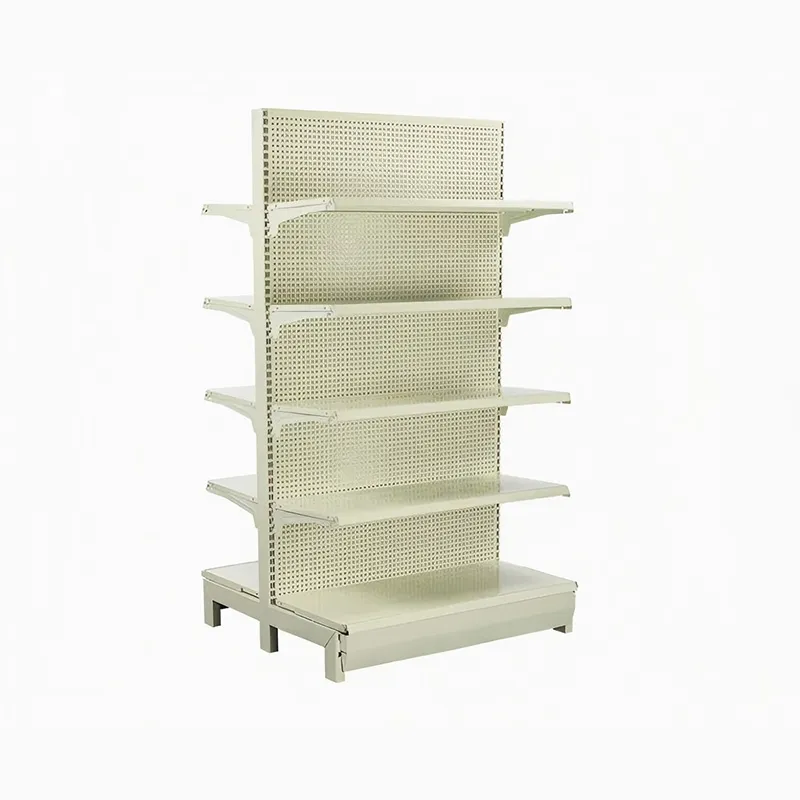
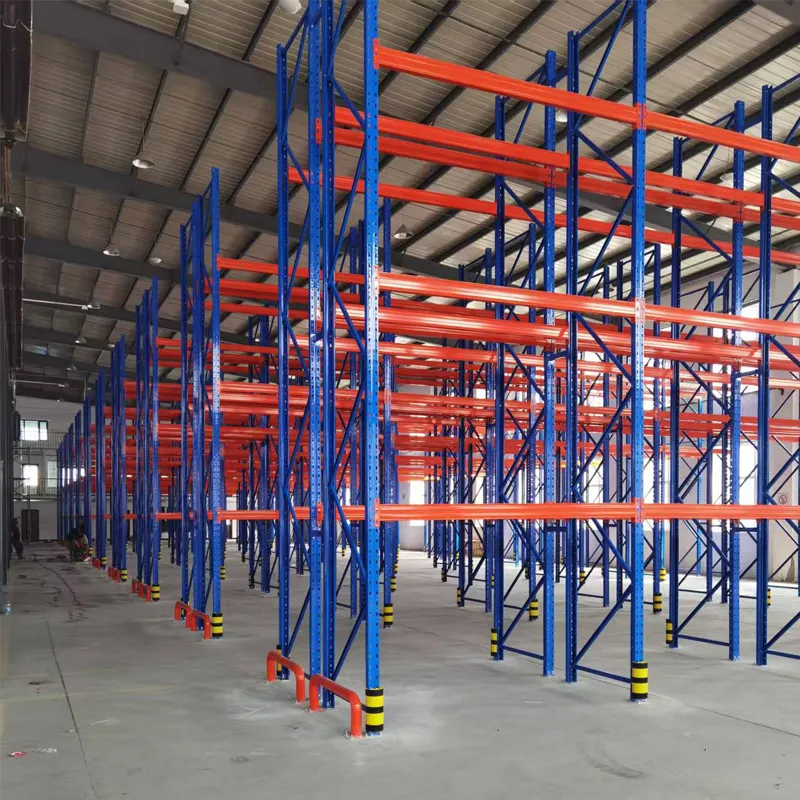
I remember one unsuccessful case in a regional supermarket. The owner saved on design by deciding to install the most capacious pallet racks right at the entrance for promotional goods. It turned out to be a barrier. The stream pushed against it, split up, people began to rush about. Impulse purchases fell, although traffic was high. I had to redo it. Conclusion: capacity is not synonymous with efficiency. Sometimes one low wallrackwith proper layout will give more sales than a bulky structure in the middle.
The quality of the equipment itself is important here. If we talk about filling this “framework?” store, then I, for example, paid attention to the products of the Harbin plant “Jusheng”. Why? When working with retailers, you often come across the fact that racks are not just hardware. This is flexibility. It is necessary to quickly change the configuration of shelves for seasonal goods, for promotions. Universal systems that allow this to be done without complete disassembly are invaluable. On their websitejshj.ruit is clear that they offer a full cycle - from design to service, which is critically important for us, practitioners. No need to run around to different contractors.
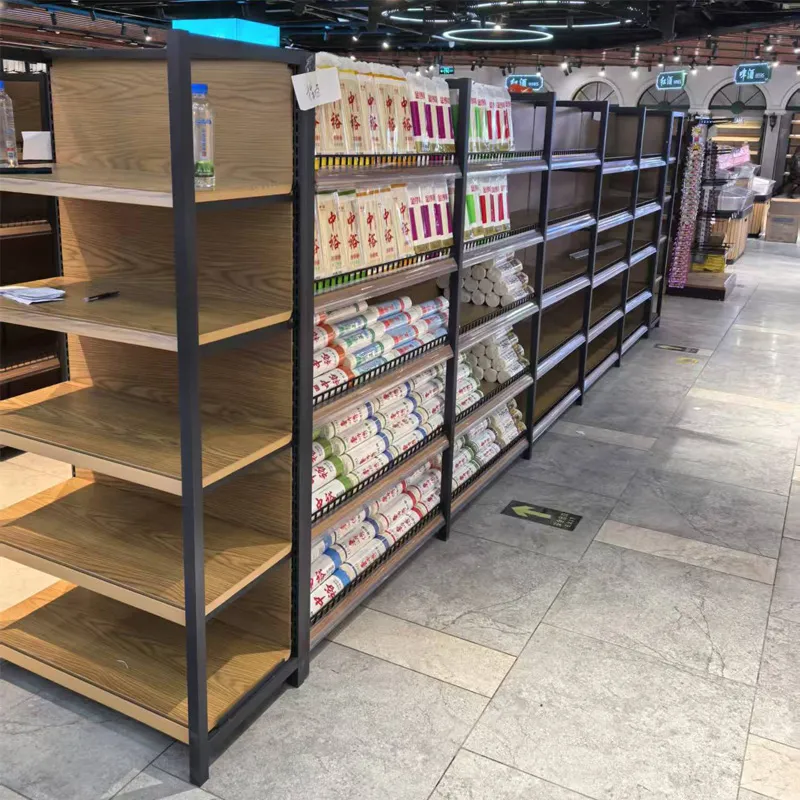
The next layer is the vertical layout. The standard shelf height in a supermarket is about 1.4-1.6 m for the main area. This is so that the person across the aisle can see other departments. But there is a nuance: the upper shelves. They often become a ?cemetery? goods. If there is no proper lighting, the product above simply dissolves in the twilight. Need directional lights on eachrack. This is not a luxury, but a necessity. We once conducted an experiment: we added LED spotlights to shelves with expensive cheeses and delicacies. Category sales increased by 15% over the month. People just started noticing them.
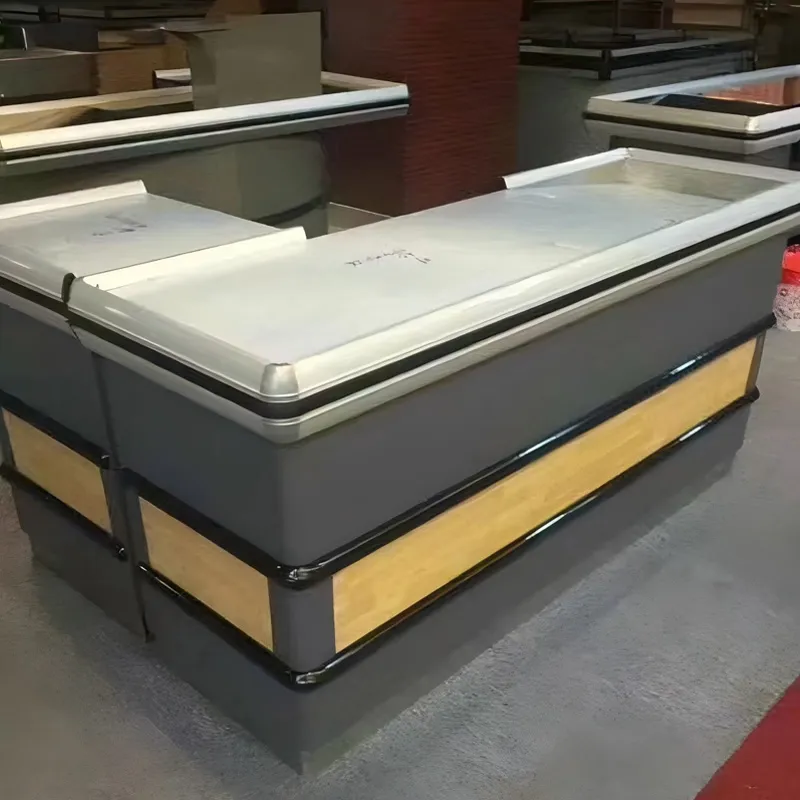
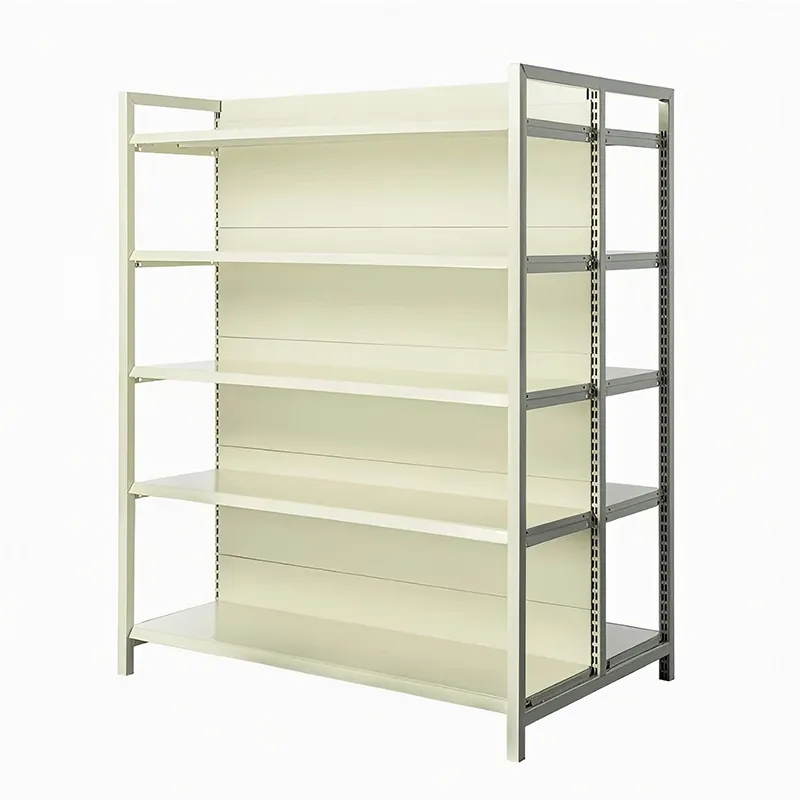
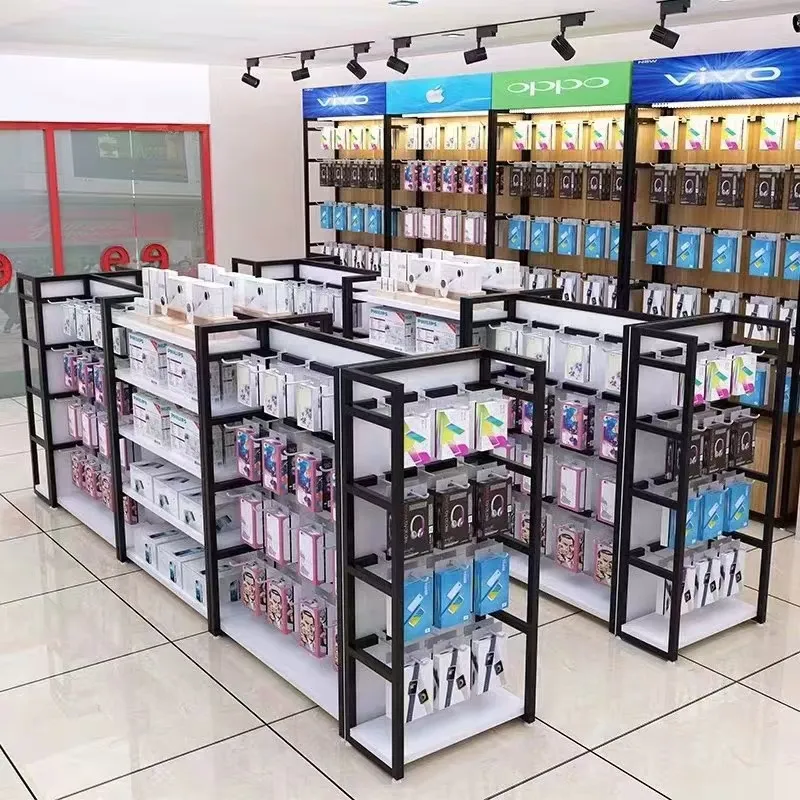
?Dead zones? - these are usually corners and areas after the cash registers. Many people are afraid of them. But they can be revived. You shouldn't put a blind in the cornerwarehouse rack, even if stock is stored there. Better is a thematic display or demonstration stand that attracts attention. For example, a corner for spices or exotic sauces with recipes. After the cash registers there is a place for small impulse purchases: chewing gum, batteries, chocolates. But it is important that these are low checkout counters that do not block the view.
And again about the equipment: such areas often require non-standard solutions. The same cantilever racks for long goods or special display stands. In the description?Harbin Jusheng Metal Structure Manufacturing Co.,Ltd.a wide range is indicated, including console and shelf systems. This suggests they understand the variety of challenges in retail. A plant that has been operating since 2019 and has such equipment can usually quickly produce a non-standard element for a specific “dead zone,” which saves a lot of time.
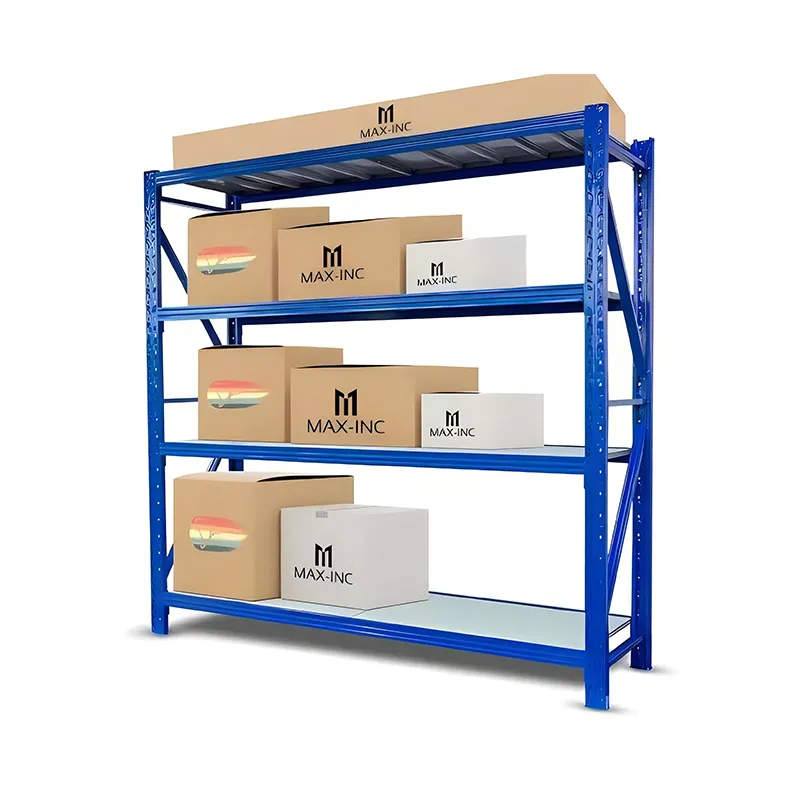
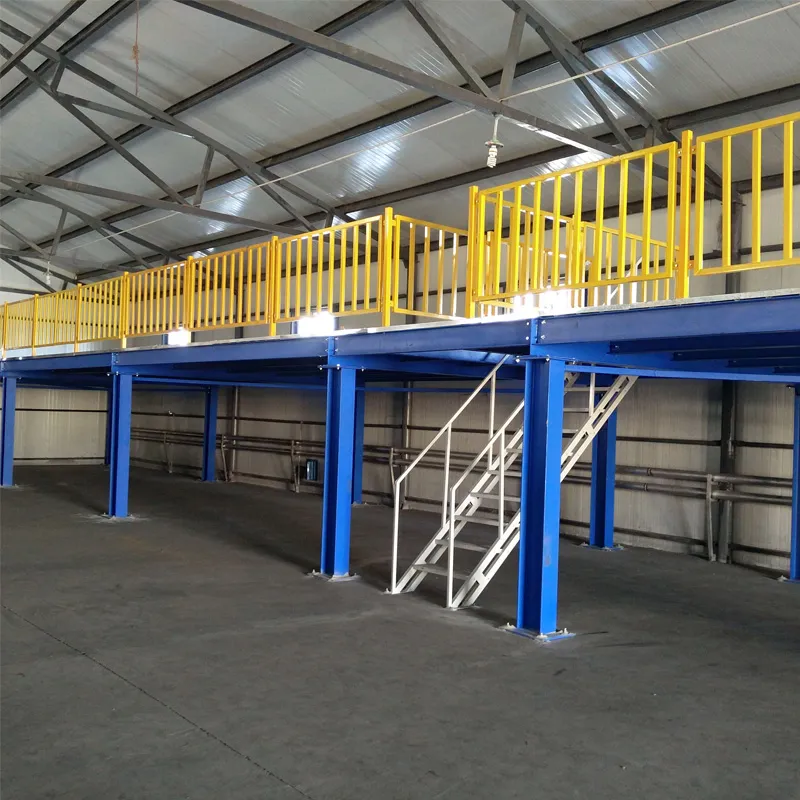
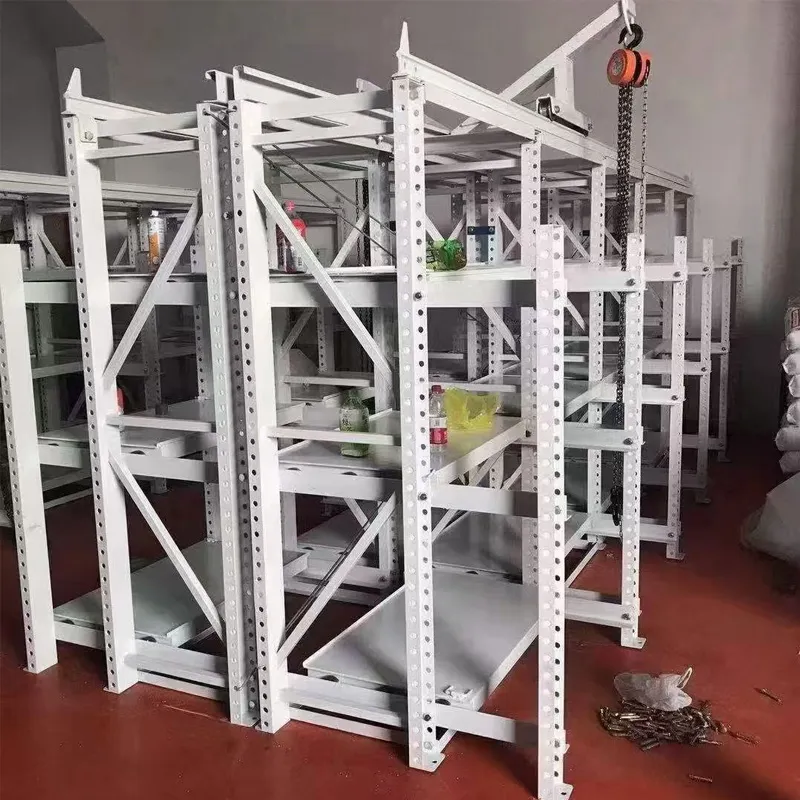
This is a sore subject for many convenience store formats. The area is limited, and the goods need to be laid out and stored. A classic mistake is to use the sametrade racks, filling the top shelves with boxes. It kills aesthetics and merchandising. The solution is combined systems. For example, in the back of the hall, hidden from customers, you can use denser and tallerwarehouse racksor even mezzanine structures. But access to them for employees must be quick and secure.
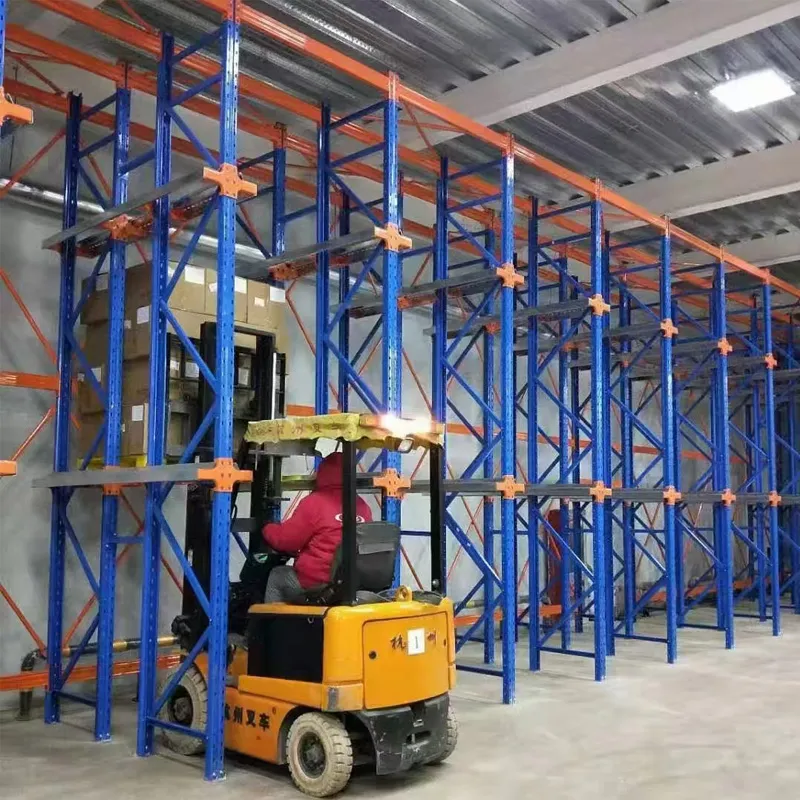
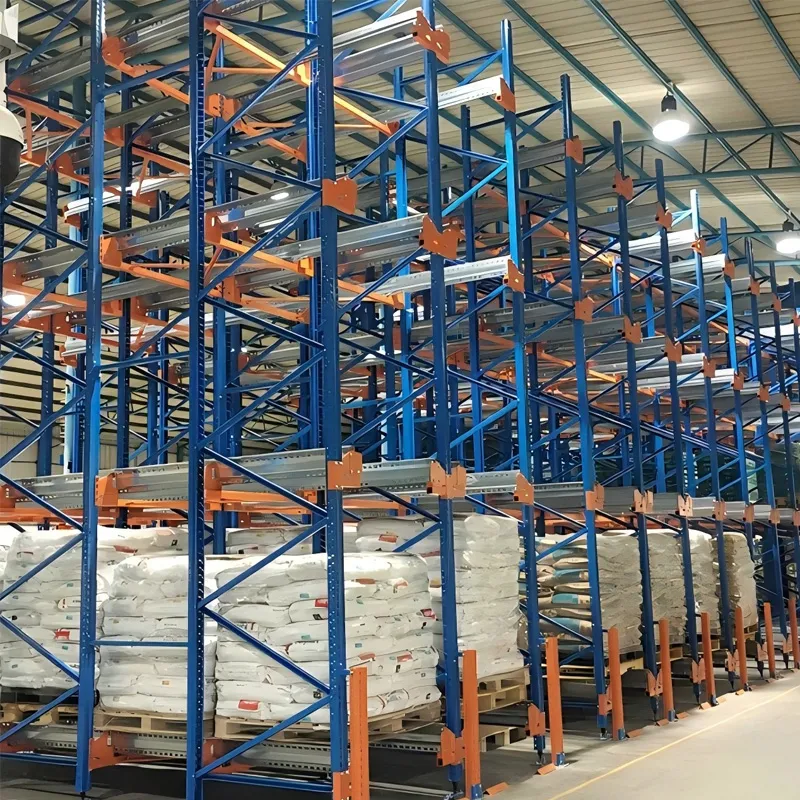
In one of my projects we implemented a “glass warehouse” system. In the utility room adjacent to the sales area, highbeam racksfrom the same Harbin manufacturer. Their advantage is fast unloading and loading with a forklift. And on the side of the hall there was not a blank wall, but a translucent ceiling with sliding doors. The result is a visual reserve: the buyer subconsciously feels that the product is in stock, and the employee can get the right pallet for display in 30 seconds. This requires accurate calculation of loads and design, which, apparently, is whatLLC ?Harbin Jusheng?at its plant in Pingfang.
An important point is the width of the passages in such hybrid zones. It should allow the equipment to work, but not create the feeling of an industrial zone in the store. There is no universal answer here; everything is calculated according to specific conditions and even the dimensions of the forklift that is in the store.
Previously, planning was done for years. Now - for the season. Winter has come - you need to move forward the racks with sleds and antifreeze. Summer is the place for grills and cold drinks. Therefore, static, tightly fixed structures are becoming a thing of the past. We need systems that can be reconfigured by two or three employees overnight. This applies not only to the racks themselves, but also to attachments: hooks, holders, price tags.
I appreciate it in suppliers when they offer not just hardware, but a system of fastenings and accessories. From the description of the ?Jusheng? it is clear that they cover the full cycle, including design. This means that you can discuss with them not just a purchase, but the development of a modular system for a specific network. This is another level of partnership. When the manufacturer realizes that itshelf racks- this is part of the living organism of the store, which is constantly changing.
The disastrous experience was when we ordered beautiful but unique non-standard shelving for the launch of a line of eco-products. The ruler did not fire, and converting these structures into something else turned out to be more expensive than throwing them away. I've been a proponent of modularity ever since. Even if the initial investment is a little higher, it pays off due to adaptability.
Ultimately, a successful store layout is not a diagram on paper. It's a feeling. A feeling of spaciousness, even if the area is small. A feeling of abundance, but not chaos. The feeling that you have found everything you need, and even something pleasant on top of that. And the racks here are not the main characters, but rather decorations and guides, which must be of high quality, reliable and quietly do their job.
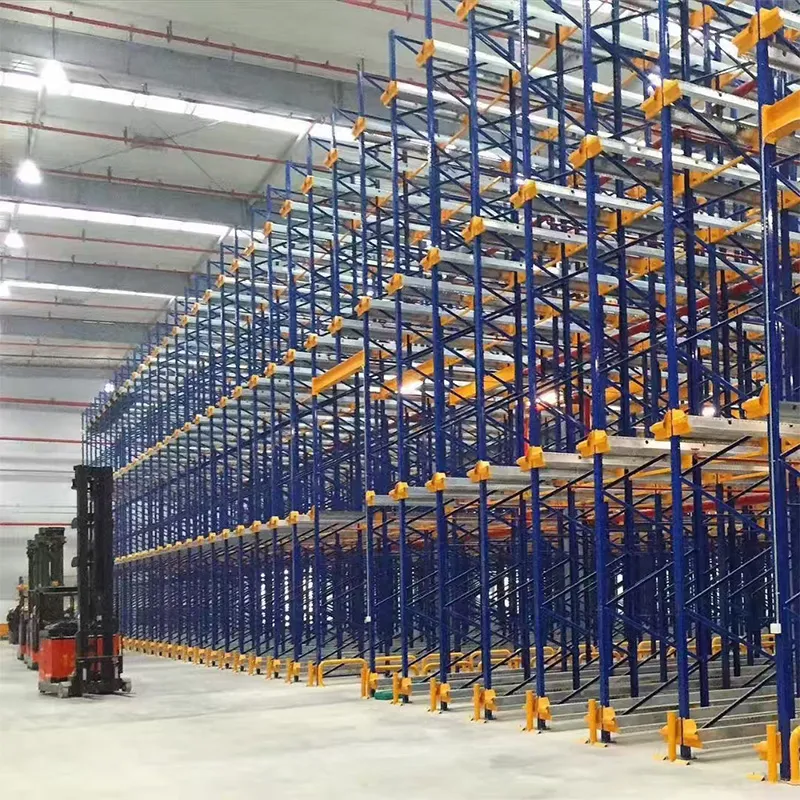
Therefore, choosing a partner for equipment is not just a matter of purchasing. It is a search for someone who understands this philosophy. Who knows whatrack for four-way shuttlesneeded for a high-tech warehouse, and ease of refacing is important for a sales area. When you see that a company, like the one from Harbin, develops a full range - from warehouse solutions to trading, this indicates a deep understanding of the entire chain of movement of goods. And this is exactly the dialogue that is needed when planning.
When working on any object, I now set aside time not only for arrangement, but also for test days. We launch the layout, look at the real movement of people, at the “shabby” ones. places on the floor where people step on most often, and then we adjust. It's never perfect the first time. The main thing is to have a tool (including a physical one, in the form of racks) that will allow this adjustment to be made quickly and without large losses. This, in my opinion, is what we should be talking about.