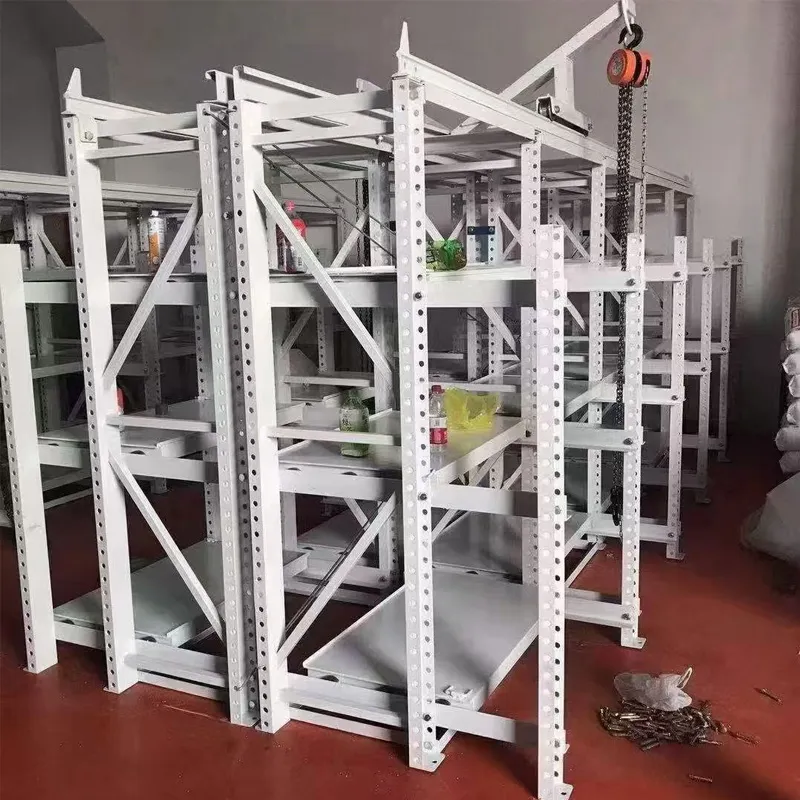
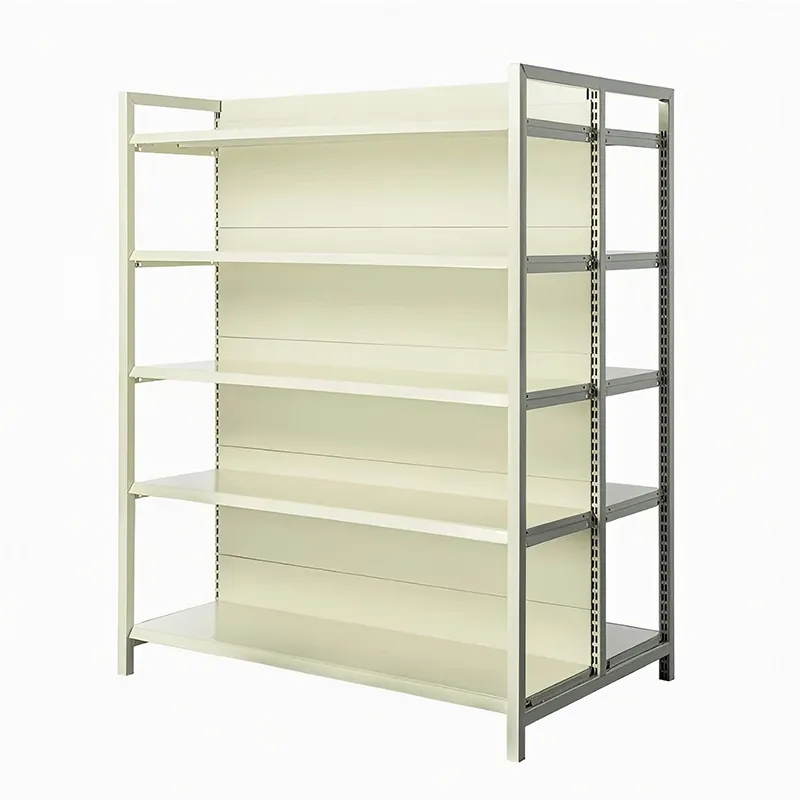
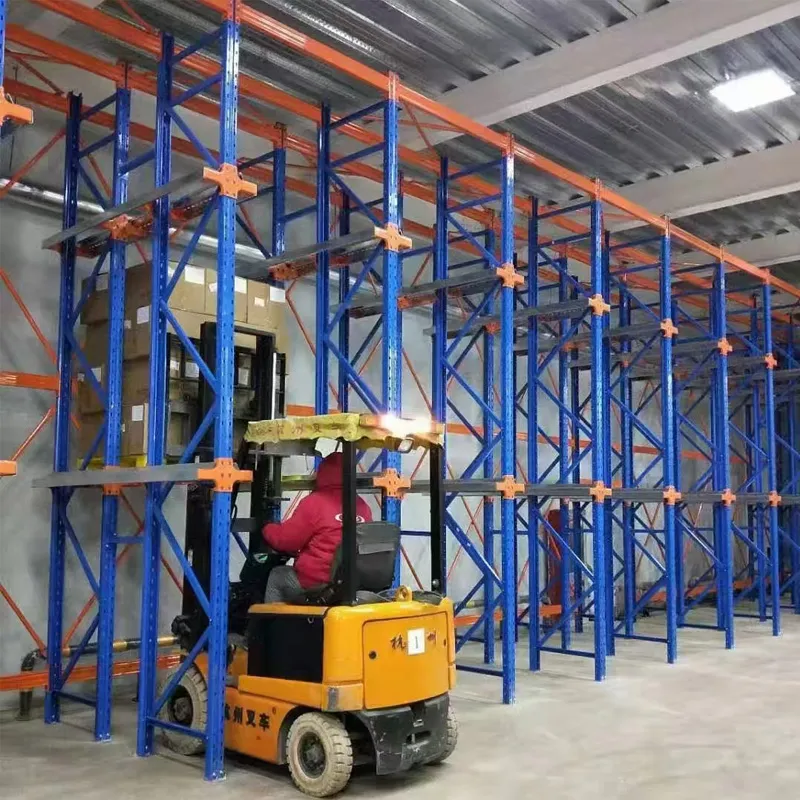
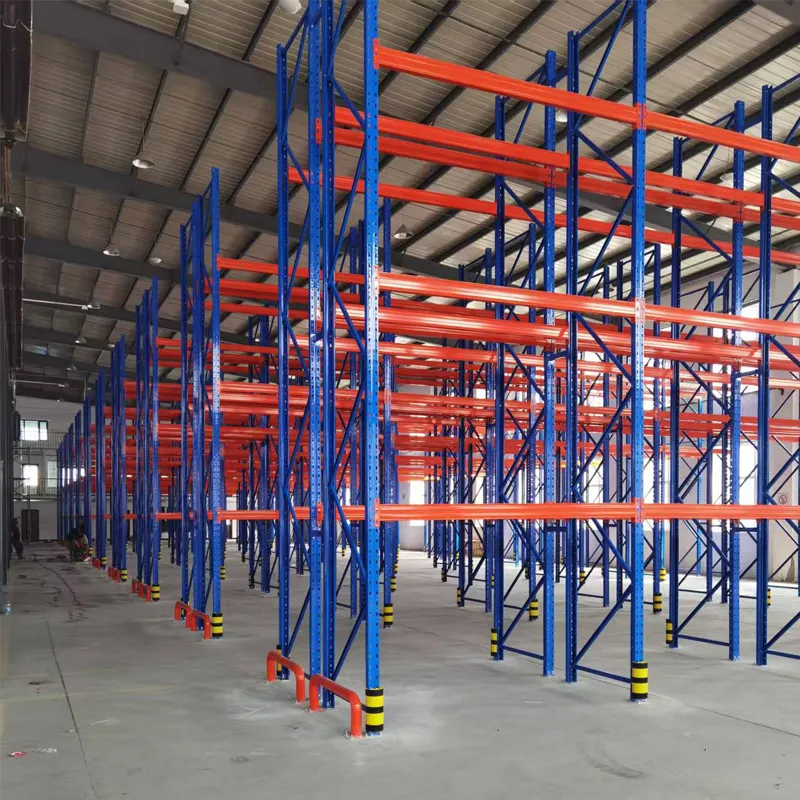
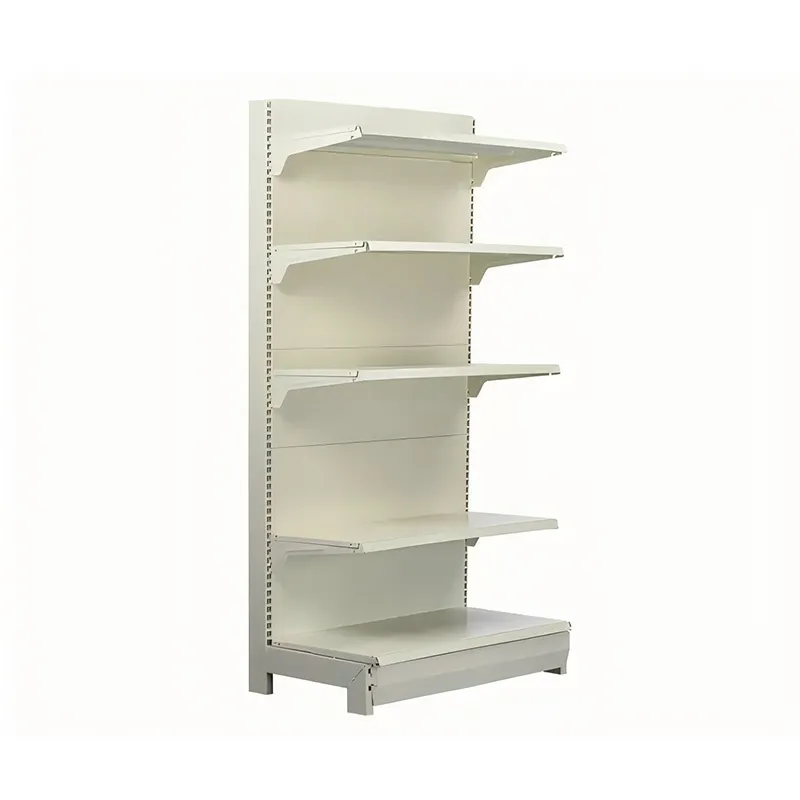
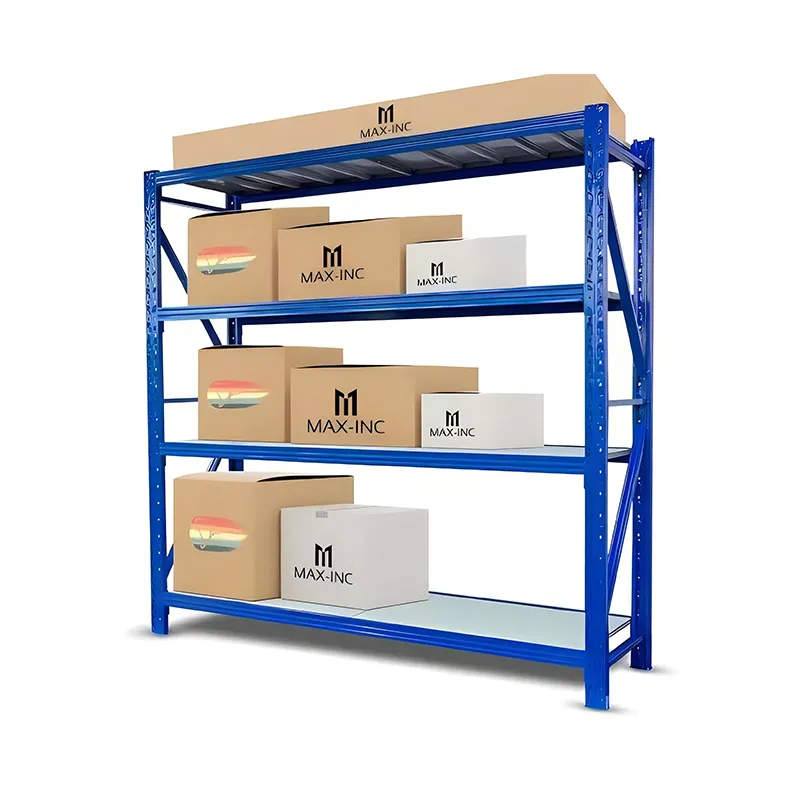
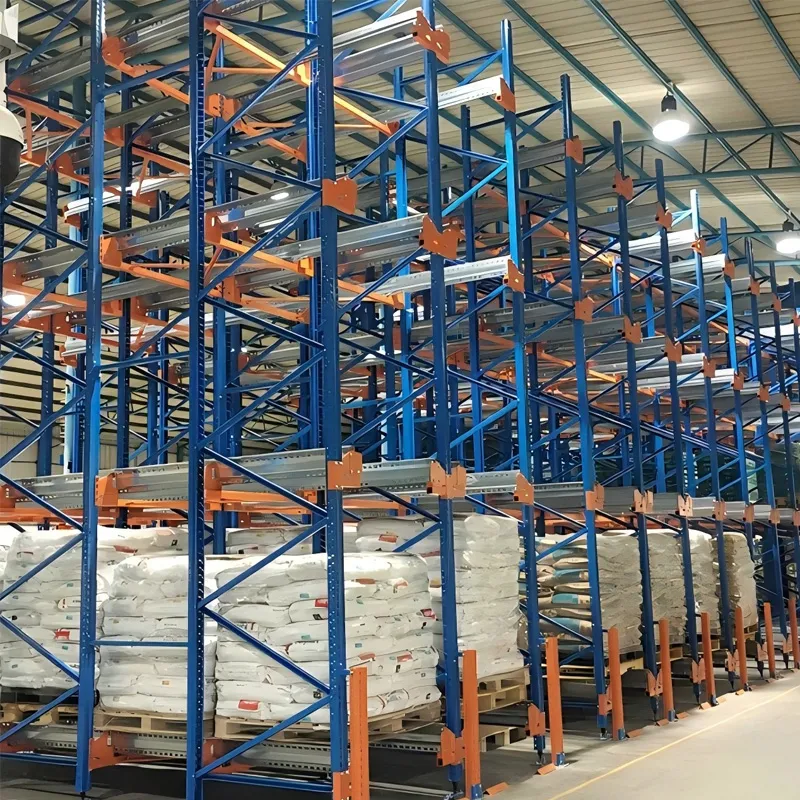
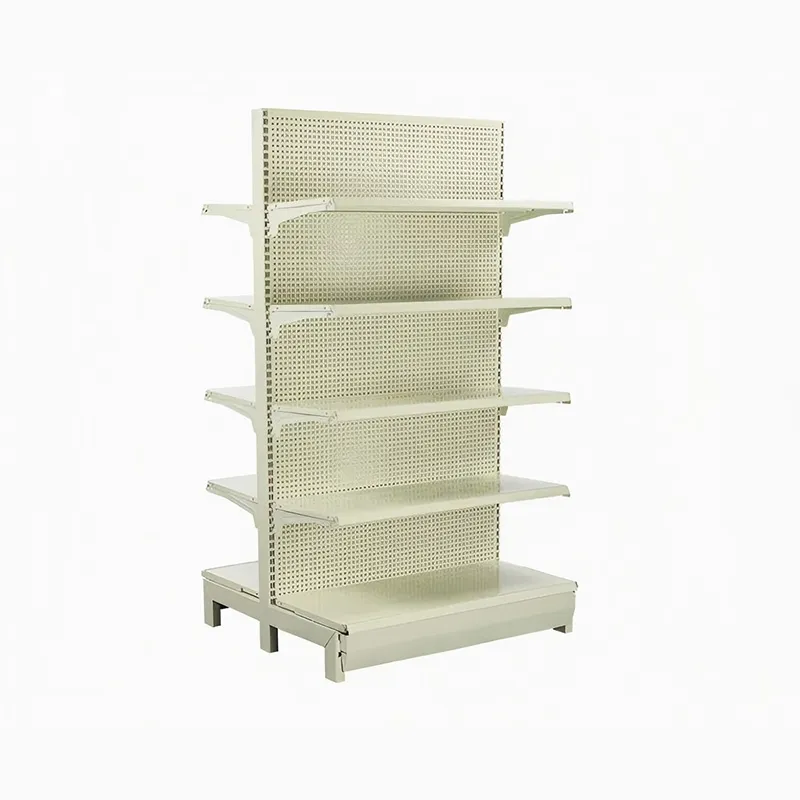
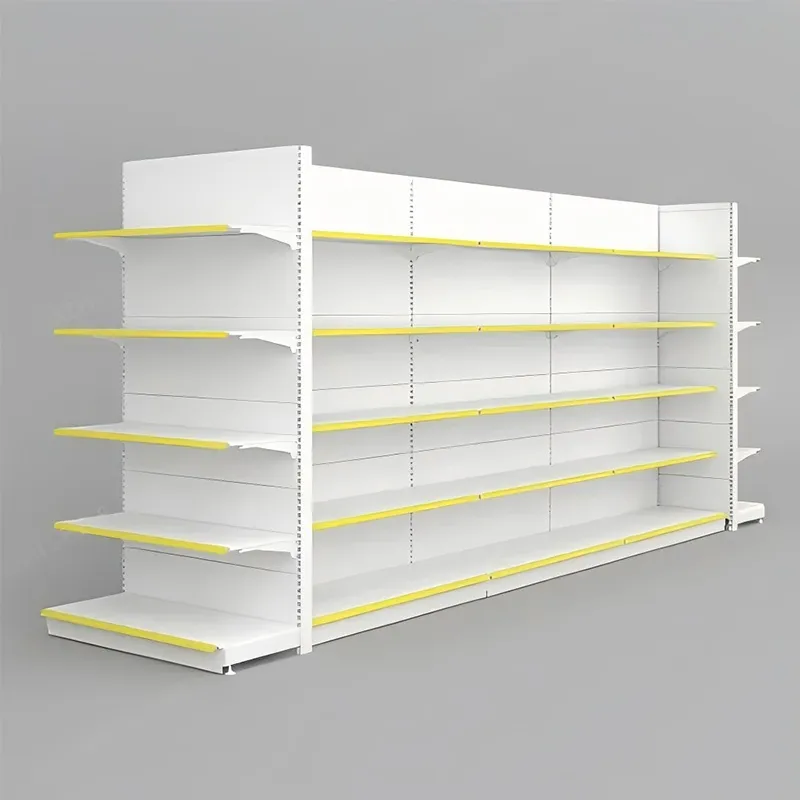
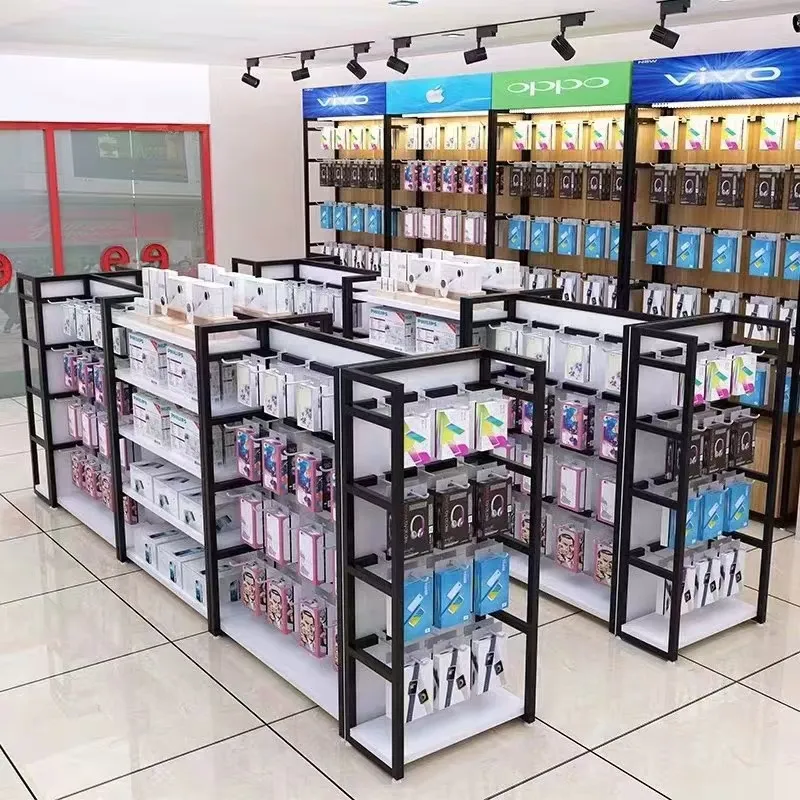
When a client asks for “standard shelving sizes,” he often expects a simple table: height, width, depth. But this is where the first pitfall lies. The concept of "standard" in our business it is very conditional. It is strongly tied to the type of rack, to the region, even to the raw material base of the plant. For example, there are one standards for shelf racks for a sales area, and completely different standards for warehouse pallet racks. And if you start working with them, you quickly understand that the “standard” - This is often a starting point for adaptation, rather than a ready-made solution.
A lot depends on the rental. The width of the steel sheet roll, the profile that the equipment bends easily - this forms a certain technological frame. In our production, at the plant of Harbin Jusheng Metal Structures Manufacturing LLC, there are several automated lines. They are configured for efficient cutting and waste minimization. Therefore, say, a shelf depth of 350, 500 or 600 mm is not a random number. This is optimization for a half-meter sheet, for multiple sizes, in order to cut without huge residues. But this is our internal technical process. Colleagues with different equipment will have their own “round” ones. numbers.
The second factor is the typical dimensions of the cargo. For pallet racks, everything is more or less the same: the cell depth is 1000 mm or 1200 mm for euro and fin pallets. But even here there is a nuance. A standard pallet is 800x1200, but if you put it in a rack with a depth of 1200, the overhang will be 200 mm. This is acceptable, but for some fragile cargo it is already critical. We have to explain to the client that sometimes it is better to make the depth 1100 or 1300 so that the pallet fits with a minimum gap, but this is already non-standard and more expensive. And here you no longer show a table, but consider the specific logistics of his warehouse.
And the third, most important point is the construction standards of the facility. Height. Everyone wants to use the cubic capacity to the maximum. The standard height of a collapsible rack is often limited to 6-8 meters without special calculations. But if the ceilings are 11 meters, then “standard”? ends. It is necessary to strengthen the structures, change the cross-section of the racks, and introduce additional connections. We are in ?Jusheng? We often encounter such problems: the client sends a floor plan with a height of 10.5 m and asks for a “standard design”. It doesn't happen. You have to design almost from scratch, although based on proven components.
We had an illustrative case. A customer from Novosibirsk requested archive shelving in “the most common sizes?”. We shipped standard shelf units with a shelf depth of 400 mm. And when they installed it, it turned out that their boxes - old, Soviet - had a depth of 450 mm. Not only did they not fit, they stuck out, obstructing the passage. I had to redo the entire batch of consoles and shelves. Losses. Now we always add the following item to the customer’s questionnaire: “Actual dimensions of the storage unit (not nominal, but measured!)?” This simple rule has saved dozens of projects.
Another story is related to the load. There are standard gradations: 150 kg per shelf, 500 kg, 1 ton. The client sees the figure ?500 kg? and rejoices. But it does not always take into account dynamic load - forklift impact, vibration, uneven weight distribution. Once they installed racks at the stated capacity of 800 kg/level. The client began to place 600 kg barrels of liquid on them. It seems to be normal. But the barrels stood in a row, the load was not distributed, but concentrated at three points. Six months later, the shelves bent, did not break, but the deformation was visible. Since then, in the specifications we have always highlighted in bold: ?standard shelving sizesand loads are given for uniformly distributed weight. Is individual calculation required for spot heavy loads? This is not a quibble, this is a necessity.
The first thing our engineer does when receiving a request is ask questions. Not about size, but about content. What will be stored? In what container? What equipment is serviced? What is the height of the room and the condition of the floor? Often after this dialogue the initial ?standard? the project changes by 30-40%. For example, a client wants beam racks for long items. The standard column spacing is 2.7 meters. But if it has pipes of 6 meters, then it is more logical to take a step of 3 meters in order to put two pieces in a span, and not three with extra consoles. Savings for both him and us in terms of metal.
Our advantage as a full-cycle plant is the ability to make quick adjustments. Let's say you receive a request for racks for four-way shuttles. They have their own “standards” along the width of the guides and the height of the tiers, rigidly tied to the shuttle model. But if a customer has a non-standard pallet or wants to increase the height by 50 mm for a tighter stack, we can reprogram the cutting and bending lines to accommodate these millimeters. This is not a disaster, as it would be for a company that works only with ready-made catalogs. The website https://www.jshj.ru, by the way, reflects this approach: we do not post one table of sizes, but focus on designing for the task.
And here’s what’s important: even within the framework of, say,standard shelving sizesmezzanine type, we always provide a reserve. Because at the site it may turn out that the ceiling needs to be strengthened for specific equipment, or in a year the client will want to add another level. If initially everything was designed “back to back”, such modernization will be impossible. That's why ours are "standard" drawings often have a stronger profile than the minimum allowable. This is not to increase prices, this is for the future.
Operating in northeast China, we are heavily dependent on local metal warehouses. Thickness, steel grade, protective coating - all this affects the final geometric capabilities. Sometimes ?standard? a depth of 1200 mm when using a thinner sheet requires additional stiffening ribs, which changes the design. We have our own large workshop in Harbin, in the Pingfang district, which allows us to purchase rolled products in large quantities and be confident in the consistency of its characteristics. This, by the way, is one of the reasons why we can maintain stable quality even with non-standard sizes.
For the Russian market, where we supply a lot, there is one more nuance - climatic. There is one standard polymer coating, say, for shelf racks in a heated store. But for an unheated warehouse in Siberia, you need something else, with a wider temperature range. And this, again, can affect the production technology and, as a result, the permissible spans and loads. This is rarely written about in catalogs, but in real life, when discussing a project, it always comes up.
They exist, but as a language, not as a dogma. This is a common set of rules and proven solutions that speeds up dialogue. When I say “pallet rack, depth 1200, height 6500?”, any of my colleagues will understand what type of design I am talking about. But before putting it into production on our lines, I will definitely check the floor plan, load data, and wishes for future expansion.
Therefore, our plant, Harbin Jusheng LLC, positions itself not just as a catalog manufacturer, but as an engineering company. Yes, we have our own internal standards to optimize production. But the final product is always a balance between these technological norms and the unique requirements of a particular warehouse or sales area. And the greatest value is the ability to find this balance, and not blindly follow the lines in the table. In the end, the rack has been standing for years, and the convenience of working with it every day is more important than formal compliance with “standard sizes?” from the Internet.