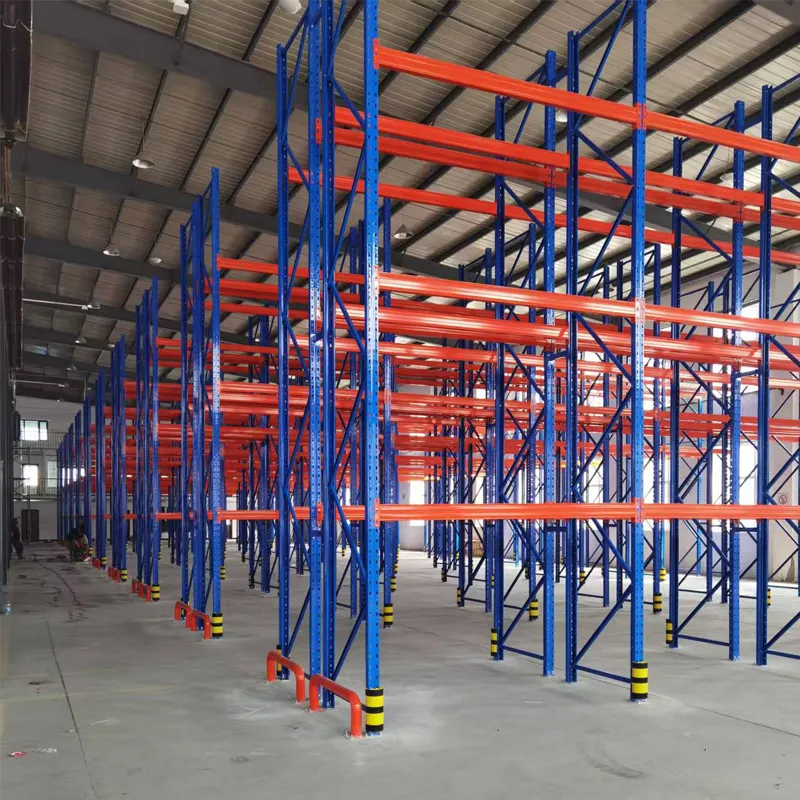
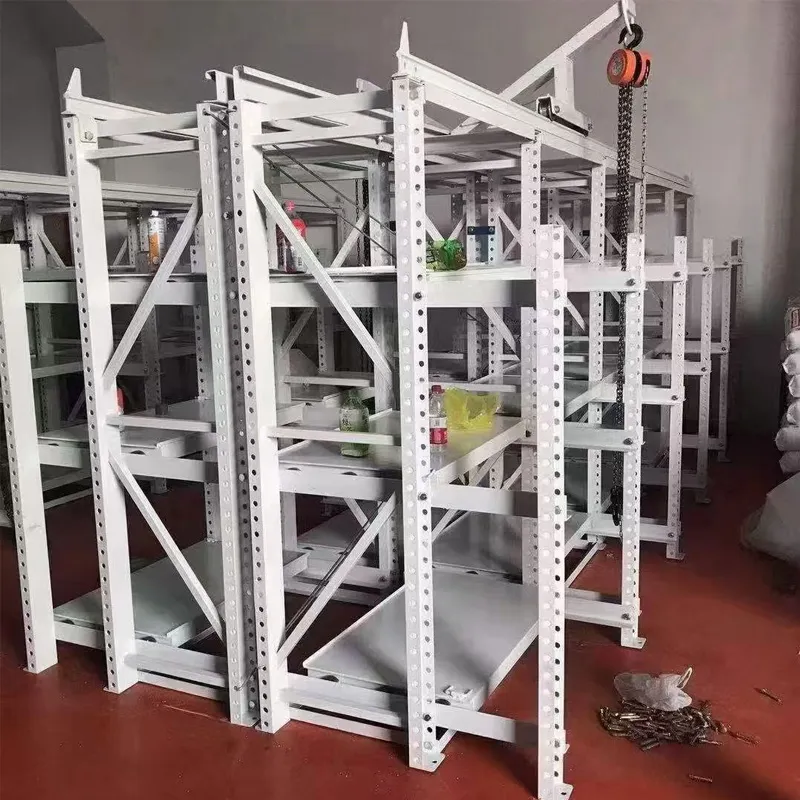
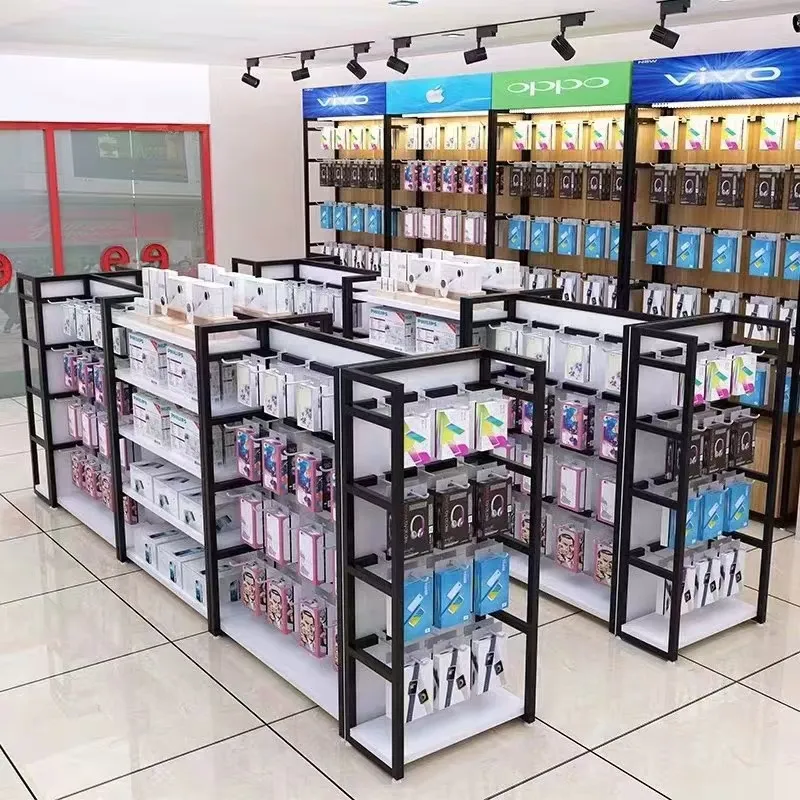
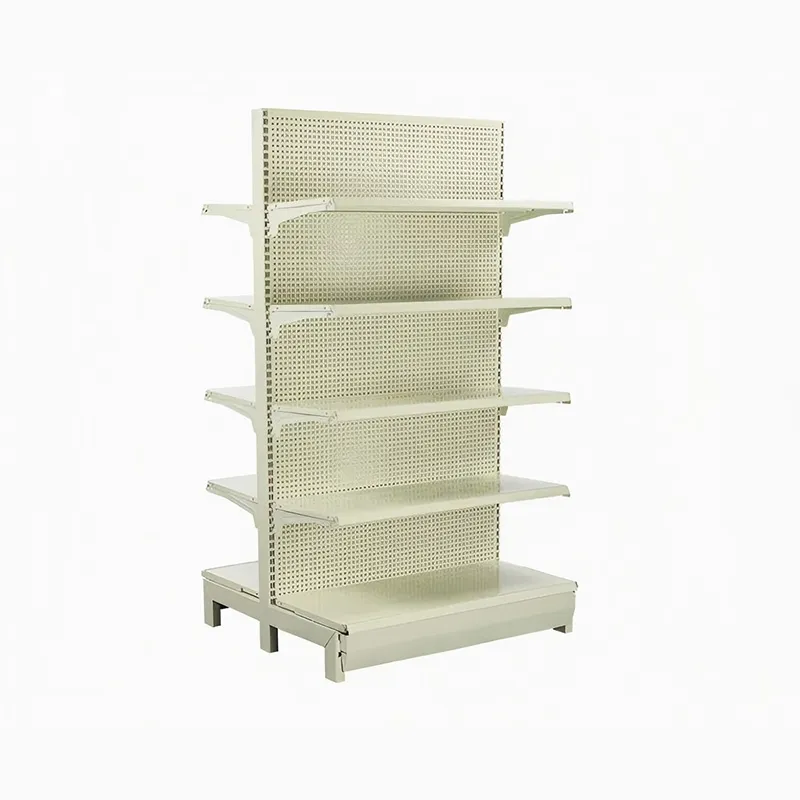
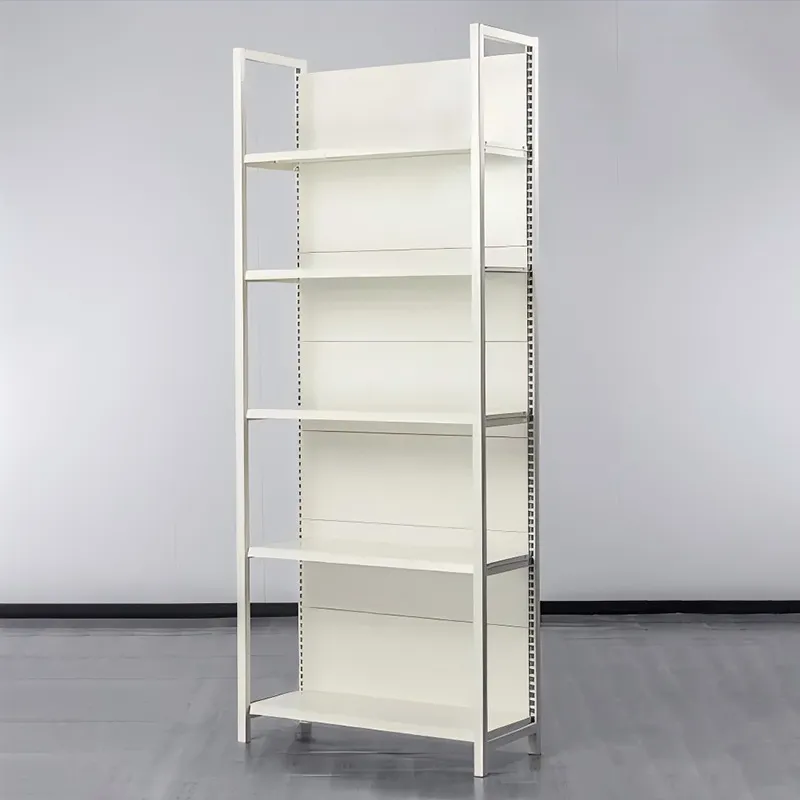
When you hear “steel racks,” many people think of simply welded corners. In reality, this is a complex structure where every millimeter and grade of steel matters. An error in design or saving on material can lead not just to inconvenience, but to collapse. I myself saw how “optimized” it was. the beam under a load of 80% of the declared one began to “float”. Therefore, the key for me is a systematic approach, from calculation to installation.
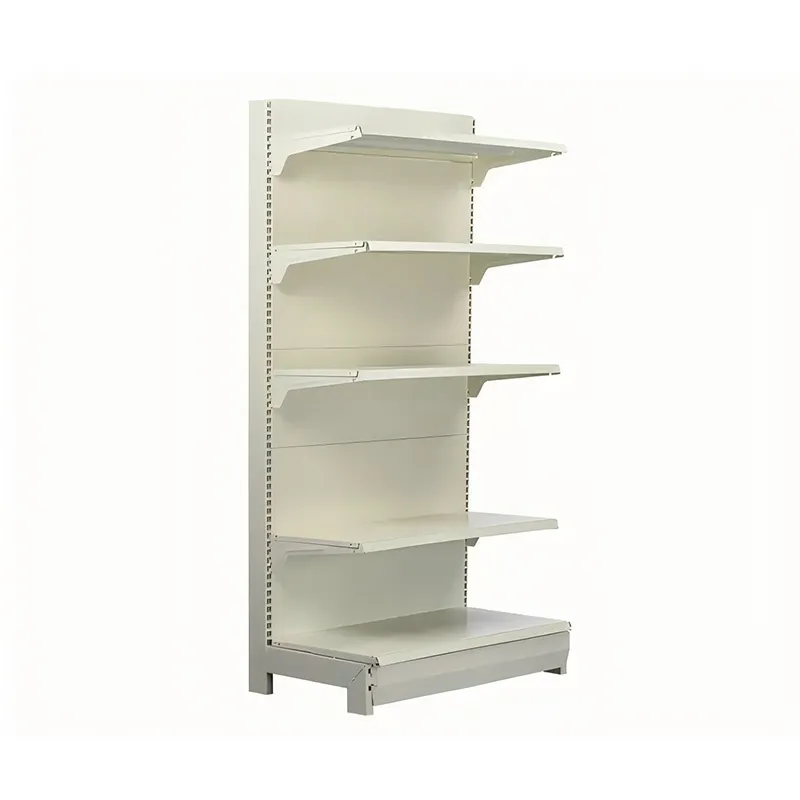
An ideal project on paper often comes up against the realities of a workshop or warehouse. The height of the ceilings, the condition of the floor, the location of the columns - all this can force you to revise the configuration on the fly. For example, classicshelf racksfor the archive seemed like a simple solution, but unaccounted for vibration from nearby equipment led to constant self-loosening of the bolted connections. It was necessary to supplement the design with elements of rigidity.
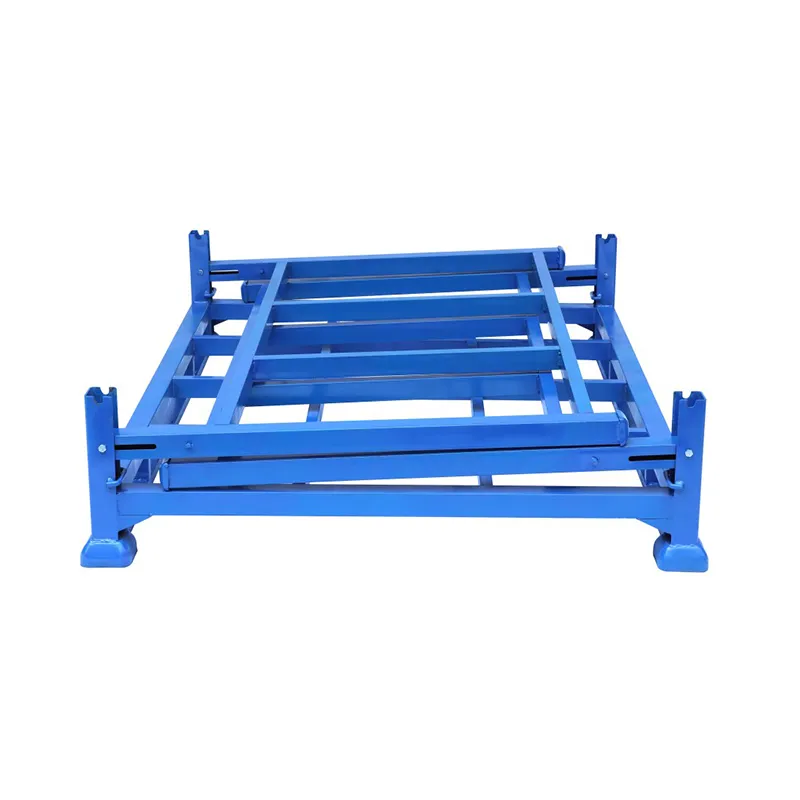
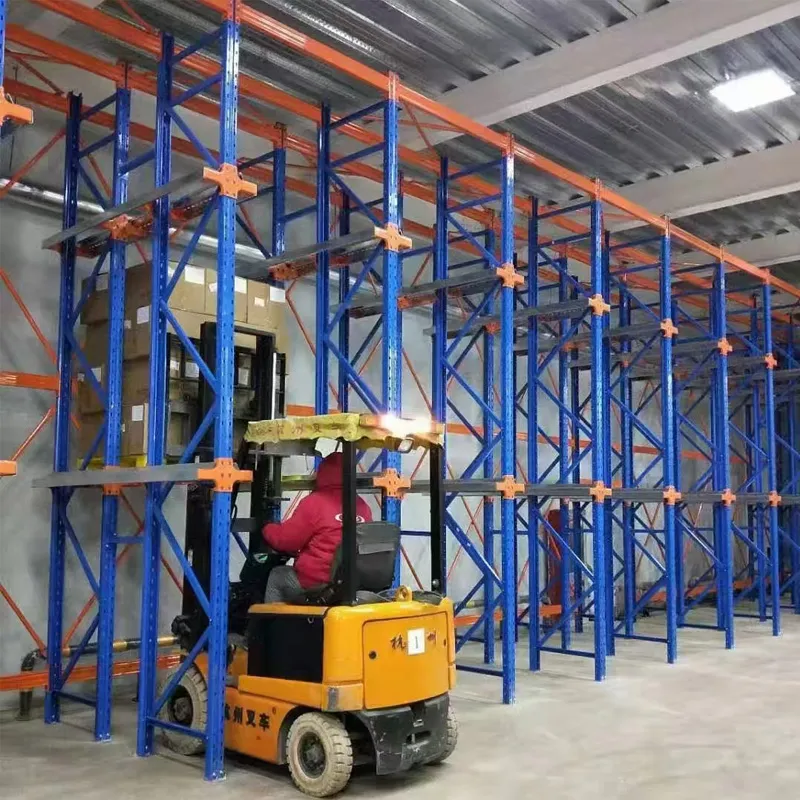
Another point is unification. Often customers want a unique solution for each site, but this kills logistics and increases the cost of service. It is much more practical, as, for example, the Jusheng plant does, to offer modular systems. Theirwarehouse racksbeam type are built on the basis of a set of standard elements, which allows you to quickly combine height and depth without inventing a new fastening each time.
It is worth noting here that a good manufacturer does not just sell hardware, but leads the project. On the website?Harbin Jusheng Metal Structure Manufacturing Co.,Ltd.it is clear that they position themselves as a full-cycle enterprise: from design to service. This is the right approach. Because editing is half the battle. It is also necessary to foresee how this system will expand or change to suit new tasks.
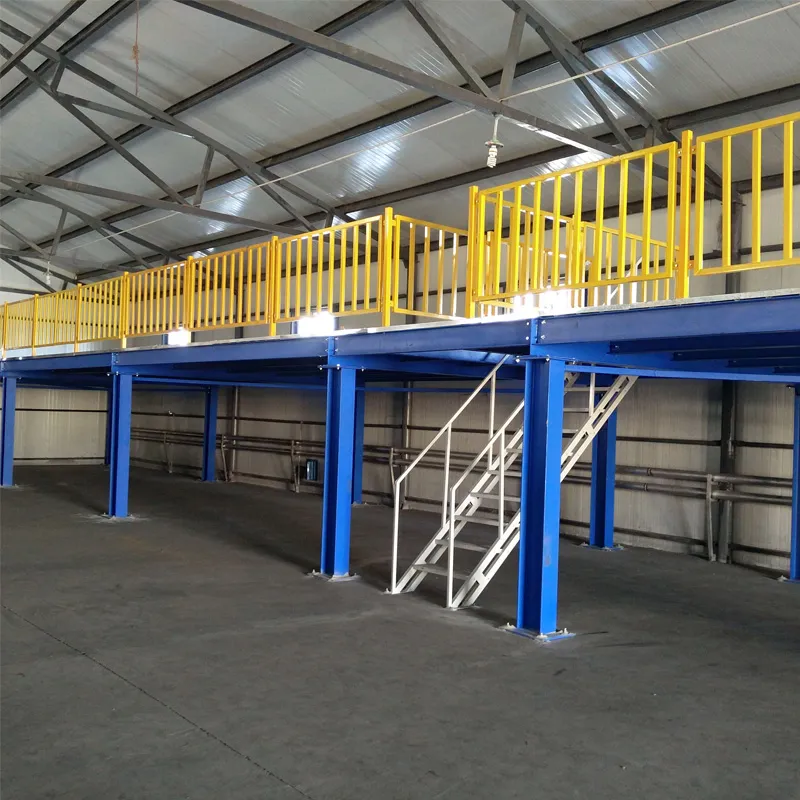
Hot-rolled, cold-rolled, different thicknesses, yield limits... For the uninitiated, it’s just “metal”. But the difference in behavior under load is colossal. For high altitudemezzanine shelvingthe slightest deflection of the supporting beam on the lower tier can create critical stress along the entire vertical. That is why incoming control of raw materials is so important, which many are silent about.
Coloring is a separate issue. Powder coating is not just about aesthetics. This is protection against corrosion in unheated warehouses and against aggressive environments in some industries. I saw racks in a food production plant where, after a year, pockets of rust appeared on the poor-quality coating. Everything had to be dismantled and repainted, stopping the work of the site.
The automated lines that Jusheng has are just about quality stability. Robotic cutting and welding result in less human error, which means fewer defects in geometry. For prefabricated structures, where all elements must fit perfectly together, this is critical. Uneven mounting holes are an installer's nightmare.
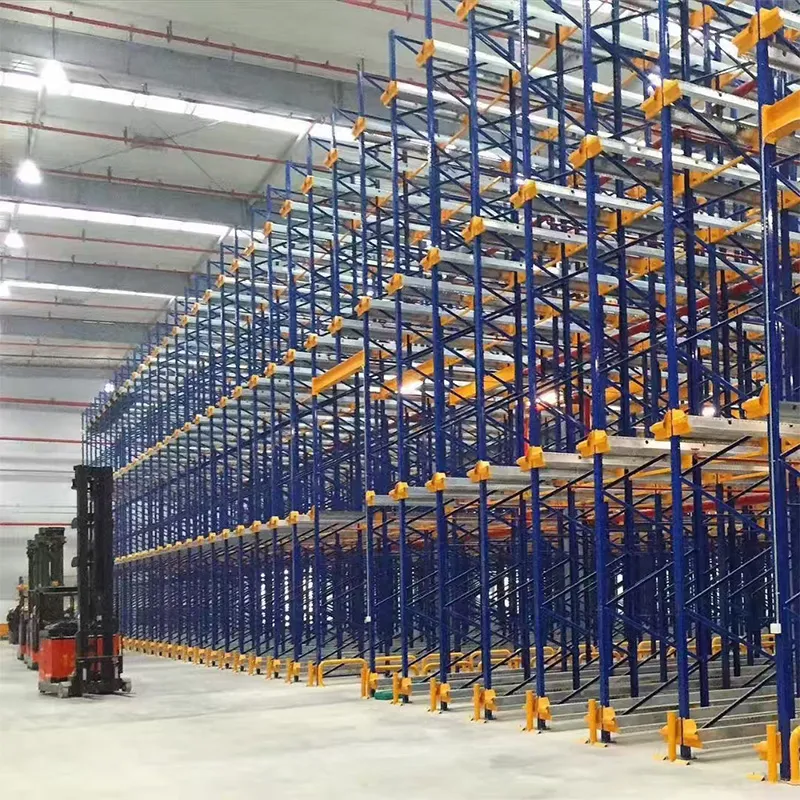
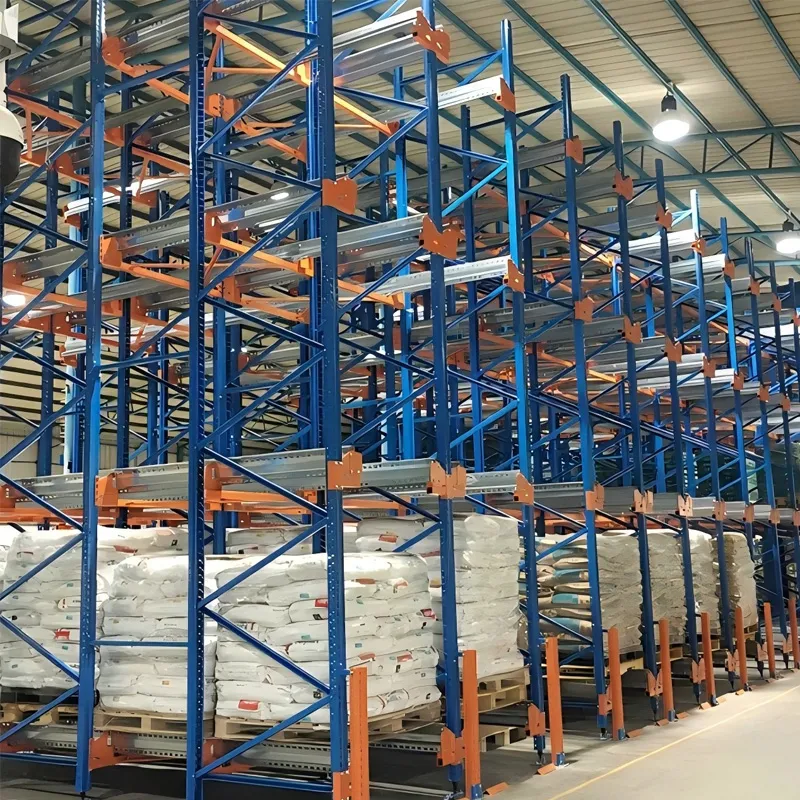
Frequent request: “Make us shelving like the neighbors have?” But if your neighbor stores boxes of clothes, and you store cast iron blanks, then the solution should be fundamentally different.Cantilever racksfor long lengths,racks for four-way shuttlesfor a high-intensity warehouse, these are different worlds in terms of dynamic loads and logistics within the system.
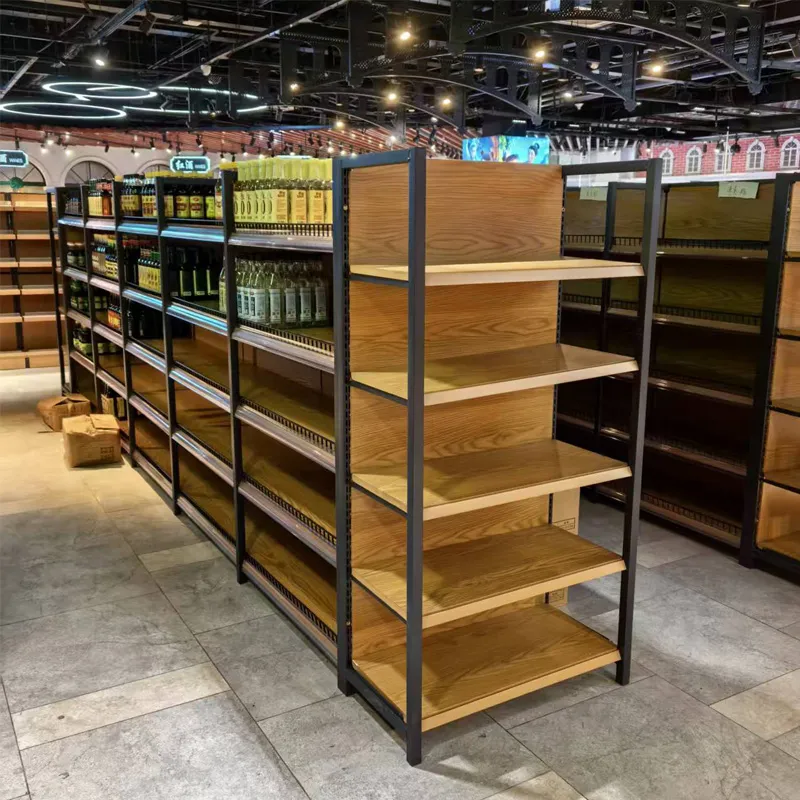
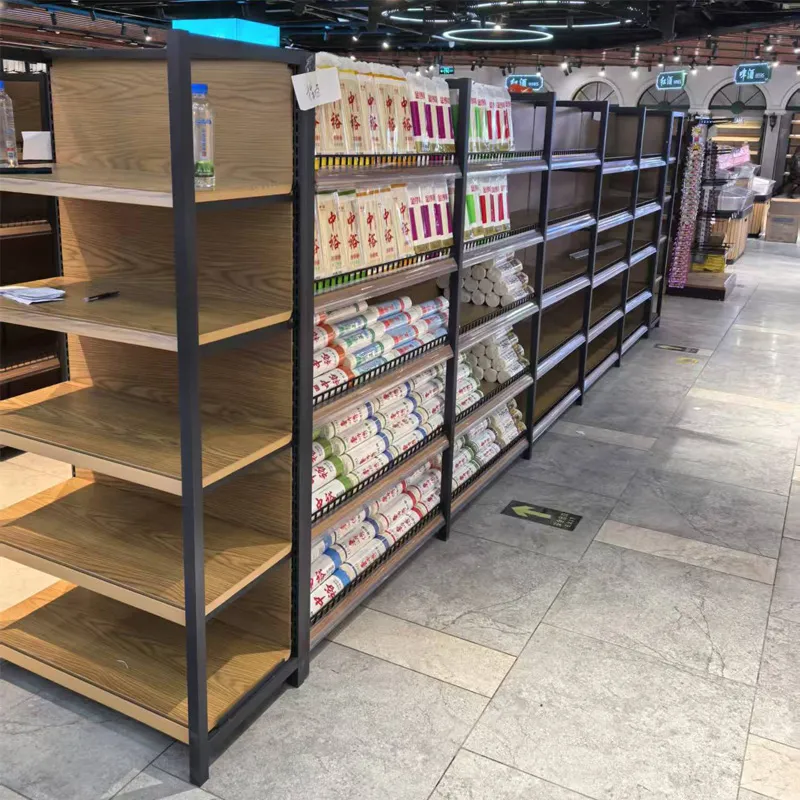
The experience of a company that produces a wide range of systems comes in handy here. This is not just marketing. This is the understanding that a sales floor requires ease of assembly and a presentable appearance, while a heavy warehouse requires a margin of safety and the ability to work with a forklift. On their website, the description shows that they cover trade, warehouse, and complex automated solutions. This indicates a serious engineering base.
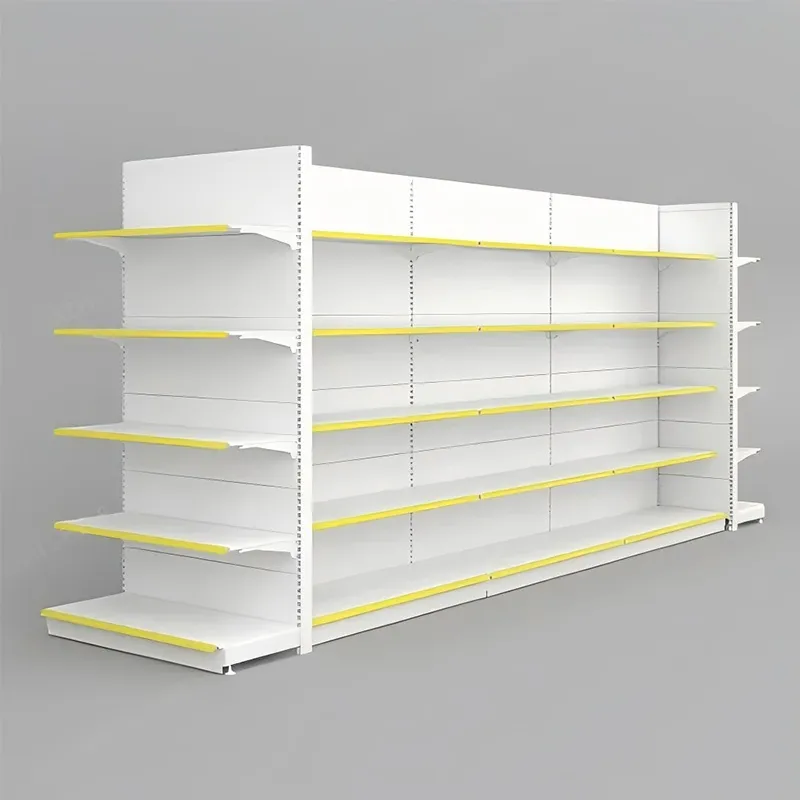
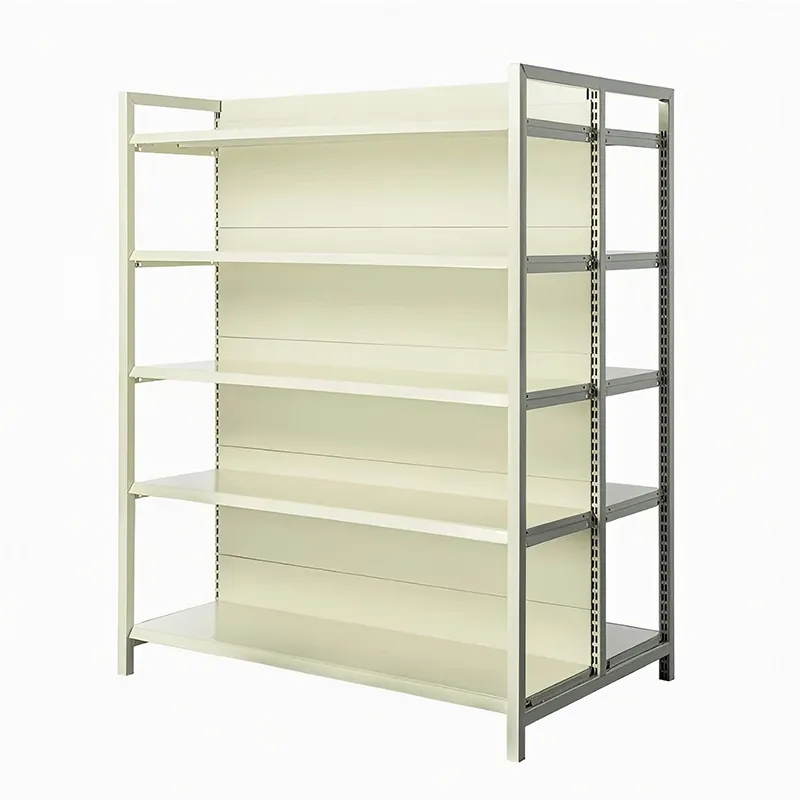
We once tried to save money by installing lightweight shelf racks in the intermediate storage area for parts. It seemed to weigh little. But the frequency of the fences/sets created a cyclic load that the structure was not designed to withstand. The racks began to get tired. Conclusion: it is necessary to consider not only the static load, but also the dynamics and cyclicity.
The most common problem on site is inconsistency of the foundation. The floor may have a slope that is not indicated in the building data sheet. Assembling a frame level on such a floor means getting a skewed and stressed structure. You have to use adjustable supports or lay down tiles, which, strictly speaking, is not according to GOST, but reality dictates its own rules.
Another nuance is the human factor during assembly. Even with perfect drawings and markings, installers can over-tighten or under-tighten a connection. For critical structures, we always recommend a control tightening of bolts a couple of weeks after commissioning, when the system has “settled down”. under load. Not everyone offers this after-sales service, but it is invaluable.
Large manufacturers that have their own installation teams, as indicated in the description of “Harbin Jusheng”, usually work out these processes to the point of automation. They know the weak points of their systems and what to look for first. This greatly reduces risks on site.
The trend now is towards flexibility. The racking system should not be a monolith for decades. It should allow you to adapt to changing business processes. Therefore, modular and combined solutions look promising. For example, the same company lists beam, shelf, and shuttle systems in its product range. This allows the design of hybrid storage areas.
Automation isn't just about shuttles. This also includes correct design for a specific vehicle: the width of the driveways, the height of the forks, the turning radius. Often a beautiful design is simplified at the implementation stage because it turns out that the stacker cannot turn around in the design aisle without the risk of hitting the rack.
In the end, back to the beginning.Steel racks- this is not a product, but an engineering product. His choice is not a comparison of the price per ton of metal, but an assessment of the supplier’s competencies: whether he can calculate, produce, install and, most importantly, be responsible for the final performance of the system. It is precisely the full cycle that serious market players emphasize that becomes the key argument. After all, in the end, we are not buying shelving, but effective cubic meters of usable space.