When you hear “cold rolled steel shelving,” the first thing that comes to mind is something strong, durable, and perhaps even premium. But in practice, especially in warehouse logistics, this concept is often overgrown with myths. Many customers are confident that cold-rolled steel automatically means “eternal” steel. shelves that do not require load calculations. This is a dangerous misconception. The cold rolling process itself actually produces more accurate geometric dimensions and a smooth surface, which is excellent for subsequent coating. But the key thing is the grade of steel and its thickness. I saw projects where load-bearing beams made of thin cold-rolled sheets simply bent under pallets designed for hot-rolled profiles. So what is ?cold rolled? - this is not a magic word, but just one of the parameters that needs to be linked to the design.
Let's get to the facts. The main advantage of a cold-rolled sheet or profile is the absence of scale. This is critical for a quality powder coating application. Hot-rolled metal requires additional sandblasting, which increases the cost of the process. U?Harbin Jusheng Metal Structure Manufacturing Co.,Ltd.on the website https://www.jshj.ru it is directly stated that they use automated lines. This is just about the precision of cutting and bending cold-rolled metal. With this approach, the sheet thickness is maintained to a minimum tolerance, which is a huge plus for prefabricated structures. Bolted connections become tighter, there are no distortions.
But there is a nuance that is rarely written about in catalogs. Cold deformation strengthens the steel, but can make it more brittle in weld areas when it comes to load-bearing components. Therefore, in critical structures, such as beams for pallet racks, a combined approach is often used: hot-rolled profile for the frame and cold-rolled sheet for shelves or ties. At the same Jusheng plant, which has been operating since 2019 and occupies 20,000 sq. meters, you have probably encountered this problem. Their range - from trade to shuttle systems - requires different engineering solutions.
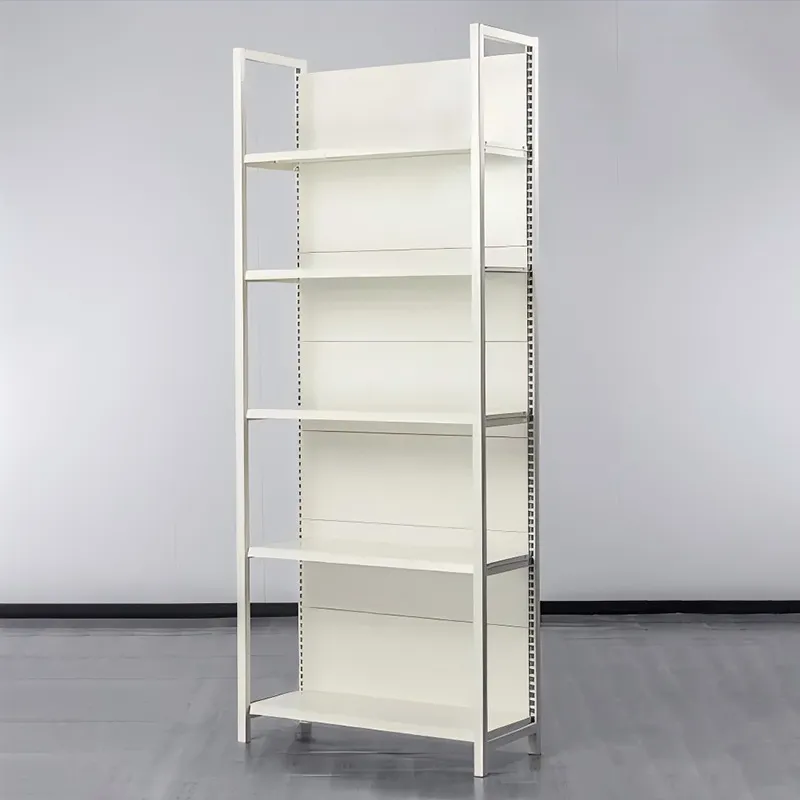
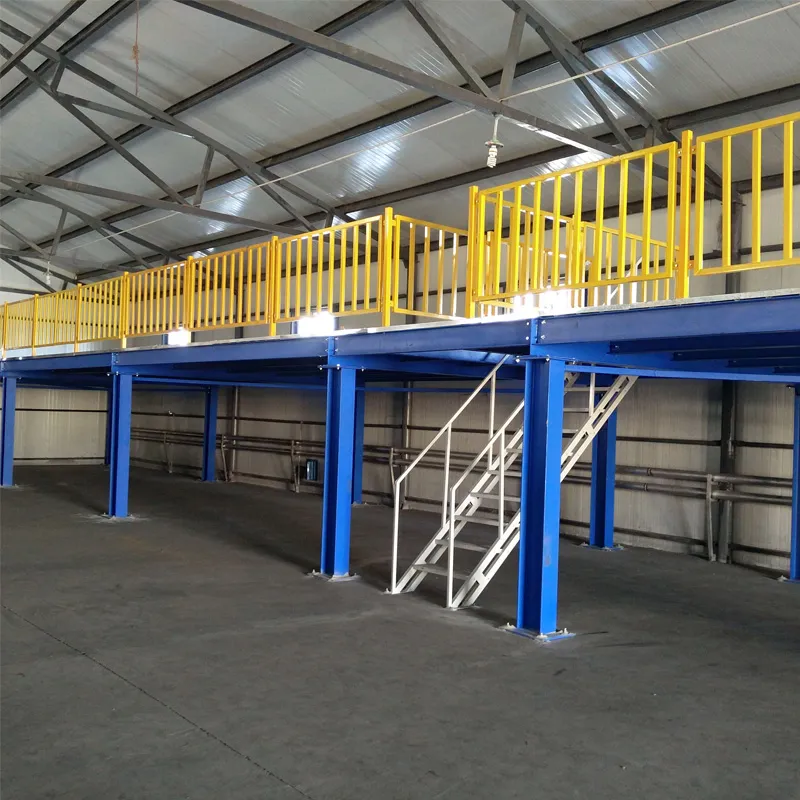
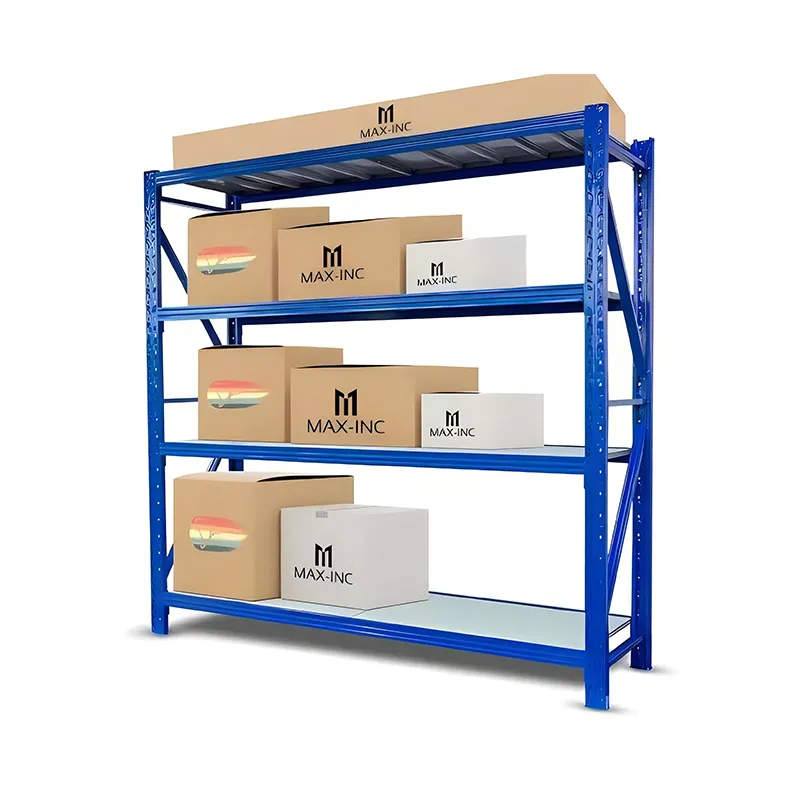
From personal experience: one of the most successful projects with their participation was for a spare parts warehouse. They were just used therecold rolled steel shelvingfor medium-load shelf systems. The customer wanted a smooth, aesthetic surface of the shelves, since the goods were small and were displayed directly. A cold-rolled sheet with a thickness of 0.8-1.0 mm after painting gave an ideal plane. Hot rolled at this thickness could have waves. But when it came to the mezzanine, the conversation immediately turned to hot-rolled beams - the issue of safety and deflection.
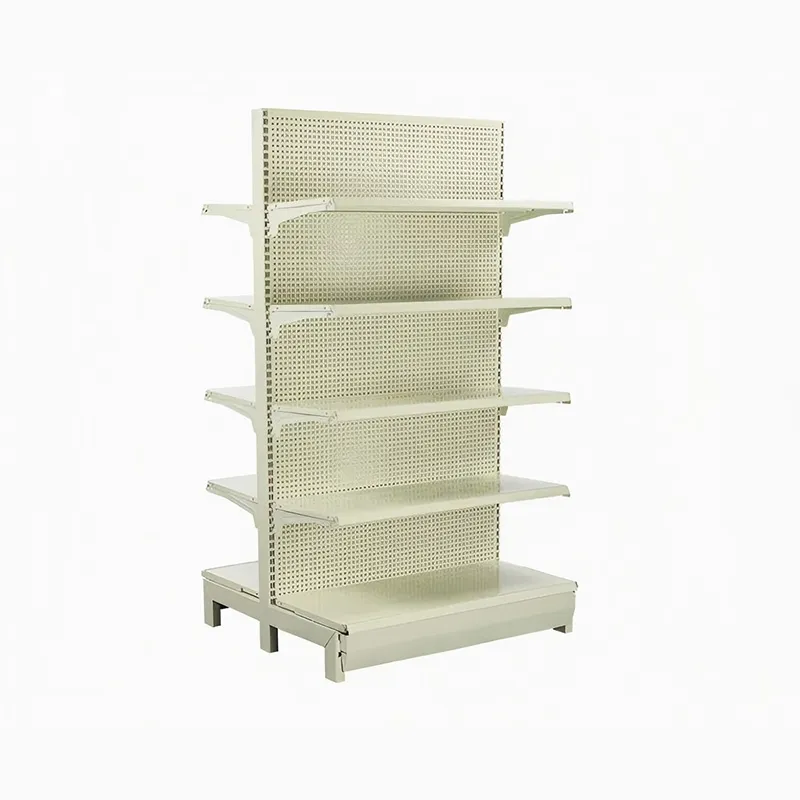
A common problem is failure to take into account the actual installation and operating conditions. Cold-rolled metal, especially thin metal, is very susceptible to damage during transportation and assembly. I remember a case when beautiful perforated racks for a sales area were delivered in the same package with heavy bases. As a result, some of the racks were bent; the installers had to straighten them on site with a sledgehammer, which killed both the geometry and the coating. This is a logistics and packaging issue that must be resolved by the manufacturer. Judging by the scale of ?Jusheng?, they must have a proven process, but it is always worth clarifying how the elements are packaged.
Another mistake is saving on fasteners.Cold rolled steel shelvingoften designed to be lightweight and modular. And they use standard M8 or M10 bolts. But if the load is calculated “back to back”, vibration from forklifts or simply a constant overload of 5-10% eventually loosens the connections. The solution is to either install more powerful fasteners from the very beginning (which increases the cost of the assembly), or use designs with snaps or welded assemblies at key points. On the automated lines that the plant has, it is precisely possible to make precise interlocking connections that minimize bolts.
And one more thing about the coating. The smooth cold-rolled surface is an ideal base for paint. But if the degreasing and phosphating stage is carried out carelessly, the coating will peel off in a year or two, especially in a warehouse with temperature changes. The quality of surface preparation is the same invisible criterion that distinguishes good manufacturers from volume racers. In large production facilities with a full cycle, like the company mentioned, this is usually monitored more strictly, since defects will affect the reputation of the entire line.
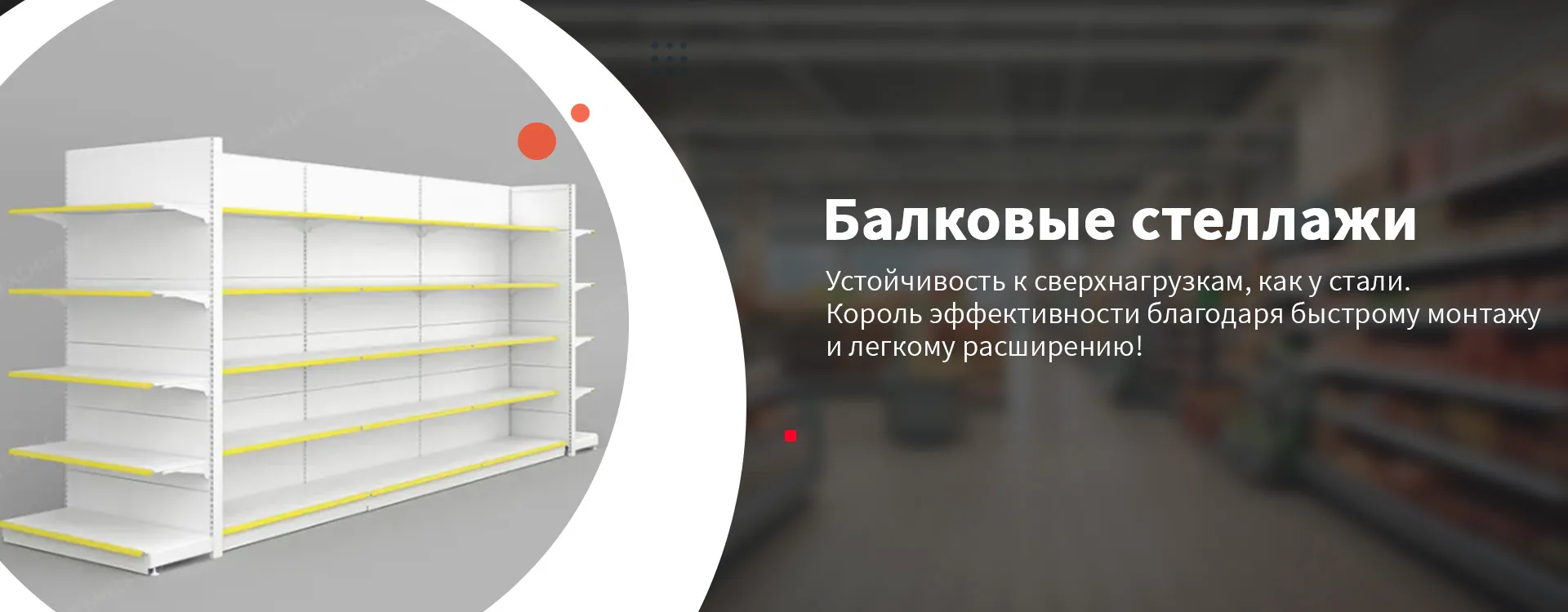
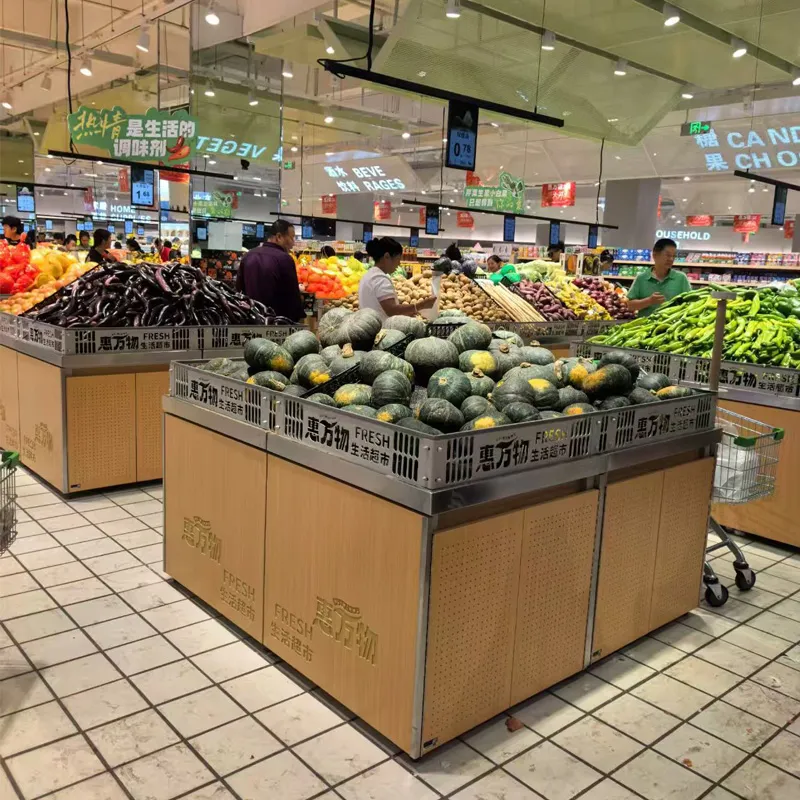
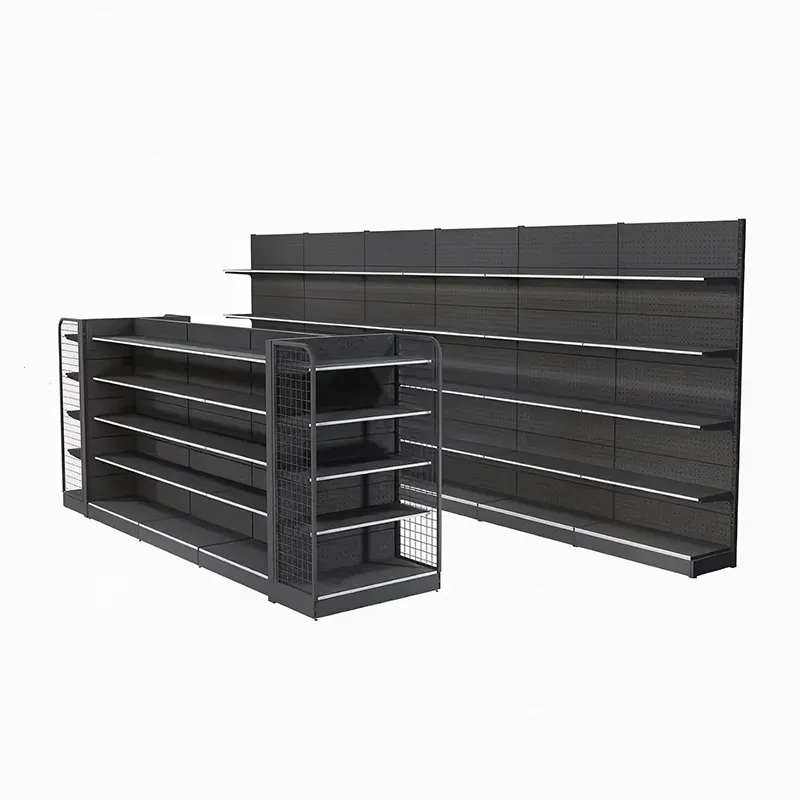
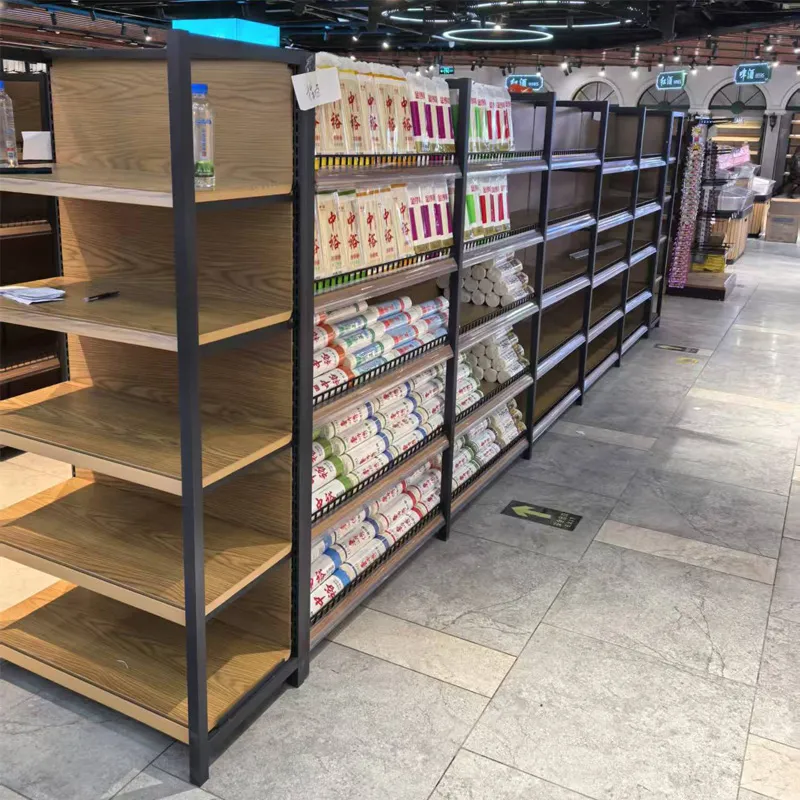
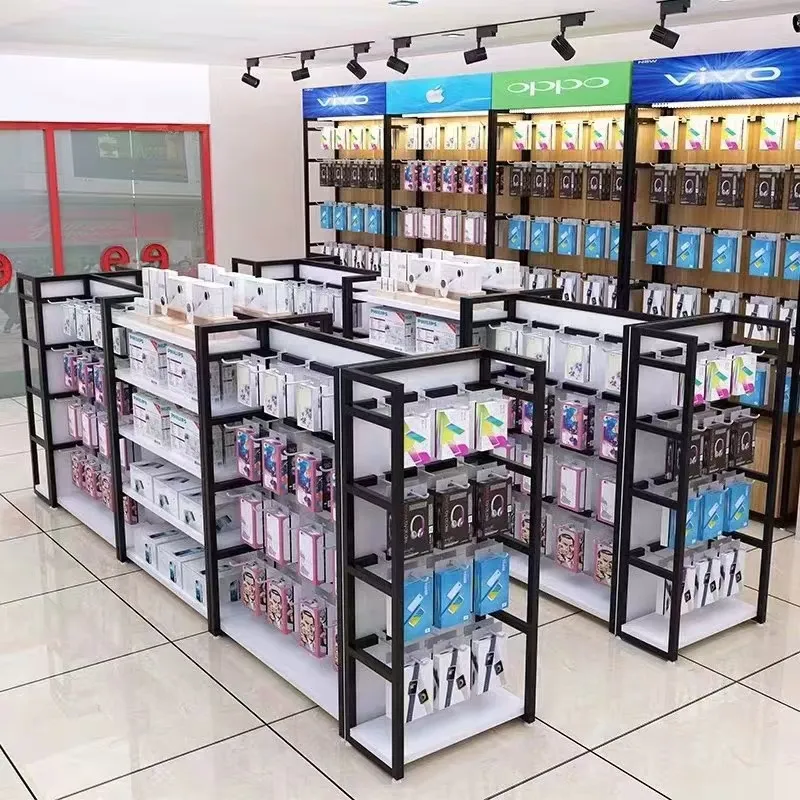
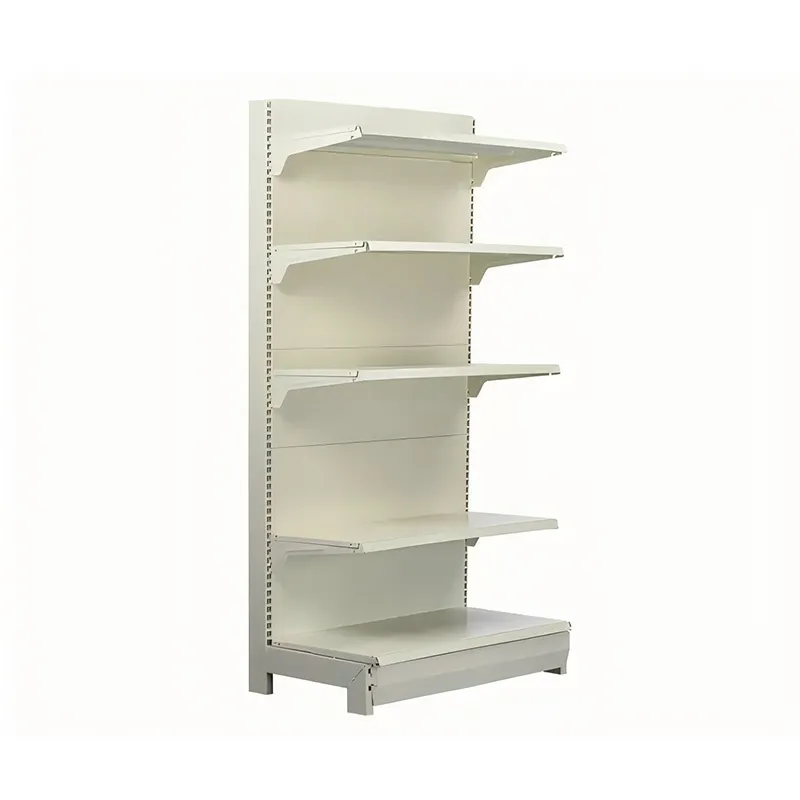
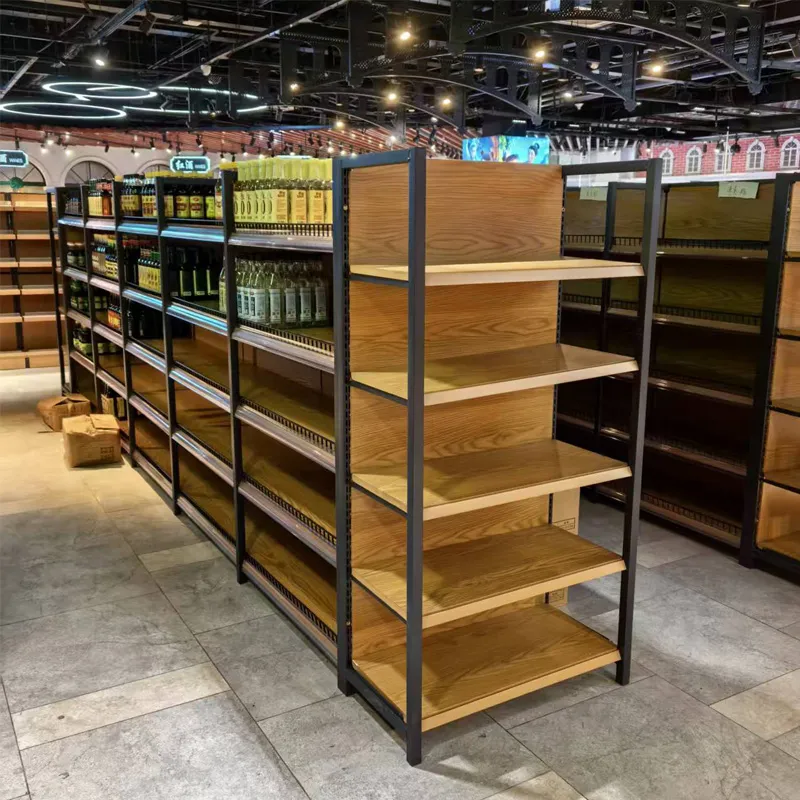
Let's take a specific example from the rangeLLC ?Harbin Jusheng?- shelving for sales areas. Here, cold-rolled steel is practically the only option. Why? Firstly, the appearance. Smooth, even shelves without traces of scale, with high-quality painting in any RAL color. Secondly, the ability to make complex perforations for hooks or ventilation without burrs. Their production lines make it possible to produce such elements in large quantities and cheaply.
But when adapting retail racks to warehouse needs (for example, for small-mesh goods), difficulties arise. Standard shelves made of cold-rolled sheets may not have sufficient rigidity along their length. You have to either add a stiffener (which increases the cost) or switch to another profile. At one time, we tried to install retail shelves in a warehouse, but after six months we had to strengthen the structure. It turned out that the dynamic load from constantly removing boxes is completely different.
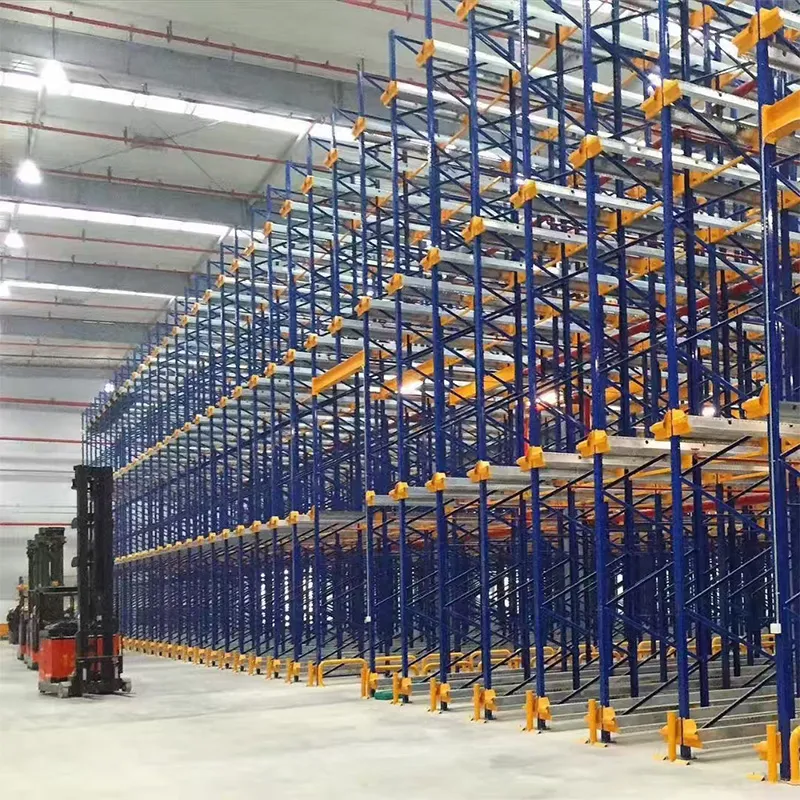
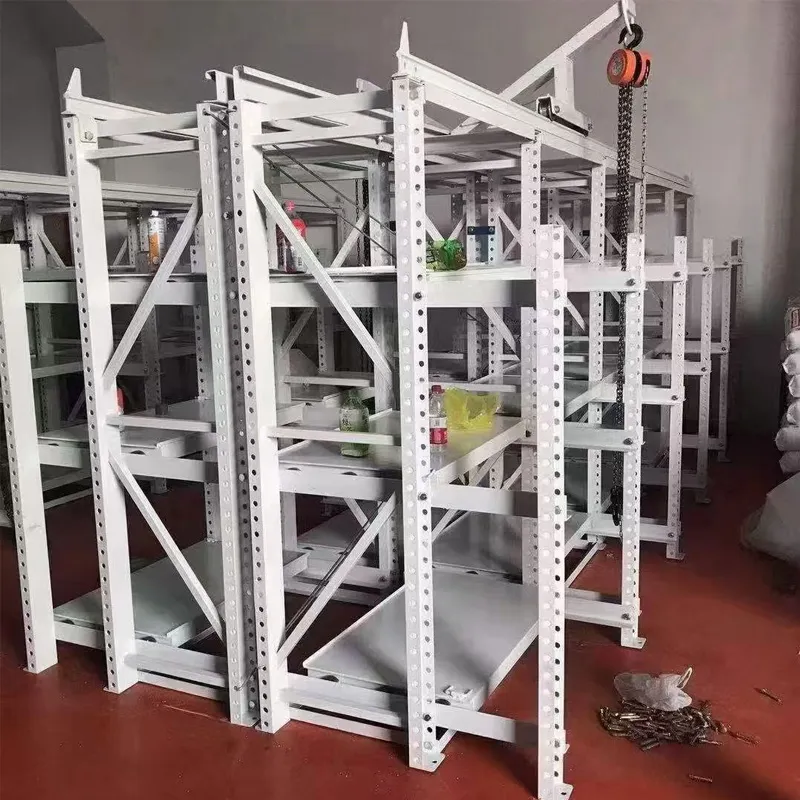
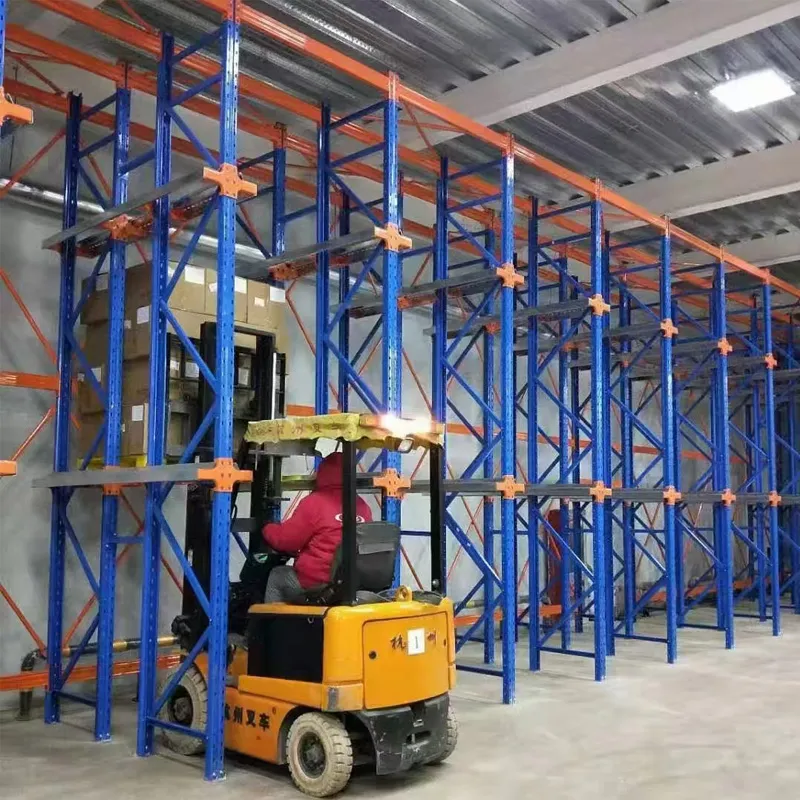
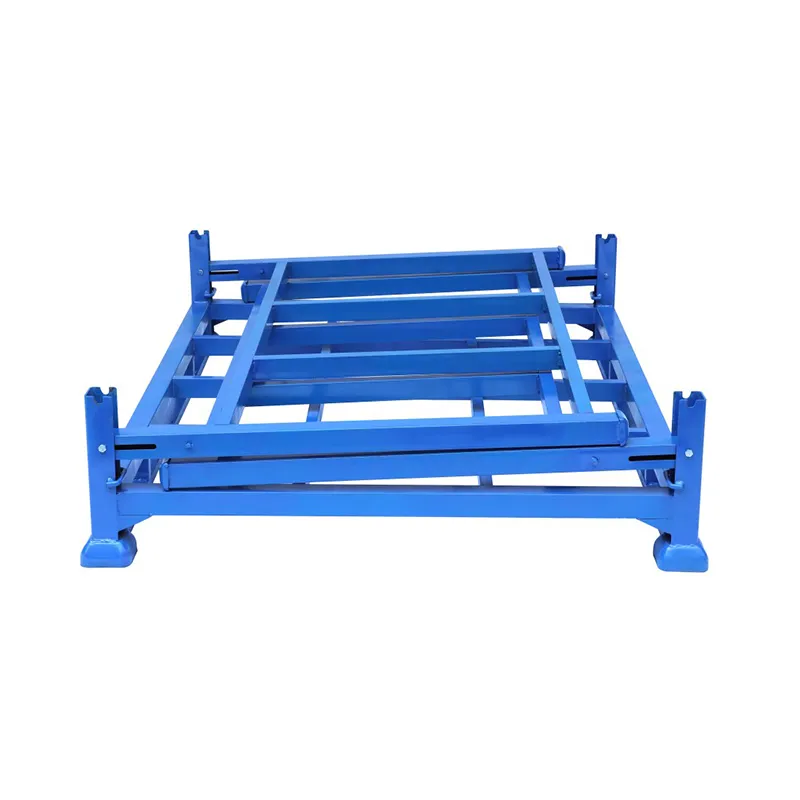
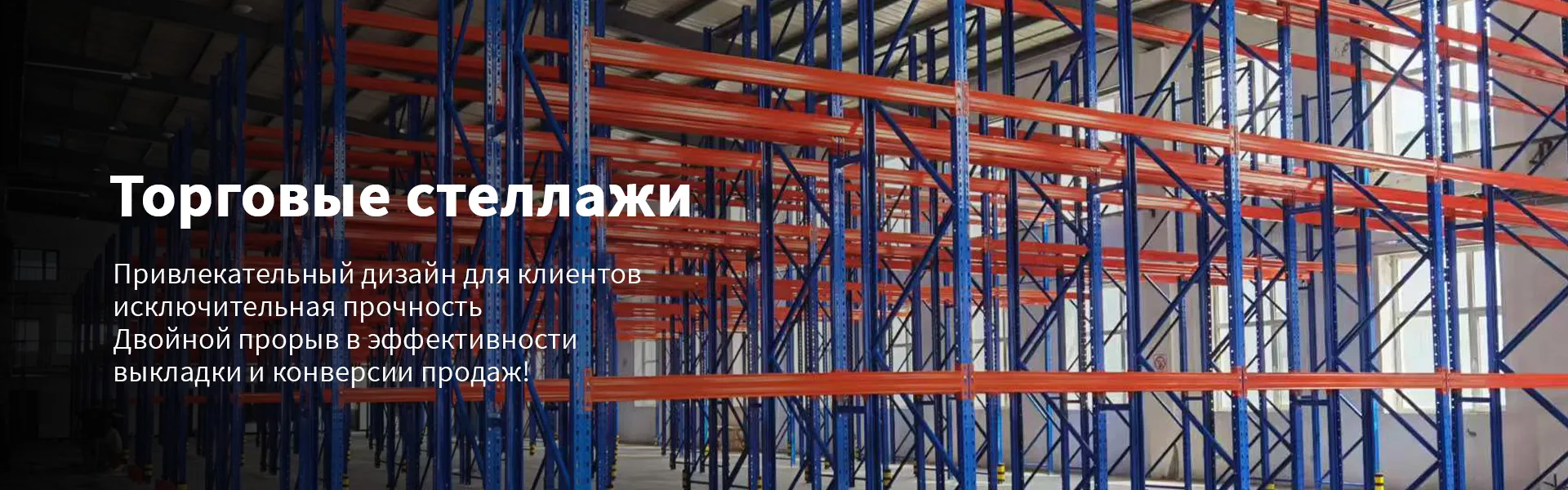
On the other hand, for racks for four-way shuttles, which the company also produces, cold-rolled profiles are used selectively - more often for guides or decorative covers. The main load falls on hot-rolled beams. This is a good example of a flexible approach: not to use the material dogmatically, but to use it where its strengths are revealed - precision and surface cleanliness.
When discussing a project with a manufacturer like Harbin Jusheng, it is important to ask specific questions rather than general ones. Not “do you use cold rolled steel?”, but “what grade of steel (for example, SPCC, DX51D), what thickness and what grade of coating do you use for shelves with a load of 150 kg per cell?”. The answer will show how deep they are in the details. A large full-cycle plant will usually have clear compliance tables, but it's always worth checking.
Pay attention to the finishing of the edges. Cold rolled sheets may have sharp edges after laser or guillotine cutting. They need to be rolled or sanded, especially for shelving in areas where people can access them. This increases labor costs, and unscrupulous manufacturers may neglect this. Automated lines often include an automatic rolling step - this is a big plus.
And one more practical point is maintainability. If you bend a cold-rolled steel shelf, it is almost impossible to straighten it perfectly. She will be “bruised”. Therefore, for environments with difficult conditions (for example, a workshop), it is sometimes more practical to use a thicker hot-rolled sheet, on which small dents are less critical. But for a pharmaceutical or food warehouse, where cleanliness and a smooth, washable surface are important, the cold-rolled option is unrivaled.
So what's the bottom line aboutcold rolled steel shelving? This is great material, but not a panacea. His choice should be conscious, based on specific tasks: loads, operating environment, aesthetic requirements and budget. The key to success is in integrated design, where the properties of the material work for the design, and not vice versa.
Experienced manufacturers, such as the Harbin Jusheng plant, with their wide range of models and full cycle, usually offer just such balanced solutions. They won't offer cold rolled profiles for heavy pallet racking just because it's fashionable. Their task is to ensure that the rack completes its service life without incident.
Therefore, the next time you choose equipment, look not at the big words in the description, but at the details of the technical specifications that are prepared for you. Ask awkward questions about tolerances, processing and safety margins. And remember that even the most modern material, like cold-rolled steel, is just a tool in the hands of an engineer. And the quality of the final product depends on how skillfully this tool is used.