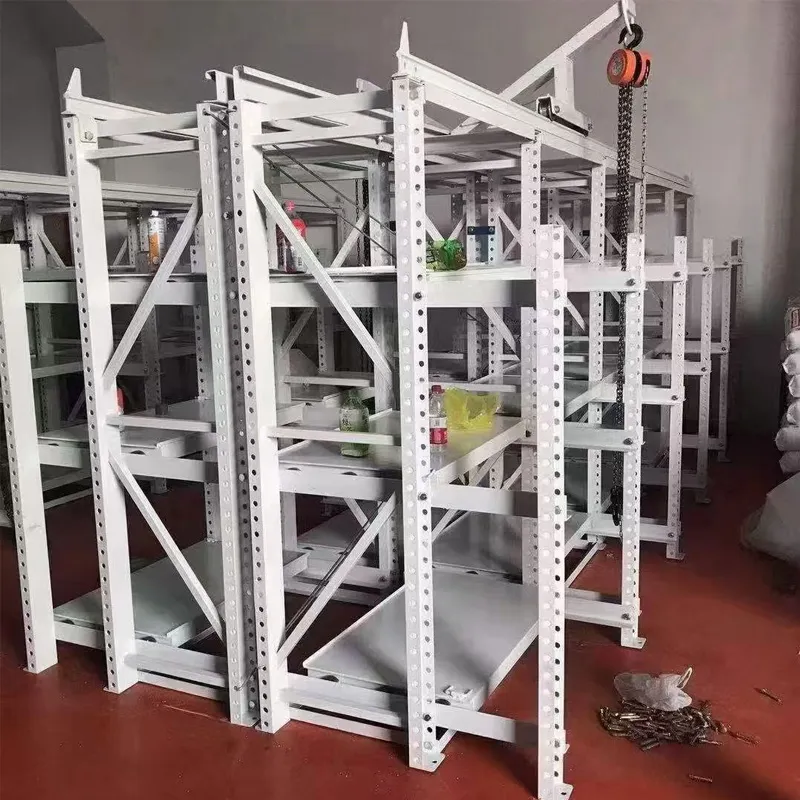
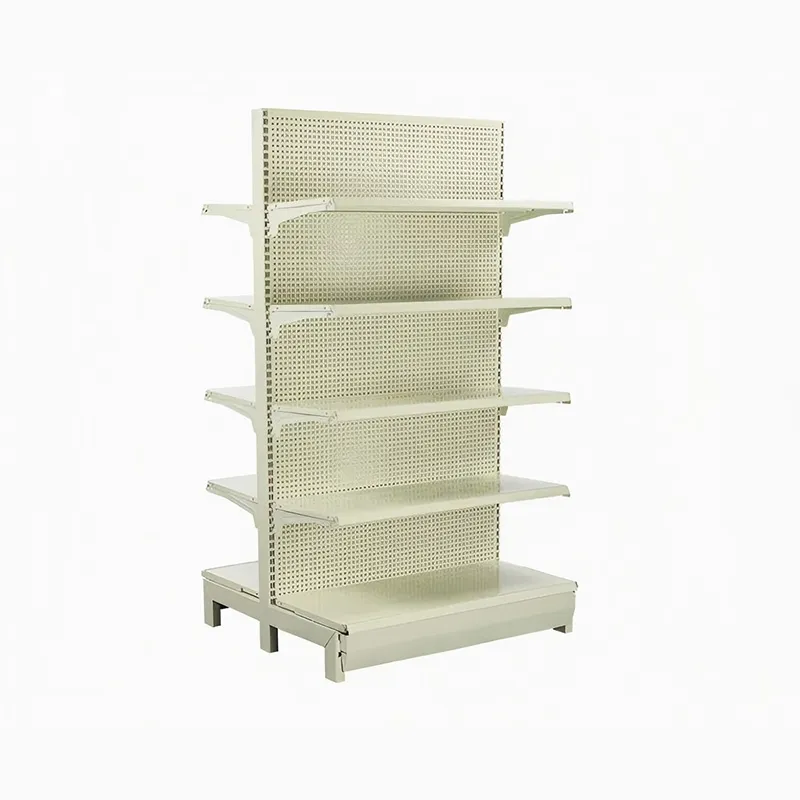
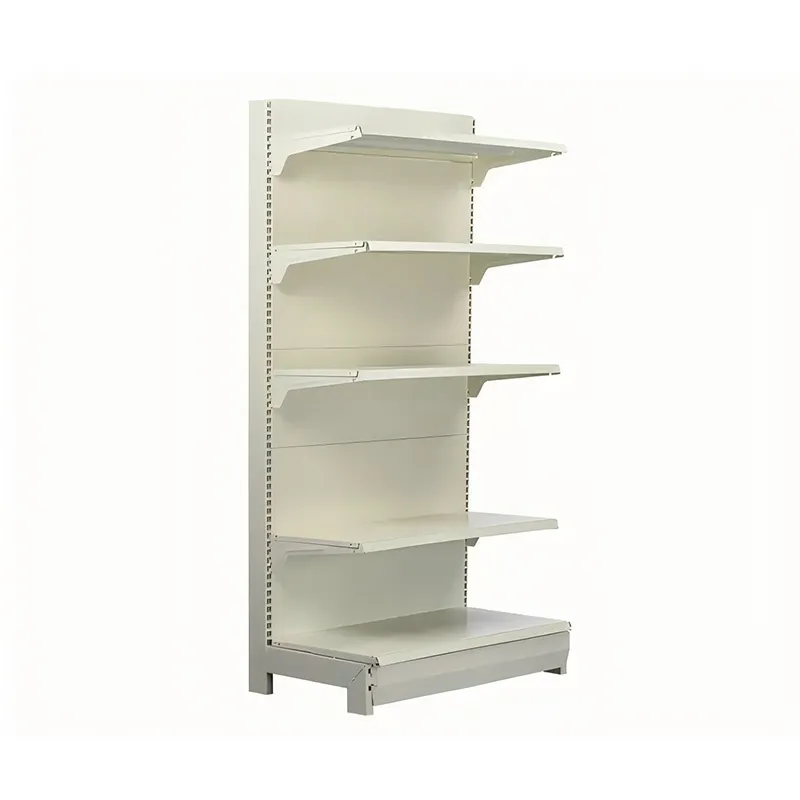
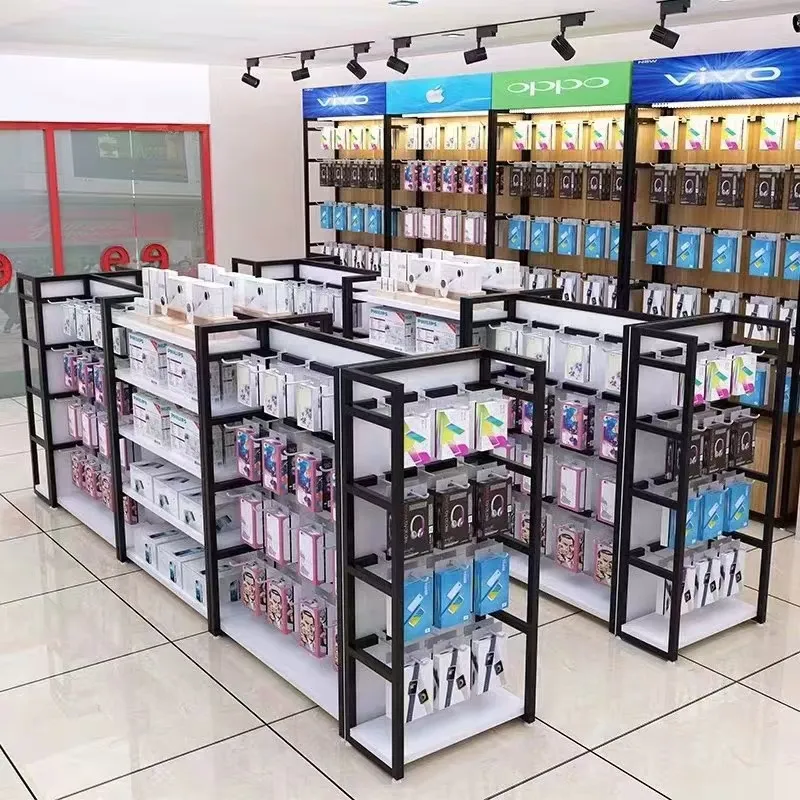
When you hear “shelves for vegetables?”, many people imagine just a welded metal structure onto which potatoes are dumped. This is perhaps the most widespread and expensive myth for retail. In fact, if you approach the issue this way, you can lose up to 30% of revenue from the vegetable department. The right vegetable shelf is a complex organism that must take into account ventilation, humidity, the weight of the product, and, most importantly, the psychology of the buyer. Over the years of working with different networks, from local to federal, I have seen how incorrectly selected or configured racks literally “kill” product: greens wither in a couple of hours, apples break, and the buyer simply passes by because visually everything looks unappetizing. Let's figure out where the pitfalls are and what you should look at first.
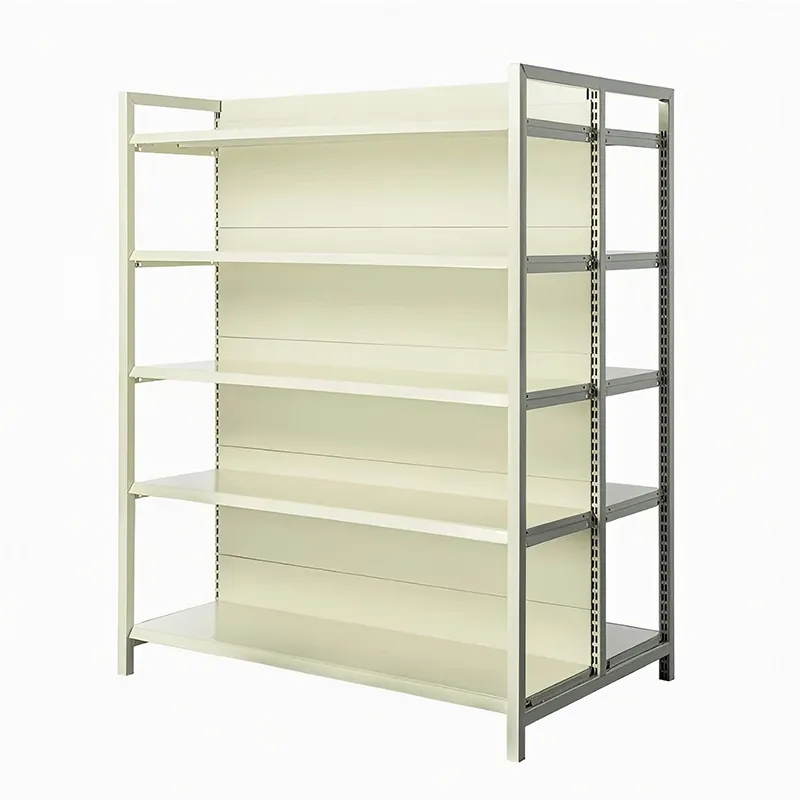
The first thing you encounter is the choice of material and type of construction. Galvanized steel is a must have, no paint. Over time, any coating will come away from constant contact with moisture, but zinc will hold up. But there is a nuance here: the thickness of the metal. For potatoes and onions, you can take thicker shelves, the load is serious. But for salad greens or berries, you need lightweight, often perforated sections that can be washed frequently and that provide air circulation. The mistake is to place the same type of heavy shelves throughout the vegetable department. This is immediately obvious when you enter the store: the department looks bulky and untidy.
The second key point is the build system. Modular systems that can be quickly reconfigured to suit the season (for example, for watermelons in the summer or pumpkins in the fall) are now practically the standard. But many people buy welded, non-demountable structures because they are “cheaper”. This is a false economy. Six months later, when the assortment changes, these shelves are either idle or used ineffectively, taking up precious space on the sales floor. We once completely replaced welded racks with modular ones for one network in Siberia?Harbin Jusheng Metal Structure Manufacturing Co.,Ltd., and within a quarter the department manager noted a 15% increase in turnover simply due to the flexibility of the layout.
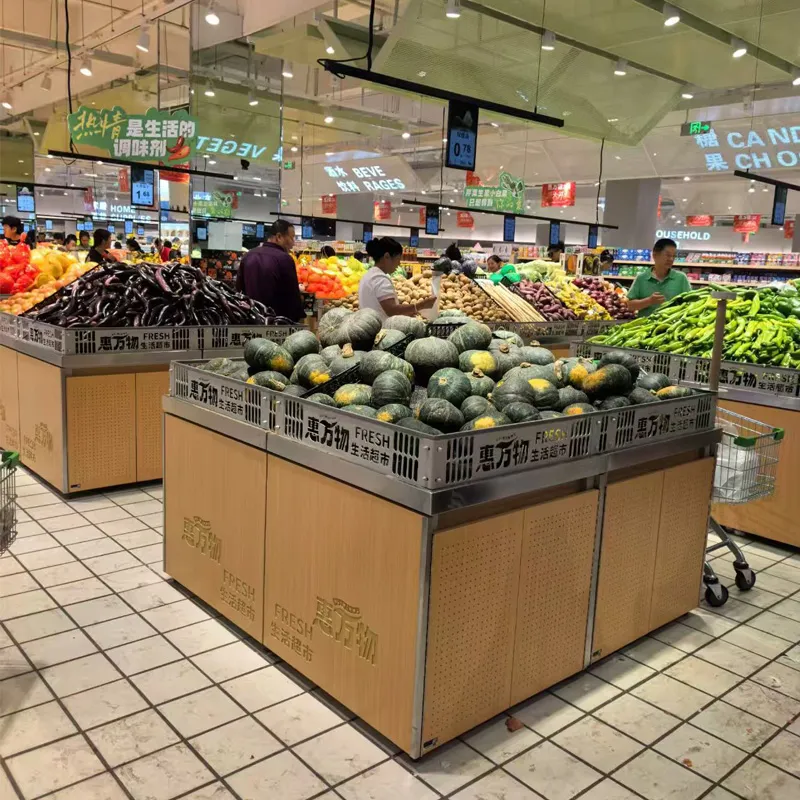
And the third, often overlooked element is the sides and facades. Low sides create the impression of abundance, the goods “fall out?” on the buyer. But for small or round products (cherries, cherry tomatoes), this risks constantly falling to the floor. High transparent polycarbonate sides solve the problem, but can create an “aquarium” effect, distancing the product from the buyer. There is no universal solution; you need to look at the specific assortment and behavior of customers in a particular store. Sometimes you have to go by trial and error.
Everyone writes about convenience for the buyer, but almost no one writes about convenience for department employees. But they are the ones who ensure the freshness and presentability of the product. If the shelf is too deep, the back rows of vegetables cannot be quickly replaced, and they begin to deteriorate. If the height between the tiers does not allow you to freely stick your hand with a rag, washing becomes torture, and the quality of cleaning drops. The ideal depth, in my opinion, is no more than 60 cm for main vegetables. And for greenery, it is better to use cascading or inclined shelves 30-40 cm deep.
A separate story is the logistics of replenishment. Ideally, shelves should be assembled from the utility room, without the need to carry boxes across the entire sales floor. This means that the back side of the structure should also be accessible and, preferably, also collapsible. We once implemented a system with hinged rear panels for the “Verny” network. The staff initially complained about the innovation, but after a month they admitted that the time needed to lay out potatoes had been cut in half. By the way, many manufacturers do not think about this, making the back wall blank.
And of course, wheels. It would seem like a small thing. But the ability to roll back an entire section to clean out or redesign a department is a huge plus. It is only important that the wheels have locks and can withstand a load of several hundred kilograms. Cheap plastic wheels break after the first box of cabbage. Tested by bitter experience in one of the Moscow supermarkets.
This is perhaps the most technically challenging aspect. Different vegetables require different microclimates. Potatoes need darkness and dryness, cucumbers need high humidity, greens need cooling. Universal shelves don't work here. The solution is combined systems. For example, the lower tier is solid boxes for root vegetables, the middle tier is perforated shelves for cabbage and peppers, the upper tier is display cases for herbs connected to the cooling system. But such a system is expensive, and not every retailer is ready to go for it.
I often see attempts to save money: they put up regular shelves and try to compensate for the shortcomings with sprayers. This is the worst thing you can do. Condensation appears on the metal, which leads to corrosion, even if the steel is galvanized. And uneven moisture leads to the fact that one part of the batch begins to rot. The right way is with air channels built into the shelves or misting systems with a very fine spray. At the sameJusheng plantIn its portfolio there are several successful cases with integrated climate control systems for the premium segment. Their websitehttps://www.jshj.ruIt is useful to study specifically to understand modern trends - they focus on the full cycle from design to maintenance, which is critically important for such complex tasks.
Another practical tip: never place vegetable shelves close to the outside wall of the store, especially in winter. The temperature difference guarantees condensation on the products. It is better to leave a technological gap or install additional thermal insulation. For some reason, even experienced planners forget about this.
Color. Standard gray metal is boring and cold. Now many are following the path of using colored accents: green shelves for salads, orange for carrots, red for tomatoes. This works on a subconscious level. But it is important not to overdo it so that the department does not turn into a circus. Sometimes simply painting the support posts a warm beige or green is enough to soften the look.
Lighting. Cold spectrum fluorescent lamps kill natural colors. Vegetables look faded. It is imperative to use LED lamps with a high color rendering index (CRI >90), with a warm spectrum for root vegetables and a neutral spectrum for greens. And the light should fall from the front and above, and not from behind, so as not to create shadows on the product. Expensive? Yes. But the increase in sales covers the costs of electricity and equipment for six months to a year.
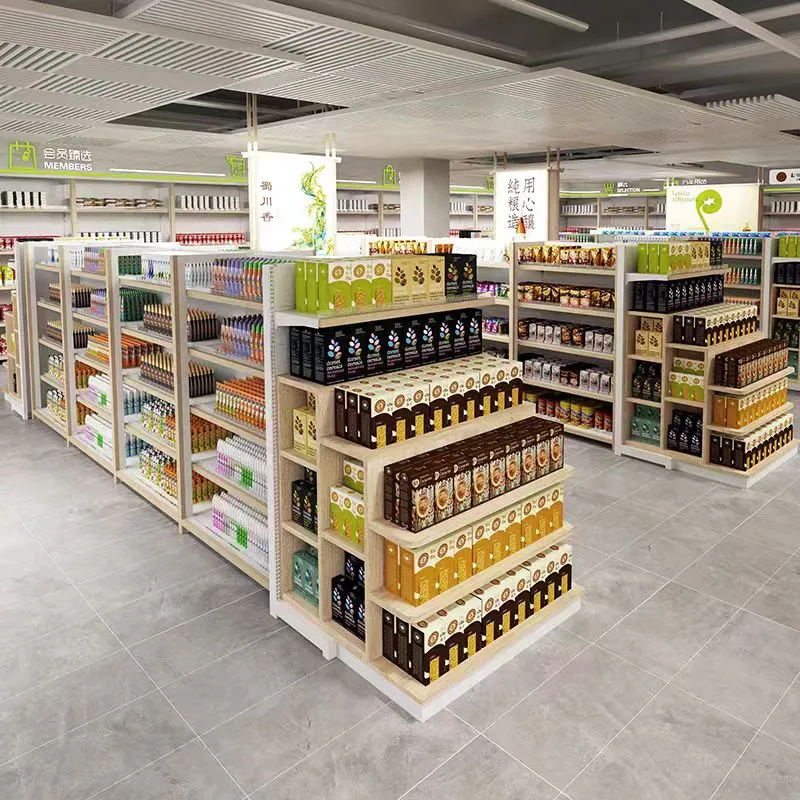
Layout. The design of the shelf itself should provoke it. Sloping shelves ensure self-feeding of goods forward, creating a “slide” effect. Cascading shelves allow you to display more SKUs in a limited area. But experiments with shelf heights often fail. Too high - the goods are not visible, too low - it is inconvenient to take. The golden mean is between 70 and 140 cm from the floor. Everything higher or lower should be given over to decorative elements or less marketable goods.
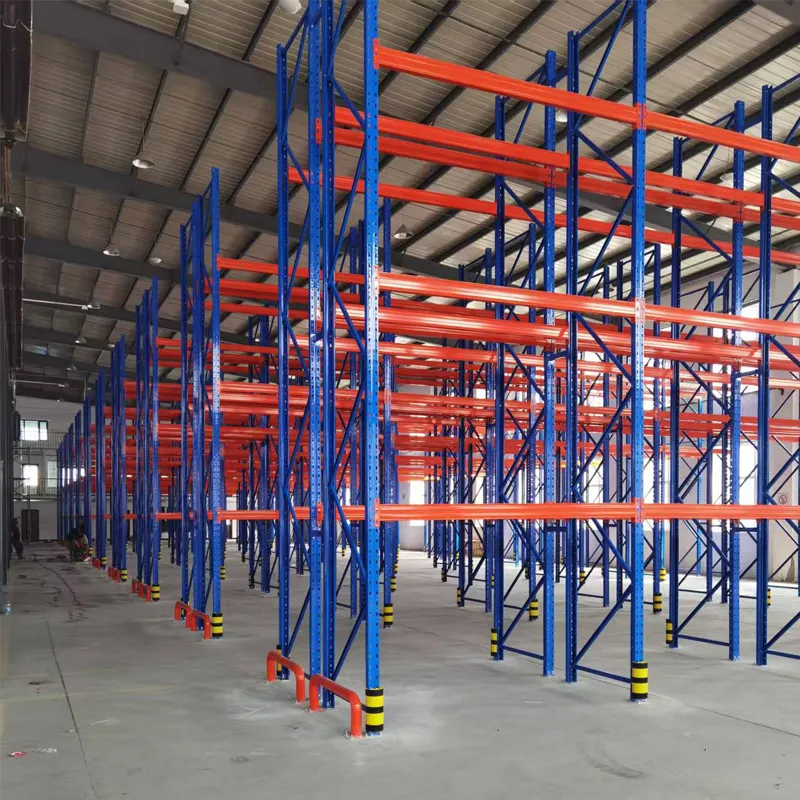
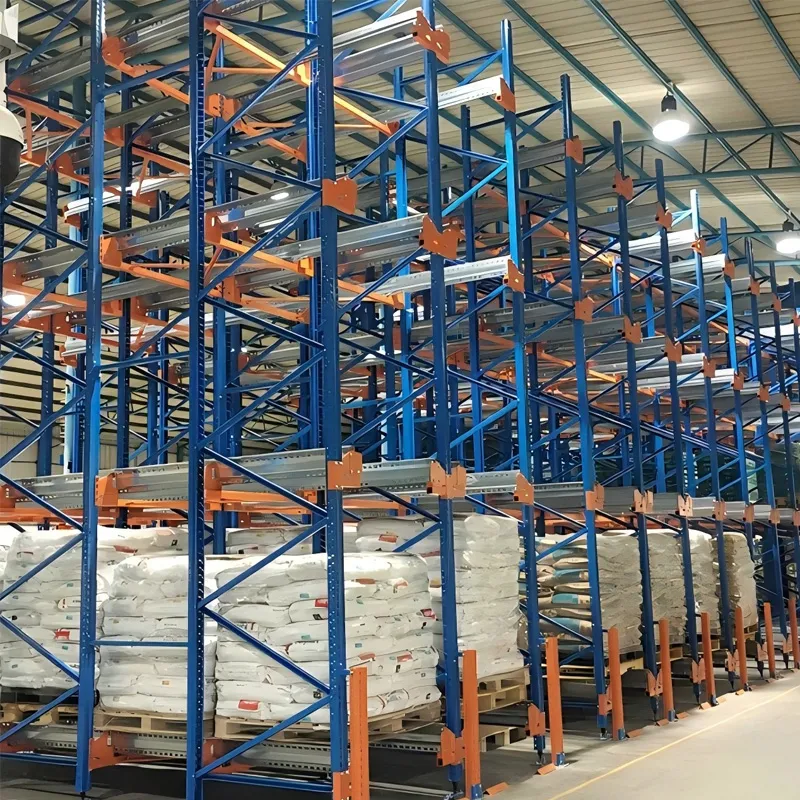
The market is saturated with offers, from handicraft workshops to large factories. The temptation to save money by purchasing from a local welder is great. But here lies the main trap. Such manufacturers often do not take into account snow loads (for shelves at the entrance), or aggressive environments, or the need to certify materials for contact with food. Large plant such asHarbin Rack Factory ?Jusheng?, founded in 2019, with its 20,000 sq. meters of space and automated lines, of course, offers a different price. But for this money you get not just iron, but a well-developed structure, where every detail is calculated, all joints are processed, and the coating is applied evenly. Their integrated approach - design, production, service - takes the headache away from the retailer. This is especially important for networks that need a single standard across dozens of points.
An important criterion is the presence of a portfolio with real objects. Not just pictures, but photos from stores, preferably after a year or two of use. What do the shelves look like after several seasons? Is there corrosion at the welding points? Did the shelves bend under the load? I always ask for photos like this and often screen out up to 80% of suppliers at this stage. The mentioned plant, judging by their materials, relies on long-term work with the client, which indirectly speaks of quality.
And lastly: service. What happens if in six months you need to buy three additional sections? Will they be made in the same configuration and color? What if you need to redesign a department for a new format? Is the supplier capable of this? Small firms often close or change activities, and with them the opportunity for expansion disappears. Large manufacturer, especially with a full cycle, as in the descriptionLLC ?Harbin Jusheng?, which deals with both warehouse and retail racking, is usually more stable and interested in long-term contracts. This is not an advertisement, but simply an observation from the market.
In the end, returning to the beginning, I want to emphasize: choiceshelves for vegetablesis a strategic decision. This is not a savings item, but a tool for increasing the average bill and customer loyalty. Savings on shelves result in large losses from write-offs, increased labor costs and lost revenue. It is necessary to consider not the cost of a meter of shelf, but the cost of ownership over its entire service life, taking into account all operating costs.
The best advice I can give based on my experience is: start with a pilot project. Do not purchase for the entire network at once. Take one store, install shelves there from a trusted manufacturer who is ready to work on an individual project, and track the metrics: sales speed, write-off level, display time, customer reviews. Only numbers will show whether the investment will pay off.
And remember that there are no perfect shelves. There are shelves that are ideal for your specific assortment, store format and budget. Their search is not a purchase, but part of a merchandising strategy. And you need to approach it accordingly, with a cool head and a willingness to delve into the details, which, as it turns out, decide everything.