When people talk about ACC, many immediately imagine futuristic videos with deserted hangars where shuttles rush along rails. This is, of course, part of the truth, but the simplest one. In fact, the key word here is “system?”. And often the biggest mistake customers make is to focus on the hardware, on themselvesracks, forgetting about ?brains? and, more importantly, about preparing your business process. You can buy the most expensive "hardware" from the Europeans, but if the logistics at the facility are not rebuilt for automation, you will end up with a very expensive toy with low returns.
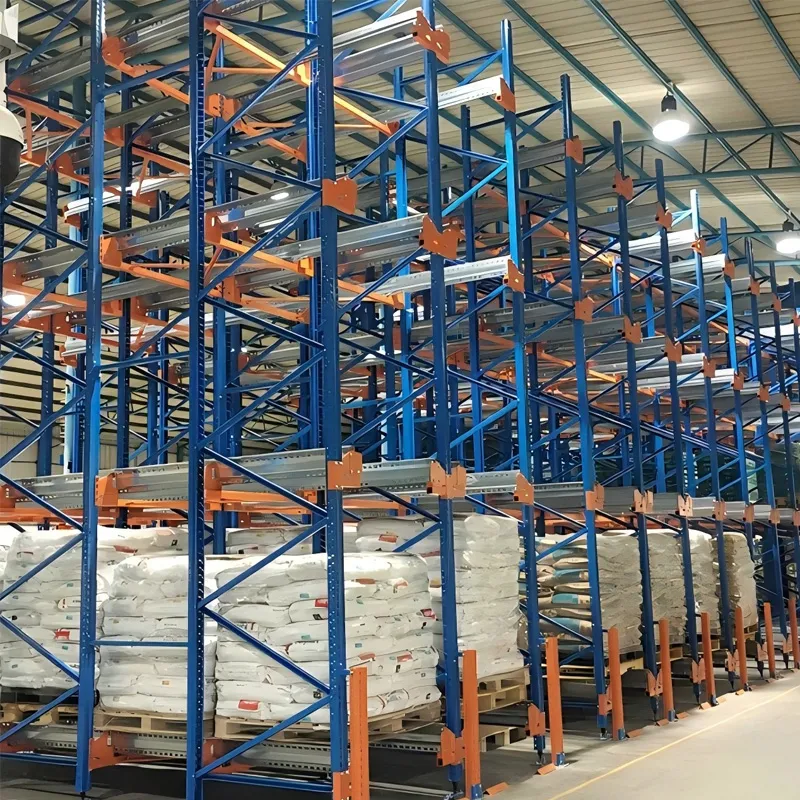
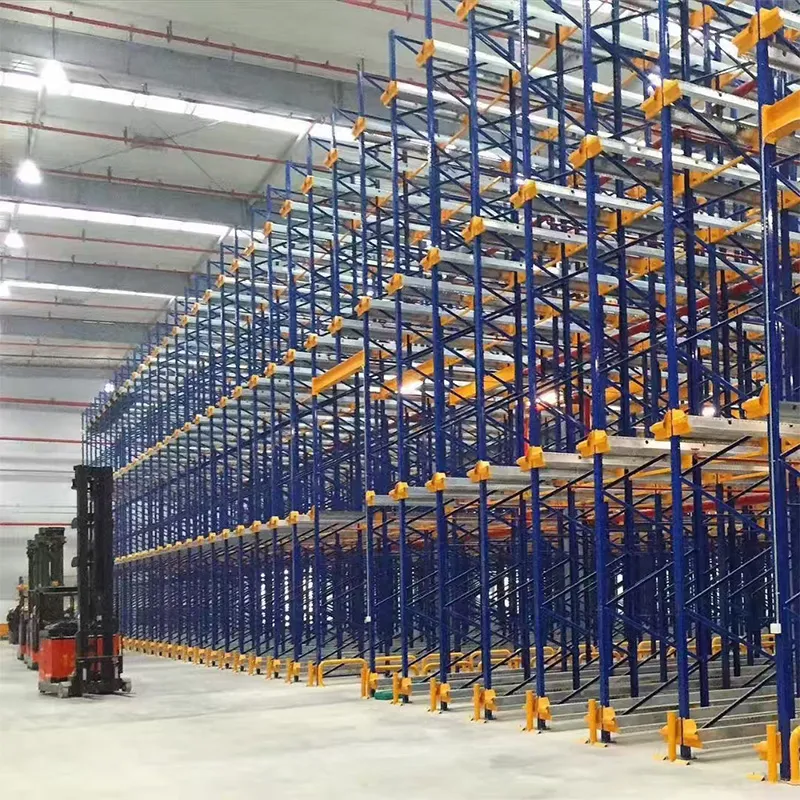
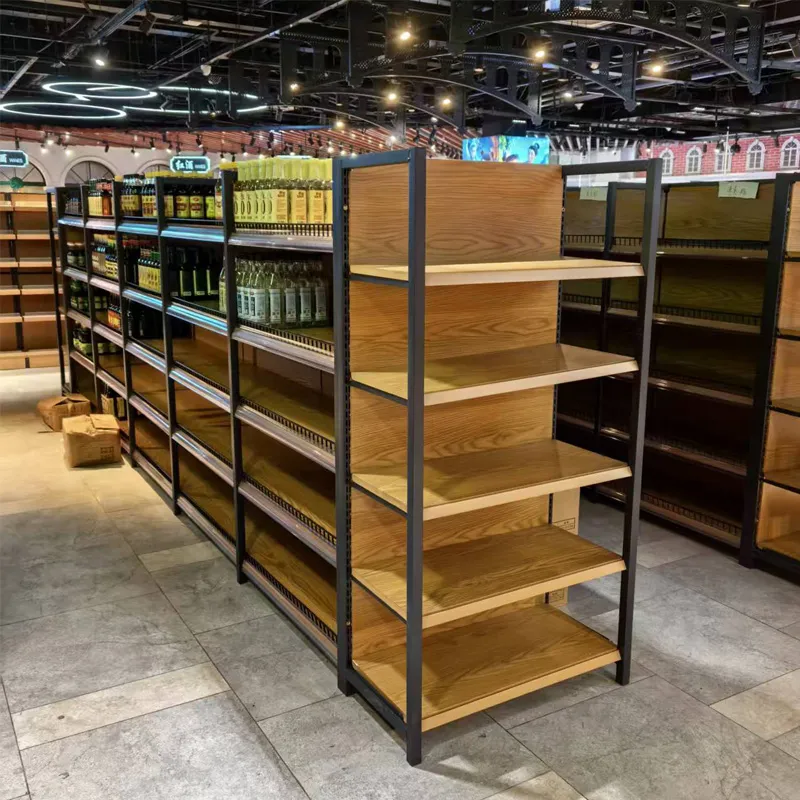
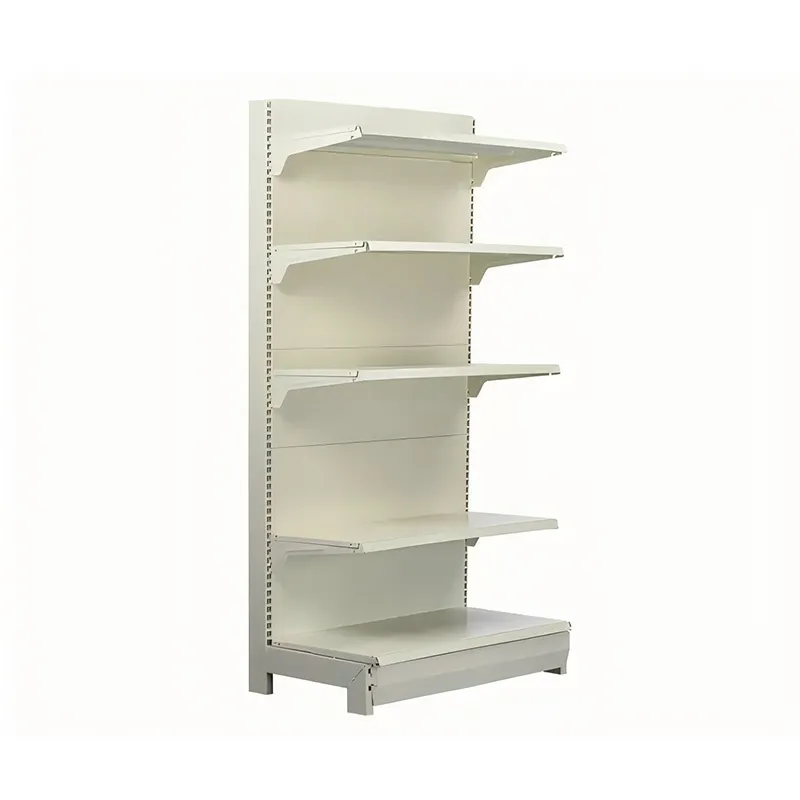
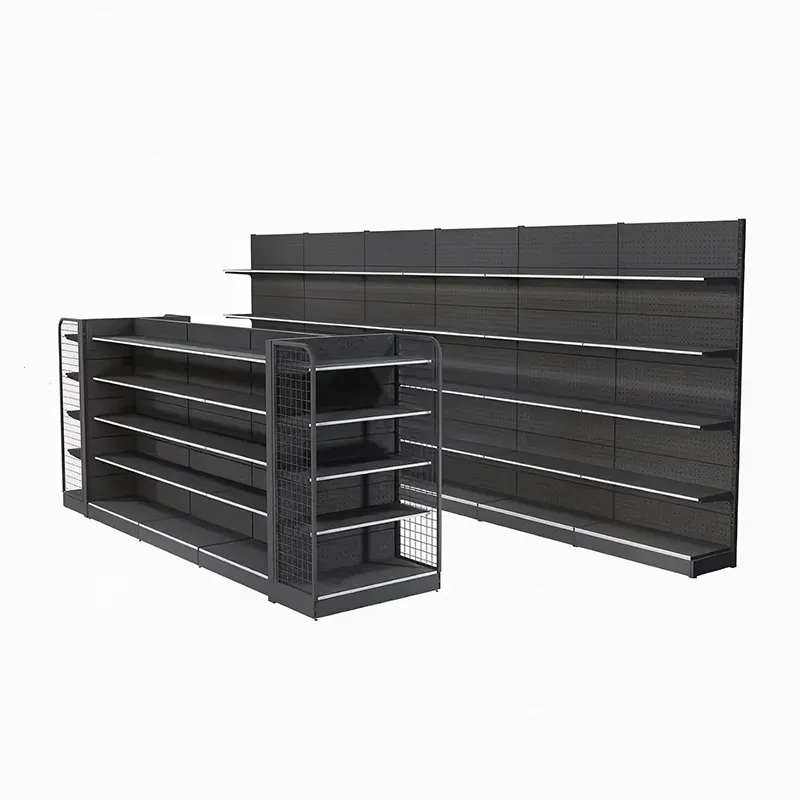
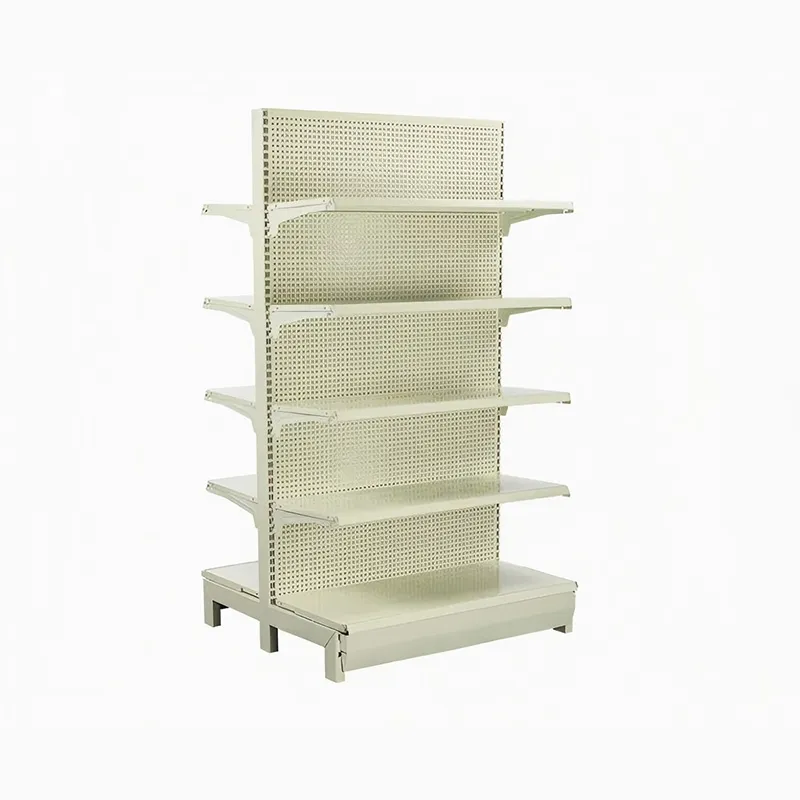
So, the basis is, of course,automated rackingdesigns. But not those rows of pallets that are in every second warehouse. We are talking about structures that were originally designed as part of an automated complex. Here the requirements for geometry, tolerances, and rigidity are completely different. The slightest vertical misalignment - and the same stacker or shuttle will begin to “search”? cell, losing seconds, or even causing an error. We once encountered this at one of the first facilities: the racks were installed by one team, and commissioning was done by another. And the stage of a long and painful “grinding in” began, when installers at night tightened the stands under the laser level, and programmers edited the software, compensating for inaccuracies in the “hardware”. software. Expensive and nerve-wracking.
Hence the conclusion that seems obvious now, but which many ignore: the rack manufacturer and the automation system integrator must work closely together from the very first sketch. Ideally, it is one team or strategic partners. For example, the Chinese plant ?Jusheng? (LLC “Harbin Jusheng production of metal structures?”), which since 2019 has been positioning itself as a full-cycle enterprise. They don’t just bend metal, they have their own design bureau, which can design a structure for a specific type of automation - be itfour-way shuttlesor conveyor systems. This is an important point because the load on the beam from a constantly moving shuttle is dynamic, it is different from the static load from a pallet that has been standing for years. And the calculations here are different.
Their website (https://www.jshj.ru) clearly shows the evolution: it started with classic retail and warehouse racks, and now the portfolio includes automation solutions. This is the logical path. Because, knowing the metal, production and installation from the inside, it is easier to adapt the product to the needs of automation than for automation specialists to try to modify racks bought anywhere. Their site is 20,000 sq.m. and several automated lines are about scale and repeatability of quality, which is critical for ACC. What is needed is not just one ideal stance, but ten thousand equally ideal ones.
If the racks are the skeleton, then the software is the nervous system. There are two layers here. WMS (Warehouse Management System) is the top level, warehouse management: goods accounting, acceptance, shipment, placement strategy. And the WCS (Warehouse Control System) is a low-level conductor who commands all the hardware in real time: “shuttle A12, go to cell C-05-47, take the pallet, take it to station 3.”
A common problem is the gap between these systems. WMS issues the task “ship 50 boxes of product X?”, and WCS must decompose this into hundreds of elementary commands for dozens of devices. If integration is done incorrectly, downtime occurs. I once saw a situation where WMS, trying to optimize the path of a stacker, gave it tasks randomly throughout the warehouse, and WCS did not have time to reschedule routes in real time. The end result was that the hardware moved like crazy, but overall performance was lower than with a simple sequential algorithm. I had to “simplify” logic, sacrificing apparent optimality for the sake of stability.
Therefore, when choosing a solution forautomated warehouseyou need to look not at beautiful WMS interfaces, but at the depth and reliability of WCS integration with specific equipment models. And here we return again to the importance of an integrated approach. A manufacturer that makes both racks and shuttles itself (or is tightly integrated with them) can offer a more ?smooth? a working combination of hardware and software, because he originally designed it.
This is perhaps the most prosaic and painful section. You can order the ideal ACC project, but it can only be installed on an ideally prepared foundation. Requirements for gender are a separate matter. Not just “flat”, but with tight tolerances for unevenness over the entire area, otherwise the rail tracks for shuttles or guides for stackers will fall in a wave. Pouring such a floor is a high-tech process comparable in cost and importance to the equipment itself.
Another nuance is communications. Power supply, network, fire alarm, ventilation. All this must be separated taking into account the fact that access to some areas after installation of the racks will be severely limited. We somehow got into trouble with an aspiration system in a pharmaceutical warehouse: the designers of the hardware? The dimensions of the air ducts were not taken into account, and they had to be bypassed, reducing the efficiency of the system. Trifle? No, these are additional meters of pipes, pressure losses and, ultimately, money and time.
That is why serious contractors, including the same Jusheng, insist on a comprehensive audit of the facility at the pre-project proposal stage. Their engineers come and look not only at the dimensions of the hangar, but also at the columns, at the communications input nodes, at the condition of the floor. This is not a whim, but a necessity, which will save huge amounts of money on rework in the future.
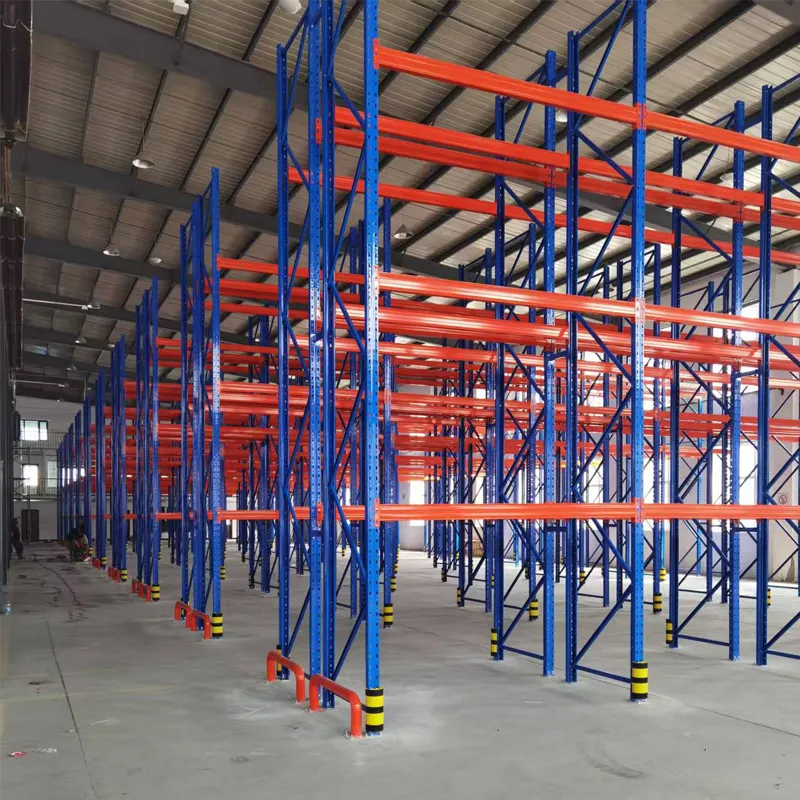
I would also like to talk about failure, it is more instructive than success. There was a project for an electronics distributor. Trade turnover is high, the range is wide, logistics are complex - it seems like an ideal candidate for ACC. We installed a system based onbeam rackswith automatic stackers. Everything was installed and launched. Technically the system worked. But the economic effect turned out to be negligible.
Why? The error was in the analysis of incoming streams. It turned out that a significant part of the goods does not come in pallets, but in boxes of different sizes, which had to be consolidated manually before being placed into the automatic system. This area has become a bottleneck. The automation stood idle waiting for prepared pallets, and people did not have time to complete them. Plus, seasonality. The peak loads were such that the system, designed for medium loads, could not cope, and it was still necessary to hire temporary workers and rent additional manual storage.
The conclusion is bitter: a stable, predictable and already partly standardized process needs to be automated. If the input is chaos, the output of the automation will be the same chaos, only more expensive. Sometimes you need to first work for two years on optimizing basic processes, implement a simple WMS, standardize packaging, and only then think aboutshuttlesand robots.
Now the trend is not just dense storage, but flexible systems. The samefour-way shuttlesThe good thing is that their fleet and rail configuration can be relatively quickly changed to suit a changed assortment or logistics scheme. This is the next level - a warehouse as a “constructor”. There is no need to pour a new floor or install new racks to increase productivity or change the picking strategy.
But this flexibility again comes down to “hardware”. The rack design should allow this. Beams must have universal fastening points for guides, and the spacing of columns must be designed for possible redevelopment. This is exactly the area where manufacturers like ?Jusheng? They are now actively working on developing modular systems. Their approach as a large specialized enterprise with a full cycle from design to service gives an advantage here - they see the entire chain and can build flexibility into the design of metal structures.
In the end, back to the beginning.Automated rack warehouseis not a product that can be bought in a box. This is a complex organism, born from a symbiosis of precision mechanics, smart software and, most importantly, a properly prepared business process for the customer. And success depends 50% on how honestly and deeply all parties (customer, hardware manufacturer, software integrator) carried out the work at the design stage, taking into account not only “how it should be?”, but also “how it really is?”. The remaining 50% is the quality of execution, where every millimeter and every line of code matters.