When you hear 'shelving for efficiency', the first thing that comes to mind is to buy more shelves and arrange them thicker. This is where the main mistake lies, which probably every logistician has encountered at the start. Efficiency is not density. These are accessibility, speed of selection, safety of cargo and, ultimately, reduction of labor costs. I have seen many times how expensive systems were purchased, and then the boxes were rearranged for months, because they did not take into account either the specifics of the product or the dynamics of turnover.
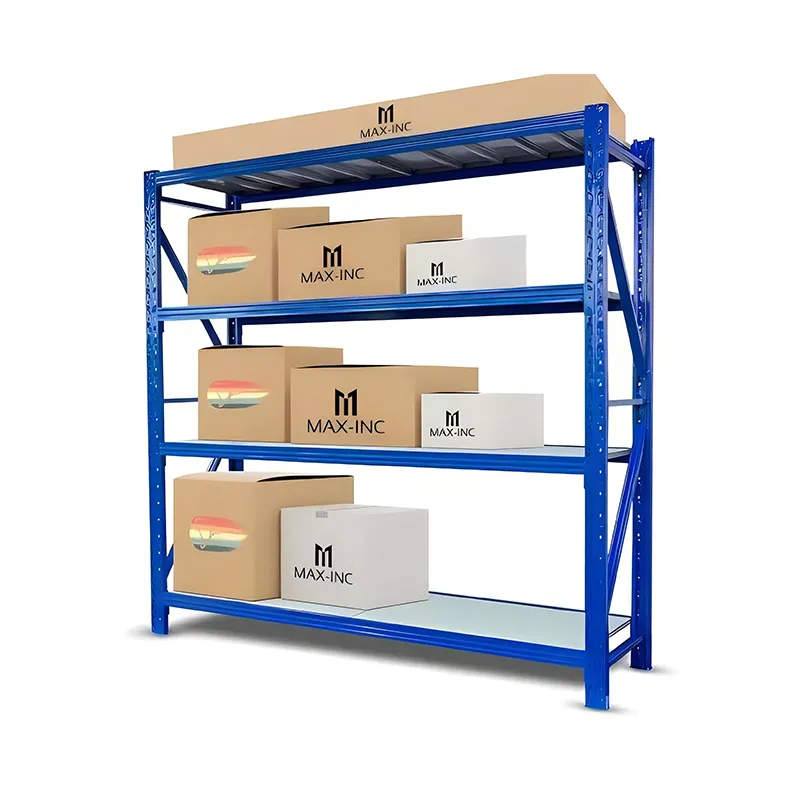
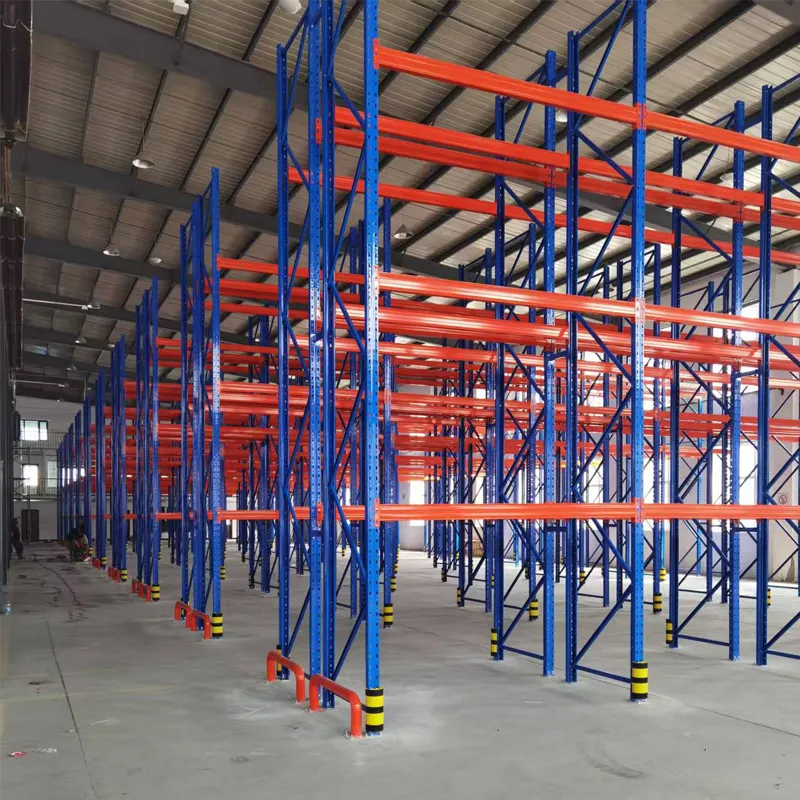
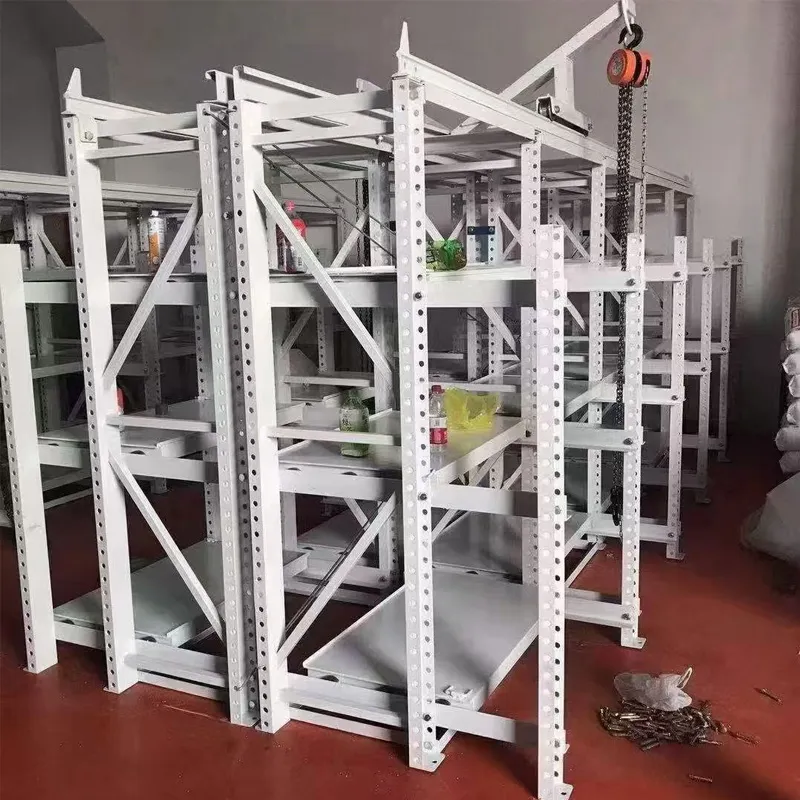
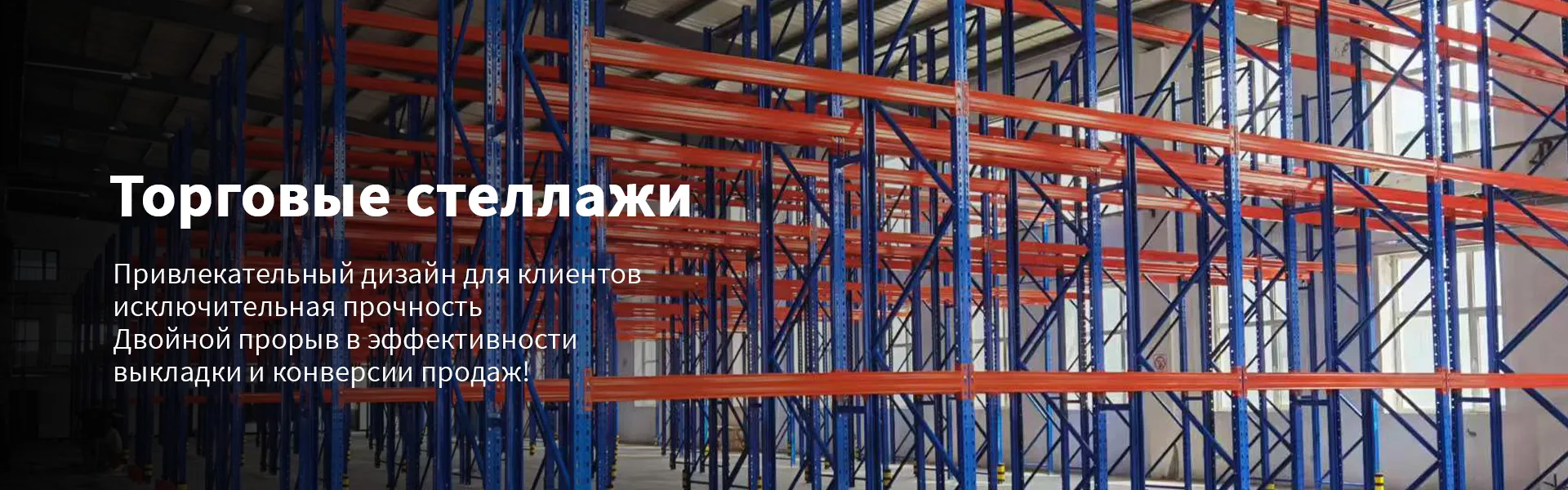
Previously, it seemed that everything was simple: there is a room, there is a load - we order racks according to the dimensions. In fact, the first serious task comes down to details. For example, we worked with a batch of long lengths. We ordered standard pallet racks, but then it turned out that the center of gravity of the load was shifted, and the standard beams could not withstand dynamic loads. We had to urgently look for a manufacturer who could quickly recalculate the design and supply reinforced components. It was an expensive lesson.
It is at such moments that you understand the value of a manufacturer who does not just sell hardware, but runs the full cycle: from design to installation. Found a company for myselfHarbin Jiusheng Metal Structure Manufacturing Co.,Ltd. They don’t just manufacture, their engineers first request data on SKU turnover, by type of loader, even on plans for expanding the range. Without this, any system will be a crutch.
Websitehttps://www.jshj.ruis essentially a portal into their approach. It is clear that the plant, founded in 2019 in Harbin, has been focused on comprehensive solutions from the very beginning. 20,000 square meters is not just workshops, it is an opportunity to make non-standard spans and test loads. For me, this became a key factor when choosing a partner.
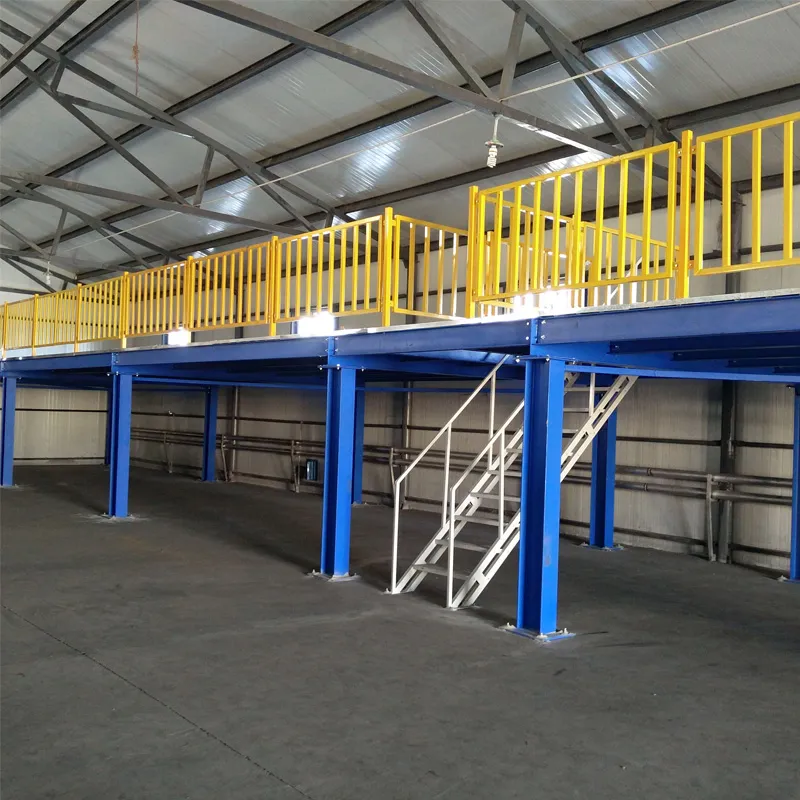
Nowadays automation is in fashion. Everyone wants four-way shuttles or tall racking systems. But if you have a seasonal product with peak loads, a complex system can become a burden. I remember a project for a parts distributor. We talked them into mezzanine shelving to make the most of the height. We saved space, but the speed of selecting small items dropped by half - the operators were simply tired of running around the tiers.
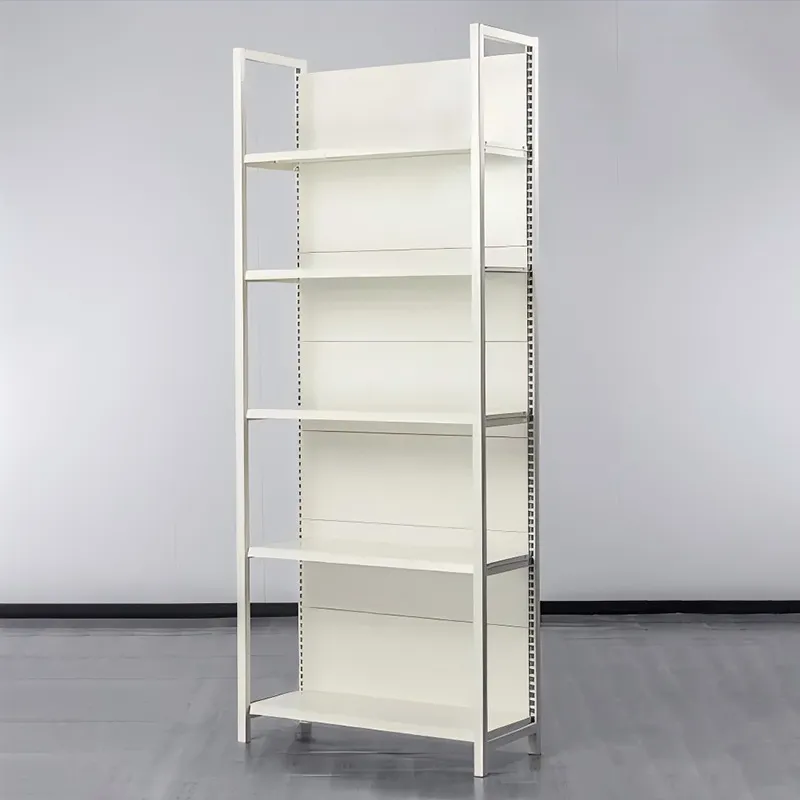
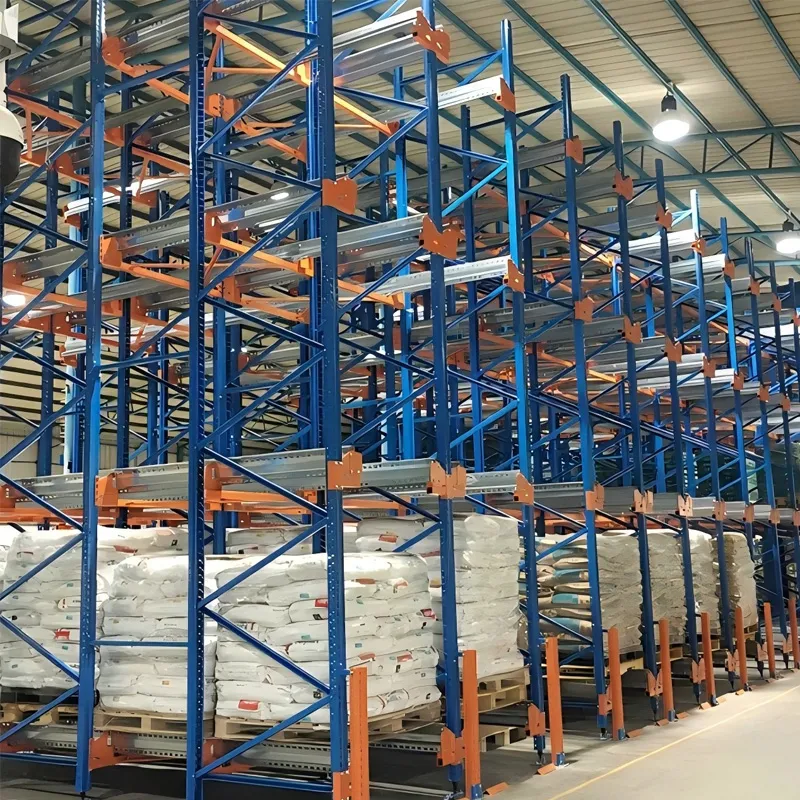
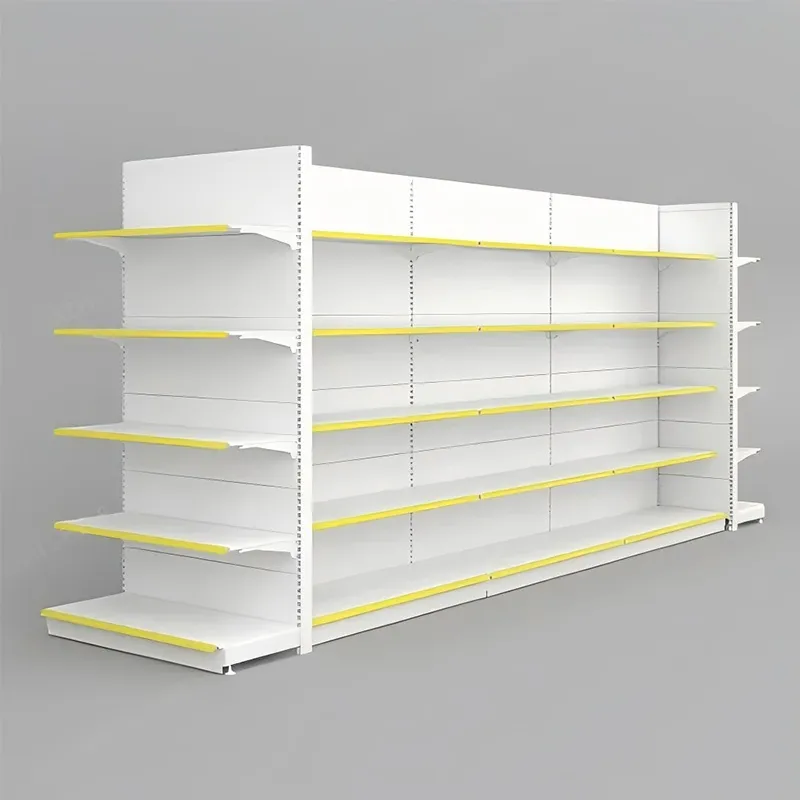
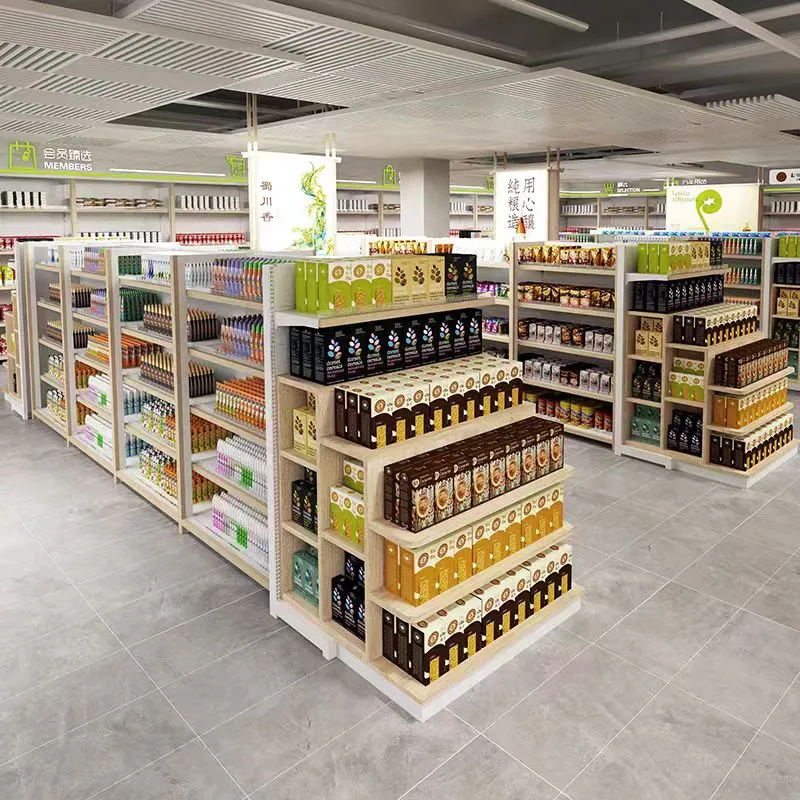
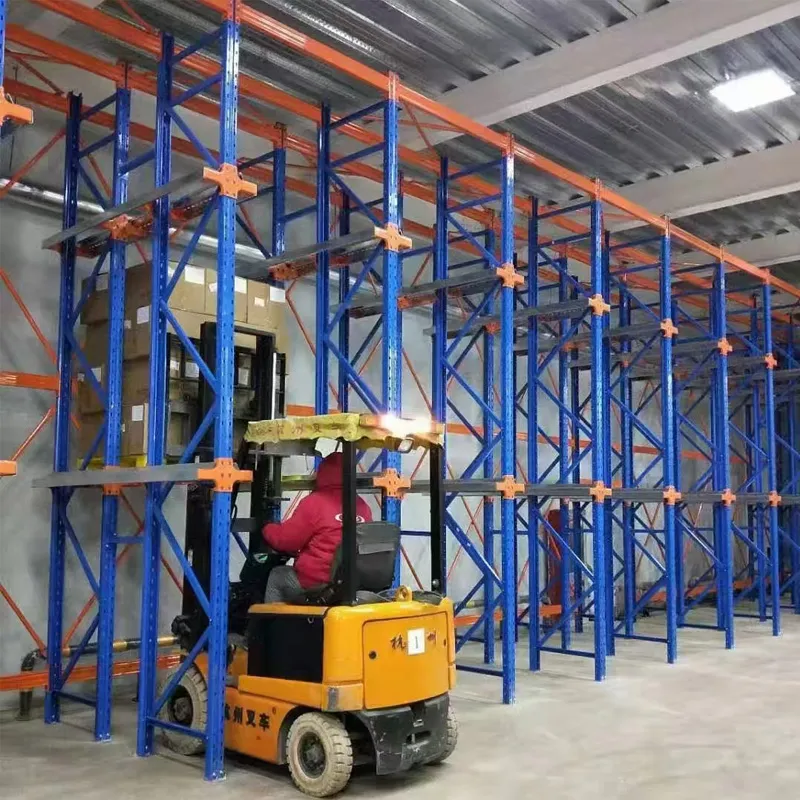
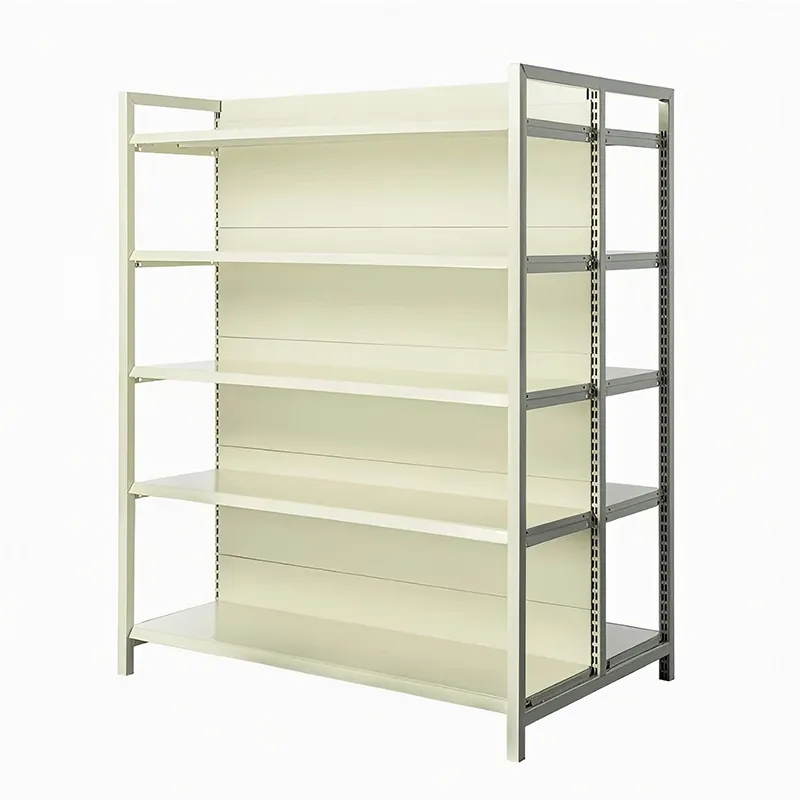
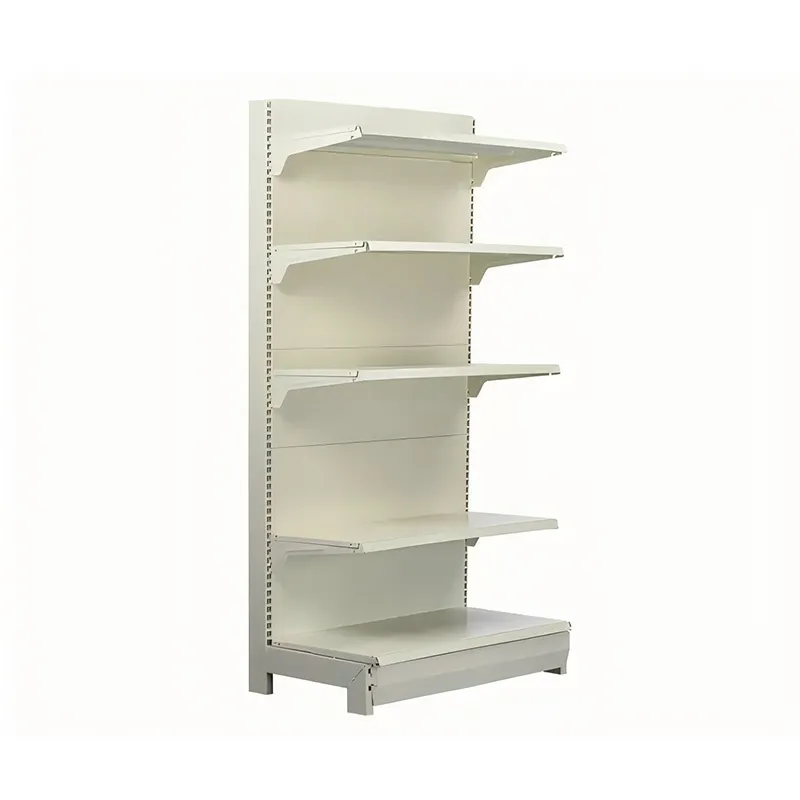
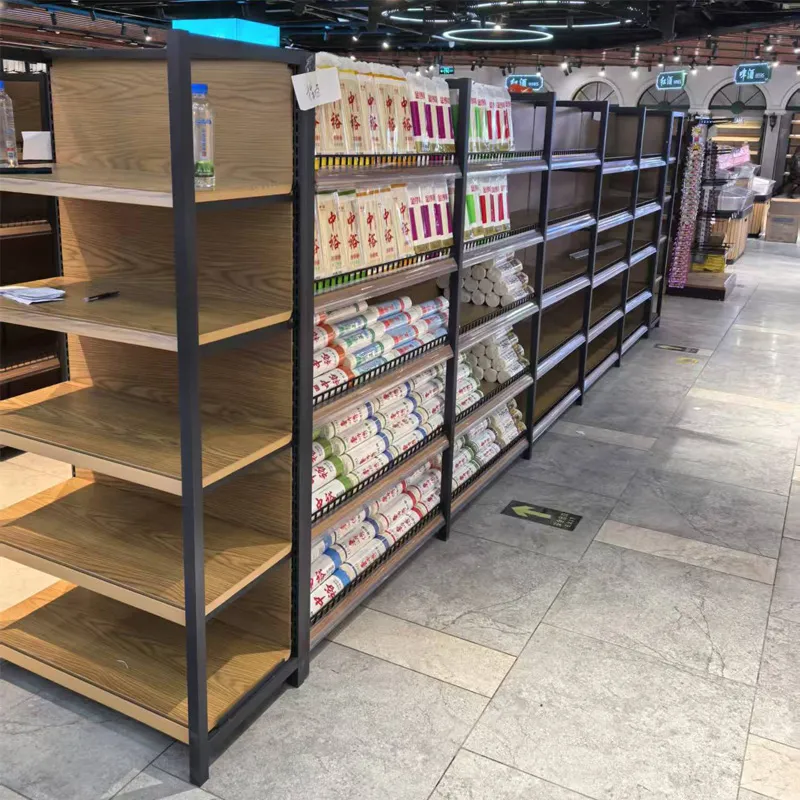
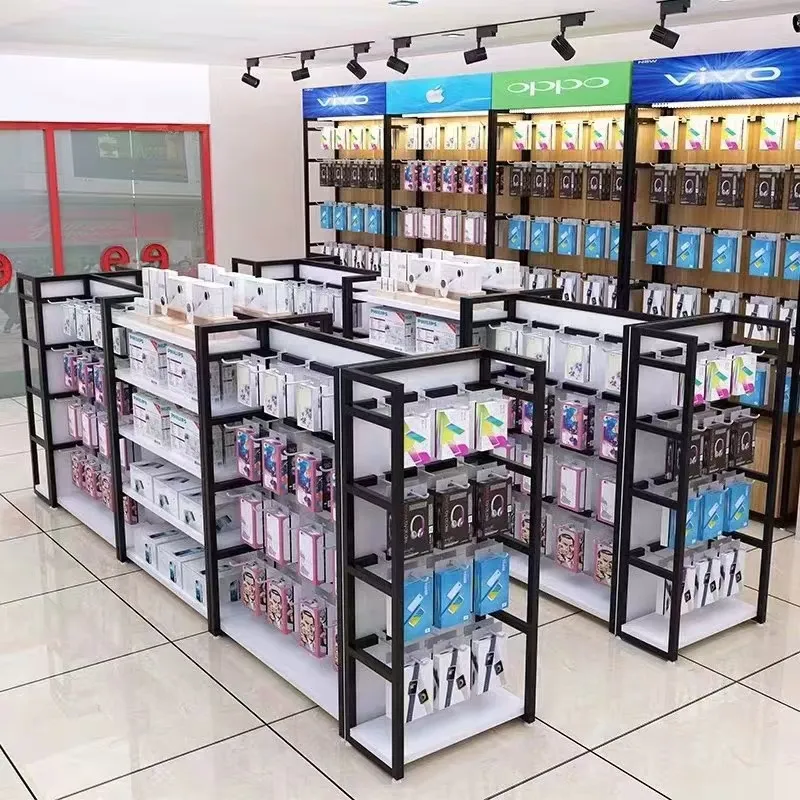
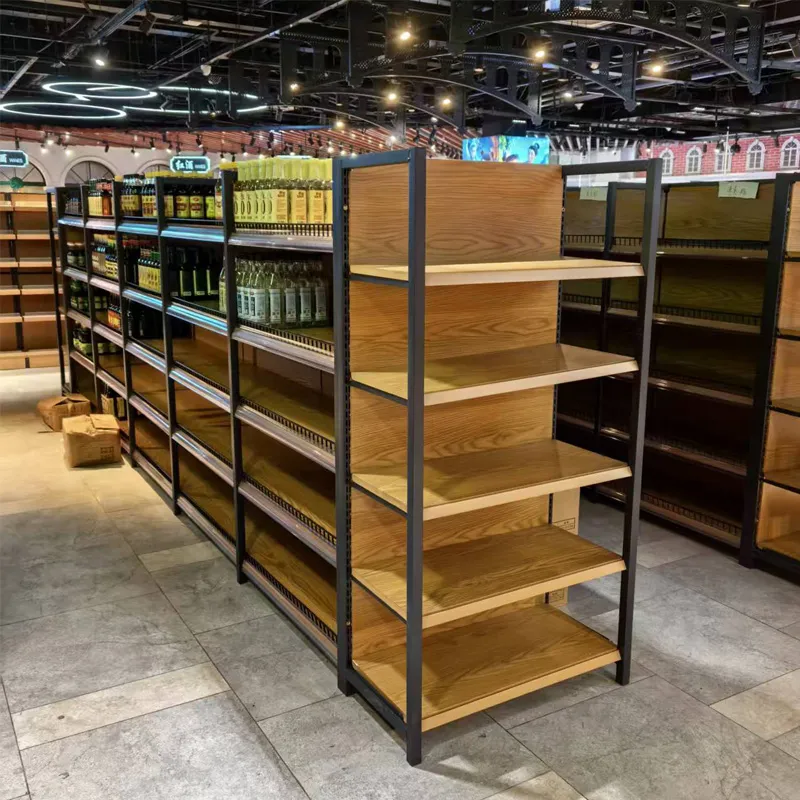
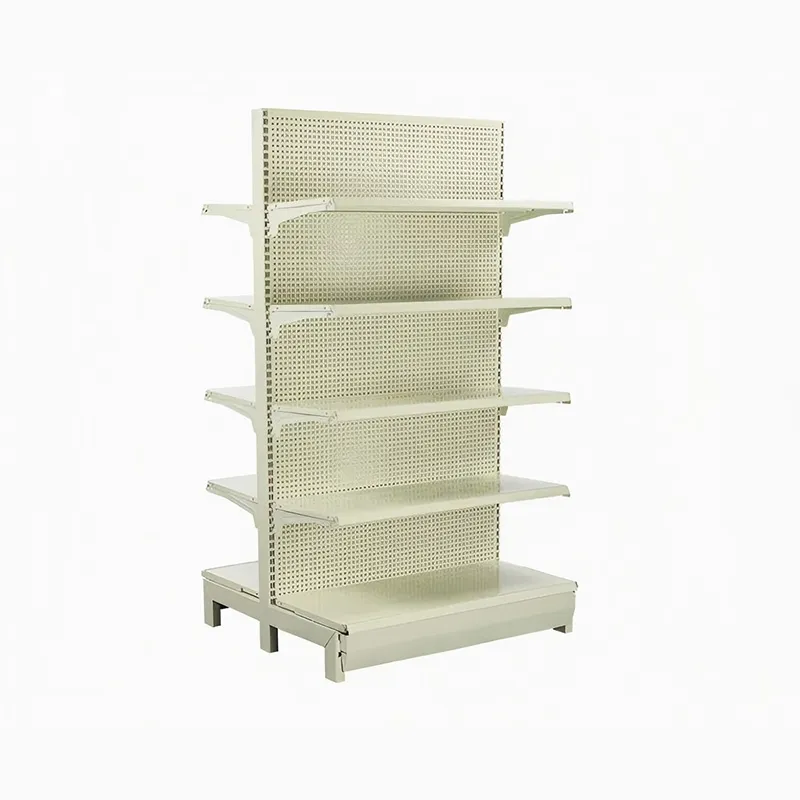
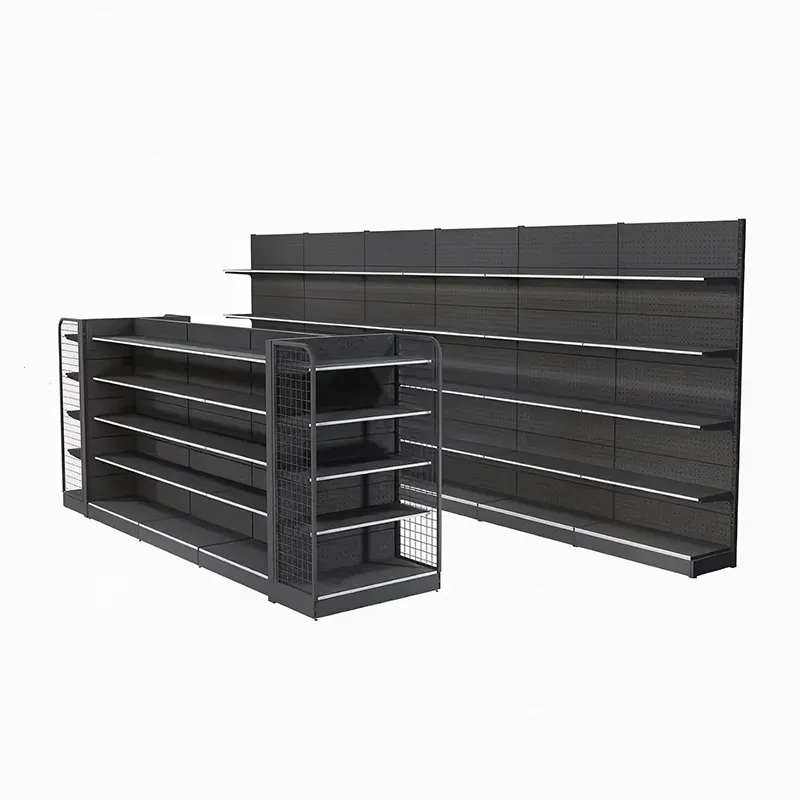
Experience comes in handy hereHarbin shelving plant 'Jusheng'. They did not sell the most expensive items, but offered a hybrid: for pallets - classic shelf racks with increased clearance for forklifts, and for small-item assortments - compact racks for sales floors with manual selection in the picking area. Their “full cycle of work” principle means that they calculate operational, and not just structural risks.
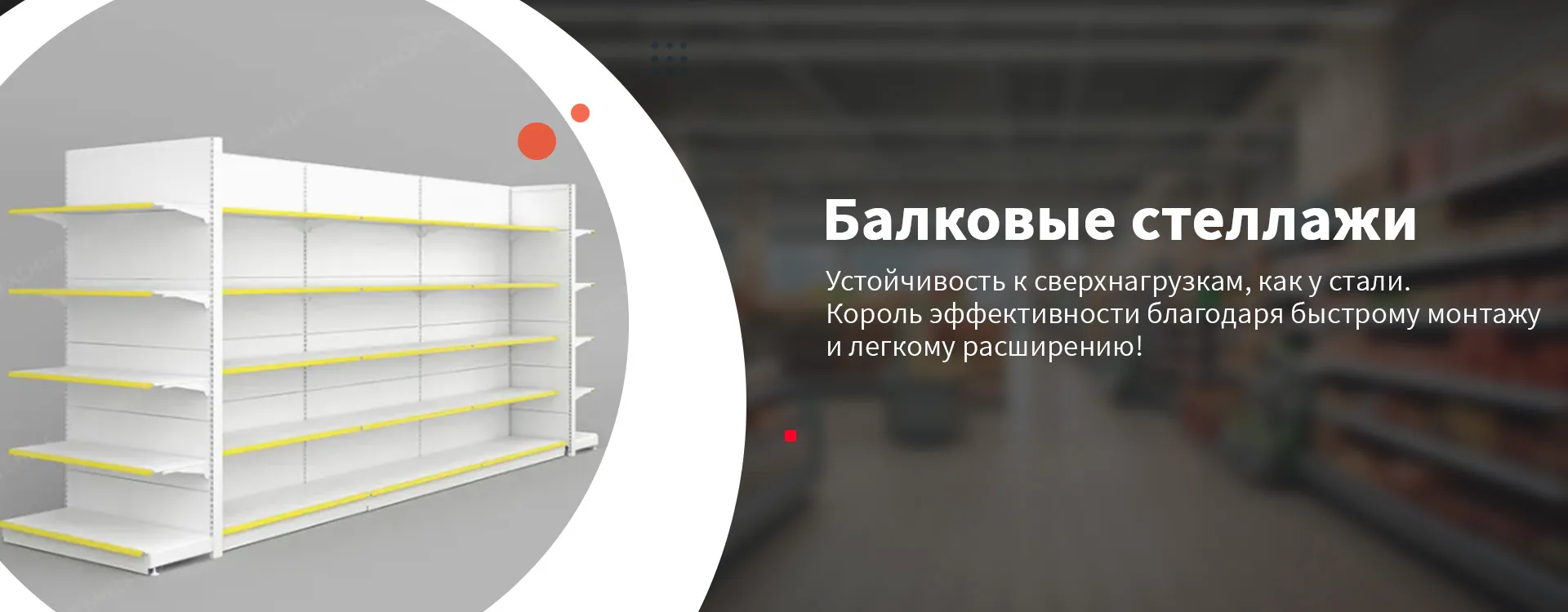
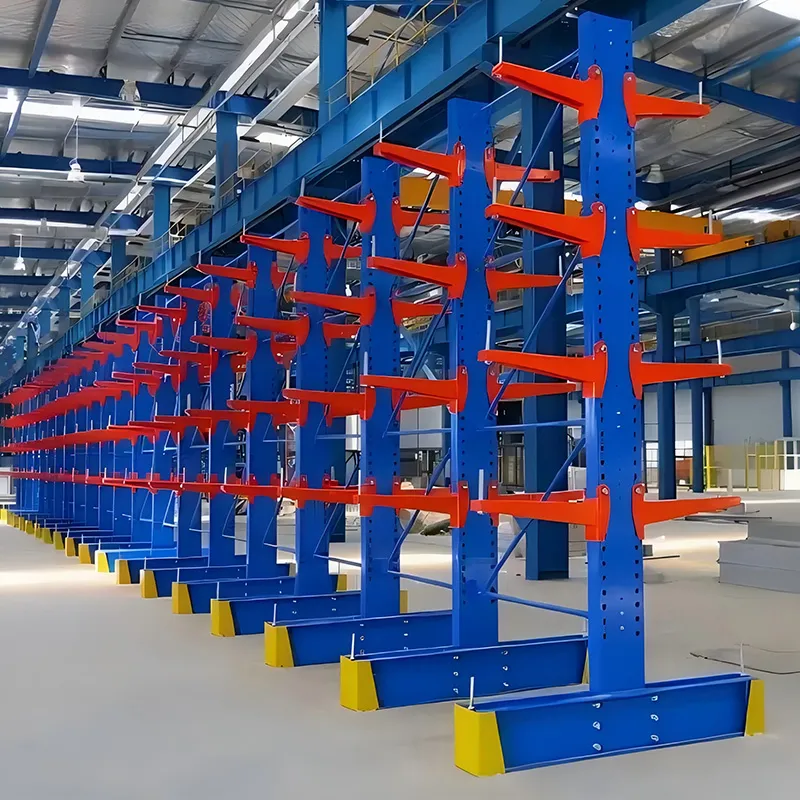
I especially appreciate their approach to beam and cantilever shelving. For rolled metal or plastic pipes this is often the only option. They always ask about the method of attaching the consoles to the column - welded or bolted? Both the flexibility of reconfiguration and the final cost depend on this. A small detail, but it results in thousands of rubles in savings during the next redevelopment.
Even an ideal project can be ruined at the installation stage. The most common problem that few people think about in advance is the condition of the floor. The automated production lines that Jusheng has guarantee that the geometry of the racks is accurate to the millimeter. But if the floor in your warehouse has a slope or local subsidence, all this precision is down the drain. The racks will warp, the beam locks will not fit together.
Therefore, now I always insist on conducting a geodetic survey of the floor before concluding a contract. Good manufacturers, like the factory mentioned above, include this in the design phase. They provide leveling recommendations or, at a minimum, calculate expansion joints and anchorage to account for unevenness. This is not an expense item on which you can save.
Another point is installation logistics. Large sections must not only be delivered, but also unloaded in the correct sequence. Working with their team, I noted that they send not just installers, but a foreman who checks each unit with the layout plan. This prevents chaos when half the parts are already assembled and the other half is locked in the far corner of the warehouse.
The guarantee is good. But the warehouse lives on: goods and equipment change, random impacts from a forklift occur. The real test of a partner comes after a year or two, when you need to purchase several sections or strengthen one zone. Here it becomes clear whether the manufacturer is alive and whether he has the same profiles and fasteners in stock.
Here I return again to the advantage of large factories with a full cycle. Since'Jusheng'carries out design, production, and after-sales service for the entire range of racking systems; as a rule, they retain drawings and equipment. We ordered an additional tier for the mezzanine from them three years later - they brought perfectly fitting parts, without any on-site adjustment.
An important aspect of their service is advice on safe reloading. Often clients, without consulting, begin to hang more than the calculated amount on the beams. Their engineers can come, evaluate the changes and give an official opinion: whether the load can be increased, or whether additional racks need to be installed. This is not just a service, it is accident prevention.
So what is all this for?Shelving for increased storage efficiencyis not a product that can be bought in a box. This is a process that begins with a deep audit of one’s own business processes and ends with competent operation. This is a constant dialogue between the logistician, storekeepers and the manufacturer.
The choice in favor of a specialized enterprise, which, asHarbin Jusheng LLC, takes responsibility for the entire cycle, relieves many headaches. Their automated lines are a guarantee of quality, and their approach to design ensures that the system will work and not just sit there.
In the end, the most efficient warehouse is one where the operator does not spend extra effort searching for goods, equipment does not break down on incorrectly designed aisles, and the owner does not pay for extra square meters or downtime. And the right shelving, designed and built with that goal in mind, is the surest foundation for that efficiency. Not a frame, but a foundation.