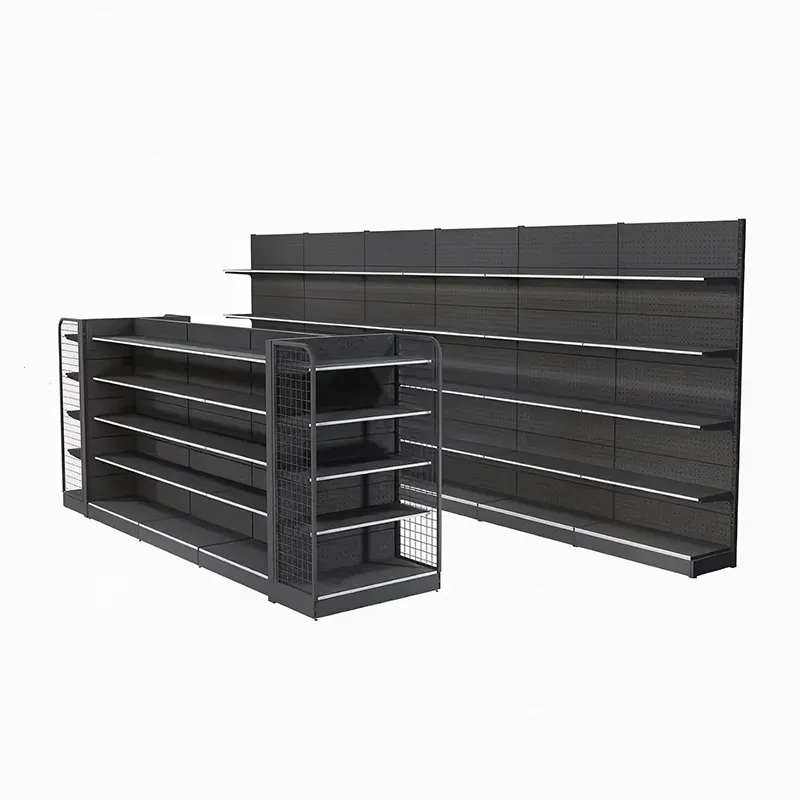
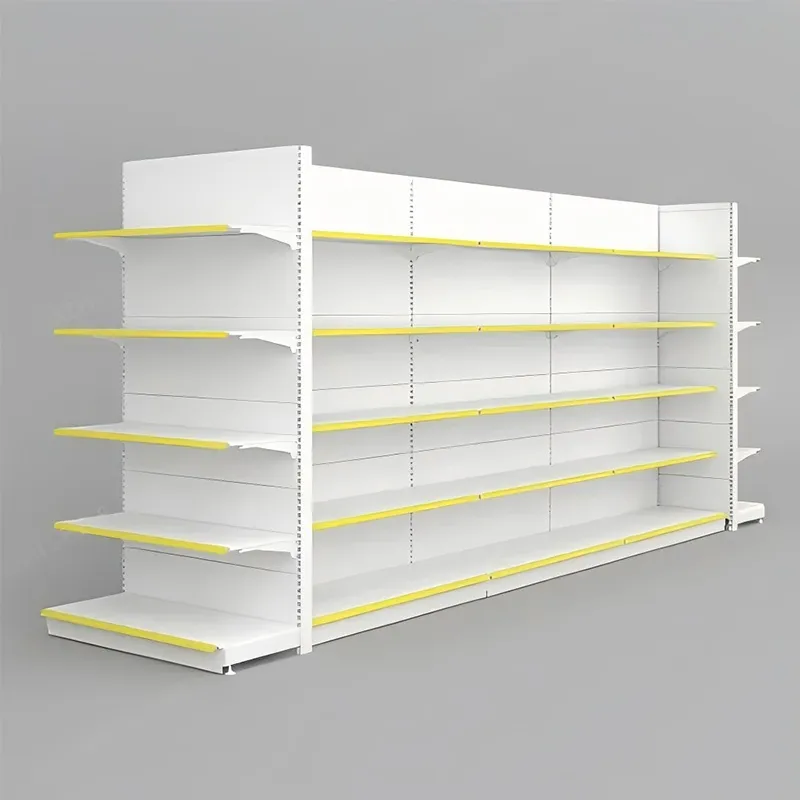
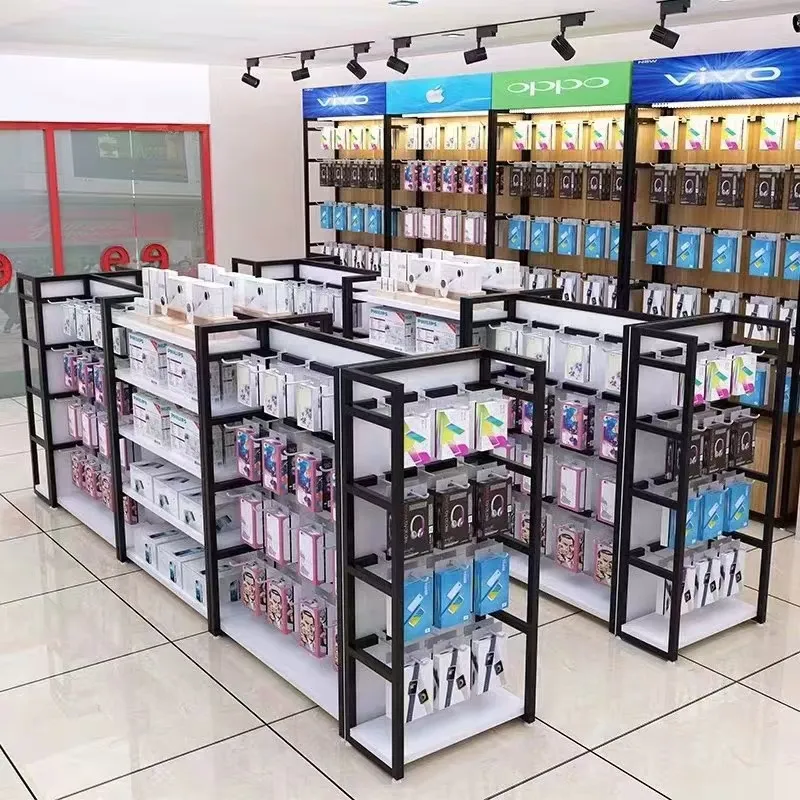
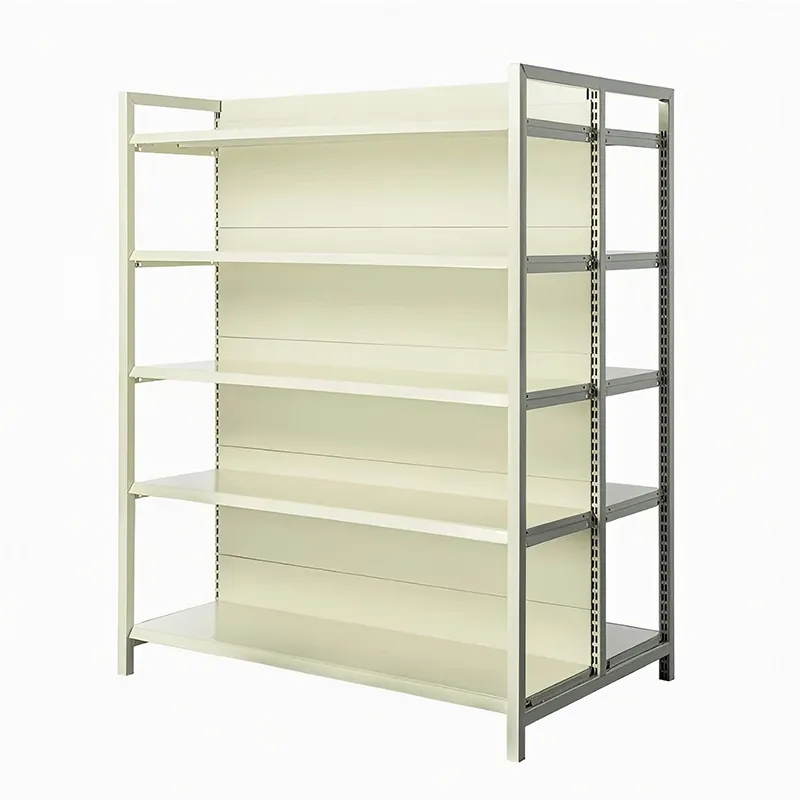
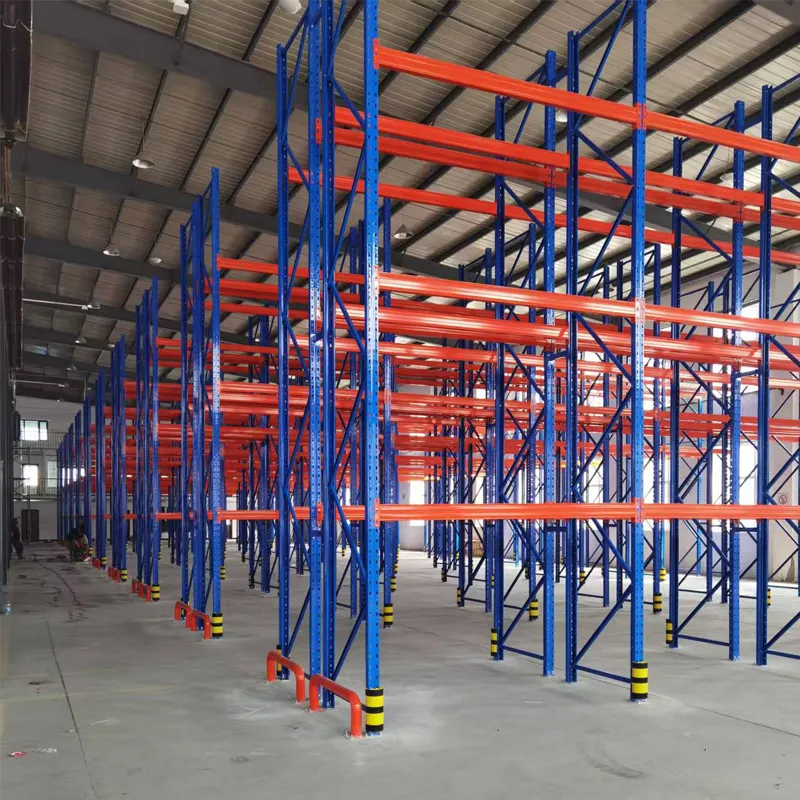
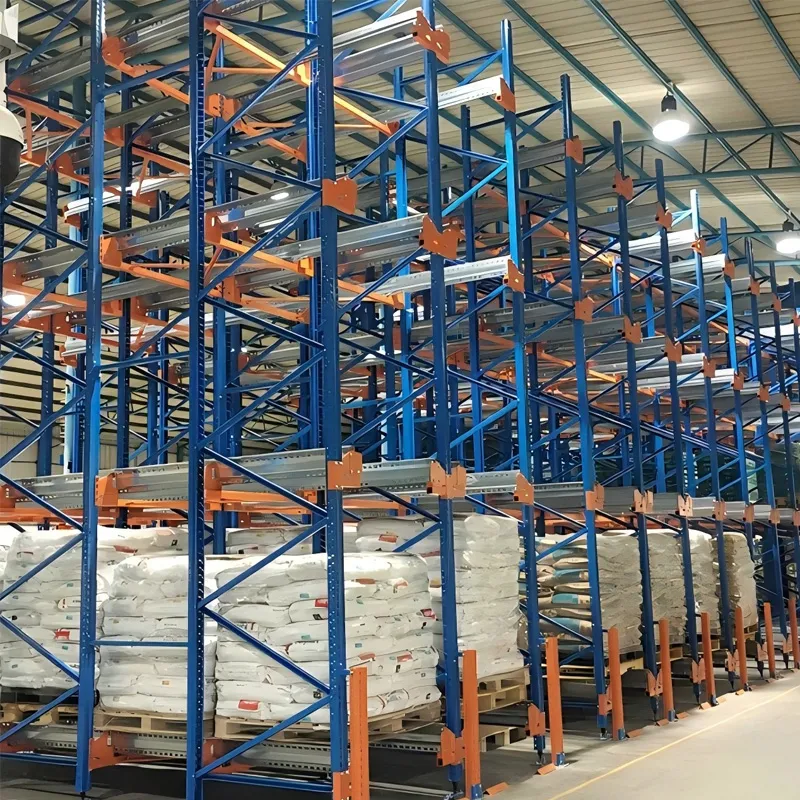
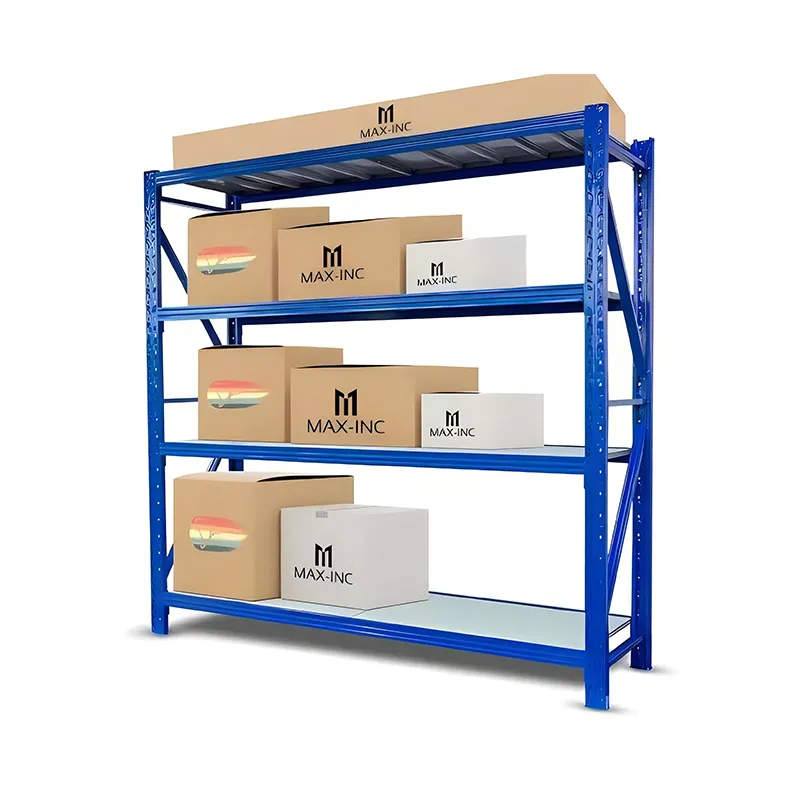
When you hear “calculation of the load on warehouse racks?”, many immediately imagine a plate from GOST or a standard formula. In fact, this is a story that begins not with a calculator, but with the question “what is going to happen here?” A common mistake is to take only the rated load-carrying capacity of the beam as a basis. And then wonder why the rack moved or the mount doesn’t hold up. The passport is ideal laboratory conditions. A real warehouse involves vibrations from forklifts, uneven loading of cells, possible shocks, and simply the human factor, when the warehouseman is “a little bit?” overloads the shelf because “one time is possible?”. It’s these nuances that are not spelled out in the formulas that I want to talk about.
So, the basis is, of course, the weight of the storage unit. But if only it were that simple. We take a pallet with boxes - it would seem that we have weighed it and we’re done. However, dynamics must be taken into account. The loader does not place the pallet perfectly smoothly, resulting in a shock load. The dynamic coefficient is a necessary thing, but its value depends on the type of floor covering, the speed of operation of the equipment, and even on the qualifications of the driver. In our calculations, we often include a minimum of 1.2 to the static weight, and for intensive zones - even 1.5.
Another point is distribution. A classic mistake: a beam 3 meters long is designed to carry a load of 1500 kg. The client thinks this means 500 kg for each of the three cells. In fact, this is the ultimate load on the entire beam, and it can be applied unevenly to the center, to the edge. You need to look at diagrams of bending moments. Therefore, in projects we always ask to provide not only the weight, but also the dimensions of the cargo and the layout of its placement in the cell. It happened that under a heavy but compact machine it was necessary to strengthen not the beam, but the stand underneath it, because the entire mass pressed on a small area.
And of course, snow. No, not on the street, but on the upper tiers of the shelves. When the racking system is high and the warehouse is unheated, moisture can condense on the upper horizontal ties and floorings and dust can accumulate. This is an additional, often unaccounted for mass. Plus - possible storage of lightweight but bulky items (for example, empty containers) at the very top, which increases windage. This is critical when designing for seismic or stability.
I’ll tell you about one incident that became a good lesson for us. The customer stored auto parts - boxes of different weights, it seemed like everything had been calculated. But six months later we received a claim: the load-bearing beams in the middle part of the row were deformed. They began to figure it out. It turned out that the logistics at the warehouse had changed: the heaviest engines were no longer placed down, as originally planned, but right in the middle of the height, for ease of selection. And the system was designed to increase the load towards the bottom. We had to urgently strengthen the structure. Now we always include in the terms of reference the question: “Probability of changes in logistics flows in the future?” and offer more universal, albeit slightly more expensive, schemescalculating the load on warehouse racks.
Another stumbling block is the fastenings to the floor. You can perfectly calculate the rack, but if the anchor is in loose concrete or there is simply not enough of it, all the work is in vain. I saw objects where the racks were “walking?” simply because the installers spared the anchors or did not check the quality of the foundation. Now we always insist on providing a concrete test report for compression or anchor pullout when serious loads are involved. This is not nitpicking, this is safety.
And, of course, the human factor. No calculation will allow for a forklift to crash into the driveway. But it is possible to provide protective racks (bumpers) around the perimeter. Their load also needs to be taken into account - not by the weight of the stored goods, but by the kinetic energy of the moving vehicle. This is a separate task, but it cannot be ignored.
Here a lot depends on the quality of the metal and the geometry of the profile. You can take two beams with the same wall height, but different thickness of metal or with different spacing of stiffeners - and their load-bearing capacity will differ significantly. When choosing a supplier, I always look at these details. For example, at a Chinese factory?Harbin Jusheng Metal Structure Manufacturing Co.,Ltd. (https://www.jshj.ru) product descriptions often focus on the use of cold-rolled steel of a certain grade and on reinforced designs of connection points. This is an important marker. The plant, founded in 2019 in Harbin and having serious production capacity, positions itself as a full-cycle enterprise - from design to installation. For a calculation specialist, this means that you can request from such a manufacturer not just a catalog, but detailed design diagrams and certificates for materials, which greatly simplifies life.
Particularly critical connections are bolted or snap-in (lock systems). Their shear and crush strength should be no less, or better yet, greater than that of the load-bearing elements themselves. Often the weak link is right here. When making calculations, we always require the manufacturer to provide test reports specifically for connections. The mentioned Harbin racking plant ?Jusheng? in its work it focuses on the full cycle, which, in my opinion, also implies responsibility for such tests, and not just the sale of standard designs.
Another practical tip: pay attention to the admission system. A good manufacturer always indicates the permissible deviations vertically and horizontally. If in the calculation we assume ideal verticality, but during installation the rack has a deviation of several degrees, this creates additional stress, which significantly reduces the overall load capacity. This is the very “trifle” that breaks the entire system.
Nowadays there is a lot of specialized software for calculating racks - it automatically calculates moments of inertia, deflections, and selects a cross-section. It's a great tool, but dangerous if used as a black box. I always start with a rough estimate on paper - main loads, diagrams. Then I put it into the program. This helps to immediately see if the program produces an obviously strange result due to an incorrectly entered condition. The program does not know that you may have a non-standard load in your cell with a shifted center of gravity.
It is especially important to model not only an individual frame, but also the entire system, taking into account the spatial operation of the connections. A single rack is one thing, but a block of ten interconnected rows is quite another. The load can be redistributed. There have been cases when local overload of one row was partially compensated by neighboring rows, if the connection system was properly designed. This is already aerobatics incalculating the load on warehouse racks.
And you should never neglect manual checking of key components. For example, calculation of anchorage. The program can give the total force, but how will it be distributed among the anchors in the group? Here we already need manual formulas. This is painstaking, but necessary for confidence.
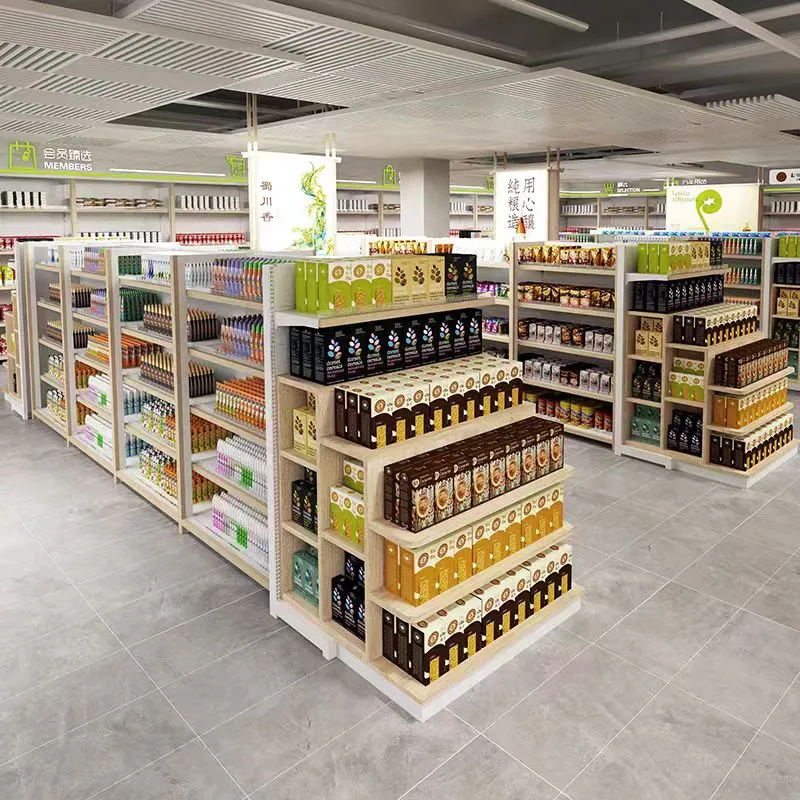
As a result, the most important tool in calculation is not a calculator or software, but a dialogue. Dialogue with the customer: what, how, with what intensity will be stored. Dialogue with logisticians: how flows will move. Dialogue with a manufacturer, such as Jusheng, which, as a full-cycle enterprise, can provide feedback on the technological capabilities and limitations of its shelving designs for sales floors, warehouses, mezzanine or beam systems.
The calculation is not a one-time piece of paper, it is a scenario for future operation. And in this scenario, you need to provide not only for the ideal day, but also for the day when the new employee makes a mistake, or when you need to deliver something heavier than usual. Margin of safety is not just a ratio, it is an understanding of the chaos of real warehouse life. Therefore, in my works I always try not just to give out numbers, but to explain where they came from and what will happen if conditions go beyond the given limits. It's fair. And this, ultimately, is cheaper than remodeling or, God forbid, dealing with the consequences of a collapse.
So, to summarize, it’s competentload calculation- this is always a story with a continuation, from the first consultation to periodic checks of an already installed system. And in this story, the engineer is not just a calculator, but rather a screenwriter and an insurance agent rolled into one.