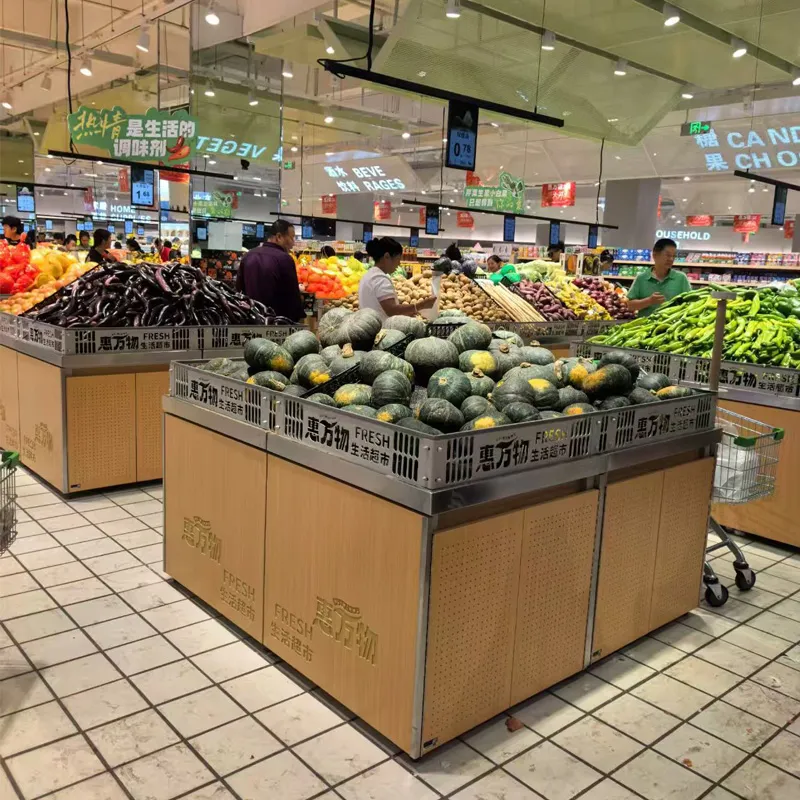
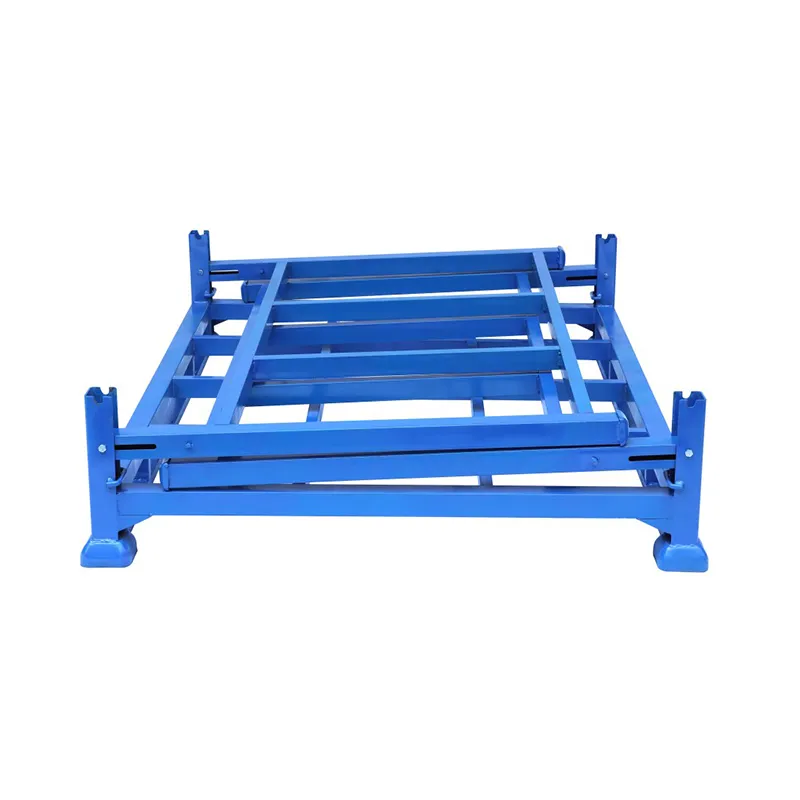
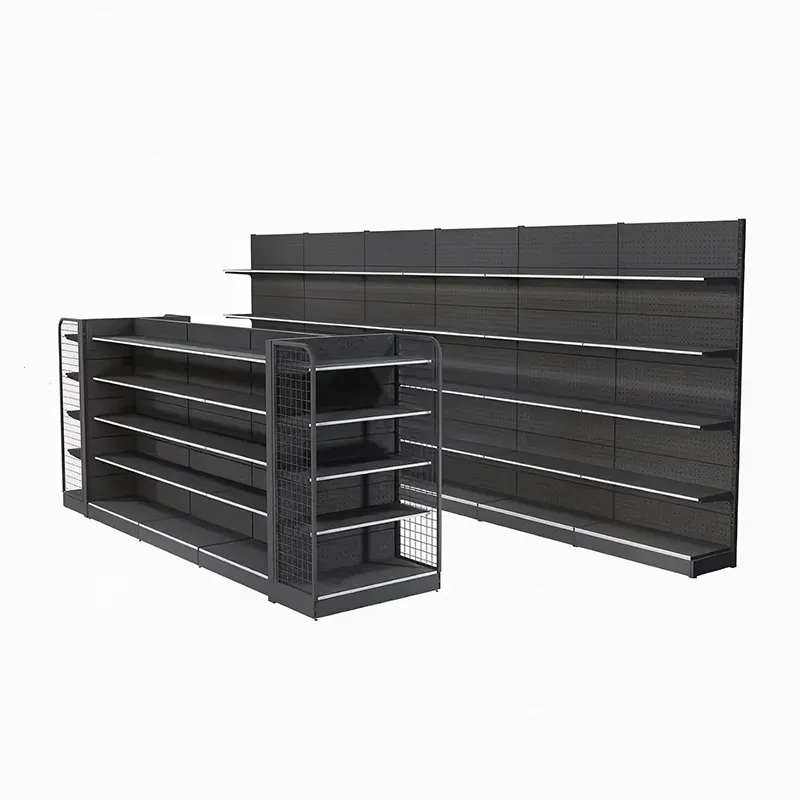
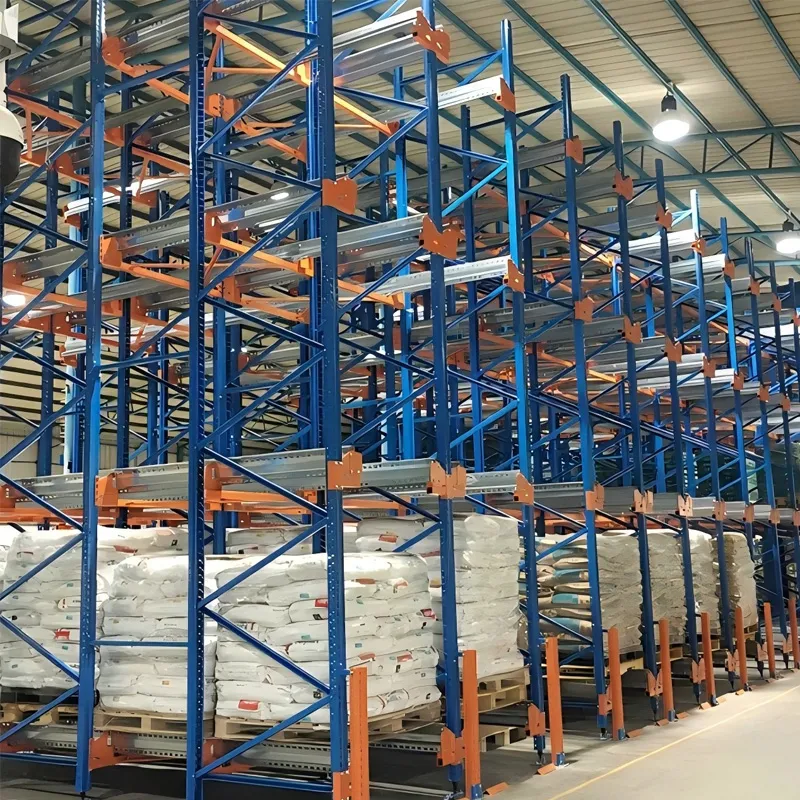
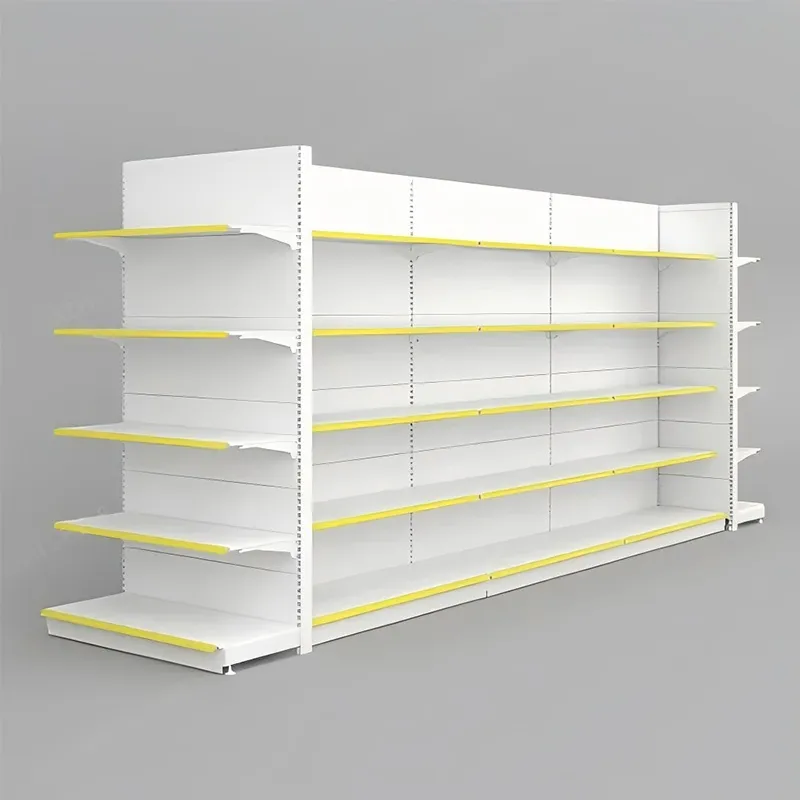
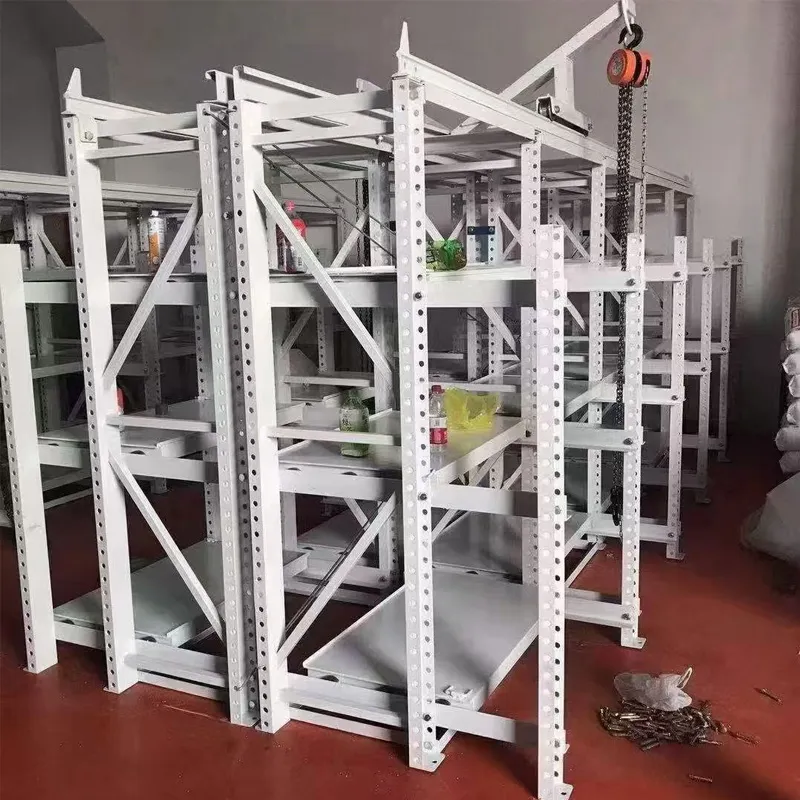
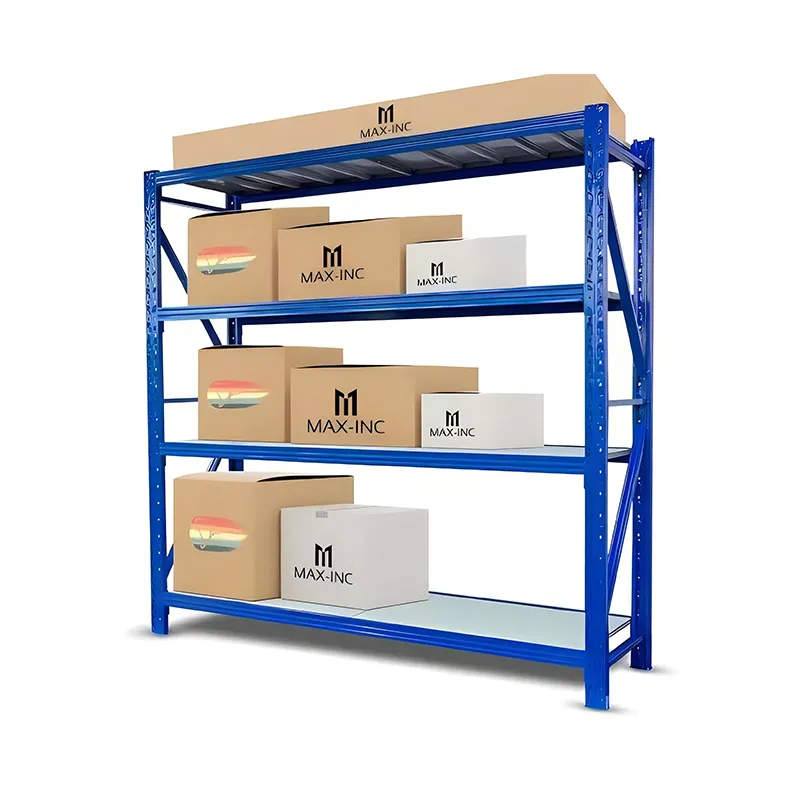
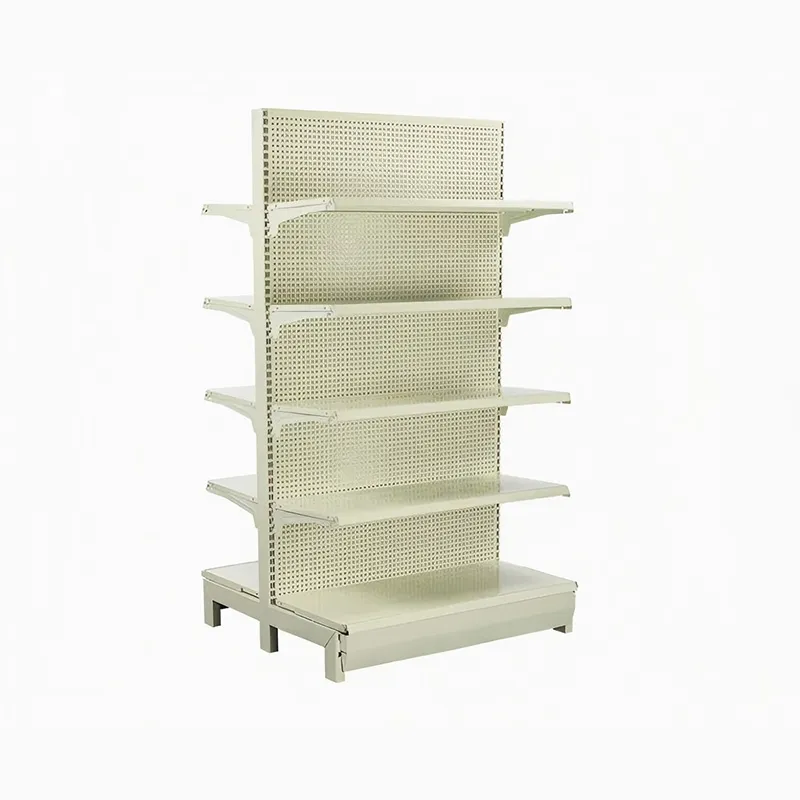
When you hear “retail shelving,” many people think of just shelves for goods. In fact, it is a complex system on which revenue, logistics within the store, and even the customer’s perception of the brand depend. A common mistake is to choose them based on the principle “if only they were cheaper?” or “like competitors?”, without taking into account the specifics of the product, the flow of people and future promotions. I went through this myself.
An ideal project on paper often breaks down in reality. I remember a case when elegant shelving with thin consoles was ordered for a large clothing store. Visually - great. But they did not take into account the weight of winter coats and down jackets that they planned to hang. After the first load, several brackets showed noticeable deflection. We had to urgently strengthen the structure and change fasteners. Conclusion: engineering calculation forretail shelvingshould take into account not the average, but the peak load scenario, especially for seasonal goods.
Another nuance is installation. Even the best-designed system can be ruined by careless on-site assembly. Gaps, distortions, wobbly elements - all this kills both functionality and appearance. Therefore, now we always insist either on sending our own installation supervision, or on thoroughly instructing local teams with the provision of detailed diagrams. By the way, some manufacturers, such as the Harbin Jusheng plant, often include installation supervision services in complex deliveries, which seriously reduces risks.
Speaking about production, it is worth noting that the location of the plant plays a role not only in price. For example,?Harbin Jusheng Metal Structure Manufacturing Co.,Ltd., based in northeast China, is historically strong in working with metal for difficult climate conditions. Their approach to painting and anti-corrosion treatment forretail shelving, intended, say, for wet rooms or unheated retail areas, are often more thoughtful than those of their southern counterparts.
Previously, the main requirement was “durability for centuries”. Now the trend has shifted towards adaptability. Stores are constantly changing their assortment, rebranding, and experimenting with zoning. Rigidly welded, non-demountable structures have become an anachronism. Systems that can be quickly reconfigured are valuable: move a shelf, add a bracket, change the height of a section.
We tried working with modular systems from different suppliers. Not everything is successful. Sometimes ?universal? the fasteners turned out to be not so universal, and adjustments were required to join elements from different batches. Through experience, we came to the conclusion that it is better to choose a manufacturer with a clearly standardized line of components and full compatibility within it. In the descriptionJusheng plantthe emphasis is on the full cycle and a wide range of systems - this often means that they can offer a flexible modular system, where components forretail shelvingand, for example, warehouse racks are designed with possible integration in mind.
Accessories are a different story. Hooks, holders for price tags, baskets for impulse purchases. Their availability ?out of the box? saves a lot of time for the manufacturer. Ordering them separately later is always a hassle with fastenings and design.
There's a lot of marketing noise here. ?Super durable polymer coating? - sounds solid, but what is behind it? In practice, for most shops, high-quality powder paint on galvanized steel is sufficient. The key is in surface preparation and spraying technology. I saw samples where the paint peeled off on the cuts after just six months - apparently, there was no proper degreasing and phosphating.
The premium segment often requires combinations: metal + wood, metal + glass. The joining of materials is critical here. A wooden shelf on a metal frame must have a well-thought-out fastening system that compensates for different thermal expansion, otherwise cracks or deformations will appear. Not every manufacturer takes on such hybrid projects, preferring to work with one material.
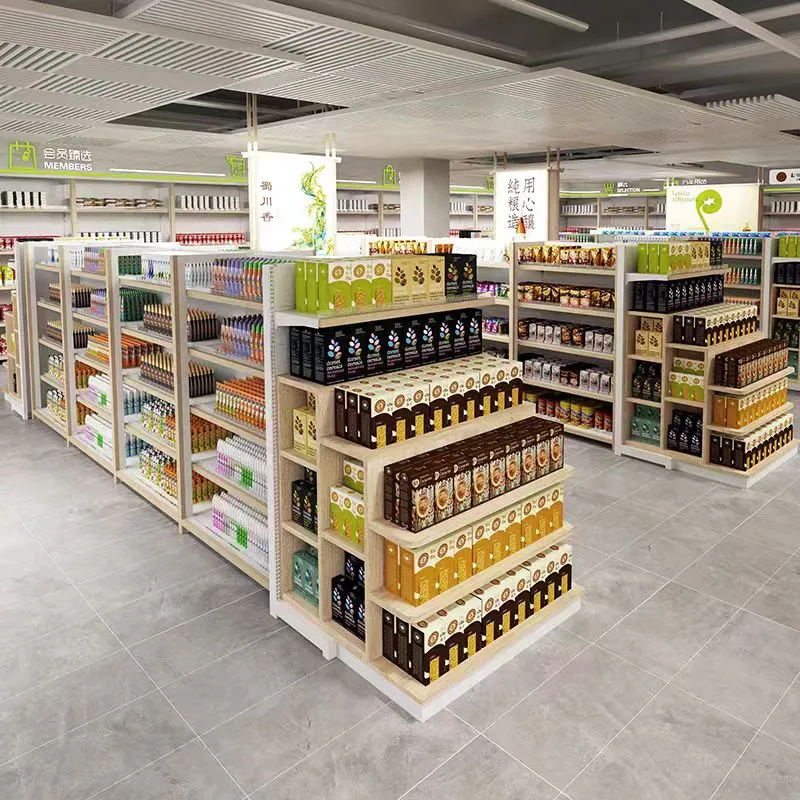
Color. It would seem nonsense. But no. Glossy surfaces look flashy but show every scratch and fingerprint. Matte ones are more practical, but they can “eat” light. Forretail shelvingIn a grocery store where hygiene is important, light colors with a smooth, easy-to-clean surface are often chosen. In a clothing boutique, on the contrary, they can choose dark matte metal to create the right atmosphere.
The cost of the racks themselves is just the tip of the iceberg. Packaging plays a huge role. Poorly packaged parts arrive bent and with paint torn off. This leads to delays, substitutions, and conflicts. A good manufacturer packs everything properly: corners are protected, lengths are in rigid lathing, small fasteners are in marked bags. This is a sign of respect for the client and your product.
Another point is the completeness of the delivery. Ideally, each box or pallet is accompanied by a detailed specification, and large parts are marked with markings corresponding to the installation diagram. This turns assembly from a puzzle into an understandable process. On the websitejshj.ruthe company description mentions a full cycle from design to service. For me, this is always an indirect sign that the company thinks systemically and, most likely, pays attention to such “boring” but vital details as competent technical documentation and logistics.
And of course, there is the issue of scaling. A successful store will sooner or later think about expanding. It's good ifretail shelvingYou can buy the same ones in a year or two. Does the manufacturer guarantee this? Will the equipment and color palette remain the same? These are the questions that should be asked at the start of cooperation.
Racks are gradually ceasing to be passive equipment. Integration with LED lighting, sensors for accounting balances, mounts for digital price tags - this is no longer fantasy, but real requests from networks. The problem is that electronics and metal structures have different life cycles. How to design a system so that replacing the LED strip does not require complete dismantling of the shelf?
We experimented with cable channels built into racks and universal tablet mounts. It turned out to be imperfect: the channels became clogged with dust, and the fastenings limited the options for rearrangement. I think the future lies in a smarter, but at the same time as simple and standardized solution as possible. Perhaps behind the power buses, to which you can “hook up?” any device.
As a result, choosingretail shelving, you are essentially choosing a partner for years. You need to look not at a pretty picture in a catalog, but at production capacity, engineering culture and willingness to delve into your specific task. Like the same ?Jusheng? — 20,000 sq. meters of area and several automated lines indicate serious volumes and, probably, well-developed quality control processes. But the final test is always the same: how the system will behave in a real store, under load, in daily use. Everything else is theory.