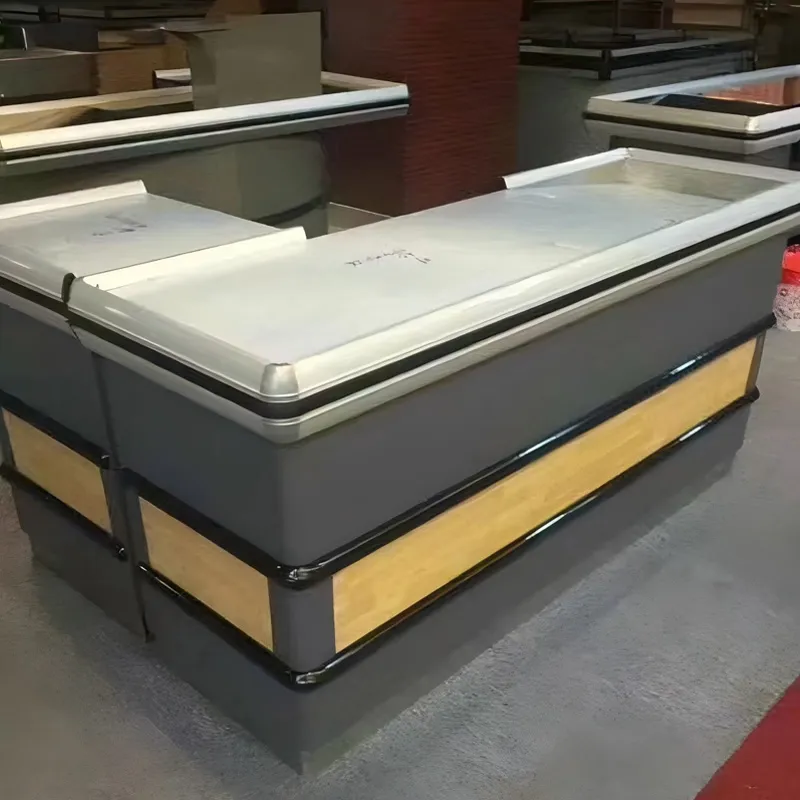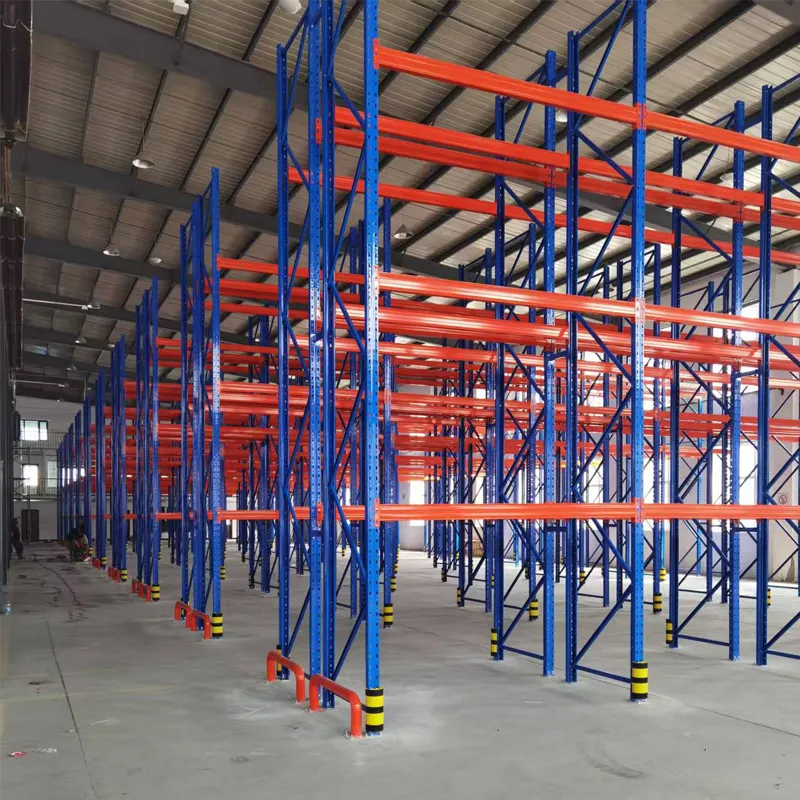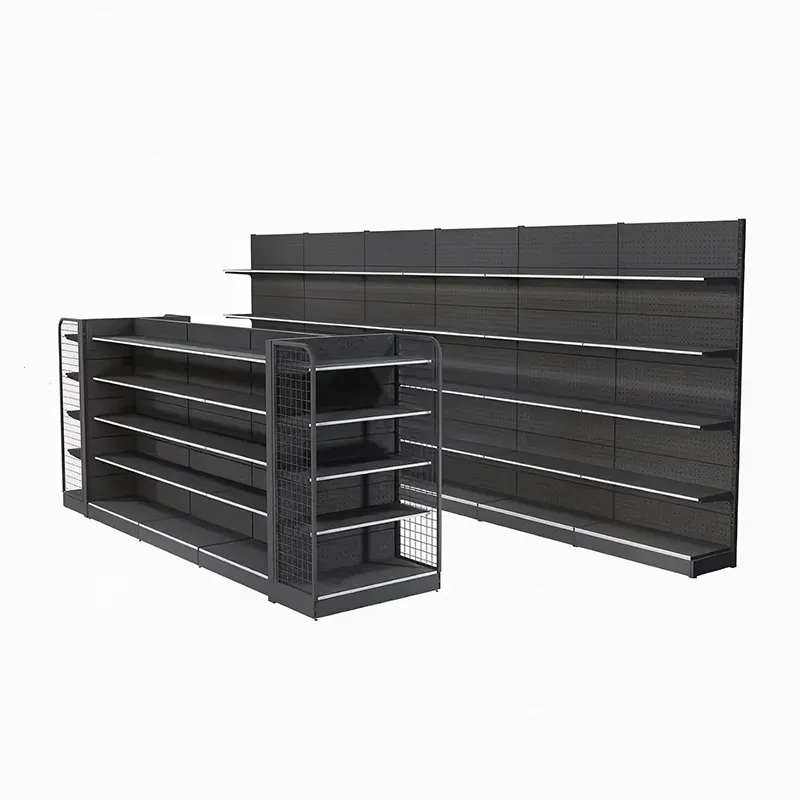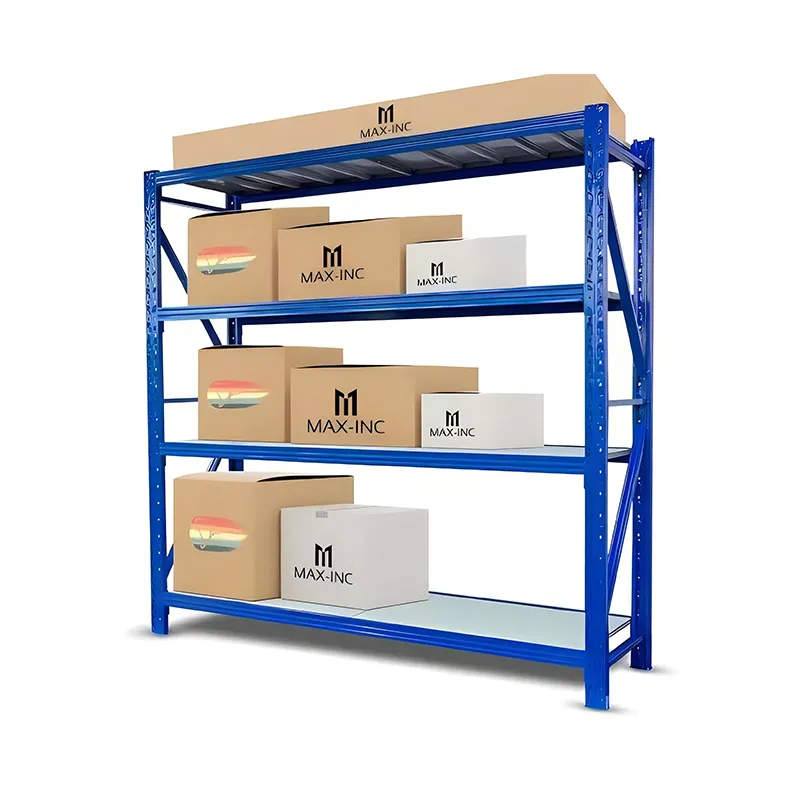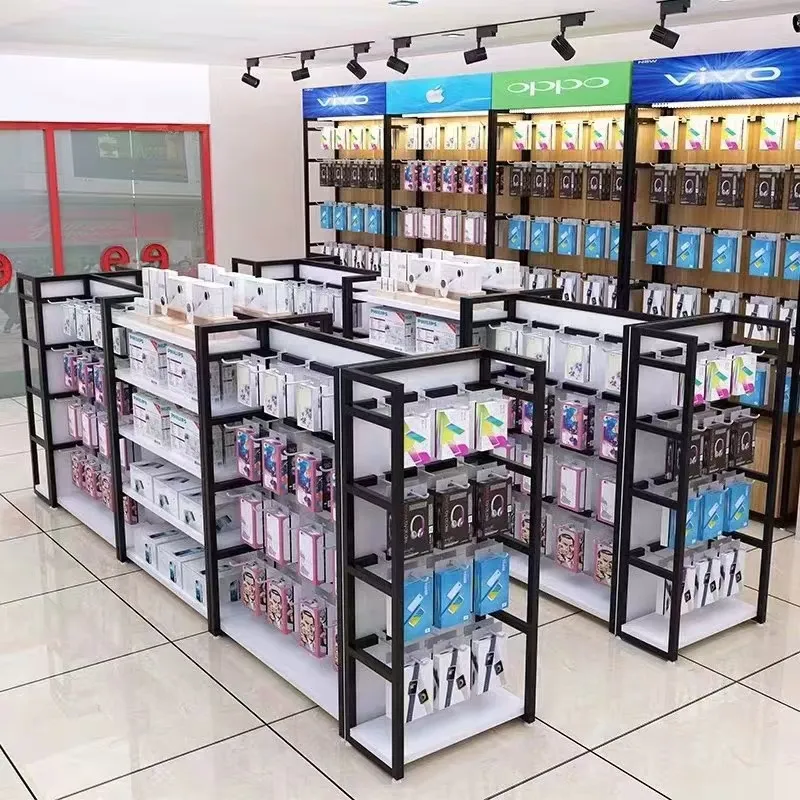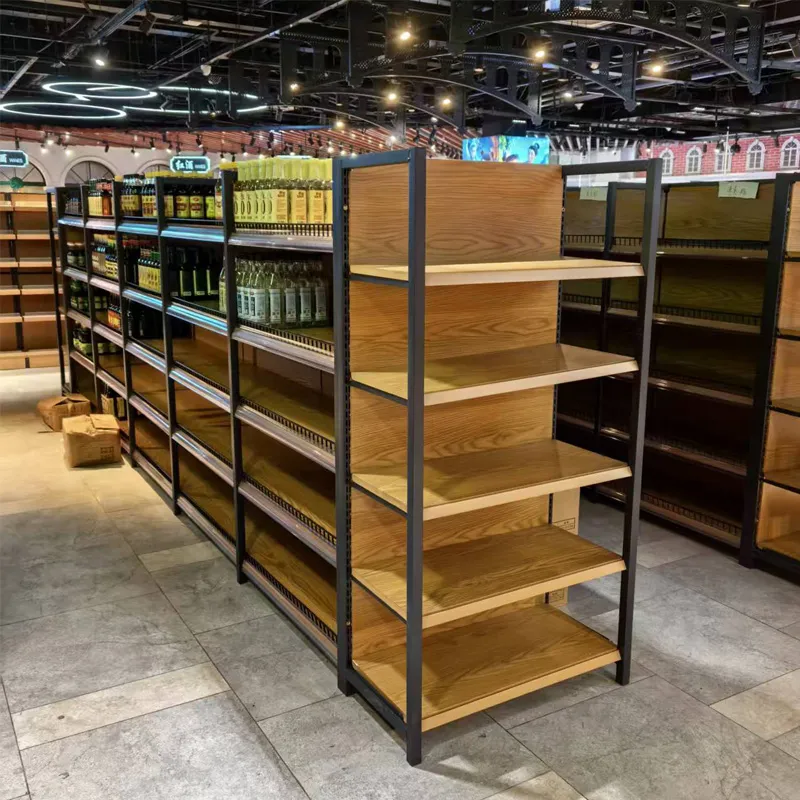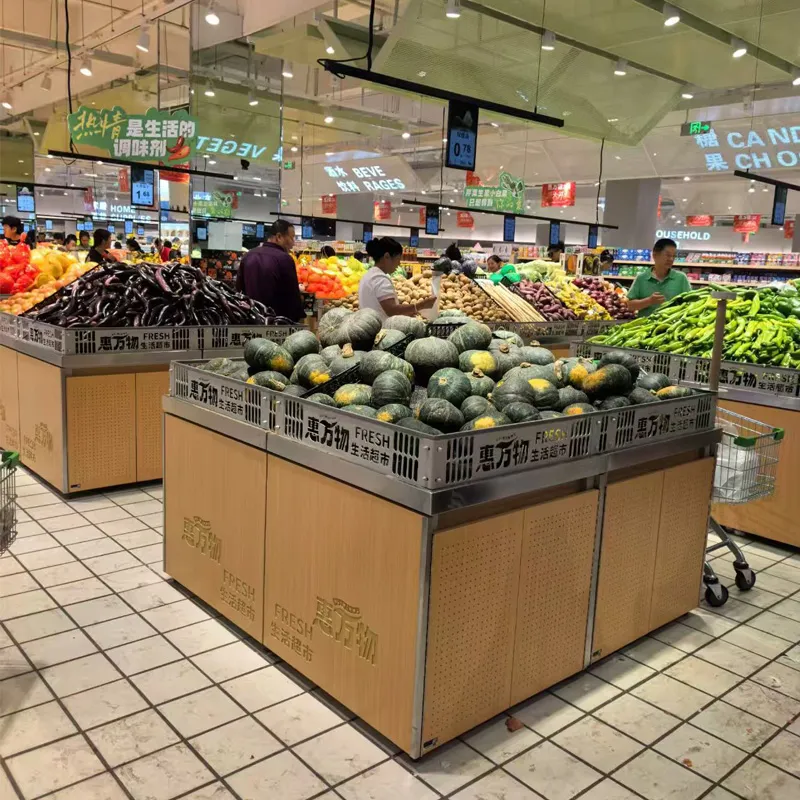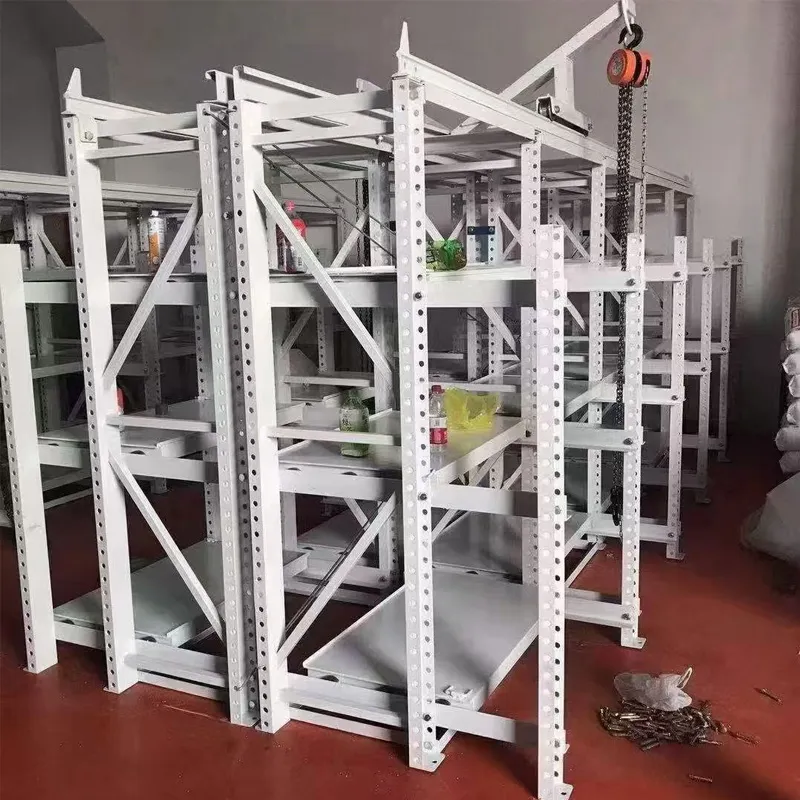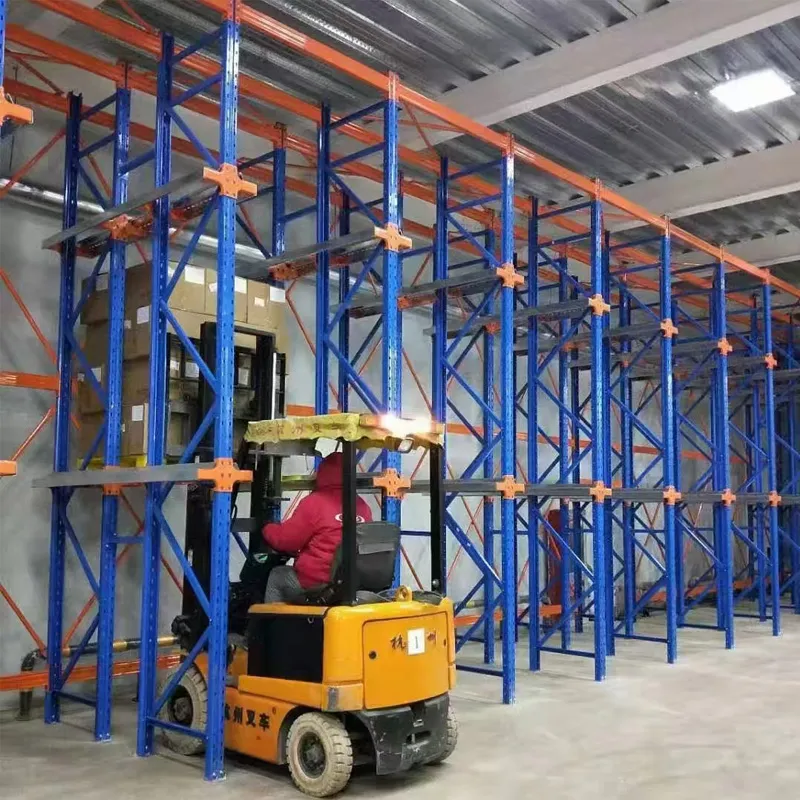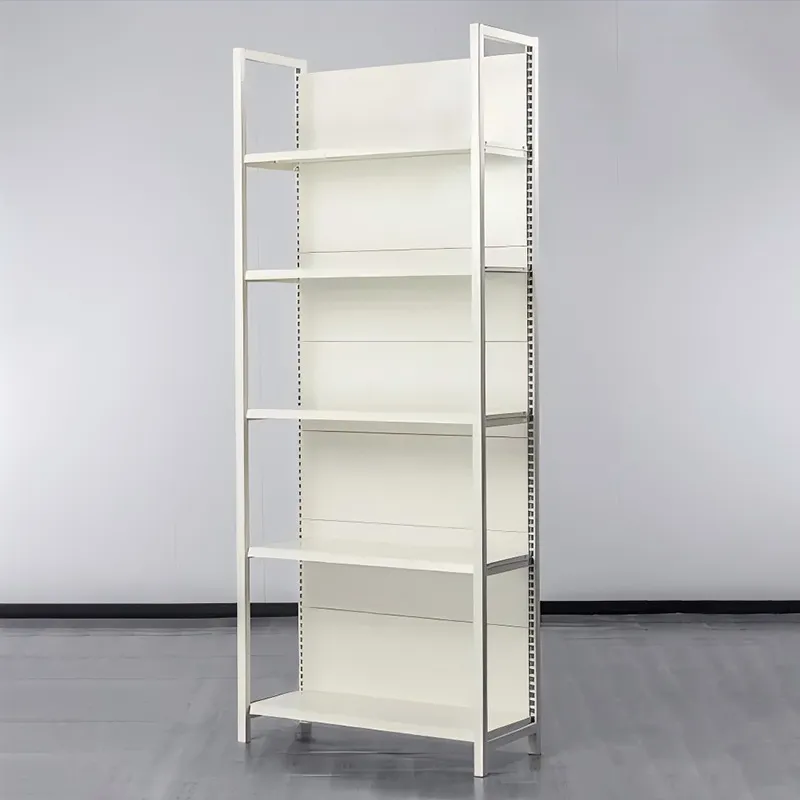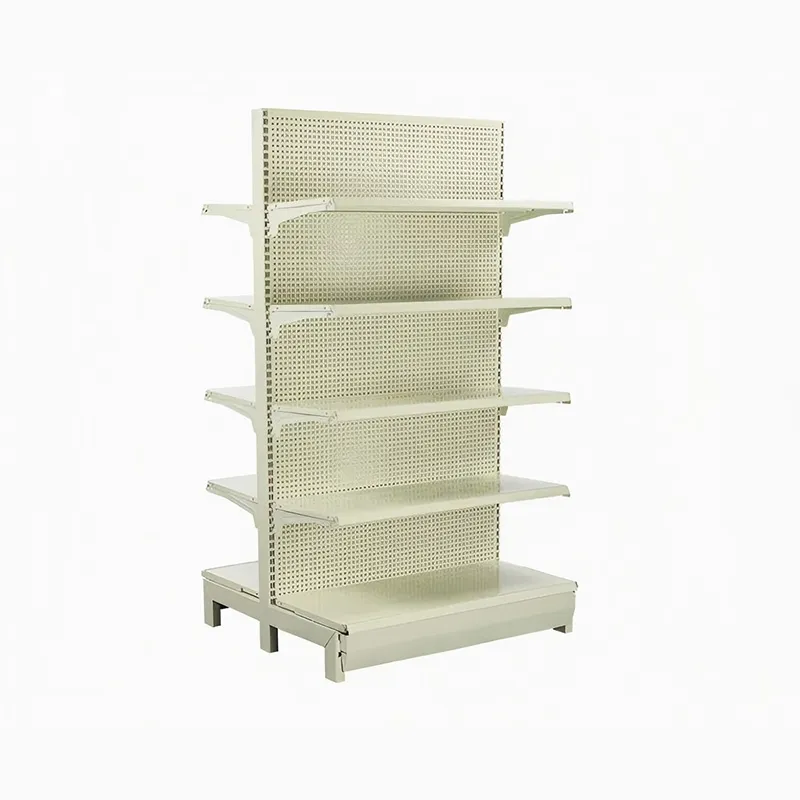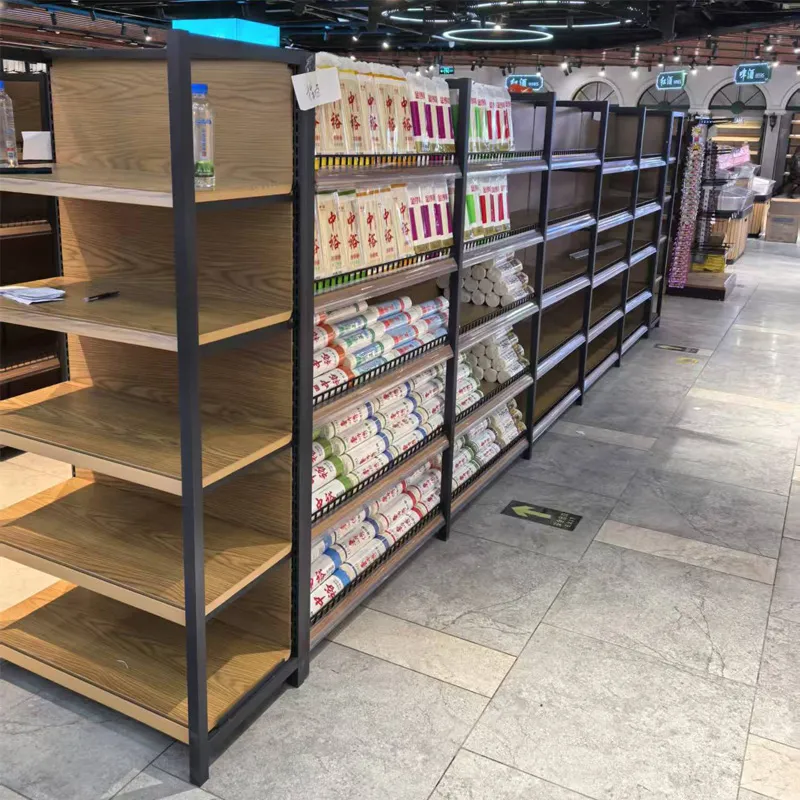
When people talk about retail display design, many people immediately imagine beautifully arranged products on shelves. But this is just the tip of the iceberg. In fact, this is a whole system where the shelf itself is the foundation, not the decor. And this is where the main mistakes begin: customers often save on the “foundation” by choosing unsuitable or weak structures, and then wonder why turnover does not grow, despite the beautiful picture. Many times I have encountered the fact that visual designers and merchandisers work separately from the engineers who design the supporting systems. The result is beautiful, but does not work or is dangerous.
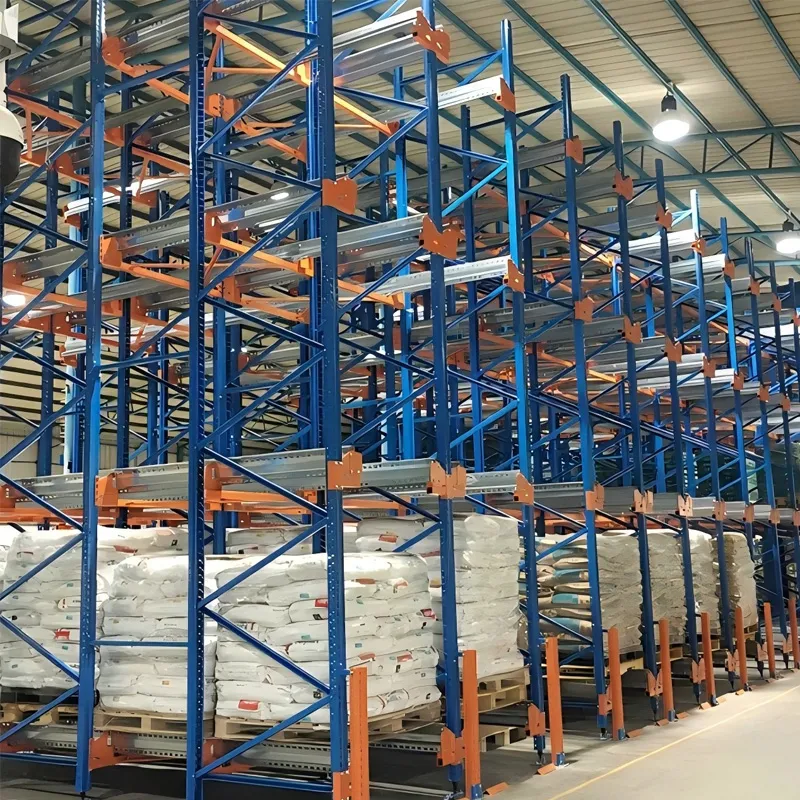
The first and main principle is safety and load. You can draw anything, but if the rack cannot support the weight or wobbles, all your efforts will be in vain. I remember a project for one large DIY store, where the designers decided to display heavy cans of paint on high, visually “airy” shelves. cantilever structures. Does it look impressive? Yes. But engineering calculations showed that the proposed standard racks are not suitable. I had to look for a manufacturer who could make a custom solution with a reinforced beam and special fastening.
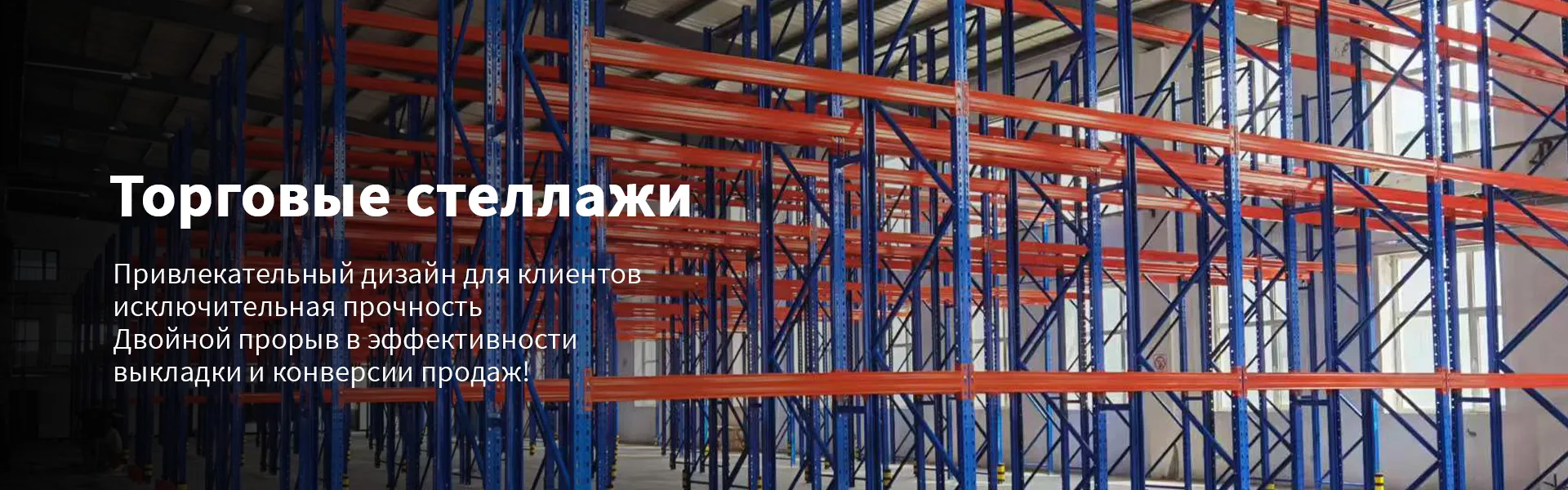
This is where the experience of colleagues who worked with Chinese factories came in handy. Not all, of course, but some show a good balance of price and quality for non-standard tasks. For example,Harbin Rack Factory ?Jusheng?(Harbin Jusheng Metal Structure Manufacturing LLC) which they mentioned. Their websitejshj.ruI was looking through. They position themselves as a full-cycle enterprise - from design to service, and this is key. For a complex display design, individual design is often needed, and not just buying a ready-made rack off the shelf. Their range, by the way, is wide: from sales floors to warehouses, which indicates an understanding of different loads and usage scenarios.
The point is: the design of a retail display begins not with a visual map, but with a technical specification for an engineer. What's the weight? What's the height? What is the cross-country ability? Will there be a children's area nearby (requires special stability)? Ignoring this, we get either an overpayment for excess strength, or, worse, an accident.
Another sore point is the transfer of the logistics logic of the warehouse to the sales floor. In a warehouse, the main thing is storage density and selection speed. In the hall - involvement, navigation, impulse purchases. But often buyers or logisticians, saving time, require that goods be laid out in the hall in the same way as they are stored in a warehouse: pallets, boxes, monotonous rows.
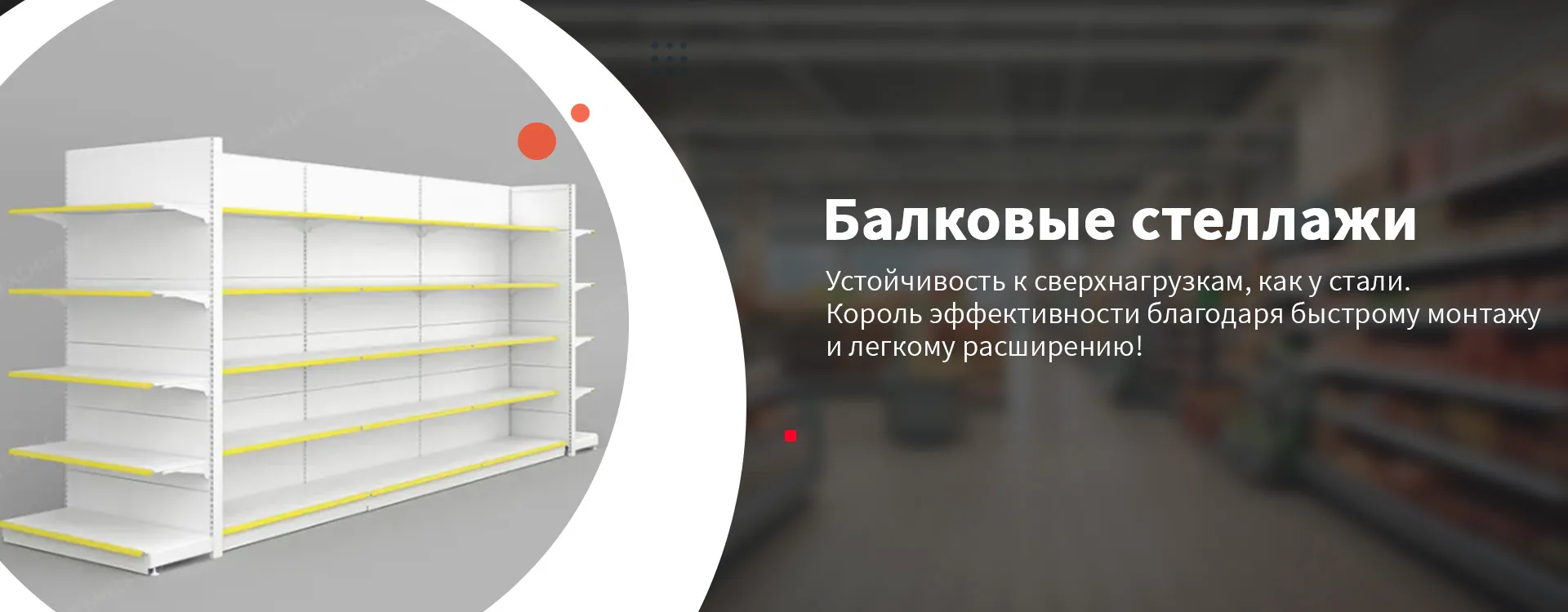
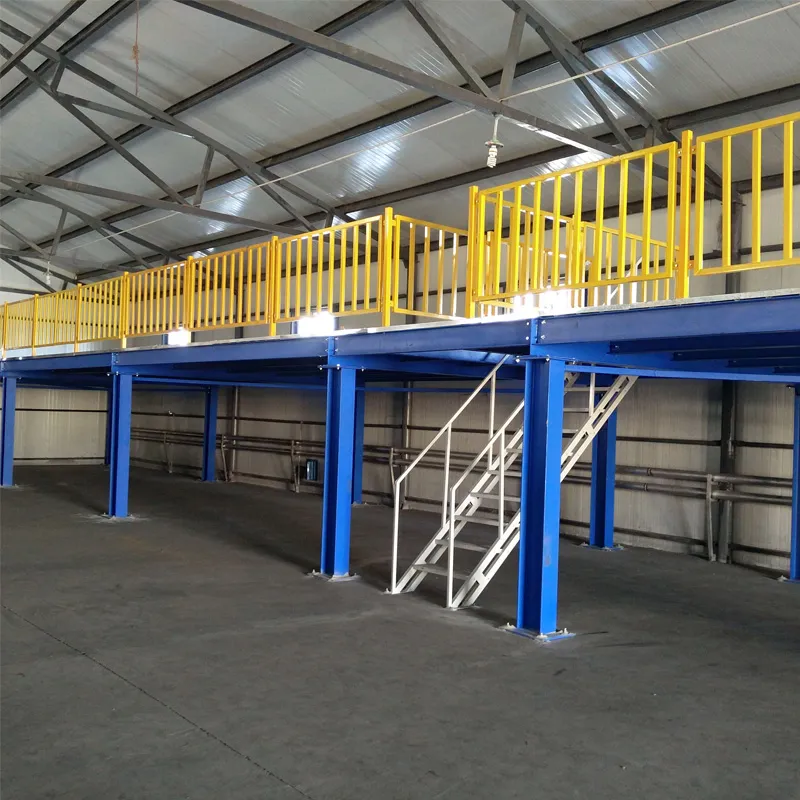
This kills the whole idea of merchandising.Retail display designshould guide the buyer through the story. Let's say, for the same hardware store: not just all the screws on one rack, but the creation of a “repair zone”. Here is a rack with tools (possibly reinforced mezzanine to take advantage of the height), next to it on the shelf racks are consumables (putty, primer), and below, on stable low structures, are samples that you can touch. All this requires different types of racking systems in one area.
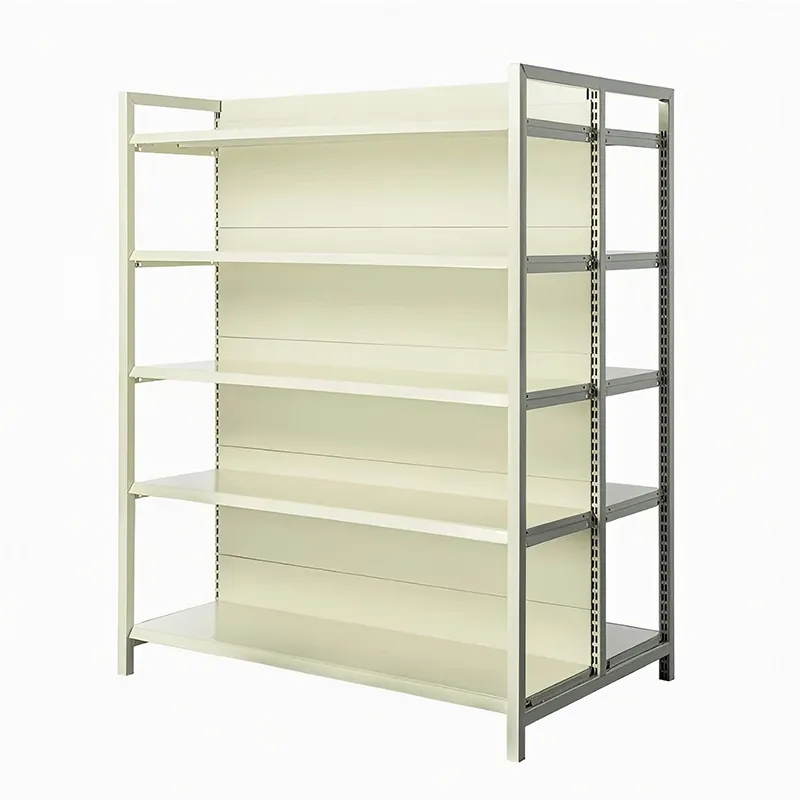
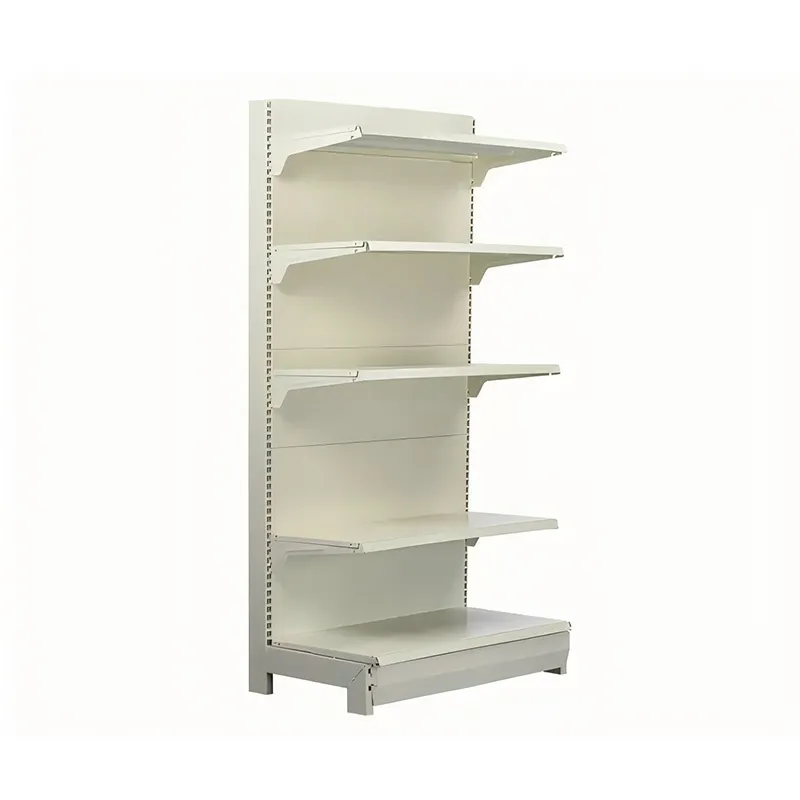
We once did a project for a sporting goods store. They installed standard L-shaped shelving and everything looked dull. We turned the situation around when we introduced the combination:racks for sales areasfor clothes (less deep so that the goods “breathe?”), cantilever ones for long skis and poles, and four-way island racks for accessories in the center of the hall. Sales of accessories increased immediately because they were accessible from all sides.
A good retail rack is one that is not noticeable. It should not distract from the product. But at the same time, it should allow you to quickly change the display for the season, promotion, or new trend. This is where modularity is important. Many Russian retailers still use heavy, tightly welded structures. They changed the assortment - and the rack is no longer suitable.
The ideal system allows you to rearrange shelves, change heights, add accessories (hooks, price tag holders, lighting) without welding or complex installation. At the same factory ?Jusheng? The range includes shelf and beam racks, which, judging by the description, offer just such modularity. This is critical. I saw how in one electronics store, due to inflexible stands, they were unable to beautifully display new models of laptops with non-standard stands - they had to put ugly additional structures on top, which ruined the whole look.
Flexibility also means adapting to the format. A tiny convenience store and a hypermarket require completely different solutions. In a small space, corner shelving and systems using height (the same mezzanines), but in a safe and accessible design for employees, come to the fore. In a large space, sight lines and navigational dominants are important, which are often created through multi-level structures.
The most difficult thing in negotiations is to explain to the customer why they cannot buy the cheapest racks. Their price is often attractive, but then hidden costs emerge: frequent repairs, weight restrictions (which means you can’t make an impressive mass display), and the inability to reconfigure. Shelving is a long-term investment inproduct display design.
When working with suppliers, it is important to look not only at the catalog, but also at production capabilities. A factory that does everything itself - from cutting metal to painting - like the same ?Jusheng? (judging by the description, they have a full cycle and 20,000 sq. m of space), can usually give the best price for a custom project and guarantee the quality of welds and coating. Because painting is not only about color. This is about protection from scratches and moisture, so that in a year the rack in the vegetable department does not become covered with rust.
A failed case from practice: we purchased cheap shelving with a bad powder coating for the store. Six months later, chips and rusty spots appeared on the load-bearing columns. The product looked stale compared to them, even if it was fresh. I had to urgently change it, incurring double costs. So saving on equipment is a direct threat to the perception of the product.
Modern display design no longer lives without light and numbers. But how to integrate lighting into the shelving? A common mistake is to hang diode strips on top, which blind the buyer. We need built-in solutions and wiring channels. This is again a question of designing the structure at the production stage.
The same goes for digital screens or tablet holders with product descriptions. The rack must be ready to accept them - have reinforced fastenings and cable channels. Universal systems that manufacturers like the mentioned plant claim (they specify design as part of the cycle) must take this into account. Otherwise, it turns out like in one boutique: expensive shelves, and a tablet taped to them - a complete failure in aesthetics.
The atmosphere of the store is created also by the materials. The metal shelving can be cold, or maybe with wooden inserts, creating a feeling of premium. The possibility of such combinations is also a sign of the manufacturer’s flexibility. Not every plant will undertake this; it is more difficult than churning out standard solutions.
Ultimately, successful retail display design is about synergy. Synergy between a merchandiser who knows the psychology of the buyer and a design engineer who knows how to translate this into metal. And between them there must be a manufacturer who understands both sides and can make not just a piece of hardware, but a sales tool.
Choosing a partner for the production of racking systems is a strategic decision. You need to look at his experience in retail projects (not just warehouses), his willingness to make calculations and individual solutions, the quality of materials and finishing. As is the case withHarbin plant ?Jusheng?— their emphasis on the full cycle and a wide range of systems just hints at the potential ability to solve such complex problems. But, of course, each project requires a separate in-depth discussion and calculation.
The main thing is to remember that a rack is not just a shelf. This is the stage on which the story of the product is played out. And whether people will buy a ticket for this performance depends on the strength, flexibility and thoughtfulness of this stage.