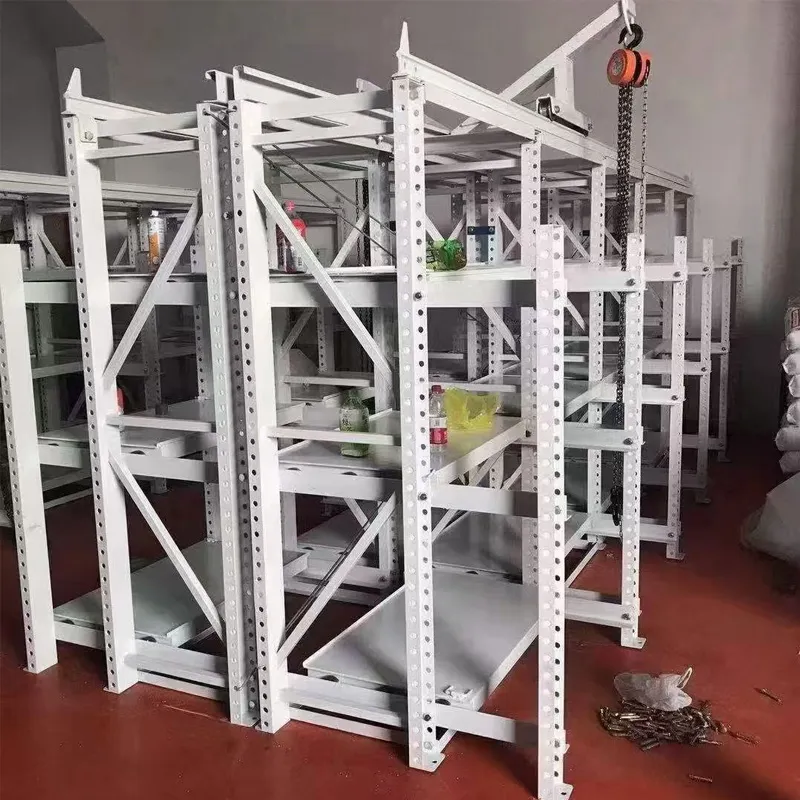
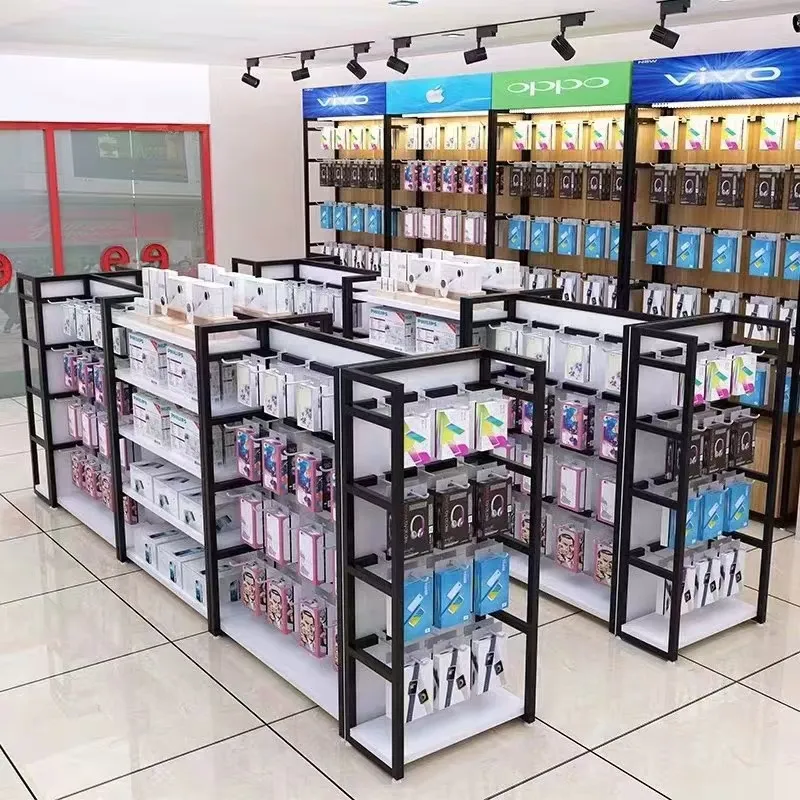
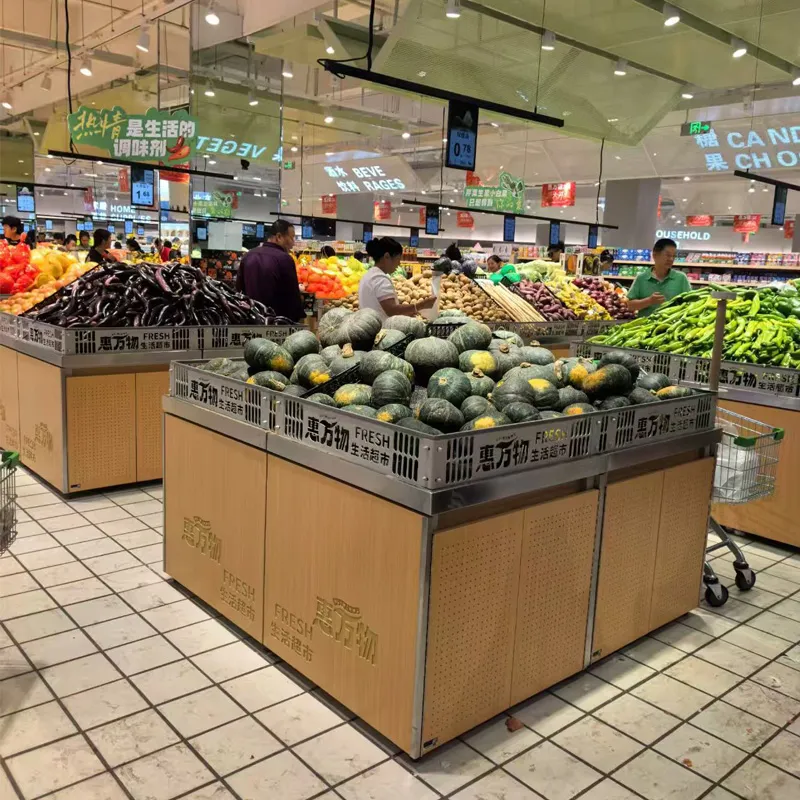
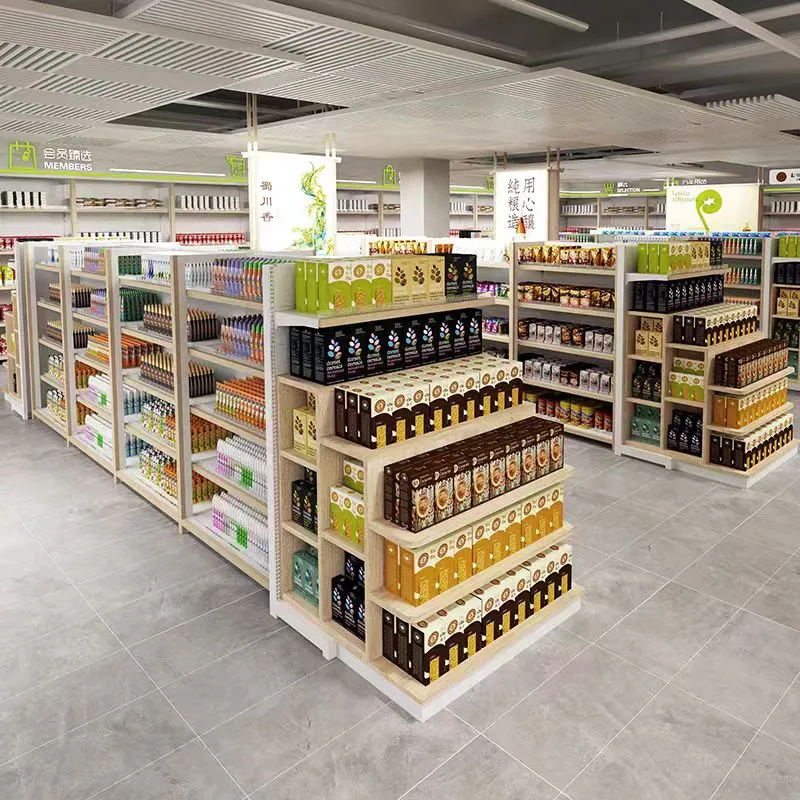
When a customer talks about modernizing or reconstructing a warehouse, many people immediately think about purchasing new shelving. This is the main mistake. The problem is often not with the racks themselves, but with how they fit into a changed business process. You can buy the most expensive designs, but if you don’t take into account the increase in turnover, the specifics of a new product, or errors in planning, your money is wasted. I have seen projects where, after reconstruction, throughput even dropped due to the wrong type of storage.
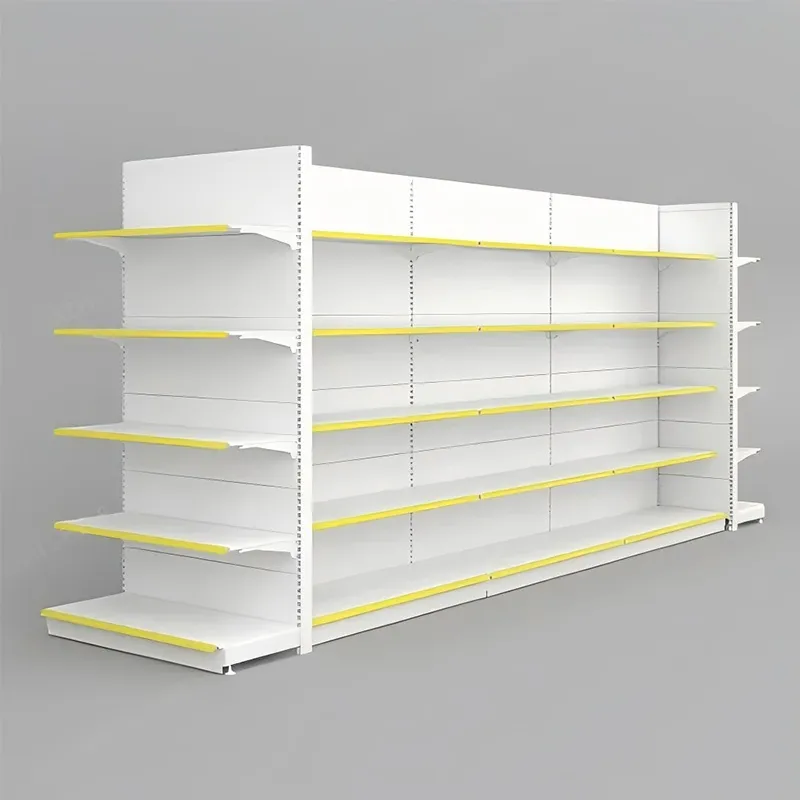
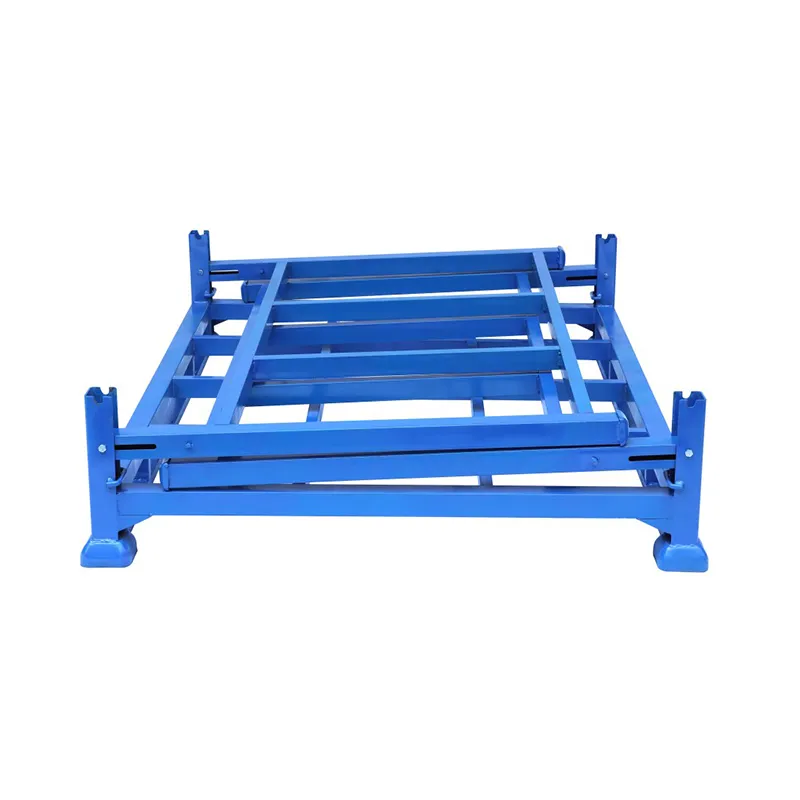
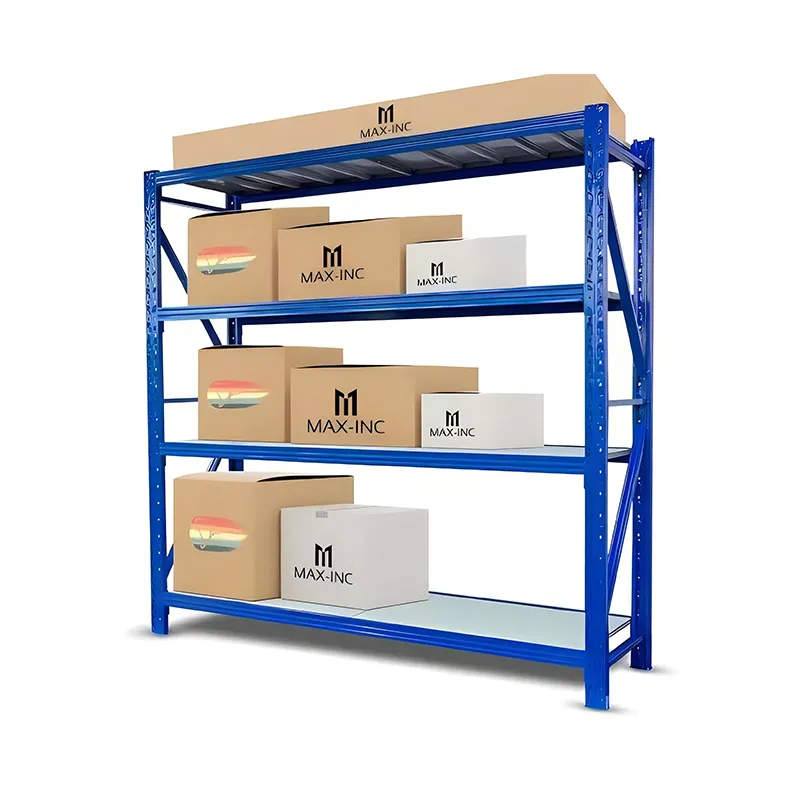
The first thing we do is not look at catalogs, but analyze “as is”. What SKUs were there five years ago, what are they now, and what will appear tomorrow? It often turns out that a hybrid is needed: part of the area for palletsshelving for warehouse modernization/reconstruction, some for small-cell storage, and in some places it’s even worth thinking about a mezzanine. Without this analysis, any reconstruction is like shooting sparrows with a cannon.
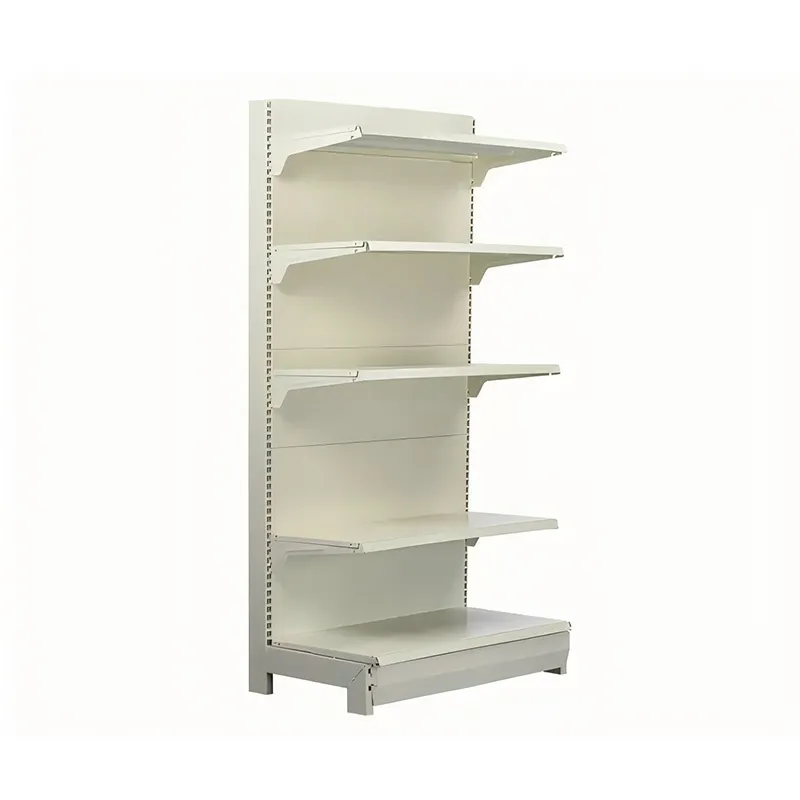
We had a case at a pharmaceutical warehouse. The customer simply wanted to increase the storage height by installing high pallet racks. But when we looked at the documents, it turned out that 40% of the goods were small boxes with high turnover. We made a combined solution: in one part of the hall there are high racks for long-term storage, in the other there are compact shelf systems with convenient access for assemblers. The result is that we not only increased capacity, but also accelerated selection.
It is important here not to fall for the tricks of the “universal” ones. decisions. Universal often means “compromise”. Each warehouse section must have its own optimal type of construction. Sometimes this means that systems from different manufacturers will be running at the same site, and this is normal.
The quality of metal and coating is an item on which it is mortally dangerous to skimp. I have seen structures that, a year after installation in an unheated warehouse, became covered with red spots. The cheap powder paint just came off. As a result, the customer paid twice: for cheap racks and for their complete replacement. The thickness of the metal, the quality of perforation, the accuracy of the locks - all this affects durability and, most importantly, safety.
When modernizing, you often want to use old foundations or beams from previous systems. An extremely risky undertaking. Even if they look intact, metal fatigue is something invisible to the eye. The load characteristics may have changed, and the geometry of the new system is rarely 100% identical to the old one. On one of the projects, we made such a compromise at the insistence of the client, and six months later we had to urgently strengthen several sections. Saved pennies, risked thousands.
Here it is worth noting the approach of some manufacturers who work on a full cycle. For example,?Harbin Jusheng Metal Structure Manufacturing Co.,Ltd.(their website isjshj.ru) from Harbin, which is positioned as a large plant with a full cycle from design to service. For reconstruction, this approach is important: when one contractor is responsible for calculations, metal, and installation, it is easier to avoid “blurring.” responsibility. Their experience in the production of different types of systems, from beam to shuttle, allows them to offer more flexible combined solutions specifically for modernization tasks, and not just sell a ready-made standard kit.
The fun begins at the installation stage. A project on paper is one thing, but a real object with an uneven floor, columns and old communications is completely different. Often, when reconstructing a warehouse, you have to work in the conditions of existing logistics. You can't just stop all operations for a month. This means we need a step-by-step installation diagramshelving for warehouse modernization/reconstruction, sometimes even at night.
One of the common problems is geodesy. You have to do a laser scan of the entire room to identify differences in floor level. If they are not taken into account, the racks will stand crookedly, the doors on the guides will open spontaneously, and the load will be distributed unevenly. This is not a trifle, but a matter of stability of the entire structure.
Another point is interaction with other systems. The new racking system must be precisely “linked” to each other. to forklift paths, loading areas, even the location of fire detectors and sprinklers. It happens that a beautifully designed high shelving unit blocks the ventilation or lighting system. All this requires close work not only with the customer, but also with its operation services at a very early stage.
Customers often focus on the price per ton of metal or per square meter of storage. This is just the tip of the iceberg. It is necessary to consider the total cost of ownership throughout the entire reconstruction cycle. This includes: dismantling old structures (and disposal), possible reinforcement of the floor, warehouse downtime during work, retraining of personnel to work with the new system.
Sometimes a more expensive but quickly installed solution turns out to be more profitable than a cheaper one, the installation of which will take twice as long. Warehouse downtime means direct losses. We always offer the client several scenarios with different budgets and different payback periods. Sometimes it is better to upgrade in two stages, but without stopping key operations.
The important point is the future. goodwarehouse reconstructionprovides the opportunity for further scaling. Will it be possible to increase the height in two years? Add another row? Integrate automated shuttles? If the system allows this, then the initial investment is more than justified. A rigid, inflexible design, even if it is cheaper today, may become a bottleneck tomorrow.
Handing over the object is not the end of the work. The most important thing comes later. Staff who have been working in the old way for years need to be taught new principles. Where are Category A products now? How to properly drive a forklift into a new narrow passage? It is not enough to simply give instructions. It takes several days, or even weeks, to be present on site, catch errors, and correct processes.
Another critical point is routine maintenance and inspection. We always insist on signing a service contract. Regularly checking the tightening of bolts, the condition of locks, and the verticality of the racks is a guarantee of safety. In conditions of vibration from equipment and constant load, any structure requires attention. By the way, the supplier has a strong customer service, as, for example, it declaresLLC ?Harbin Jusheng?In its description as a full-service enterprise, including after-sales service, this is a serious plus when choosing a partner for a long-term modernization project.
The bottom line is simple: successful modernization is not about shelving. This is about changing the logistics model. Racks are just a tool. If you approach the issue this way, with analysis, with an understanding of risks and with an eye on the future, then the investment will pay off not only in square meters, but also in speed, accuracy and, ultimately, in the money saved on each operation. And if you approach it as a simple replacement of furniture, then the result will be appropriate.