When you hear “aisi 304 stainless steel rack”, the first thing that comes to mind is expensive, beautiful and for catering units. And this is the main mistake you encounter when clients come with a request. Many people think that this is exclusively ?food? history for restaurants or pharmaceuticals. In fact, if you dig deeper, the scope of application is much wider, and choosing this particular brand is not about fashion, but about the physics and chemistry of the material under specific conditions. I myself have seen many times how they order 304 because “they said so?”, and then it turns out that the environment is too aggressive, or the loads are not the same, or the welding went in waves... But first things first.
Mark 304 is, in fact, a classic. 18% chromium, 8% nickel - this formula is known to many. It provides the same corrosion resistance in most atmospheric and many slightly aggressive environments. But the key word is “mostly”. This is where the professional conversation begins. If there are constant acid vapors or a high content of chlorides in the workshop (for example, in coastal regions or in some industries), then 304 may begin to “bloom.” - pitting corrosion appears. I saw this in one of the warehouses by the sea. The customer saved money, did not go for 316L, and after a couple of years, red dots appeared on the shelves, especially in the fastening areas.
Another point that is often overlooked is mechanical properties. AISI 304 is a steel that lends itself well to cold working and welding. But after welding, especially arc welding, corrosion resistance in the weld area may decrease. This is not fatal, but requires proper subsequent processing - passivation. Without this, the seam becomes a weak point. Many small workshops neglect this and simply sand the seam for beauty. And then they wonder why the corrosion went along the welding line.
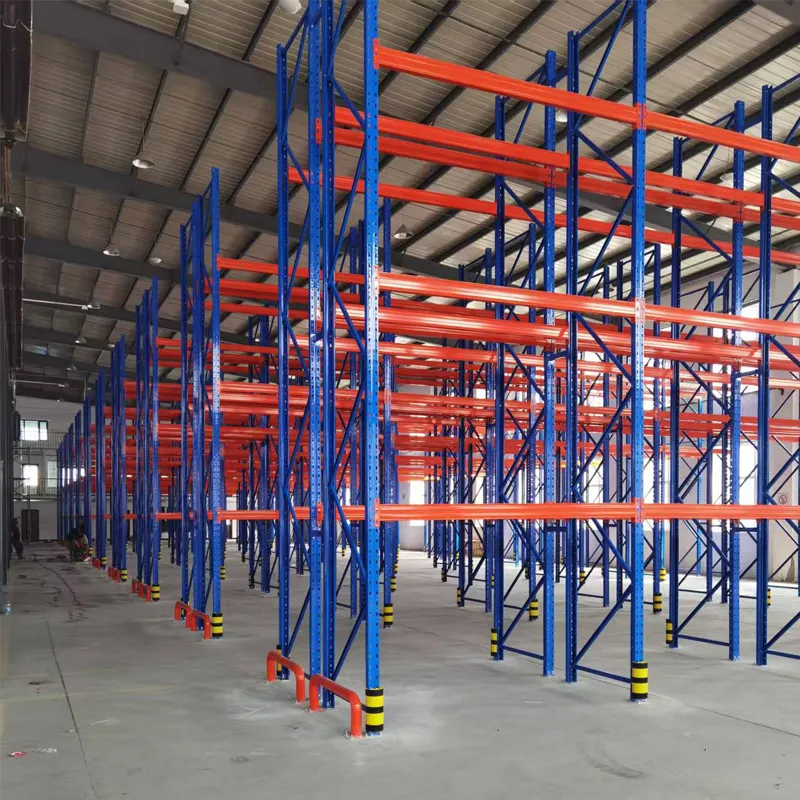
And the third myth is about universality. No, this is not a magical material for all occasions. For heavy pallet loads in a dry warehouse, it is often more logical and economical to use powder-coated, high-strength carbon steel. Stainless steel, especially 304, is justified where there are requirements for cleanliness, humidity, chemical fumes, or simply aesthetics that must be preserved for years without special care. For example, in laboratories, in clean electronics production, in exhibition halls of expensive equipment.
When it comes to designing stainless steel shelving, there are a lot of things that go wrong with regular steel. The first is tolerances and deformations. The material has a different coefficient of thermal expansion, and if this is not taken into account in large-sized structures, there may be problems with installation. I remember a project for a pharmaceutical warehouse, where long spans of beams were calculated without taking into account temperature fluctuations in the workshop. As a result, during installation in the summer, everything came together perfectly, but in the winter, when it became cooler in the workshop, noticeable gaps appeared in the connections - they had to be modified on site.
The second critical point is the fasteners. It is strictly forbidden to use ordinary steel bolts. This is a guaranteed galvanic couple, and at the point of contact the stainless steel will begin to corrode at double the speed. Only stainless steel fasteners of the same or higher grade. And here they often save money by installing something cheaper, and then the whole structure suffers. It is better to immediately include in the specification, for example, A2 or A4 fasteners.
The production itself is a different story. Cutting, bending, welding - everything requires a clean tool and a separate, preferably insulated, line. If you first cut ferrous metal and then stainless steel on the same machine, particles of carbon steel will certainly remain on the surface of the stainless steel and cause the so-called “induced” reaction. corrosion. From serious manufacturers, likeHarbin Jusheng production of metal structures, there are dedicated workshops or lines for this. On their websitejshj.ruit is clear that they position themselves as a full-cycle enterprise with automated lines - for stainless steel this is not a luxury, but a necessity to maintain clean production.
Let me give you a couple of examples from practice. A successful project is a shelving system for storing expensive wines in the basement. High humidity, constant cool temperature, requirements for inertness of the material. AISI 304 was perfect. The structure was designed with a minimum number of welds, and the main connections were mechanically fastened. All edges were rolled to prevent accumulation of moisture and dirt. The racks have been standing for more than 5 years, they look like new.
And now an example of failure, or rather, a compromise that had to be sought. Order for racks for car washing. Aggressive environment: detergents, salts, constant contact with water. Initially we wanted 304, but after analyzing the chemical composition of the detergents used, it became clear that we needed a brand with molybdenum - 316. But the budget was limited. The solution was found as follows: the supporting frame and shelves were made from 304, but with a reinforced polymer coating in particularly critical places, and all fasteners and elements that are in direct contact with flowing water were made from 316. The system works, but requires more frequent visual inspection.
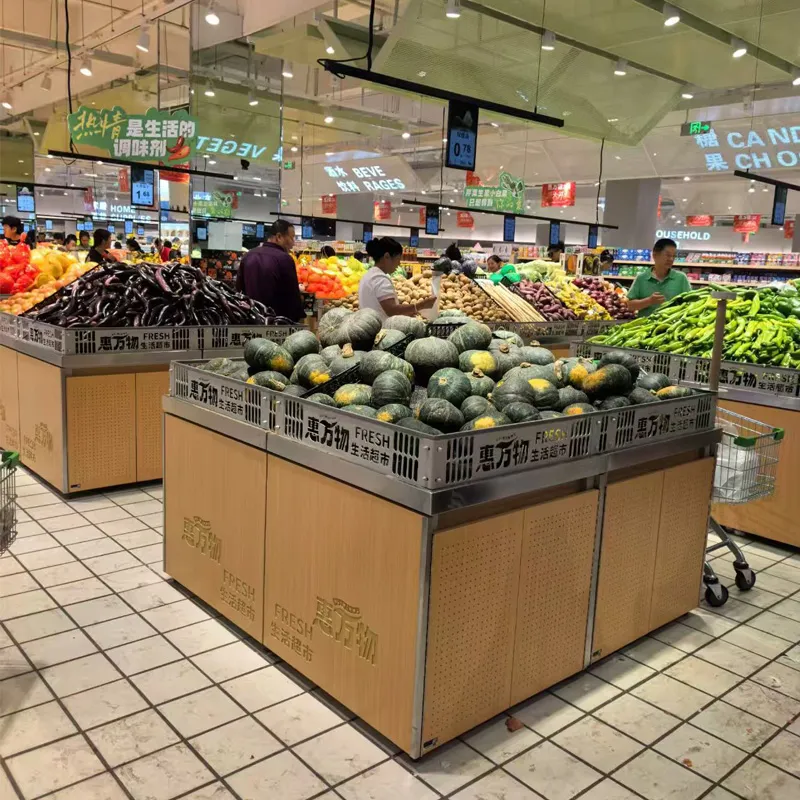
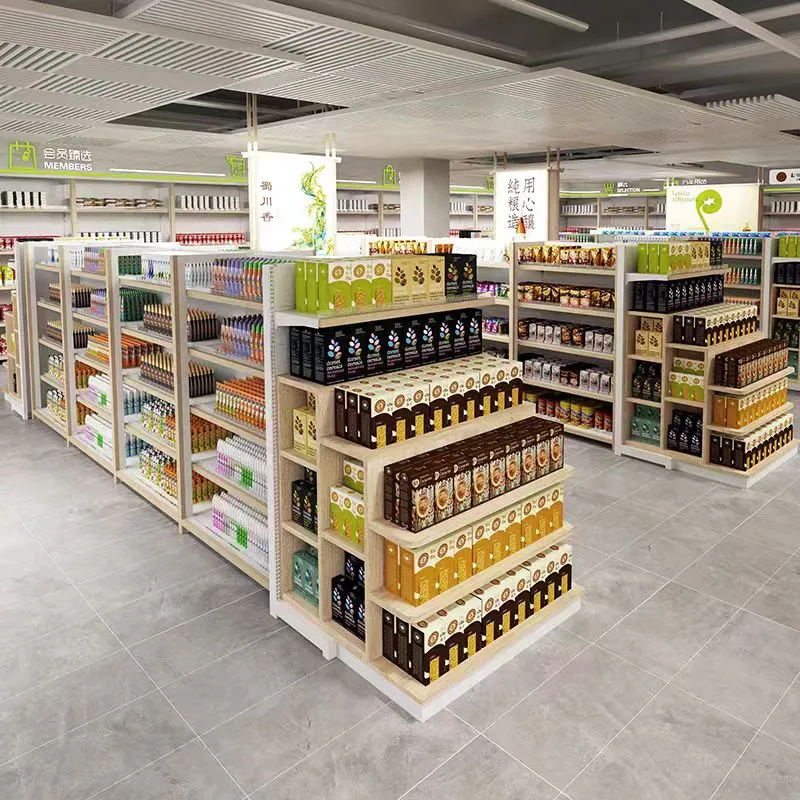
Another interesting case is the production of shelving for the sales area of a premium supermarket. The main thing here was appearance: shine, impeccability, a feeling of coldness and cleanliness. AISI 304 with a matte satin surface treatment (grinding No. 4) gave exactly that effect. But we had to additionally think through protection against fingerprints, since they cannot be avoided on the sales floor. We considered an option with an additional transparent varnish coating, but rejected it so as not to lose the tactile sensation of the metal. We settled on recommendations for care using special products for stainless steel.
Installation of stainless steel racks is aerobatics for assemblers. The first rule is white gloves. Not for beauty, but to avoid leaving greasy marks from your hands, which can then become centers of corrosion. Any scratches accidentally left during installation are a potential hazard. Therefore, the tool must be either with plastic linings or stainless steel.
In operation, the main enemy is dirt and stagnant zones. If dust, organic residues, or metal shavings accumulate on the shelves (for example, in a workshop), then under this layer the access of oxygen is limited, and crevice corrosion may begin. Therefore, in maintenance I always prescribe not just “wipe”, but rather clean using neutral detergents and soft fabrics. No abrasive powders or steel wool! They destroy the protective oxide layer.
And, of course, deformation. Stainless steel is a strong material, but not as tough as some types of structural steel. I saw how a pallet was delivered to a warehouse by mistake, the weight of which was 30% higher than the calculated one. The shelf did not break, but gave a residual deflection. It is almost impossible to straighten it without losing strength and appearance. I had to change it. Hence the conclusion: marking the permissible loads on the rack is not a formality, but an iron rule.
Price forstainless steel rack AISI 304will always be higher than normal. But if the difference is suspiciously small, this is a reason to be wary. Perhaps they save on the thickness of the metal by using a thin sheet without the necessary reinforcement. Or they do not use 304, but cheaper analogues like AISI 201, where part of the nickel is replaced with manganese. It also shines, but its corrosion resistance is noticeably lower.
Here it is important to work with specialized factories that specialize in metal structures and have experience specifically with stainless steels. Here, for example,?Harbin Jusheng Metal Structure Manufacturing Co.,Ltd.. From the description it is clear that this is not a small workshop, but a factory with an area of 20,000 square meters. m, founded in 2019. For me, as a specialist, the key words here are “full cycle?” and ?automated production equipment?. A full cycle means control at all stages: from checking certificates for rolled metal products to finishing and packaging. Automation minimizes the human factor, which is critical for stainless steel - there is less risk of contamination.
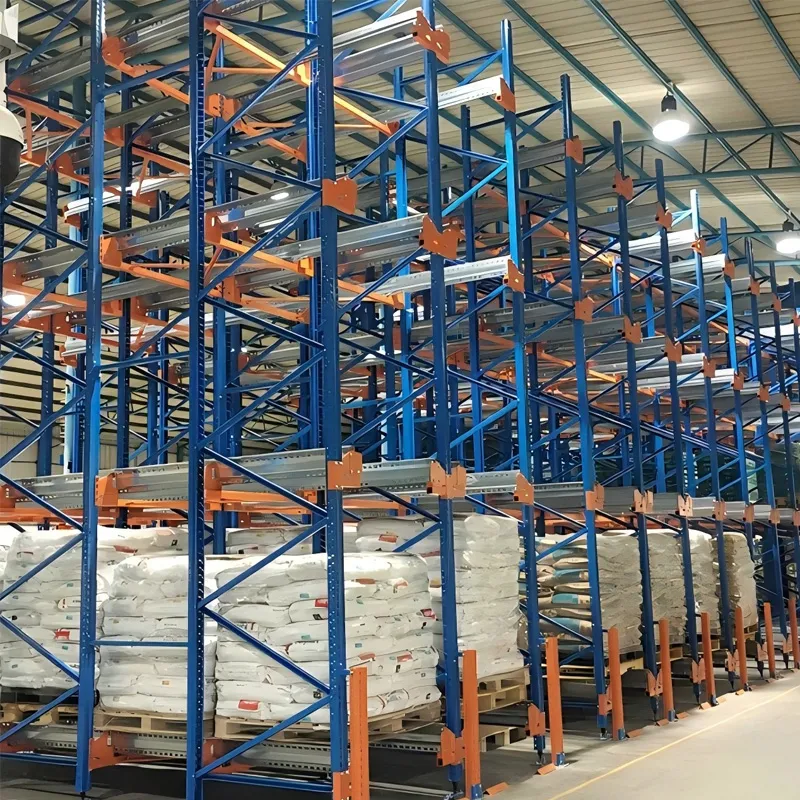
When choosing, I always request not just a catalog, but technical maps for the production of specific components, especially welded ones. I'm looking at how the issue of passivation of seams is being resolved. And I definitely ask for samples of the material and welded joint so that, if possible, I can submit them for spectral analysis or at least carry out the simplest tests (for example, with a drop of copper sulfate). Trust, but verify. Good supplier likeHarbin Rack Factory ?Jusheng?, which claims a wide range of racking systems (from retail to shuttle), is usually ready to provide such information and even invite you to production. It's worth a lot.
In the end, back to the beginning.Shelf made of AISI 304- this is not about status and not about being “like everyone else”. This is an engineering solution that must be justified by technical specifications, analysis of the environment and loads. Sometimes this is the only correct option, sometimes it is overkill. The main thing is not to fall into the trap of stereotypes and not to skimp on critical things: the quality of the metal itself, the qualifications of the welder, the correct fasteners and after-sales support.
Working with such structures, you understand that beauty and durability here are a by-product of competent calculation and high-quality execution. And when you see how in a large enterprise, like the mentioned Harbin plant, this process is built into a system - from design to maintenance - it becomes clear why some racks last for decades, while others begin to cause problems after just a couple of years. It all comes down to the details and understanding of the material, and not to a glossy catalogue.