When you hear aboutrules for the safe operation of warehouse racks, many people think that this is just a list of prohibitions on paper. In fact, this is a living process that is constantly adjusted depending on what is on the shelves, who works with them, and how the warehouse itself changes. A common mistake is to assume that since the rack has withstood the load upon acceptance, then it can be loaded 'to capacity' for years without looking back. The reality is much more complicated.
Safety begins not with instructions for the storekeeper, but much earlier. For example, I’m looking at projects from different suppliers. Sometimes it is clear that the calculations were made strictly according to the standards, but without taking into account local realities - for example, vibration from forklifts or frequent temperature changes in an unheated room. This is already a potential point of failure.
It is worth noting the approach of such manufacturers asHarbin Jiusheng Metal Structure Manufacturing Co.,Ltd. On their websitehttps://www.jshj.ruit is clear that they position themselves as a full-cycle enterprise - from design to service. This is the key point. When one person is responsible for the entire path of the rack, from drawing to repair, there is less chance that safety will be 'lost' at the junction of stages. Their plant in Harbin, with its space and automated lines, should theoretically ensure consistent quality of metal structures, which is the foundation of safety.
But even the best quality rack can be ruined during installation. I personally saw a case where installers, in order to “quickly”, did not tighten the anchor bolts to the required moment. After six months of operation under load, the entire section began to tilt dangerously. Checking the anchorage is the first thing to do after installation, and not according to the passport, but with a torque wrench.
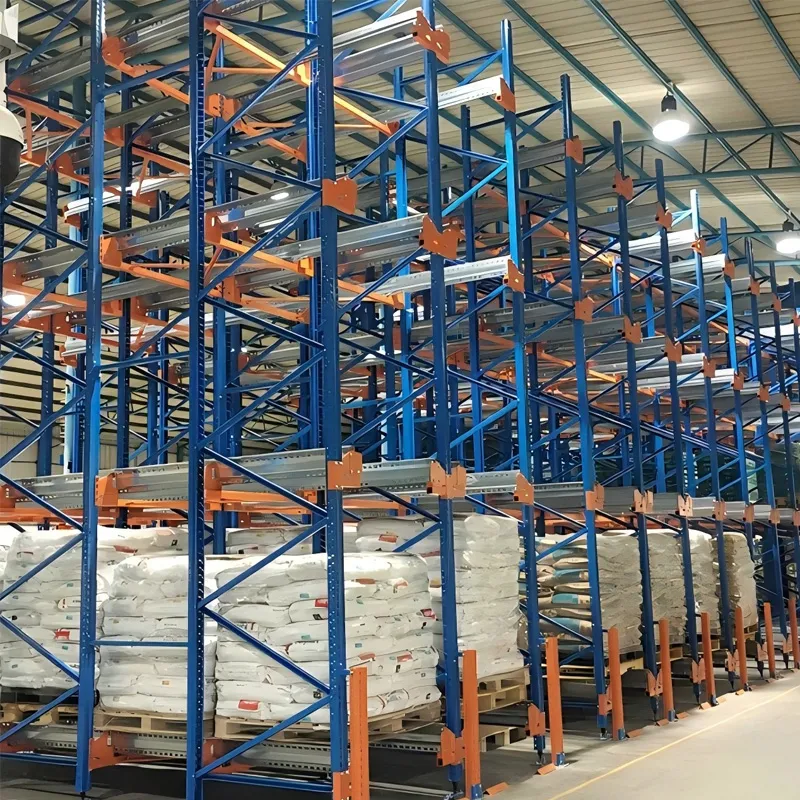
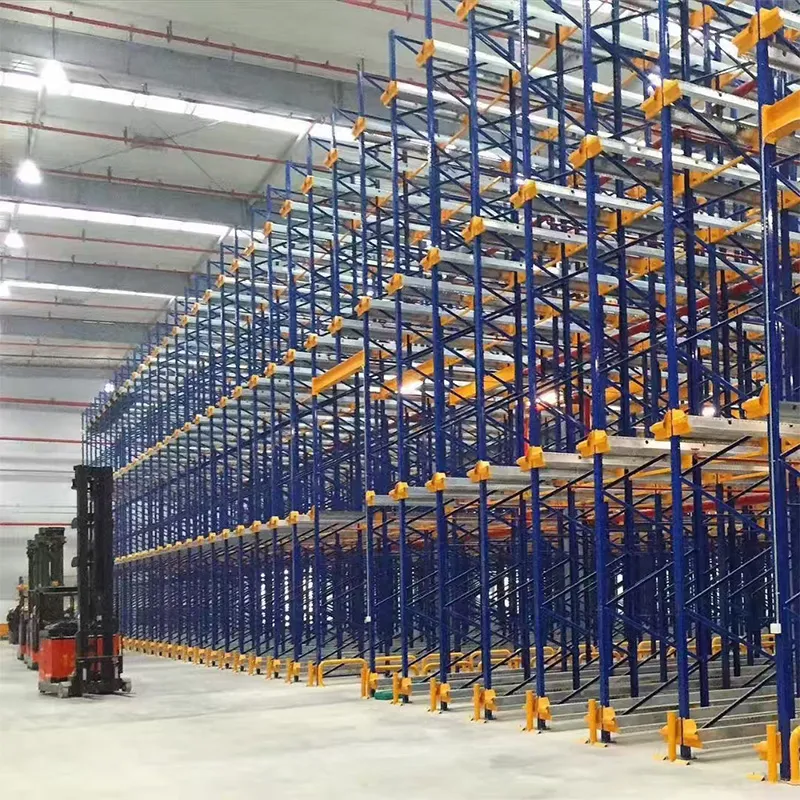
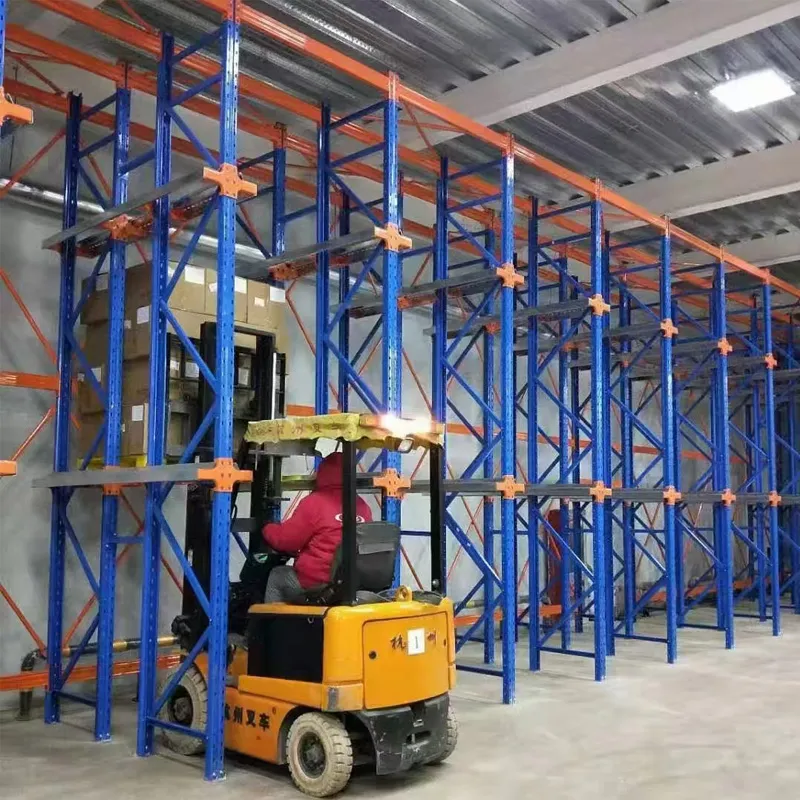
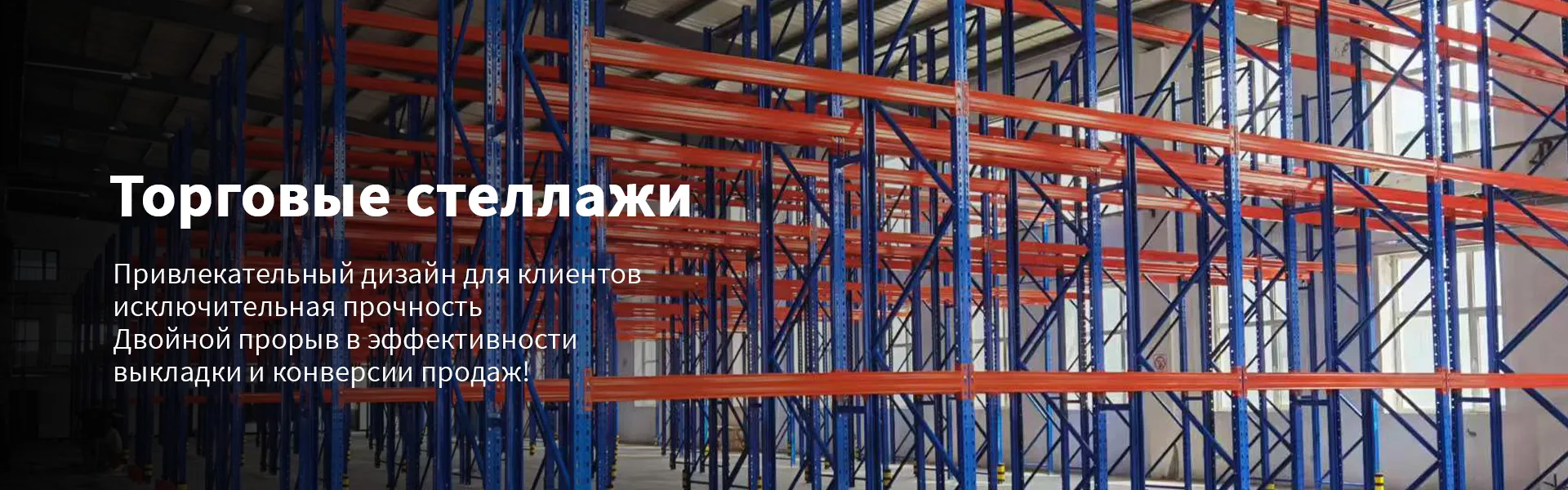
The main nightmare is loading equipment. The forklift is the main enemy of racking racks. An impact even at low speed can cause a bend that is invisible to the eye, which sharply reduces the load-bearing capacity. There is only one rule: protective barriers (bumpers) around the racks are required. But they also need to be regularly inspected for damage.
The second pain is uneven load. Storekeepers often place pallets as convenient rather than as correct. The load should be distributed evenly, and most importantly, do not exceed the load capacity indicated on the rack tag for each level. I saw racks where the upper tier was filled with heavy pallets, and the lower tier was half empty. This creates a dangerous overturning moment.
And the third, often overlooked point is the human factor. Workers may use racks for purposes other than their intended purpose: climb them instead of stairs, hang some devices on beams, remove elements for “temporary needs.” This needs to be strictly suppressed.Rules for safe operationshould be not only in a corner, but also in the head of everyone who enters the warehouse.
A routine inspection is not a walk through the warehouse with a tick on a checklist. It takes a careful eye. Where do I always start? From checking the geometry. All racks must be vertical, beams must be horizontal, without visible deflections. Any imbalance is a warning sign.
Then comes the inspection of the connections. Are the beam locks loose? Are the locking pins bent? Have cracks appeared in the welds, especially in the places where they are attached to the floor? For this you need a good flashlight. Often microcracks are visible only from a certain angle.
Corrosion is a different story. In some warehouses with high humidity, it can 'eat' the metal within a few years. Particular attention is paid to the lower parts of the racks and places where condensation can accumulate. Simply painting the damaged area is not the solution. It is necessary to estimate the loss of metal section. Sometimes it is easier and safer to replace a section than to repair it. This is where the ability to quickly obtain original components from the manufacturer, the same Jusheng, is important, which claims a full cycle, including after-sales service.
I’ll tell you about one case that is not related to my direct subject, but is well known in the professional community. In one of the warehouses, several sections of beam racks collapsed. The reason seemed banal - overload. But upon detailed analysis, it turned out that there was a whole chain of violations: the design load was initially overestimated in order to win the tender; installers saved on the number of anchors; and during operation, long loads began to be placed on the beams, in addition to pallets, creating point pressure for which the rack was not designed.
This is a classic example of how a violationrules for the safe operation of warehouse racksat every stage led to disaster. After this, many facilities began to take rack passports and quarterly inspections with the preparation of reports much more seriously.
Another common incident is a beam being knocked out by a forklift. It would seem that the driver is at fault. But it often turns out that the width of the passage between the racks was designed for forklift models from 10 years ago, and new machines are wider and less maneuverable. Rules must adapt to changing conditions.
Ultimately, it doesn't come down to the metal, but to people and processes. You can buy the most durable shelving from a trusted supplier like the Harbin factory, but if the company does not have a safety culture, sooner or later a problem will occur. This culture is created every day: through training, through clear and understandable instructions, through leadership accountability, and through a system that encourages reporting of potential hazards rather than punishing them.
Rules are the skeleton of security. Meat and blood means constant attentiveness, preventive actions and an understanding that a rack is not just a piece of hardware, but a complex engineering system that operates under load. Her condition needs to be constantly monitored.
And lastly: never skimp on a professional audit. You can carry out daily inspections on your own, but once every year or two, inviting independent specialists who will assess the condition of the structures, the compliance of the loads and the general organization of work is not a waste, but an investment in preventing colossal losses and, most importantly, in preserving people’s health. Security is an area where compromise is not acceptable.